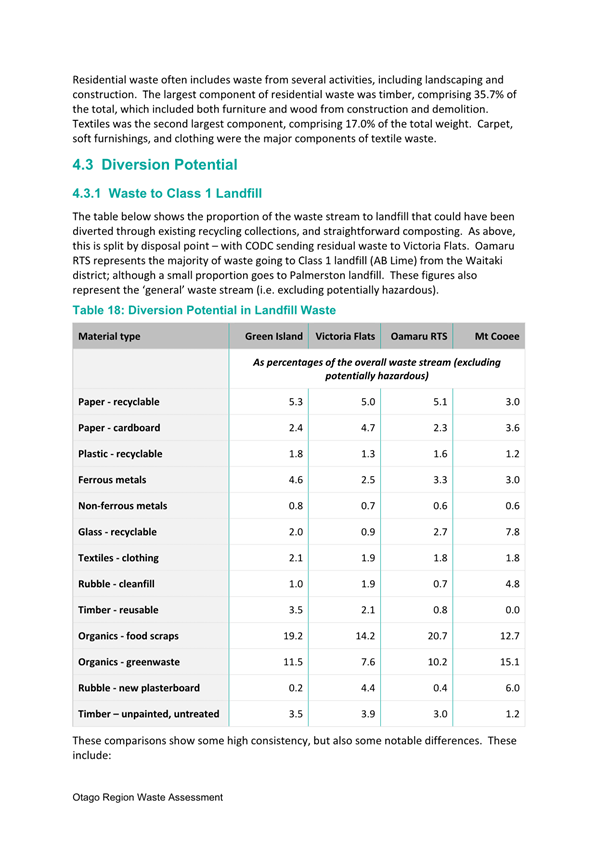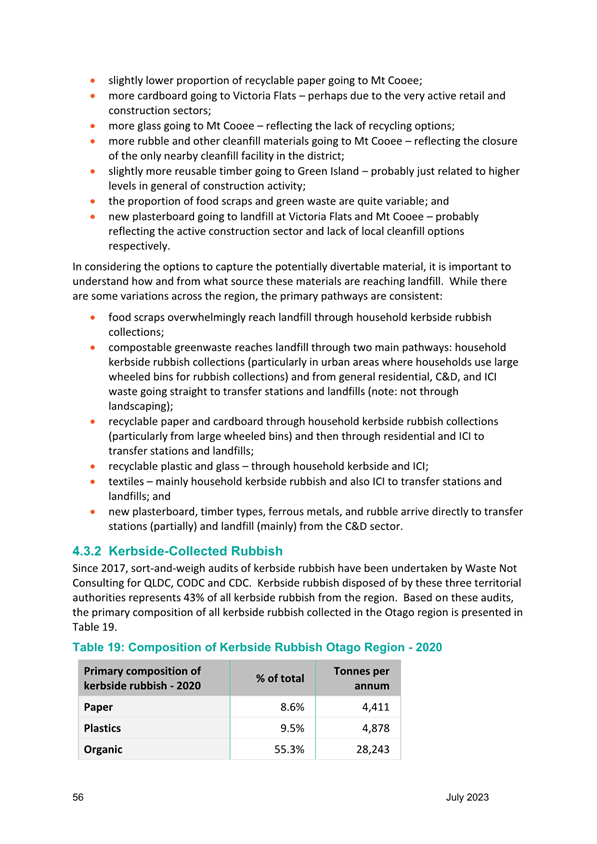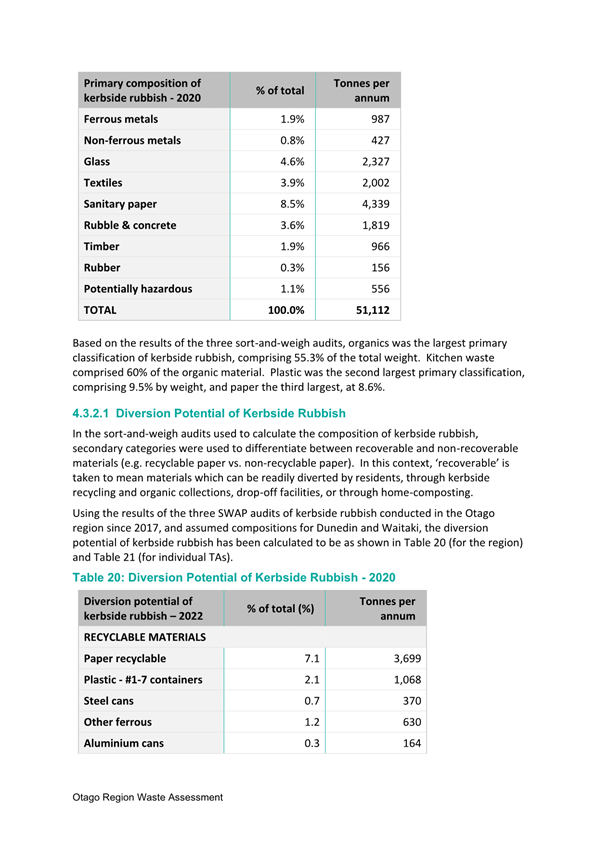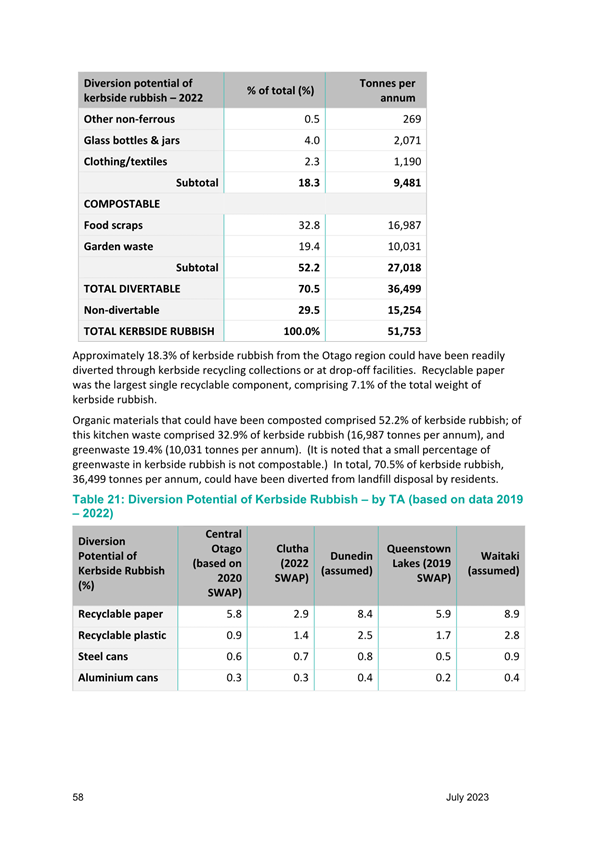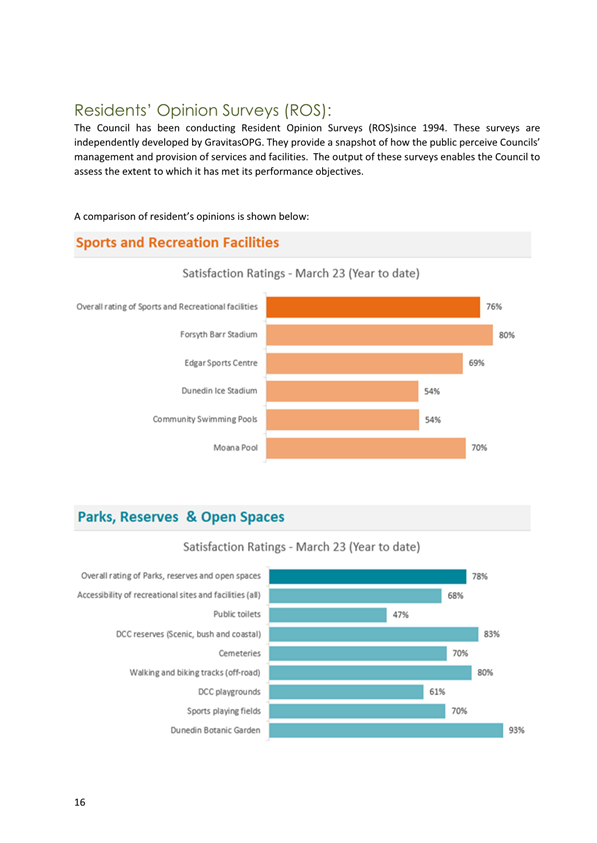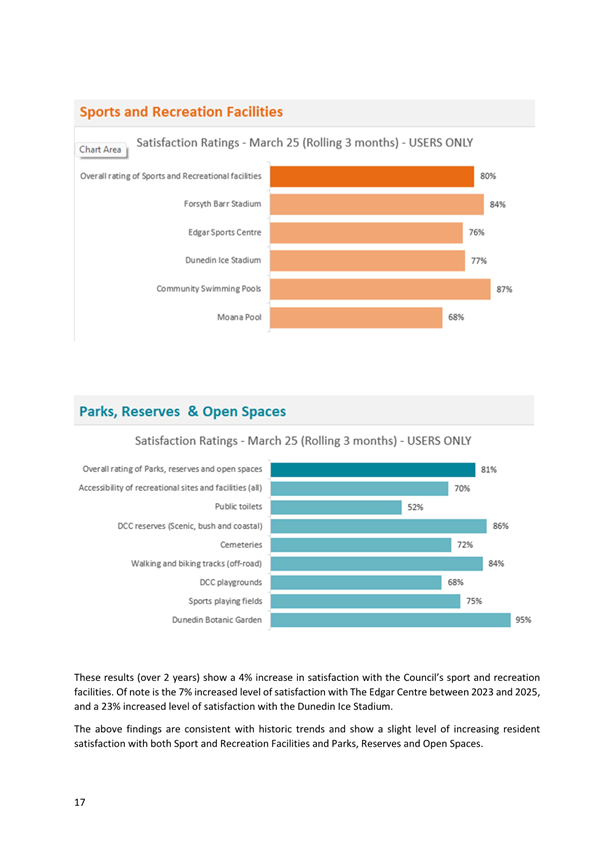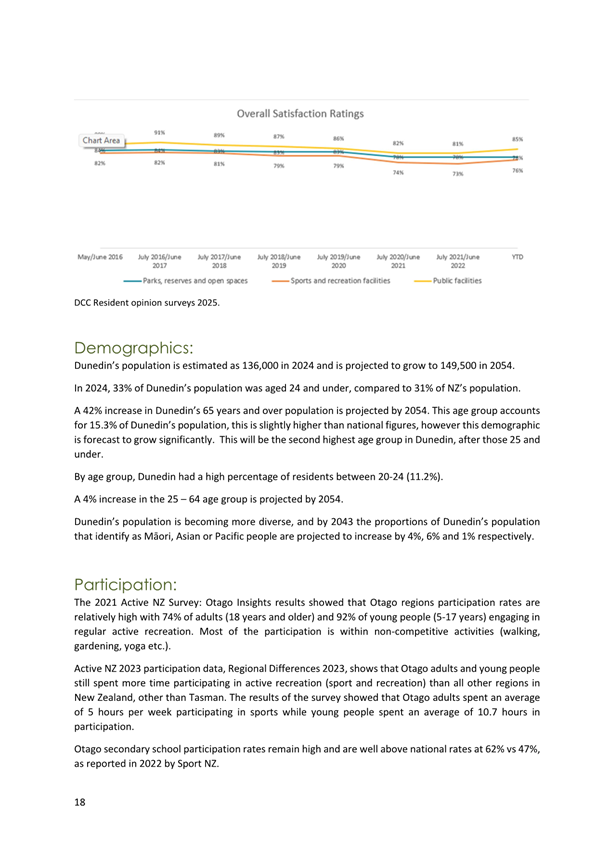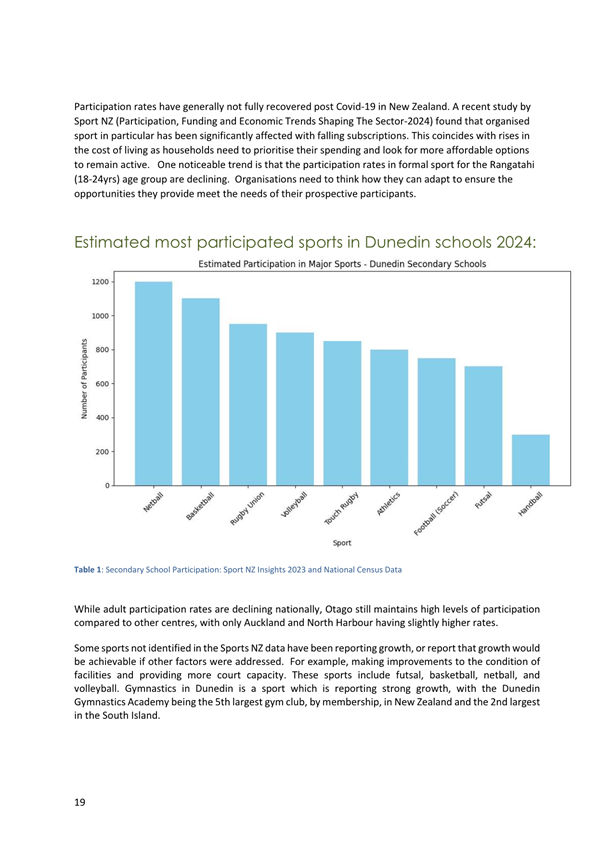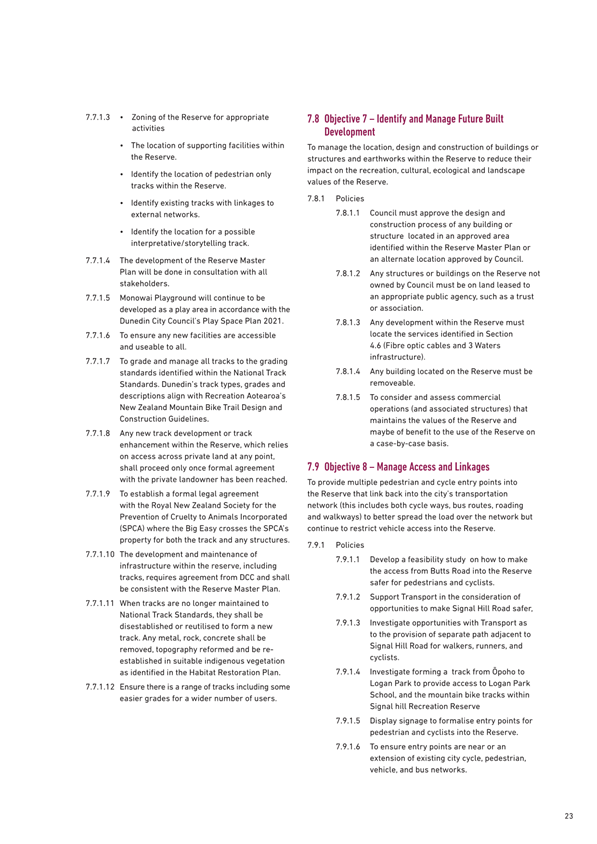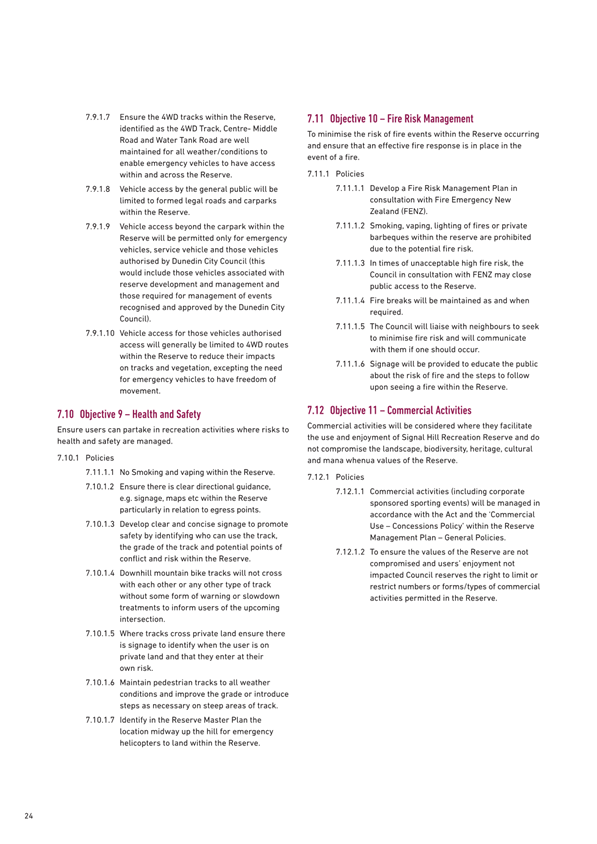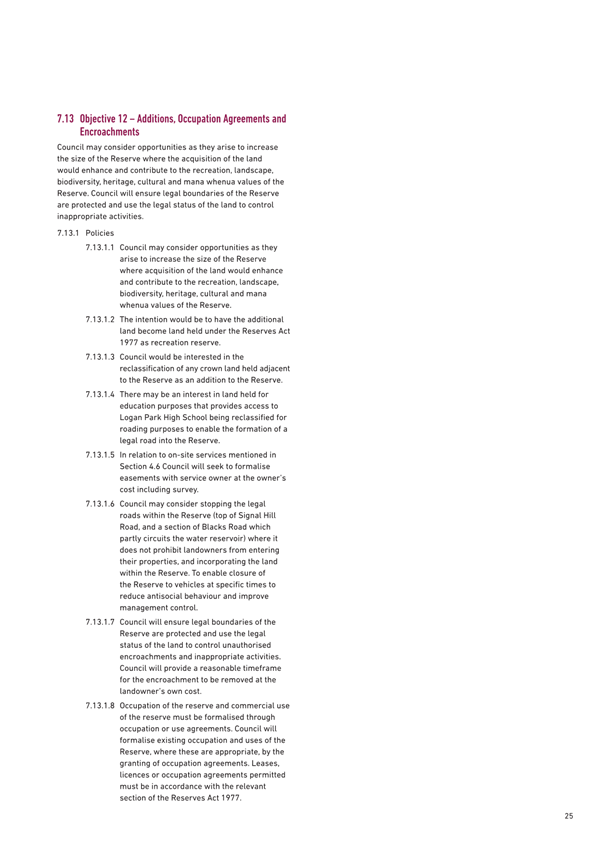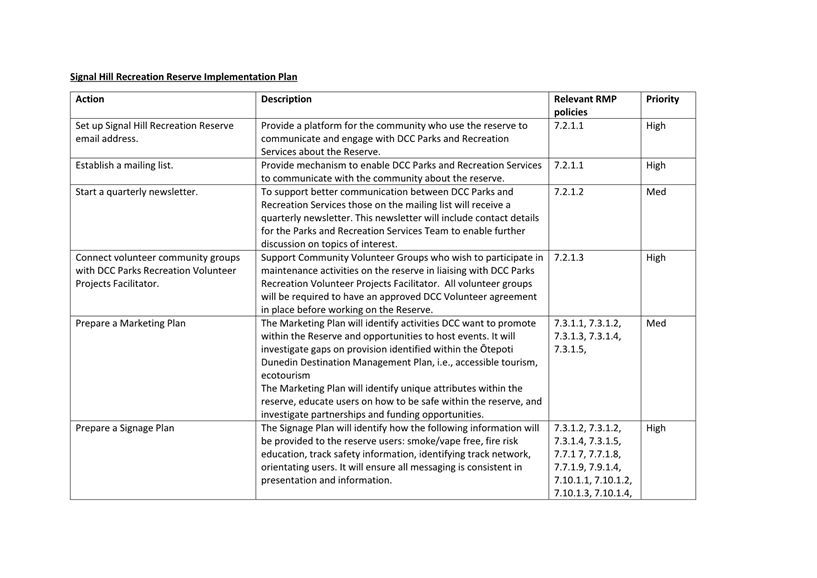
Notice of Meeting:
I hereby give notice that an ordinary meeting of the Dunedin
City Council will be held on:
Date: Tuesday
12 August 2025
Time: 9:00
a.m.
Venue: Council
Chamber, Dunedin Public Art Gallery, The Octagon, Dunedin
Sandy Graham
Council
PUBLIC AGENDA
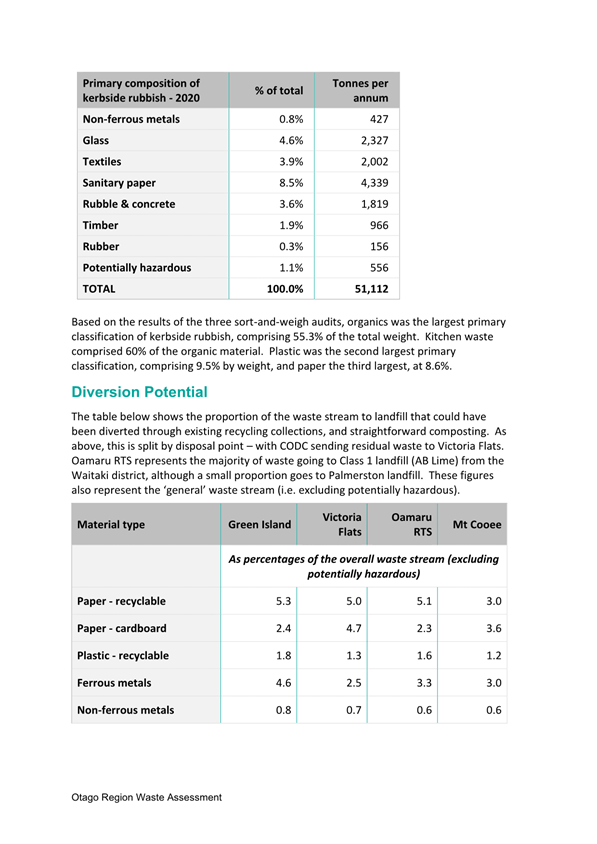
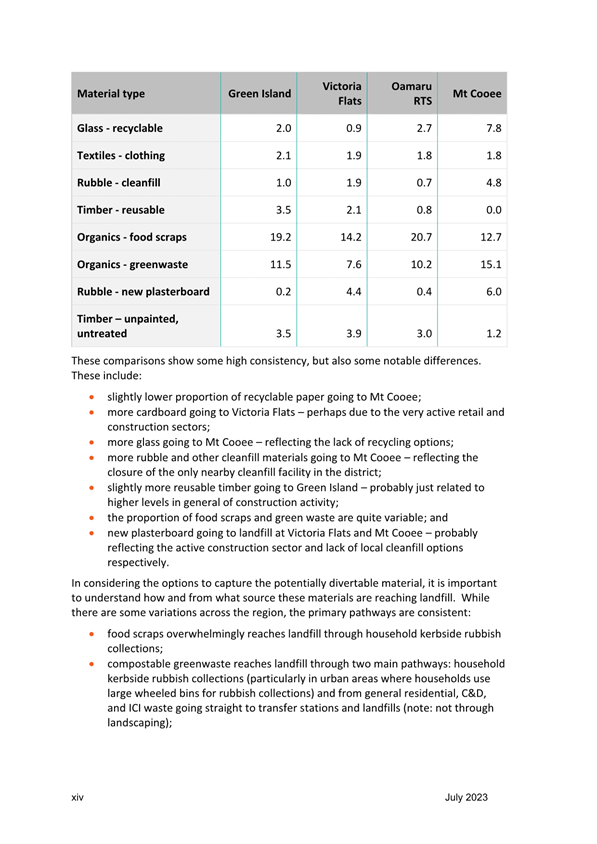
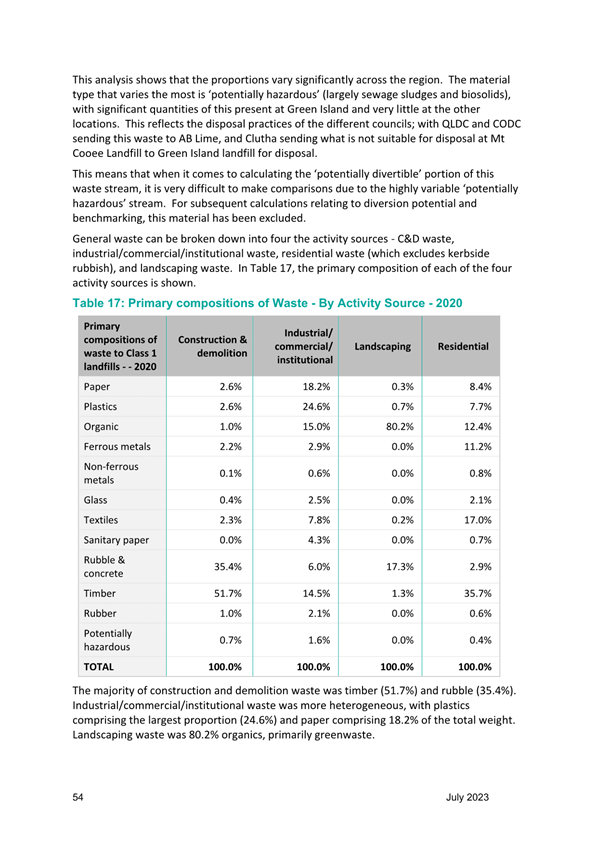
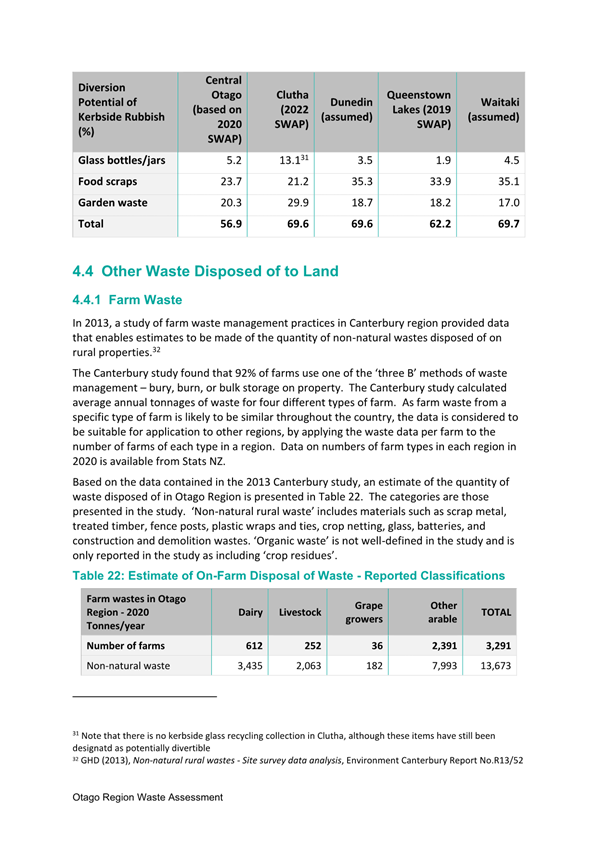
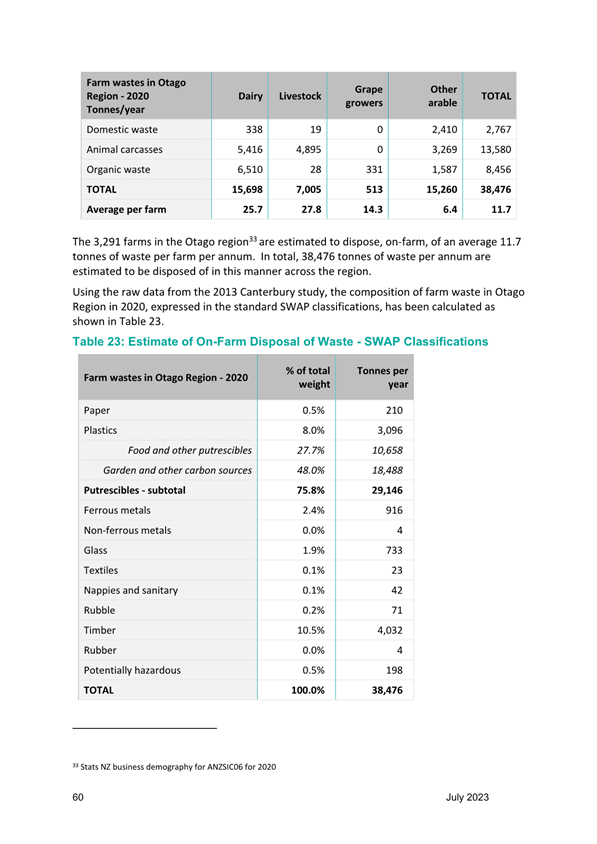
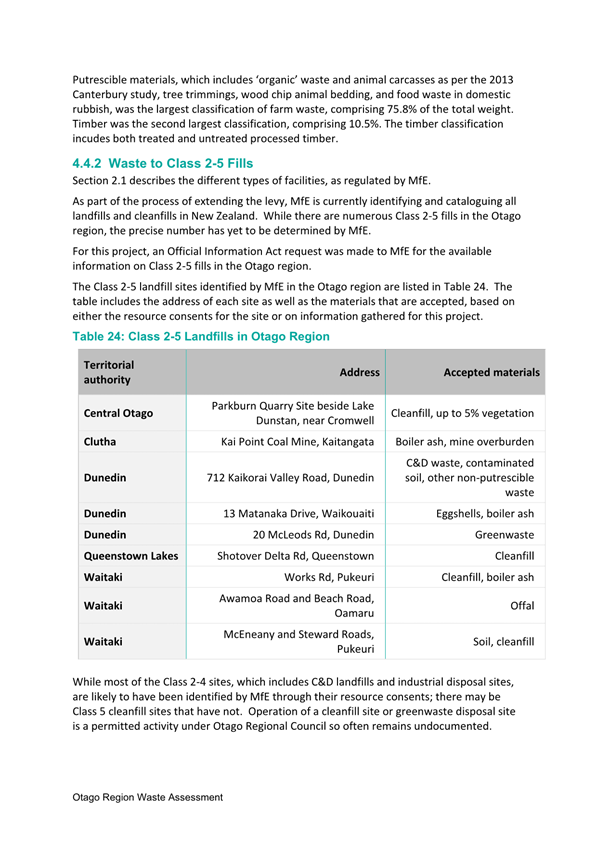
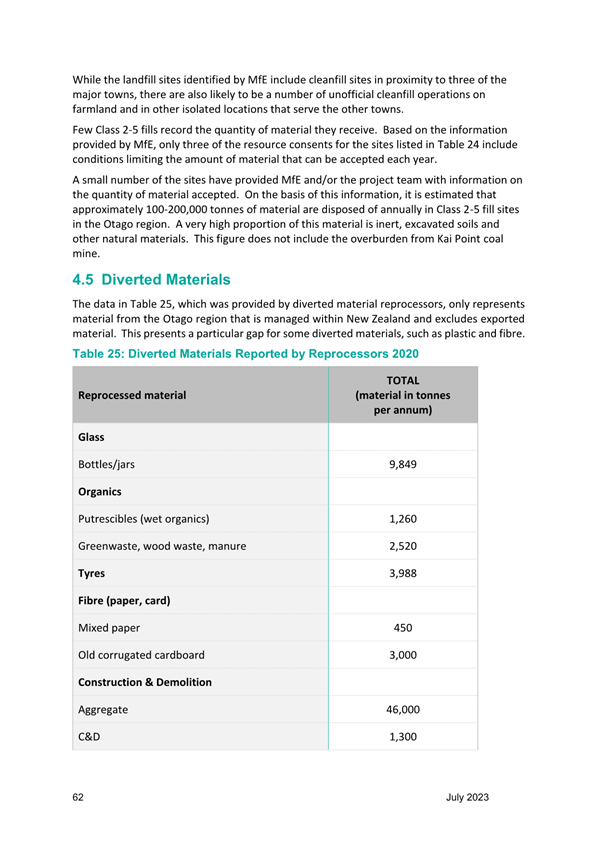
|
Mayor
|
Mayor Jules Radich
|
|
|
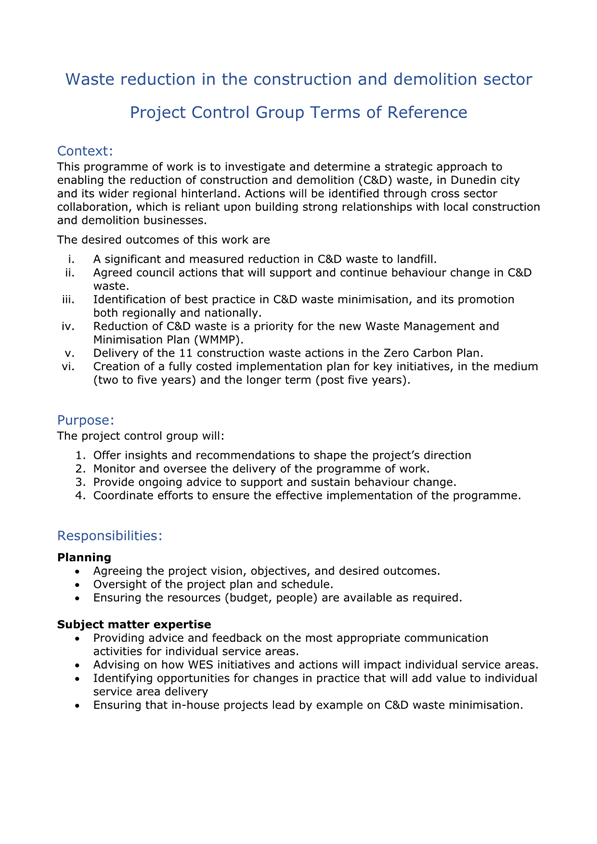
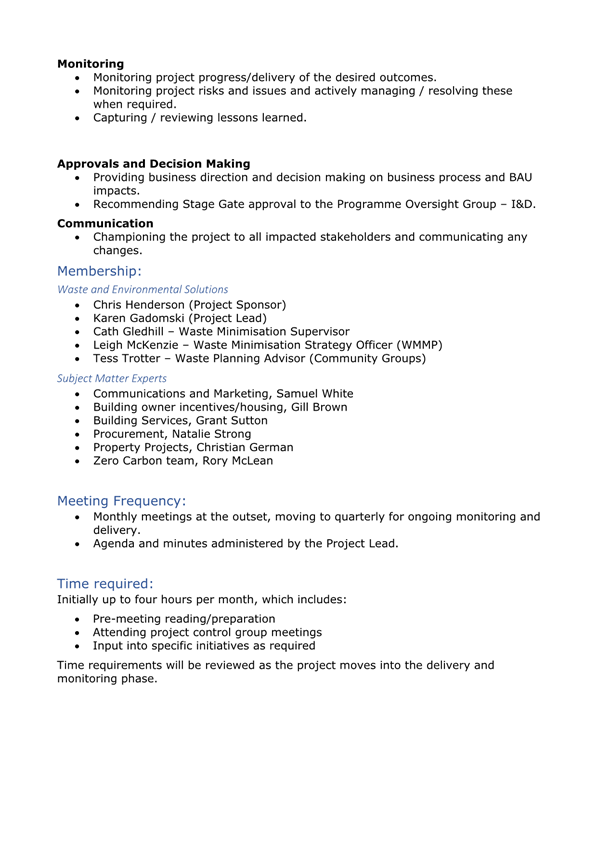
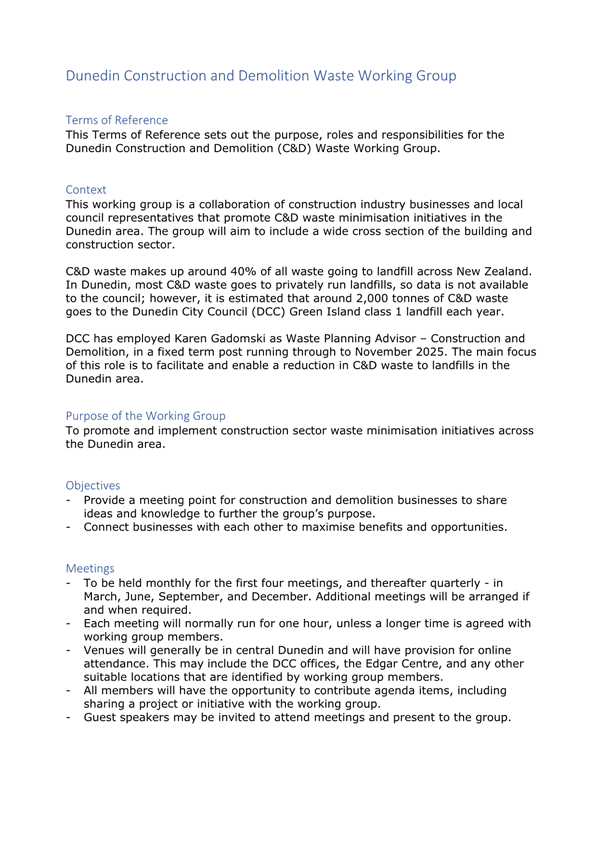
Deputy Mayor
|
Cr Cherry Lucas
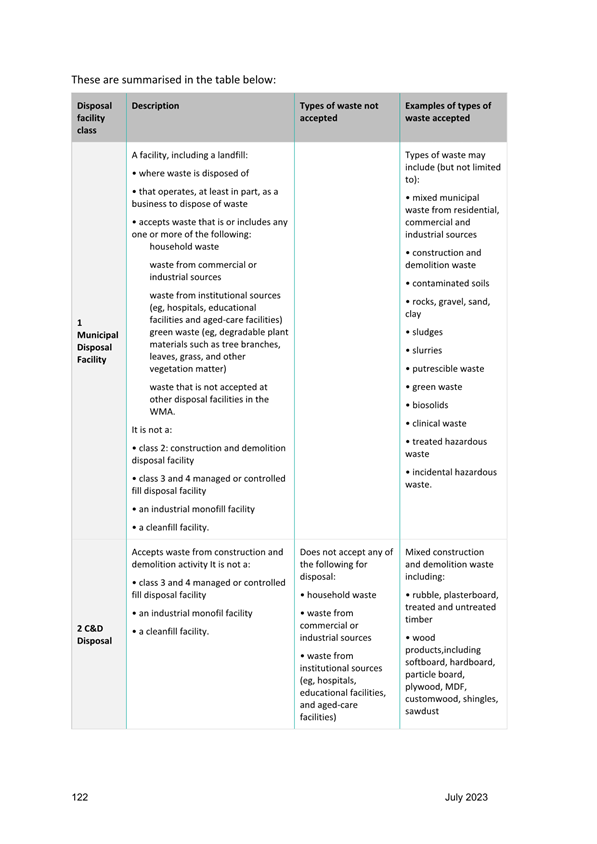
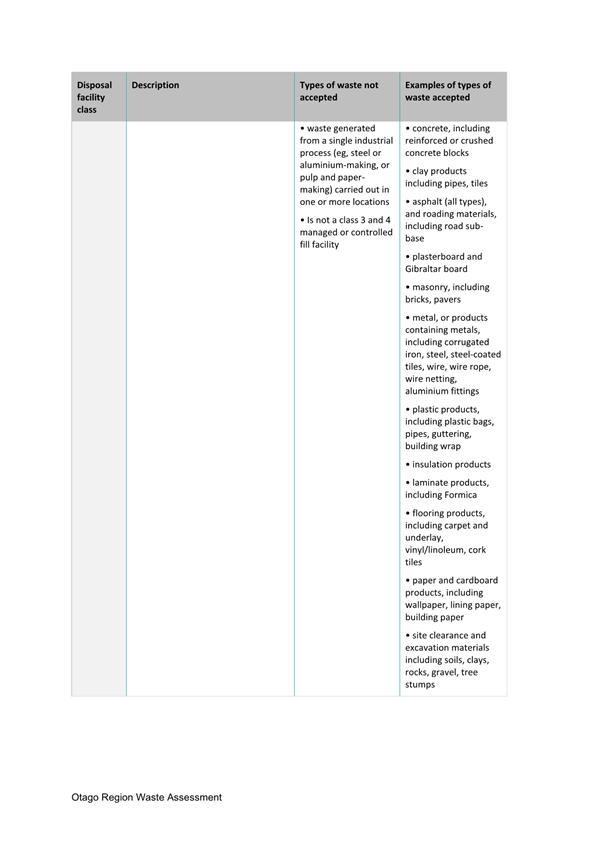
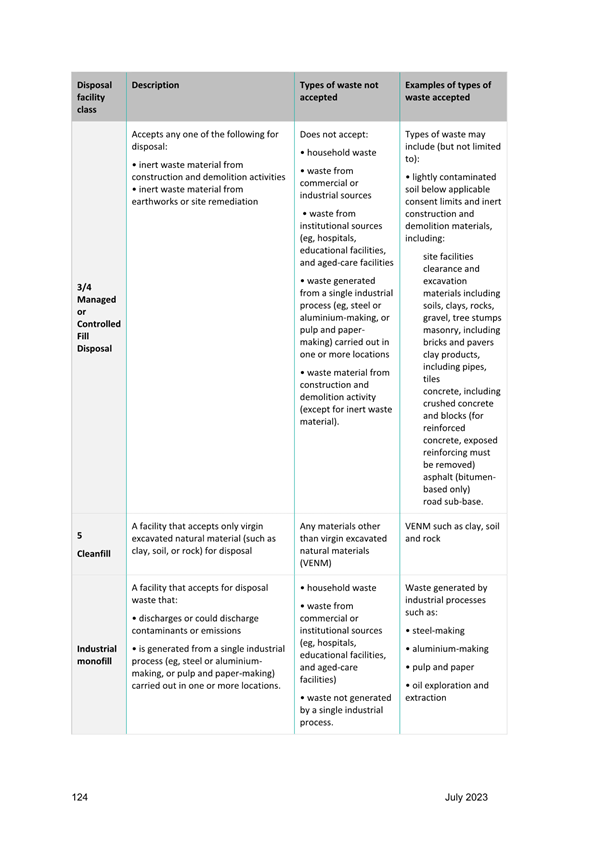
|
|
|
Members
|
Cr Bill Acklin
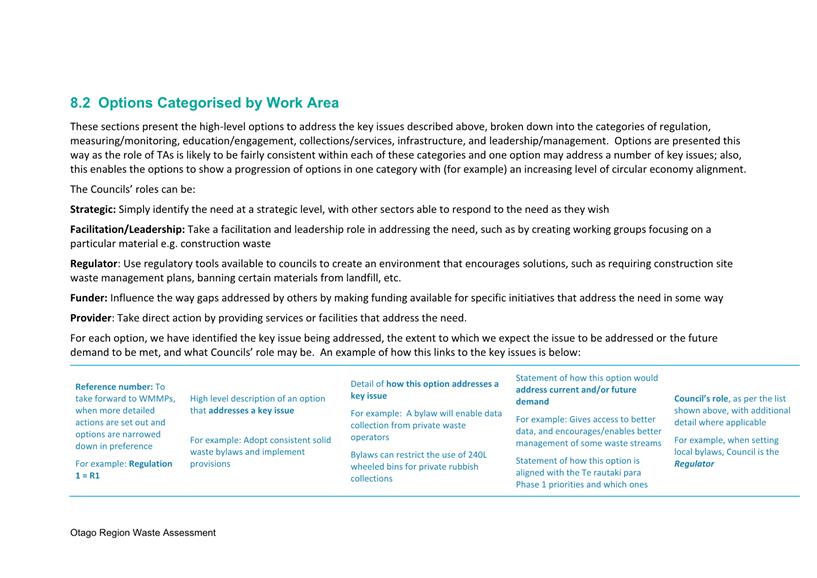
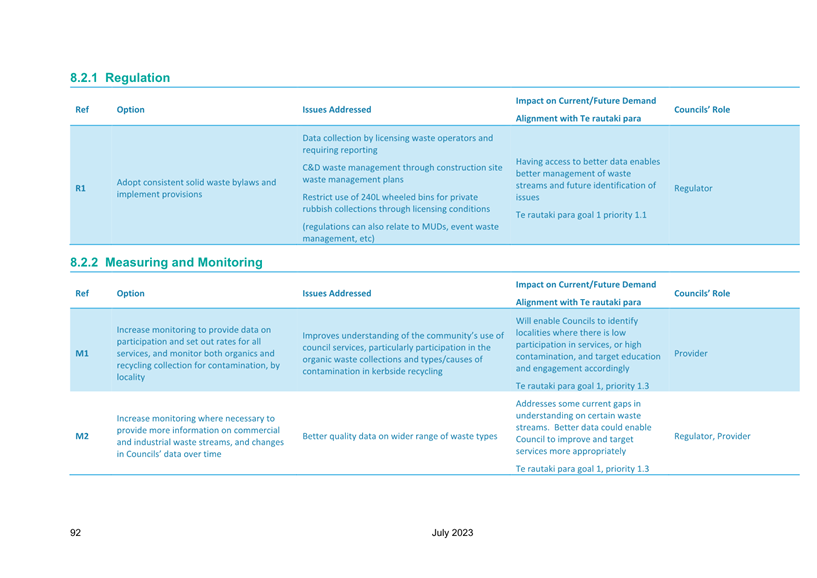
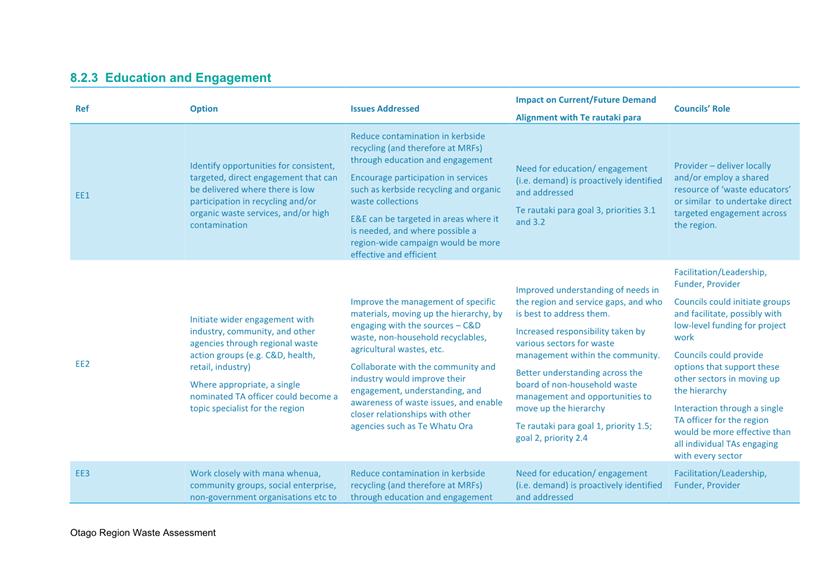
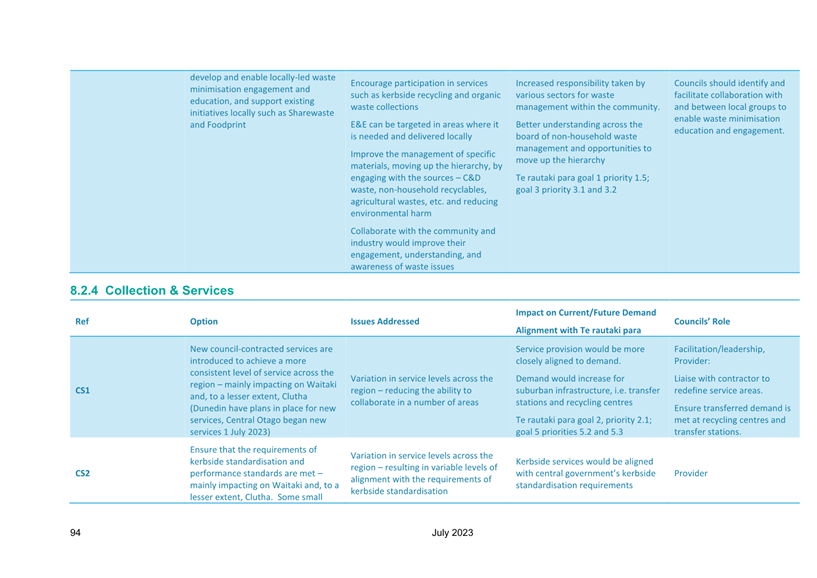
|
Cr Sophie Barker
|
|
|
Cr David Benson-Pope
|
Cr Christine Garey
|
|
|
Cr Kevin Gilbert
|
Cr Carmen Houlahan
|
|
|
Cr Marie Laufiso
|
Cr Mandy Mayhem
|
|
|
Cr Jim O'Malley
|
Cr Lee Vandervis
|
|
|
Cr Steve Walker
|
Cr Brent Weatherall
|
|
|
Cr Andrew Whiley
|
|
Senior Officer Sandy
Graham, Chief Executive Officer
Governance Support Officer Lynne
Adamson
Lynne Adamson
Governance Support Officer
Telephone: 03 477 4000
governance.support@dcc.govt.nz
www.dunedin.govt.nz
Note: Reports
and recommendations contained in this agenda are not to be considered as
Council policy until adopted.
|

|
Council
12 August 2025
|
ITEM TABLE OF CONTENTS PAGE
1 Opening 4
2 Public
Forum 4
3 Apologies 4
4 Confirmation
of Agenda 4
5 Declaration
of Interest 5
6 Confirmation
of Minutes 17
6.1 Ordinary Council
meeting - 30 July 2025 17
Reports
7 Business
Case for Strategic Investment into the Reduction of Construction and Demolition
Waste in Dunedin 39
8 Strategic
Investment in Community Resource Recovery 57
9 Second
Generation Dunedin City District Plan (2GP) - Legal Effect of Rules 290
10 Submission
on Going for Housing Growth 295
11 Draft
Sport Facilities Plan 323
12 Smokefree
Dunedin Policy Review Options Report 373
13 Hearing
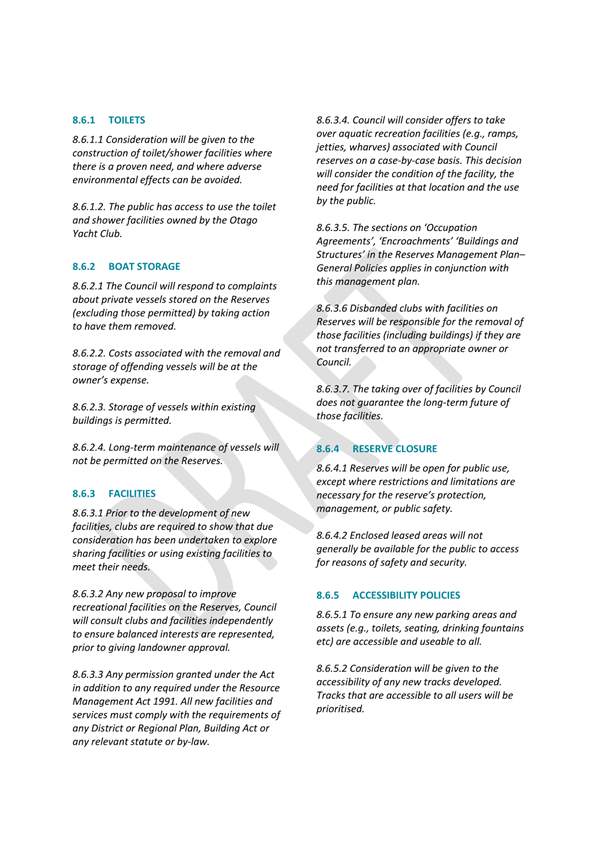
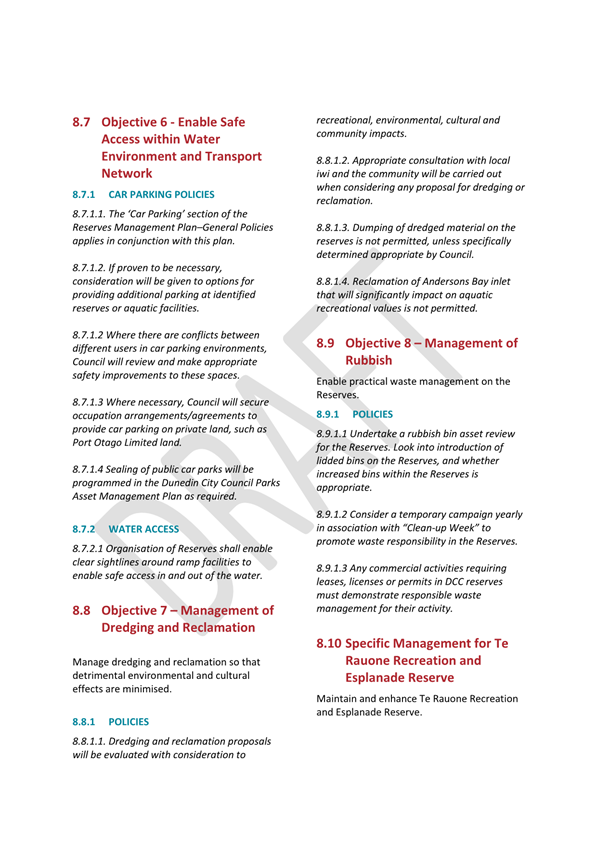
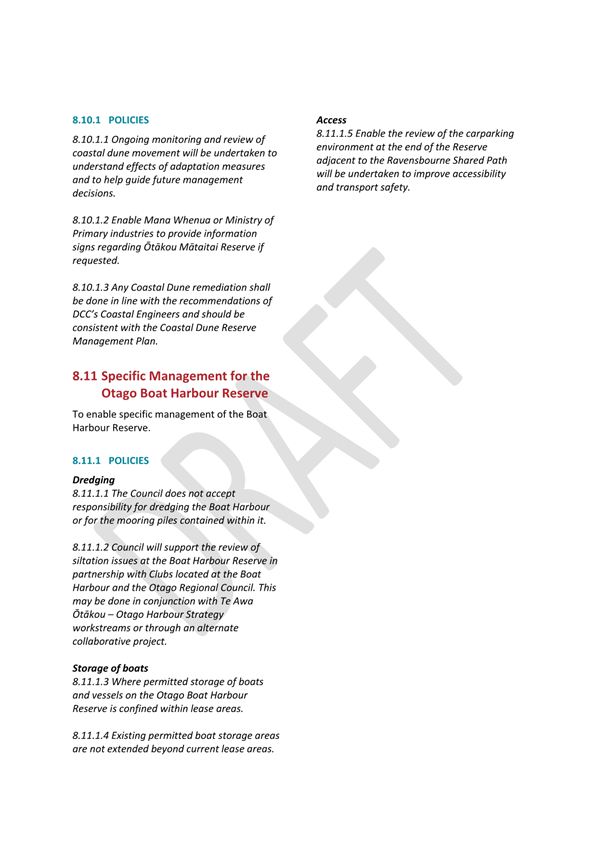
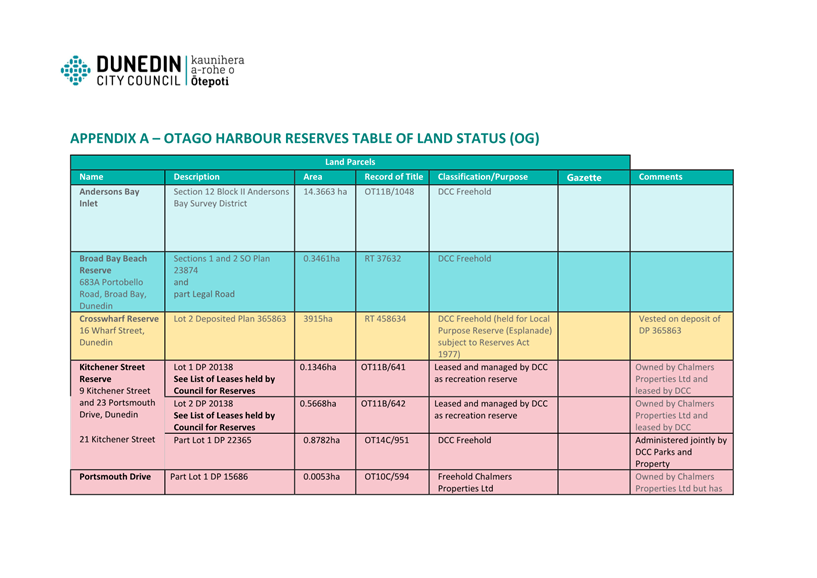
Committee Recommendations on the Review of the Otago Harbour Reserves
Management Plan 386
14 Hearings
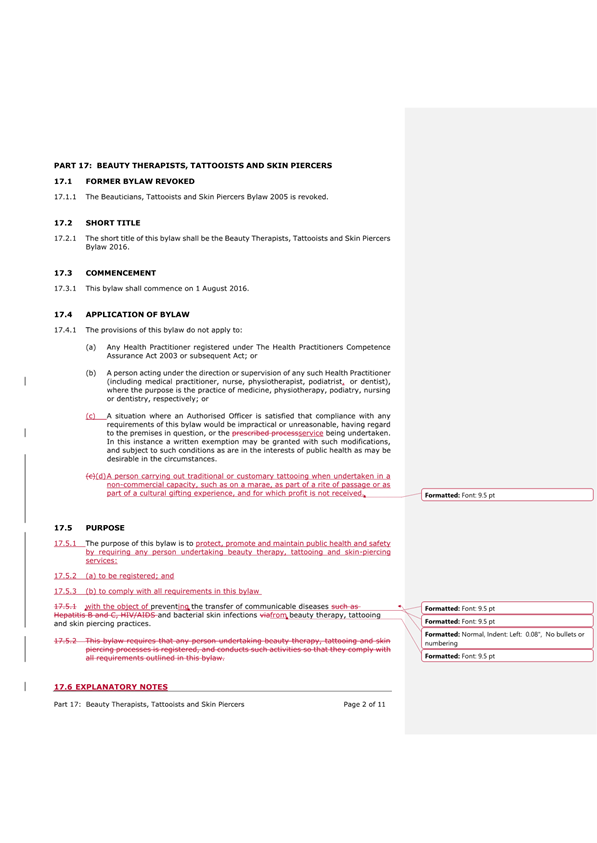
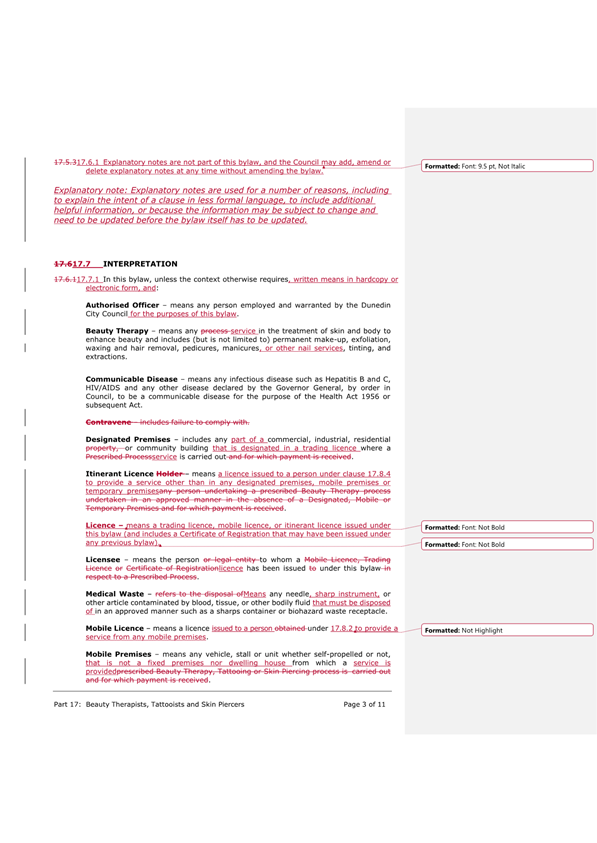
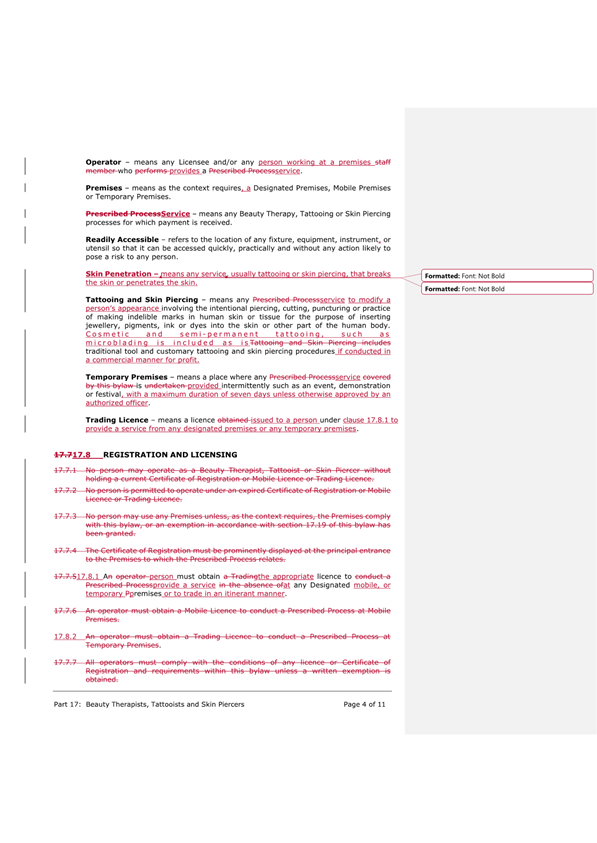
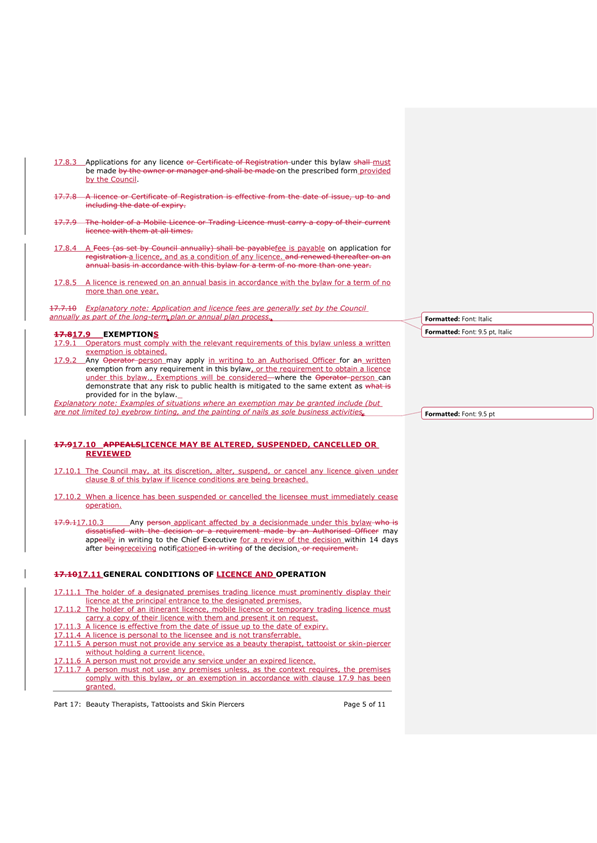
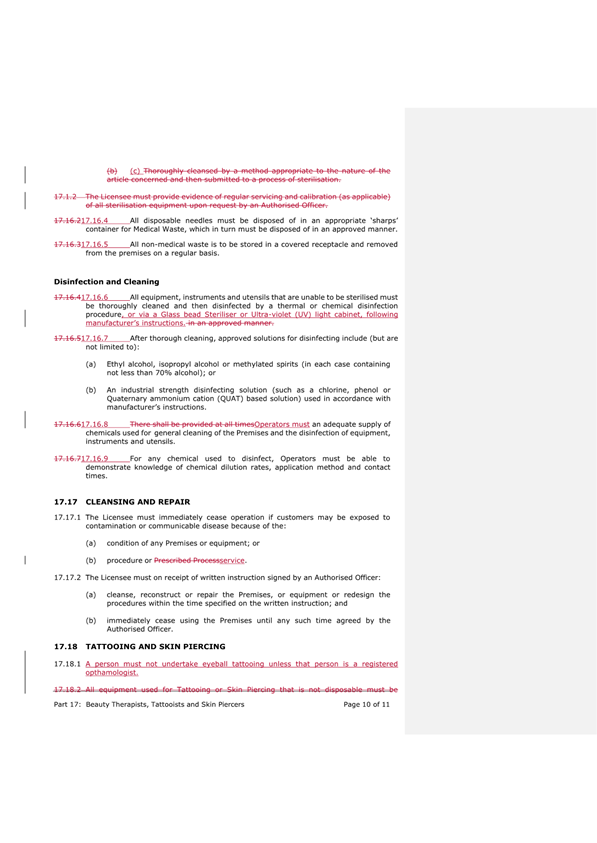
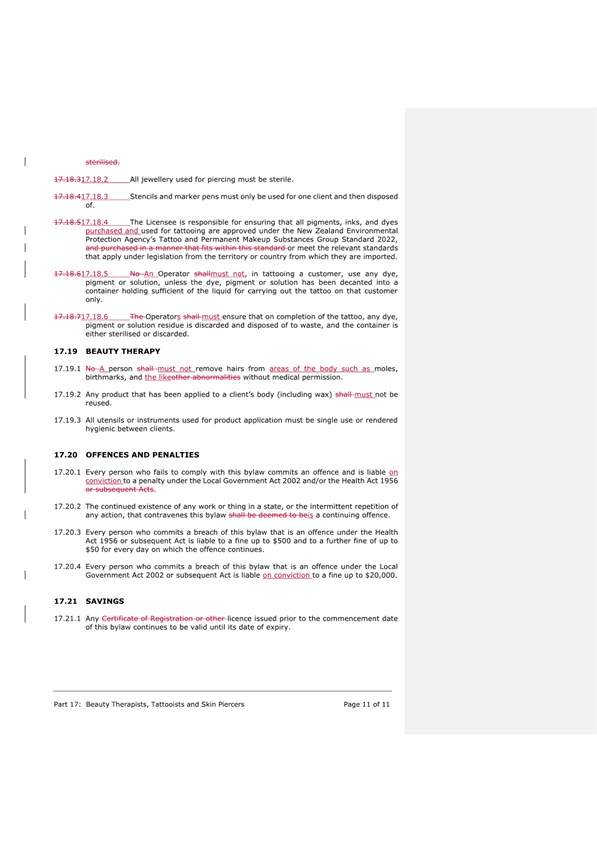
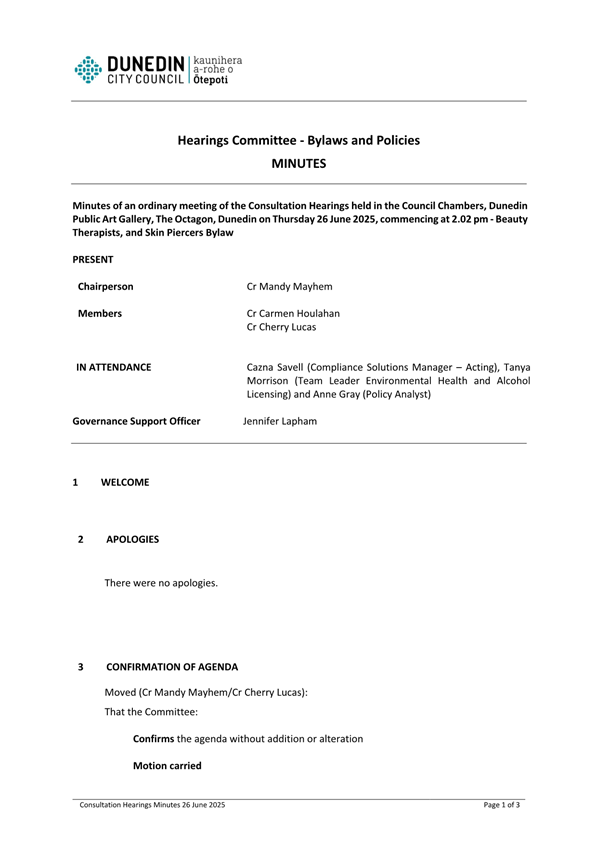
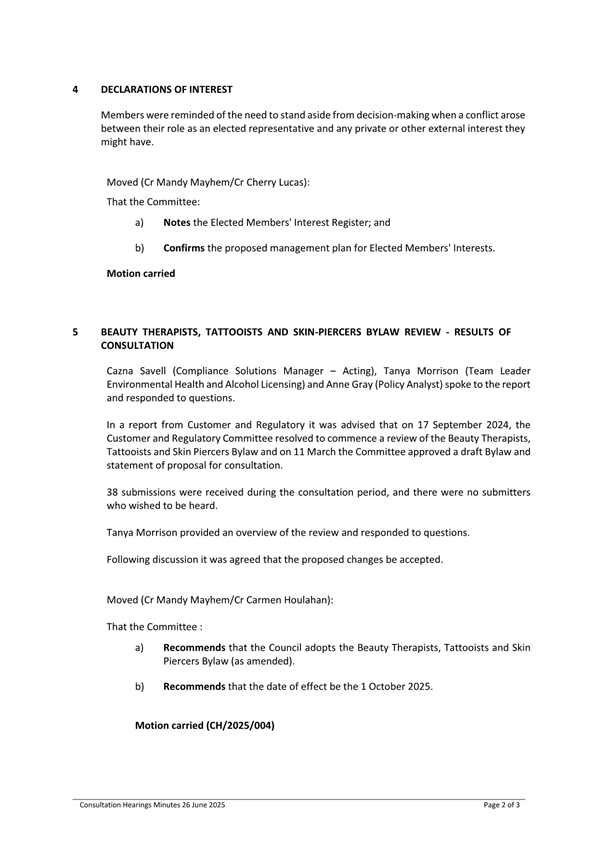
Committee Recommendations on Beauty Therapists, Tattooists and Skin-Piercers
Bylaw Review 477
15 Hearings
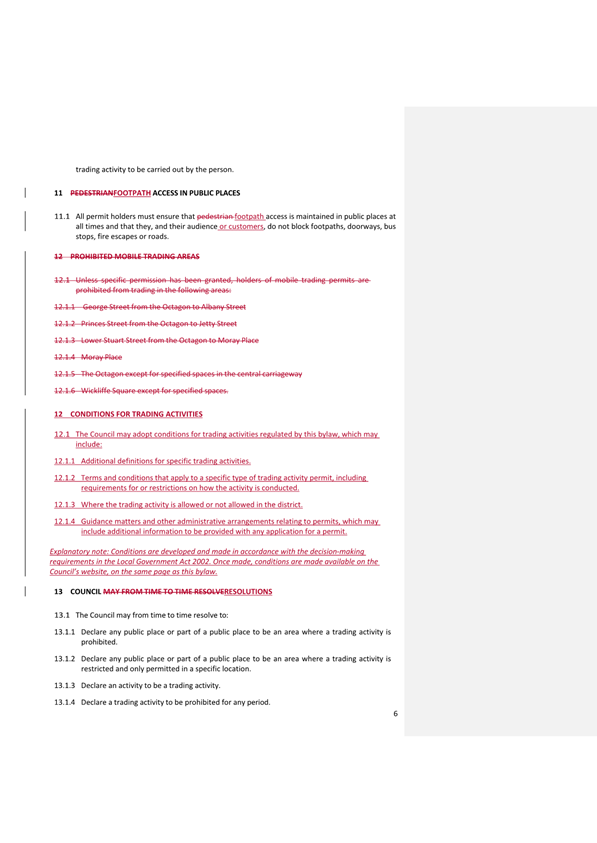
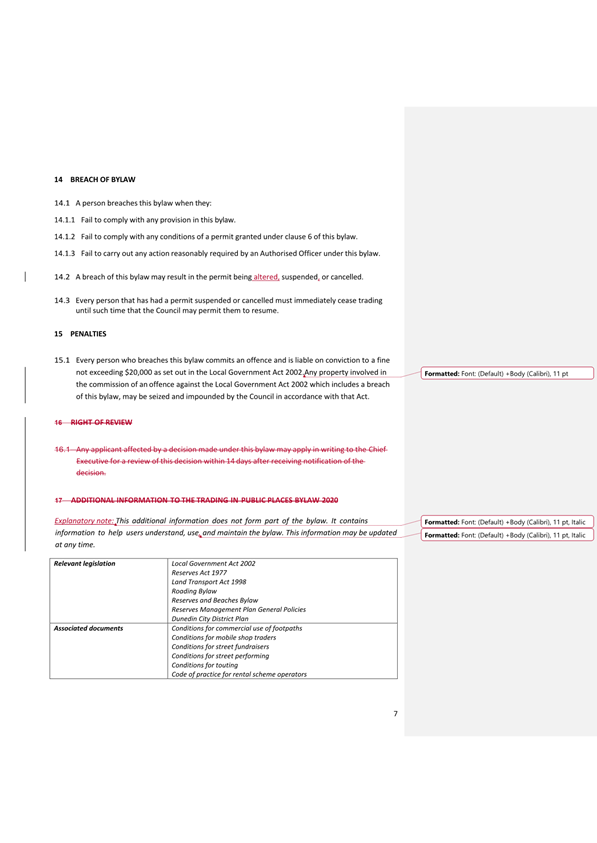
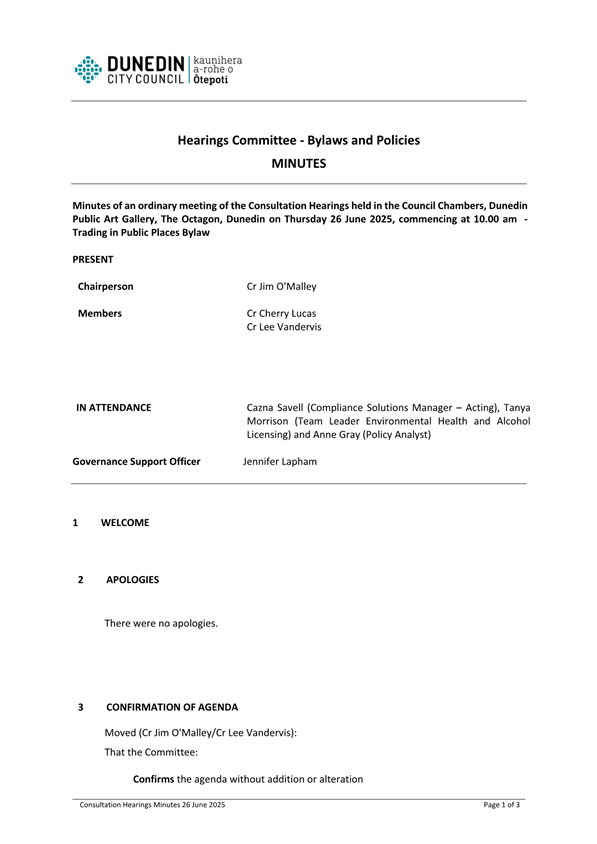
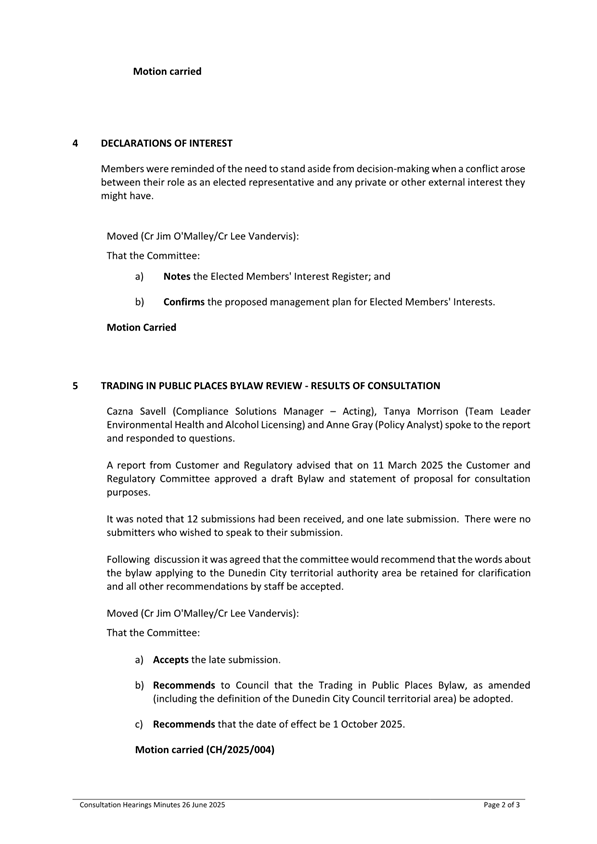
Committee Recommendations on Trading in Public Places Bylaw Review 510
16 Hearings
Committee Recommendations on the Review of the Signal Hill Recreation Reserve
Management Plan 534
17 Hearing
Committee Recommendations on the Review of the Dunedin Town Belt Reserve
Management Plan 583
Notice of Motion
18 Notice
of Motion - Accommodation - Aaron Lodge 657
Resolution to Exclude the Public 659
|

|
Council
12 August 2025
|
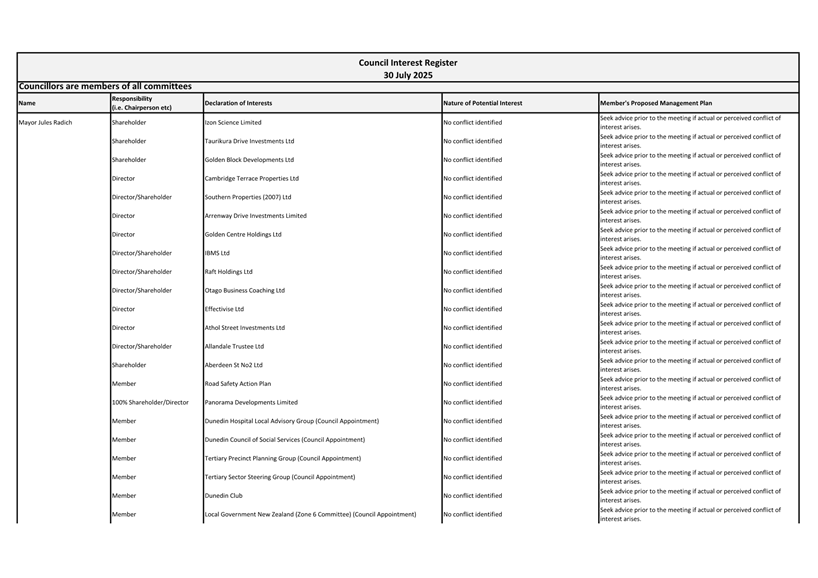
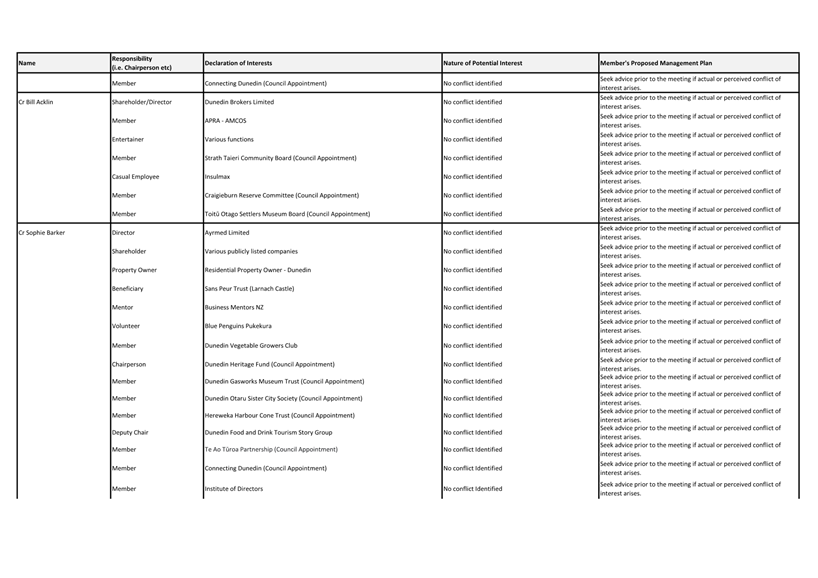
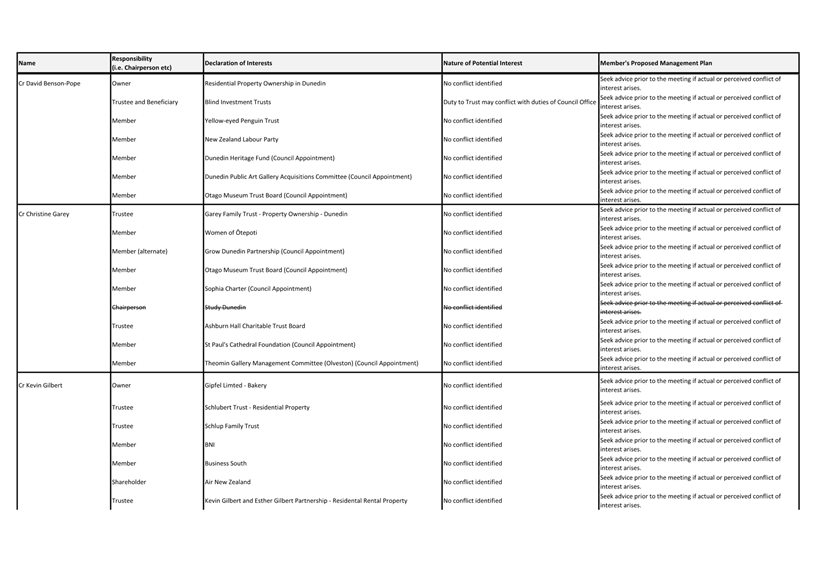
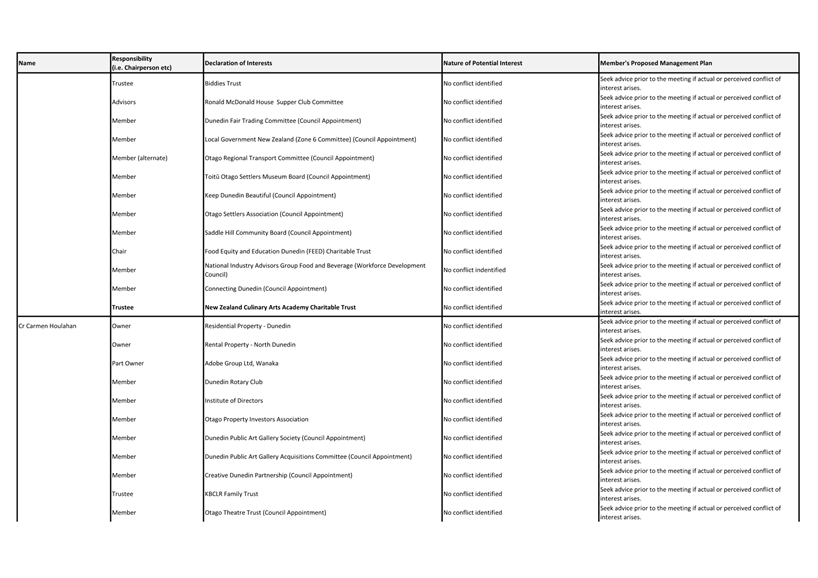
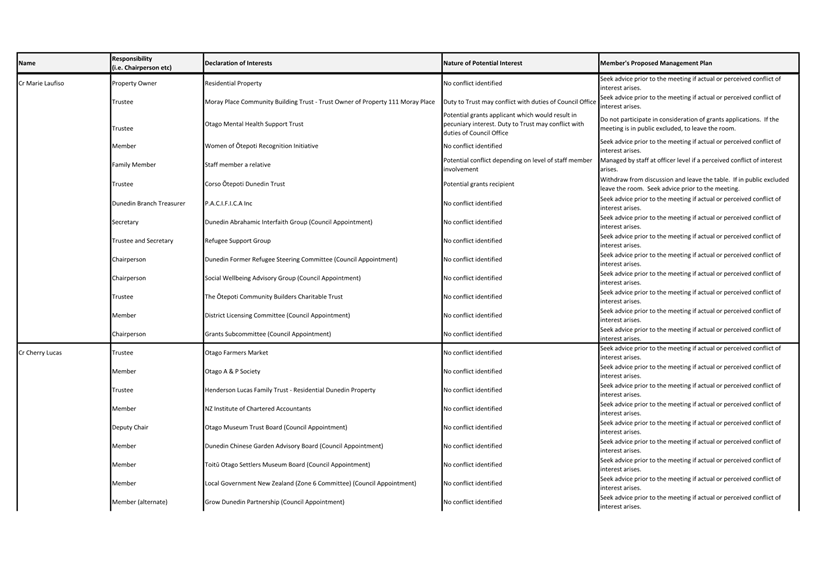
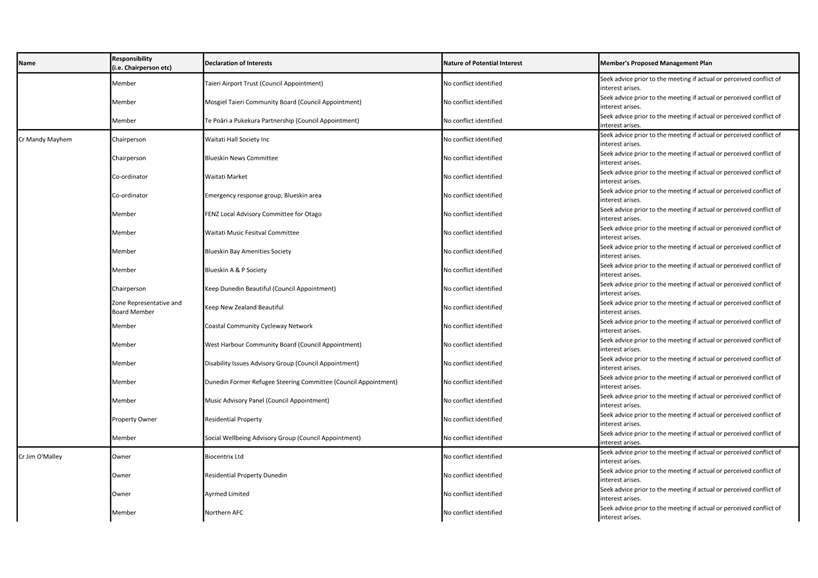
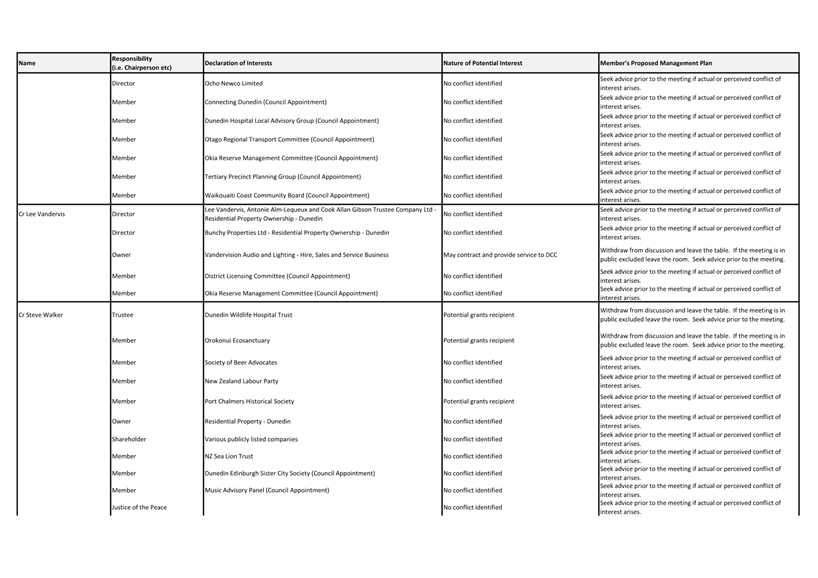
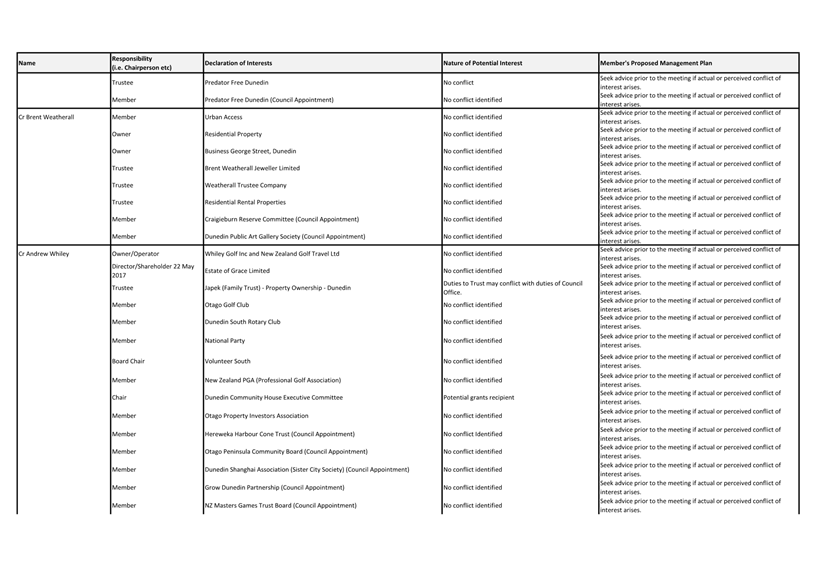
Declaration of Interest
EXECUTIVE SUMMARY
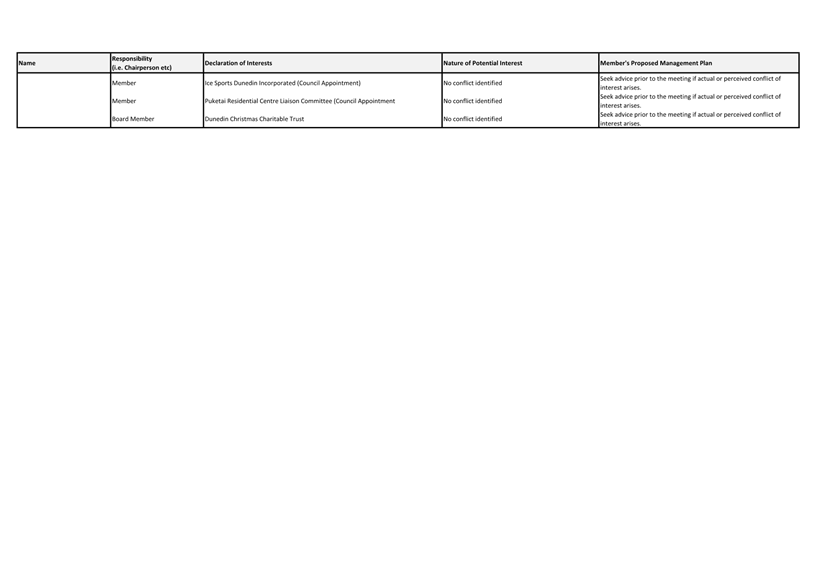
1. Members
are reminded of the need to stand aside from decision-making when a conflict
arises between their role as an elected representative and any private or other
external interest they might have.
2. Elected
members are reminded to update their register of interests as
soon as practicable, including amending the register at this meeting if
necessary.
3. Staff members are
reminded to update their register of interests as soon as practicable.
RECOMMENDATIONS
That the Council:
a) Notes/Amends if
necessary the Elected Members' Interest Register attached as Attachment A; and
b) Confirms/Amends the
proposed management plan for Elected Members' Interests.
c) Notes the proposed
management plan for the Executive Leadership Team’s Interests.
Attachments
|
|
Title
|
Page
|
|
⇩a
|
Councillor Interest
Register
|
6
|
|
⇩b
|
Executive Leadership
Team Interest Register
|
15
|
|

|
Council
12 August 2025
|
|

|
Council
12 August 2025
|
Confirmation
of Minutes
Ordinary
Council meeting - 30 July 2025
RECOMMENDATIONS
That the Council:
a) Confirms the public
part of the minutes of the Ordinary Council meeting held on 30 July 2025 as a
correct record.
Attachments
|
|
Title
|
Page
|
|
A⇩
|
Minutes of Ordinary
Council meeting held on 30 July 2025
|
18
|
|
|
Council
12 August 2025
|

Council
MINUTES
Minutes of an ordinary
meeting of the Dunedin City Council held in the Council Chamber, Dunedin Public
Art Gallery, the Octagon, Dunedin on Wednesday 30 July 2025, commencing at 9.00
am
PRESENT
|
Mayor
|
Mayor Jules Radich
|
|
|
Deputy Mayor
|
Cr Cherry Lucas
|
|
|
Members
|
Cr Bill Acklin
|
Cr Sophie Barker
|
|
|
Cr David Benson-Pope
|
Cr Christine Garey
|
|
|
Cr Kevin Gilbert
|
Cr Carmen Houlahan
|
|
|
Cr Marie Laufiso
|
Cr Mandy Mayhem
|
|
|
Cr Jim O'Malley
|
Cr Lee Vandervis
|
|
|
Cr Steve Walker
|
Cr Brent Weatherall
|
|
|
Cr Andrew Whiley
|
|
|
IN ATTENDANCE
|
Sandy Graham (Chief Executive
Officer), Robert West (General Manager Corporate Services), Carolyn Allan
(Chief Financial Officer), Scott MacLean (General Manager Climate and City
Growth), David Ward (General Manager 3 Waters and Transition), Nicola Morand
(Manahautū - General Manager Policy and Partnerships), Cam McCracken
(General Manager Arts, Culture & Recreation (Acting)), Jonathan Rowe (Programme
Manager, South Dunedin Future), Anna Nilsen (Group Manager Property), Hayden
McAuliffe (Financial Services Manager) and Jackie Harrison (Manager
Governance)
|
Governance Support Officer Lynne
Adamson
1 Opening
Jane Beecroft (Jambavardi), leader of the
Dunedin Hare Krishna Community opened the meeting with a prayer.
Cr David Benson-Pope entered the
meeting at 9.05 am.
TRIBUTES
The Mayor paid tribute to Ms Jo Millar, President of Grey
Power Otago who died recently. Ms Millar was a regular attendee at
Dunedin City Council meetings and fought for Grey Power and had advocated for
the Dunedin community for the past 20 years.
The Mayor noted that this was the last Council meeting that
Robert West, General Manager Corporate Services) would attend as he was leaving
Council on Friday 1 August 2025 following 7.5 years at Council as both Group
Manager – Parks and Recreation and then General Manager Corporate
Services. He thanked Mr West for his contribution to Council and
wished him well for the future.
2 Public
Forum
2.1 Darryl
Sycamore, Terramark
Mr
Sycamore spoke on behalf of Terramark, Paterson Pitts, TL Surveys and the Otago
Property Investors Group on how the Dunedin City Council applied the NES for
contaminated soils inconsistently to other Councils and the adverse effects
this had on development.
Mr
Sycamore responded to questions.
2.2 Amanda
Dyer, Zoe Eckhoff and Pip Eckhoff – Rental Properties
Ms Dyer, Miss
Zoe Eckhoff and Ms Pip Eckhoff spoke on their experience with the poor condition
of a rental property and the unsatisfactory behaviour they encountered with a landlord
in Dunedin. They requested that the Council expanded its capacity to
provide independent house condition reports with would help future prospective
tenants and provide information on problem landlords.
Miss Eckhoff responded to
questions on the toll this had taken on herself and flatmates commented that
only after taking their landlord to the Tenancy Tribunal and mediation were
they able to end the tenancy. They advised that this particular landlord
had other rental properties in similar condition.
Moved (Mayor Jules Radich/Cr
Cherry Lucas):
That the Council:
Extends
the Public Forum beyond 30 minutes.
Motion
carried
2.3 Aaron
Hawkins, Otago Housing Alliance
Mr
Hawkins spoke on behalf of the Otago Housing Alliance on the poor conditions of
some flats in Dunedin. He commented
on the vulnerability of renters and that a regulatory system
that relied on tenant complaints would never be sufficient. There needed
to be proactive compliance, monitoring and enforcement of healthy home standards.
Mr
Hawkins invited Councillors to the next housing hui to be held on Monday 4
August. He then responded to questions.
2.4 Anna
Knight – Unlawful Occupation of Palestine Sanctions Bill
Ms
Knight read community feedback on the Unlawful Occupation of Palestine Sanctions
Bill.
Ms
Knight responded to questions.
|
3 Apologies
|
|
|
There were no apologies.
|
|
4 Confirmation
of agenda
|
|
|
Moved (Mayor Jules Radich/Cr Cherry Lucas):
That the Council:
Confirms the agenda
without addition or alteration.
Motion
carried (CNL/2025/199)
|
|
5 Declaration
of Interest
|
|
|
Members were reminded of the
need to stand aside from decision-making when a conflict arose between their
role as an elected representative and any private or other external interest
they might have.
Cr Kevin Gilbert provided an
amendment to his Interest Register.
|
|
|
Moved (Mayor Jules Radich/Cr Cherry Lucas):
That the Council:
a) Amends the Elected Members' Interest Register;
and
b) Confirms the proposed management plan for
Elected Members' Interests.
c) Notes the proposed management plan for the Executive
Leadership Team’s Interests.
Motion
carried (CNL/2025/200)
|
5 Confirmation
of Minutes
|
6.1 Ordinary
Council meeting - 24 June 2025
|
|
|
Moved (Mayor Jules Radich/Cr Cherry Lucas):
That the Council:
a) Confirms the public part of the minutes of the
Ordinary Council meeting held on 24 June 2025 as a correct record.
Motion carried (CNL/2025/201)
|
|
6.2 Ordinary
Council meeting - 30 June 2025
|
|
|
Moved (Mayor Jules Radich/Cr Cherry Lucas):
That the Council:
a) Confirms the public part of the minutes of the
Ordinary Council meeting held on 30 June 2025 as a correct record.
Motion
carried (CNL/2025/202)
|
Reports
|
7 Actions
From Resolutions of Council and Committee Meetings
|
|
|
A report from Civic provided
an update on the implementation of resolutions made at Council and Committee
meetings.
|
|
|
The Chief Executive Officer (Sandy Graham); Manahautū
- General Manager Policy and Partnerships (Nicola Morand) and General Manager
Arts, Culture & Recreation (Acting) (Cam McCracken) responded to
questions on the action list.
|
|
|
Moved (Mayor Jules Radich/Cr Cherry Lucas):
That the Council:
a) Notes
the Open and Completed Actions from resolutions of Council and Committee
meetings as attached.
Motion
carried (CNL/2025/203)
|
|
8 Forward
Work Programme for Council - July 2025
|
|
|
A report from Civic provided
the updated forward work programme for Council and Committees for the 2025
year.
|
|
|
The Chief Executive Officer (Sandy Graham) and General
Manager Corporate Services (Robert West) spoke to the report and responded to
questions.
|
|
|
Moved (Mayor Jules Radich/Cr Cherry Lucas):
That the Council:
a) Notes the updated Council and Committee forward work
programmes.
Motion
carried (CNL/2025/204)
|
|
9 South
Dunedin Future – Programme Update and Community Engagement Results
|
|
|
A report from Climate and
City Growth presented the key findings from the recent community
engagement activities relating to the South Dunedin Risk Assessment and seven
Potential Adaptation Futures for South Dunedin; and provided an outline of
the workplan and schedule through to completion of the South Dunedin Future
programme in December 2026.
|
|
|
The General Manager, Climate and City Growth (Scott
MacLean) and Programme Manager, South Dunedin Future (Jonathan Rowe) spoke to
the report and responded to questions.
|
|
|
Moved (Mayor Jules Radich/Cr Cherry Lucas):
That the Council:
a) Notes the South Dunedin Future Engagement Report –
Stage 4 Engagement: 7 Potential Adaptation Futures for South Dunedin.
b) Notes the community engagement results would be combined with
further technical and economic analysis to assess the 7 Potential Adaptation
Futures for South Dunedin, to produce an initial shortlist of futures for
further investigation.
c) Notes a fully developed shortlist of potential adaptation
futures for South Dunedin was expected to be completed in late-2025 and
presented to Councils in early-2026.
d) Notes the work plan and schedule for the final two phases
of the South Dunedin Future programme, which was expected to be completed by
December 2026.
Division
The
Council voted by division
For: Crs
Bill Acklin, Sophie Barker, David Benson-Pope, Christine Garey, Kevin
Gilbert, Carmen Houlahan, Marie Laufiso, Cherry Lucas, Mandy Mayhem, Jim
O'Malley, Steve Walker, Brent Weatherall, Andrew Whiley and Mayor Jules
Radich (14).
Against: Cr
Lee Vandervis (1).
Abstained: Nil
The division was declared CARRIED by 14 votes to 1
Motion
carried (CNL/2025/205)
|
Moved (Mayor Jules Radich/Cr Mandy Mayhem):
That the Council:
Adjourns
the meeting for 15 minutes.
Motion
carried
The meeting adjourned at 11.01 am and reconvened at 11.14
am.
|
10 231
Stuart Street - Options
|
|
|
A report from Property
provided an update on the 9 year plan consultation document which proposed
the removal of 231 Stuart Street (the Property) from the Significance and
Engagement Policy and sought a decision on the preferred option for the
future of the Property.
|
|
|
The Chief Executive Officer (Sandy Graham), General
Manager Corporate Services (Robert West), Chief In-House Legal Counsel
(Karilyn Canton), Group Manager Property (Anna Nilsen), Property Manager
(David Arlidge) and Team Leader – Advisory Services) Mark
Mawdsley spoke to the report. Ms Nilsen provided a correction to
paragraph 33 of the report– it currently read $2.4 million when it
should be $3.8 million. Staff responded to questions.
|
|
Cr Jim O’Malley left the meeting at 11.40 am and returned
at 11.42 am.
Cr Christine Garey left the meeting at 12.08 pm and
returned at 12.10 pm.
|
|
|
Moved (Mayor Jules Radich/Cr Brent Weatherall):
That the Council:
a) Directs staff to prepare the property at 231 Stuart Street legally described as 468 square metres
more or less being part Section 16, Block XIV, Town of Dunedin all Record of
Title OT287/25, for sale.
b) Notes that staff would provide a further report to Council
and records that it would not be making a final decision regarding a
potential sale of 231 Stuart Street until it had received the further report
from staff.
Division
The Council voted by division
For: Crs
Bill Acklin, David Benson-Pope, Christine Garey, Carmen Houlahan, Marie Laufiso,
Cherry Lucas, Mandy Mayhem, Jim O'Malley, Steve Walker, Brent Weatherall,
Andrew Whiley and Mayor Jules Radich (12).
Against: Crs
Sophie Barker, Kevin Gilbert and Lee Vandervis (3).
Abstained: Nil
The division
was declared CARRIED by 12 votes to 3
Motion
carried (CNL/2025/206)
|
Cr Andrew Whiley left the meeting at 12.21 pm.
Cr Carmen Houlahan left the meeting at 12.22 pm and returned
at 12.24 pm.
|
11 Town
Hall & Municipal Chambers Programme - Update Report
|
|
|
A report from Property
provided an update on the forward work programme of the Exterior Heritage
Restoration project and Seismic Investigation and Strengthening project for
the Dunedin Centre (the Property) which included the Municipal Chambers,
Dunedin Town Hall and Glenroy Auditorium, at 48 The Octagon Dunedin. The
report noted that the Property sat within the Operational Property Portfolio
and was a Strategic Council Asset.
|
|
|
The General Manager Corporate Services (Robert West),
Group Manager Property Services (Anna Nilsen) and Project Manager (Mike
Restall) spoke to the report and responded to questions.
|
|
|
Moved
(Mayor Jules Radich/Cr Cherry Lucas):
That the Council:
a) Notes the Town Hall & Municipal Chambers Programme -
Update Report.
b) Notes that a seismic strengthening options report would
come to Council for consideration in time for consideration as part of Annual
Plan 2026-2027.
Motion
carried (CNL/2025/207)
|
Moved (Mayor Jules Radich/Cr Steve Walker):
That the Council:
Adjourns
the meeting for 45 minutes.
Motion
carried
The meeting adjourned at 12.47 pm and reconvened at 1.31 pm.
Cr Carmen Houlahan entered the meeting at 1.32 pm.
|
12 Centres
Upgrade and Minor Amenity Improvements Programme
|
|
|
A report from City
Development noted that the Funding for the Centres Upgrade Programme had been
included in the 9 year plan. Funding for the first two years of the 9
year plan was to deliver minor amenity improvements to small-scale centres in
order to establish the programme and align it with concurrent work within the
Transport capital programme in subsequent years.
The report requested that the
Council noted the locations to be upgraded in the first two years (2025/26
and 2026/27) of the 9 year plan period.
|
|
|
The General Manager, 3 Waters and Transition (David Ward)
and Team Leader Advisory Services (Mark Mawdsley) spoke to the report and
responded to questions.
|
|
|
Moved (Mayor Jules Radich/Cr
Cherry Lucas):
That the Council:
a) Notes that the Musselburgh and Wakari neighbourhood centres had been selected for the
first two years (2025/26 and 2026/27) of the Centres Upgrade and Minor
Amenity Improvements Programme.
b) Notes that a report would be presented to Council in 2026
to confirm the centres that would be upgraded in the following two years of
the 9 year plan period (2027/28 and 2028/29) to cover the triennium from 2025
to 2028.
Motion
carried (CNL/2025/208)
|
|
13 Submission
on updated RM national direction - Packages 1 to 3
|
|
|
A report from City
Development sought retrospective approval of the Dunedin City Council
submission on the Infrastructure and Development, Primary Sector, and
Freshwater packages that had already been submitted to the Ministry for the
Environment.
The report noted that
submissions on the discussion documents on packages 1 to 3 closed on 27 July
2025. Staff had provided the draft submission to MfE prior to the deadline,
however, MfE were advised that the DCC may submit a replacement submission if
changes were made through the Council meeting.
|
|
|
The General Manager, 3 Waters and Transition (David Ward)
spoke to the report and responded to questions.
|
|
During discussion Cr Bill Acklin returned to the meeting
at 1.54 pm.
Cr Andrew Whiley returned to the meeting at 1.58 pm.
|
|
|
Moved (Cr Mandy Mayhem/Cr Kevin
Gilbert):
That the Council:
a) Approves the DCC draft submission on the first three packages of the
updated national direction on Resource Management.
Motion
carried (CNL/2025/209) with Cr Lee Vandervis recording his vote against
|
|
14 Submission
for the amendments proposed to waste legislation
|
|
|
A report from Waste and
Environmental Solutions sought approval of the final submission made by the
Dunedin City Council for the amendments proposed by the Ministry for the
Environment to the Waste Minimisation Act 2008 and Litter Act 1979.
The report noted that the
joint submission was drafted with other Councils in the Otago region and was
co-ordinated by the Otago Regional Waste Officer.
|
|
|
The General Manager, Climate and City Growth (Scott
MacLean), Group Manager Waste and Environmental Solutions (Chris Henderson)
spoke to the report and responded to questions.
|
|
|
Moved (Mayor Jules Radich/Cr Cherry Lucas):
That the Council:
a) Notes the submission made by the Dunedin City Council to
the Ministry for Environment on the proposed amendments to waste legislation.
Motion
carried (CNL/2025/210)
|
|
15 Confirmation
of South Dunedin Community Library Name
|
|
|
A report from Arts and
Culture noted that In June 2025, the Civic Affairs Committee had gratefully
accepted the gifted name Te Whata o Kaituna for the new complex, as
provided by mana whenua.
The Committee also requested
that staff engage with the community regarding a name for the library within
the complex. The report advised that following a targeted community
consultation process, South Dunedin Community Library, had been
selected as the preferred name for the new library.
|
|
|
The General Manager Corporate Services (Robert West) and
General Manager Arts, Culture and Recreation (Acting) Cam McCracken spoke to
the report and responded to questions.
|
|
|
Moved (Cr Lee Vandervis/Cr Bill
Acklin):
That the Council:
a) Confirms South Dunedin Community Library as the name for the new library
housed in the new Te Whata o Kaituna complex.
Division
The Council voted by division
For: Crs
Bill Acklin, Sophie Barker, Kevin Gilbert, Carmen Houlahan, Cherry Lucas, Jim
O'Malley, Lee Vandervis, Andrew Whiley and Mayor Jules Radich (9).
Against: Crs
David Benson-Pope, Christine Garey, Marie Laufiso, Mandy Mayhem, Steve Walker
and Brent Weatherall (6).
Abstained: Nil
The division was declared CARRIED by 9
votes to 6
Motion
carried (CNL/2025/211)
|
Cr Sophie Barker left the meeting at 2.19 pm and returned at
2.21 pm.
|
16 Appointment
of Chair, Music Advisory Panel
|
|
|
A report from Ara Toi
recommended the appointment of a Chair for the Music Advisory Panel.
|
|
|
The General Manager Arts, Culture and Recreation (Acting)
(Cam McCracken) and Kaiarahi – Team Leader Creative Partnerships (Lisa
Wilkie) spoke to the report and responded to questions.
|
|
|
Moved (Cr Christine Garey/Cr Lee
Vandervis):
That the Council:
a) Defers
a decision on the appointment of
a Chair for the Music Advisory Panel until after the 2025 triennial election.
Motion carried (CNL/2025/212)
|
|
17 Performing
Arts Advisory Panel - Terms of Reference
|
|
|
A report from Ara Toi sought
approval for a Terms of Reference to establish an Ōtepoti Performing
Arts Advisory Panel to oversee the development of a Performing Arts Action
Plan for Ōtepoti Dunedin.
|
|
|
The General Manager Arts, Culture and Recreation (Acting)
(Cam McCracken) and Kaiarahi – Team Leader Creative Partnerships (Lisa
Wilkie) spoke to the report and responded to questions.
|
|
|
Moved (Mayor Jules Radich/Cr Cherry Lucas):
That the Council:
a) Approves the Terms of Reference for the
Ōtepoti Performing Arts Advisory Panel.
Motion
carried (CNL/2025/213)
|
|
18 Dunedin
Festivals and Events Plan 2025 Adoption
|
|
|
A report from Enterprise
Dunedin sought formal adoption of the Dunedin Festivals and Events Plan 2025,
along with the accompanying Major and Regional Events and Community and Local
Events Implementation Plans.
|
|
|
The Manager Enterprise Dunedin (Mike Costello) and Dunedin
Destination Manager (Sian Sutton) and Events and Special Projects Coordinator
(Tammy Jackman) spoke to the report and responded to questions.
|
|
Cr Kevin Gilbert left the meeting at 2.36 pm and returned
at 2.38 pm.
|
|
|
Moved (Cr Andrew Whiley/Cr Bill Acklin):
That the Council:
a) Approves the formal adoption of the Dunedin
Festivals and Events Plan 2025 in its final version following public feedback
resulting in minor amendments.
b) Agrees to adjust the approved budget for a
planned major event from 2026 and 2028 to 2027 and 2029.
Motion
carried (CNL/2025/214) with Cr Marie Laufiso recording her vote against.
|
Moved (Mayor Jules Radich/Cr Mandy Mayhem):
That the Council:
Extends
the meeting beyond six hours.
Motion
carried
|
19 Financial
Report - Period ended 31 May 2025
|
|
|
A report
from Finance provided the financial results for the period ended 31 May 2025
and the financial position as at that date.
|
|
|
The Chief Financial officer (Carolyn Allan) and Financial
Services Manager (Hayden McAuliffe) spoke to the report and responded to
questions.
|
|
|
Moved (Cr Cherry Lucas/Mayor Jules Radich):
That the Council:
a) Notes the Financial Performance for the period ended 31 May
2025 and the Financial Position as at that date.
Motion
carried (CNL/2025/215)
|
Moved (Mayor Jules Radich/Cr David Benson-Pope):
That the Council:
Adjourns
the meeting for 10 minutes.
Motion
carried
The meeting adjourned at 3.20 pm and reconvened at 3.31 pm.
Crs Steve Walker and Bill Acklin left the meeting at 3.20
pm.
|
20 Ōtepoti
Pathways Plan update
|
|
|
A report from Transport
sought council endorsement of the draft vision, goals, strategic networks and
priority areas of the Ōtepoti Dunedin Pathways plan to enable public
engagement to occur in early 2026.
The report noted that funding
to progress the projects emerging from the Ōtepoti Dunedin Pathways plan
was included from 2027/28 in the 9 year plan.
|
|
|
The General Manager, Climate and City Growth (Scott
MacLean); Group Manager Transport (Jeanine Benson), and Transport Planning
Team Leader (Simone Handwerk) spoke to the report and responded to questions.
|
|
|
Moved (Cr Jim O'Malley/Cr Mandy Mayhem):
That the Council:
a) Approves the draft vision and goals of
Ōtepoti Dunedin Pathways: A walking and cycling plan set out in Attachment A.
b) Approves the draft strategic walking and cycling
networks, and priority areas shown in Attachment B.
c) Notes that staff were currently developing an engagement
document and would come back to Council in early 2026 to seek approval for
public engagement.
d) Notes that funding for planning and delivery of projects
identified in Ōtepoti Dunedin Pathways was included in the 9 year-plan
from 2027/28.
e) Notes that New Zealand Transport Agency co- funding for
prioritised projects included in Ōtepoti Dunedin Pathways will be sought
through the 2027-31 Regional Land Transport Plan and National Land Transport
programme.
Division
The
Council voted by division
For: Crs
Sophie Barker, David Benson-Pope, Christine Garey, Kevin Gilbert, Carmen
Houlahan, Marie Laufiso, Mandy Mayhem, Jim O'Malley and Andrew Whiley (9).
Against: Crs
Cherry Lucas, Lee Vandervis, Brent Weatherall and Mayor Jules Radich (4).
Abstained: Nil
The division was declared CARRIED by 9 votes to 4
Motion
carried (CNL/2025/216)
|
|
21 Hearings
Committee Recommendations - Proposed Parking Changes June 2025
|
|
|
A report presented
recommendations of the Hearings Committee meeting held on 27 June 2025 on
proposed changes and corrections to parking restrictions.
|
|
|
The Chair of the Hearings Committee (Cr Jim
O’Malley), General Manager, Climate and City Growth (Scott MacLean);
Group Manager Transport (Jeanine Benson) and Senior Transport Planner (Abbey
Chamberlain) spoke to the changes and responded to questions.
|
|
|
Moved (Cr Jim O'Malley/Cr Cherry Lucas):
That the Council:
a) Adopts the proposed changes to parking and traffic
restrictions shown in the June 2025 update of the Dunedin City Council's
traffic and parking restrictions database: Dunedin Parking Controls - July 2025 (TPC50 and
TPC51)
b) Notes that the Hearings Committee had considered feedback
from consultation on the proposed changes relating to changes and
restrictions.
c) Notes that all parking restrictions previously approved by
the Council remain unchanged.
Motion
carried (CNL/2025/217)
|
|
22 Naming
of One Private Right of Way in North East Valley
|
|
|
A report from Transport
sought approval for the naming of one private right of way in North East
Valley, Dunedin.
The new road name proposed
for the private right of way at 50 Leicester Street was ‘Theomin
Close’ with an alternative name proposed by the developer was ‘Burton
Close’.
The report noted that both
options complied with the DCC Road Naming Policy and were approved as part of
the Road Name Register by the Infrastructure Services Committee on 10 April
2017.
|
|
|
The General Manager, Climate and City Growth (Scott
MacLean), Group Manager Transport (Jeanine Benson) and Senior Transport
Planner (Abbey Chamberlain) spoke to the report and responded to questions.
|
|
|
Moved (Cr Lee Vandervis/Cr
Christine Garey):
That the Council:
a) Approves the naming of the new private right of
way at 50 Leicester Street as ‘Theomin Close’.
Motion
carried (CNL/2025/218)
|
|
23 Naming
of One Private Way in Kaikorai Valley
|
|
|
A report from Transport
sought approval for the naming of one private right of way for the
subdivision located at 410 Kaikorai Valley Road.
The new road names (for the
private way) as proposed by the developer were ‘Fred Fox
Close’ as the preferred name with the alternative names proposed
being ‘Fox Close’, ‘Danissa Close’ and ‘Wallace
Close’.
The report noted that none of
the names provided fully complied with the DCC Road Naming Policy due to
similarities with existing road names in Dunedin or a lack of historical
significance for the area.
|
|
|
The General Manager, Climate and City Growth (Scott
MacLean), Group Manager Transport (Jeanine Benson) and Senior Transport
Planner (Abbey Chamberlain) spoke to the report and responded to questions.
|
|
|
Moved (Mayor Jules Radich/Cr David Benson-Pope):
That the Council:
a) Approves the naming of the private way located at
410 Kaikorai Valley Road as ‘Fred Fox Close’.
Motion
carried (CNL/2025/219)
|
|
24 Proposed
Event Road Closures
|
|
|
A report from Transport
sought approval for temporary road closure applications relating to the
following events:
i) Red
Bull Baldwin Bolt - Baldwin Street
ii) Special
Rigs for Special Kids - Various Street
iii) Hot
Wheels Monster Trucks - Stadium - Various Streets
iv) August
Graduation Parade - Various Street
v) September
Graduation Parade - Various Streets
vi) December
Graduation Parades - Various Streets
|
|
|
The General Manager, Climate and City Growth (Scott
MacLean) advised that the Red Bull Baldwin Bolt had been cancelled.
|
|
|
Moved (Mayor Jules Radich/Cr
Andrew Whiley):
That the Council:
a) Resolves to close the roads detailed below
(pursuant to Section 319, Section 342, and Schedule 10 clause 11(e) of the
Local Government Act 1974 (LGA 1974)):
i) Special
Rigs for Special Kids - Various Streets
|
Sunday, 31 August 2025
|
6.00am to 6.00pm
|
· Midland Street, between Timaru Street and
Portsmouth Drive
· Otaki Street, between Midland Street and Teviot
Street
|
|
· Teviot Street, between Portsmouth Drive and Timaru
Street, will be temporarily closed for 20 minutes to allow the convoy to
leave
|
ii) Hot Wheels Monster Trucks -
Stadium - Various Streets
|
Saturday, 20 September 2025
AND
Sunday, 21 September 2025
|
1.30pm to 7.00pm
|
· Butts Road, entire length
· Union Street East, between Harbour Terrace and
Anzac Avenue
· Anzac Avenue, between Minerva Street and Butts
Road
· Dundas Street, between Harbour Terrace and Butts
Road
· Logan Park Drive, entire length
|
iii) August Graduation Parade - Various
Streets
|
Saturday, 23 August 2025
|
11.00am to 11.45am
|
· Great King Street, between Frederick Street and Albany
Street
|
|
11.10am to 12.00pm
|
· Frederick Street, between Great King Street and
George Street
· George Street, between Frederick Street and Moray
Place
|
|
11.10am to 12.30pm
|
· Moray Place, between George Street and Upper
Stuart Street
· Filleul Street, between Moray Place and St Andrew
Street
|
|
11.30am to 12.15pm
|
· Intersection of George Street and Moray Place
|
iv) September Graduation Parade - Various
Streets
|
Friday, 12 September 2025
|
10.30am to 11.10am
|
· Great King Street, between Frederick Street and
Albany Street
|
|
10.40am to 11.30am
|
· Frederick Street, between Great King Street and
George Street
· George Street, between Frederick Street and Moray
Place
|
|
10.40am to 12.00pm
|
· Moray Place, between George Street and Upper Stuart
Street
· Filleul Street, between Moray Place and St Andrew
Street
|
v) December Graduation Parades -
Various Streets
|
Saturday, 6 December 2025
AND
Wednesday, 10 December 2025
AND
Saturday, 13 December 2025
|
11.00am to 11.45am
|
· Great King Street, between Frederick Street and
Albany Street
|
|
11.10am to 12.00pm
|
· Frederick Street, between Great King Street and
George Street
· George Street, between Frederick Street and Moray
Place
|
|
11.10am to 12.30pm
|
· Moray Place, between George Street and Upper
Stuart Street
· Filleul Street, between Moray Place and St Andrew
Street
|
|
11.30am to 12.15pm
|
· Intersection of George Street and Moray Place
|
Motion
carried (CNL/2025/220)
|
|
25 Notice
of Motion - Enforcement and Monitoring of Healthy Homes Regulations
|
|
|
Cr Carmen
Houlahan withdrew from this item.
In
accordance with Standing Order 26.1, a Notice of Motion had been received
from Cr Marie Laufiso.
Cr Marie Laufiso spoke to her Notice of Motion.
|
|
|
Moved (Cr Marie Laufiso/Cr David
Benson-Pope):
That the Council:
a) Requests with urgency MBIE’s planned
approach to the monitoring and enforcement of the Healthy Homes regulations
in Ōtepoti Dunedin that would ensure fixed term tenancies commencing in
January 2026 are fully compliant.
Division
The
Council voted by division
For: Crs
Sophie Barker, David Benson-Pope, Christine Garey, Kevin Gilbert, Marie
Laufiso, Cherry Lucas, Mandy Mayhem, Jim O'Malley, Brent Weatherall, Andrew
Whiley and Mayor Jules Radich (11).
Against: Cr
Lee Vandervis (1).
Abstained: Nil
The division was declared CARRIED by 11 votes to 1
Motion
carried (CNL/2025/221)
|
|
Resolution to Exclude the Public
|
|
Moved (Mayor Jules Radich/Cr Cherry Lucas):
That the Council:
Pursuant
to the provisions of the Local Government Official Information and Meetings
Act 1987, exclude the public from the following part of the proceedings of
this meeting namely:
|
General
subject of the matter to be considered
|
Reasons for
passing this resolution in relation to each matter
|
Ground(s) under
section 48(1) for the passing of this resolution
|
Reason for
Confidentiality
|
|
C1
Ordinary Council meeting - 24 June 2025 - Public Excluded
|
S7(2)(a)
The withholding of
the information is necessary to protect the privacy of natural persons,
including that of a deceased person.
|
.
|
|
|
C2
Ordinary Council meeting - 30 June 2025 - Public Excluded
|
S7(2)(a)
The withholding of
the information is necessary to protect the privacy of natural persons,
including that of a deceased person.
S7(2)(d)
The withholding of
the information is necessary to avoid prejudice to measures protecting the
health and safety of members of the public.
S7(2)(g)
The withholding of
the information is necessary to maintain legal professional privilege.
S7(2)(h)
The withholding of
the information is necessary to enable the local authority to carry out,
without prejudice or disadvantage, commercial activities.
S7(2)(i)
The withholding of
the information is necessary to enable the local authority to carry on,
without prejudice or disadvantage, negotiations (including commercial and
industrial negotiations).S7(2)(b)(ii)
The withholding of
the information is necessary to protect information where the making
available of the information would be likely unreasonably to prejudice the
commercial position of the person who supplied or who is the subject of the
information.
|
.
|
|
|
C3
Confidential Council Action List Update - July 2025
|
S7(2)(b)(ii)
The withholding of
the information is necessary to protect information where the making
available of the information would be likely unreasonably to prejudice the
commercial position of the person who supplied or who is the subject of the
information.
S7(2)(g)
The withholding of
the information is necessary to maintain legal professional privilege.
S7(2)(h)
The withholding of
the information is necessary to enable the local authority to carry out,
without prejudice or disadvantage, commercial activities.
S7(2)(i)
The withholding of
the information is necessary to enable the local authority to carry on,
without prejudice or disadvantage, negotiations (including commercial and
industrial negotiations).
|
S48(1)(a)
The public conduct of
the part of the meeting would be likely to result in the disclosure of
information for which good reason for withholding exists under section 7.
|
|
|
C4
Confidential Council Forward Work Programme - July 2025
|
S7(2)(a)
The withholding of
the information is necessary to protect the privacy of natural persons,
including that of a deceased person.
S7(2)(d)
The withholding of
the information is necessary to avoid prejudice to measures protecting the
health and safety of members of the public.
S7(2)(g)
The withholding of
the information is necessary to maintain legal professional privilege.
S7(2)(h)
The withholding of
the information is necessary to enable the local authority to carry out,
without prejudice or disadvantage, commercial activities.
S7(2)(i)
The withholding of
the information is necessary to enable the local authority to carry on,
without prejudice or disadvantage, negotiations (including commercial and
industrial negotiations).
|
S48(1)(a)
The public conduct of
the part of the meeting would be likely to result in the disclosure of information
for which good reason for withholding exists under section 7.
|
|
|
C5
Directors Remuneration - Dunedin City Holdings Limited Group Companies
|
S7(2)(a)
The withholding of
the information is necessary to protect the privacy of natural persons,
including that of a deceased person.
|
S48(1)(a)
The public conduct of
the part of the meeting would be likely to result in the disclosure of
information for which good reason for withholding exists under section 7.
|
The information
contained in this report remains confidential until Council has determined
the level of fees and advised Dunedin City Holdings Limited of the outcome
at which point the information can be made public..
|
|
C6
Community Partnerships Grant
|
S7(2)(a)
The withholding of
the information is necessary to protect the privacy of natural persons,
including that of a deceased person.
|
S48(1)(a)
The public conduct of
the part of the meeting would be likely to result in the disclosure of
information for which good reason for withholding exists under section 7.
|
|
|
C7
231 Stuart Street - Confidential Attachment
|
s48(1)(d)
Check to make report
confidential.
|
s48(1)(d)
The exclusion of the
public from the part of the meeting is necessary to enable the local
authority to deliberate in private on its decision or recommendation.
|
Commercial
Sensitivity.
|
This resolution is made in
reliance on Section 48(1)(a) of the Local Government Official Information and
Meetings Act 1987, and the particular interest or interests protected by
Section 6 or Section 7 of that Act, or Section 6 or Section 7 or Section 9 of
the Official Information Act 1982, as the case may require, which would be
prejudiced by the holding of the whole or the relevant part of the
proceedings of the meeting in public are as shown above after each item.
That Messrs Tim Loan and Peter
Hocking (DCHL) be permitted to attend the meeting after the public had been
excluded, because of their knowledge of Item C5. This knowledge, which
would be off assistance in relation to the matters discussed, was relevant
because they would be reporting on the item under consideration.
Adjourns the meeting.
Motion
carried (CNL/2025/222)
|
The meeting moved into confidential at 5.13 pm and concluded
at 6.05 pm.
..............................................
MAYOR
|

|
Council
12 August 2025
|
Reports
Business Case for Strategic Investment into the Reduction
of Construction and Demolition Waste in Dunedin
Department: Waste and Environmental Solutions
EXECUTIVE SUMMARY
1 This
report presents the findings of the business case for strategic investment into
the reduction of construction and demolition waste in Dunedin and seeks
approval to move forward with costing priority projects and potential
incentives.
2 The
targets and actions in the Zero Carbon Plan 2030 include a commitment to
support construction and demolition (C&D) industries to reduce waste, and
“increase the city’s ability to store, process, and reuse C&D
waste”. The adopted Waste Management and Minimisation Plan 2025 includes
objectives, targets and four actions that specifically require focus on
reducing C&D waste (and emissions), alongside “improving local
infrastructure and services to make good practice in waste minimisation
convenient and easy”.
3 Extensive
engagement has been undertaken with representatives of the construction and
demolition industry and the waste management industry throughout 2024/25 and is
ongoing through networking events and a construction and demolition working
group with cross-sector representation. The issues and problems to be addressed
have been defined and a potential strategic investment approach identified.
4 The
preferred option for future project planning is to develop a collaborative
approach with the community and the private sector, which envisages a central
resource recovery hub site that includes C&D, giving access to commercial
and community partners alike. It will be a focal point for diverse community
organisations working in resource recovery and waste diversion. This approach
will be fully integrated with the ‘sister’ project to enable the
development of three community resource recovery /recycling centres (which is
the subject of a separate report on this committee agenda). All of these sites will
together form a resource recovery network, which over time will provide
pathways for materials that are not currently being reused or reprocessed by
the commercial waste sector.
RECOMMENDATIONS
That the Council:
a) Approves the Business
Case recommended option one, ‘Collaboration with Community and Private
Sector’, for Strategic Investment into the Reduction of Construction and
Demolition Waste in Dunedin.
b) Notes that the costing
of priority projects and potential incentives will be reported to Council in
December 2025.
BACKGROUND
5 An
update on the Community Led Resource Recovery and Construction Industry Waste
Reduction work was presented to Council at its meeting on 10 December 2024
–
Moved (Cr Jim O'Malley/Cr Mandy Mayhem):
That the Council:
Notes the Community Led Resource Recovery
and Construction Industry Waste
Reduction Update.
Motion carried (CNL/2024/241)
6 The
10 December 2024 report outlined the intention to prepare business cases for
the two linked projects and to present these to the Infrastructure Services
Committee before the end of June 2025.
7 A
further report on a proposed Pilot for a Construction and Demolition Resource
Recovery System was considered on 15 April 2025 –
Moved (Mayor Jules Radich/Cr
Mandy Mayhem):
That the Council:
a) Supports in principle the
proposed pilot construction and demolition resource
recovery
system.
b) Approves the allocation of
$33,000 from 2024/2025 waste levy funding to support
the
feasibility stage of the pilot project.
c) Notes the outcomes of the
feasibility study will be reported back to Council to
consider
whether to support and provide funding for the full pilot project.
Division
The Council voted by division
For: Crs
Bill Acklin, David Benson-Pope, Christine Garey, Kevin Gilbert, Carmen
Houlahan, Mandy Mayhem, Jim O'Malley, Steve Walker, Brent Weatherall, Andrew
Whiley and Mayor Jules Radich (11).
Against: Crs
Sophie Barker, Cherry Lucas and Lee Vandervis (3).
Abstained: Nil
The division was declared
CARRIED by 11 votes to 3
Motion carried (CNL/2025/090)
8 Also
relevant to this report is the resolution to adopt the Waste Management and
Minimisation Plan 2025, at Council on 30 April 2025 –
Moved (Cr Jim O'Malley/Cr
Mandy Mayhem):
That the Council:
a) Adopts
the Waste Management and Minimisation Plan 2025 as amended.
b) Approves
a review of the Waste Minimisation Grants Framework to be completed in time for the 2026/27 Financial Year.
c) Notes
the Summary of Results from Submissions and the Summary of Recommendations from
the Hearings Committee.
d) Notes
that the Hearings Committee has heard and considered submissions on the Draft
WMMP 2025.
e) Notes
the minutes of the Hearings Committee.
Motion carried (CNL/2025/100)
with Cr Vandervis recording his vote against.
DISCUSSION
9 Construction
and demolition (C&D) waste includes materials such as concrete,
plasterboard, wood, steel, brick, cardboard, metals, plastic and glass. It
comprises ‘waste generated from the construction or demolition of a
building including the preparation and/or clearance of the property or site.
This excludes materials such as clay, soil and rock when those materials are
associated with infrastructure such as road construction and maintenance but
includes building-related infrastructure’ (Otago Waste Assessment, 2023).
10 It has been
estimated that 4.5 tonnes of material are wasted for every new residential
build in New Zealand, which equates to a cost of over $31,000 per home (2015
figures). Around 15% of materials arriving on site are likely to be wasted,
whether through off-cuts arising from design decisions, or through
over-ordering of components. Nationally, it is estimated that 50% of all waste
generated in New Zealand comes from the C&D sector, comprising 20% of all
waste going to landfill, and 80% of all waste going to cleanfill (BRANZ, 2014
in Kennerly, 2020).
11 Construction
and demolition waste can contribute to greenhouse gas emissions through several
pathways, including: the production and transportation of building materials;
energy used during construction; and landfill emissions. When organic materials
like wood and cardboard end up in landfills, they break down and produce
methane, which is a greenhouse gas 273 times more potent than carbon dioxide.
C&D waste disposal and / or poor waste management can have a negative
impact on the environment, such as rapidly filling up landfills, resource use
that is linear rather than circular, release of plastics and other harmful or
potentially hazardous wastes into the environment.
12 A solid
waste audit was undertaken in November 2022 to inform the Otago Regional Waste
Assessment. This indicated that a total of 57 tonnes currently classified as
C&D waste is disposed of at Green Island landfill every week, of which
around 72% is timber waste and 10% is rubble (including plasterboard).
13 Green
Island only accounts for an estimated 15% of the total C&D waste to Dunedin
landfills. The remainder goes elsewhere, including a privately owned
C&D landfill at Burnside. Commercial data is not publicly available for
privately owned and managed landfills.
14 The
consented design for the new Resource Recovery Park at Green Island provides
for a C&D sorting pad, associated with a new Bulk Waste Transfer building.
This stage of the consented development is expected to be completed around
2027-28.
Central government and the
private sector are focused on reducing C&D waste.
15 Reducing
C&D waste overall and diverting it from landfill towards more resource
efficient and circular pathways, such as recycling and reuse, has been a key
focus of government, as indicated in the New Zealand Waste Strategy (2025), the
government’s waste work programme (2025) and Waste Minimisation Fund, and
in the first Emissions Reduction Plan (2022-2025) and Second Emissions
Reduction Plan (2026-2030).
16 To improve
the reliability of data and evidence around C&D waste generation, disposal,
and diversion, a national C&D waste baseline measurement and tracking
methodology has been commissioned. The final report is due to be released by
the Ministry of the Environment in mid-2025 and will provide the evidence base
for future national policy and regulatory work.
17 Achieving
C&D waste credits as part of an approved building accreditation scheme (e.g.,
Green Star), has been required for all new central government non-residential
build projects (over $9 million). In the private sector, there is increasing
pressure for reducing emissions from waste and in construction activities as
well as achieving a sustainable building certification which incorporates
C&D waste minimisation. This is increasingly driven by reporting on
Environmental, Social, Governance (ESG) performance and regulated reporting on
climate-related disclosures.
Acting at a local level
18 The targets
and actions in the Zero Carbon Plan 2030 include a commitment to support
construction and demolition industries to reduce waste, and “increase the
city’s ability to store, process, and reuse C&D waste”. The
adopted Waste Management and Minimisation Plan 2025 includes objectives,
targets and four actions that specifically require focus on reducing C&D
waste (and emissions), alongside “improving local infrastructure and
services to make good practice in waste minimisation convenient and
easy”.
19 Since the
update report to Council on 10 December 2024, the following activity has taken
place:
· On-going
engagement with the local construction sector, national industry organisations
and the tertiary sector.
· An evening
networking event in mid-February, with a presentation about the Waste
Minimisation Fund from locally based Ministry for the Environment Investment
Managers. The event was attended by 35 people from across the construction,
waste and tertiary sectors.
· A coordinated
series of C&D events across the Otago region, including a ‘Building
in Change’ webinar (25 February) and in-person breakfast events
throughout the first week of March, including:
o A site visit to the Applied
Science Building at the University, hosted by Cook Brothers construction (who
are undertaking the refurbishment and were able to talk about their approach to
on-site waste separation)
o A ‘Design in
Change’ breakfast event, with presentations from DCC’s Eco-Design
Advisor and from Preformance/Southbase Group.
(Both events
were attended by 25 people from across the construction and waste sectors.)
· Several meetings
of the internal staff Project Control Group (PCG), including an Investment
Logic Mapping Workshop to define the issues to be addressed, desired outcomes,
and proposed investment objectives. The terms of reference for the PCG is
appended at Attachment A.
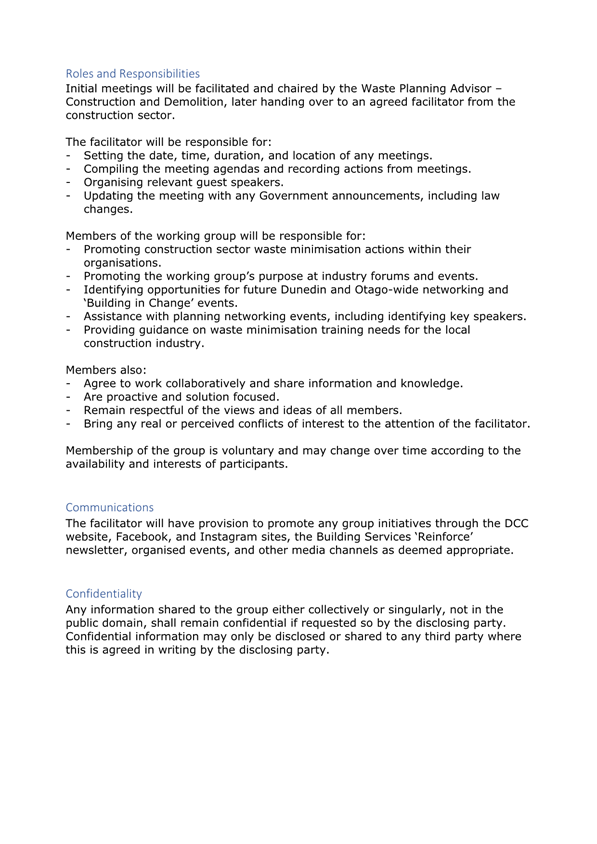
· Further meetings
of the C&D cross-sector working group, to discuss priorities for action and
ideas for future events. The terms of reference for this group is appended at
Attachment B.
· Commencement of a
Dunedin Waste Tracking trial, involving six sites that are being provided with
training, software and support by WasteXpertTM.
20 Further to
Council resolution CNL/2025/090 (15 April 2025) a feasibility study will
commence on 1 July 2025 that will determine economic, social, and environmental
drivers and barriers for construction waste collection, reuse and upcycling.
This will include developing industry, local government, and community
connections, and will set out the parameters for an on the ground pilot trial.
The feasibility study will investigate market needs, availability of recyclable
material, rail network logistics and intermodal transport solutions.
Defining the issues to be
addressed in a business case
21 The purpose
of the business case is to make the case for change, including defining the
issues to be tackled and options for addressing these. Approval of the business
case, including the preferred option, initiates the formal project planning
stage and the preparation of a Project Management Plan.
22 This
business case is only concerned with addressing C&D waste that ends up at
Classes 1 and 2 landfills. This waste comprises wood products, plasterboard,
plastics, metals, and rubble/aggregates such as concrete, bricks and asphalt.
In Dunedin, there are resource recovery options for metals, aggregates, and
untreated timber. There is scope for local processing of new plasterboard
offcuts as gypsum and soil conditioner. Construction plastics and treated
timber currently need to be sent elsewhere for reprocessing, and there are
limited onshore recycling markets.
23 This
project seeks:
· A
significant and measured reduction in C&D waste to landfill.
· Agreed
council actions that will support and continue behaviour change in C&D
waste.
· Identification
of best practice in C&D waste minimisation, and its promotion both
regionally and nationally.
· Delivery
of the eleven construction waste actions in the Zero Carbon Plan and the four
construction and demolition actions in the WMMP 2025 (as well as the various
related and overarching actions).
· Creation
of a fully costed implementation plan for key initiatives, in the medium (two to
five years) and the longer term (post five years).
24 Engagement
with construction and waste sector stakeholders was undertaken in February
2024, to inform the preparation of the Waste Management and Minimisation Plan
2025. Issues raised during this engagement process were further considered and
then embodied as ‘problem statements’ by the PCG through Investment
Logic Mapping (appended at Attachment C.) The problem statements were defined
as:
P1: Lack
of Coherent Sector-Wide Approach. There is no unified approach or shared
knowledge about refurbishment, reuse and recycling options in the construction
and demolition sector. The involvement of numerous businesses, from design to
construction to deconstruction, leads to a perceived lack of control and oversight.
This segmentation makes decision-making and communication challenging, due to
inconsistent and fragmented access to reliable and relevant information, which
can result in delays in project timelines and increased costs due to
inefficiencies.
P2: Insufficient
Local Reprocessing Infrastructure. Ōtepoti lacks comprehensive local
reprocessing infrastructure, and the high cost of transporting materials to
larger centres limits the options for diverting materials from landfill. This
increases transportation costs and adds logistical complexities, contributing
to higher carbon emissions and missed opportunities for local economic growth.
Local businesses face operational inefficiencies and environmental impacts due
to the absence of nearby facilities.
P3: Multiple
Barriers to Change. Over-packaging of materials and components, reliance on
bespoke design and imported materials, and the time needed for on-site sorting
of waste, are all viewed as barriers to change. These factors contribute to
financial burdens and challenges in sourcing sustainable materials, making it
difficult for construction teams to implement effective waste management
practices.
P4: Regulatory
mechanisms favour new materials. It is currently simpler and more
convenient to use new products when aiming to achieve building code compliance.
There is a lack of information about how to easily incorporate refurbished,
reused, and recycled materials into construction projects.
Desired Outcomes
25 The
overarching desired outcome is to enable Dunedin’s construction and waste
sector to reduce its C&D waste and its greenhouse gas emissions, and to
stimulate circular economy opportunities, in line with DCC’s strategic
direction for priorities set in the Zero Carbon Plan 2023, the 9-year Plan 2025-2034,
and the Waste Management and Minimisation Plan 2025.
26 Based on
the four ‘problem statements’, the following outcome/benefit
statements have been agreed by the PCG:
O1: An
inclusive and resilient network fosters sector-wide connections and facilitates
the sharing of best practice.
O2: Reuse,
repurposing, and repair of diverted materials and resources are actively
supported and promoted.
O3: Local
reprocessing options are maximised, and carbon efficient pathways are
established for hard to recycle materials.
O4: Clear
economic benefits drive and motivate positive behaviour changes.
27 Arising
from the outcome statements, four investment objectives were then identified:
IO1: Enhance
networks, education and training opportunities.
IO2: Support and enable fit for
purpose and accessible infrastructure for C&D waste sorting and storage.
IO3: Incentivise
actions to manage and minimise construction waste.
IO4: Identify
pathways for materials.
28 The PCG
then examined options that could deliver these objectives, realise the
outcomes, and respond to the problem statements. The strengths, weaknesses,
opportunities, and threats (SWOT) of each option were worked through, and then
refined options were assessed using multi-criteria analysis.
OPTIONS
29 Three
options have been assessed as offering scope to deliver the investment
objectives. These are detailed below and include the ‘current
roadmap’ as the baseline option, with choices then considered around a
more transactional ‘regulations and incentives’ approach, or a more
collaborative and proactive approach.
Option One – Collaboration with Community and Private
Sector - Recommended Option
Impact assessment
30 This option
builds on the ‘current roadmap’ baseline and envisages a central
resource recovery hub site that includes C&D, giving access to commercial
and community partners alike. It will be a focal point for diverse community
organisations working in resource recovery and waste diversion. This approach
will be fully integrated with the ‘sister’ project to enable the
development of three community resource recovery /recycling centres. These
sites will together form a resource recovery network, which over time will
provide pathways for materials that are not currently being reused or
reprocessed by the commercial waste sector.
31 This
collaborative option envisages that the bulk materials for reprocessing
(aggregates, metals, plasterboard, some timber) will be handled by the private
sector, with the items/materials that can be re-used or repurposed being diverted
through the community resource recovery network.
32 The scope
for regional collaborative projects would broaden under this option. Working
with the construction and waste sectors across administrative boundaries will
enable additional market solutions to be found for C&D materials.
Debt
· The
cost of this option includes the $3,520,000 Capex budgeted for the C&D
facility at Green Island in the draft 9-year plan (2025-2034) and $1,560,000
for a Central City Hub (years 2 and 3 of 9 year-plan), and $660,000 across the
9YP period for community resource/recycling centres.
Rates
· Further
investigation of potential financial incentives may impact upon income from
fees and charges, however an option exists for operational costs for the resource
recovery network to be funded from Waste Levy income.
Zero carbon
· The
preferred option is likely to decrease city emissions by reducing the amount of
construction and demolition waste ending up in Dunedin’s landfills, in
part through supporting the community and private sector to act. As waste to
landfill accounts for a significant portion of DCC’s emissions footprint,
DCC’s emissions would likely decrease ongoing.
· This
option is also likely to reduce production and transport emissions associated
with manufacturing construction materials and transporting them to Dunedin,
through greater re-use of existing materials salvaged and then sold at
community led resource/recycling centres.
Advantages
· Waste
companies can continue to develop business opportunities and be supported by
DCC investment in behaviour change.
· Community
organisations will be enabled to deliver local resource recovery infrastructure
and services to provide for the higher tiers of the waste hierarchy.
· Likely
to deliver more employment opportunities and volunteering opportunities.
· Greater
cumulative impact, with more participants involved, a wider catchment of
stakeholders, enabling different groups to play to their strengths and regional
markets to be optimised.
Disadvantages
· Collaboration
takes effort and willingness to engage, working together must be a sustained
effort over time. Clarity is therefore needed on implementation mechanisms,
roles/responsibilities, and beneficiaries.
· Availability
of commercial waste diversion data may be limited, unless sharing agreements
can be entered into in exchange for other forms of support.
· Without
further measures, this option doesn’t offer a clear pathway to re-use or
recycling for all materials, for instance difficult to recycle materials such
as treated timber and construction plastics.
· Site
requirements are more specific for a fully collaborative hub site, which could
lead to increased costs or exploration of alternative delivery mechanisms if a
suitable site cannot be identified.
Option Two – Regulation and
Incentives
Impact assessment
33 This option
builds on the ‘current roadmap’ baseline and envisages that private
waste operators/collectors take the lead on materials sorting and storage.
DCC’s role would be to incentivise behaviour change for builders and
trade-persons, through financial mechanisms such as reduced consent fees,
regulatory mechanisms (through a bylaw), extending the provision of information
and good practice guidance, and leading by example with Council projects.
34 An emphasis
on regulations and incentives would seek to trigger market mechanisms to
deliver C&D waste minimisations outcomes.
Debt
· The
cost of this option includes the $3,950,000 of capital funding budgeted for the
C&D facility at Green Island in years 1-2 of the draft 9-year plan
(2025-2034). It is also linked to the budgeted funding for the community
resource recovery ‘sister’ project for which $1,500,000 is
identified for a Central City Hub in years 2 and 3 and $660,000 for community
resource recovery/recycling centres across the 9YP period.
Rates
· Operational
costs for resource recovery network can be funded from Waste Levy income. Additional
operational costs will need to be calculated. These could include the costs of
compliance and enforcement of regulations, and/or the reduction in fees and
charges revenue resulting from incentives. Compliance costs for a regional
bylaw would generally fall to individual councils, but some resources could
potentially be pooled.
Zero carbon
· The
preferred option is likely to decrease city emissions by reducing the amount of
construction and demolition waste ending up in Dunedin’s landfills, in
part by encouraging industry to act. As waste to landfill accounts for a
significant portion of DCC’s emissions footprint, DCC’s emissions
would likely decrease ongoing.
· If
there is significant market uptake, this option may reduce production and
transport emissions associated with manufacturing construction materials and
transporting them to Dunedin, through greater re-use of existing materials
salvaged and then sold at community led resource recovery/recycling centres.
Advantages
· Some
local waste operators already have plans to extend waste sorting and are
considering applying for national waste minimisation grants (any funding
applications should be supported by DCC under this option).
· Market
led change could positively influence buy-in from the private sector.
· Greater
community and business access to materials from any privately run retail
(salvage yard opportunities).
Disadvantages
· May
be resource intensive for DCC, in terms of preparing and enforcing regulations,
reviewing site waste management plans and administering incentives packages,
and offering financial incentives may reduce revenue.
· Commercial
sensitivities will mean a lack of transparency and access to data on diversion
rates, both total quantities and by material types.
· Distance
from main materials manufacturers will impact transport costs for individual
operators.
· Without
further measures, this option doesn’t offer a pathway to re-use or
recycling for all materials, for instance difficult to recycle materials such
as treated timber and construction plastics.
· This
approach does not align with the enabling aim for community resource recovery.
Option Three – Current Roadmap
Impact assessment
35 The current
roadmap represents the committed level of expenditure and input to maintain the
levels of service planned in the LTP. It assumes that the Waste Futures
programme proceeds as planned. This option includes developing a C&D
resource recovery facility at Green Island which will serve as a consolidation
point in the future.
36 It assumes
a continuation of the current levels of education and awareness raising through
the DCC website, regular planned events, and preparation of case studies and
best practice notes. Collaborative work across the Otago region (and with
Southland) has commenced and will continue.
Debt
· The cost of this
option is $3,950,000 Capex for the C&D facility at Green Island included in
years 1-2 of the 9-year plan (2025-2034).
Rates
· Operational
requirements for running the Green Island facility are incorporated within
current operational funding. Ongoing events, case studies and awareness raising
can be funded from Waste Levy income.
Zero carbon
· In order to reduce
emissions from waste, Ōtepoti Dunedin needs to make resource use more
circular and divert more waste from landfill. The ‘current roadmap’
contributes to two key action areas for the DCC in the Zero Carbon Plan: enable
construction waste to be reduced, reused and recycled, and enable communities
to reuse and recycle resources.
· This option is
likely to decrease city emissions by reducing the amount of construction and
demolition waste ending up in Dunedin’s landfills, including through
supporting the community to act. Waste to landfill accounts for a significant
portion of DCC’s emissions footprint, DCC’s emissions would
decrease ongoing.
Advantages
· No changes to
plans are required – the Green Island facility has resource consent,
thereby the main location is known and staffed.
· There are some
education and awareness initiatives already in place, and regional
collaboration is developing.
· There will be an
opportunity for greater community access to C&D materials, as the Green
Island sorting facility can provide materials to the existing Rummage store.
Disadvantages
· The RRP is not yet
constructed, and the C&D facility is not expected to be completed until
around 2028. Green Island doesn’t deliver a central point within a wider
resource recovery network.
· There are other
local landfill options for disposal of C&D waste, which will limit
DCC’s level of control and access to data.
· There will be
limited opportunities for meaningful participation by the construction
industry, and other waste management operators.
· Without further
measures, this option doesn’t offer a pathway to re-use or recycling for
all materials, for instance difficult to recycle materials, such as treated
timber and construction plastics.
· There are limited
locations for potential hub sites to serve the multi-use purpose of C&D and
community resource recovery.
NEXT STEPS
37 Upon
approval of the business case and preferred option, project planning will
commence, and detailed costings will be prepared for any potential financial
incentives (including estimated loss of revenue). Any projected financial
impact will be addressed through recommendations on the Annual Plan 2026/27.
38 Priority
projects for delivery will be identified, and active pathways for
materials/resource recovery will be determined. A further report will be
presented to Council in December 2025.
Signatories
|
Author:
|
Karen Gadomski - Waste Planning Advisor, Construction and
Demolition
|
|
Authoriser:
|
Chris Henderson - Group Manager Waste and Environmental
Solutions
Scott MacLean - General Manager, Climate and City Growth
|
Attachments
|
|
Title
|
Page
|
|
⇩a
|
Project Control Group
terms of reference
|
52
|
|
⇩b
|
Dunedin Construction
and Demolition Working Group terms of reference
|
54
|
|
⇩c
|
Investment Logic Map
for waste reduction in the construction and demolition sector
|
56
|
|
SUMMARY OF CONSIDERATIONS
|
|
Fit with purpose of Local Government
This decision promotes the social
well-being of communities in the present and for the future.
This decision promotes the economic
well-being of communities in the present and for the future.
This decision promotes the environmental
well-being of communities in the present and for the future.
|
|
Fit with strategic framework
|
|
Contributes
|
Detracts
|
Not applicable
|
|
Social Wellbeing Strategy
|
✔
|
☐
|
☐
|
|
Economic Development Strategy
|
✔
|
☐
|
☐
|
|
Environment Strategy
|
✔
|
☐
|
☐
|
|
Arts and Culture Strategy
|
☐
|
☐
|
✔
|
|
3 Waters Strategy
|
☐
|
☐
|
✔
|
|
Future Development Strategy
|
✔
|
☐
|
☐
|
|
Integrated Transport Strategy
|
✔
|
☐
|
☐
|
|
Parks and Recreation Strategy
|
☐
|
☐
|
✔
|
|
Other strategic projects/policies/plans
|
✔
|
☐
|
☐
|
Other strategic
projects/policies/plans:
Waste Management and
Minimisation Plan, Zero Carbon Policy, Zero Carbon Plan,
DCC Emissions Management & Reduction Plan.
|
|
Māori Impact Statement
Engagement with Māori to date on the issues addressed
by the business case have been as part of the Waste Management and
Minimisation Plan process. All business case options were considered to offer
opportunities for Māori to thrive and to benefit, in terms of economic
prospects and environmental gains. Moving into the project planning stage,
targeted engagement will be undertaken with mana whenua and
mātāwaka, though Rūnaka representatives and through Aukaha.
|
|
Sustainability
A sustainability impact assessment (SIA) has been
undertaken as part of the development of this business case and will inform
the sustainability management plan as the project moves to the next stage of
the project lifecycle (the Plan phase). The options assessment included
consideration of the sustainability impacts and benefits for each of the
three options.
|
|
Zero carbon
City
emissions are likely to decrease because of the reduction of construction and
demolition waste ending up in Dunedin’s landfills, particularly timber
waste. As waste to landfill accounts for a significant portion of DCC’s
emissions footprint, DCC’s emissions would likely decrease ongoing. There
is also likely to be a decrease in emissions arising from production and
transport associated with manufacturing construction materials and
transporting them to Dunedin. This would be achieved through greater re-use
of salvaged materials.
|
|
LTP/Annual Plan / Financial Strategy /Infrastructure
Strategy
There are no implications for current levels of service or
performance indicators at this stage of the project.
|
|
Financial considerations
Capital funding for the C&D facility at Green Island
($3,950,000), the central city hub ($1,500,000), and community resource
recovery centres ($660,000) is budgeted for in the draft 9-year Plan.
Operational funding will be provided from waste levy revenue.
|
|
Significance
This decision is considered to be of medium significance
in terms of the Council’s Significance and Engagement Policy.
|
|
Engagement – external
Engagement has been undertaken with a wide range of
construction sector representatives, waste management sector representatives,
and community groups and organisations. A C&D sector working group
facilitated by the project lead met monthly in late 2024 and early 2025.
|
|
Engagement - internal
Internal engagement has been undertaken through a Project
Control Group, comprising Building Services, Communications and Marketing,
Housing Policy/Building Incentives, Procurement, Property Projects, Waste and
Environmental Solutions, and Zero Carbon. An initial Investment Logic Mapping
workshop was followed by meetings every four to six weeks.
|
|
Risks: Legal / Health and Safety etc.
No legal implications have been identified at this stage
of the project; however, service level agreements and other mechanisms may be
required in future.
|
|
Conflict of Interest
No conflict of interest has been identified.
|
|
Community Boards
There are no implications for Community Boards at this
stage of the project, although interest in the resource recovery network is
expected to be high.
|
|

|
Council
12 August 2025
|
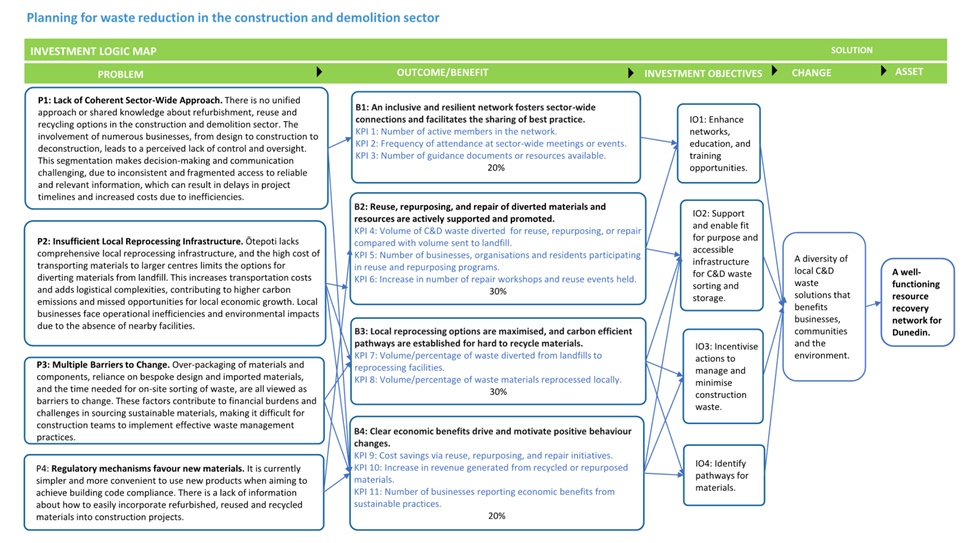
|

|
Council
12 August 2025
|
Strategic Investment in Community Resource Recovery
Department: Waste and Environmental Solutions
EXECUTIVE SUMMARY
1 This
report provides an update on the planning and activity for community resource
recovery, plus recommended next steps, determined from extensive engagement
with relevant community members and organisations and research i.e., collective
impact, legislation, local and national examples.
2 This
report recommends procurement for community resource recovery partnerships and
the development of a central city site for resource recovery in collaboration
with the Construction and Demolition ‘sister’ project, which is the
subject of a separate report to Council. It describes a plan for waste to be
reduced, reused, and recycled in the community; in accordance with the action
areas in the Waste Management and Minimisation Plan 2025 and Zero Carbon Plan
2030.
3 The
key findings of the engagement include the need for appropriate, available, and
affordable space; collaborative and resilient relationships for security and
sustainability of operations; qualified and/or experienced paid staff, local
community-led approaches; flexibility to adjust to the fast-paced waste
processing environment and community need; established and shared processes for
learning, data collection, and building capability and capacity.
RECOMMENDATIONS
That the Council:
a) Approves option one
‘Collaborative Approach’.
b) Notes the detailed
costings, collaboration options and expected timeline for Community Resource
Recovery Centres will be reported to Council in December 2025.
BACKGROUND
4 A
fixed term position was created in late 2023 to accelerate the delivery of the
Zero Carbon Implementation Plan actions pertaining to community-based resource
recovery. This was one of 13 priority areas identified for action. The Zero
Carbon plan describes how support for collaboration for circular resource use
has a moderate impact to emission reductions. Specifically, the Zero Carbon
Plan 2023 (appendix B) references:
· R1.1.2;
Develop a central city location for collection of recyclable materials and sale
of diverted items (a 'second Rummage store')
· R1.1.4;
Work with community partners to support three or more communities to establish
new community-led resource/recycling centres in local neighbourhoods.
· R1.1.5;
Complete business case for a wider network of community-led resource/recycling
centres in local neighbourhoods
· R1.1.6;
Support communities to operate and develop community-led resource/recycling
centres into self-sustaining operating model.
· R1.1.7;
Work with community partners to progressively expand the network of
community-led resource/recycling centres.
· R1.2.1;
Expand supports for waste minimisation education, projects, facilities, and
services to include initiatives that support resource circularity, and to
ensure that key services can access multi-year funding.
5 An
update on both the Community Resource Recovery and Construction Industry Waste
Reduction workstreams was presented to Council at its meeting on 10 December
2024:
Moved (Cr Jim O'Malley/Cr Mandy Mayhem):
That the Council:
Notes the Community Led Resource Recovery
and Construction Industry Waste
Reduction Update.
Motion carried (CNL/2024/241)
6 The
10 December report outlined the intention to prepare business cases for the two
linked projects and to present these to the Infrastructure Services Committee
before the end of June 2025.
7 The
background research around community resource recovery, alongside the Otago
Regional Waste Assessment (2023), includes liaison with other Territorial
Authorities for strategic approaches, operational information, impacts,
processes; Local, national, and light touch international current best practice
in community-led and collective impact; investigation of the capabilities
required for resource recovery; review of council owned property to identify
possible sites; agile procurement practices for collaborative partnerships, and
operating models. This information has been considered alongside the community
feedback, existing waste minimisation community strengths, and input received
during consultation.
DISCUSSION
8 This
project is built from extensive engagement across the community sector and the
Zero Carbon plan 2023 actions. The aim is to support the establishment of
community-based resource recovery centres (CRRC’s) that act as spokes in
a resource recovery network, a centralised Hub for resource recovery, and
collaborative efforts to move management of waste resources up the waste
hierarchy.
9 The
new WMMP (2025) was approved by Council on 30 April 2025. The targets and
actions of the WMMP include provision for the ‘Full Circular Economy
scenario’ proposed in the waste assessment and supported by community
consultation and submissions to the WMMP. The WMMP (2025) has actions related
to enabling community that this project will activate.
Moved (Cr Jim O'Malley/Cr
Mandy Mayhem):
That the Council:
a) Adopts
the Waste Management and Minimisation Plan 2025 as amended.
b) Approves
a review of the Waste Minimisation Grants Framework to be completed in time for
the 2026/27 Financial Year.
c) Notes
the Summary of Results from Submissions and the Summary of Recommendations from
the Hearings Committee.
d) Notes
that the Hearings Committee has heard and considered submissions on the Draft
WMMP 2025.
e) Notes
the minutes of the Hearings Committee.
Motion carried (CNL/2025/100)
with Cr Vandervis recording his vote against.
10 The desired
outcomes from the Community Resource Recovery project are:
a) Efficient
localised recovery of resources for reuse that maximises the social advantage
of goods being channelled to those most in need and/or most likely to utilise
the resource.
b) Coordinated
and collaborative approach to resource recovery which could include community
groups, place-based organisations, kaupapa Māori organisations, social
enterprises, local businesses, NGOs, and the Dunedin City Council.
c) A hub
and spoke network of community-based resource recovery centres, beginning with
at least three spokes and a centralised site (in collaboration with the sister
project for Construction and Demolition waste diversion) if an appropriate site
is identified, that will eventually be linked with regional and national
resource recovery networks.
d) Methodology
for data collection for diverted resources for accurate measurement,
assessment, and review for all parties.
e) Capacity
and capability building for community organisations, to enable professional and
consistent resource recovery management across the city.
f) Continued
capability and capacity building of the emerging Ōtepoti Waste
Minimisation Network for shared information, including the resourcing of an
online platform and facilitation for collaboration.
g) To
contribute to the reduction of emissions and shifts to a circular economy.
h) To provide
infrastructure and operational funding for community organisations to provide
local diversion, as well as continued growth in innovation, economic
opportunities, and social, cultural, and environmental wellbeing benefits.
11 A Solid
Waste Audit was undertaken in 2022 to help inform the Otago Regional Waste
Assessment. A report was presented to the Infrastructure Services Committee on
15 August 2023. The waste assessment identified that a ‘High
collaboration, Full circular Economy’ scenario was
the most suitable for the Otago region (pg. 104, Otago Regional Waste
Assessment 2023). This extends to all levels of scale, with smaller and community-led
infrastructure actively encouraged and prioritised over larger commercial
infrastructure, where appropriate. The
committee resolved to take this approach and approved the development of a new
WMMP for Ōtepoti Dunedin.
Moved (Cr Jim O'Malley/Cr
Mandy Mayhem):
That the Committee:
a) Notes the 2023 Otago Regional Waste
Assessment is now complete, as per section 51 of the Waste Minimisation Act
2008.
c) Nominates the Chair and Deputy Chair of the
Infrastructure Services Committee to participate in a Waste Minimisation and
Management Plan Steering Group.
d) Invites mana whenua to identify Rūnaka
representatives to participate in a Waste Minimisation and Management Plan
Steering Group.
Motion
carried (ISC/2023/034)
Moved (Cr Jim O'Malley/Cr Mandy Mayhem):
That the Committee:
b) Resolves to proceed with an amendment to the
Dunedin Waste Minimisation and Management Plan.
Motion carried (ISC/2023/035) with Cr Lee Vandervis recording his vote against
12 The Otago
Regional Waste Assessment 2023 proposed that for Otago, a network of Resource
Recovery Centres linked to Resource Recovery Parks would be the ideal model, as
shown in the diagram below (sourced from the Otago Regional Waste Assessment
2023 pg. 149, figure 11).
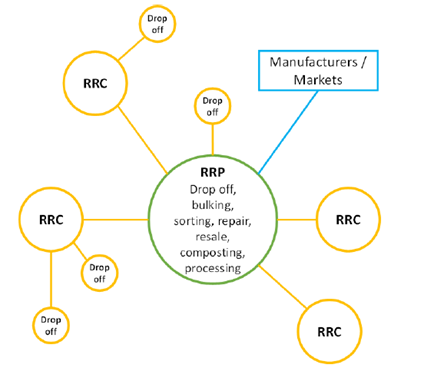
13 The Waste
Futures Project outlined the case for a Resource Recovery Park (RRP) at Green
Island, which is currently underway. The next steps for Ōtepoti Dunedin
are a Centralised Resource Recovery Centre (RRC), and community-led spokes (Community
Resource Recovery Centres (CRRC)). While the RRPs are the hub of the
regional networks, the CRRC and RRC form the primary nodes where most material
is dropped off and consolidated locally. Research has shown that many CRRC
start off as local transfer station sites that are upgraded and re-purposed to
have a predominant focus on resource recovery. The CRRCs are the local centre
for community activity, with many operated by community groups, NGO’s,
social enterprises, or iwi, and serve to engage, educate, and empower the local
communities to not only recover materials but extract and apply the value of
those materials for community benefit.
14 The
existing council owned resource recovery infrastructure for household items
(the ‘Rummage Store’ at Green Island) has limitations in size,
community group input and participation, and location for accessibility,
especially for residents without a private vehicle. It has advantages in the
scope of materials taken, synergies with other waste disposal (such as the
transfer station) and offers affordable reusable goods to the public. The RRP
upgrade currently underway will exhaust all viable available space at Green
Island. The findings of the waste assessment, community engagement and the
actions of the WMMP (2025) demonstrate the need for additional and more
specialised space for resource recovery.
15 The WMMP
(2025) provides a funding mechanism for community actions using the waste levy
and ensures that there is alignment across all activities to encourage action
and impact towards the top of the waste hierarchy.
16 Community-led
responses are actions and strategies that are specifically informed and
implemented by and for communities themselves and the organisations, groups,
and networks that represent and serve them. The actions of the Zero Carbon Plan
specify local resource recovery to be community-led; however, for the purposes
of this project, we also use community-based, a term that more transparently
demonstrates that the desire for community-led resource recovery has come from
both Council and community.
17 Existing
community-led and based resource recovery in Aotearoa New Zealand have
demonstrated meeting the core intentions of the Waste Minimisation Act 2008
– to protect the environment from harm, and for social, cultural, and
economic good. Many of the community organisations working in this space have
sustainability and social good kaupapa. Existing examples of community resource
recovery centres and hubs successfully divert waste from landfill, provide
affordable, localised reuse opportunities, create new employment opportunities,
support the local economy, and often become cherished hubs that strengthen
local communities by achieving social wellbeing strategic aims. One such
example is the Waitaki Resource Recovery Park established in 2003 to divert
recyclable and reusable materials from landfill and give the community
ownership of waste streams. This park provides a full range of waste diversion
and management services from recycling, green waste collection, repurposing and
waste disposal.
18 Due to the
interconnection, costs, potential impact and value of collaboration, the
Construction and Demolition Waste Reduction project and Community Resource
Recovery project have been aligned for efficiency and collaborative delivery.
Taken together, the two reports
‘Strategic Investment in Community Resource Recovery’ and ‘Strategic
Investment in Community Resource Recovery’ outline the investment
approach for capital budget currently allocated in the 9 year plan 2025-34 to
deliver a network of community-based resource recovery centres and centralised hub.
OPTIONS
Option One – Collaborative Approach - Recommended Option
Impact assessment
19 This
option seeks to operationalise the project with the community sector,
businesses, and the C&D sister project to achieve shared outcomes in waste
minimisation and emission reduction. It will progress three initial community
based CRRC at locally accessible locations for communities outside of the city
centre, and a centrally located resource recovery hub that includes C&D
diversion and distribution if an appropriate site is identified that its
suitable for co-location of both community and C&D resource recovery. The
three-community based CRRC’s will be used to donate and obtain items and
provide for reuse, repair, and educational opportunities.
20 An agile
procurement process that encourages collaboration and developing strong
enduring relationships between groups and Council will be conducted to identify
appropriate groups with capability, capacity, and motivation in locations
suited to the needs of residents across the city. Formalised partnership
agreements with groups will include the key ingredients mentioned in paragraph
10 of this report and will be flexible and
co-created with the community-based partners. This procurement process is
expected to take 4 months.
Debt
· The
cost of this option includes the Capex in the draft 9-year plan (2025-2034) of
$1,560,000 for a Central City Hub, and $660,000 across the 9YP period for
community resource/recycling centres.
Rates
· Operational
costs for resource recovery network can be funded from Waste Levy income,
however, there may be a need to budget a small amount of rate funding to
provide for centres to dispose of small quantities of un-diverted or recycled
waste following diversion activity, especially if a centre is not co-located
with an existing transfer station.
Zero carbon
· The
preferred option is likely to contribute to a decrease in city emissions by
reducing the amount of waste going to landfill. As waste to landfill accounts
for a significant portion of DCC’s emissions footprint, DCC’s
emissions would likely decrease. An increase to emissions reduction would be
likely as the network capability grows. The Zero Carbon Plan identifies
‘support collaboration for circularity’ as having a moderate impact
on emissions.
Advantages
· Demonstrates
good faith to groups in the city who have who have been driving community-led waste
minimisation and have given significant and ongoing input and ideas and time
into planning of this project and the WMMP (2025).
· Increased
diversion from landfill, while also providing access to low-cost goods to
residents, job opportunities, innovation opportunities, behaviour change, and community-led
development.
· Enables
and encourages community ownership of waste streams and reduces transportation
requirements for resource recovery.
· Provides
a structured method to deliver on resources recovery, collaboration and
community activated related WMMP (2025) actions.
· Provides
for a holistic approach to support education and behaviour change towards a
circular economy.
· The
centrally located hub will be a focal point for diverse community organisations
working in resource recovery and waste diversion, and for residents to
circulate resources by making donations and collections of goods from this site.
· As
the Ōtepoti Dunedin resource recovery network develops it will provide
pathways for materials that are not currently being reused or reprocessed by
the commercial waste sector and contribute to a wider regional resource
recovery network as proposed in the Otago Regional Waste Assessment 2023.
Disadvantages
· Collaborative
partnership processes need to be clearly defined and involve authentic
relationship building with community which may require additional ongoing
staffing resource for contract management of business agreements, but with
specialised knowledge in community-led and based activity.
· Community-led
processes have a higher level of potential for the need to adjust services and
plans dependent on community impacts, outcomes, and feedback. This needs to be
considered and can be mitigated through the planned collaborative approach from
procurement through to ongoing oversight, including the capability needs of
community organisations.
Option Two – Status Quo
Impact assessment
21 Restrict
activities to the provision of general advice and guidance and retain existing
council-led education initiatives. Utilise existing and future Waste Levy
contestable grants funding to support community resource recovery.
Rates
· No
rates funding required. Ongoing funding to partially support community resource
recovery, events, case studies and awareness raising can be funded from Waste
Levy income.
Zero carbon
· To reduce
emissions from waste, Ōtepoti Dunedin needs to make resource use more
circular and divert more waste from landfill. The existing activities support
the reduction, reuse, and recycling of materials, and partially enable
communities to reuse and recycle resources.
· This option is
likely to decrease city emissions by reducing the amount of waste ending up in
Ōtepoti Dunedin landfill, including through supporting the community to
act. However, as collaboration has been identified as having moderate emission
impact, as opposed to mild, this is likely to have less overall reduction on
emissions than option one.
Advantages
· Work
can be completed using existing resources and existing waste levy spend.
Disadvantages
· Impact
on waste minimisation, especially for household goods, would remain limited.
· Potential
for Community organisations to be disappointed and disengaged due to the level
of engagement and planning that has been conducted with the sector.
· Existing
problematic access to resource recovery opportunities remain, with the existing
sites being Green Island Resource Recovery Park and Waikouaiti Transfer
Station.
NEXT STEPS
22 If council
support option one, the establishment of an agile procurement process is to be
developed. This will involve supporting community to identify potential
collaborations to develop the best possible expressions of interest for
progressing CRRC.
23 If council
support option two, there will be limited scope to achieve the objectives and
actions of the WMMP (2025)
Signatories
|
Author:
|
Tess Trotter - Waste Planning Advisor - Community Groups
|
|
Authoriser:
|
Catherine Gledhill - Waste Minimisation Supervisor
Chris Henderson - Group Manager Waste and Environmental
Solutions
Scott MacLean - General Manager, Climate and City Growth
|
Attachments
|
|
Title
|
Page
|
|
⇩a
|
Otago Region Waste
Assessment 2023
|
68
|
|
⇩b
|
Image of Network of
Community Resource Recovery
|
289
|
|
SUMMARY OF CONSIDERATIONS
|
|
Fit with purpose of Local Government
This decision enables democratic local
decision making and action by, and on behalf of communities. It also promotes
the social, economic, environmental, and cultural well-being of communities
in the present and for the future.
|
|
Fit with strategic framework
|
|
Contributes
|
Detracts
|
Not applicable
|
|
Social Wellbeing Strategy
|
✔
|
☐
|
☐
|
|
Economic Development Strategy
|
✔
|
☐
|
☐
|
|
Environment Strategy
|
✔
|
☐
|
☐
|
|
Arts and Culture Strategy
|
☐
|
☐
|
✔
|
|
3 Waters Strategy
|
☐
|
☐
|
✔
|
|
Future Development Strategy
|
✔
|
☐
|
☐
|
|
Integrated Transport Strategy
|
☐
|
☐
|
✔
|
|
Parks and Recreation Strategy
|
☐
|
☐
|
✔
|
|
Other strategic projects/policies/plans
|
✔
|
☐
|
☐
|
Waste Management and
Minimisation Plan, Zero Carbon Policy, Zero Carbon Plan,
DCC Emissions Management & Reduction Plan.
Te Taki Haruru.
|
|
Māori Impact Statement
Engagement with Māori to date on the issues addressed
by the business case have been as part of the Waste Management and
Minimisation Plan engagement process. Additionally, representatives from
local Rūnaka have attended some networking hui. Moving into the project implementation,
additional targeted engagement and relationship building with mana whenua
will be part of the project plan.
|
|
Sustainability
This project contributes to improved environmental,
social, and economic outcomes in the long-term.
|
|
Zero carbon
As
waste to landfill accounts for a significant percentage of DCC’s
emissions footprint, DCC’s emissions would likely decrease. There is
also likely to be a decrease in emissions arising from production and
transport through greater re-use of household materials and lower levels of
transportation to recovery locations for residents.
|
|
LTP/Annual Plan / Financial Strategy /Infrastructure
Strategy
Capital Funding has been included in the 2025-34 9-year
plan. There are currently no anticipated implications for current levels of
service or performance indicators.
|
|
Financial considerations
The central city hub and community resource recovery
centres are budgeted for in the 9-year Plan. Operational funding will be
provided from waste levy revenue, with the exception for a potential
provision for a small amount of rates funding to cover waste to landfill at
the end of diversion processes, dependent on locations and types of
resources. There may be an impact to internal staffing levels (which can also
be funded from waste levy revenue) required to enable and support the partnerships.
|
|
Significance
This decision is considered low in terms of the
Council’s significance and engagement policy.
|
|
Engagement – external
Engagement has been undertaken across a broad range of
community and community adjacent groups, organisations individuals, board
members, staff, volunteers, and advocates. A network of approximately 40
groups and individuals has been established and engaged with in person in
one-to-one meetings, shared hui and through the WMMP pre-engagement process
and public consultation.
|
|
Engagement - internal
Internal engagement has been undertaken through meetings
with a variety of internal teams such as Policy, Community partnerships, and
Property, as well as individual staff members with work that intersects with
the project. In addition, a Project Control Group, comprising Building
Services, Communications and Marketing, Housing Policy/Building Incentives,
Procurement, Property Projects, Waste and Environmental Solutions, and Zero
Carbon has been established for the sister C&D project, where community
resource recovery has been considered during initial Investment Logic Mapping
and the creation of options for that report.
A smaller project control group will be established to
operationalise this project.
|
|
Risks: Legal / Health and Safety etc.
No legal implications have been identified at this stage
of the project; however, service level agreements and other mechanisms may be
required in future and will undergo legal review as required.
|
|
Conflict of Interest
No conflict of interest has been identified.
|
|
Community Boards
There are no direct implications for Community Boards at
this stage, although interest in the resource recovery network is expected to
be high and there is intention to engage more fully with the boards.
|
|

|
Council
12 August 2025
|
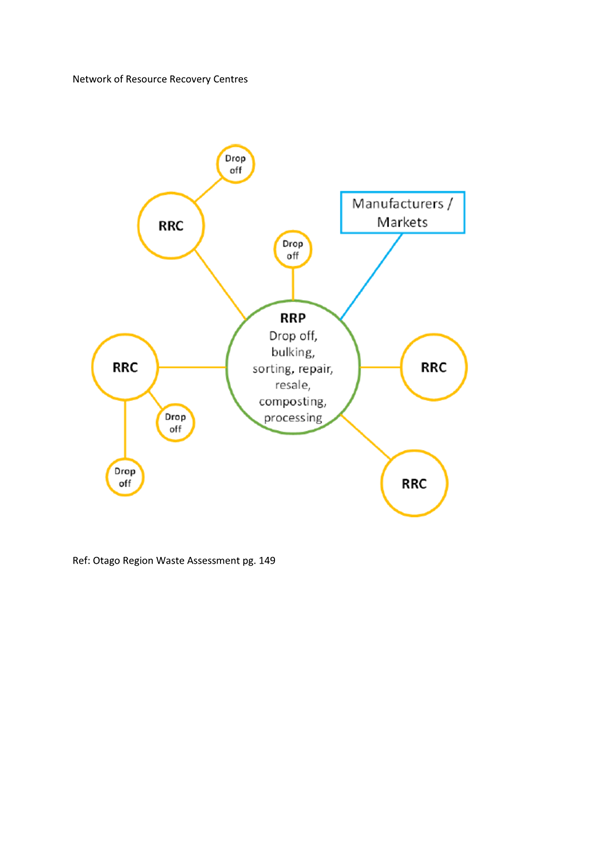
|

|
Council
12 August 2025
|
Second Generation Dunedin City District
Plan (2GP) - Legal Effect of Rules
Department: City
Development
EXECUTIVE SUMMARY
1 This
report recommends that the Council rescinds its resolution of 24 September 2024
to delay the changes to rules associated with stormwater open watercourses from
having legal effect until Plan Change 1 becomes operative.
2 By
rescinding the resolution to defer these rules from taking legal effect, this
will ensure that all rules in the 2GP amended through Plan Change 1 have legal
effect at the same time.
RECOMMENDATIONS
That the Council:
a) Rescinds its resolution of 24 September 2024 to delay the changes to
rules associated with stormwater open watercourses from having legal effect
until Plan Change 1 becomes operative.
BACKGROUND
3 The
Resource Management Act (RMA) sets out when rules in proposed plans have legal
effect. Once a rule has legal effect, it must be applied and can change the
status of activities and trigger resource consent requirements.
4 Under
section 86B of the RMA, most rules in proposed plan changes only have legal
effect once the Hearing Panel’s decision on submissions has been made and
publicly notified, but some rules have immediate legal effect from the date of
public notification of the plan change for submissions. These are rules that:
protect or relate to water, air, or soil (for soil conservation); protect areas
of significant indigenous vegetation or significant habitats of indigenous
fauna; protect historic heritage; or provide for or relate to aquaculture
activities. In most cases, this approach reflects the status of these values as
matters of national importance (section 6) under the RMA.
5 However,
a local authority may also resolve to delay the legal effect of rules to the
date on which the plan change is made operative and can later rescind that
resolution so that rules begin to have legal effect at the time of decisions.
This two-step process is done to align all rules to the same timeframe.
6 Plan
Change 1 to the 2GP includes a change which adds additional mapping of ‘stormwater
open watercourses’ to the 2GP Planning Map, and adds some exceptions to
the rule.
7 On
24 September 2024, alongside the decision to notify Plan Change 1, the Council resolved
to delay the rules associated with stormwater open watercourses from taking
effect until the plan becomes operative. The resolution
was made for several reasons, including allowing improvements to be made to the
mapping through the submissions process, and to allow the Hearing Panel to
consider submissions on the setback required from the stormwater open
watercourses, prior to the rule having effect.
8 Under
section 86C of the RMA, this decision can be rescinded
at any time, and past practice has been to rescind this resolution to align the
timing of legal effect with the date the decisions on the plan change are
released, which is the time when most other rules have legal effect.
DISCUSSION
9 Once
the decision on submissions is publicly notified, all rule changes proposed
under Plan Change 1 other than those associated with the stormwater open
watercourses (including the mapping) will have legal effect in accordance with
section 86B(1) of the RMA. Rescinding the resolution to defer the stormwater
open watercourse provisions from having legal effect will ensure that all rules
amended by Plan Change 1 will have legal effect at the same time. If the
resolution is not rescinded, there will be a period of time between when the
decisions on submissions are released and when the rules are beyond appeal (section
86F), with the result being that during this period the deferred rules and all
other rules will have a different status.
10 For completeness, it is noted that the staff recommendation to the
Plan Change 1 hearing is not to add the new mapping of proposed stormwater open watercourses, due to inaccuracies in the
mapping that have not been able to be resolved. The new proposed exceptions to
the rule are recommended to be retained, subject to a minor amendment. If the
Panel accepts the staff recommendation, the new mapping will be removed from the
2GP and the question of legal effect will no longer apply in relation to these
areas. However, if the Panel decides to retain some or all of the new
stormwater open watercourses, rescinding the previous Council resolution will make it simpler for plan users to understand the status of different rules that apply to these areas.
OPTIONS
Option One – Rescind resolution (Recommended
Option)
Advantages
· Reflects the RMA’s intention that rules that relate to the
matters in section 86B(3), to which the resolution
related, be given legal effect as soon as practicable.
· Aligns with past practice.
· Simpler for plan users to understand the status of rules.
Disadvantages
· None identified.
Option Two – Do not rescind
resolution
Advantages
· None identified
Disadvantages
· Differing status of rules could cause confusion for plan users.
· More complicated, longer, and potentially more costly,
administrative change due to rules not having legal effect at the same time.
NEXT STEPS
11 If
rescinded, the decision to rescind is required to be publicly notified.
Signatories
|
Author:
|
Emma Christmas - Senior Policy Planner
|
|
Authoriser:
|
Dr Anna Johnson - City Development
Manager
David Ward - General Manager, 3 Waters
and Transition
|
Attachments
There are no
attachments for this report.
|
SUMMARY OF
CONSIDERATIONS
|
|
Fit with purpose of Local Government
This decision relates to providing a
regulatory function and it is considered good quality and cost effective.
|
|
Fit with strategic framework
|
|
Contributes
|
Detracts
|
Not applicable
|
|
Social Wellbeing Strategy
|
☐
|
☐
|
✔
|
|
Economic Development Strategy
|
☐
|
☐
|
✔
|
|
Environment Strategy
|
☐
|
☐
|
✔
|
|
Arts and Culture Strategy
|
☐
|
☐
|
✔
|
|
3 Waters Strategy
|
☐
|
☐
|
✔
|
|
Future Development Strategy
|
☐
|
☐
|
✔
|
|
Integrated Transport Strategy
|
☐
|
☐
|
✔
|
|
Parks and Recreation Strategy
|
☐
|
☐
|
✔
|
|
Other strategic projects/policies/plans
|
☐
|
☐
|
✔
|
This decision is a procedural matter and
so has no implications for the Strategic Framework.
|
|
Māori Impact Statement
This decision has no implications for
Māori.
|
|
Sustainability
This decision has no sustainability
implications.
|
|
Zero carbon
This decision will not impact on city-wide or DCC emissions.
|
|
LTP/Annual Plan / Financial Strategy
/Infrastructure Strategy
This decision has no implications for the
Long Term Plan
|
|
Financial considerations
There are no financial implications.
|
|
Significance
This decision is of low significance in
terms of the Council’s Significance and Engagement Policy.
|
|
Engagement – external
No external engagement has been
undertaken.
|
|
Engagement - internal
No internal engagement has been
undertaken.
|
|
Risks: Legal / Health and Safety etc.
There are no identified risks associated
with the decision.
|
|
Conflict of Interest
There are no known conflicts of interest.
|
|
Community Boards
There are no implications for Community
Boards.
|
|

|
Council
12 August 2025
|
Submission on Going for Housing Growth
Department: City Development
EXECUTIVE SUMMARY
1 The
Government is implementing resource management reform through a comprehensive
three-stage process designed to replace the Resource Management Act 1991 (RMA).
2 In
June, the Government began consultation on proposals to update national
direction for infrastructure, development and the primary sector and on options
to amend freshwater national direction (Packages 1-3), and to test how housing
proposals could fit into the new resource management system (Package 4 Going
for Housing Growth).
3 The
DCC submitted on Packages 1-3 in July 2025.
4 This
report seeks approval of a draft submission from the Dunedin City Council (DCC)
to the Ministry for the Environment (MfE) and Te Tūāpapa Kura Kāinga
Ministry of Housing and Urban Development (HUD) on the Going for Housing Growth
programme (GHG). The draft submission is attached as Attachment A.
RECOMMENDATIONS
That the Council:
a) Approves the draft
Dunedin City Council submission, with any amendments, to the Ministry for the
Environment and Te Tūāpapa Kura Kāinga Ministry of Housing and Urban Development on Going for
Housing Growth.
b) Authorises the Chief
Executive to make any minor editorial amendments to the submission.
c) Notes that the Mayor
or delegate will speak to any hearings in regard to this submission.
BACKGROUND
Government reform of the resource management system
5 In
March 2025, the Government announced that the Resource Management Act 1991
(RMA) will be replaced with two new pieces of legislation: a Natural
Environment Act – focused on managing the natural environment; and a
Planning Act – focused on planning to enable development and
infrastructure.
6 The
new legislation will narrow the scope of the resource management system and the
effects it controls and will have the enjoyment of private property rights as its
guiding principle.
7 Resource
management direction under the new Natural Environment Act will cover matters
such as: freshwater; indigenous biodiversity; and coastal policy. Direction
under the new Planning Act will cover matters such as: urban development;
infrastructure (including renewable energy); and natural hazards. It is
intended that one set of national policy direction under each new act will
simplify, streamline, and direct local government plans and decision-making. It
will also provide guidance on how to resolve conflicts between competing
priorities.
Recent DCC
submission on changes to national direction
8 At
its meeting on 30 July 2025, Council approved a DCC submission to the Ministry
for the Environment the first three packages of the updated national direction
on resource management. These packages related to Infrastructure and
Development, Primary Sector, and Freshwater.
Going for Housing Growth
9 The
Government’s changes under the GHG banner are structured around three
pillars. The goal is to address the underlying causes of the housing supply
shortage. These are:
· Pillar 1: Freeing
up land for urban development, including removing unnecessary planning barriers
· Pillar 2:
Improving infrastructure funding and financing to support urban growth
· Pillar 3:
Providing incentives for communities and councils to support growth
10 The current
consultation focuses on Pillar 1, freeing up land for urban development,
including removing unnecessary planning barriers. Consultation on Pillar 1 of
GHG opened on 18 June 2025 and closes on 17 August 2025.
11 HUD advises
that further work is currently underway on the detailed design of Pillar 2
(improvements to infrastructure funding and financing tools). The legislation
to implement these changes is expected to be introduced in November 2025 and
enacted in mid-2026. There will be opportunities for public feedback as part of
this process.
DISCUSSION
12 The draft
DCC submission has been developed by staff from a range of departments in the
DCC and reflects their experiences with managing growth through the Second
Generation District Plan (2GP), Variation 2, and other processes.
13 The DCC’s
draft submission on GHG is broadly supportive of the intent to create a more
efficient and effective resource management system, but details significant
concerns across a range of matters including infrastructure funding risks. The
draft submission emphasises six key themes.
14 The submissions
states that the reform process is being driven by incorrect assumptions about
the nature and scale of the problem, e.g., that land availability is a current
problem in large parts of New Zealand that will continue to drive up house prices.
Secondly, it states that, across the board, the reforms’ direction of
travel is an over-reaction to that perceived problem, that swings the pendulum
too far and often adopts an overly blunt approach to nuanced issues that vary
considerably across New Zealand.
15 The
submission highlights that the real problem with the RMA is its focus almost
exclusively on adverse effects. The critical change needed is to reorientate
the resource management system to be more explicitly outcomes-focused rather
than predominantly effects-based. This allows for consideration of a
project’s benefits alongside its costs and effects.
16 The
submission urges that the provisions include built in flexibility so that they
are fit for purpose across a range of urban contexts, including both
high-growth and low-growth councils. The submission states a planning system
focused on enabling responsiveness will result in urban expansion in locations
where infrastructure cannot be efficiently provided. The submission notes this
approach risks undermining long-term strategic planning and the efficient use
of public investment.
17 The submission
recommends that national direction explicitly prioritise the cost-effective
delivery of infrastructure. Given Dunedin’s already substantial programme
of required 3 waters upgrades, and the city’s relatively modest
growth—all of which can be accommodated within existing zoned
areas—it is essential that development is directed towards locations that
represent the most cost-effective long term infrastructure outcomes
(considering both capital costs for new infrastructure and long-term operating
and maintenance costs). The submission notes that cost-effective infrastructure
delivery is absent from the proposed National Policy Statement (NPS) for
Infrastructure and is not given adequate consideration in documentation for
this consultation.
18 The submission
notes that the promotion of urban expansion is inconsistent with
Dunedin’s Zero Carbon 2030 goals. Compact urban form and intensification
are essential for reducing transport-related emissions and achieving climate
targets. The submission states that, if urban expansion is to be encouraged, it
must be backed by increased central government investment in transportation
infrastructure, including to support travel by active modes, and public
transportation.
19 The DCC
submission supports the principle of “growth pays for growth”, but
stresses the need for:
· the ability to
decline proposals that are inefficient to service; and
· the availability
of effective and flexible financing mechanisms to fund the delivery and
operation of infrastructure required to support growth.
20 The
submission strongly encourages continued engagement with local government and
experienced practitioners, particularly through the release of full exposure
drafts for consultation. Given the inherent complexity of planning, careful
consideration and thorough testing of the detail is crucial. Insufficient
scrutiny significantly heightens risks of litigation and unnecessary costs for
councils and communities.
OPTIONS
Option One – Recommended Option – Approves the
Dunedin City Council submission on Going for Housing Growth
Impact assessment
21 Under this
option, Council approves the draft DCC submission to the Ministry for the
Environment and Te Tūāpapa Kura Kāinga Ministry of Housing and
Urban Development on Going for Housing Growth.
22 There is no
known impact on debt, rates, and city-wide or DCC emissions.
Advantages
· Opportunity
to influence the direction of resource management reform to ensure it reflects
local needs
· Opportunity
to advocate for Ōtepoti Dunedin and its residents in government
decision-making.
Disadvantages
· There
are no identified disadvantages for this option.
Option Two – Status Quo – Does Not Approve the
Dunedin City Council submission on Going for Housing Growth
Impact assessment
23 Under this
option, Council does not approve the draft DCC submission to the Ministry for the
Environment and Te Tūāpapa Kura Kāinga Ministry of Housing and
Urban Development on Going for Housing Growth.
24 There is no
known impact on debt, rates, and city-wide or DCC emissions.
Advantages
· There
are no identified advantages for this option.
Disadvantages
· Missed
opportunity to participate in government decision-making.
· Missed
opportunity to advocate for Ōtepoti Dunedin and its residents in
government decision-making.
NEXT STEPS
25 If Council
approves the submission, DCC staff will send it to Te Tūāpapa Kura
Kāinga Ministry of Housing and Urban Development by 17 August 2025.
Signatories
|
Author:
|
Dr Anna Johnson - City Development Manager
|
|
Authoriser:
|
David Ward - General Manager, 3 Waters and Transition
|
Attachments
|
|
Title
|
Page
|
|
⇩a
|
Draft GHG Submission
|
302
|
|
SUMMARY OF CONSIDERATIONS
|
|
Fit with purpose of Local Government
This decision promotes the social, economic,
environmental, and cultural well-being of communities in the present and for
the future.
|
|
Fit with strategic framework
|
|
Contributes
|
Detracts
|
Not applicable
|
|
Social Wellbeing Strategy
|
✔
|
☐
|
☐
|
|
Economic Development Strategy
|
✔
|
☐
|
☐
|
|
Environment Strategy
|
✔
|
☐
|
☐
|
|
Arts and Culture Strategy
|
✔
|
☐
|
☐
|
|
3 Waters Strategy
|
✔
|
☐
|
☐
|
|
Future Development Strategy
|
✔
|
☐
|
☐
|
|
Integrated Transport Strategy
|
✔
|
☐
|
☐
|
|
Parks and Recreation Strategy
|
✔
|
☐
|
☐
|
|
Other strategic projects/policies/plans
|
✔
|
☐
|
☐
|
The GHG proposals are also relevant to the DCC’s Te
Taki Haruru — Māori Strategic Framework, the Housing
Implementation Plan, and Zero Carbon Policy.
|
|
Māori Impact Statement
The DCC’s Te Taki Haruru — Māori Strategic
Framework includes the principle of Autaketake and its values of tapu and
noa. Its key directions include: Communities, resources and customary
practices are protected through responsible regulatory measures and
processes, and that we are guided by tikaka and kawa (protocol) for the
wellbeing of whānau and wider community. Implementing such a proposal
would potentially be in opposition to this principle and its values.
The DCC submission notes that
while there may be positive impacts for Māori by making land easier to develop this must be balanced
with the health of the whenua (land) and wider te taiao (environment). The
DCC submission stresses the importance of engagement with mana whenua in
developing and implementing the proposals in GHG, for example ensuring that
land deemed suitable for urban development is not
an area of wāhi tupuna or wāhi taoka (ancestral places or sites of
significance).
|
|
Sustainability
There are no implications for sustainability.
|
|
Zero carbon
The
DCC notes that GHG does not address the potential implications of the
proposed changes for emissions, including for the achievement of national
targets. At a local level, the DCC is concerned on requirements for councils
to be responsive to proposed such as out-of-sequence development.
|
|
LTP/Annual Plan / Financial Strategy /Infrastructure
Strategy
Due to the timing of this consultation, potential
implications from the GHG programme have not been included in the 9 year plan
process. Any implications will need to be factored into future Annual and
Long Term Plans.
|
|
Financial considerations
There are no financial implications.
|
|
Significance
This decision is considered low in terms of the
Council’s Significance and Engagement Policy.
|
|
Engagement – external
There has been no external engagement.
|
|
Engagement - internal
note some concern around The
submission has been prepared by the DCC’s City Development team, with
input from the 3 Waters, Transport, Housing, Mana Ruruku, Parks and
Recreation, Corporate Policy, Zero Carbon, and Finance teams.
|
|
Risks: Legal / Health and Safety etc.
There are no identified risks.
|
|
Conflict of Interest
There is no conflict of interest.
|
|
Community Boards
There are potential implications for Community Boards as
changes proposed in the consultation may impact on Community Board areas.
|
|

|
Council
12 August 2025
|
Draft Sport Facilities Plan
Department: Parks and Recreation
EXECUTIVE SUMMARY
1 An
updated Draft Sports Facilities Plan (the Plan) has been completed. Initial
engagement included feedback from 44 sports
organisations, sport related organisations, the wider public and mana
whenua. This engagement was undertaken by consultants, Jacobs in 2020/21.
2 The
Plan has been informed by national strategies including the Sport NZ
Indoor Active Recreation and Sports Facility Strategy 2023 and regional
plans like the Coastal Otago Places and Spaces Strategy 2023.
3 This
work was interrupted by the Covid-19 pandemic in 2021 and the engagement plan
had to be modified using an online survey and separate
questionnaire.
4 Feedback
showed that common concerns included the age and condition facilities,
equitable access to facilities, competition for court and field space,
facilities inabilities to adequately cater for all groups and genders, and
constraints to clubs expanding due to limitations of court
space.
5 Using
the findings, the initial draft plan was produced in February 2022/23. The Plan
has recently been updated using current feedback from sports groups and updated
statistics.
6 The
Plan does not include DCC aquatic facilities.
7 While
feedback showed several areas of concern, improvements to facilities for the
2023 Woman’s Football World Cup, new field lighting, improved drainage,
the development of artificial pitches and the introduction of an effective
on-line booking system, have all been noted as positive changes.
8 The
Plan aligns with Sport Otago’s ‘The Coastal Otago Spaces and Places
Strategy 2023’ and supports this strategy model for prioritising future
investment.
RECOMMENDATIONS
That the Council:
a) Approves The Sports
Facilities Plan.
BACKGROUND
9 The
DCC manages and owns a range of sports facilities that provide for both informal
recreational and organised sports. As well as the 50 sports parks, the council
owns The Edgar Centre, Mosgiel Memorial Park, Tahuna Grandstand, The Caledonia
Gymnasium, The Caledonian Grandstand, the University Oval Grandstand, The
Dunedin Ice Stadium and several other smaller facilities.
10 At
their meeting of 31 May 2021, Council resolved;
|
|
Sport Otago and Dunedin Gymnastics Academy
|
|
|
Moved (Cr Carmen Houlahan/Cr Rachel Elder):
That the Council:
Requests
staff work with Sport Otago and Dunedin Gymnastics Academy and gym clubs to
investigate options to find suitable facilities for their activities in the
Sports Facilities Review Report.
Motion
carried (CNL/2021/001)
|
11 The
Dunedin Gymnastics Academy is actively exploring options to meet their needs by
either building a new facility or retrofitting a suitable existing building.
12 Several
facilities on DCC Parks and Recreation land are owned and managed by private
sports organisations, for example Sunnyvale Sports Centre.
13 The
most significant multi use sports facility, owned by the DCC, is The Edgar
Centre. The Edgar Centre provides for a range of recreational, school and
competitive programs, including national and international events. This
facility is managed by the Dunedin Indoor Sports Venues Trust Board (DISVT).
DISCUSSION
14 As
a living document, the Plan sets the foundation for future reviews and ongoing
engagement with mana whenua, stakeholders, and the wider community. Its
implementation will guide investment decisions over the next 10–20 years,
ensuring Dunedin’s sports facilities network evolves to meet changing
needs.
15 The purpose
of the plan is to better understand future needs and focus investment where it
would be most effective. This information will inform the development of
a sub-regional Sports Facilities Plan for Dunedin and will guide future
investment.
16 Many
of Dunedin’s older sports facilities are reaching the end of their
functional life and require investment to ensure they remain safe, accessible
and fit-for-purpose. It is anticipated that the Edgar Centre, Moana Pool
and the Dunedin Ice Stadium will need to be replaced in 25 to 30 years’
time.
17 Once
need has been identified, the scale, type and location of sports hubs can be
planned for as a long term solution. Sports hubs provide a
coordinated and efficient approach to provision of sports and sports
administration. They can be community anchors hosting workshops, and social and
social activities beyond sport.
18 The
Plan prioritises upgrades that enable increased participation, support diverse
use, reduce operational costs, and cater for both structured and casual
participation.
19 The
Plan identifies a need to strengthen partnerships with tertiary providers, iwi
and commercial operators to improve community access to indoor spaces,
particularly in areas where demand is high but public provision is
limited. Developing these arrangements could ease short term capacity
issues as well as be central to long term provision of facilities.
20 While
some school courts are used for community sport, they cannot fully address
the shortage due to limited availability, access restrictions, and not
meeting national standards such as safe run-off space and court dimensions.
21 The
Plan aligns with Council’s Parks and Recreation Strategy 2017 - 2027 and
promotes the physical, psychological, and cultural benefits of participation in
sport and recreation. The Parks and Recreation Strategy encourages active
lifestyles and public access to a diverse range of
facilities.
22 The
Plan has been updated to align with current strategic directions, including the
Future Development Strategy 2024–2054 and Te Taki Haruru.
23 The
Plan recognises and promotes the social returns (Social Return on Investment)
that are achievable through increased participation rates. Research
carried out by Sport NZ Social Return on Investment (SROI) For Recreational
Physical Activity in Aotearoa New Zealand, 2019 found that for every $1
invested in physical activity, $2.12 worth of social impacts are received.
24 The
Plan emphasises the importance of coordinated planning to avoid
fragmented and reactive investment. Aligning with national strategies including
the Sport NZ Indoor Active Recreation and Sports Facility Strategy and
regional plans like the Coastal Otago Places and Spaces Strategy ensures
that new developments meet long-term community needs.
25 Council
will need to work alongside facility operators, codes, and funders to ensure
any future investment decisions are well coordinated. Prioritisation will
be based on factors such as usage levels, network gaps, equity of access,
community building and resilience to climate change impacts.
26 The rising
cost of living is a barrier to participation, especially for lower-income
families. Facilities should be designed to support low-cost access models,
such as community partnerships, subsidized programs, and flexible pricing to
ensure equitable participation.
27 Emerging
sports and short format games, such as three-aside basketball, are gaining
popularity. These activities do not require large blocks of time or costly annual
subscriptions.
28 The
‘pay as you play’ model is a popular trend both nationally and
internationally and facility planning will take this into consideration.
29 Sports including futsal,
volleyball, and pickleball are growing in popularity, but they struggle to
find space due to the dominance of traditional sports and the overall lack of
available courts. This lack of available suitable space limits the ability to
support diverse and inclusive participation across age groups and
communities.
30 An
aging population is leading more active lifestyles. It is likely that as
this age group grows, demand for court space will increase. The plan supports
responses to changing trends and demands that include the needs of the all-user
groups.
31 Retaining
youth participation beyond school age remains a major issue. The Plan supports
actions to encouraging this age group, particularly young woman by promoting
good facility design and management and ensuring facilities meet the needs of
emerging trends in participation.
32 45%
of Dunedin’s sports fields are located in the South Dunedin catchment.
Relocation of existing and/or new facilities is likely to be required and early
planning is essential to determine priorities and options. South Dunedin
Futures outcomes will inform these decisions.
OPTIONS
33 Two
options are proposed. The recommended option is to adopt the Sports Facilities
Plan. Option 2 is to retain the status quo.
34 Option One
– Adopt the Sports Facilities Plan 2025
35 Recommend
that the Plan be adopted following the recent engagement with sports groups and
organisations who were able to provide current feedback.
Debt
· Funding
for implementation of actions in the Plan will be considered in future reports
through the Annual or Long-Term Planning processes.
Rates
· Funding
for actions in the Plan will be considered via future reports through the
Annual or Long Term Planning processes and rates impact will be calculated at
that time.
Zero carbon
· Sustainability
will be considered in the design and provision of futures sports and recreation
facilities.
Advantages
· The
DCC will have a coordinated and long-term plan focused on sports facility
planning.
· The
plan would provide a useful tool to guide resource allocation over the medium
to long term.
· The plan
aligns with the policies and visions of the Sport Otago’s Coastal Otago
Spaces and Places Strategy.
Disadvantages
· No
disadvantages.
36 Option
Two – Status Quo
Impact assessment
37 Retaining
the status Quo would require no further investment on feasibility studies,
surveys and planning however, it may have implications of efficient delivery of
sports and recreation space into the future.
Debt
· No
debt funding is required for this option.
· No
further funding would be required if the Plan was not implemented.
Rates
· There
are no impacts on rates.
· If
the Plan is not implemented, future development will be on an ad hoc basis.
Zero carbon
· There
would be no change to greenhouse emissions with this option.
Advantages
· There
are no advantages.
Disadvantages
· A
coordinated and cost-effective pathway to develop facilities over the long term
will be lost without a comprehensive plan to guide decision making.
· Public
desire for adequate provision of efficient and inclusive facilities will not be
met.
NEXT STEPS
38 If adopted, the Sports Facilities Plan 2025 will be implemented.
39 The
short term actions set out in the Implementation Plan are to:-
· Undertake a study to assess the feasibility of covered courts to
meet projected need.
· Work with Sport Otago, Dunedin schools, Dunedin sports
organisations and other stakeholders to identify opportunities for the
co-location and shared use of sports facilities.
· Carry out an audit of existing sports facilities accessibility
status to identify physical, cultural and gender barriers.
· Develop guidance and/or policy to ensure that growing commercial
use of public facilities and grounds does not restrict community use, grass
roots development and recreation sports.
· Work with the relevant sporting codes and other stakeholders to
undertake an audit of existing changing facilities to ensure that they are
suitable for use (gender appropriate, fit for purpose and accessible).
40 The
Edgar Centre, Moana Pool and the Dunedin Ice Stadium are all projected to be at
the end of their useful life in 25 to 30 years’ time. The long term
actions look to determine facility requirements and timelines to replace these
major facilities and include budget provision in future LTPs.
41 The
long term actions set out in the Implementation Plan are to: -
· Produce a feasibility study and a high level concept plan to
determine the facility requirements and a timeline for the development of a hub
and spoke model for Ōtepoti.
· Prepare a program of facility
development for inclusion in subsequent LTPs to implement the hub and spoke
model for Ōtepoti over the next 30 years.
Signatories
|
Author:
|
John Brenkley - Planning and Partnerships Manager
Peter Christos - Parks and Recreation Planner
|
|
Authoriser:
|
Heath Ellis - Group Manager Parks and Recreation
Jeanine Benson - Group Manager Transport
|
Attachments
|
|
Title
|
Page
|
|
⇩a
|
Draft Sports Facilities
Plan 2025
|
331
|
|
SUMMARY OF CONSIDERATIONS
|
|
Fit with purpose of Local Government
This decision promotes the cultural
well-being of communities in the present and for the future.
|
|
Fit with strategic framework
|
|
Contributes
|
Detracts
|
Not applicable
|
|
Social Wellbeing Strategy
|
✔
|
☐
|
☐
|
|
Economic Development Strategy
|
✔
|
☐
|
☐
|
|
Environment Strategy
|
☐
|
☐
|
✔
|
|
Arts and Culture Strategy
|
☐
|
☐
|
✔
|
|
3 Waters Strategy
|
☐
|
☐
|
✔
|
|
Future Development Strategy
|
✔
|
☐
|
☐
|
|
Integrated Transport Strategy
|
☐
|
☐
|
✔
|
|
Parks and Recreation Strategy
|
✔
|
☐
|
☐
|
|
Other strategic projects/policies/plans
|
✔
|
☐
|
☐
|
The Sports Facilities Plan promotes increased positive
social, economic and health outcomes and therefore aligns with the above
strategies. The plan aligns with the goals of the DCC Play Spaces Plan 2021
and also aligns with Sport NZ, Coastal Otago Places and Spaces Strategy.
|
|
Māori Impact Statement
Manawhenua were consulted during the initial consultation
phase and will be invited to add additional input prior to a final draft. The
plan recognises the importance of fostering the spiritual, emotional and
phycological benefits of healthy lifestyles and physical activity.
|
|
Sustainability
The plan promotes coordinated and sustainable development
avoiding duplication of facilities while meeting community needs into the
future. The plan also supports increased participation, more diverse
participation and a co-operative approach to facility development and
management.
|
|
Zero carbon
There
are no direct zero carbon implications if the Plan is adopted. As new
facilities are designed and implemented, sustainable processes and material
choices will be considered in the specification documentation.
|
|
LTP/Annual Plan / Financial Strategy /Infrastructure
Strategy
The plan states the need for unbudgeted
investment, over the medium and long term, to meet growing demand for fit for
purpose facilities.
The plan also states the need for planned
long term investment to respond to climate change and sea level rise
|
|
Financial considerations
The plan calls for alignment with NZ best practice in
provision of facilities. This would require unbudgeted capital investment
over the short, medium and long terms. Further investment in audits, studies
and surveys would be within operational budgets.
|
|
Significance
The decision is considered low in terms of Council’s
Significance and Engagement Policy.
|
|
Engagement – external
Consultation included interviewing sporting and interest
groups, feedback from the wider community and DCC Mana Whenua partners.
Recent consultation involved going back to previously consulted sports groups
and organisations offering the opportunity to update and/or add to previous
feedback.
|
|
Engagement - internal
The draft plan was distributed to Parks and Recreation,
Transport, Community Development and Events and City Development for
feedback.
|
|
Risks: Legal / Health and Safety etc.
The plan aligns with DCC strategic
policies.
The plan may raise expectations
from the community regarding facility upgrades and replacement.
|
|
Conflict of Interest
No known conflicts of interest.
|
|
Community Boards
N/A
|
|

|
Council
12 August 2025
|
Smokefree Dunedin Policy Review Options Report
Department: Corporate Policy
EXECUTIVE SUMMARY
1 At
its meeting on 17 June 2025, the Civic Affairs Committee considered a report on
the review of the Smokefree Dunedin Policy. A copy of the report is at
Attachment A.
2 The
Civic Affairs Committee is now making a recommendation to Council on the
options proposed in that report. A copy of the unconfirmed minute from the
Civic Affairs Committee is at Attachment B.
3 Council’s
decision on the options will inform the next steps in the review of the
Smokefree Dunedin Policy.
RECOMMENDATIONS
That the Council:
a) Approves the
recommendation on the Smokefree Dunedin Policy Review from the Civic Affairs
Committee, 17 June 2025.
b) Notes that this
decision will inform the next steps of the Smokefree Dunedin Policy Review.
Signatories
|
Author:
|
Danielle Tolson - Policy Analyst
|
|
Authoriser:
|
Nadia Wesley-Smith - Corporate Policy Manager
Nicola Morand - Manahautū (General Manager Policy and
Partnerships)
|
Attachments
|
|
Title
|
Page
|
|
⇩a
|
Smokefree Dunedin
Policy Review 17 June 2025
|
376
|
|
⇩b
|
Unconfirmed Minute
Extract Civic Affairs Committee 17 June 2025
|
385
|
|
SUMMARY OF CONSIDERATIONS
|
|
Fit with purpose of Local Government
This decision promotes the social,
environmental, and cultural well-being of communities in the present and for
the future.
|
|
Fit with strategic framework
|
|
Contributes
|
Detracts
|
Not applicable
|
|
Social Wellbeing Strategy
|
✔
|
☐
|
☐
|
|
Economic Development Strategy
|
☐
|
☐
|
✔
|
|
Environment Strategy
|
✔
|
☐
|
☐
|
|
Arts and Culture Strategy
|
✔
|
☐
|
☐
|
|
3 Waters Strategy
|
☐
|
☐
|
✔
|
|
Future Development Strategy
|
✔
|
☐
|
☐
|
|
Integrated Transport Strategy
|
✔
|
☐
|
☐
|
|
Parks and Recreation Strategy
|
✔
|
☐
|
☐
|
|
Other strategic projects/policies/plans
|
✔
|
☐
|
☐
|
The Smokefree Dunedin Policy is also applicable to the
Dunedin City Council’s (DCC) Festivals and Events Plan, Zero Carbon
Policy, Waste Management and Minimisation Plan, and Te Taki Haruru — Māori
Impact Statement.
|
|
Māori Impact Statement
Results from the 2023/24 New Zealand Health Survey record
that 14.7% of people who identified as Māori identified as smokers,
compared to 6.9% across the total New Zealand adult population. 28.8% who
identified as Māori identified as vapers.
|
|
Sustainability
There are no implications for sustainability.
|
|
Zero carbon
There
is no impact for city-wide and DCC emissions.
|
|
LTP/Annual Plan / Financial Strategy /Infrastructure
Strategy
There are no implications for the LTP and/or Annual Plan.
|
|
Financial considerations
There are no financial implications.
|
|
Significance
The decision is considered low in terms of the
Council’s Significance and Engagement Policy.
|
|
Engagement – external
DCC staff have had ongoing engagement with the Cancer
Society and Health New Zealand Te Whatu Ora in regard to this Policy.
|
|
Engagement - internal
The Corporate Policy team spoke to the DCC’s
Property, Parks and Recreation, Community Housing, Waste Management and
Minimisation, and Events teams to inform the review of the Smokefree Dunedin
Policy.
|
|
Risks: Legal / Health and Safety etc.
There are no identified risks.
|
|
Conflict of Interest
There is no Conflict of Interest.
|
|
Community Boards
There are potential implications for Community Boards as
these areas are locations of DCC facilities such as libraries and parks, and
where events take place.
|
|

|
Council
12 August 2025
|
|

|
Council
12 August 2025
|
Hearing Committee Recommendations on the Review of the
Otago Harbour Reserves Management Plan
Department: Civic
EXECUTIVE SUMMARY
1 This
report presents the recommendations of the Hearings Committee (the Committee)
on the review of the Otago Harbour Reserve Management Plan (the Draft Plan).
2 After
considering the submissions received, the Committee requested that staff update
the Draft Plan incorporating feedback from submitters.
3 The
Committee reconvened and approved the changes to the Draft Plan.
4 If
approved, the new Otago Harbour Reserve Management Plan will replace the
existing Otago Boat Harbour Recreation Reserve Management Plan 2008 and the
Otago Harbour Reserves Management Plan 2009 which have been amalgamated into a
single new reserve management plan, immediately.
RECOMMENDATIONS
That the Council:
a) Notes that the
Hearings Committee has heard and considered submissions on the draft Otago
Harbour Reserves Management Plan 2025.
b) Adopts the Otago
Harbour Reserves Management Plan 2025.
BACKGROUND
Reserve Management Plans
5 Dunedin
City Council (DCC) is the administering body appointed under the Reserves Act
1977 (the Act) to control and manage reserves within the city for the
particular purpose for which those reserves were classified.
6 The
Act requires the administering body to prepare management plans for all
reserves under its control. The management plans are to be reviewed
regularly to ensure they reflect changing circumstances or increased
knowledge.
7 The
process for preparing or reviewing a reserve management plan is set out in
sections 41 (5) and (6) of the Act.
8 DCC
as the administering body can approve reserve management plans for reserves
under its control, management, or administration.
Public
Consultation:
9 The
Draft Otago Harbour Reserve Management Plan was presented to the Strategy,
Planning and Engagement Committee meeting of 20 August 2024, recommending the
commencement of a public consultation process.
10 The
submission period started on 21 August 2024 and remained open until 23 October
2024.
Public
Consultation
11 There were
52 submissions received during the two month consultation period on the Draft
Plan. Of these submissions, 30 indicated support, 22 indicated
opposition. The majority of those opposed to the Plan had concerns about
the Port Otago proposals for Back Beach.
12 The
submissions received were summarised and analysed to identify themes. The most
prominent themes that were discussed were:
· Provision
of new facilities
· Improving
biodiversity
· Improving
transport safety
· Improving
public access to the water
· Increasing
recreation values
Hearing Findings
13 The
Committee met on 17 March 2025 to hear submitters and to deliberate on the
submissions received.
14 Nineteen
submitters spoke to their submissions and answered questions.
15 The
submitters who spoke at the Hearing made the following comments:
· That the current road reserve areas at
Yellowhead and Roseneath be changed to a conservation reserve, to allow public
access to these areas.
· Clarification was sought regarding the
maintenance of the Broad Bay Boating Club carpark which is on both road and
parks reserve land. There is high use of the boat ramp by users as it was
the only formed boat ramp close to the exit of the harbour. The speaker
confirmed that the boat ramp is currently owned and maintained by the Broad Bay
Boating Club.
· Port Otago Ltd.’s vision for the
Otago Harbour was outlined. It was noted that while the submission was
heard, the content was outside the scope of the Plan. The Plan only
relates to reserves and facilities owned by Council.
· More planting beautification through St
Leonards, and linkage of the shared path through Port Chalmers and to the Back Beach
area.
· The importance of the Back Beach area
remaining as a public recreational area.
· Prioritisation for future proofing of low
lying coastal reserves by Council, due to the impact of sea level rise and
extreme weather events. Support dinghy storage racks for Deborah Bay. Historic
storytelling signage for the reserves areas to highlight information and
interest. Back Beach to remain primarily a recreational area.
· Protection of native flora and fauna as
part of reserves bordering the harbour and for marine life in the harbour.
Conservation considerations to be a priority for future housing development in
recognition of the individual character of harbour communities’ native
flora and fauna.
· Protection of wildlife from light pollution
through responsible lighting, such as reserve areas with no installed lighting,
or lighting activated by sensors.
· Public access and equitable use of the
Otago Harbour reserves and for small reserves bordering the harbour to be
included collectively in the Otago Harbour Reserves Management Plan. Need
for a combined effort by Council and the community to clean up reserve areas
(including Back Beach and Deborah Bay) to make it a safe and functional for
recreational use. Encouraged the installation of a dinghy storage rack at
Deborah Bay.
· The importance of enhancement of reserve
areas and for increased public access to the shoreline. Priority for
recreational use of reserve areas over commercial use.
· Vehicle access along Peninsula Beach Road,
vehicle access could be reduced to a section rather than the whole road i.e.,
from Victory Place rather than from the Back Beach area.
· Dunedin Sea Cadets, based at Back Beach
with two sheds located on the reserve. Back Beach ideal for the Sea
Cadets to undertake training activities. Sought the support of ORC and
DCC to retain the buildings and resources to be able to deliver cadet
activities. Safety on Peninsula Beach Road, traffic calming measures, without
impeding access to the boat sheds.
· That there be public consultation for any
proposed changes to the current facilities at Back Beach and Careys Bay. If
wharf facilities were to be upgraded that consideration be given to larger
vessels coming into and out of the wharf whether commercial or recreational.
There were also a recommendation to have matched jetty facilities on both sides
of the harbour. The submitter had safety concerns at back beach
where pedestrians and vehicles with boat trailers are often in conflict.
· No commercial use of the Back Beach, Careys
Bay and Deborah Bay. Public toilets and a dingy storage rack to be
established at Deborah Bay to improve public amenities.
· Back Beach and the activities there.
Considered the area a Category 1 for Taonga. Not concerned about the
commercialisation of Back Beach, but there was a large amount of silt which
needed removal to increase the depth for vessels.
· Improved provision for rubbish collection. Concern
for the harbour shared path being referenced as a cycleway (prefer the term
shared pathway). Consideration for review of dog access to harbour
reserves.
· Concern for any development of the boat
ramps to accommodate more boats, which would cause a large increase in the
volume of activity from land based users and for the uplift of boats, and
larger vessels launching from Back Beach. Consider the public ramp at
Back Beach as suitable for up to three boats and vehicles to use at a time. Concern
for the growing commercial use of the public boat ramps and the risk of damage
and congestion which would impact on the public use and access. Sought
separation from the existing recreational facilities at Back Beach by
commercial users.
· Stronger regulations relating to housing
development around existing reserves (such as Broad Bay and Yellowhead)
affecting the local ecosystem or biodiversity. Submitter considers increased
development near the reserve sites would lead to negative impact from greater
traffic congestion, on stormwater and erosion, and increased rubbish problems.
· ORC submission regarding Te Awa
Ōtākou Issues and Opportunities Report in relation to the DCC’s
Reserves Management Plan. Detailed the background, key partnerships and
the consultation work undertaken in the Te Awa Ōtākou Issues and
Opportunities Report and highlighted the recommended actions, including:
solutions to restore the North End wharf functionality; options to extend Te Awa
Ōtākou (the Ocean Path) shared path out to Harington Point, prioritising
of high use areas where improved access would be of the benefit to the greatest
number of users, provision of green corridors linking areas of native cover and
regeneration of the harbour basin.
· Support for the direction of the draft plan.
The importance that reserves were inclusive and accessible for all and
reflected the diversity of disability. The Disabled Persons Assembly (NZ)
Inc supported the principles of all reserves being open to the public and that
public access should be equitable, while recognising reasonable limitations to
this in that all tracks may not be fully accessible. Encourage the
Council to make every effort to ensure that parts of tracks were accessible to
all and improvements to facilities, should involve organisations as
stakeholders in improving public reserves.
16 The meeting
concluded at 3:41pm.
17 The Hearing
Panel agreed to work through the notes with staff on changes needed and set a
meeting time for this to happen.
18 The meeting
reconvened on Thursday 27 March at 1:30pm immediately following site visits
reserve areas, including Broad Bay, Back Beach, Careys Bay and Deborah Bay by
the Hearing Panel.
19 The Panel
discussed proposed text changes, corrections, and additional wording to be
included in the Draft Plan.
20 Moved (Cr
Christine Garey/Cr Kevin Gilbert):
That the Committee:
a) Notes the feedback from the
public engagement of the Draft Otago Harbour Reserves Management Plan
b) Recommends to Council that
the Draft Otago Harbour Reserves Management Plan, as amended, be adopted.
Motion carried (CH/2025/004)
21 The final
draft of the Plan is in attachment A.
22 The
Hearings Committee minutes are in Attachment B
DISCUSSION
23 <Enter
text>
OPTIONS
24 There are
two options to be considered. The first is to adopt the Plan which will
amalgamate the two existing Reserve Management Plans into one document.
The second is not to adopt the Plan and continue to manage the Otago Harbour
reserves under the current system.
Option One – Recommended Option. Adopt the
Otago Harbour Reserves Management Plan.
Impact assessment
25 The new
Otago Harbour Reserve Management Plan will replace the existing Otago Boat
Harbour Recreation Reserve Management Plan 2008 and the Otago Harbour Reserves
Management Plan 2009 which have been amalgamated into a single new reserve
management plan.
Debt
· Funding
for implementation of actions in the Plan will be considered in future reports
through the Annual or Long Term Planning processes.
·
Rates
· Funding
for actions in the Plan will be considered via future reports through the Annual
or Long Term Planning processes and rates impact will be calculated at that
time.
Zero carbon
· Sustainability
is to be considered in the projects employed to implement the Draft Plan and to
inform the management and operation of the reserves. Given the nature of these
coastal reserves, specific policies have been developed for resilience in
planting and infrastructure as climate change implications for the reserves
develop. The Draft Plan supports wider adaptive planning as these emerging programmes
for city wide adaptation are undertaken.
Advantages
· The
Otago Harbour Reserves will have an up-to-date management plan that seeks to
manage the recreational, amenity and cultural values of the Reserves.
· The
Plan was written following feedback from two separate rounds of public
consultation.
· Objectives
in the Otago Harbour Reserves Management Plan 2025 that do not require
additional funding can be implemented without delay.
Disadvantages
· There
are no disadvantages with this option.
Option Two – Status Quo
Impact assessment
26 The two
existing reserve management plans will remain operative, and any future
programmes of work will be ad hoc in nature.
Debt
· If
the existing Otago Boat Harbour Recreation Reserve Management Plan 2008 and the
Otago Harbour Reserves Management Plan 2009 remain there will be no further
programmes of work requiring funding.
Rates
· With
this option there will be no further programmes of work requiring funding and
therefore no rates impact.
Zero carbon
· City
Wide and DCC greenhouse emissions are likely to stay the same with this option.
Advantages
· There
are no advantages with this option.
Disadvantages
· The existing Otago
Boat Harbour Recreation Reserve Management Plan 2008 and the Otago Harbour
Reserves Management Plan 2009 will remain operative and any future development
in the reserves will be on an ad hoc basis.
· Feedback from two
separate rounds of public consultation will be ignored.
NEXT STEPS
27 The Draft
Plan will be finalised and adopted as the Otago Harbour Reserves Management
Plan effective from June 2025.
28 A draft
Implementation Plan is attached which will be the basis for future reports to
Council regarding projects for inclusion in Annual and Long Term Plans.
29 The Draft
Implementation Plan is in Attachment C.
Signatories
|
Author:
|
Christine Garey - Chairperson, Regulatory Subcommittee
|
|
Authoriser:
|
|
Attachments
|
|
Title
|
Page
|
|
⇩a
|
Draft Otago Habour
Reserves RMP
|
395
|
|
⇩b
|
Otago Harbour RMP
Minutes
|
457
|
|
⇩c
|
Draft Otago Harbour RMP
Implementation Plan
|
470
|
|
SUMMARY OF CONSIDERATIONS
|
|
Fit with purpose of Local Government
This decision enables democratic local
decision making and action by, and on behalf of communities.
This decision promotes the social
well-being of communities in the present and for the future.
|
|
Fit with strategic framework
|
|
Contributes
|
Detracts
|
Not applicable
|
|
Social Wellbeing Strategy
|
✔
|
☐
|
☐
|
|
Economic Development Strategy
|
✔
|
☐
|
☐
|
|
Environment Strategy
|
✔
|
☐
|
☐
|
|
Arts and Culture Strategy
|
☐
|
☐
|
✔
|
|
3 Waters Strategy
|
☐
|
☐
|
✔
|
|
Future Development Strategy
|
✔
|
☐
|
☐
|
|
Integrated Transport Strategy
|
✔
|
☐
|
☐
|
|
Parks and Recreation Strategy
|
✔
|
☐
|
☐
|
|
Other strategic projects/policies/plans
|
✔
|
☐
|
☐
|
The city’s parks and reserves contribute to the
wellbeing of the community. Reserve management plans provide
opportunities to work with other departments to consider linkages and
connections in terms of movement and association. Reserve management
plans are also an opportunity to evaluate biodiversity and ecological values
and support improvements to the environment. Reserves are destinations and
the activities promoted within them can be of economic benefit to the city.
|
|
Māori Impact Statement
Kāti Huirapa Rūnaka ki Puketeraki and Te Rūnanga
o Ōtākou through Aukaha Ltd have contributed to the draft Otago
Harbour Reserves Management Plan. Mana Whenua have provided feedback
during the development of the Draft Plan.
|
|
Sustainability
Sustainability is to be considered throughout the
implementation of this plan and will inform the ongoing management and
operation of the reserve. Given the nature of these coastal reserves,
specific policies have been developed for resilience in planting and
infrastructure as climate change implications for the reserves develop. The
reserve management plan supports wider adaptive planning as these emerging
programmes for city wide adaptation are undertaken.
|
|
Zero carbon
Zero
carbon initiatives will be considered throughout the implementation of the
plan and will inform decisions relating to the ongoing the management and
operation of the reserve. Given the nature of these coastal reserves,
specific policies have been developed for resilience in planting and
infrastructure as climate change implications for the reserves develop. The
reserve management plan supports wider adaptive planning as these emerging
programmes for city wide adaptation are undertaken.
|
|
LTP/Annual Plan / Financial Strategy /Infrastructure
Strategy
Actions arising from the Otago Harbour Reserves Management
Plan have not been included in the 9 Year Plan. An Implementation Plan
with actions and priorities will be the basis of future reports to Council
for inclusion of programmes in future Annual and Long Term Plans.
|
|
Financial considerations
An Implementation Plan with actions and priorities will be
the basis of future reports to Council for inclusion of programmes in future
Annual and Long Term Plans.
|
|
Significance
The Draft Plan is considered low in terms of the
Council’s Significance and Engagement Policy.
|
|
Engagement – external
The Reserves Act 1977 requires DCC to consult with the
public when a reserve management plan is being created or reviewed.
|
|
Engagement - internal
Parks and Recreation Services staff have worked with other
departments (Legal, Transport, 3 Waters, Zero Carbon, City Sanctuary, City
Development, Community Development and Events) with the drafting of this
reserve management plan.
|
|
Risks: Legal / Health and Safety etc.
There are no identified risks to this report for
consideration
|
|
Conflict of Interest
There is no known conflict of interest.
|
|
Community Boards
The Otago Harbour Reserves are key amenities for the
entire city and all residents including those Community Board areas will be
interested in the development of a reserves management plan for these
facilities. The Otago Harbour Reserves sit within the Otago Peninsula
Community Board and West Harbour Community Board jurisdictions and both
boards were advised and given the opportunity to comment about the Draft
Plan.
|
|
|
Council
12 August 2025
|
Hearings Committee Recommendations on Beauty Therapists,
Tattooists and Skin-Piercers Bylaw Review
Department: Customer and Regulatory
EXECUTIVE SUMMARY
1 This
report presents recommendations of the Hearings Committee (the Committee) on
the amended Beauty Therapists, Tattooists and Skin-Piercers Bylaw (the Bylaw)
following a review.
2 It
recommends the Council adopts the Bylaw (Attachment A) with a date of effect of
1 October 2025. Recommended changes to the Bylaw aim to provide a greater level
of protection in some areas and improve clarity. See Attachment B for tracked
changes to the Bylaw.
RECOMMENDATIONS
That the Council:
a) Notes that the
Hearings Committee has considered submissions on the proposed Beauty
Therapists, Tattooists and Skin-Piercers Bylaw
b) Notes the minutes of
the Hearings Committee (Attachment C)
c) Adopts the amended
Beauty Therapists, Tattooists and Skin-Piercers Bylaw (Attachment A)
d) Approves a date of
effect for the Beauty Therapists, Tattooists and Skin-Piercers Bylaw of 1
October 2025.
BACKGROUND
Council resolutions
3 In
September 2024, the Customer and Regulatory Committee resolved to commence a
review of the Bylaw. The review must be carried out under requirements of the
Local Government Act 2002 (the LGA).
4 Following
review that included early engagement, the Customer and Regulatory Committee,
approved a draft Bylaw and statement of proposal for consultation purposes on
11 March 2025.
National and local context
5 There
is no national legislation for appearance industries in New Zealand. Appearance
industries cover beauty therapy, tattooing and skin-piercing industries. In the
absence of national legislation, some local authorities like Dunedin have
adopted bylaws so that health risks associated with these industries can be
managed and people can choose to use such services safely.
6 The
industry is experiencing growth. For example, the number of registered
appearance industry businesses in Dunedin has increased from around 60 in 2016
to the current figure of 89. As technology advances, there is also evidence of
emerging practices that have associated risks.
Proposed Bylaw
7 When
reviewing the Bylaw, staff felt that it is generally working well to regulate appearance industries in Dunedin and to help
reduce the incidence of infections and the transfer of communicable diseases.
Consultation documents proposed to retain most of the Bylaw controls along with
several changes.
8 Proposed
changes aimed to provide greater protection in some areas, reflect current and
emerging practices, improve clarity and modernise the language. An analysis of
all proposals is provided in the Discussion section.
DISCUSSION
Community engagement
9 Formal
consultation on proposed changes was carried out from 5 May until 6 June 2025 using
the special consultative procedure.
10 Engagement
methods included advertising on the DCC website, social media pages, on the
Otago Daily Times noticeboard, via the Dunedin People’s Panel, and the
DCC monthly household mailout, FYI. Mana whenua were advised and invited to
comment, as were key stakeholders such as training providers and industry
practitioners.
Results of consultation
11 There were
38 submissions on the bylaw review including two from organisations.
12 There was
strong support for the proposed Bylaw with key findings as follows:
Overall, do
you agree with the proposed Beauty Therapists, Tattooists and Skin-Piercers
Bylaw?
|
Overall, do you agree with the proposed Bylaw?
|
Number
|
%
|
|
Yes
|
35
|
92%
|
|
No
|
1
|
3%
|
|
Did not answer
|
2
|
5%
|
|
TOTAL
|
38
|
100%
|
Why/why not?
|
Topic
|
Number
|
|
Protect health and safety
|
20
|
|
Support proposed underage change
|
2
|
|
Other comments
|
5
|
Which of the
following options do you support?
|
Which option do you support?
|
Number
|
%
|
|
Option 1: Keep most Bylaw controls with some updates
(proposed)
|
35
|
92%
|
|
Option 2: Do not update the Bylaw
|
0
|
0
|
|
Option 3: Other
|
1
|
3%
|
|
Did not answer
|
2
|
5%
|
|
TOTAL
|
38
|
100%
|
If Option 3, please specify:
One submitter
said beauty therapists having their own bylaw should be a consideration.
Do you have
any other comments to make about the proposed Beauty Therapists, Tattooists and
Skin-Piercers Bylaw?
Further comments
included supporting protecting health and safety, supporting greater protection
for clients under the age of 16 years, supporting the introduction of blood
pathogen training requirements for skin-piercers and tattooists, other specific
provisions of the proposed Bylaw, and personal experiences.
Committee recommendations
13 The
Committee met on 26 June 2025 to consider submissions and deliberate. No
submitters wished to be heard and the Committee deliberated on all proposals,
submissions, and staff comments.
14 The
Committee agrees that the Bylaw is working well generally to regulate
appearance industries in Dunedin and to help reduce the incidence of infections
and the transfer of communicable diseases. The Committee supports the retention
of most bylaw controls and also agrees with proposals for change which it
recommends that the Council adopts.
15 The
Committee recommends a date of effect of 1 October 2025 for the Bylaw. This
will allow sufficient time for communications on changes to be communicated to
all registered operators.
16 Minutes of
the Hearings Committee deliberations are at Attachment C.
17 Table 1
details the proposed changes along with the Committee’s recommendations.
(Note that section references are from the clean version of the Bylaw.)
Table 1: Analysis of proposed changes to the Bylaw
|
Section
|
Proposed change
|
Reason
|
Hearings Committee
|
|
2. Application of bylaw
|
Add clause about traditional and customary tattooing.
|
To be clear about this exemption.
|
Agree
|
|
3. Purpose
|
Add wording to the purpose of the bylaw.
|
To align the purpose more clearly to section 145 of
LGA.
|
Agree
|
|
5. Definitions
|
Add Licence.
|
To clarify the meaning for this term.
|
Agree
|
|
|
Change prescribed process to service.
|
Modernise the language.
|
Agree
|
|
|
Add skin penetration.
|
For clarity.
|
Agree
|
|
8. Licence may be altered, suspended, cancelled, or
reviewed
|
Add this clause that the Council may alter, suspend,
or cancel a licence if licence conditions are being breached.
|
To provide a greater level of protection.
|
Agree
|
|
9. General conditions of Licence and Operation
|
Add requirement that a parent or legal guardian must
be present during a skin-piercing or penetration process for a person under
16 years (in addition to providing permission).
|
To provide a greater level of protection.
|
Agree
|
|
|
Add that a person must not tattoo any person under
18 years of age.
|
To provide a greater level of protection and in
response to submission.
|
Agree
|
|
|
Add that a person must not pierce any nipple or
genital area of a person under 18 years of age.
|
To provide a greater level of protection and in
response to submission.
|
Agree
|
|
|
Retain the requirement that a person may not provide
a service to anyone whom they suspect is under the influence of alcohol,
drugs or mind-altering substances.
|
Following consultation on removing this requirement,
staff suggested retaining it in response to feedback that it helps to provide
greater protection.
|
Agree
|
|
|
Remove the requirement that no one may smoke on the
premises.
|
This is covered by the Smokefree Environments and
Regulated Products Act 1990.
|
Agree
|
|
|
Remove the requirement that no animals except
disability assist dogs are permitted on the premises.
|
This may be unreasonable and potentially
unenforceable.
|
Agree
|
|
|
Add requirement for bloodborne pathogen training for
skin piercing and penetrating operators.
|
To provide a greater level of protection.
|
Agree
|
|
|
Add explanatory notes about bloodborne pathogen
training.
|
To be clearer about this proposed requirement in
response to industry submissions.
|
Agree
|
|
10. Records
|
Remove reference to UV cabinet and glass bead
sterilisers.
|
To update this section as these units are unable to be
serviced or calibrated.
|
Agree
|
|
|
Include disposable sharps in the disposal of medical
waste.
|
To be clear that disposable sharps are included
here.
|
Agree
|
|
11. Physical aspects of designated and mobile
premises
|
Remove the references to the ‘piped supply of
hot and cold water.
|
To update this section to allow for mobile hand wash
units.
|
Agree
|
|
|
Add that linen/paper must be replaced after each
single use (in addition to after each client).
|
To be clear about this expectation.
|
Agree
|
|
13. Conduct
|
Add clarity around hand washing – defining the
method and length of time.
|
To provide clear direction on this element of
hygiene.
|
Agree
|
|
|
Remove the requirement for a written procedure for
disinfecting and cleansing materials but ensuring licensee can demonstrate
awareness of these practices.
|
To reflect current practice which works well.
|
Agree
|
|
16. Tattooing and Skin piercing
|
Add that no person may undertake eyeball tattooing
unless a qualified ophthalmologist.
|
To ensure an additional level of protection for this
emerging practice.
|
Agree
|
OPTIONS
18 Options are
to accept the Committee’s recommendations or refer the Bylaw back to the
Committee for further consideration.
19 Option One
– Accept recommendations of the Committee (Recommended Option) This option
is to adopt the amended Bylaw.
Impact assessment
20 This option
has no expected impact on debt, rates, city-wide and DCC emissions.
Debt
· No
debt funding is required for this option.
Rates
· There
are no impacts on rates.
Zero carbon
· This
option is not likely to materially impact city-wide or DCC emissions.
Advantages
· Committee
recommendations:
i) provide
a greater level of protection is some areas
ii) make
the Bylaw clearer and easier to understand
iii) reflect
current and emerging trends.
Disadvantages
· Proposed
changes may be more onerous for some operators.
Option Two – Refer the Bylaw back to the Committee
for further consideration
Impact assessment
21 This option
has no expected impact on debt, rates, city-wide or DCC emissions.
Debt
· No
debt funding is required for this option.
Rates
· There
are no impacts on rates.
Zero carbon
· This
option is not likely to impact city-wide or DCC emissions.
Advantages
· The
Committee has further opportunity to consider changes to the Bylaw.
Disadvantages
· This
could impact the proposed implementation timeframe for the Bylaw.
NEXT STEPS
22 If the
Council adopts the Bylaw, then staff will work towards implementing the Bylaw
on 1 October 2025.
Signatories
|
Authoriser:
|
Mandy Mayhem - Chairperson, Hearings Committee
|
Attachments
|
|
Title
|
Page
|
|
⇩a
|
Amended Beauty
Therapists, Tattooists and Skin-Piercers Bylaw - clean
|
486
|
|
⇩b
|
Amended Beauty
Therapists, Tattooists and Skin-Piercers Bylaw - tracked changes
|
496
|
|
⇩c
|
Hearings Committee
minutes
|
507
|
|
SUMMARY OF CONSIDERATIONS
|
|
Fit with purpose of Local Government
This decision enables democratic local
decision making and action by, and on behalf of communities and promotes the
social well-being wellbeing of communities in the present and for the future.
|
|
Fit with strategic framework
|
|
Contributes
|
Detracts
|
Not applicable
|
|
Social Wellbeing Strategy
|
✔
|
☐
|
☐
|
|
Economic Development Strategy
|
☐
|
☐
|
✔
|
|
Environment Strategy
|
☐
|
☐
|
✔
|
|
Arts and Culture Strategy
|
☐
|
☐
|
✔
|
|
3 Waters Strategy
|
☐
|
☐
|
✔
|
|
Future Development Strategy
|
☐
|
☐
|
✔
|
|
Integrated Transport Strategy
|
☐
|
☐
|
✔
|
|
Parks and Recreation Strategy
|
☐
|
☐
|
✔
|
|
Other strategic projects/policies/plans
|
☐
|
☐
|
✔
|
This Bylaw contributes to the ‘healthy and safe
people’ strategic direction of the Social Wellbeing Strategy.
|
|
Māori Impact Statement
Staff specifically engaged with mana whenua via email to
the offices of Te Rūnaka o Ōtākou and Kāti Huirapa
Rūnaka ki Puketeraki for this review and no specific impacts were
identified.
|
|
Sustainability
There are no known implications for sustainability.
|
|
Zero carbon
Emissions
considerations are not applicable to this report.
|
|
LTP/Annual Plan / Financial Strategy /Infrastructure
Strategy
There are no implications for these documents.
|
|
Financial considerations
There are no financial implications.
|
|
Significance
The bylaw review is considered low in terms of the
Council’s Significance and Engagement Policy.
|
|
Engagement – external
Early
engagement was carried out in November 2024 to inform any changes to the
Bylaw. Information and an online survey were advertised via the Otago Daily
Times noticeboard, and through the Dunedin City Council social media.
Targeted emails were sent to mana whenua and key stakeholders such as
industry practitioners and Health NZ (Te Whatu Ora).
Formal
consultation on proposed changes was carried out from 5 May until 6 June 2025
using the special consultative procedure. Engagement
methods included advertising on the DCC website, social media pages, on the
Otago Daily Times noticeboard, via the Dunedin People’s Panel, and the
DCC monthly household mailout, FYI. Mana whenua were advised and invited to
comment, as were key stakeholders such as training providers and industry
practitioners.
|
|
Engagement - internal
There has been internal engagement with Communications and
Marketing, Governance and the web team. In-House Legal Counsel has assisted
with liaison for an external legal review.
|
|
Risks: Legal / Health and Safety etc.
The draft bylaw has undergone an external legal review by
Simpson Grierson. There are health and safety risks from not having a bylaw.
|
|
Conflict of Interest
There is no identified conflict of interest.
|
|
Community Boards
There are no specific implications for Community Boards.
|
|

|
Council
12 August 2025
|
Hearings Committee Recommendations on Trading in Public
Places Bylaw Review
Department: Customer and Regulatory
EXECUTIVE SUMMARY
1 This
report presents recommendations of the Hearings Committee (the Committee) on
the amended Trading in Public Places Bylaw (the Bylaw) following a review.
2 It
recommends the Council adopts the Bylaw (Attachment A) with a date of effect of
1 October 2025. Recommended changes to the Bylaw aim to provide greater
clarity, remove duplication and improve the flow of the Bylaw. See Attachment B
for the tracked changes version of the Bylaw.
RECOMMENDATIONS
That the Council:
a) Notes that the
Hearings Committee has considered submissions on the proposed Trading in Public
Places Bylaw
b) Notes the minutes of
the Hearings Committee (Attachment C)
c) Adopts the amended
Trading in Public Places Bylaw (Attachment A)
d) Approves a date of
effect for the Trading in Public Places Bylaw of 1 October 2025.
BACKGROUND
Council resolutions
3 In
May 2024, the Customer and Regulatory Committee approved commencement of the review
of the Bylaw. The review must be carried out under requirements of the Local
Government Act 2002 (LGA).
4 Following
review that included early engagement, on 11 March 2025, the Customer and
Regulatory Committee approved a draft Bylaw and statement of proposal for
consultation purposes.
Proposed Bylaw
5 Generally,
the Bylaw (in conjunction with the trading activities and code of practice for
rental scheme operators) is working well to regulate trading activities in
Dunedin public places. Proposed changes to the existing Bylaw are relatively
minor in nature and aim to provide greater clarity about conditions, reduce
duplication and provide for exemptions to the Bylaw requirements should this be
needed.
DISCUSSION
Community engagement
6 Formal
consultation on proposed changes was carried out from 5 May until 6 June 2025,
using the special consultative procedure.
7 Engagement
methods included advertising on the DCC website, social media pages, on the
Otago Daily Times noticeboard, via the Dunedin People’s Panel, and the
DCC monthly household mailout, FYI. Key stakeholders from each of the trading
activities and the disability community were advised and invited to comment.
Results of consultation
8 There
were 12 submissions on this bylaw review. Submissions were from individuals as
well as two organisations. There was one late submission which the Committee
resolved to accept.
9 There
was good support for the proposed Bylaw. Key findings from the consultation are
as follows:
Overall, do
you agree with the proposed Trading in Public Places Bylaw?
|
Overall, do you agree with the proposed Bylaw?
|
Number
|
%
|
|
Yes
|
9
|
75%
|
|
No
|
2
|
17%
|
|
Did
not answer
|
1
|
8%
|
|
TOTAL
|
12
|
100%
|
Why/Why not?
One submitter
who agreed with the proposed Bylaw commented on maintaining acceptable
standards. Two submitters commented on the proposed change from
‘pedestrian’ to ‘footpath’ access. One commented on a
lack of clarity about what public trading means and where this can occur.
Which of the
following options do you support?
|
Which option do you support?
|
Number
|
%
|
|
Option
1: Keep the current bylaw controls with the detailed amendments (proposed)
|
9
|
75%
|
|
Option
2: Add or remove a trading activity from the bylaw
|
0
|
0
|
|
Option
3: Other
|
2
|
17%
|
|
Did
not answer
|
1
|
8%
|
|
TOTAL
|
12
|
100%
|
If Option 2
or 3, please specify:
Submitters
commented again on the proposed change from ‘pedestrian’ to
footpath’ access and a lack of clarity about public trading.
Do you have
any other comments to make about the proposed Trading in Public Places Bylaw?
Submitters
commented on topics such as proposals being logical and practical, begging and
alcohol.
Committee recommendations
10 The
Committee met on 26 June 2025 to consider submissions and deliberate. No
submitters wished to be heard and the Committee deliberated on all proposals.
It recommends that the Council adopts the Bylaw which incorporates all of the
proposals except one.
11 The
exception is that the Committee recommends retaining section 2.1, that the
bylaw applies to Dunedin City. Although section 145 of the Local Government Act
2002 states that the bylaw can only apply to the Dunedin City Council district,
the Committee would also like this to made clear in the Bylaw itself.
12 The
following table details the proposed changes along with the Hearings
Committee’s recommendations.
|
Section
|
Proposed
change
|
Reason
|
Hearings
Committee
|
|
Application
|
Remove
that the bylaw applies to Dunedin City
|
This
is unnecessary as section 145 of the LGA is clear that the bylaw can only
apply to the Dunedin City Council district.
|
Recommend
retaining this so that this is also clear in the Bylaw.
|
|
Definitions
|
Add a
definition for conditions
|
Provides
greater clarity about conditions.
|
Agree
|
|
|
Change
pedestrian access references to footpath access
|
Reflects
that not all footpath users are pedestrians. (Note that whether the reference
is to pedestrian or footpath makes no difference to what is legally allowed
on the footpath.)
|
Agree
|
|
|
Remove
oral permission from the permit definition
|
Reflects
current practice that all permits are provided in writing.
|
Agree
|
|
|
Update
trading activity definition
|
Provides
greater clarity and aligns better with the sets of conditions.
|
Agree
|
|
Explanatory
notes
|
Move
to the start of the Bylaw
|
Improves
the flow of information.
|
Agree
|
|
Exemptions
|
Add a
clause to allow for written exemptions
|
Provides
a mechanism for exemptions to the Bylaw requirements should this be needed.
|
Agree
|
|
Prohibited
mobile trading areas
|
Remove
this clause from the Bylaw
|
Removes
duplication as these areas are also detailed in the mobile trading
conditions. Being in the conditions provides greater responsiveness to add or
remove a prohibited location as appropriate.
|
Agree
|
|
Conditions
for trading activities
|
Add
this clause to the Bylaw
|
Provides
greater clarity about the nature and scope of the conditions that the Bylaw
references.
|
Agree
|
|
Right
of review
|
Move
to clause 9
|
Improves
the flow of information.
|
Agree
|
13 The Bylaw
reflects the Committee’s recommendations. Minutes of the deliberations
are at Attachment C.
14 The
Committee recommends a date of effect of 1 October 2025 for the Bylaw. This
will allow sufficient time for changes to be communicated to trading operators
and other stakeholders.
OPTIONS
15 Options are
to accept the Committee’s recommendations or refer the Bylaw back to the
Committee for further consideration.
16 Option One
– Accept recommendations of the Committee (Recommended Option) This
option is to adopt the amended Bylaw.
Impact assessment
17 This option
has no expected impact on debt, rates, city-wide and DCC emissions.
Debt
· No
debt funding is required for this option.
Rates
· There
are no impacts on rates.
Zero carbon
· This
option is not likely to materially impact city-wide or DCC emissions.
Advantages
· Committee
recommendations:
i) make
the Bylaw clearer and easier to understand
ii) remove
duplication and
iii) provide a
mechanism for exemptions to Bylaw requirements should this be needed.
Disadvantages
· There
are no known disadvantages.
Option Two – Refer the Bylaw back to the Committee
for further consideration
Impact assessment
18 This option
has no expected impact on debt, rates, city-wide or DCC emissions.
Debt
· No
debt funding is required for this option.
Rates
· There
are no impacts on rates.
Zero carbon
· This
option is not likely to materially impact city-wide or DCC emissions.
Advantages
· The
Committee has further opportunity to consider changes to the Bylaw.
Disadvantages
· This
could impact the proposed implementation timeframe for the Bylaw.
NEXT STEPS
19 If the
Council adopts the Bylaw, then staff will work towards implementing the Bylaw
on 1 October 2025.
Signatories
|
Authoriser:
|
Jim O'Malley - Chairperson, Hearings Committee
|
Attachments
|
|
Title
|
Page
|
|
⇩a
|
Amended Trading in
Public Places Bylaw 2025 - clean
|
517
|
|
⇩b
|
Amended Trading in
Public Places Bylaw 2025 - tracked changes
|
524
|
|
⇩c
|
Hearings Committee
minutes
|
531
|
|
SUMMARY OF CONSIDERATIONS
|
|
Fit with purpose of Local Government
This decision enables democratic local
decision making and action by, and on behalf of communities and promotes the
social, economic and cultural well-being of communities in the present and
for the future.
|
|
Fit with strategic framework
|
|
Contributes
|
Detracts
|
Not applicable
|
|
Social Wellbeing Strategy
|
✔
|
☐
|
☐
|
|
Economic Development Strategy
|
✔
|
☐
|
☐
|
|
Environment Strategy
|
☐
|
☐
|
✔
|
|
Arts and Culture Strategy
|
✔
|
☐
|
☐
|
|
3 Waters Strategy
|
☐
|
☐
|
✔
|
|
Future Development Strategy
|
✔
|
☐
|
☐
|
|
Integrated Transport Strategy
|
✔
|
☐
|
☐
|
|
Parks and Recreation Strategy
|
✔
|
☐
|
☐
|
|
Other strategic projects/policies/plans
|
☐
|
☐
|
☐
|
This Bylaw contributes to most of the strategic framework
as the Bylaw purpose is to “provide reasonable controls to protect
health and safety, to protect the public from nuisance and to regulate
trading in public places”. In doing so it is important to acknowledge
the benefits of trading in public places including vibrancy, liveliness and
attractive lifestyle options for the city.
|
|
Māori Impact Statement
No impacts were identified. Mana whenua were not
specifically engaged with in this bylaw review and there are no known
impacts.
|
|
Sustainability
There are no known impacts for sustainability.
|
|
Zero carbon
Emissions
considerations are not applicable to this report.
|
|
LTP/Annual Plan / Financial Strategy /Infrastructure
Strategy
There are no implications for these documents.
|
|
Financial considerations
There are no financial implications as management of the
Bylaw is carried out within existing budgets.
|
|
Significance
The bylaw review is considered low in terms of the
Council’s Significance and Engagement Policy.
|
|
Engagement – external
Early engagement was carried out during November/December
2024 to inform any proposed changes to the Bylaw. Information and an online
survey were advertised via the Otago Daily Times noticeboard, and through the
DCC and Ara Toi social media. Targeted emails were sent to key stakeholder
for each of the trading activities and to the disability community and
Community Boards.
Consultation on proposed changes was then carried out from
Monday 5 May until Friday 6 June 2025, using the special consultative
procedure. Engagement methods included advertising on the DCC website, social
media pages, on the Otago Daily Times noticeboard, via the Dunedin
People’s Panel, and the DCC monthly household mailout, FYI. Key
stakeholders were advised and invited to comment.
|
|
Engagement - internal
There has been internal engagement with Transport, Urban
Design, Creative Partnerships, Compliance Solutions, Enterprise Dunedin,
Communications and Marketing, Governance and the web team. In-House Legal
Counsel has assisted with liaison for an external legal review.
|
|
Risks: Legal / Health and Safety etc.
There are no identified risks. The draft Bylaw has been
reviewed by external legal counsel.
|
|
Conflict of Interest
There is no identified conflict of interest.
|
|
Community Boards
There are no specific implications for Community Boards.
|
|

|
Council
12 August 2025
|
Hearings Committee Recommendations on the Review of the
Signal Hill Recreation Reserve Management Plan
Department: Civic
EXECUTIVE SUMMARY
1 This
report presents the recommendations of the Hearings Committee (the Committee)
on the review of the Signal Hill Recreation Reserve Management Plan. The Draft
Signal Hill Recreation Reserve Management Plan (the Draft Plan) is an update of
the 2003 Signal Hill Recreation Reserve Management Plan (the 2003 Plan). The
continuous review of reserve management plans is a statutory requirement under
the Reserves Act 1977.
2 There
were 192 submissions made during the community engagement on the Draft Plan.
The public engagement process, as prescribed by section 41(6) of the Reserves
Act 1977 and Section 83 of the Local Government Act 2002, was followed. Of the
submissions, 34 supported the Draft Plan, nine did not state either their
support or opposition, and 147 did not support the Draft Plan.
3 31
submitters had indicated that they wished to speak in support of their
submission at the Hearing. At the Hearing 14 submitters spoke to their submissions.
4 Upon
considering the submissions received, the Committee requested that staff update
the Draft Plan incorporating feedback from submitters.
5 The
Committee reconvened and approved the changes to the Draft Plan.
6 If
approved the new Signal Hill Recreation Reserve Management Plan will replace
the existing 2003 Plan immediately.
RECOMMENDATIONS
That the Council:
a) Notes that the
Hearings Committee has heard and considered submissions on the Draft Signal
Hill Recreation Reserve Management Plan.
b) Adopts the Signal Hill
Recreation Reserve Management Plan 2025
BACKGROUND
Reserve Management Plans
7 Dunedin
City Council (DCC) is the administering body appointed under the Reserves Act
1977 (the Act) to control and manage reserves within the city for the
particular purpose for which those reserves were classified. As the
administering body Council can approve reserve management plans for reserves
under its control, management, or administration.
8 The
Reserve Act 1977 requires management plans for all Council administered
reserves. It is also a requirement under the Reserves Act 1977 to consult with
the public when a reserve management plan is being created or reviewed.
9 The
process for preparing and reviewing a reserve management plan is set out in
Sections 41(5) and (6) of the Act.
10 The
management plans are to be reviewed regularly to ensure they reflect changing
circumstances or increased knowledge. Reviewing the 2003 Plan is part of the
10-year rolling programme to bring all DCC reserve management plans up to date.
11 The Signal
Hill Recreation Reserve is a key recreation reserve in Dunedin with high
landscape and biodiversity values. It is a popular reserve for mountain biking,
walking, trail running, orienteering and dog walking. It is used by some
residents as a commuter route to the Logan Park area.
12 The 2003
Plan was adopted December 2003. The Act requires that the administering
authority keep reserve management plans under continuous review. The 2003
Plan has not had a comprehensive review since its adoption.
13 A review of
the 2003 Plan commenced in November 2020. The community
engagement period for DCC’s intention to review the 2003 Plan ran from 7
November 2020 until 8 December 2020. We received 38 responses
from the community during this period. Community engagement included a
public notice in a newspaper and DCC’s social media platforms advertising
the four-week engagement period on the 2003 Plan.
14 The
preparation of the Draft Plan was disrupted due to COVID-19. Additional workshops
were held with submitters and stakeholders in 2022 to discuss progress of the
draft Plan and to ensure the initial feedback provided in 2020 was still
relevant.
15 The Draft
Plan was prepared with full consideration of the feedback received both from
the statutory submission period and feedback received through engagement
workshops and meetings. Input was also provided from the working party
that was comprised of the following organisations and representatives:
· Mountain Bike
Otago
· Dunedin
Orienteering
· Logan Park
High School
· Sport Otago.
16 The draft
Plan differs to the 2003 Plan in following ways.
· It
formally recognises the importance of Signal Hill and the surrounding area to
mana whenua.
· It
is based on specific actions which are proposed to support the management and
development of the Reserve. The proposed actions include a Reserve Master
Plan, a Habitat Restoration Plan, an Interpretation/Storytelling Plan, and a
Fire Plan.
· It
acknowledges the landscape and biodiversity values of the reserve. There
will be a focus on habitat restoration and the re-establishment of native
vegetation within the reserve, including the managed removal of noxious pest
species. The draft Plan does not support any further planting of
exotic tree species within the reserve.
17 Currently
development within the reserve has occurred without any formal direction or
planning.
18 The draft
Plan has a range of proposed projects and matters to consider that will
recognise the values of the reserve while encouraging both active and passive
recreation alongside habitat restoration. An implementation plan will be
developed once the final draft has been prepared for adoption.
Public
Consultation
19 Staff
presented the Draft Plan to the Strategic, Planning and Environment Committee
on 13 February 2024. A Statement of Proposal (SOP), as required
under the Local Government Act 2002 (LGA) for public consultation, was also
presented to the committee. The committee approved the Draft Plan and the SOP
for public engagement.
20 A 2-month
period of consultation is required in section 41, 6(a) of the Reserves Act
1977.
21 Public
engagement on the Draft Plan was carried out between 13 May 2024 and 15 July
2024.
22 Methods of engagement
included information posted to the Dunedin City Council’s website, a
public notice in both the Otago Daily Times and the Star and a media release,
signage and posters displayed at reserve and in proximity to the reserve with a
QR code. A number of drop-in sessions, information evenings and weekend pop-ups
were run over this time a several different venues, these included the city
library, Edgar Centre, Unipol, Civic Centre, Logan Park High School and within
the reserve itself.
DISCUSSION
23 SubmissionsOne
hundred ninety-two submissions were received during the public engagement
period.
24 The
submissions received were summarised and analysed to identify themes. Many submissions
were made up of a template submission organised by Mountain Bike Otago (MBO),
these submissions identified the following concerns:
· They
did not support setting a limit on the number of mountain bike tracks within
the reserve.
· They
did not support the removal of pine trees as part of management of pest plants
and protection of view shafts within the reserve due to the shelter they
provide to the track network.
· They
wanted MBO to have a greater representation on the Signal Hill Recreation
Reserve User Group.
· They
did support the designation of tracks just for mountain biking.
· They
did support road safety improvements.
· They
also wanted to see the provision of additional tracks to the network and had a
wish list of what they would like to see provided for mountain biking within
the reserve.
25 Outside of
this proforma submission form the prominent themes were:
· Opposing
restrictions on the number of mountain bike tracks within the reserve (39)
· Support
management of pest species (33)
· Support
track development and maintenance (33)
· Support
making Signal Hill Recreation Reserve a destination (29)
· Support
ensuring connections to the reserve exists (29)
· Support
designation of tracks (29)
· Support
biodiversity improvements (28)
· Support
increasing public access and making it more available to all users (25)
· Proportionate
representation on the Signal Hill Recreation Reserve User Group (24)
· Do
not support mountain biking within the reserve (23)
26 77% of
submissions do not support the Draft Plan.
· This
was dominated by mountain bikers who were mainly concerned with restricting the
number of mountain bike tracks, removal of pine trees and wanting a better
representation of MBO on any Signal Hill Reserve User Group.
· There
were submissions from those who supported the majority of the Draft Plan but
had concerns around the management of Burns Reserve, there was a mixed opinion
around how the consistent management of this reserve might look.
· Some
wanted more detail and clarity around the history of the reserve and more
information around ecological enhancement of the reserve.
· There
was also concern about lack of representation on the Signal Hill Reserve User
Group from residents within Opoho and on Signal Hill Road, the Friends of the
Burns Scenic Reserve, tourism operators and other organisations.
27 18% of
submissions did support the draft.
· Those
submissions in support of the Draft Plan identify the importance of supporting
and improving the biodiversity of the reserve.
· Many
supported ensuring the reserve is welcoming, accessible and inclusive to all
user groups.
· There
was support for providing clarity around which groups can use which tracks and
improving connections to and within the reserve.
· There
was support for management of pest species.
· There
was support for improved management of invasive plant species and vegetation
that obstruct views at the Memorial Lookout.
· There
was support for the provision of toilet and drinking water facilities.
· There
was support for improvements to the road network servicing the reserve making
access safe.
· There
was support for improved track development and maintenance.
· There
was support for the management and restriction on where further mountain bike
tracks are located.
· There
was support for lower gradient and grade tracks for beginners.
28 We received
feedback recognising the health benefits that mountain biking and being active
within the reserve offers both physically and mentally, promoting the reserve
in being vape and smoke free, and minimising the risk of conflict between
various users, i.e., high speed downhill bike riders versus children, and dogs.
29 We also
received informal feedback during our public engagement this included ideas
around improving the marketing and signage about the reserve, many people we
spoke to were unaware of the reserve and the facilities on offer, there was
also a perception that the reserve was only for mountain bikers and other users
were not welcome.
Hearing
Findings
30 The Hearings
Panel met on 20 November 2024 to hear submitters and to deliberate on all the
submissions received.
31 Fourteen
submitters spoke to their submissions and answer questions.
32 The Hearings
Panel requested that staff update the Draft Plan and incorporate feedback as
appropriate from submitters, this included the following changes:
· Due to the concern
around representation on the Signal Hill User Group replace with a single point
of contact (dedicated email address) and the opportunity for people to be on a
mailing list to be kept informed of what is happening within the reserve.
· Provide for better
marketing of the reserve.
· Promoted signage
to identify specific use tracks to support all users within the reserve.
· Use the new
Recreation Aotearoa Mountain Bike Standards as the grading standards for the
track network.
· Remove from the
Draft Plan reference to the maximum number of mountain bike tracks within the
Reserve.
· Remove from the Draft
Plan the reference to tracks graded 1 – 3, instead specifier easier track
grades suitable for a wider number of users.
· Add to the Draft
Plan reference to “No smoking and vaping” within the reserve due to
the potential fire risk.
· Ensure the wording
within the Draft Plan around any closure of reserve roads/accesses does not
prohibit landowners from accessing their properties.
33 The
Hearings Panel was reconvened on 12 February 2025 to review the updated Draft
Plan. The Committee recommended that subject to minor editorial
adjustments, and a final review of the document, approved the plan to be
submitted to Council for adoption.
34 The final
version of the Draft Plan is at Attachment B.
Summary of
recommended changes to the Draft Plan
35 Improvements
were made to the Mana Whenua section within the Background chapter as well as
updating the timeline.
36 The
Opportunities chapter was updated in response to feedback received particularly
concerns around the management of tracks.
37 Most
changes were made in Chapter 7 Objectives and Policies. These were mainly
around the best method to support the community and users in connecting with
DCC about Signal Hill Recreation Reserve. This included actions around the
creation of an email address, a mailing list, and a quarterly newsletter to
those on the mailing list.
38 It also
included a new objective to promote the reserve to locals and visitors with the
preparation of a Marketing Plan.
39 In
preparing a Reserve Master Plan there will be consideration given to the zoning
of the Reserve to reduce conflict and support conservation.
OPTIONS
40 Two options
are proposed. The recommended option is to adopt the Signal Hill Recreation
Reserve Management Plan 2025. Option two is to retain the status quo, i.e.,
retain Signal Hill Recreation Reserve Management Plan 2003.
Option One – Adopt the Signal Hill Recreation Reserve
Management Plan 2025 -Recommended Option
Impact assessment
Debt
· Funding
for the implementation of actions in the Draft Plan will be considered in
future reports through the annual or 10-year plan processes.
Rates
· Funding
for actions in the Draft Plan will be considered via future reports through the
annual or 10-year plan processes and rates impact will be calculated at that
time.
Zero carbon
· The
Draft Plan has a zero carbon focus by encouraging investment in the
revegetation of the Reserve and improving connections via the reserve to the
city’s active transport network.
Advantages
· Signal
Hill Recreation Reserve will have an up-to-date management plan that seeks to
manage the recreational, amenity and cultural values of the Reserve.
· The
Draft Plan was written following feedback from two separate rounds of public
engagement.
· Objectives
in the Signal Hill Recreation Reserve Management Plan 2025 not requiring new
funding can be implemented without delay.
Disadvantages
· There
are no known disadvantages.
Option Two – Do not adopt the Signal Hill Recreation
Reserve Management Plan 2025. The existing Signal Hill Recreation Reserve Management
Plan 2003 remains operative - Status Quo
Impact assessment
Debt
· If
the 2003 Plan remains operative, then any funding will be via current approved
budgets.
Rates
· Funding
will be via current approved budgets.
Zero carbon
· There
will be no change or improvement to the city’s emissions.
Advantages
· There
are no known advantages.
Disadvantages
· The
2003 Plan will remain operative and any future development within the reserve
is likely to be on an ad hoc basis.
· The
current state of the reserve indicates that the 2003 Plan does not provide
appropriate management of Signal Hill Recreation Reserve.
· Feedback
from two separate rounds of public engagement will be ignored.
NEXT STEPS
41 The Draft
Plan will be finalised and adopted as the Signal Hill Recreation Reserve
Management Plan effective from June 2025.
42 A Draft
Implementation Plan is attached which will be the basis for future reports to
Council regarding projects for inclusion in Annual and 10-Year Plans.
43 The Draft
Implementation Plan is in Attachment C.
Signatories
|
Author:
|
Steve Walker - Councillor
|
|
Authoriser:
|
|
Attachments
|
|
Title
|
Page
|
|
⇩a
|
Draft Signal Hill
Recreation Reserve Management Plan 2025
|
544
|
|
⇩b
|
Signal Hill Recreation
Reserve Implementation Plan
|
572
|
|
⇩c
|
Minutes from the
Hearings Committee 20 November 2024
|
576
|
|
SUMMARY OF CONSIDERATIONS
|
|
Fit with purpose of Local Government
This decision promotes the social,
environmental, and cultural well-being of communities in the present and for
the future.
|
|
Fit with strategic framework
|
|
Contributes
|
Detracts
|
Not applicable
|
|
Social Wellbeing Strategy
|
✔
|
☐
|
☐
|
|
Economic Development Strategy
|
☐
|
☐
|
✔
|
|
Environment Strategy
|
✔
|
☐
|
☐
|
|
Arts and Culture Strategy
|
☐
|
☐
|
✔
|
|
3 Waters Strategy
|
☐
|
☐
|
✔
|
|
Future Development Strategy
|
✔
|
☐
|
☐
|
|
Integrated Transport Strategy
|
✔
|
☐
|
☐
|
|
Parks and Recreation Strategy
|
✔
|
☐
|
☐
|
|
Other strategic projects/policies/plans
|
☐
|
☐
|
☐
|
The city’s parks and reserves contribute to the
wellbeing of the community. Reserve management plans provide
opportunities to work with other departments to consider linkages and
connections in terms of movement and association. Reserve management
plans are also an opportunity to evaluate biodiversity and ecological values
and support improvements to the environment. Reserves are destinations and
the activities promoted within them can be of economic benefit to the city.
|
|
Māori Impact Statement
Kāti Huirapa Rūnaka ki Puketeraki and Te Rūnanga
o Ōtākou through Aukaha Ltd have contributed to the Draft Plan. One
of the objectives of the Plan is to enhance, protect and manage the mana
whenua values of Signal Hill Recreation Reserve. This will occur through
ongoing consultation and Plan implementation.
|
|
Sustainability
Sustainability is to be considered through the process of
this project and will inform the management and operation of the reserve.
|
|
Zero carbon
Council’s
Zero Carbon Policy has been considered in the development of the Draft Plan
and consultation with Zero Carbon team to develop policies within the Draft
Plan was undertaken.
|
|
LTP/Annual Plan / Financial Strategy /Infrastructure
Strategy
There are elements of the Plan requiring capital
investment. These will be considered as part of the 2027/28 – 2037/38
10 Year Plan. The maintenance of the site is provided for in current
operational budgets and the grant Mountain Bike Otago receive to maintain the
mountain bike tracks within the Reserve
|
|
Financial considerations
The Draft Plan recommends actions which have been
indicated in the Implementation Plan attached to this report (Attachment B).
The funding for this will be from both existing budgets or will be considered
in future annual plan and 10-year planning processes.
|
|
Significance
The decision is considered low in terms of the
Council’s Significance and Engagement Policy.
|
|
Engagement – external
Consultation was undertaken in accordance with Section 41
(5) and (6) of the Reserves Act 1977, which has a prescriptive process.
|
|
Engagement - internal
Parks and Recreation Services staff have worked with other
departments (Legal, Transport, 3 Waters, Carbon Zero, Community Development
and Events) with the drafting of this reserve management plan.
|
|
Risks: Legal / Health and Safety etc.
There are no known risks.
|
|
Conflict of Interest
There are no know conflicts of interest.
|
|
Community Boards
Signal Hill Recreation Reserve is a key amenity for the
entire city and all residents including those in Community Board areas will
be interested in the development of a reserve management plan for this
facility. Signal Hill Recreation Reserve sits just outside the West
Harbour Community Board area, but the Board have been advised of the process.
|
|

|
Council
12 August 2025
|
Hearing Committee Recommendations on the Review of the
Dunedin Town Belt Reserve Management Plan
Department: Civic
EXECUTIVE SUMMARY
1 This
report presents the recommendations of the Hearings Committee (the Committee)
on the review of the Dunedin Town Belt Reserve Management Plan (the Draft
Plan).
2 After
considering the submissions received, the Committee requested that staff update
the Draft Plan incorporating feedback from submitters.
3 The
Committee reconvened and approved the changes to the Draft Plan.
4 If
approved the new Town Belt Reserve Management Plan will replace the existing
2010 Plan immediately.
RECOMMENDATIONS
That the Council:
a) Notes that the
Hearings Committee has heard and considered submissions on the draft Dunedin
Town Belt Reserve Management Plan 2025.
b) Adopts the Dunedin
Town Belt Reserve Management Plan 2025.
BACKGROUnd
Reserve Management Plans
5 Dunedin
City Council (DCC) is the administering body appointed under the Reserves Act
1977 (the Act) to control and manage reserves within the city for the
particular purpose for which those reserves were classified.
6 The
Act requires the administering body to prepare management plans for all
reserves under its control. The management plans are to be reviewed
regularly to ensure they reflect changing circumstances or increased
knowledge.
7 The
process for preparing or reviewing a reserve management plan is set out in
sections 41 (5) and (6) of the Act.
8 DCC
as the administering body can approve reserve management plans for reserves
under its control, management, or administration.
Public
Consultation:
9 The
Draft Dunedin Town Belt Reserve Management Plan 2025 was presented to the
Strategy, Planning and Engagement Committee meeting of 20 August 2024,
recommending the commencement of a public consultation process.
10 The
submission period started on 21 August 2024 and remained open until 23 October
2024.
DISCUSSION
Results of Consultation
11 There were
60 submissions received during the two-month consultation period on the Draft
Plan. Of these submissions, 44 indicated support, 16 indicated
opposition.
12 The main
themes from the consultation period were:
· Cycleway /
Pedestrian pathway through the Town Belt
· Recreation values
· Promotion of
biodiversity values
· Improved transport
safety
· Improved rubbish
management
Hearing Findings
13 The
Committee met on 17 February 2025 to hear submitters and to deliberate on the
submissions received.
14 Six
submitters spoke to their submissions and answered questions.
15 The
submitters who spoke at the Hearing made the following comments:
· Support for the
Dunedin Town Belt and that it is protected for future generations.
· Students from Town
Belt Kaitiaki (TBK) commented on rubbish dumping, the need for improved
pedestrian access near to the model site they operate from. They value
the skills they have learned while being a part of the TBK such as planting and
how they considered the Town Belt to be important as an educational resource
for future generations.
· Support for the
reduction or removal of traffic along sections of Queens Drive. There was
also a request that Queens Drive be closed to motor vehicles on weekends in a
similar way to John Wilson Ocean Drive.
· Support for
managing light spill from adjacent roads to Beverley beg Observatory.
· Support for
retaining motor vehicle access through the entire Town Belt.
16 Immediately
following the Hearing, the Committee convened to discuss the submissions
received through the consultation period and the additional comments from
speakers at the Hearing.
17 The
Committee worked through the Draft Plan from start to finish and suggested
minor changes to sections as appropriate.
18 The
Committee requested that staff investigate how a communication channel might be
set up regarding information about the reserve.
19 The
Committee reconvened on Friday 14 March 2025 to review the final version of the
Draft Plan. The Committee noted the feedback from public engagement of
the Draft Plan and recommended that the Draft Plan, as amended, be adopted.
20 The final
version of the Draft Plan is in attachment A.
21 The Hearings
Committee minutes are in Attachment B
OPTIONS
Option One – Recommended Option. Adopt the
Dunedin Town Belt Reserve Management Plan
22 Impact
assessment
Debt
· Funding
for implementation of actions in the Plan will be considered through future
Annual and Long Term Planning processes.
Rates
· Funding
for actions in the Plan will be considered via future reports through the
Annual or Long Term Planning processes and rates impact will be calculated at
that time.
Zero carbon
· City
wide greenhouse emissions could potentially decrease due to the proposed
introduction of active transport measures Dunedin Town Belt which would
encourage more walking and cycling.
Advantages
· The
Dunedin Town Belt will have an up-to-date management plan that seeks to manage
the recreational, amenity and cultural values of the Reserve.
· The
Plan was written following feedback from two separate rounds of public
consultation.
· Objectives
in the Dunedin Town Belt Recreation Reserve Management Plan 2025 not requiring
additional funding can be implemented without delay.
Disadvantages
· There
are no disadvantages of this option.
Option Two – Status Quo
23 Impact
assessment
Debt
· If
the 2010 Plan remains the Town Belt Reserve Management Plan there will be no further programmes of work requiring
funding outside of business as usual maintenance budgets.
Rates
· With
this option there will be no further programmes of work requiring funding and
therefore no rates impact.
Zero carbon
· City
Wide and DCC greenhouse emissions are likely to stay the same with this option.
Advantages
· There
are no advantages with this option.
Disadvantages
· The
2010 Dunedin Town Belt Reserve Management Plan will remain operative and any development of the reserve will be on an ad hoc
basis.
· Feedback
from two separate rounds of public consultation will be ignored.
NEXT STEPS
24 The
draft Plan will be finalised and adopted as the Dunedin Town Belt Reserve Management
Plan effective from June 2025.
25 A draft
Implementation Plan is attached which will be the basis for future reports to
Council regarding projects for inclusion in Annual and Long Term Plans.
26 The Draft
Implementation Plan is in Attachment C.
Signatories
|
Author:
|
Andrew Whiley - Chairperson, Regulatory Subcommittee
|
Attachments
|
|
Title
|
Page
|
|
⇩a
|
Draft Dunedin Town Belt
Reserve Management Plan
|
590
|
|
⇩b
|
Draft Dunedin Town Belt
RMP Minutes from Hearings and Deliberations
|
647
|
|
⇩c
|
Draft Dunedin Town Belt
RMP Implementation Plan
|
652
|
|
SUMMARY OF CONSIDERATIONS
|
|
Fit with purpose of Local Government
This decision promotes the environmental
well-being of communities in the present and for the future.
|
|
Fit with strategic framework
|
|
Contributes
|
Detracts
|
Not applicable
|
|
Social Wellbeing Strategy
|
✔
|
☐
|
☐
|
|
Economic Development Strategy
|
☐
|
☐
|
✔
|
|
Environment Strategy
|
✔
|
☐
|
☐
|
|
Arts and Culture Strategy
|
☐
|
☐
|
✔
|
|
3 Waters Strategy
|
☐
|
☐
|
✔
|
|
Future Development Strategy
|
✔
|
☐
|
☐
|
|
Integrated Transport Strategy
|
✔
|
☐
|
☐
|
|
Parks and Recreation Strategy
|
✔
|
☐
|
☐
|
|
Other strategic projects/policies/plans
|
✔
|
☐
|
☐
|
The city’s parks and reserves contribute to the
wellbeing of the community. Reserve management plans provide
opportunities to work with other departments to consider linkages and
connections in terms of movement and association. Reserve management
plans are also an opportunity to evaluate biodiversity and ecological values
and support improvements to the environment.
|
|
Māori Impact Statement
Kāti Huirapa Rūnaka ki Puketeraki and Te Rūnanga
o Ōtākou through Aukaha Ltd have contributed to the draft Dunedin
Town Belt Reserve Management Plan. Mana Whenua have provided feedback
during the development of the Draft Plan.
|
|
Sustainability
Sustainability is to be considered throughout the
implementation of this plan and will be considered in the management and
operation processes to maintain the reserve.
|
|
Zero carbon
Council’s
Zero Carbon Policy has been considered in the development of the Draft Plan
and there has been consultation with Zero Carbon team to develop policies
within the Draft Plan was undertaken. Zero Carbon supports the proposed modal
shift on Queens Drive to promote active transport and reduce emissions within
the Reserve.
|
|
LTP/Annual Plan / Financial Strategy /Infrastructure
Strategy
Actions arising from the Dunedin Town Belt Reserve
Management Plan have not been included in the 9 year Plan. An
Implementation Plan with actions and priorities will be the basis of future
reports to Council for inclusion of programmes in future Annual and Long Term
Plans.
|
|
Financial considerations
An Implementation Plan with actions and priorities will be
the basis of future reports to Council for inclusion of programmes in future
Annual and Long Term Plans.
|
|
Significance
The Draft Plan is considered low in terms of the
Council’s Significance and Engagement Policy.
|
|
Engagement – external
The Reserves Act 1977 requires DCC to consult with the
public when a reserve management plan is being created or reviewed.
|
|
Engagement - internal
Parks and Recreation Services staff have worked with other
departments (Legal, Transport, 3 Waters, Zero Carbon, City Sanctuary, City
Development, Community Development and Events) with the drafting of this
reserve management plan.
|
|
Risks: Legal / Health and Safety etc.
There are no identified risks to this Plan
|
|
Conflict of Interest
There is no known conflict of interest
|
|
Community Boards
The Dunedin Town Belt Reserve is a key amenity for the
entire city and all residents including those in Community Board areas will
be interested in the development of a reserve management plan for this
facility. The Dunedin Town Belt sits within the CBD and does not cross
into any community board jurisdictions, however because this Reserve
Management Plan was held in conjunction with the Otago Harbour Reserve
Management Plan, both the West Harbour Community Board and the Otago
Peninsula Community Board were advised and given the opportunity to comment
about the Draft Plan.
|
|

|
Council
12 August 2025
|
Notice
of Motion
Notice
of Motion - Accommodation - Aaron Lodge
EXECUTIVE SUMMARY
1 In
accordance with Standing Order 26.1, the following Notice of Motion has been
received from Cr Mandy Mayhem for inclusion on the
agenda for the meeting being held on Tuesday, 12 August 2025:
RECOMMENDATIONS
That the Council:
a) Considers the Notice
of Motion.
Attachments
|
|
Title
|
Page
|
|
⇩a
|
Cr Mayhem Notice of
Motion
|
658
|
|

|
Council
12 August 2025
|
|

|
Council
12 August 2025
|
Resolution to Exclude the Public
That the Council excludes
the public from the following part of the proceedings of this meeting (pursuant
to the provisions of the Local Government Official Information and Meetings Act
1987) namely:
|
General subject of the matter to be considered
|
Reasons
for passing this resolution in relation to each matter
|
Ground(s) under
section 48(1) for the passing of this resolution
|
Reason for
Confidentiality
|
|
C1
Confirmation of the Confidential Minutes of Ordinary Council meeting -
24 June 2025 - Public Excluded
|
S7(2)(a)
The
withholding of the information is necessary to protect the privacy of natural
persons, including that of a deceased person.
|
.
|
|
|
C2
Confirmation of the Confidential Minutes of Ordinary Council meeting -
30 June 2025 - Public Excluded
|
S7(2)(a)
The
withholding of the information is necessary to protect the privacy of natural
persons, including that of a deceased person.
S7(2)(d)
The
withholding of the information is necessary to avoid prejudice to measures
protecting the health and safety of members of the public.
S7(2)(g)
The
withholding of the information is necessary to maintain legal professional
privilege.
S7(2)(h)
The
withholding of the information is necessary to enable the local authority to
carry out, without prejudice or disadvantage, commercial activities.
S7(2)(i)
The
withholding of the information is necessary to enable the local authority to
carry on, without prejudice or disadvantage, negotiations (including
commercial and industrial negotiations).S7(2)(b)(ii)
The
withholding of the information is necessary to protect information where the
making available of the information would be likely unreasonably to prejudice
the commercial position of the person who supplied or who is the subject of
the information.
|
.
|
|
|
C3
Confirmation of the Confidential Minutes of Ordinary Council meeting -
30 July 2025 - Public Excluded
|
S7(2)(b)(ii)
The
withholding of the information is necessary to protect information where the
making available of the information would be likely unreasonably to prejudice
the commercial position of the person who supplied or who is the subject of
the information.S7(2)(g)
The
withholding of the information is necessary to maintain legal professional
privilege.
S7(2)(h)
The
withholding of the information is necessary to enable the local authority to
carry out, without prejudice or disadvantage, commercial activities.
S7(2)(i)
The
withholding of the information is necessary to enable the local authority to
carry on, without prejudice or disadvantage, negotiations (including
commercial and industrial negotiations).
S7(2)(a)
The
withholding of the information is necessary to protect the privacy of natural
persons, including that of a deceased person.
S7(2)(d)
The
withholding of the information is necessary to avoid prejudice to measures
protecting the health and safety of members of the public.
s48(1)(d)
Check
to make report confidential.
|
.
|
|
|
C4
Confidential Council Forward Work Programme - July 2025
|
S7(2)(a)
The
withholding of the information is necessary to protect the privacy of natural
persons, including that of a deceased person.
S7(2)(d)
The
withholding of the information is necessary to avoid prejudice to measures
protecting the health and safety of members of the public.
S7(2)(g)
The
withholding of the information is necessary to maintain legal professional
privilege.
S7(2)(h)
The
withholding of the information is necessary to enable the local authority to
carry out, without prejudice or disadvantage, commercial activities.
S7(2)(i)
The
withholding of the information is necessary to enable the local authority to
carry on, without prejudice or disadvantage, negotiations (including
commercial and industrial negotiations).
|
S48(1)(a)
The public conduct of
the part of the meeting would be likely to result in the disclosure of
information for which good reason for withholding exists under section 7.
|
|
|
C5
Confidential Council Action List Update - July 2025
|
S7(2)(b)(ii)
The
withholding of the information is necessary to protect information where the
making available of the information would be likely unreasonably to prejudice
the commercial position of the person who supplied or who is the subject of
the information.
S7(2)(g)
The
withholding of the information is necessary to maintain legal professional
privilege.
S7(2)(h)
The
withholding of the information is necessary to enable the local authority to
carry out, without prejudice or disadvantage, commercial activities.
S7(2)(i)
The
withholding of the information is necessary to enable the local authority to
carry on, without prejudice or disadvantage, negotiations (including
commercial and industrial negotiations).
|
S48(1)(a)
The public conduct of
the part of the meeting would be likely to result in the disclosure of
information for which good reason for withholding exists under section 7.
|
|
|
C6
Appointment to the Dunedin Indoor Sports Venue Trust Board
|
S7(2)(a)
The
withholding of the information is necessary to protect the privacy of natural
persons, including that of a deceased person.
|
S48(1)(a)
The public conduct of
the part of the meeting would be likely to result in the disclosure of
information for which good reason for withholding exists under section 7.
|
|
|
C7
Director Reappointment - Dunedin City Holdings Limited
|
S7(2)(a)
The
withholding of the information is necessary to protect the privacy of natural
persons, including that of a deceased person.
|
S48(1)(a)
The public conduct of
the part of the meeting would be likely to result in the disclosure of
information for which good reason for withholding exists under section 7.
|
|
This resolution is made in
reliance on Section 48(1)(a) of the Local Government Official Information and
Meetings Act 1987, and the particular interest or interests protected by
Section 6 or Section 7 of that Act, or Section 6 or Section 7 or Section 9 of
the Official Information Act 1982, as the case may require, which would be
prejudiced by the holding of the whole or the relevant part of the proceedings
of the meeting in public are as shown above after each item.