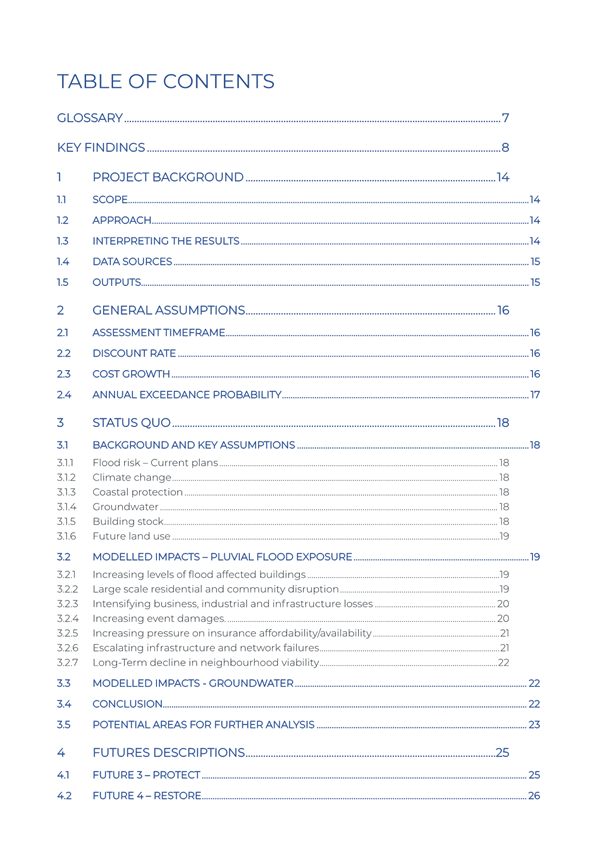
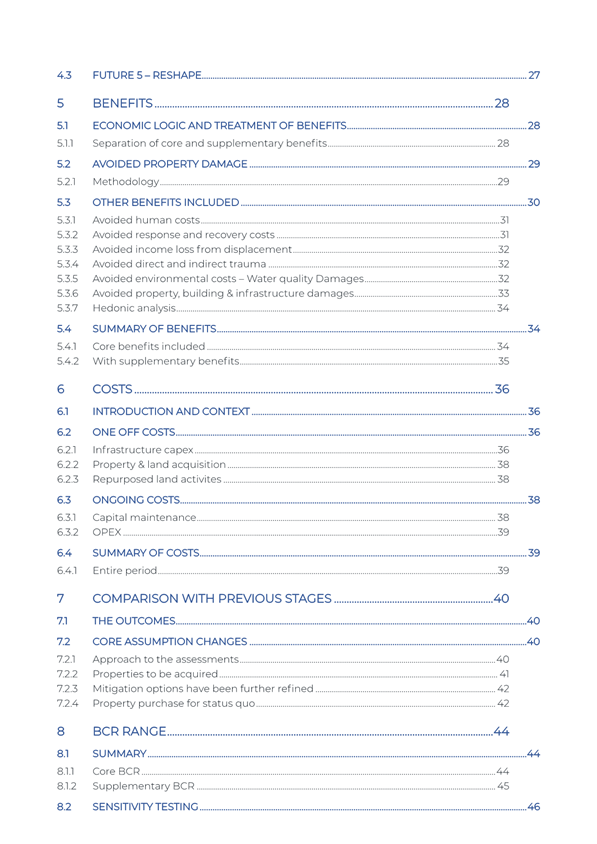
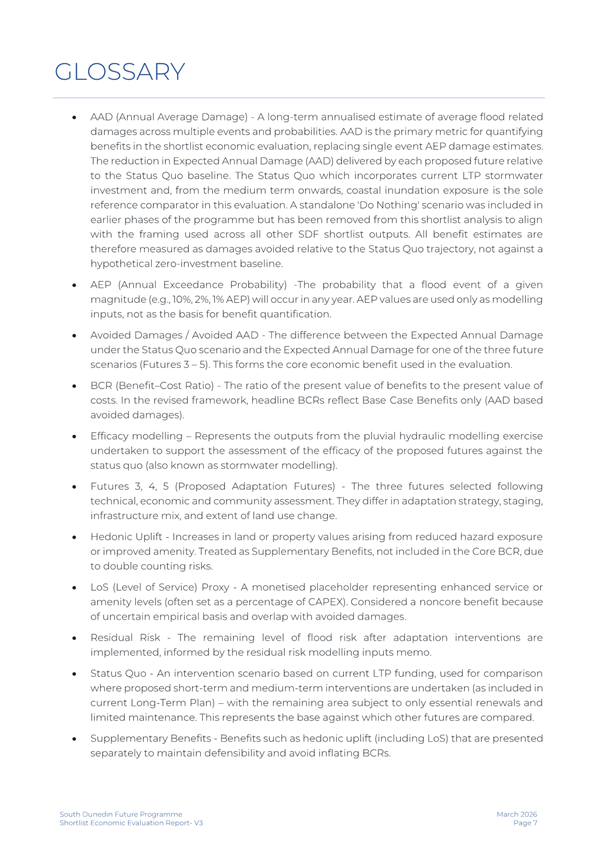
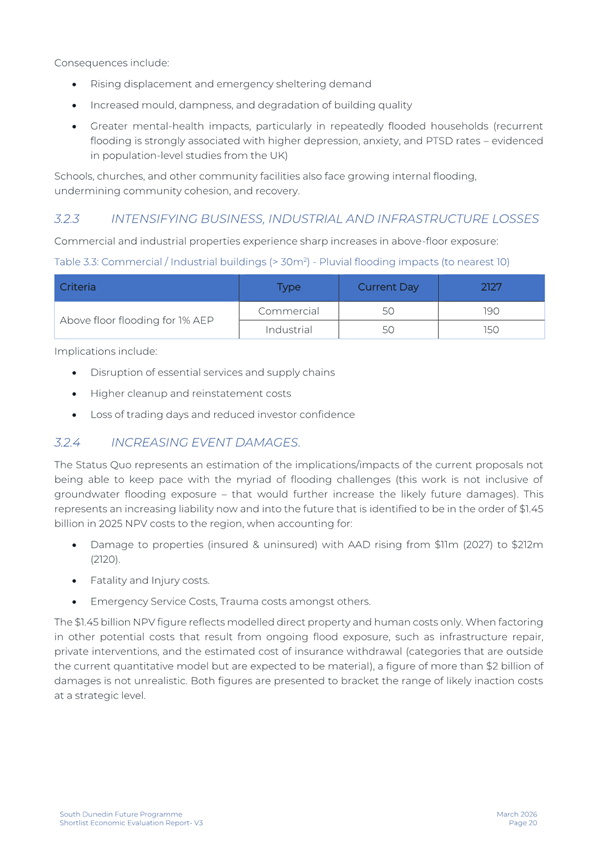
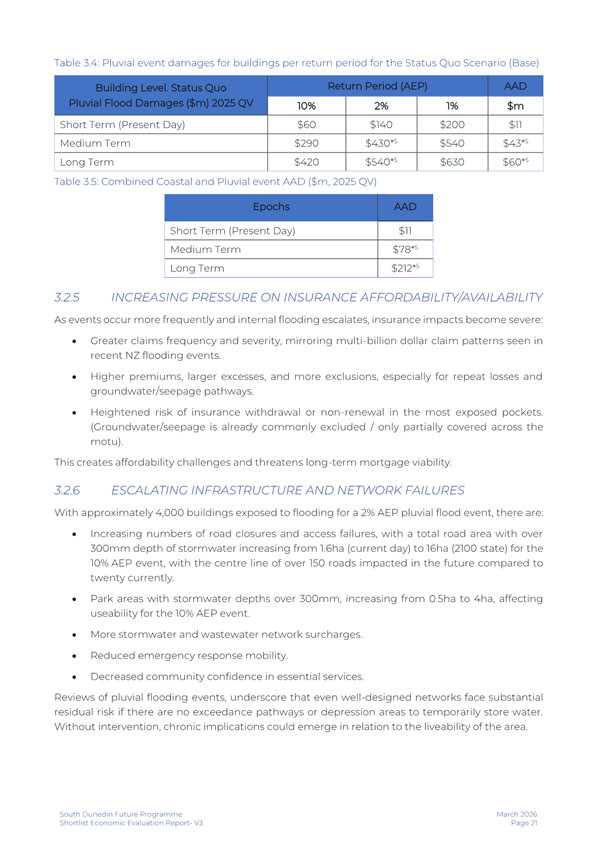
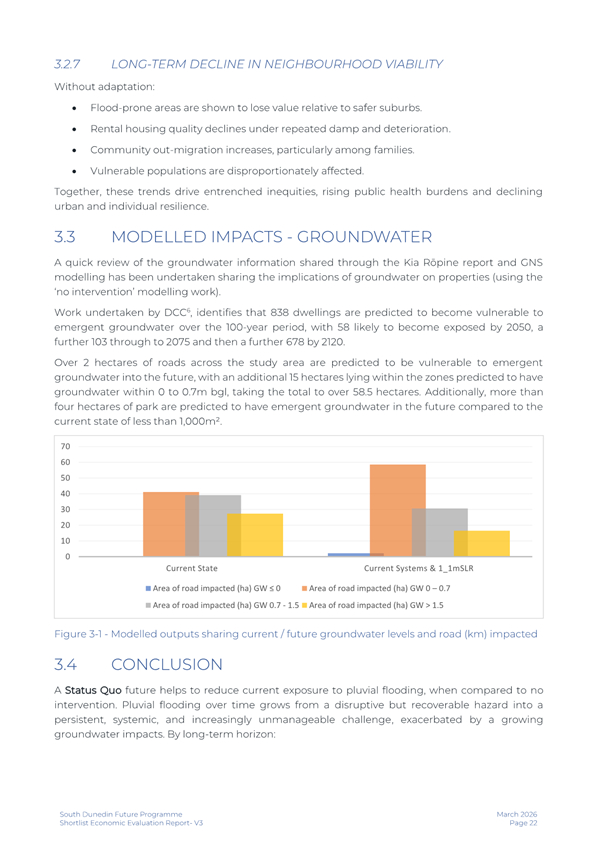
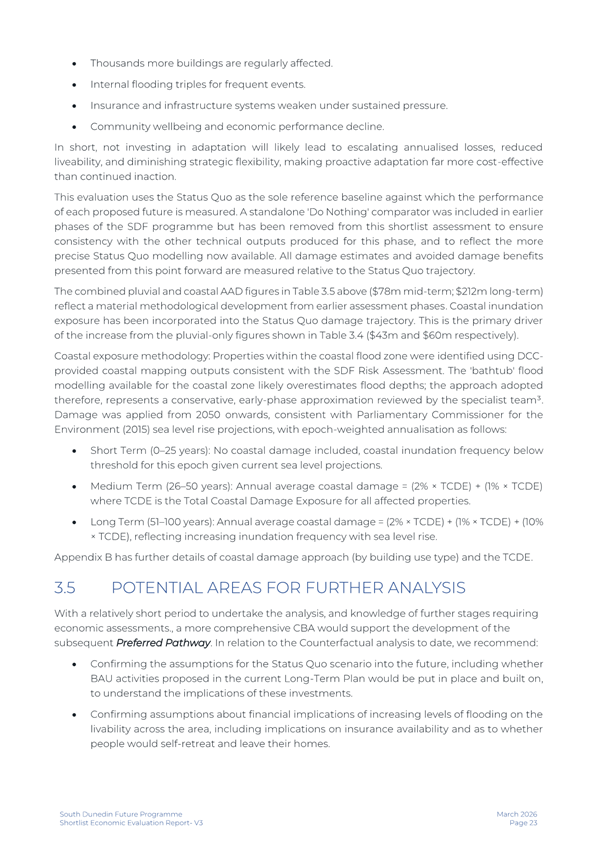
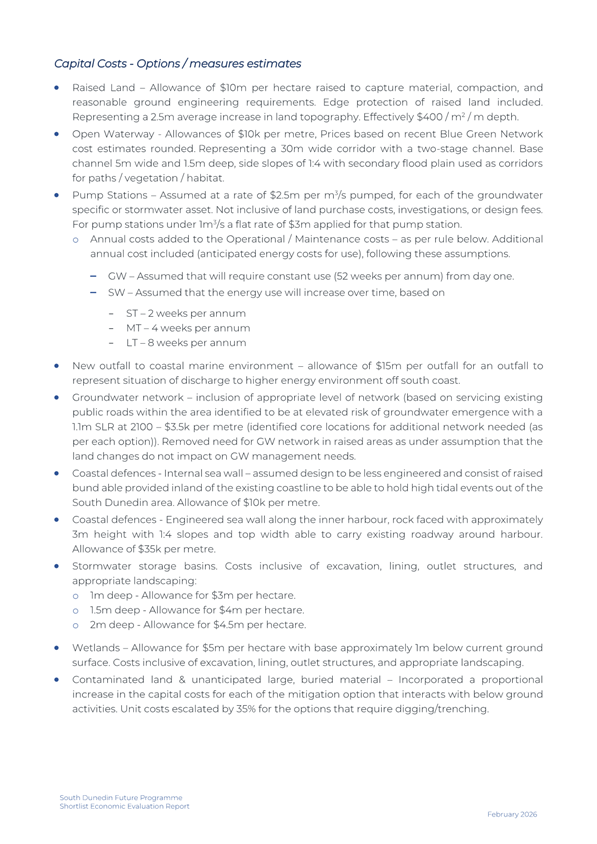
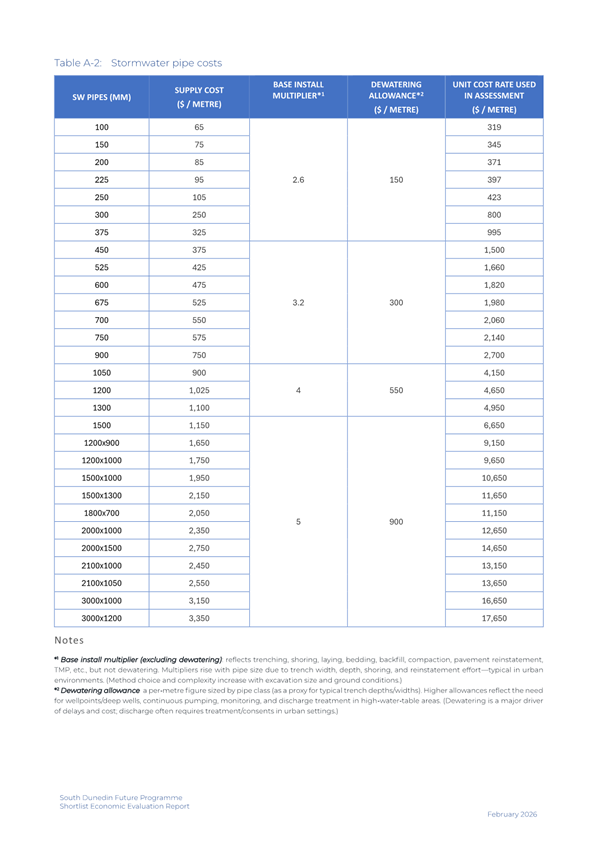
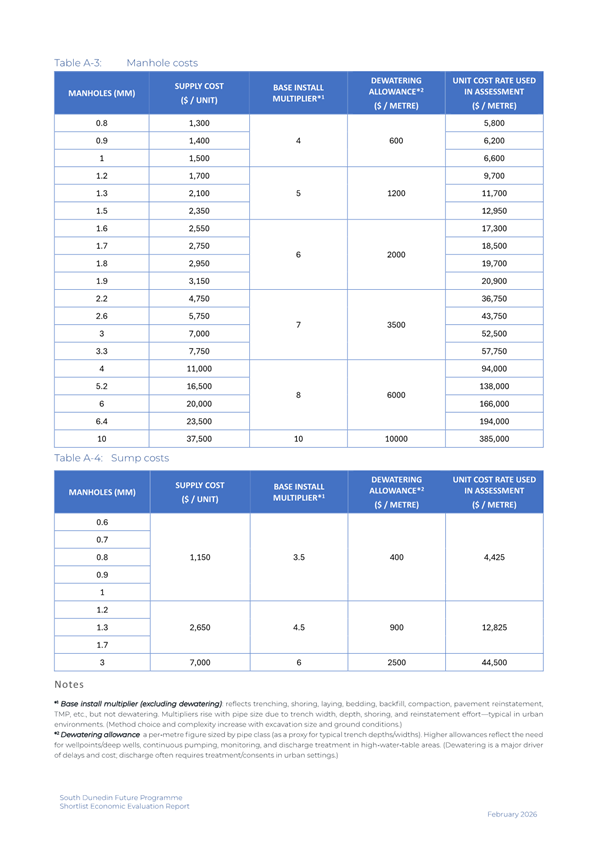
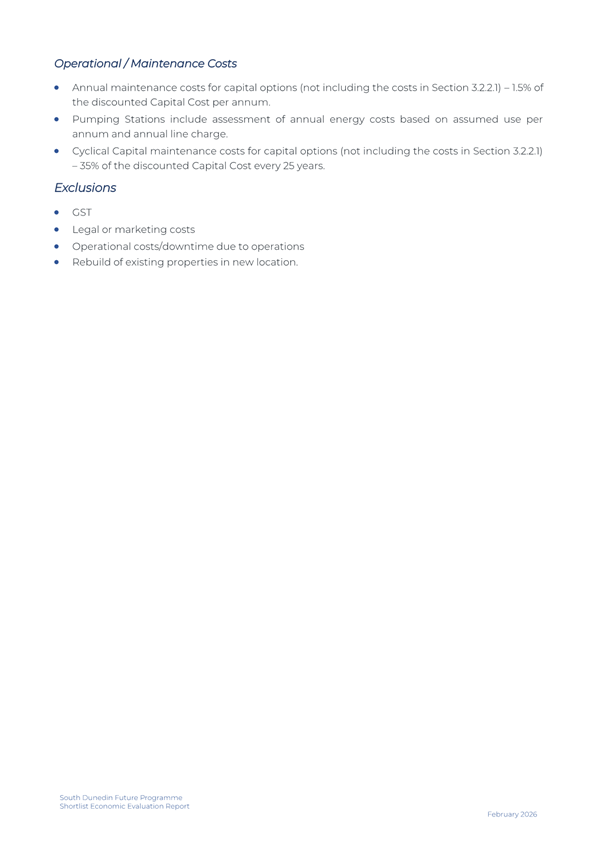
|

|
Council
25 June 2026
|
Reports
South Dunedin Future - 3 Proposed Adaptation Futures
Department: Climate and City Growth
EXECUTIVE SUMMARY
1 The
purpose of this paper is to provide an outline and update on the South Dunedin
Future (SDF) programme, present the latest technical reports relating to the
three Proposed Adaptation Futures for South Dunedin, and seek approval of
Councils to engage with affected communities and other stakeholders. At this
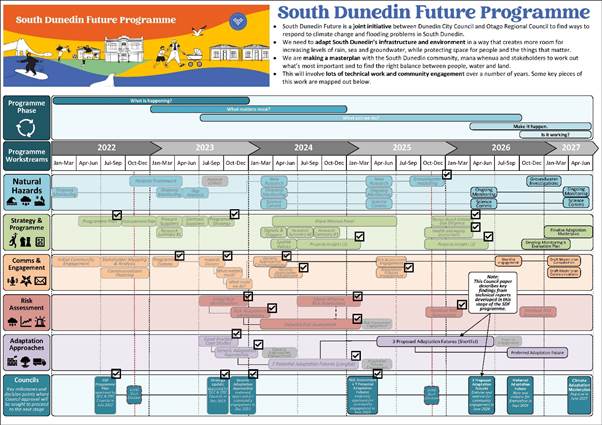
stage, Councils have committed to completing the SDF programme only, with any future
decisions on land use, infrastructure, and implementation subject to further
consideration by Councils through long-term planning and financial processes.
2 The
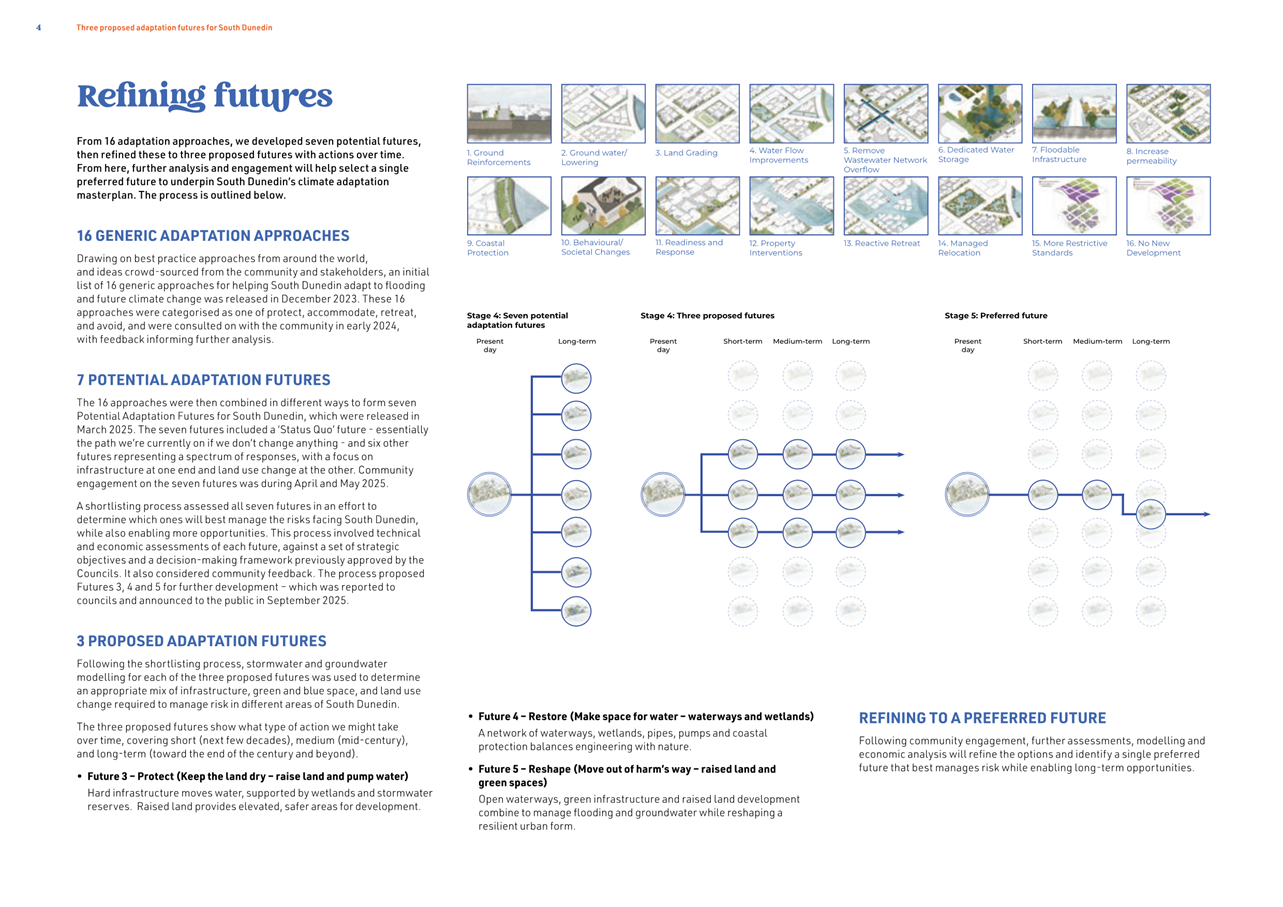
SDF programme is a joint initiative between the Dunedin City Council (DCC) and
Otago Regional Council (ORC) to develop a climate change adaptation masterplan
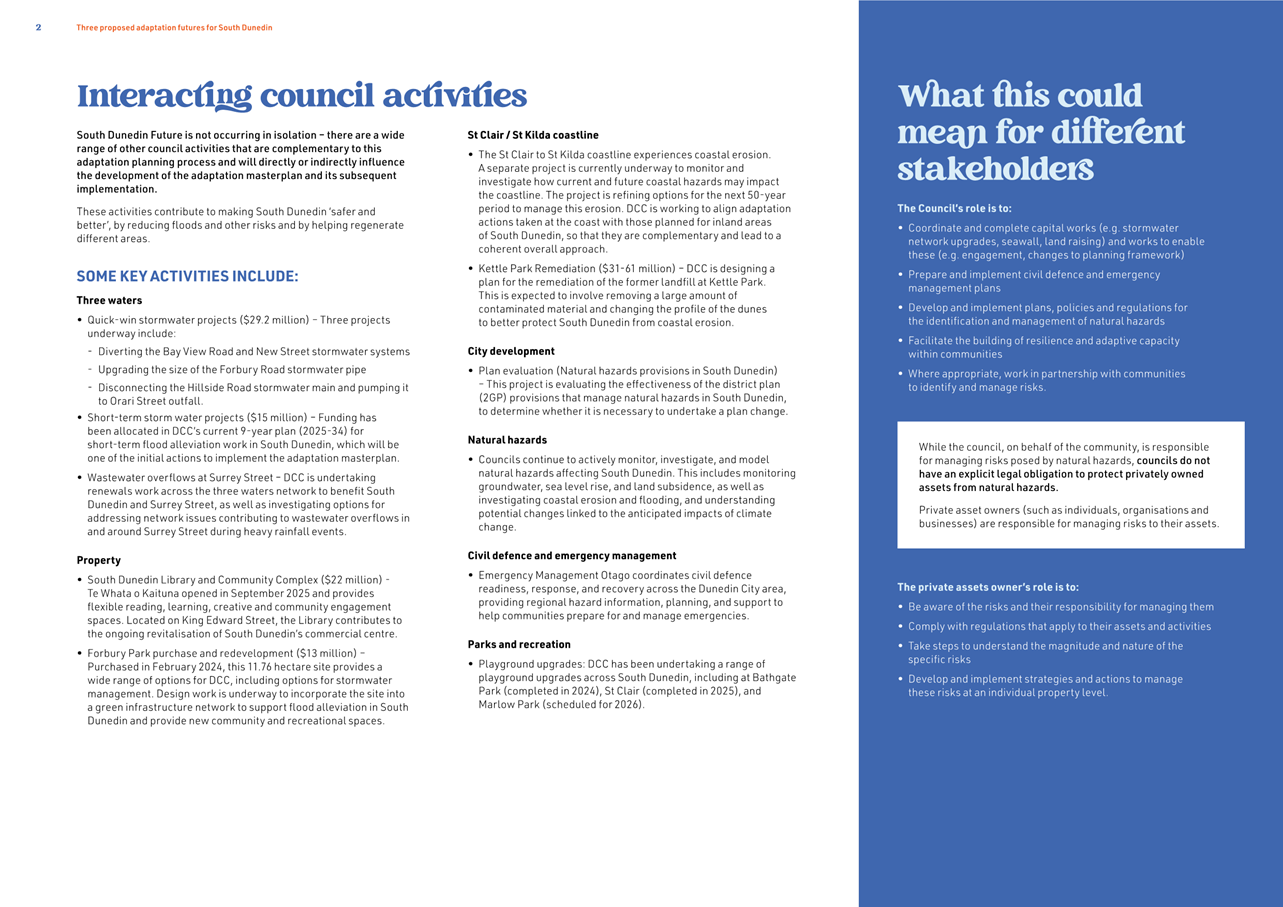
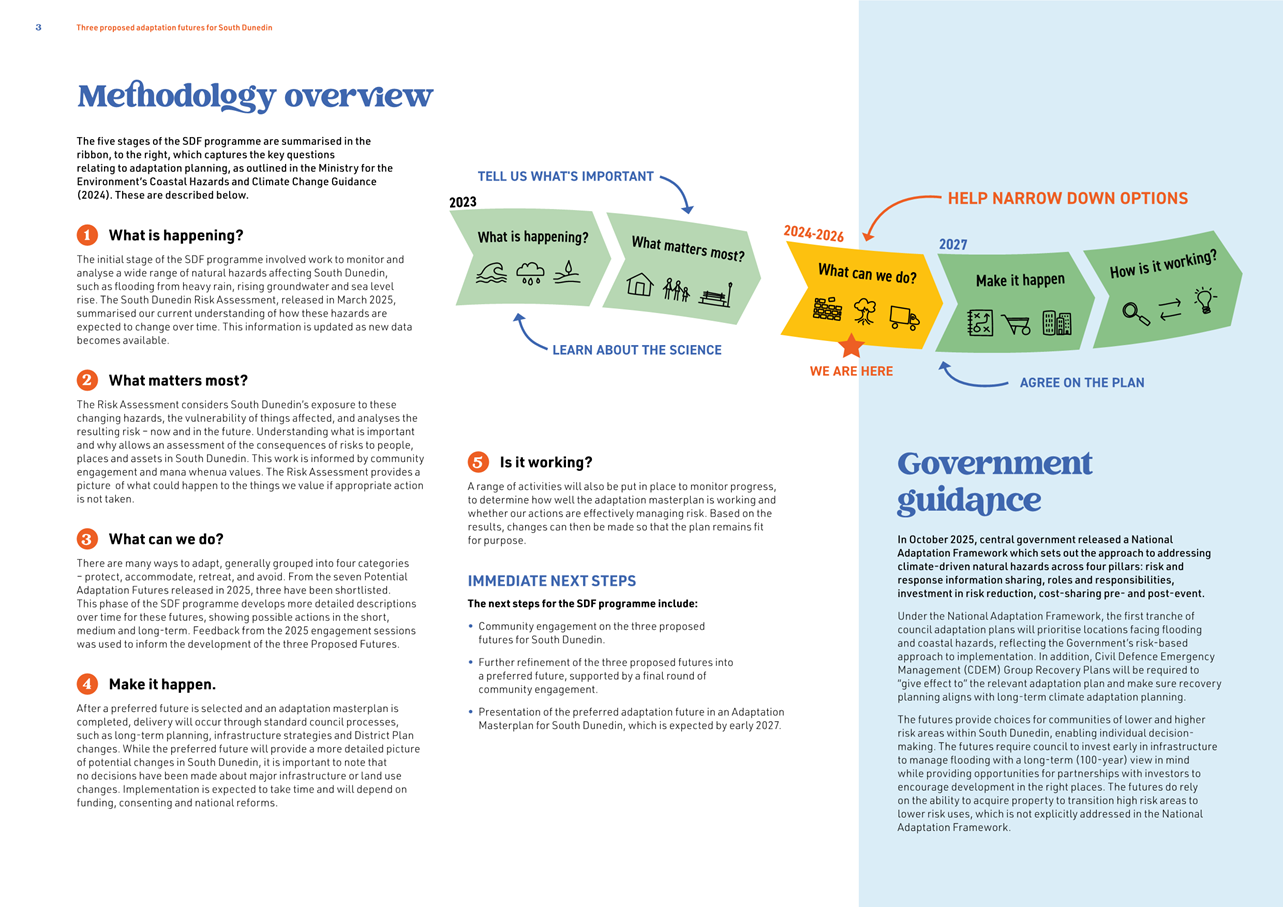
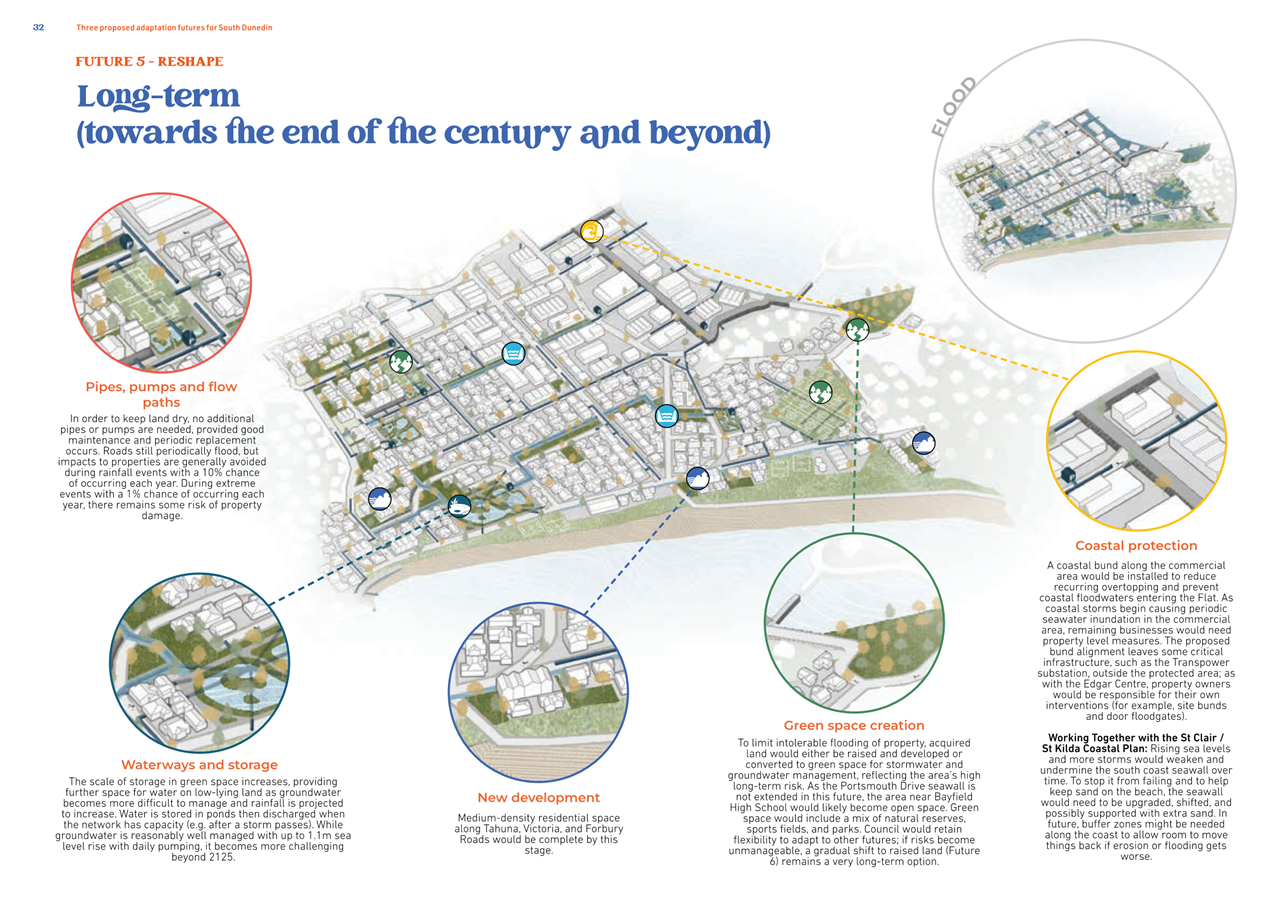
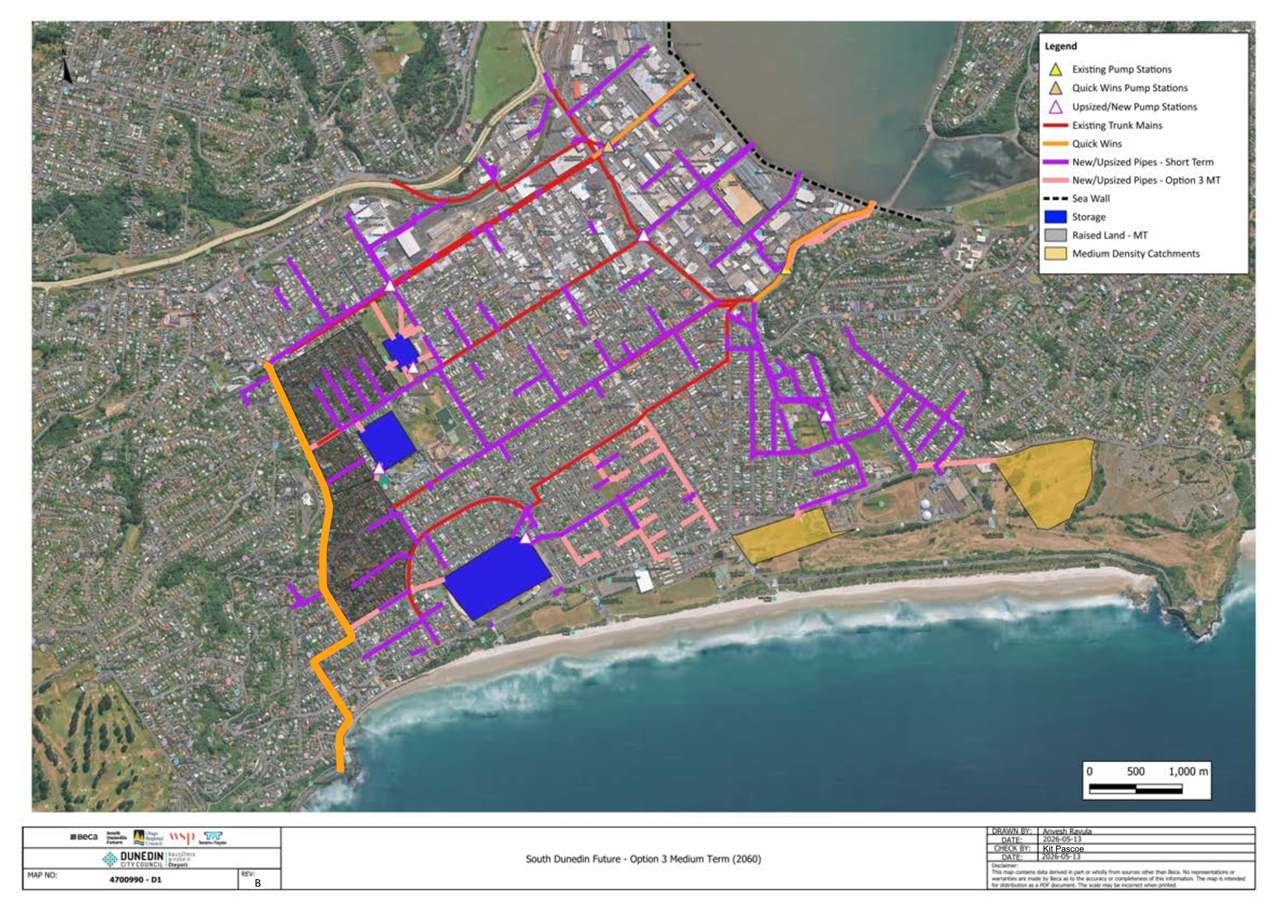
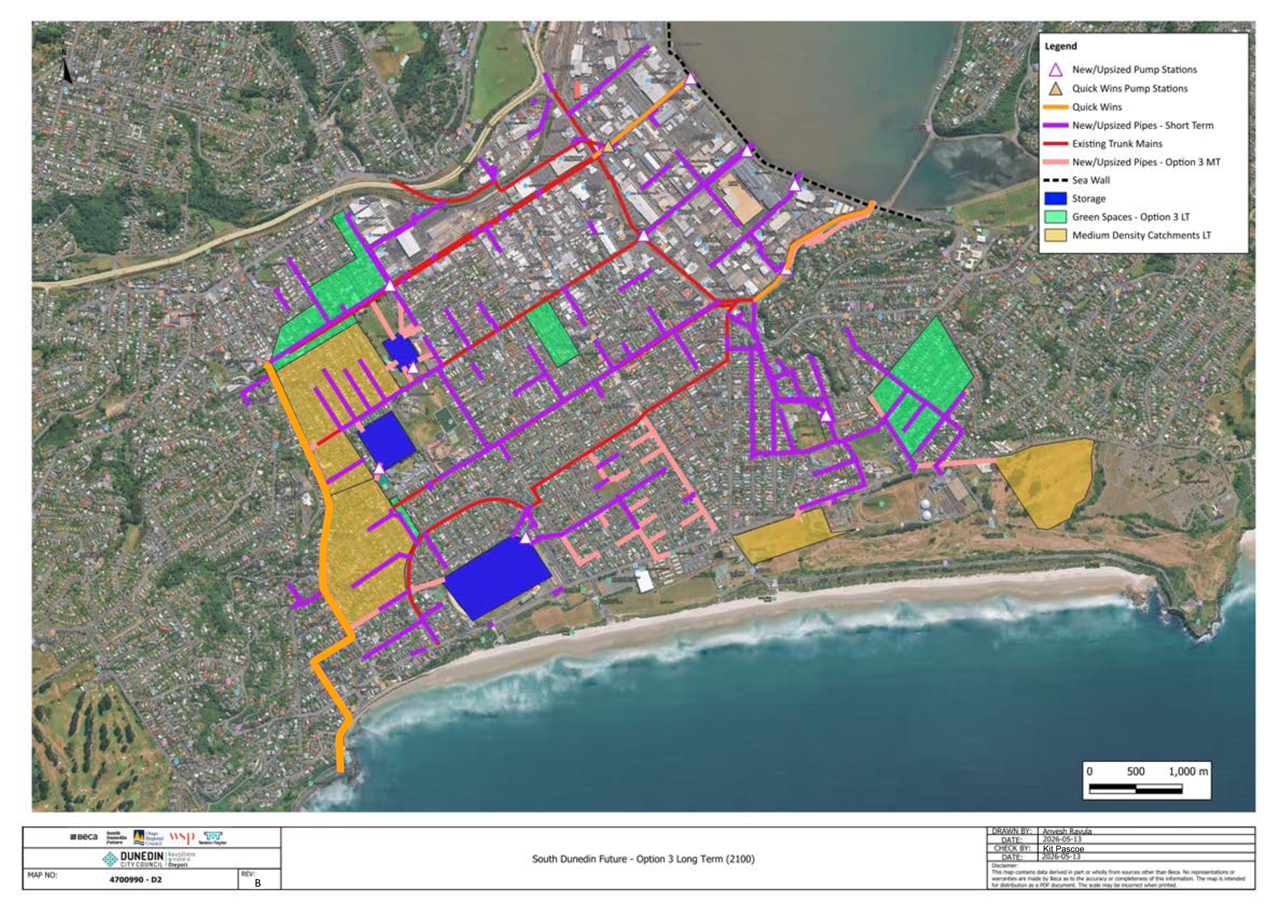
for South Dunedin. The Council-approved programme strategy is guided by the
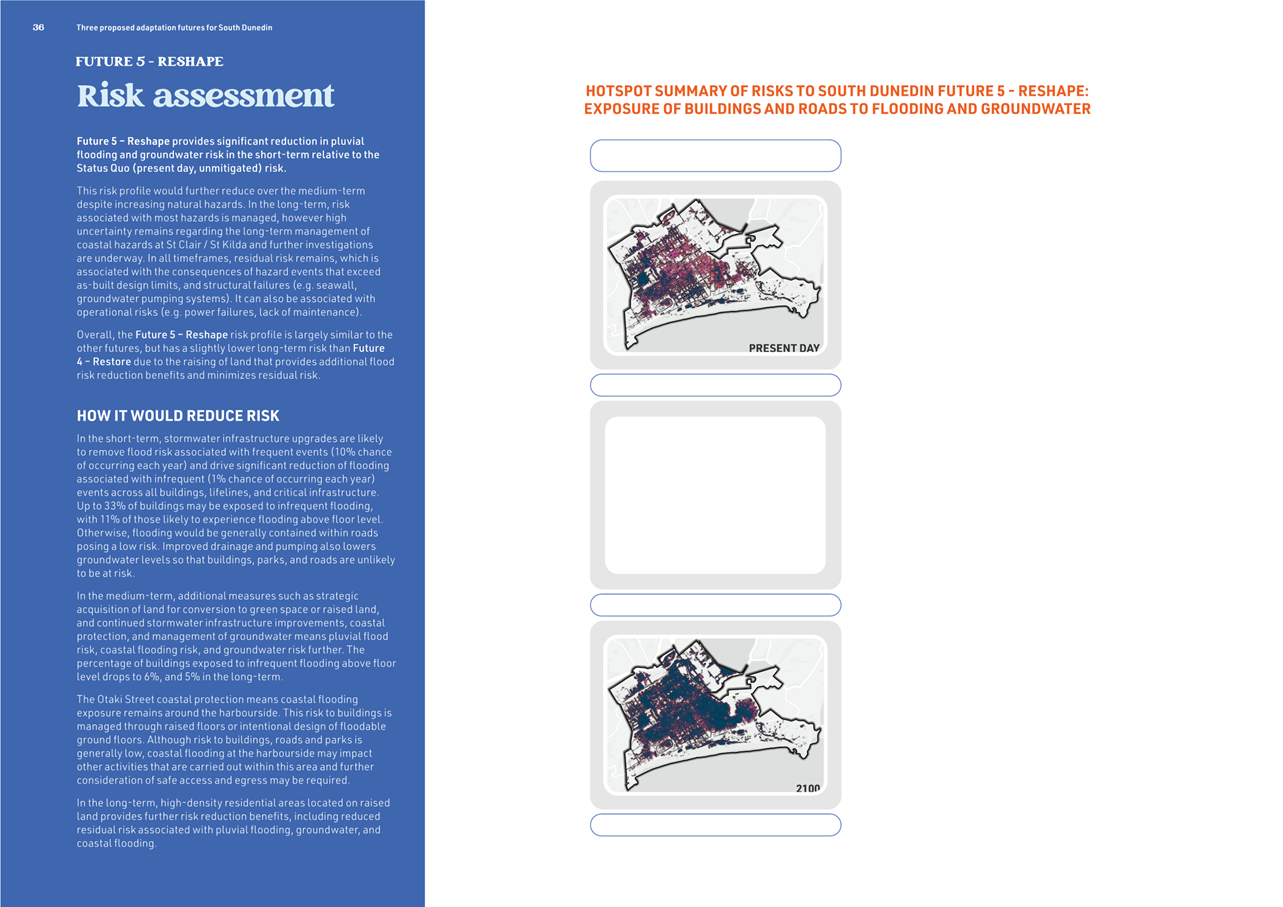
vision of “a safer and better South Dunedin, where sustainable urban
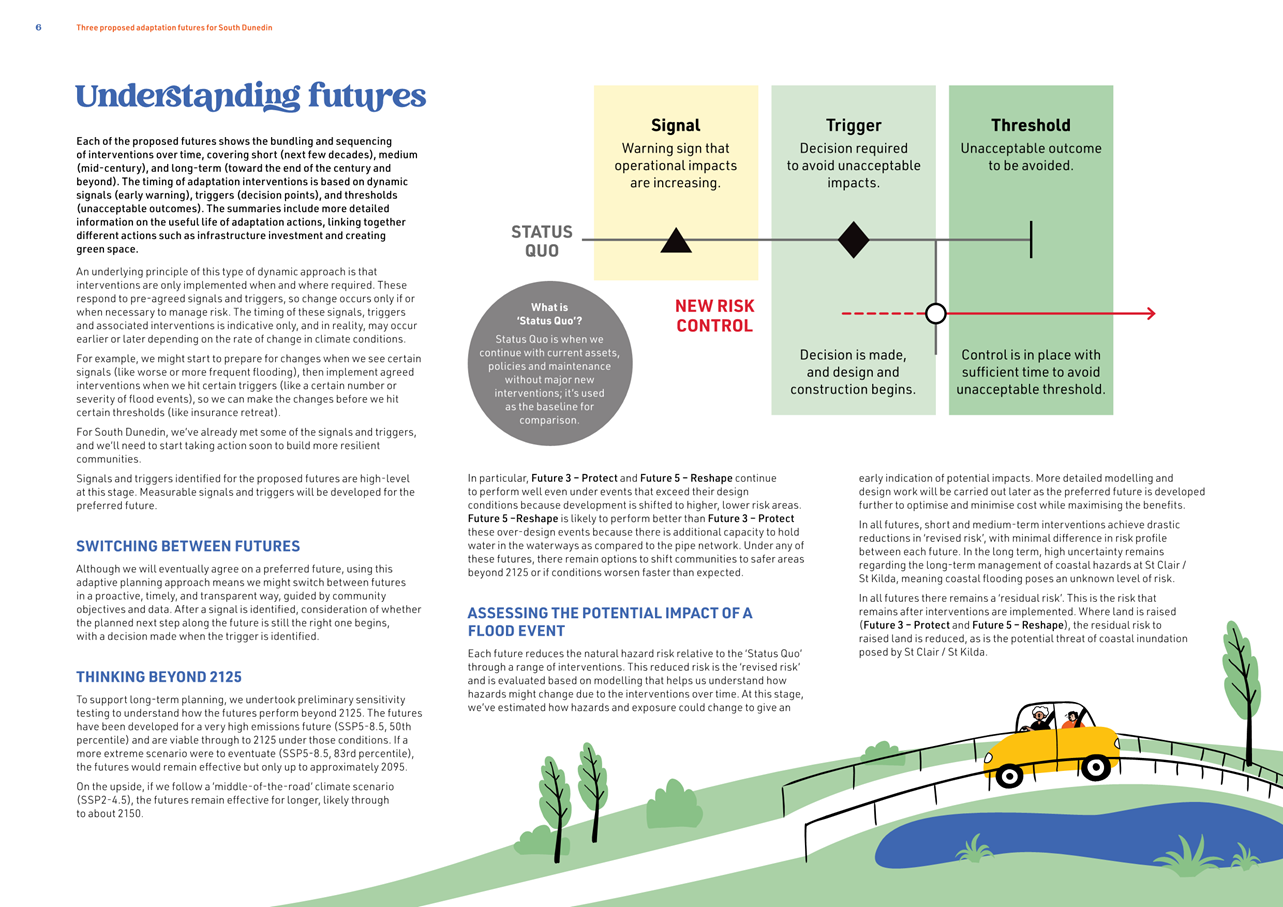
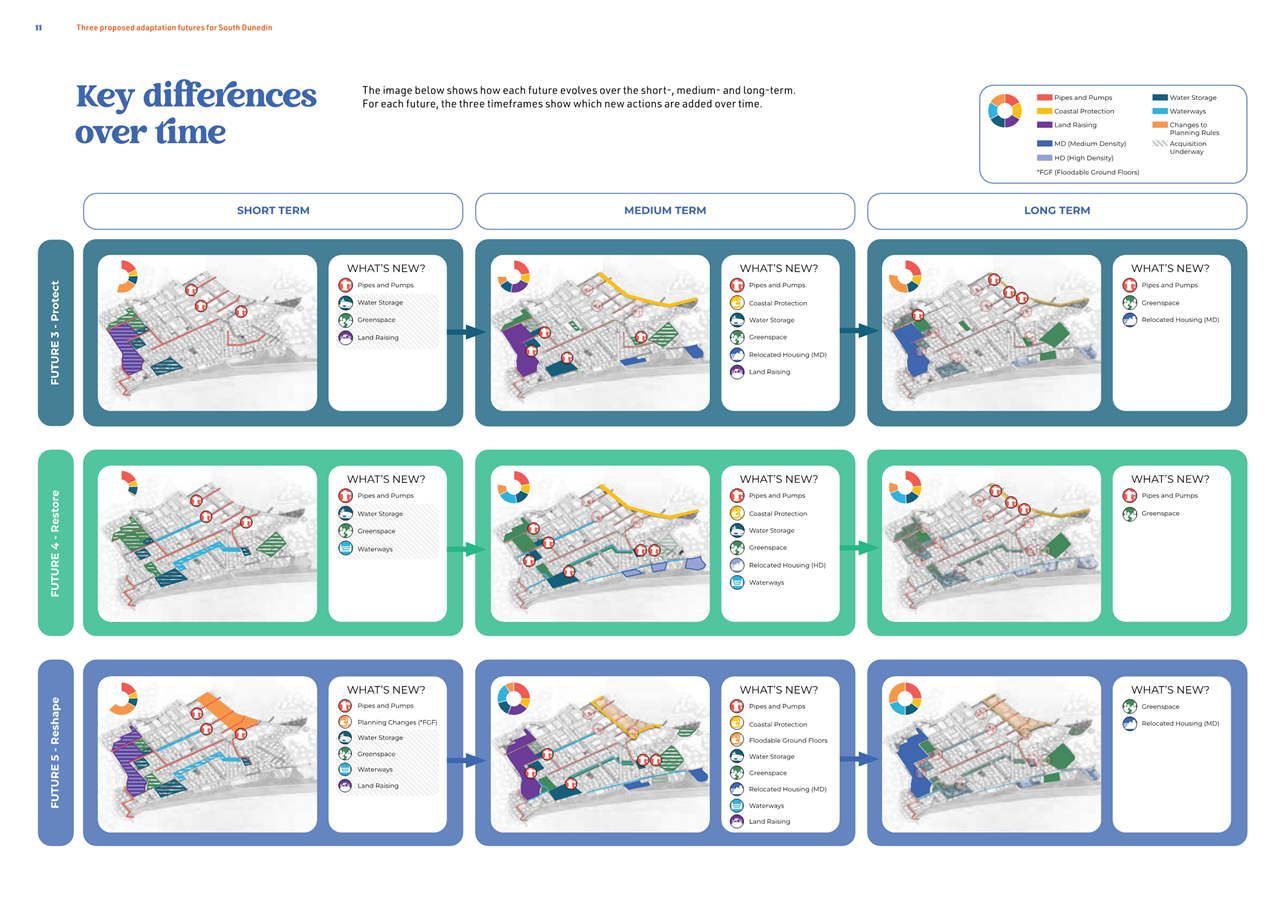
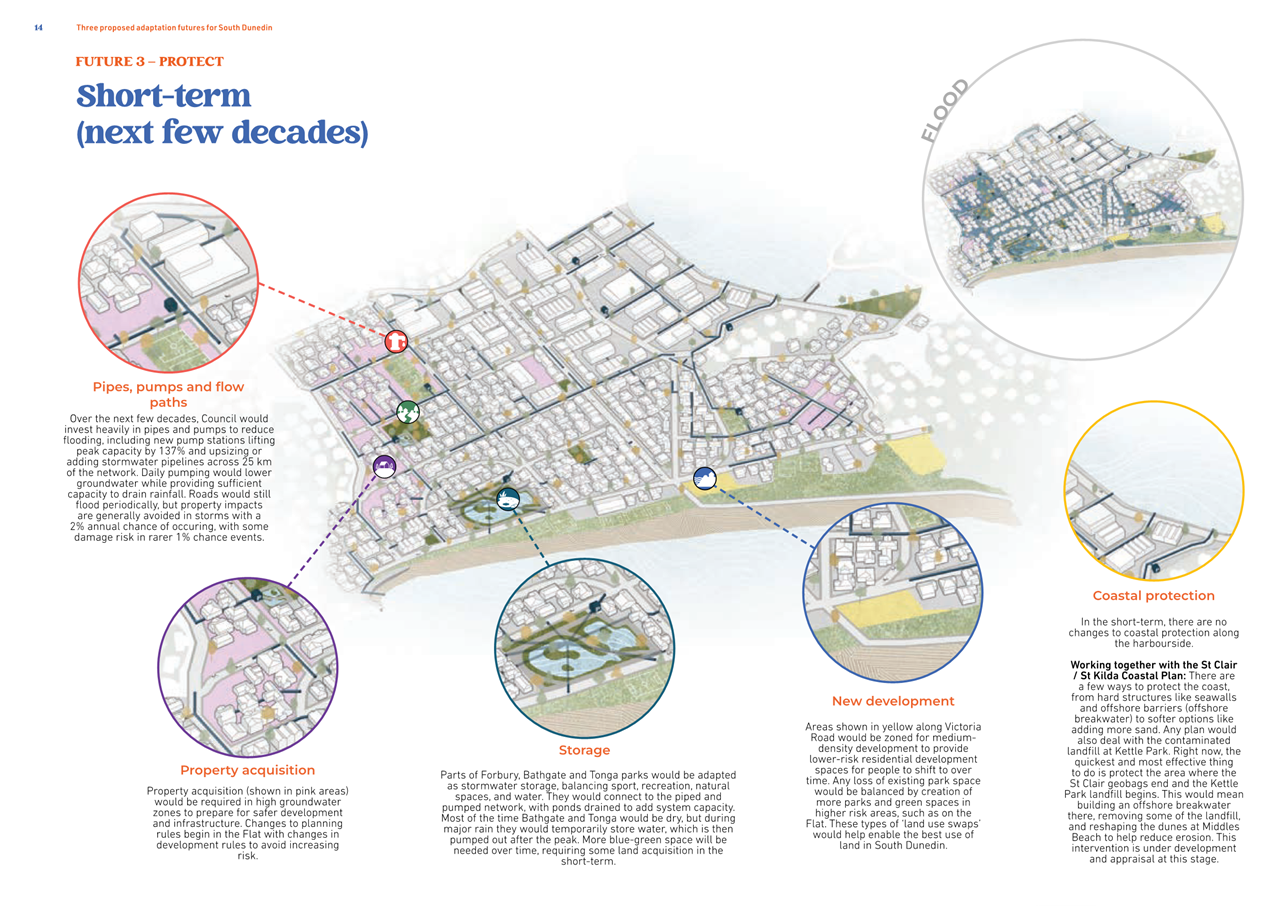
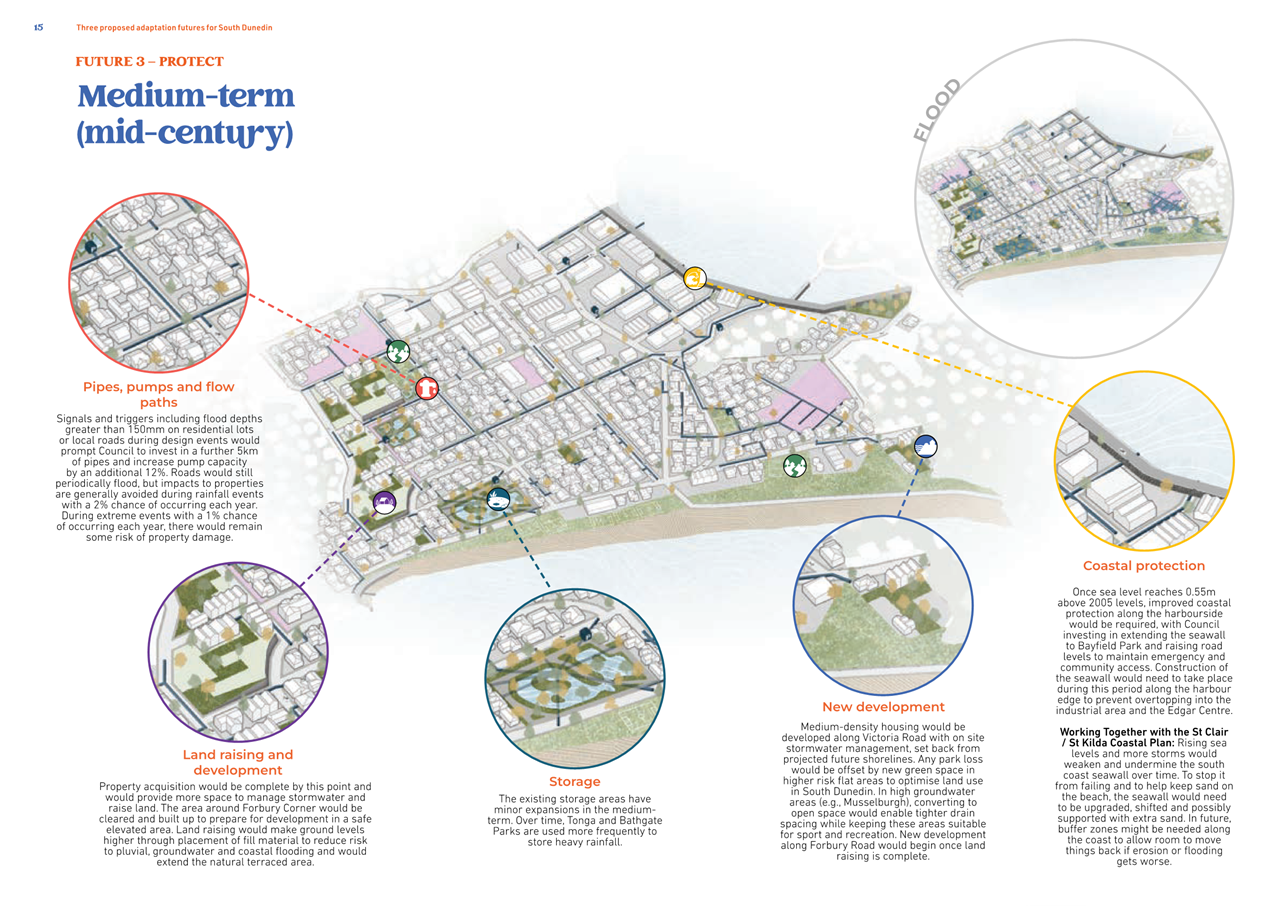
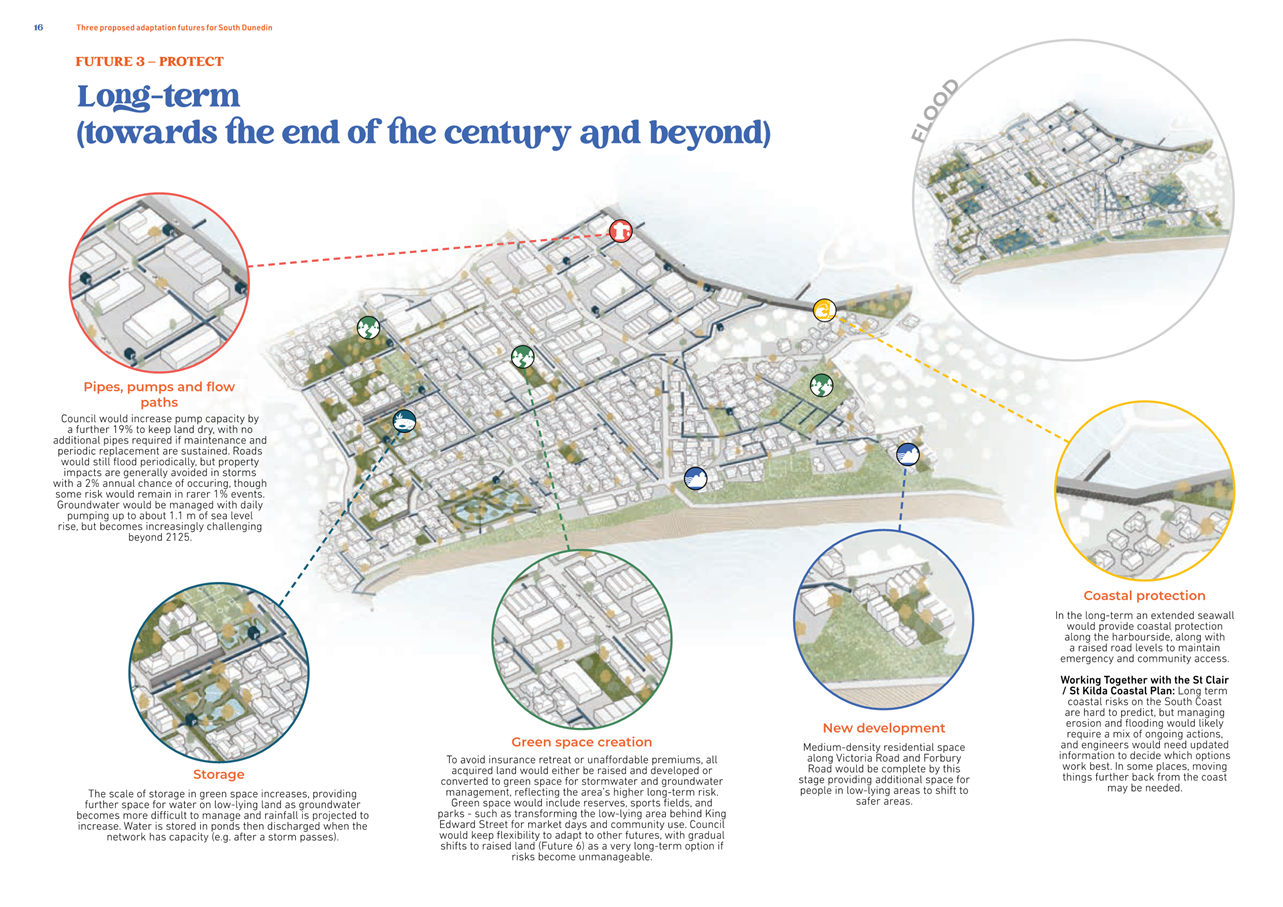
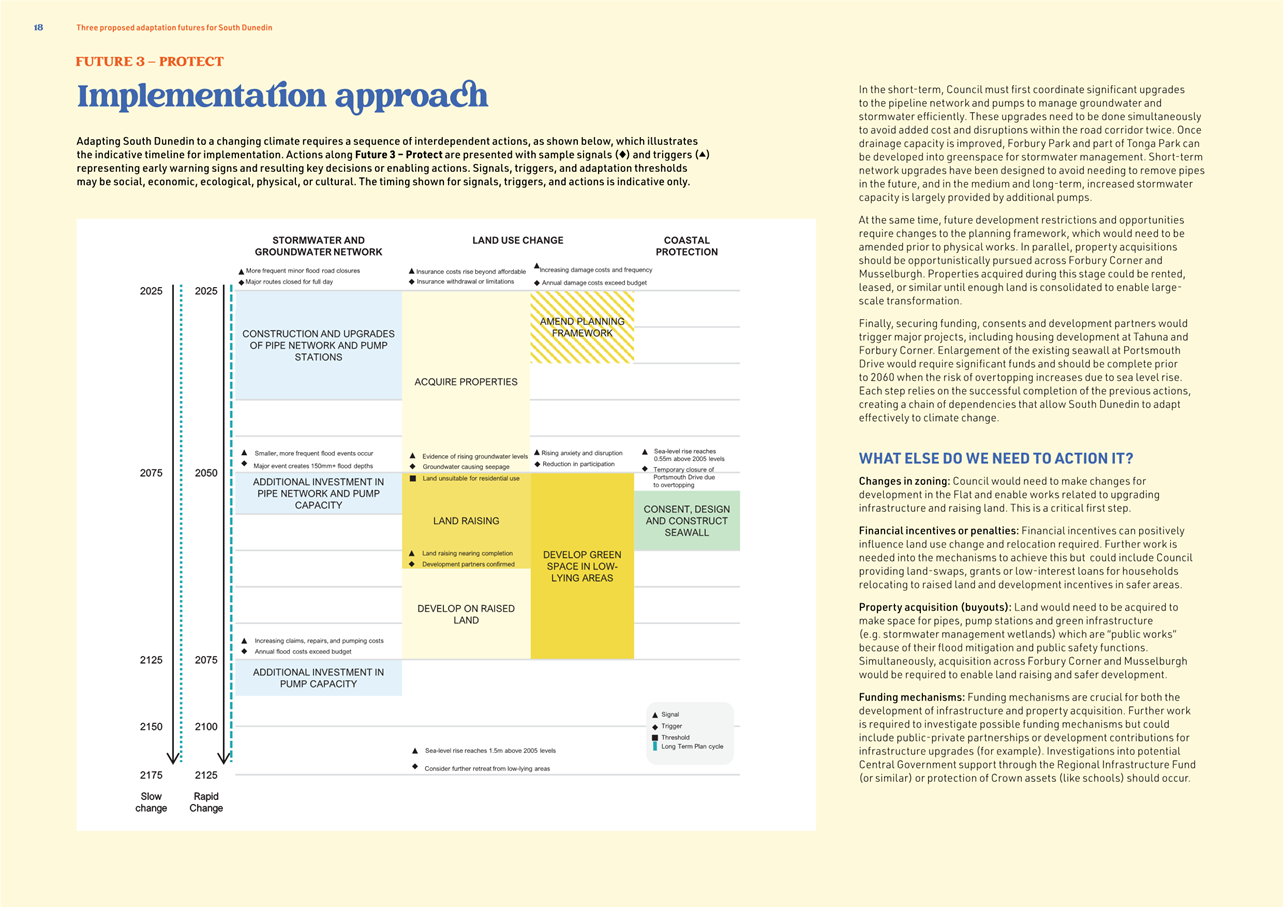
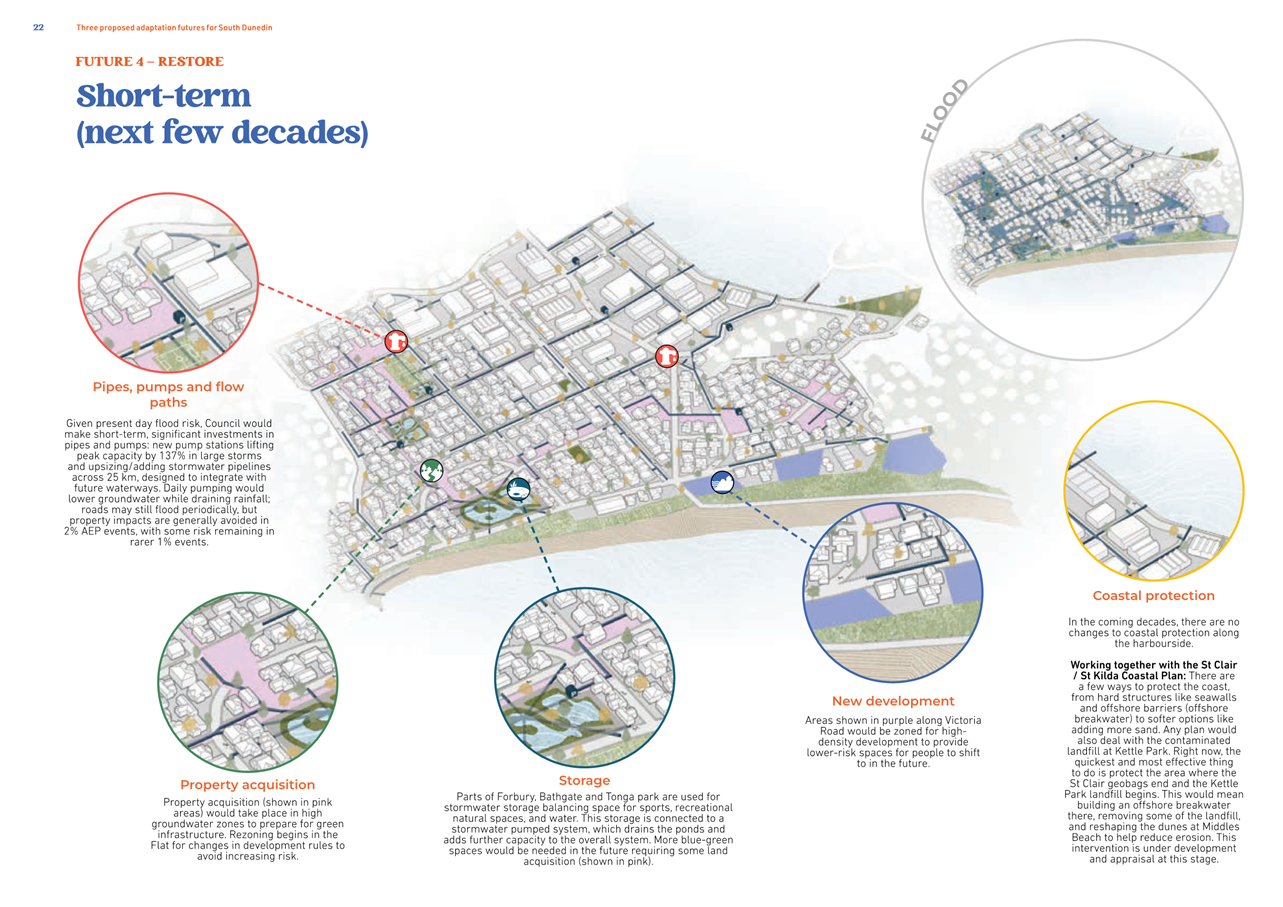
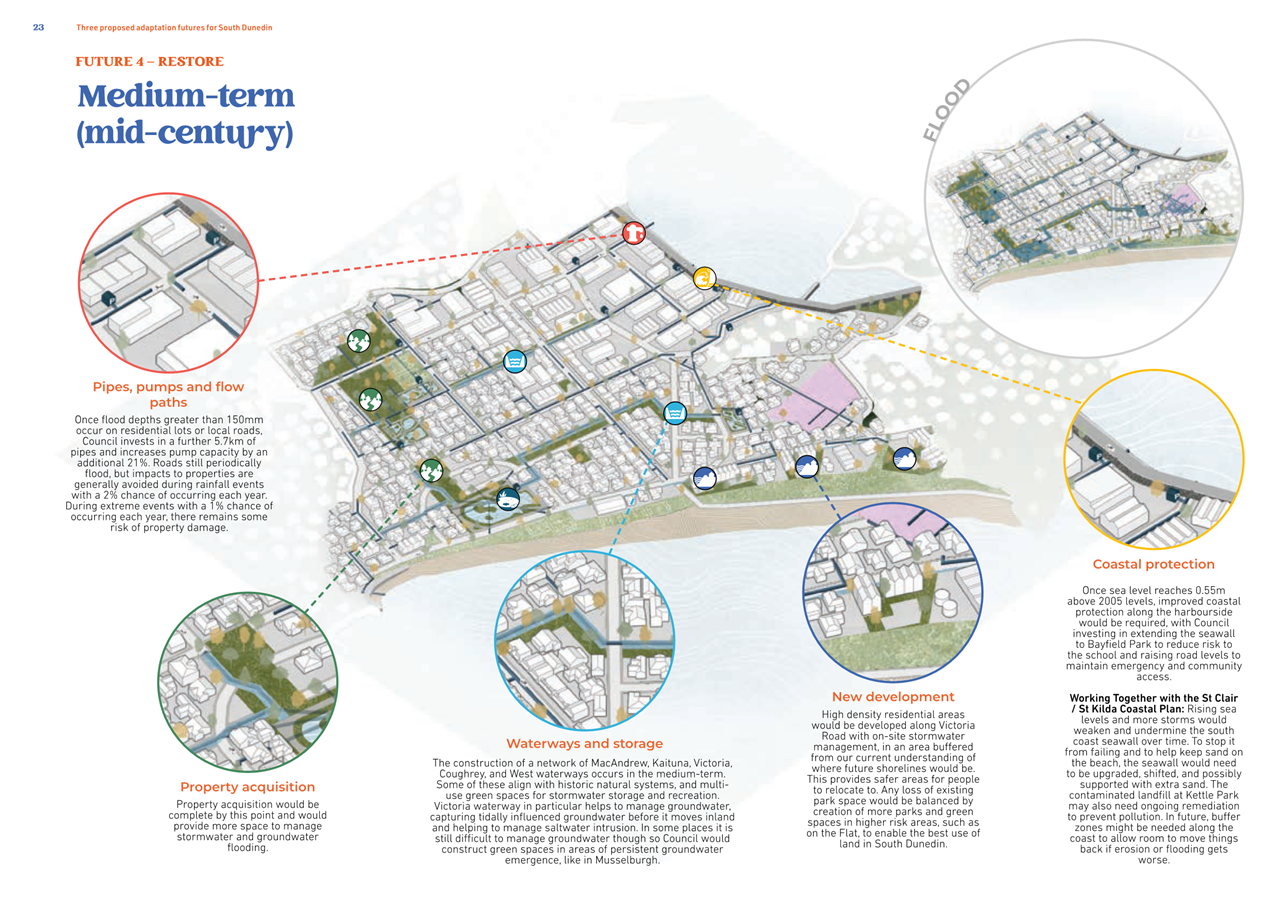
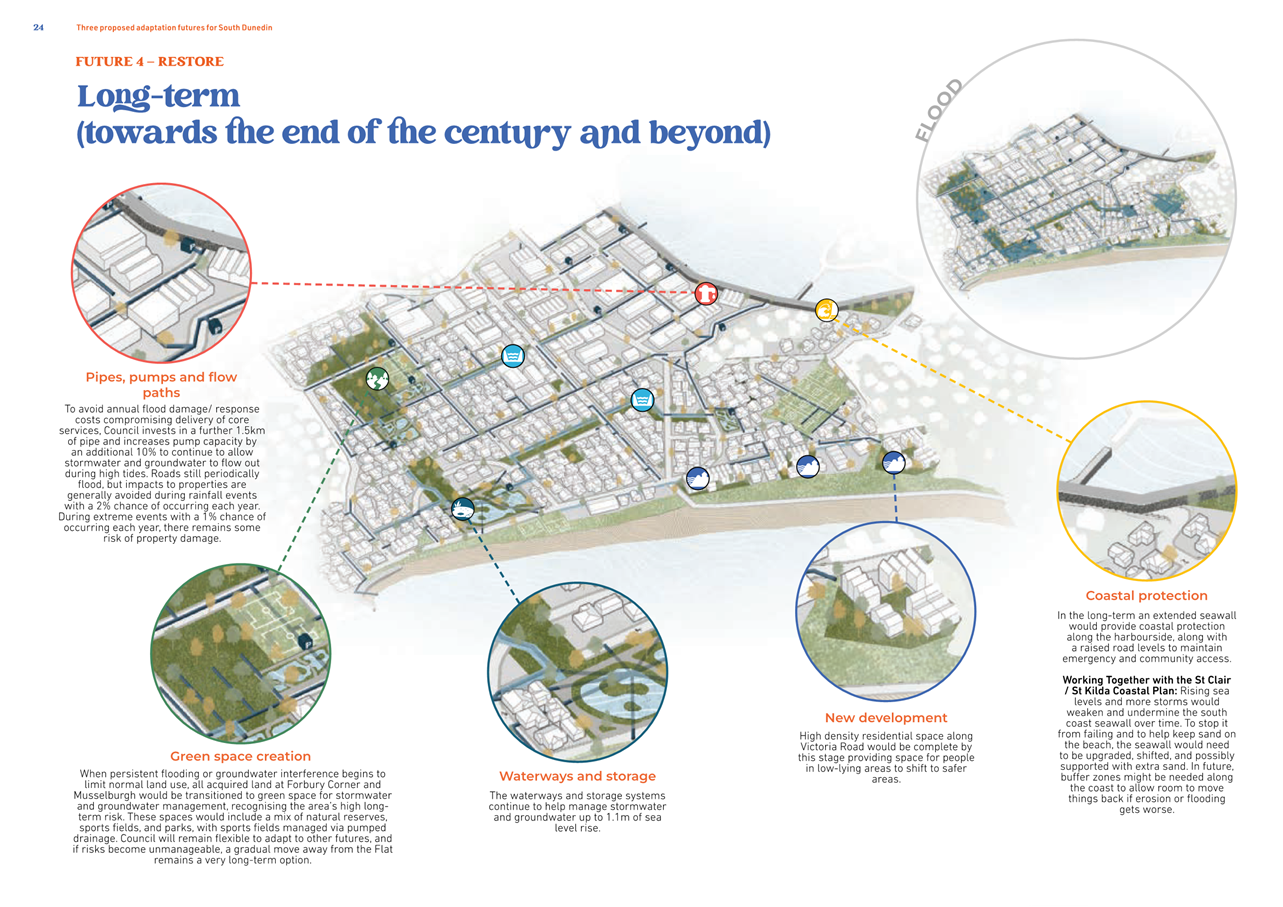
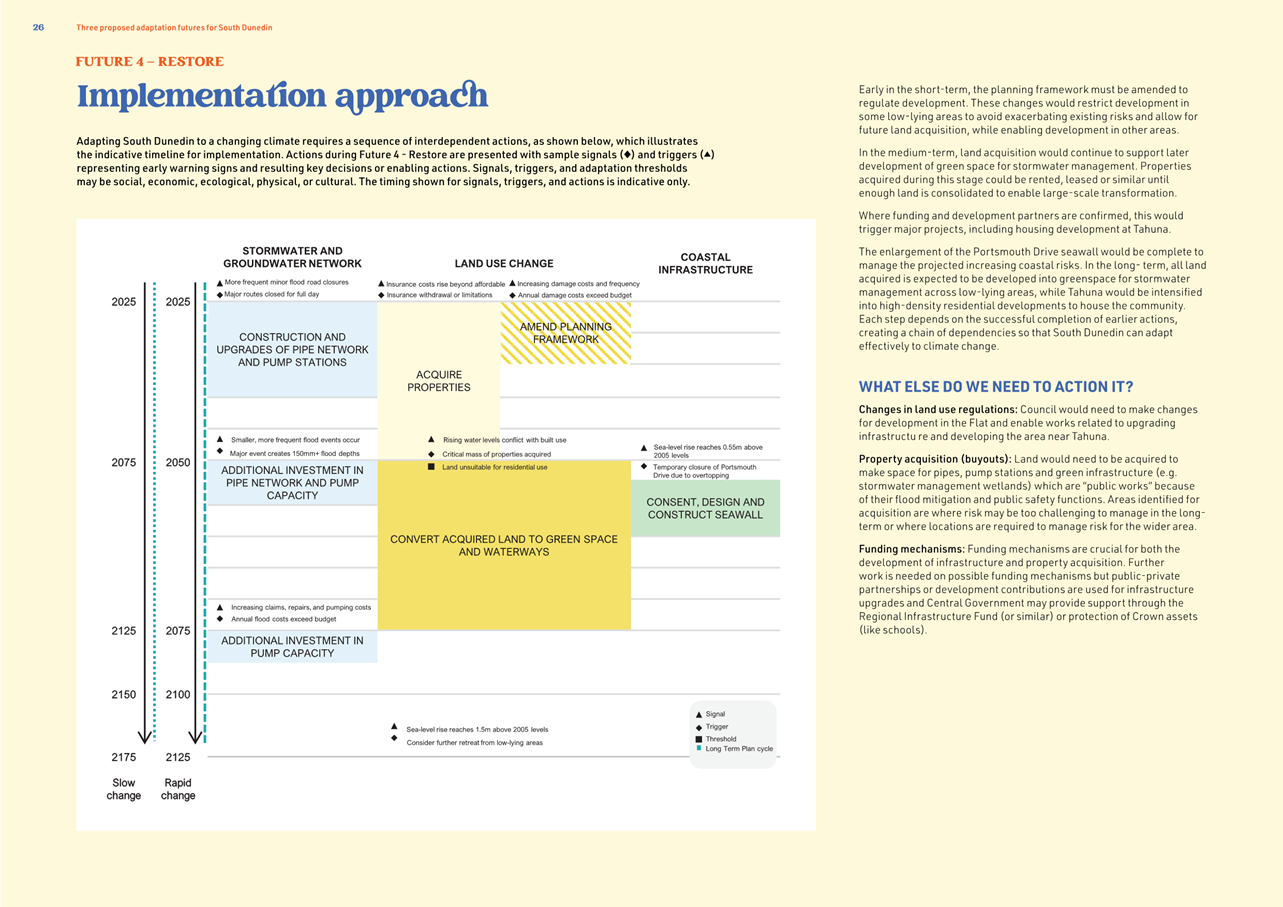
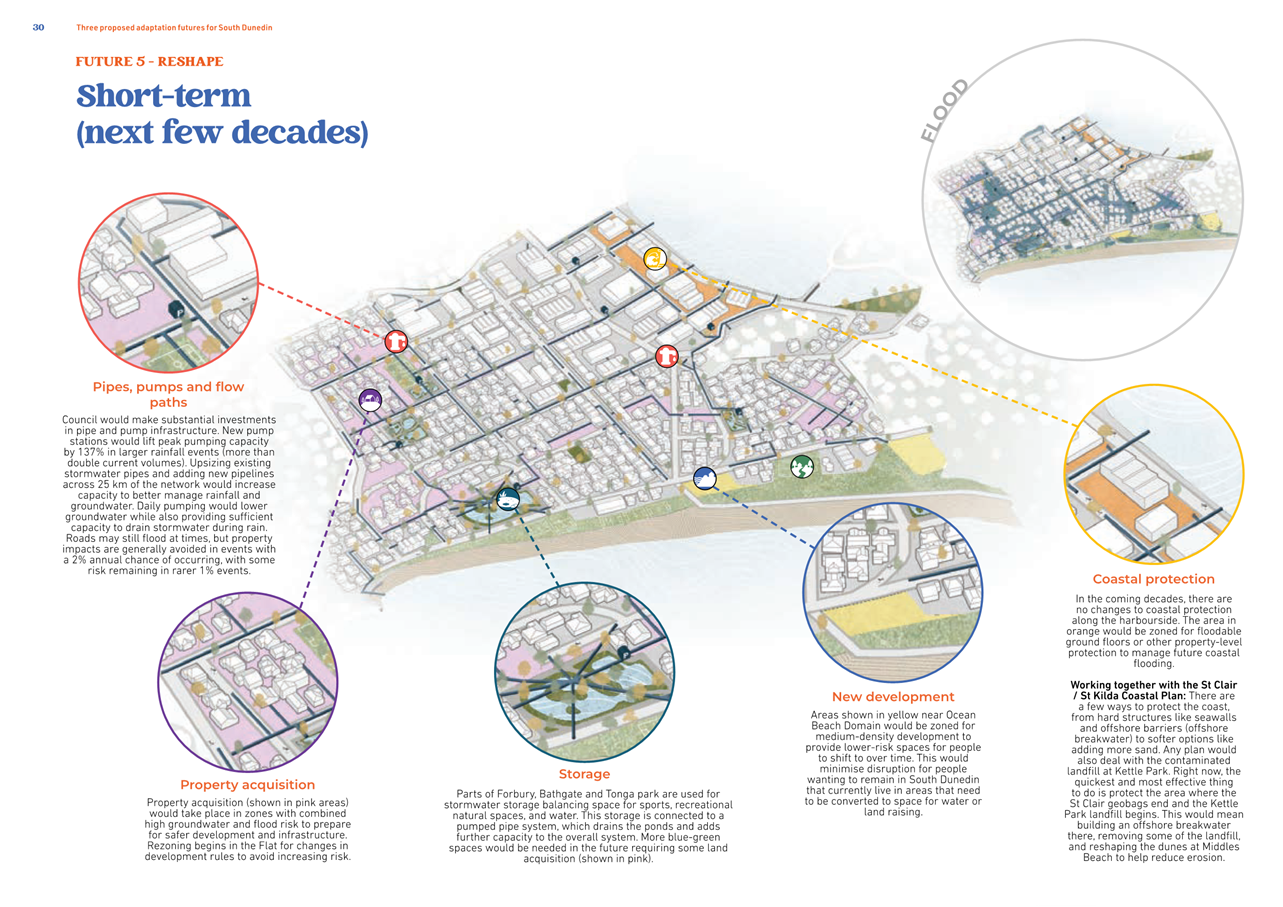
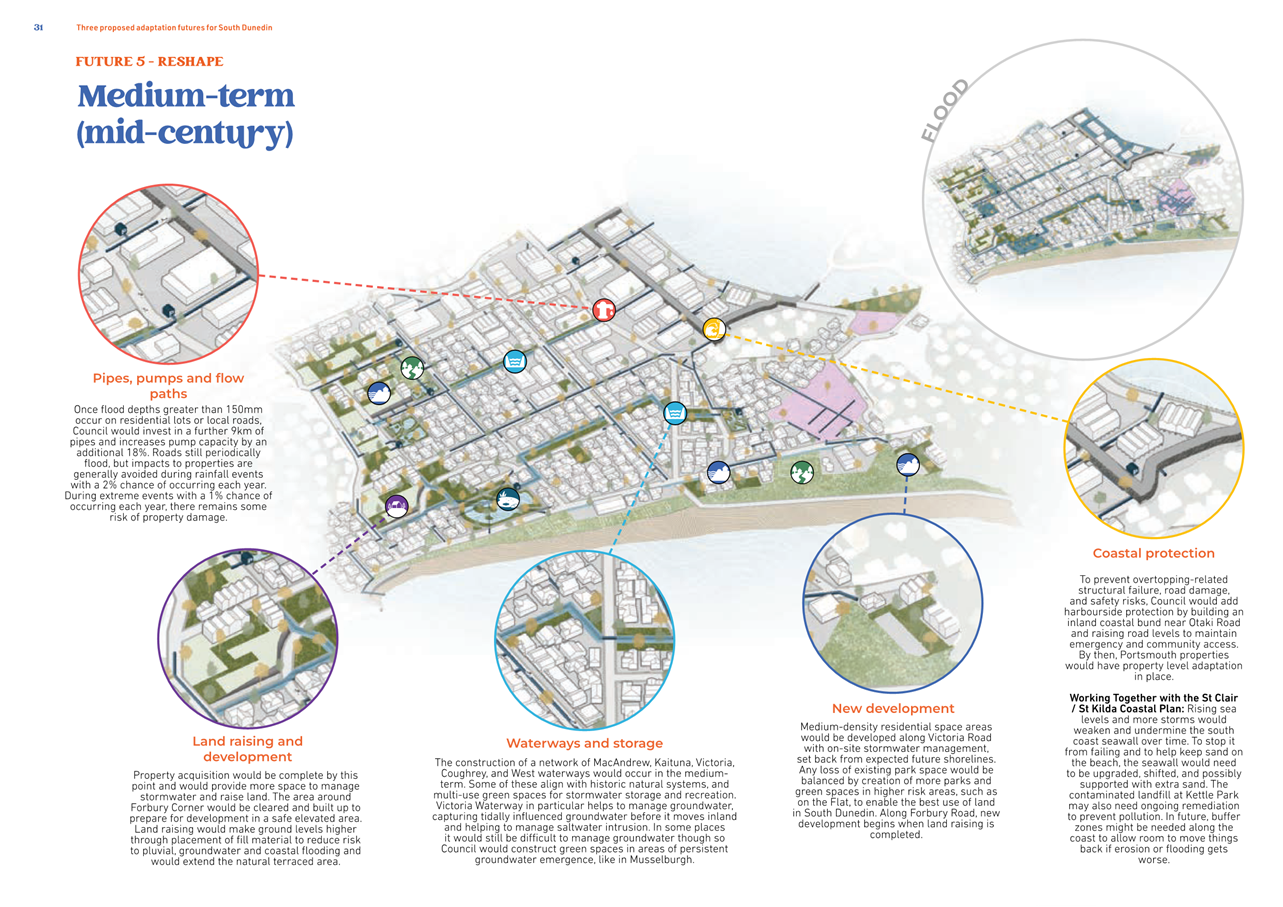
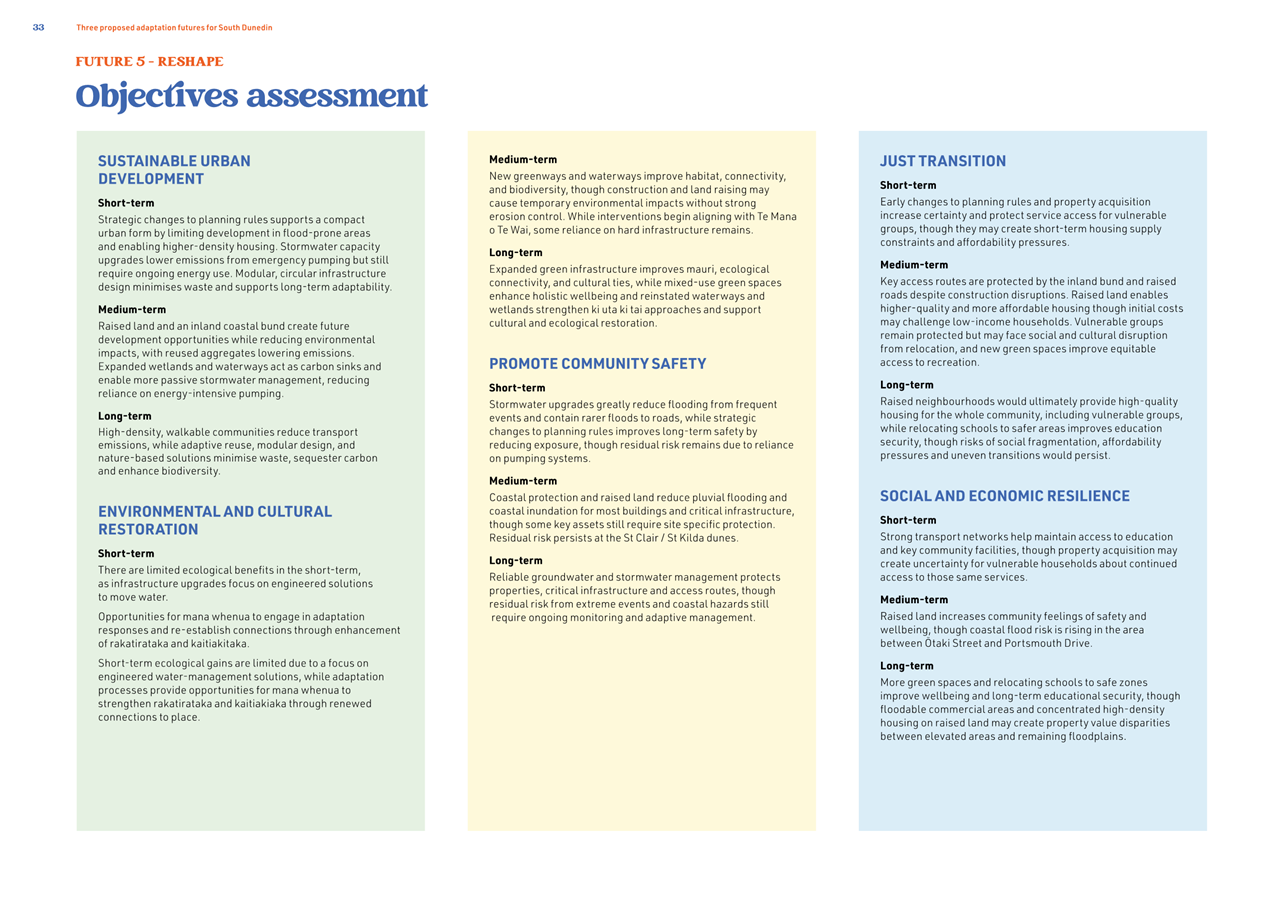
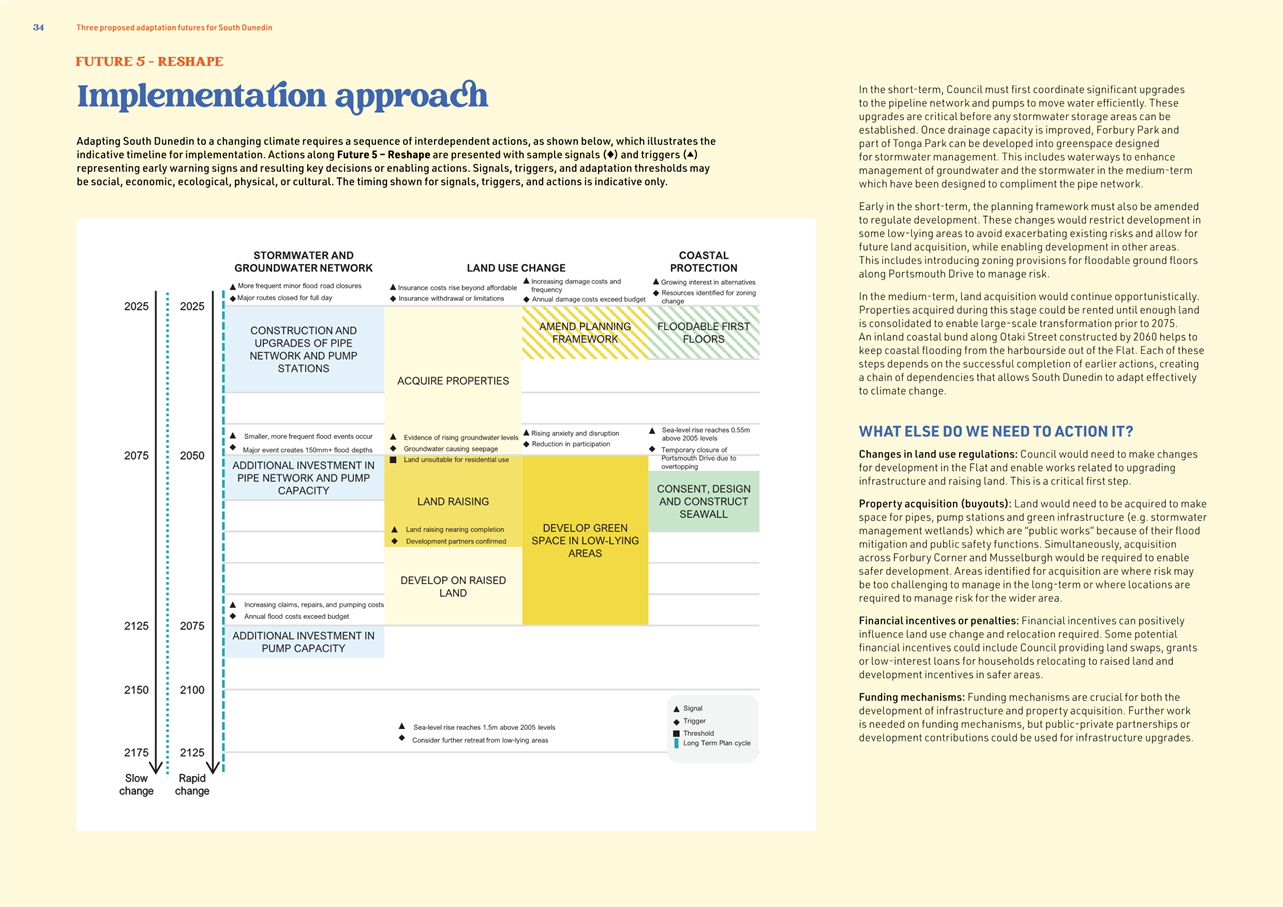
regeneration leads to improved community resilience and wellbeing”. The
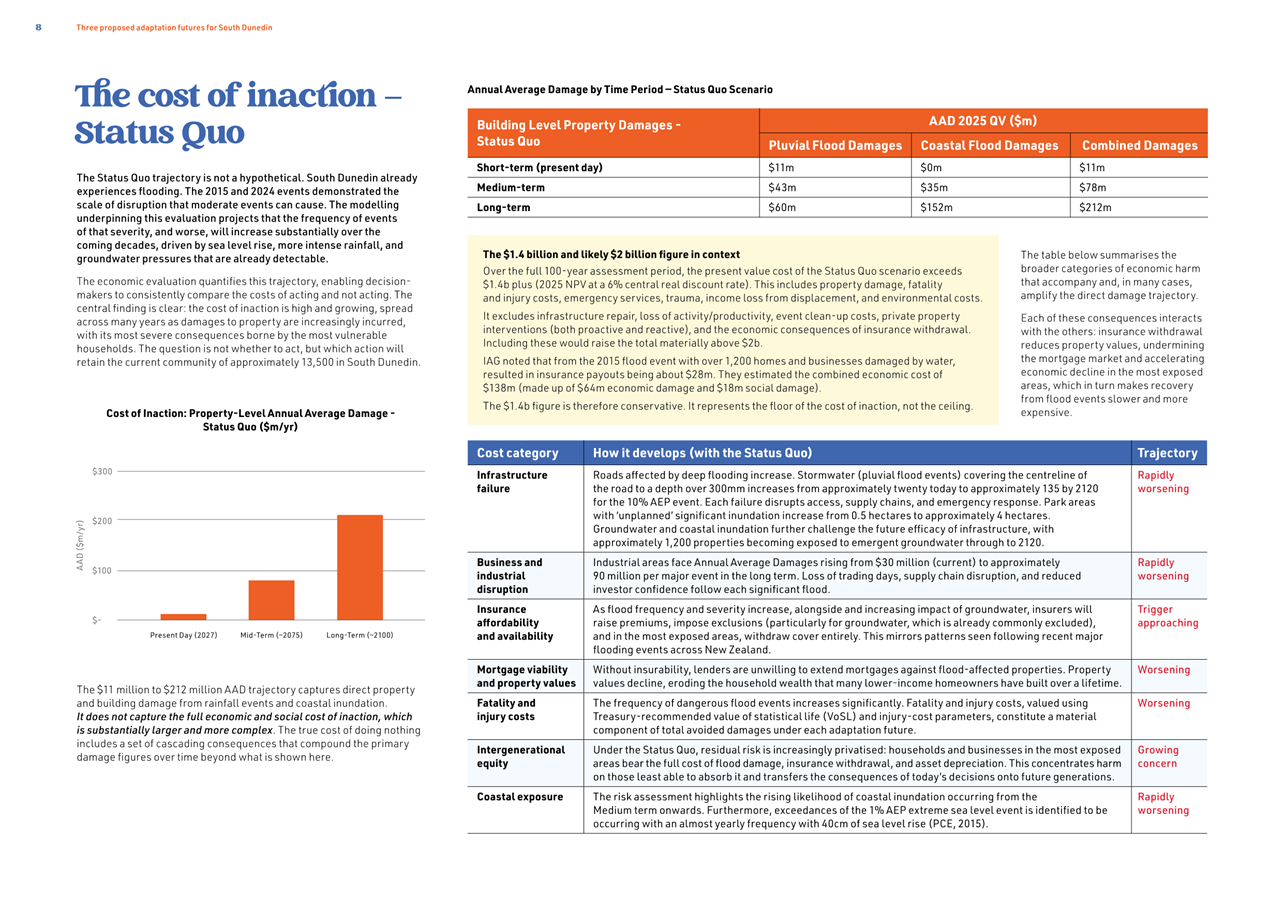
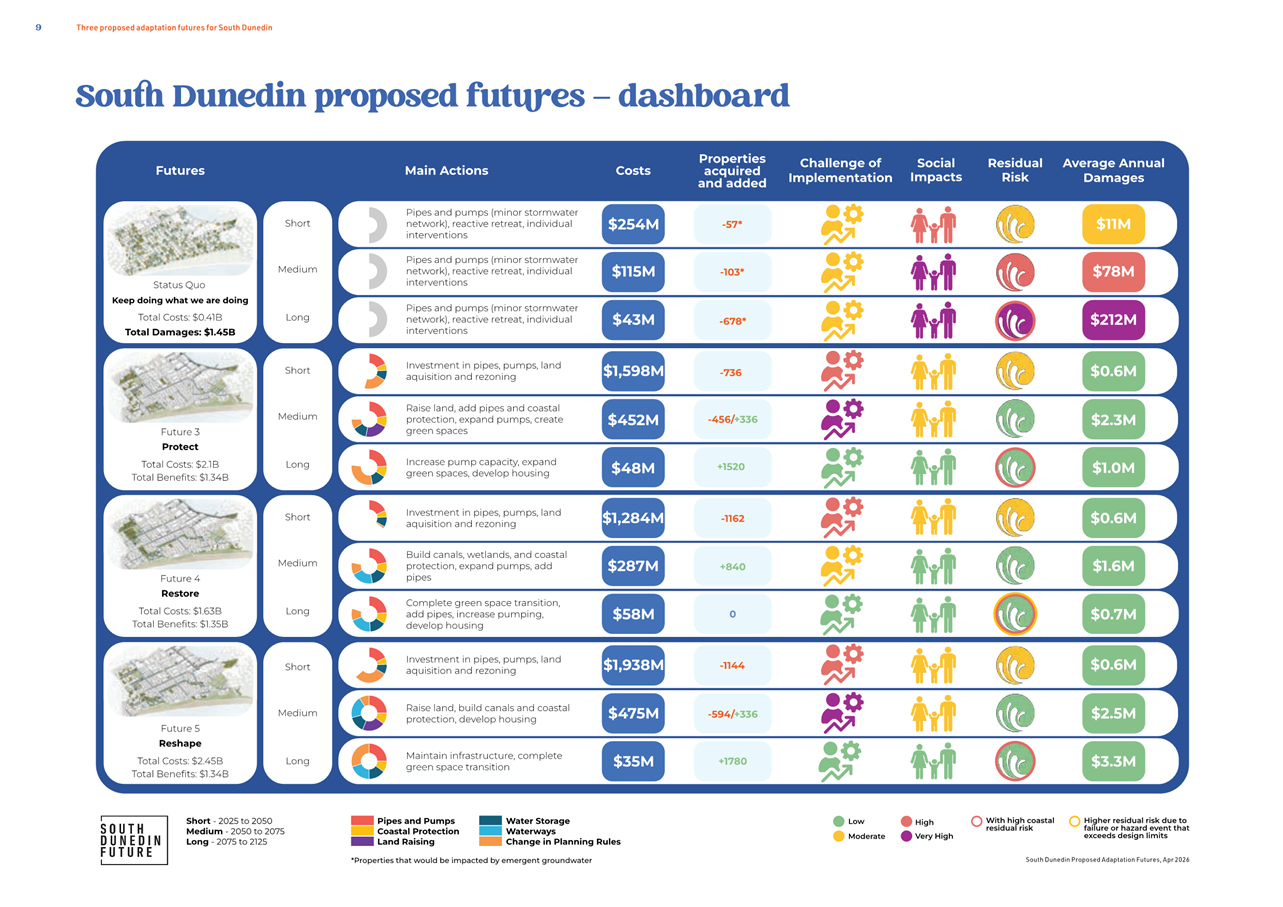
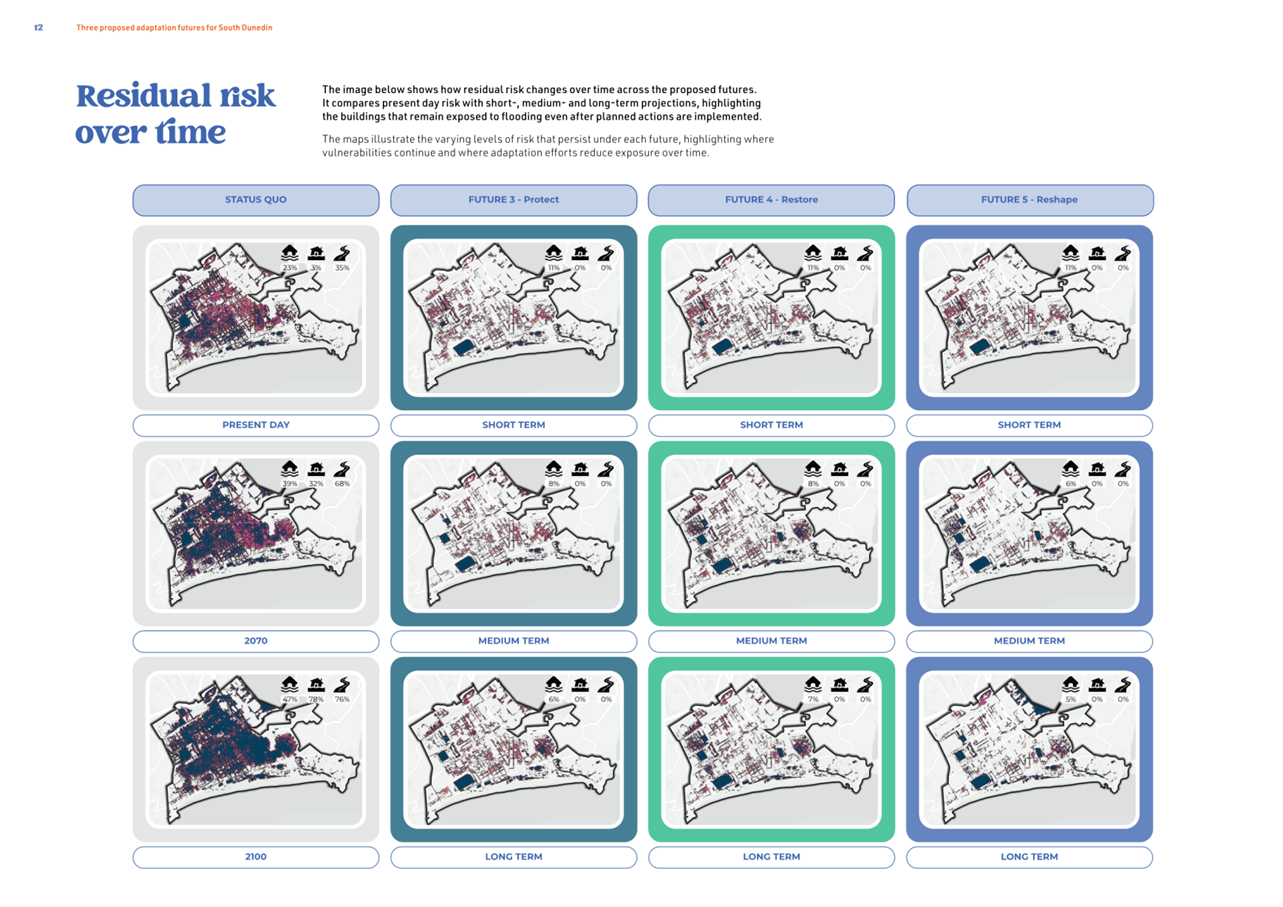
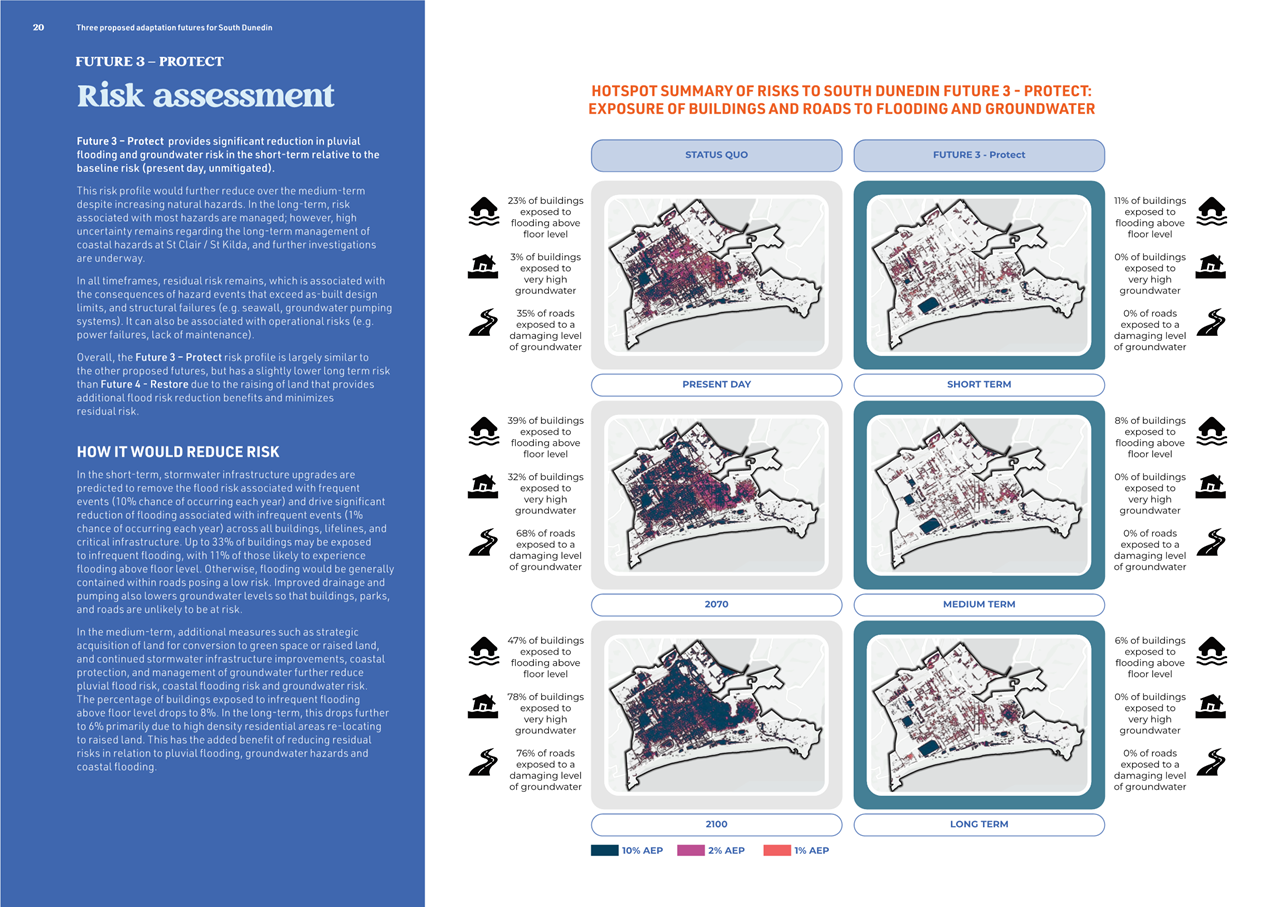
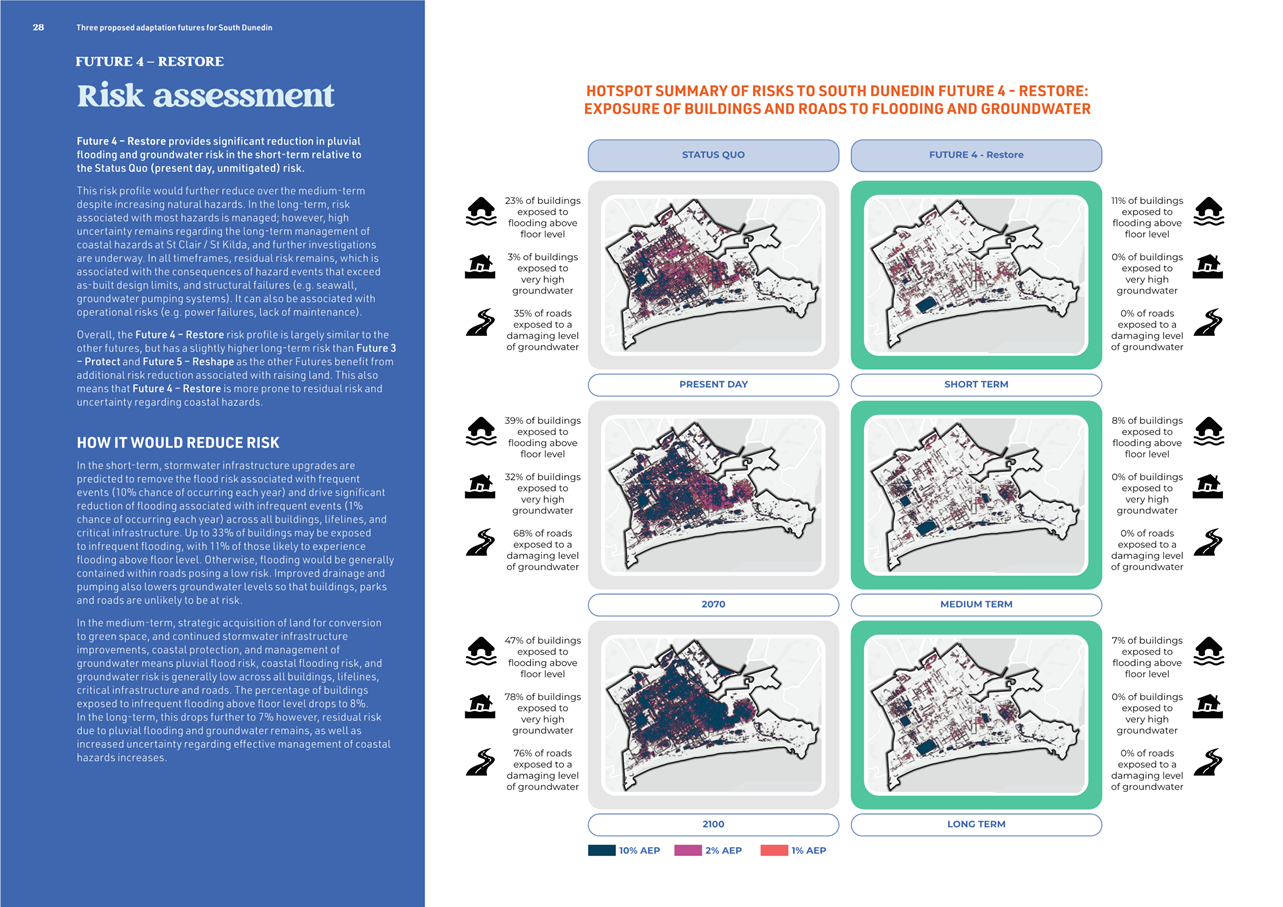
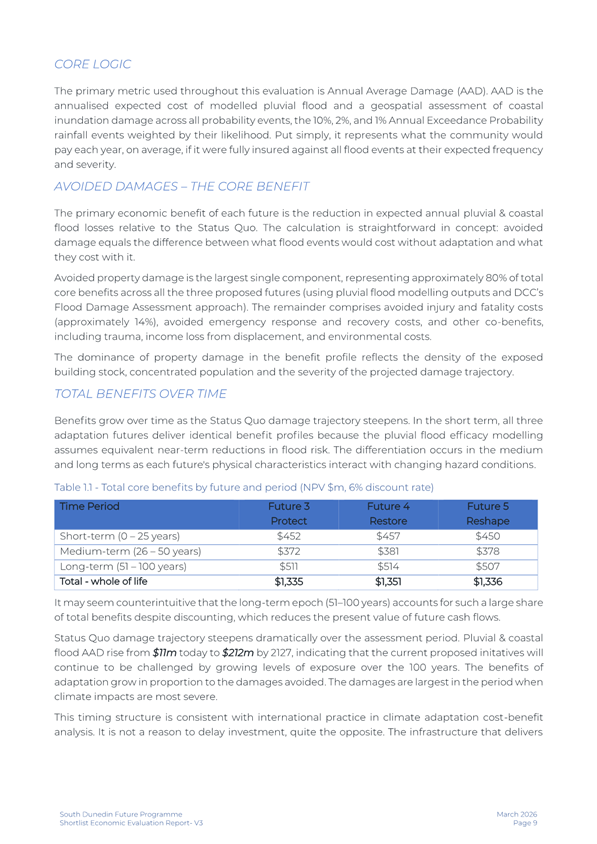
SDF programme is on schedule to deliver the final climate adaptation masterplan
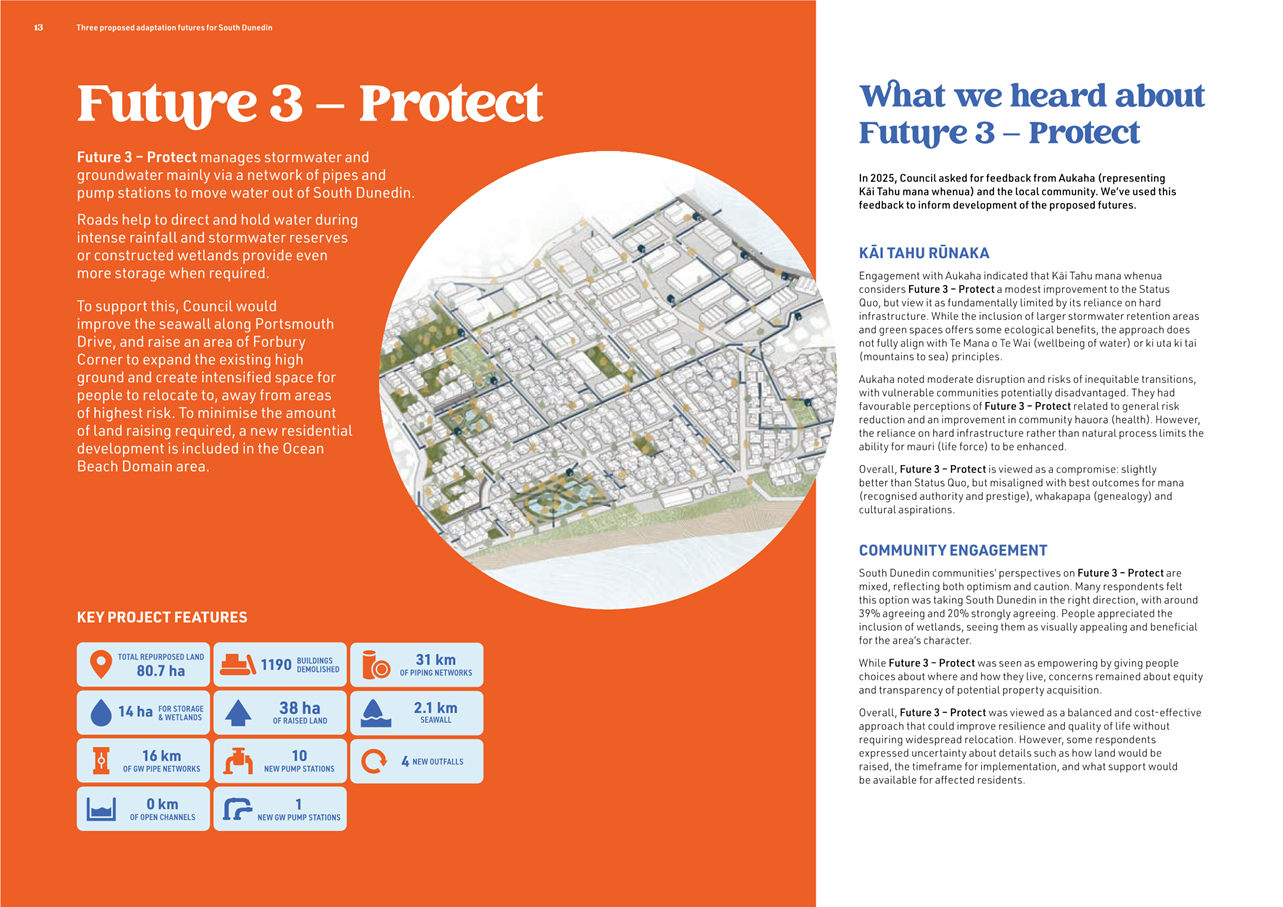
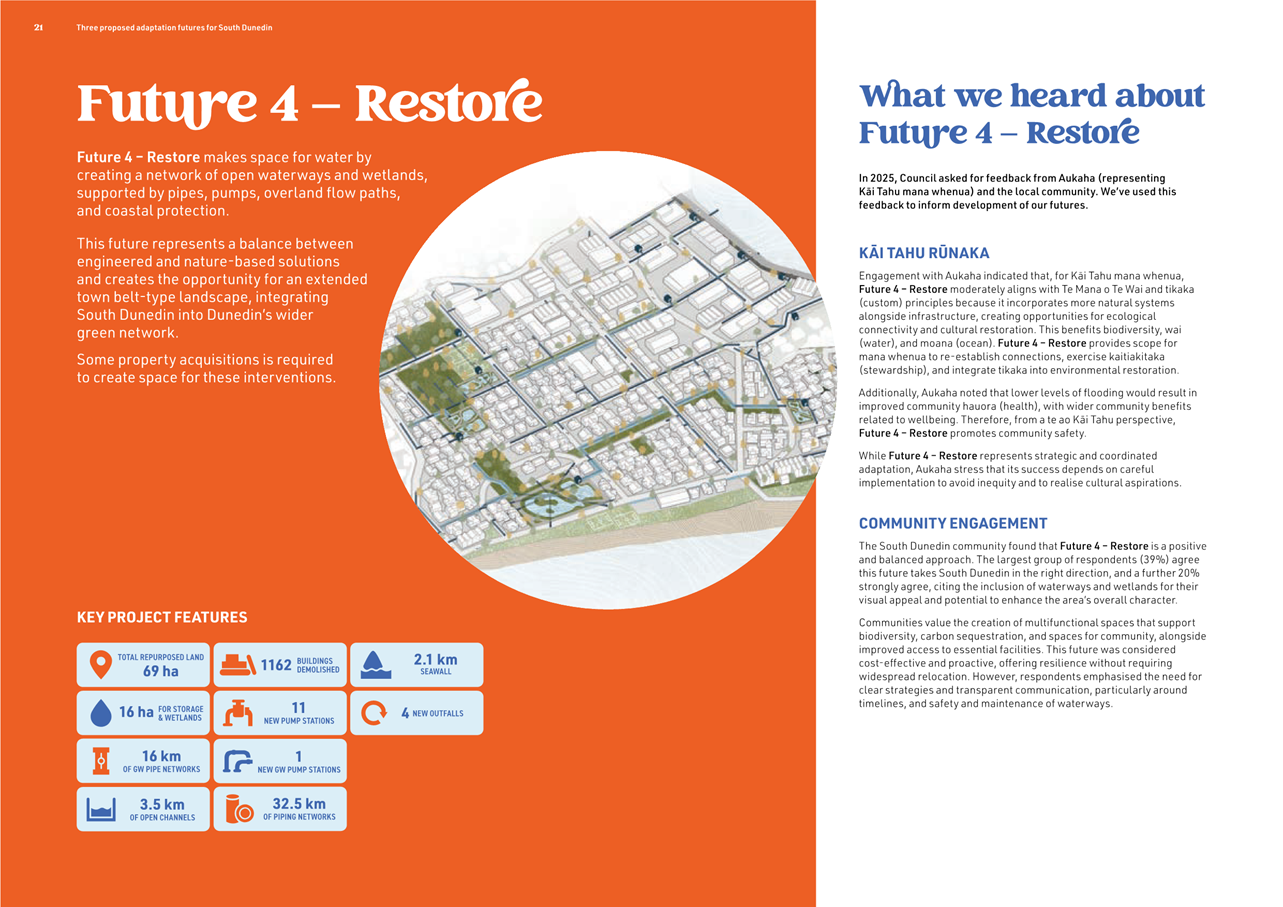
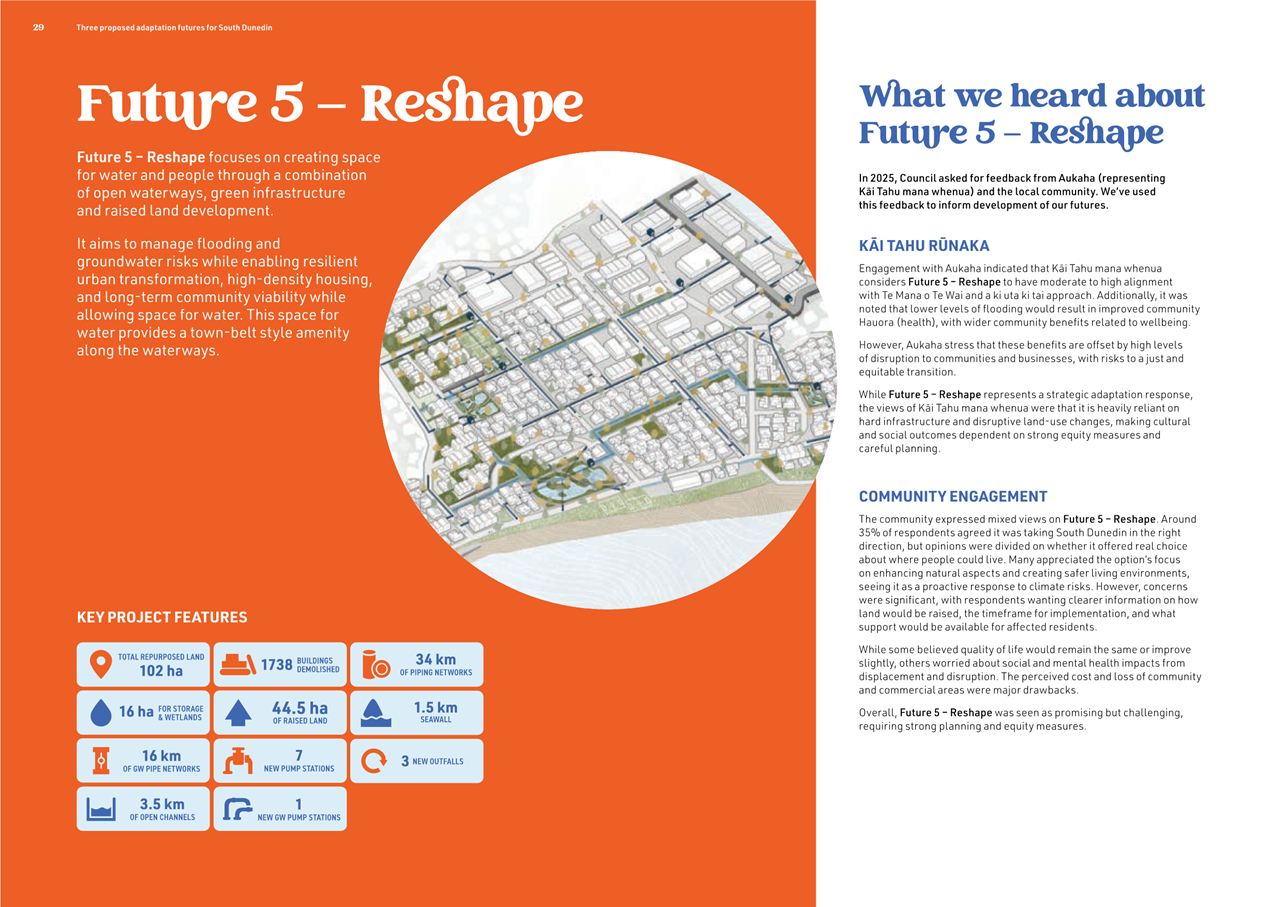
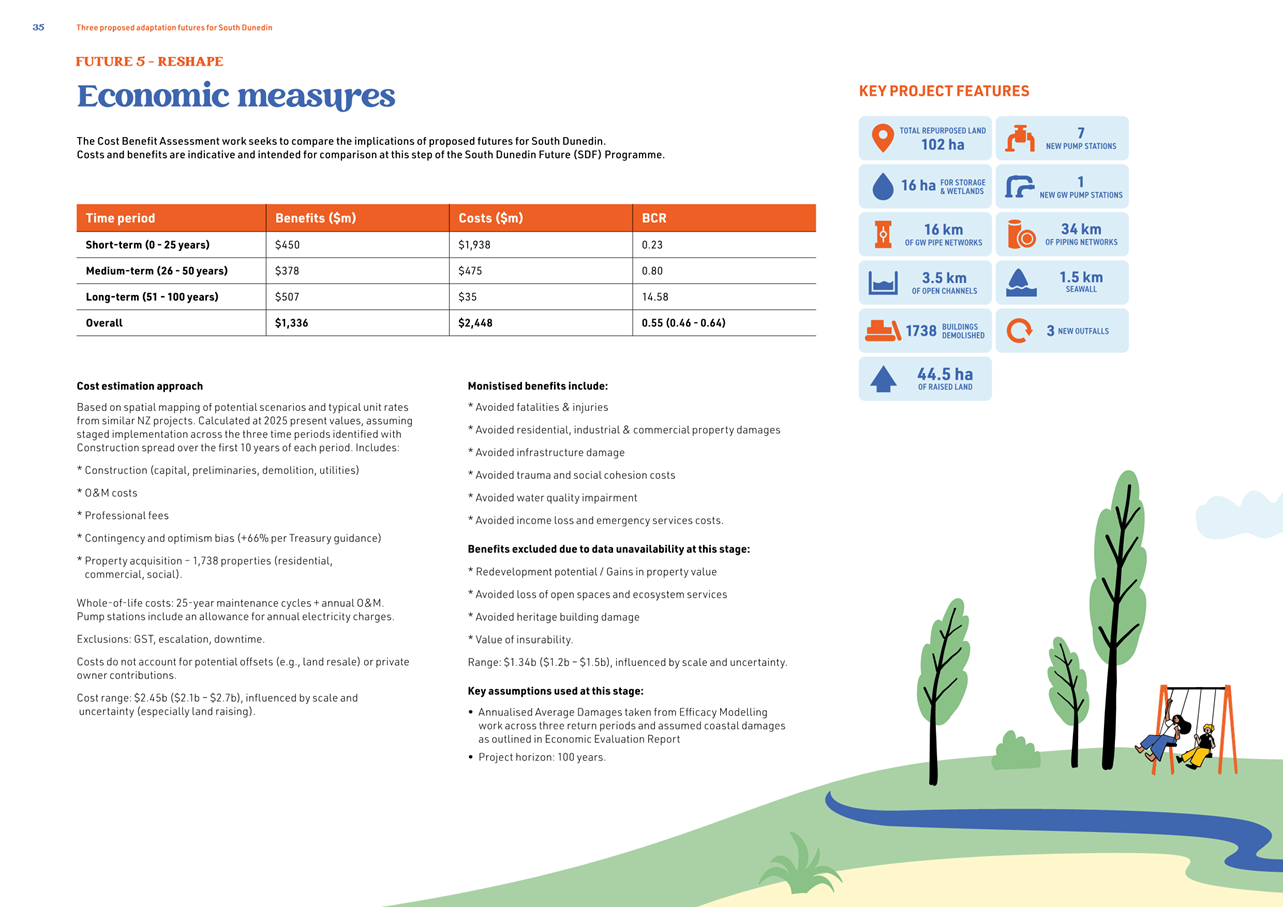
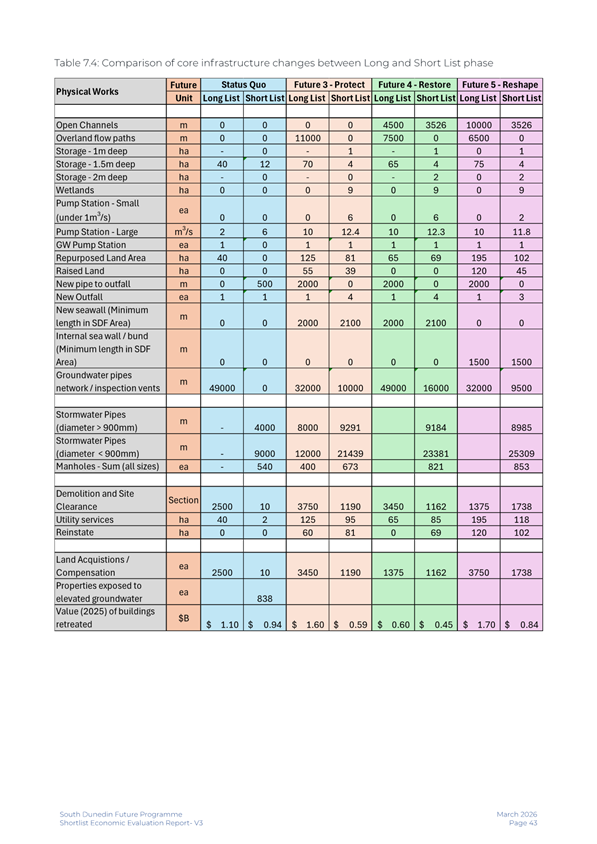
in the first half of 2027 and to transition to implementation from 1 July 2027.
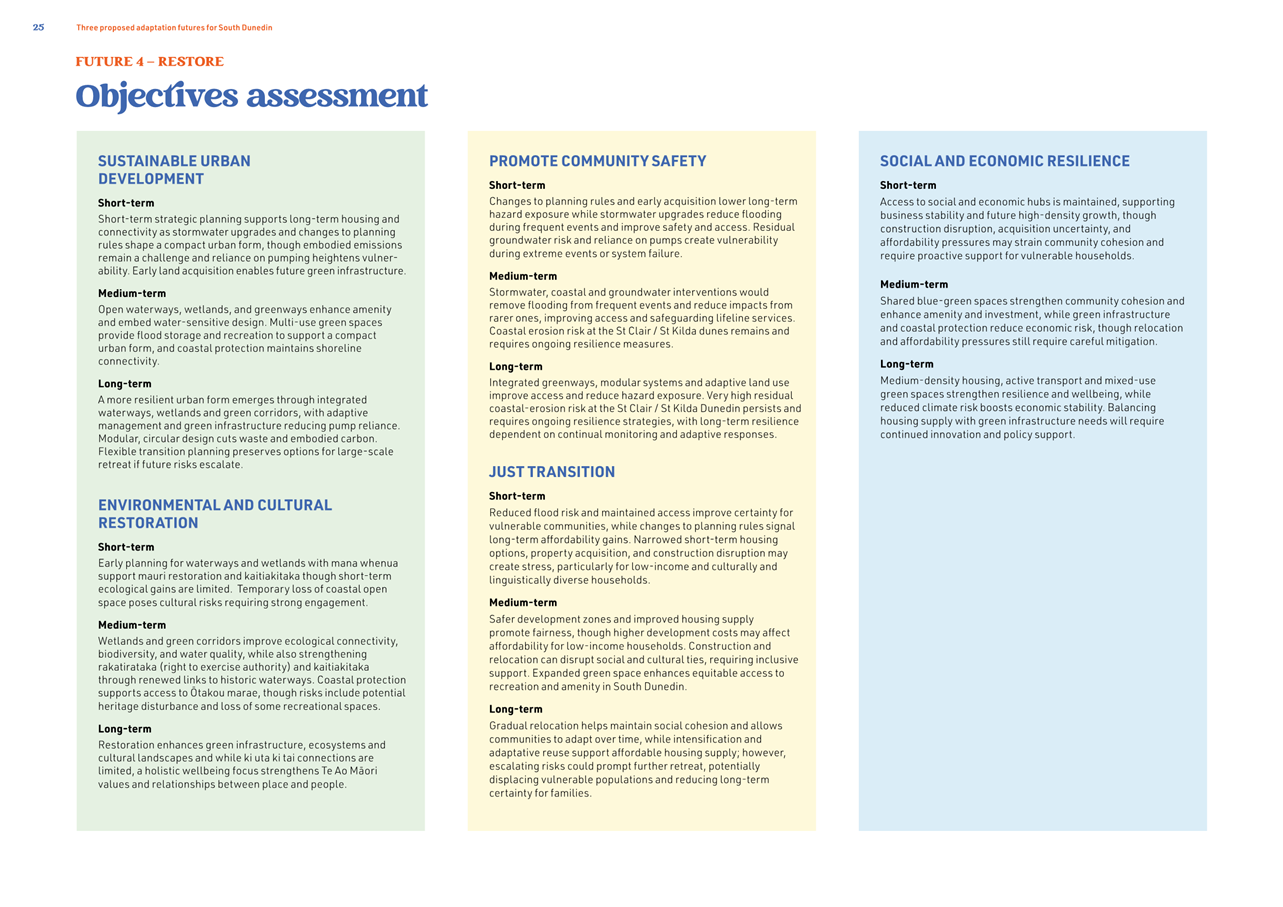
3 Creating
a safer and better future for South Dunedin will require balancing a range of
trade‑offs,
including choices about the scale and rate of change, the affordability of
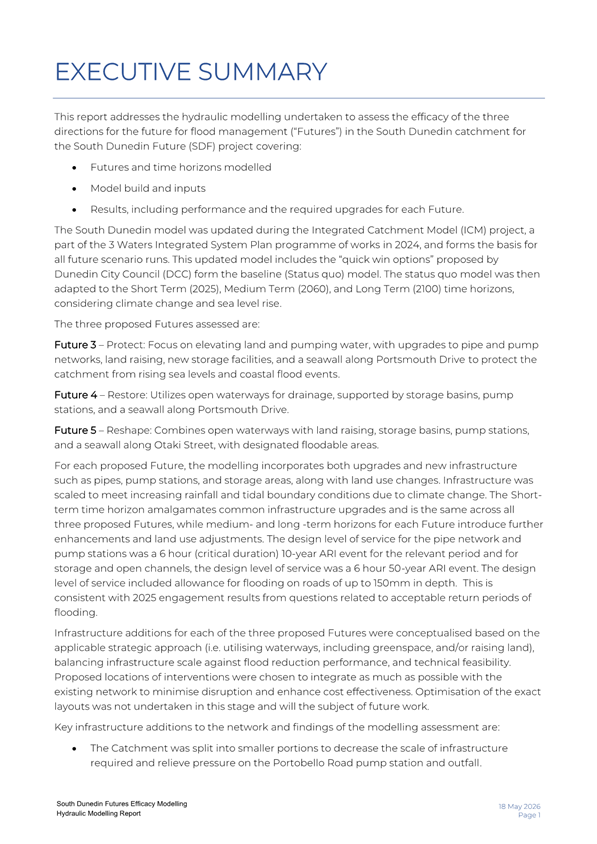
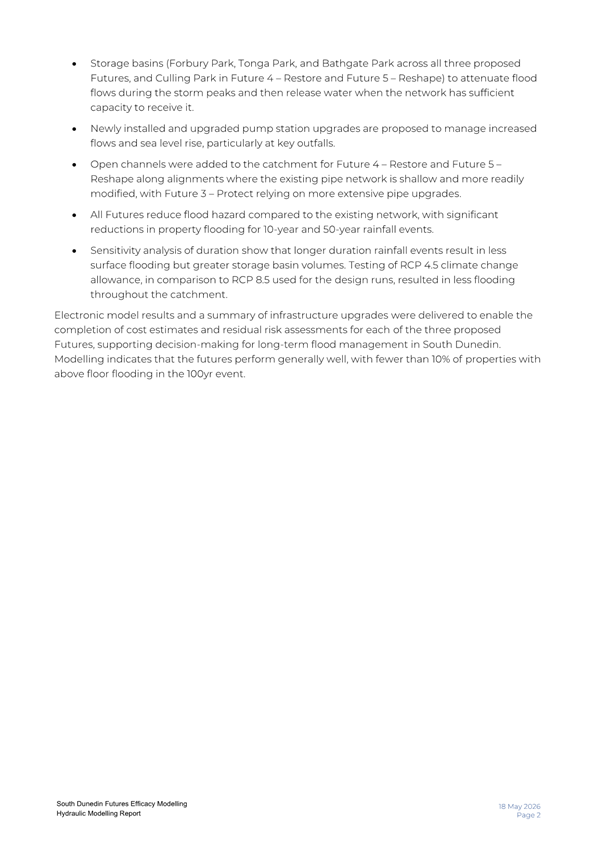
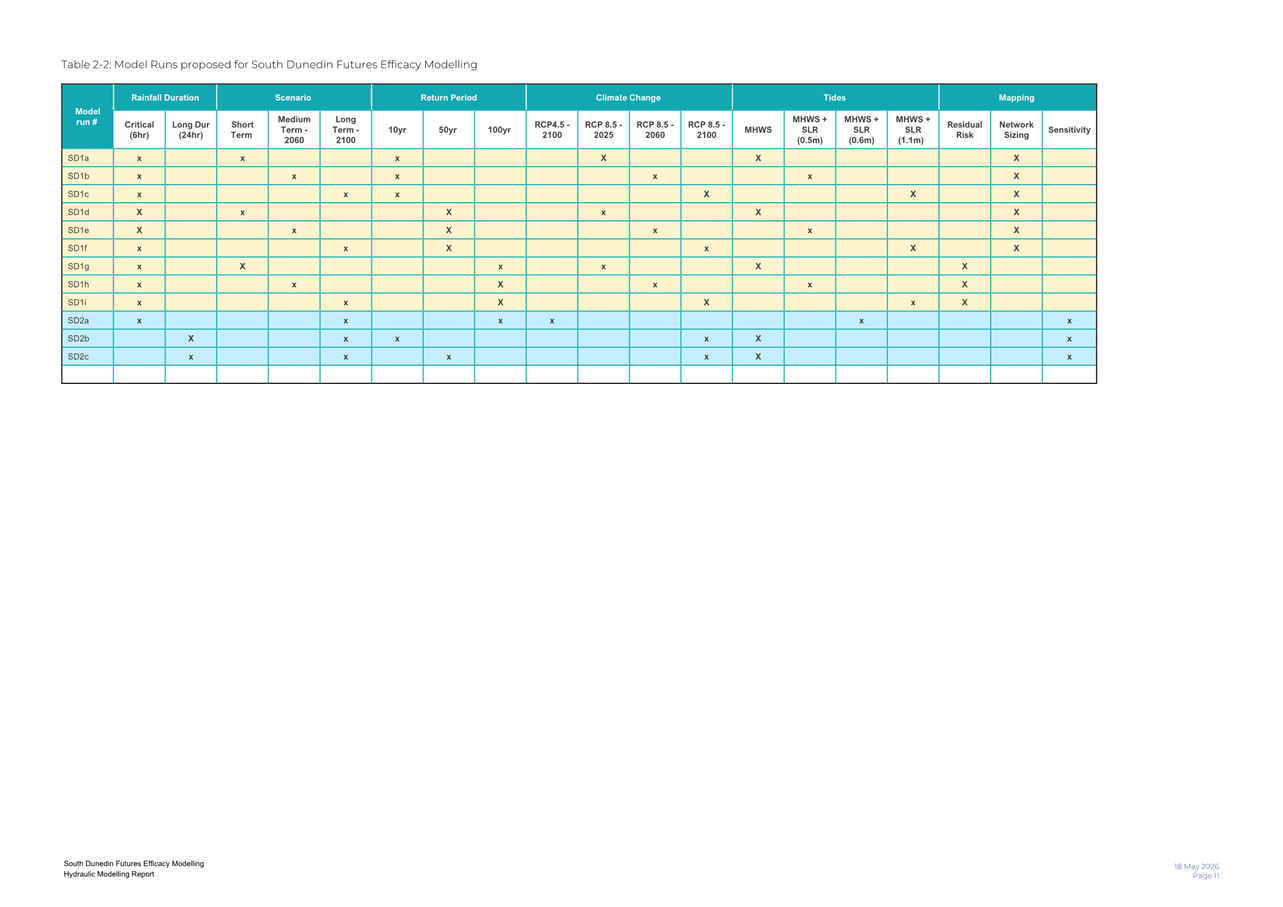
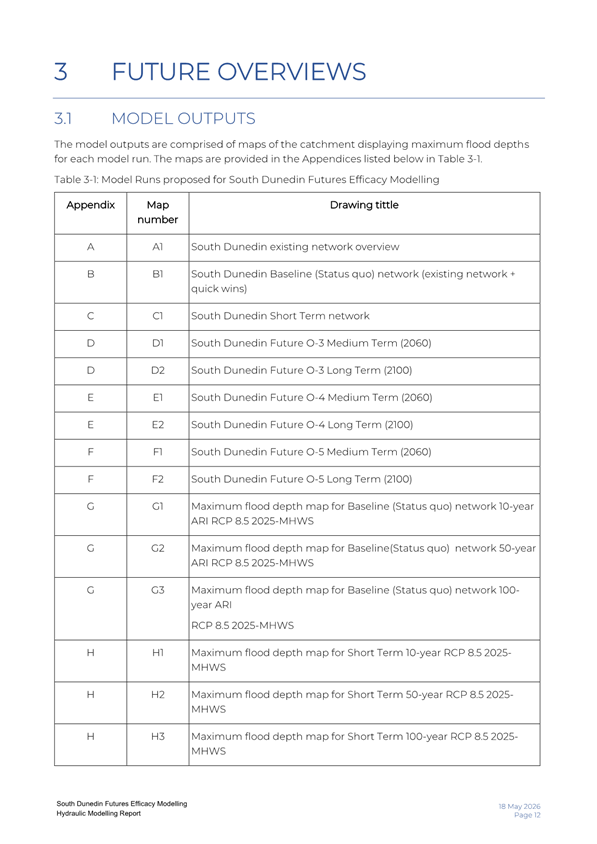
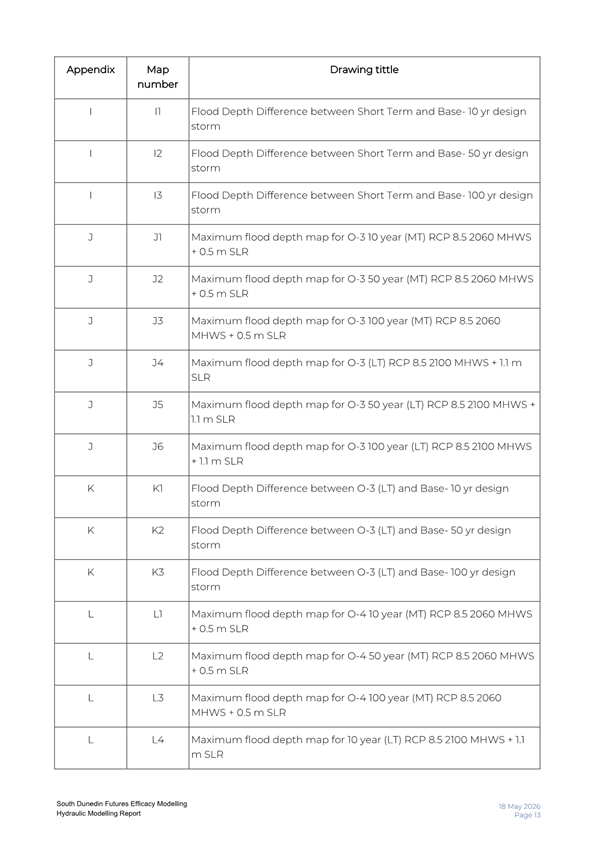
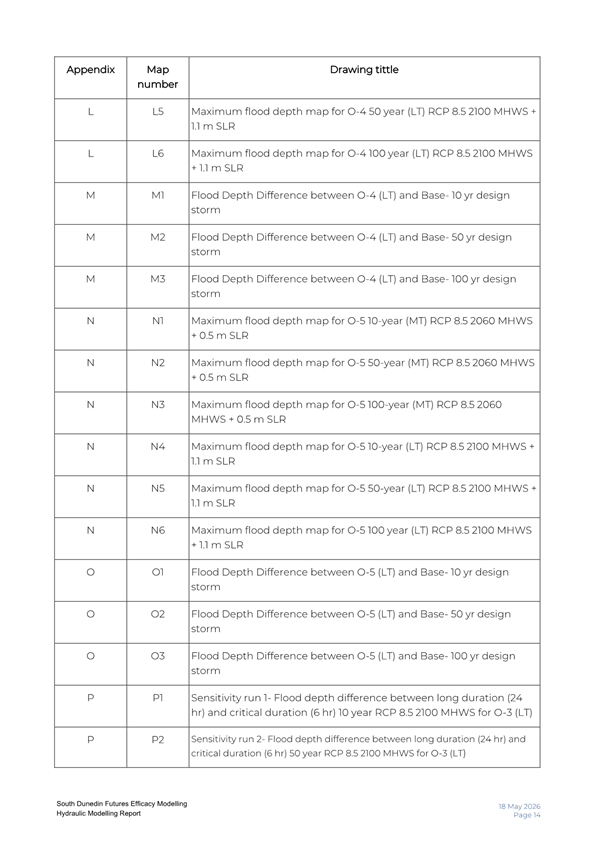
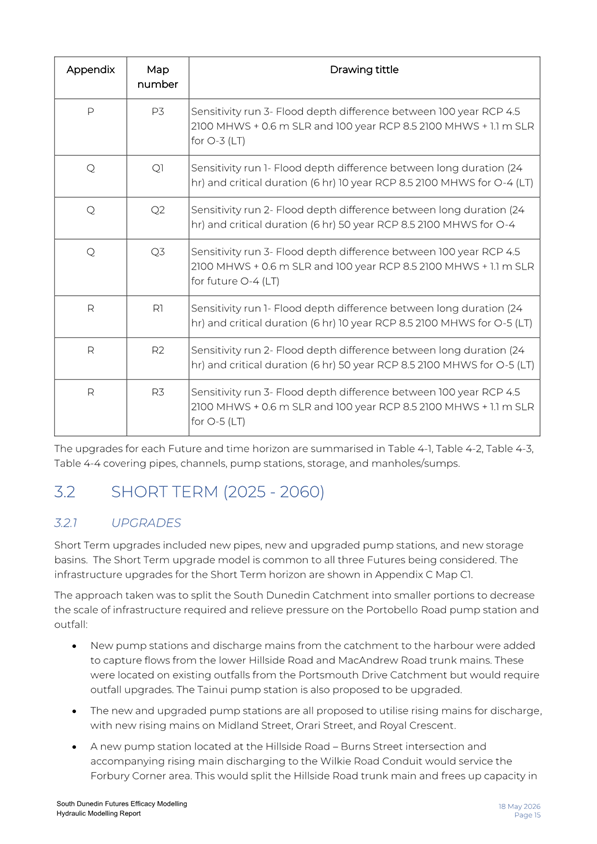
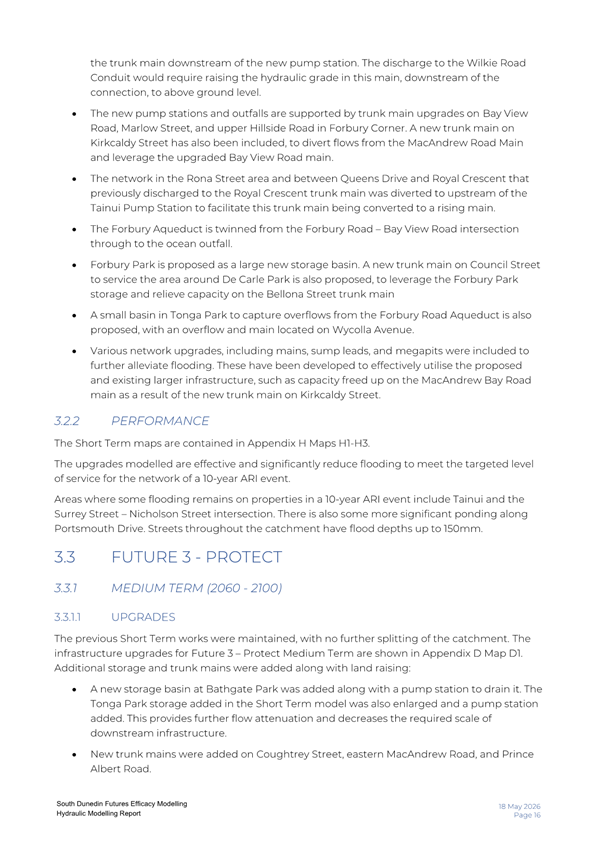
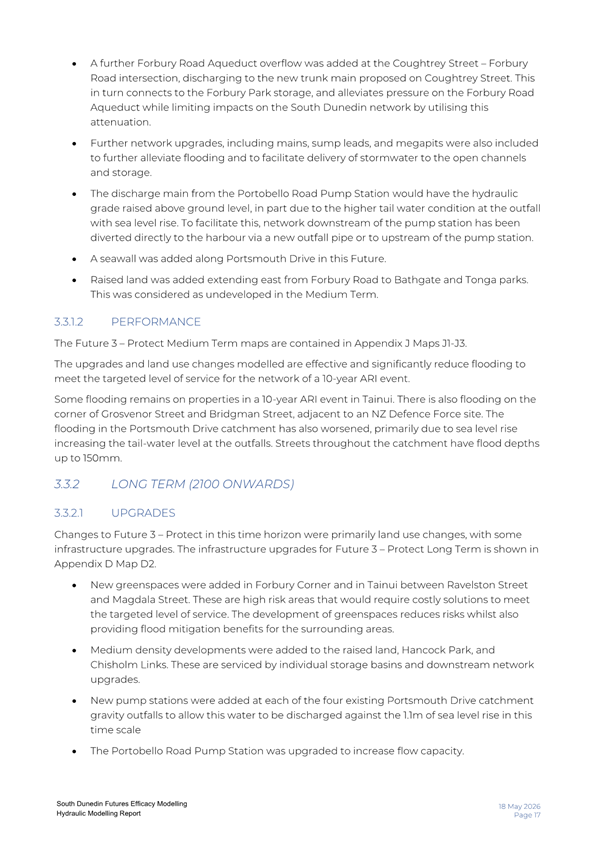
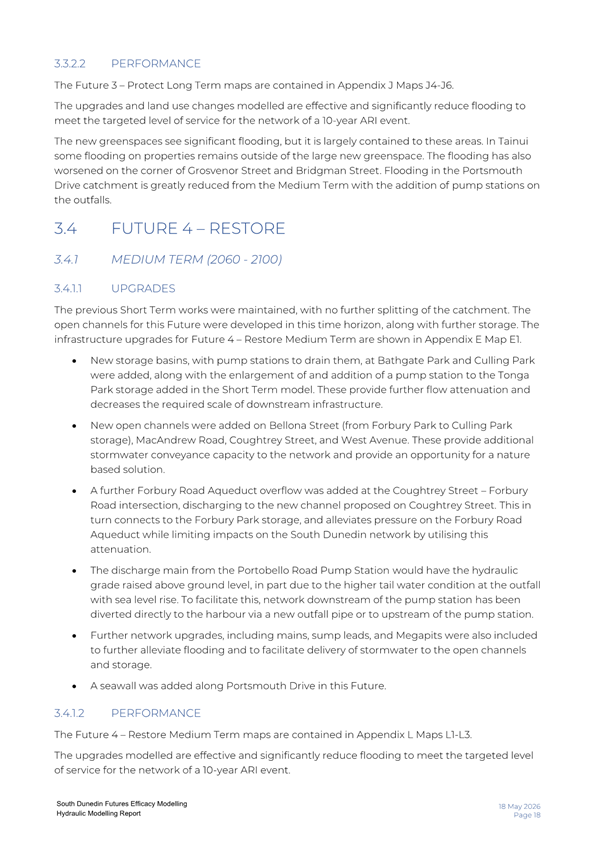
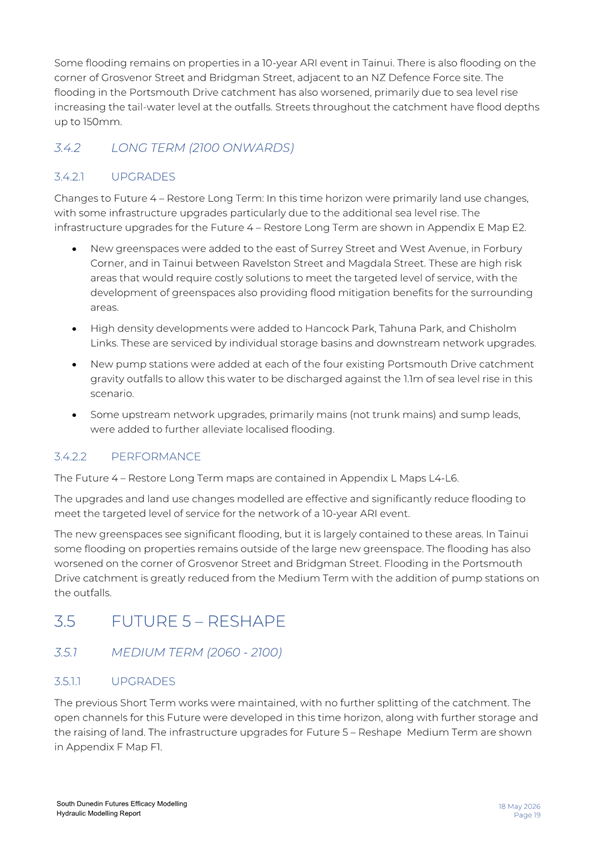
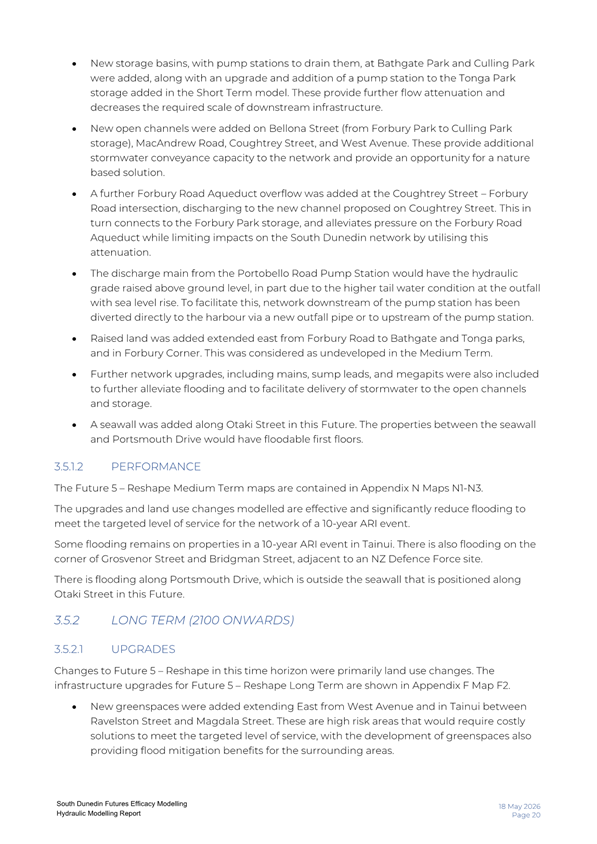
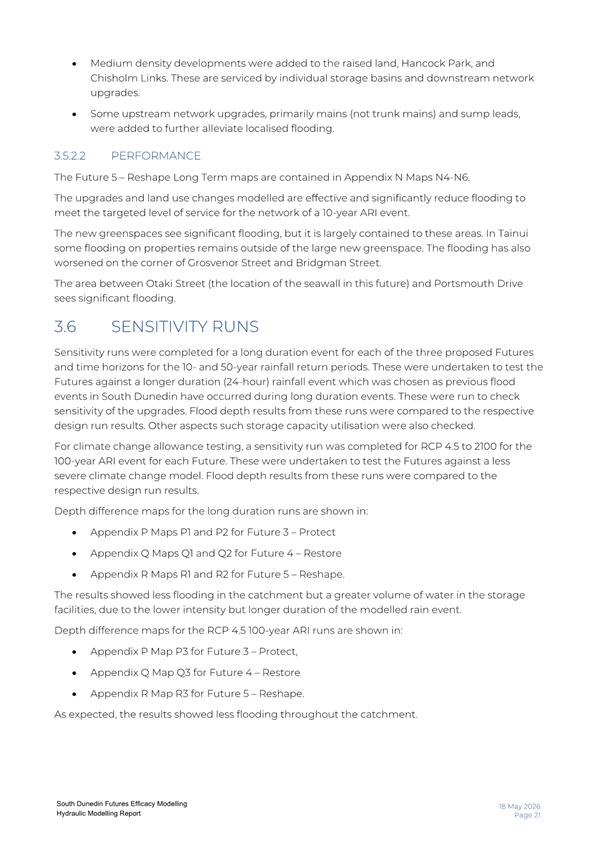
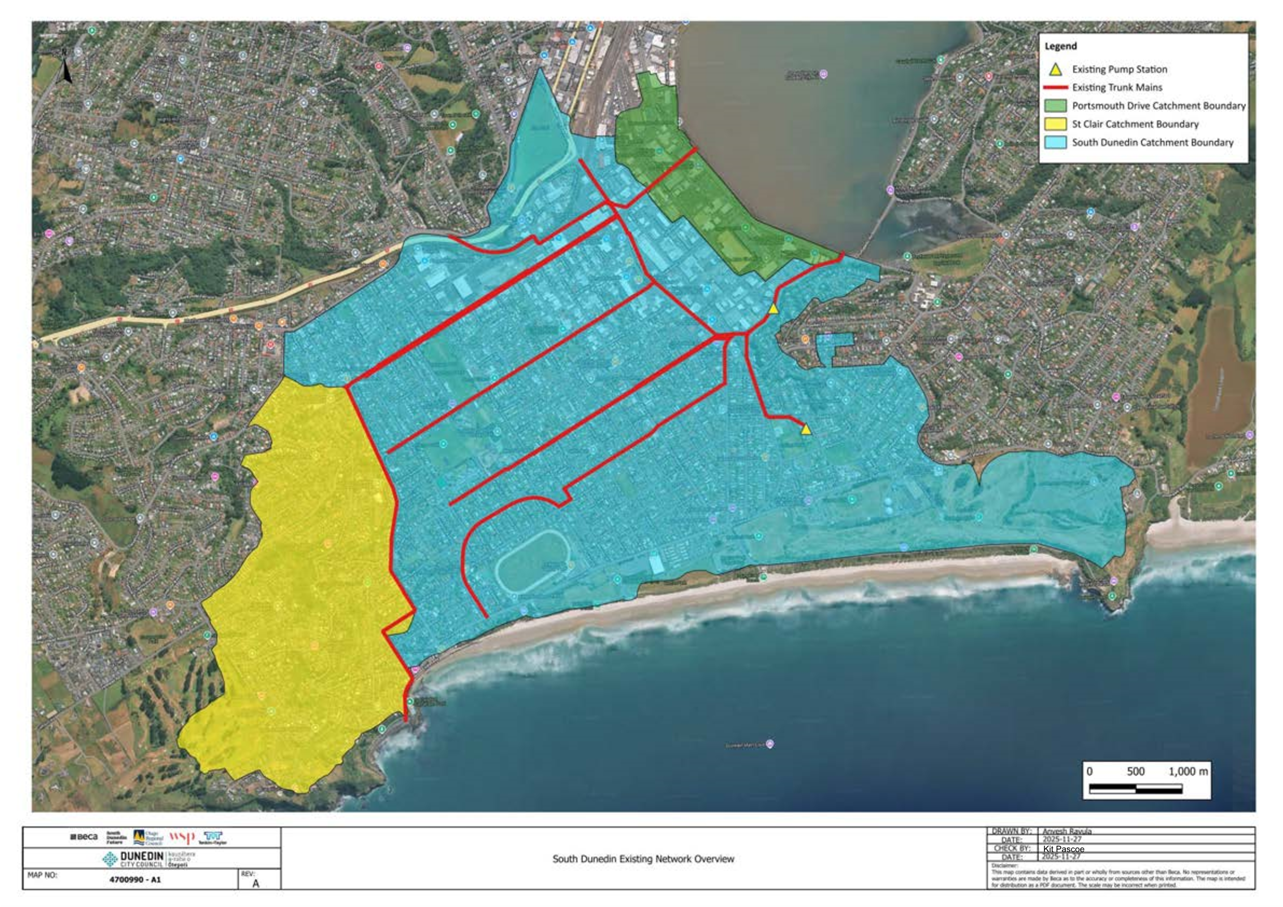
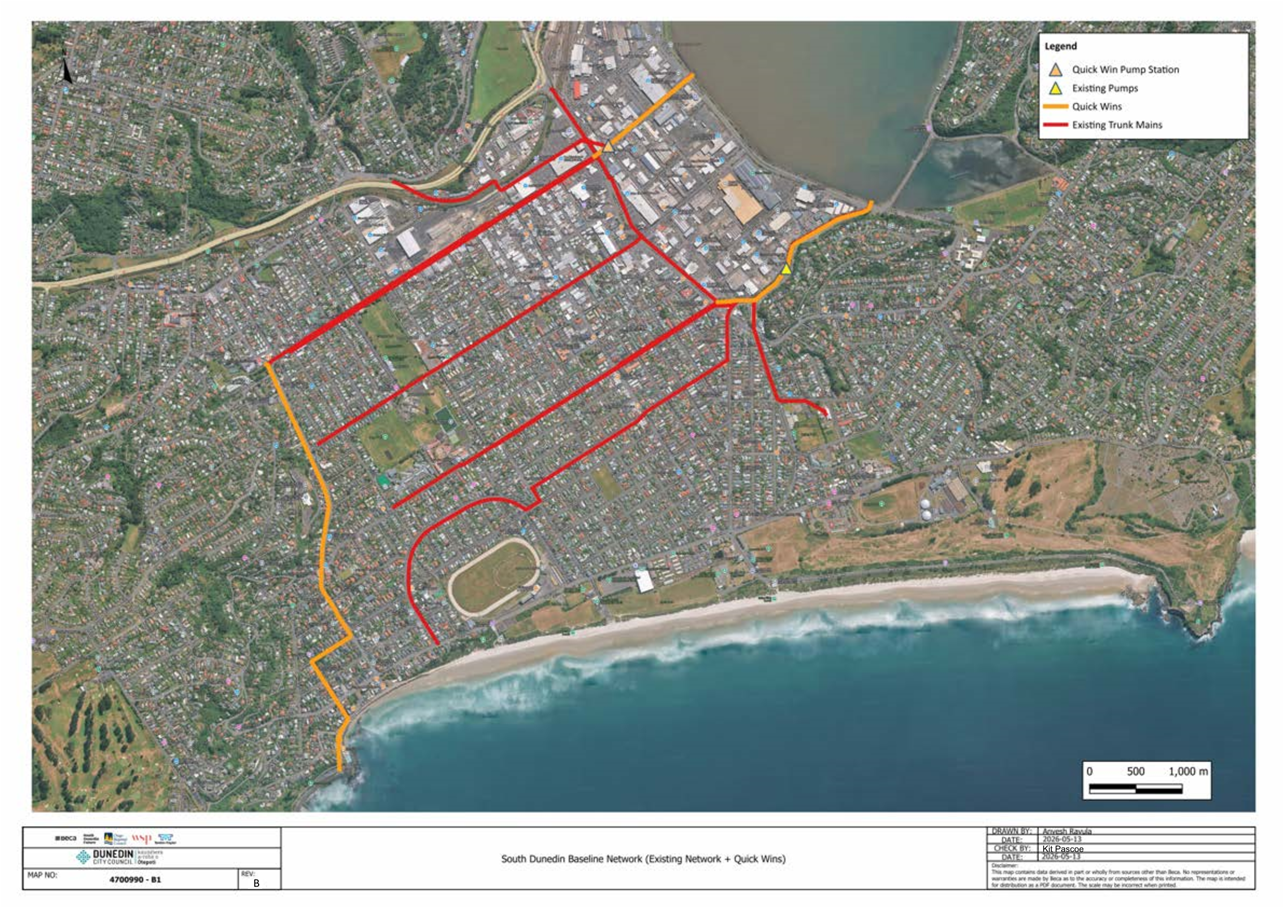
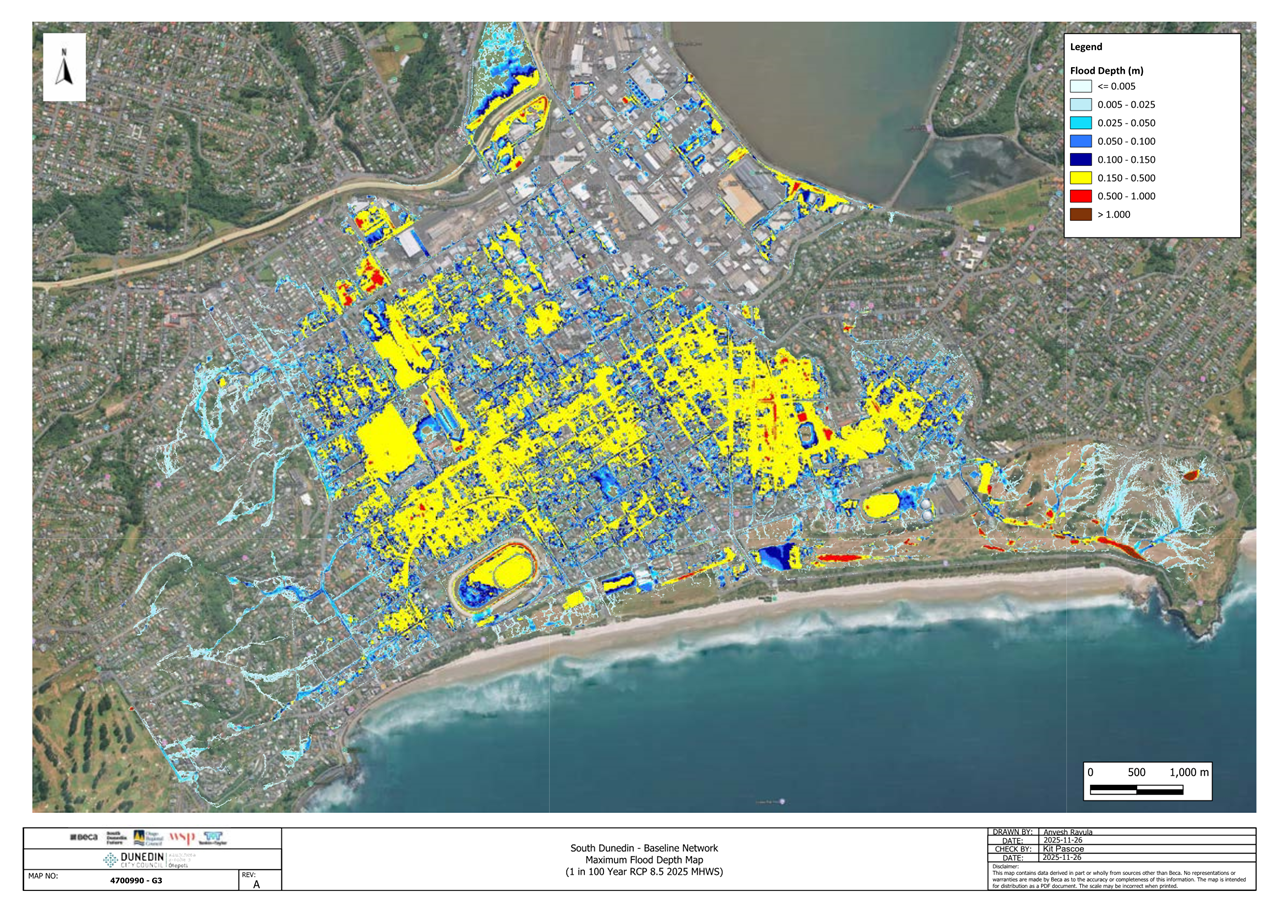
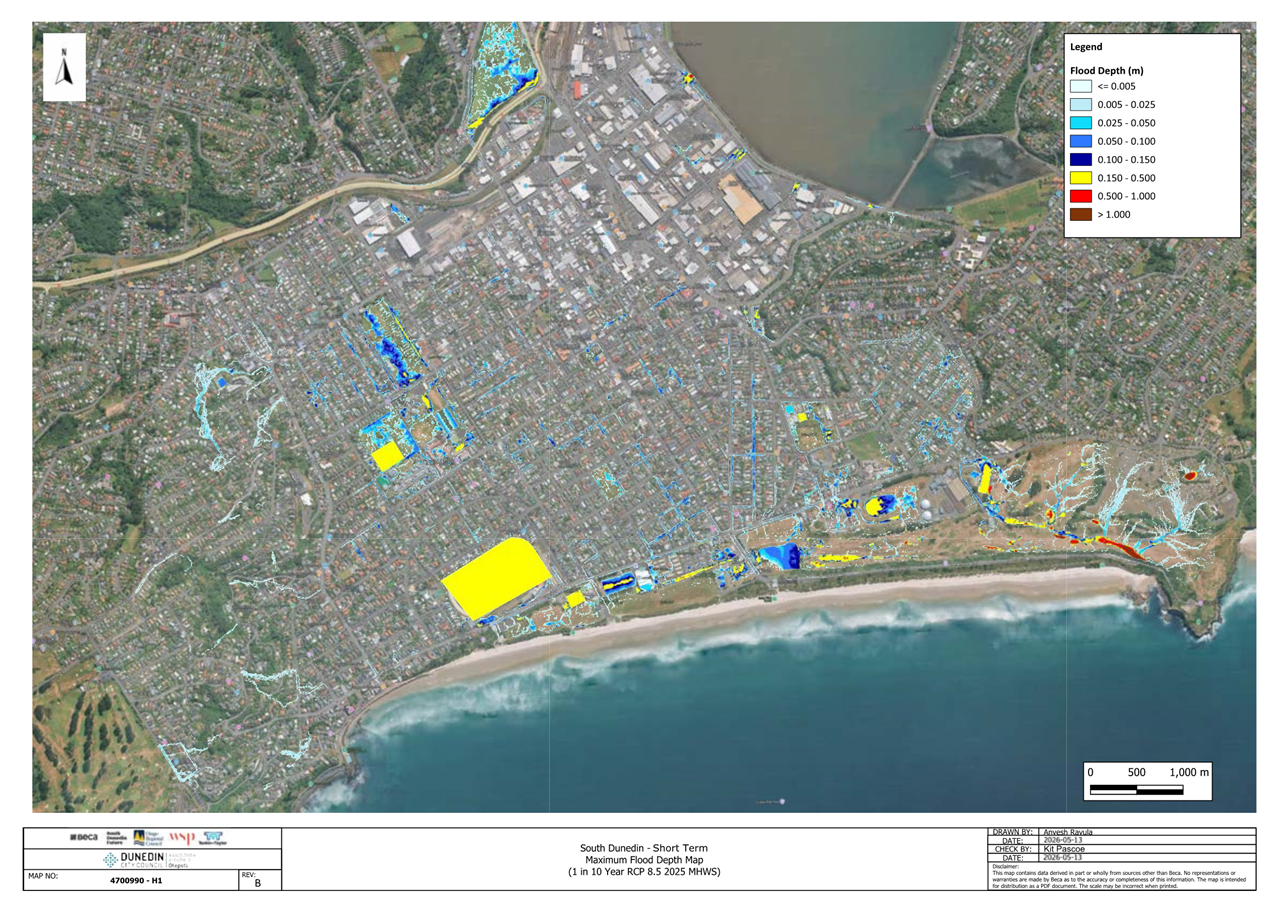
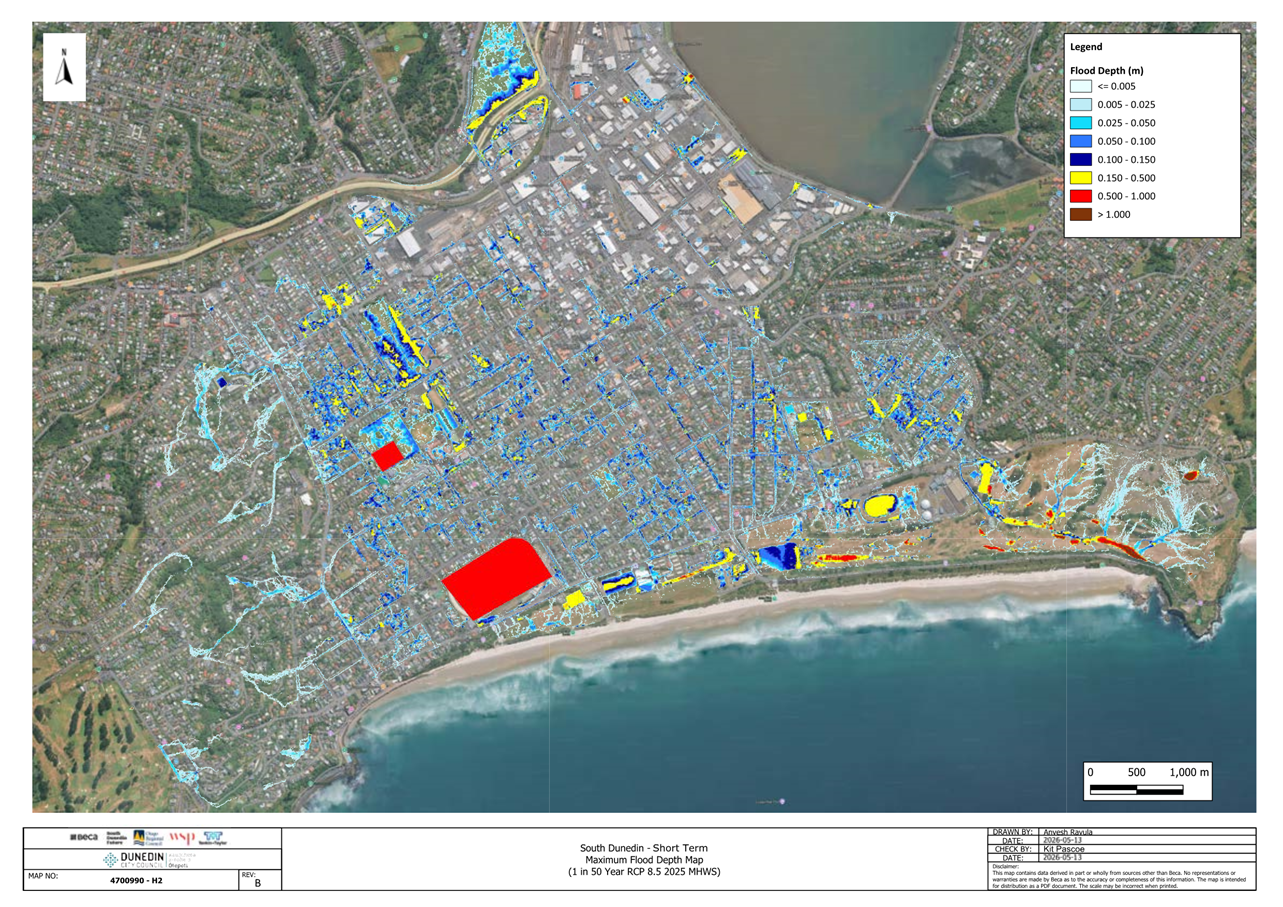
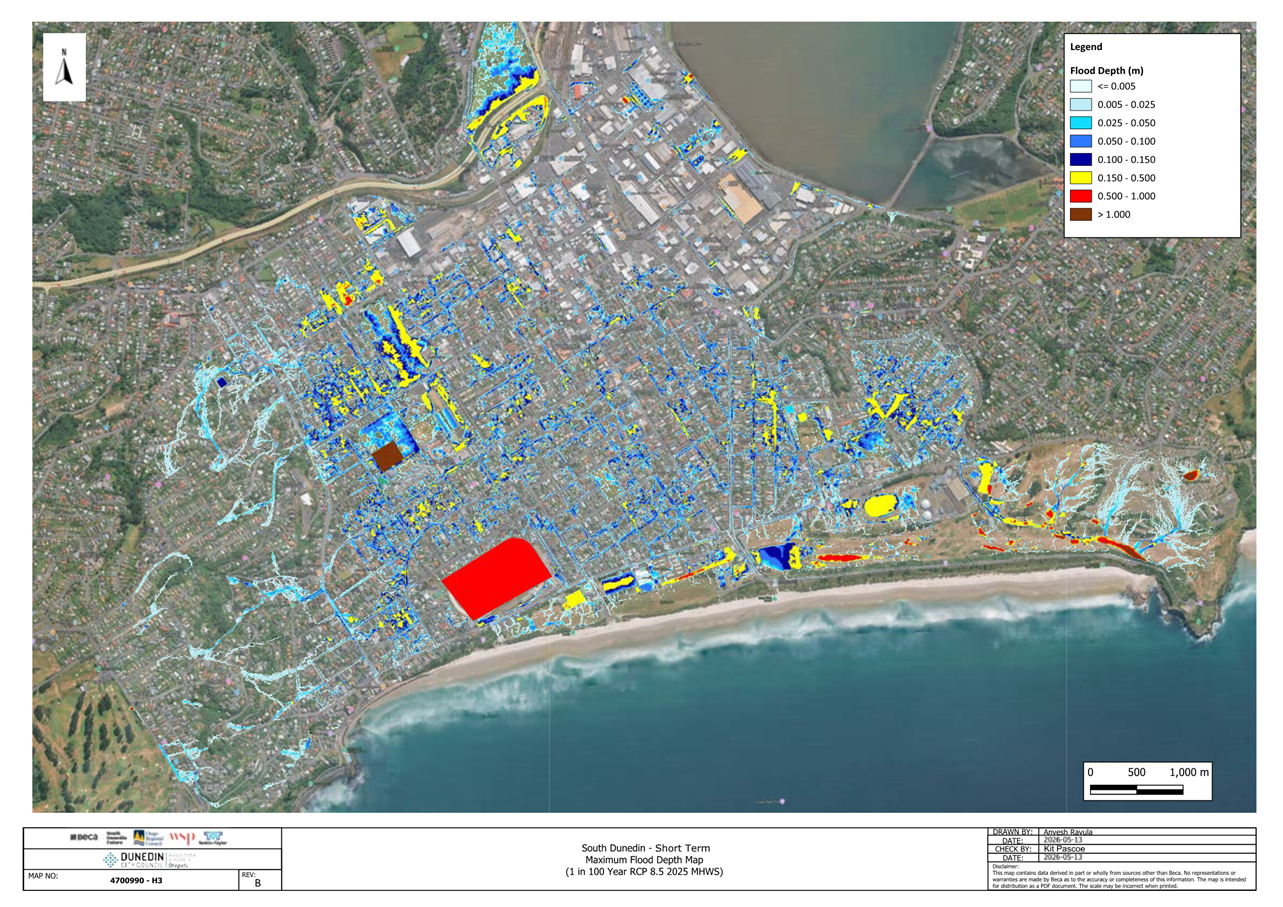
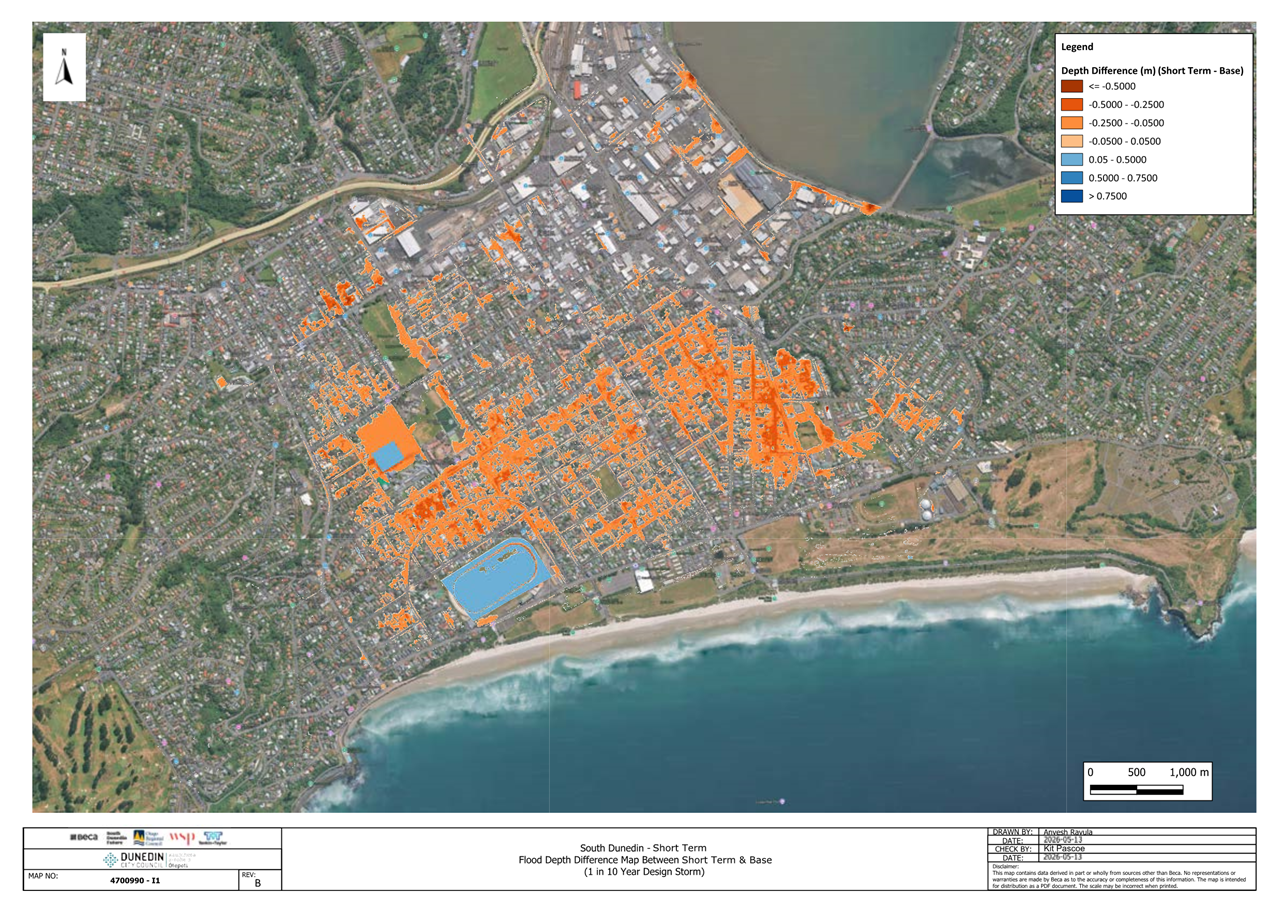
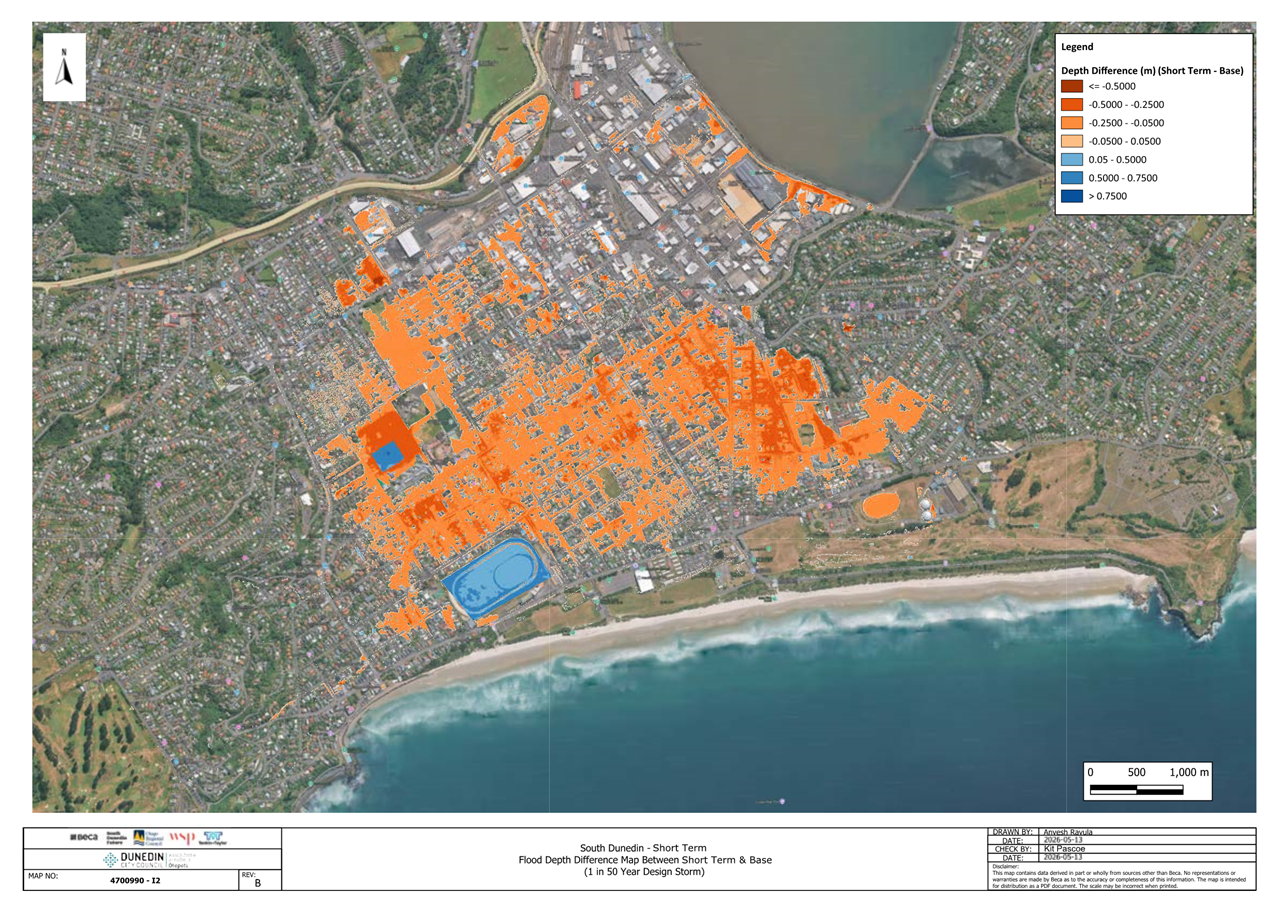
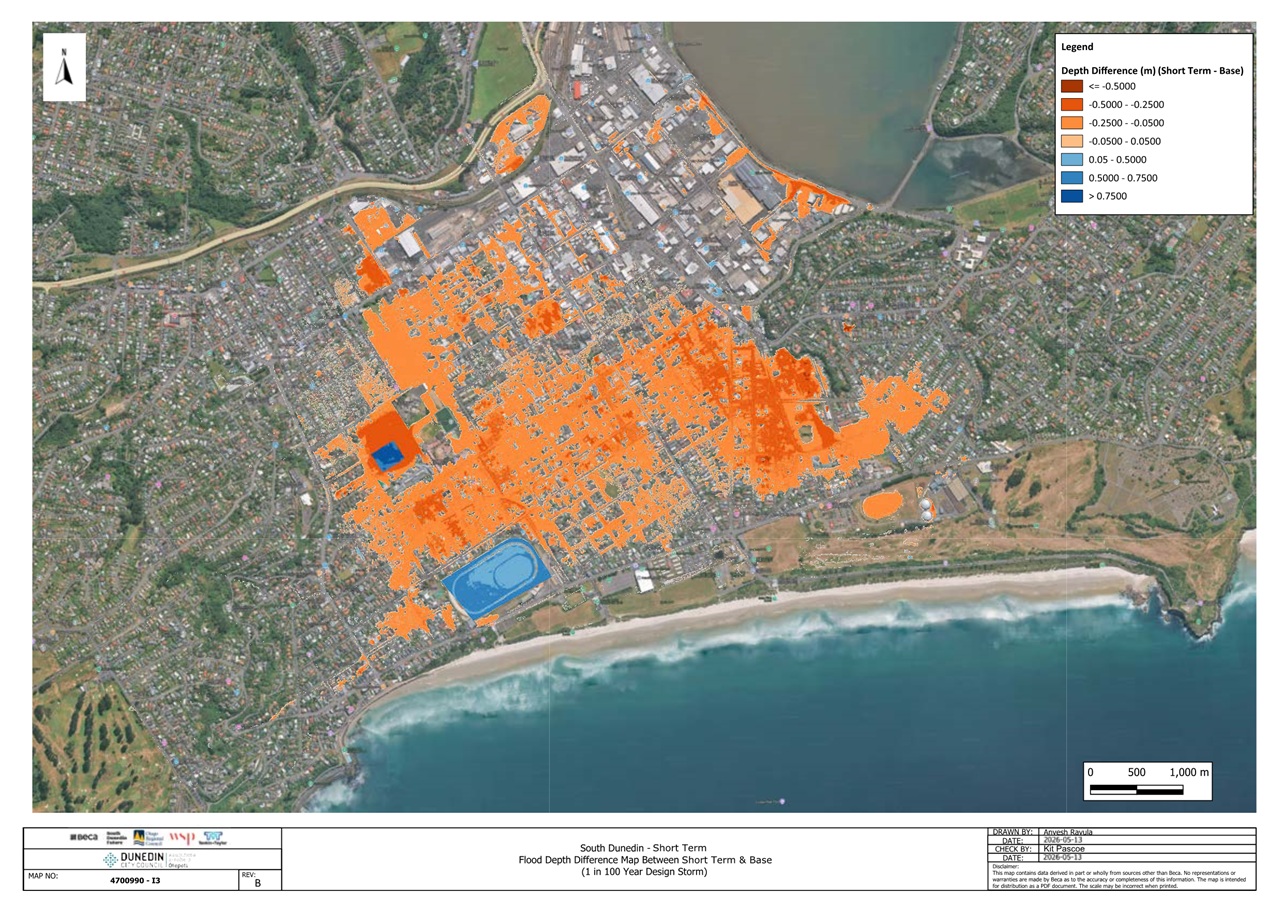
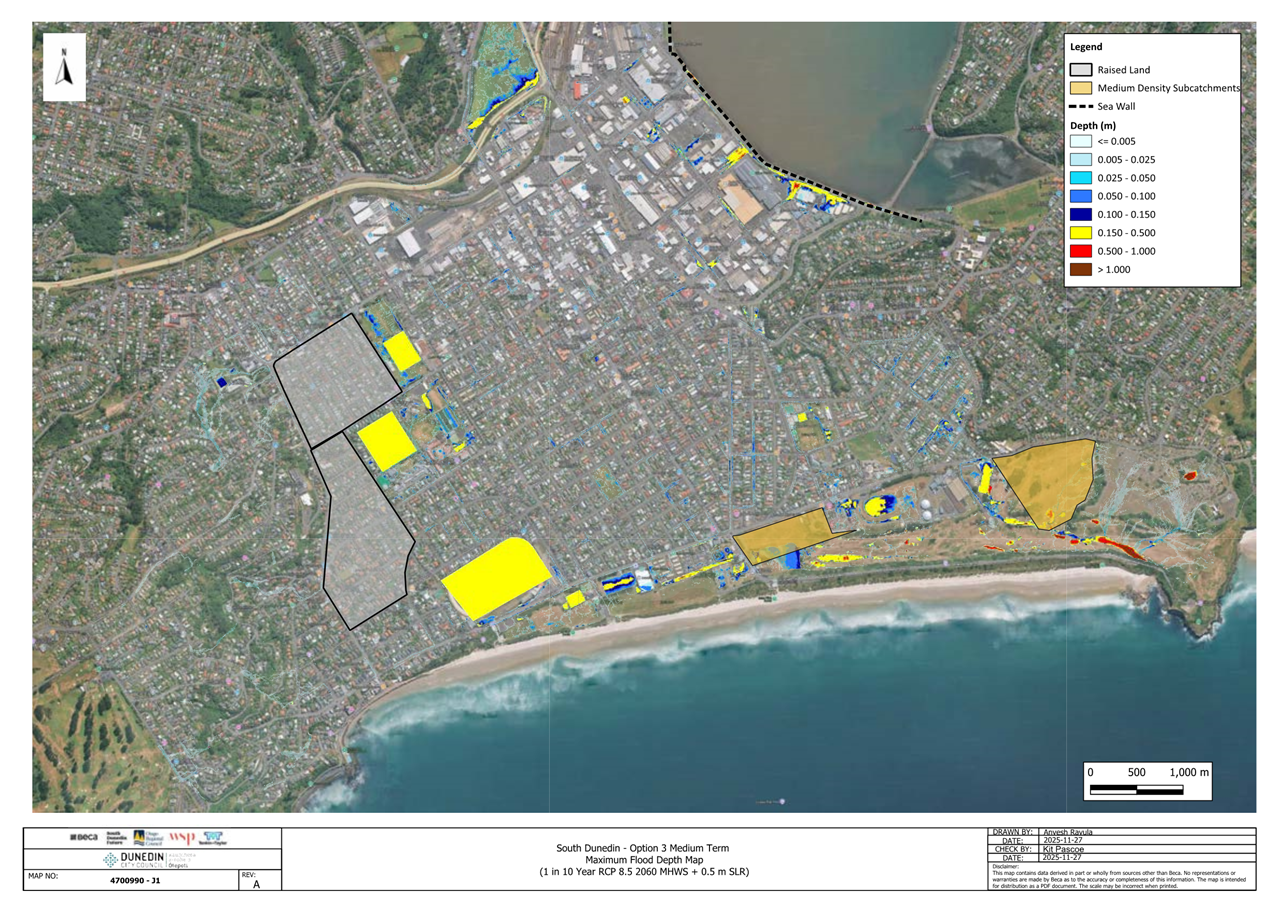
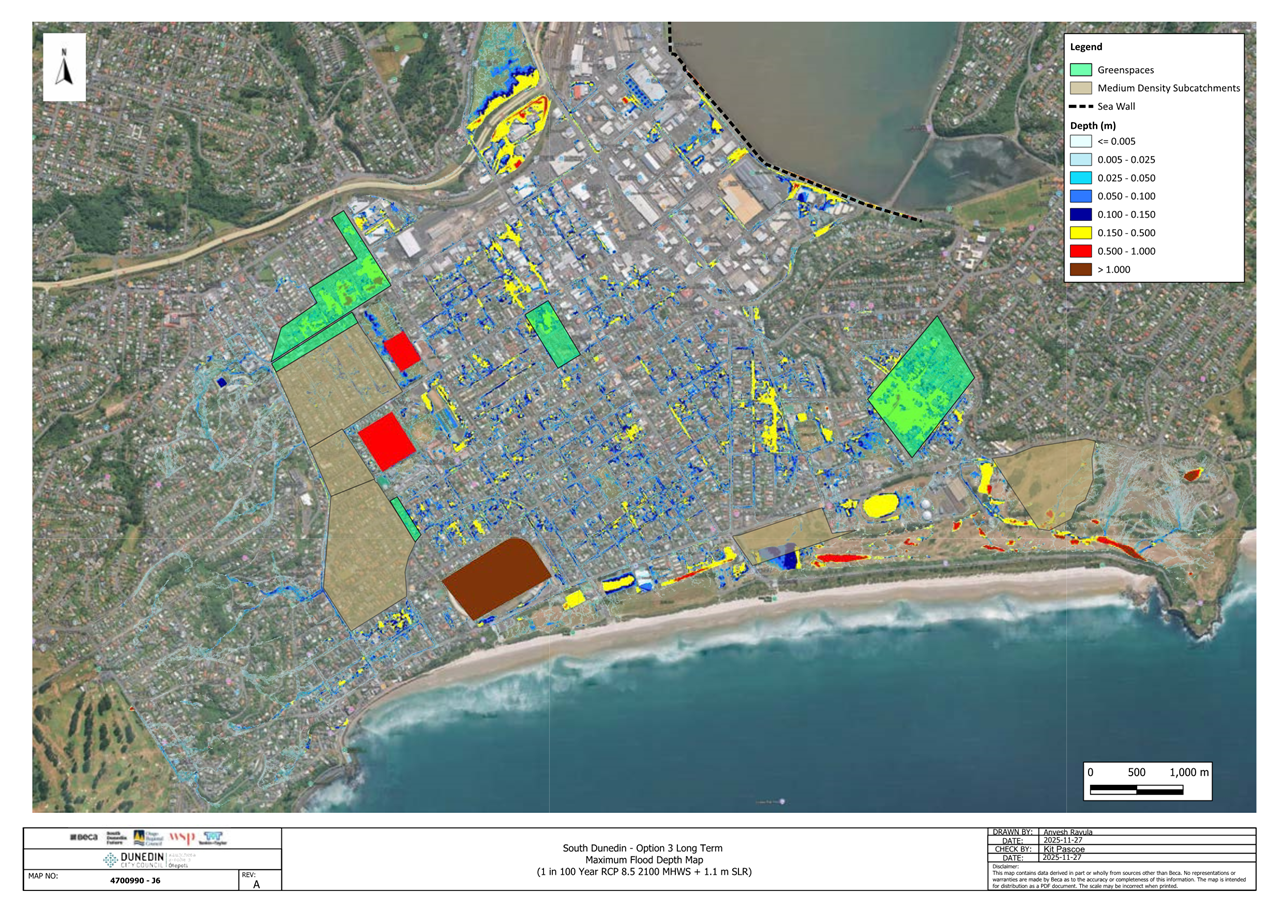
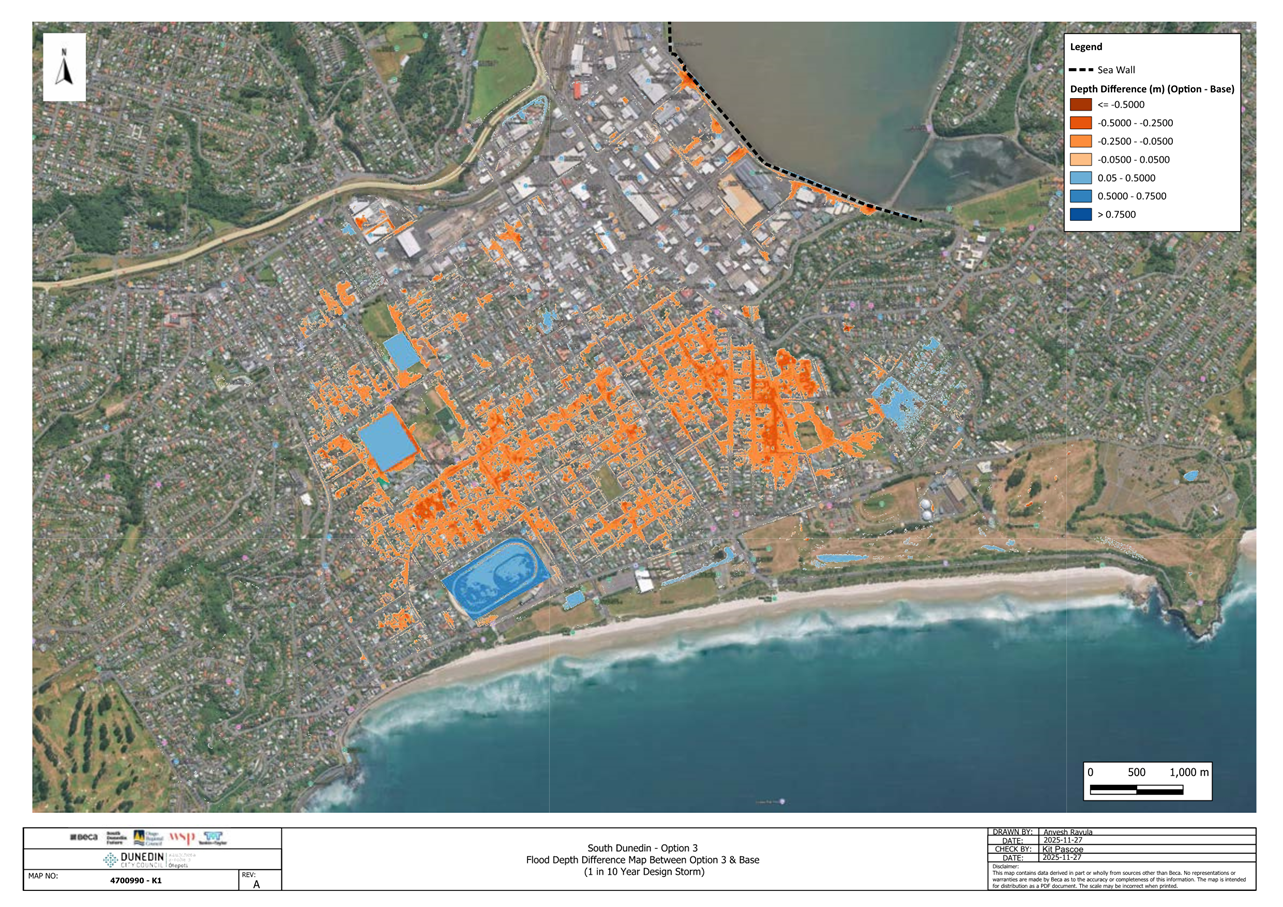
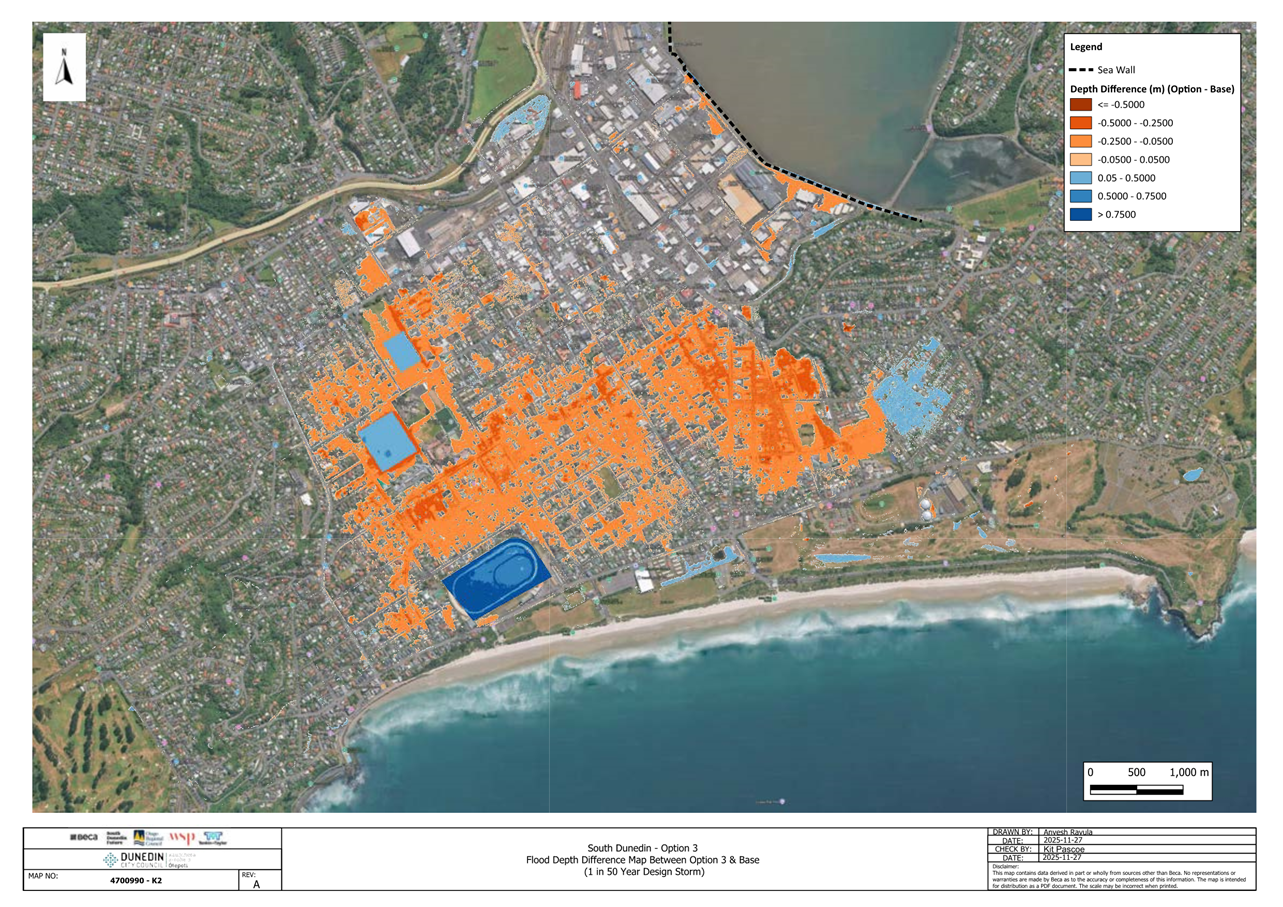
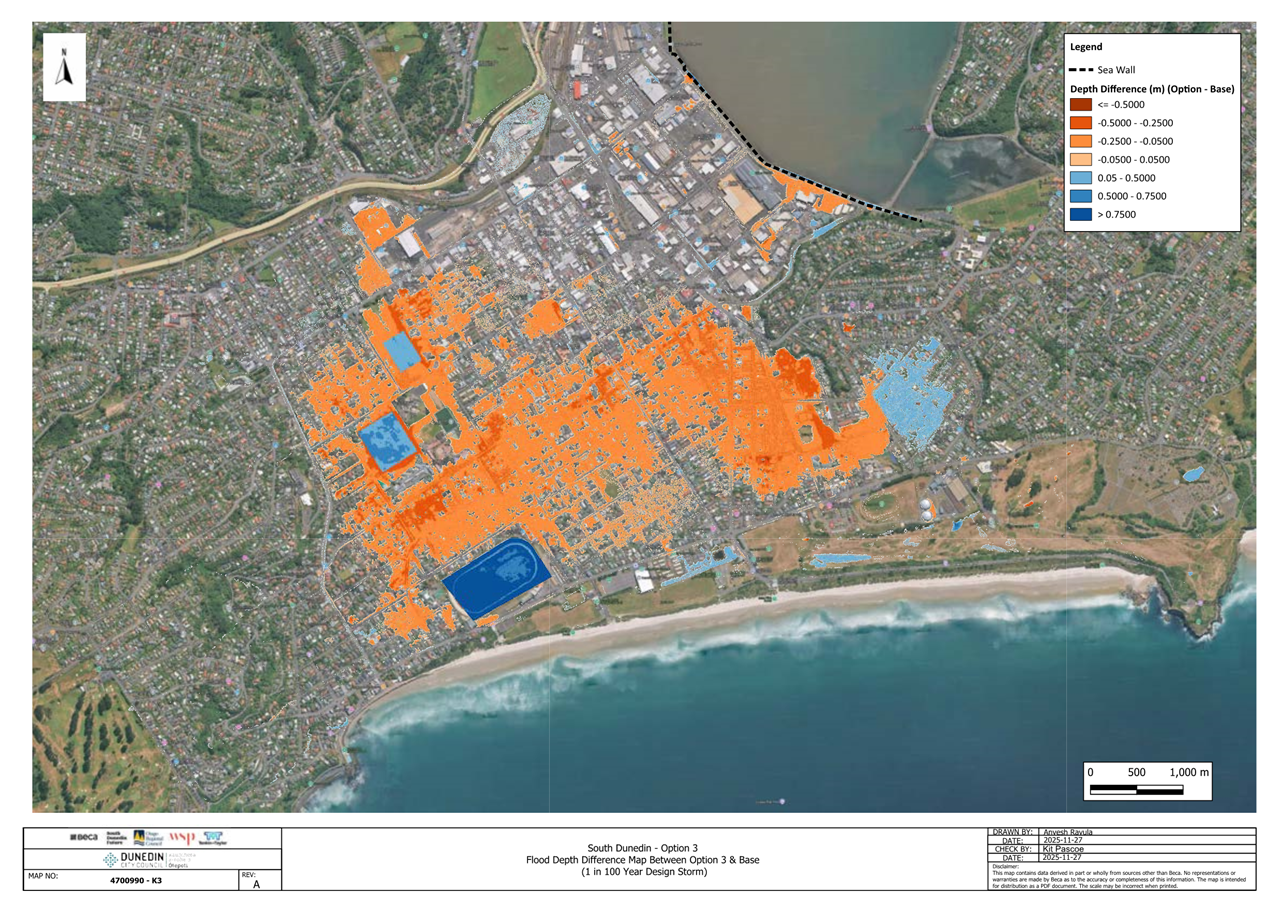
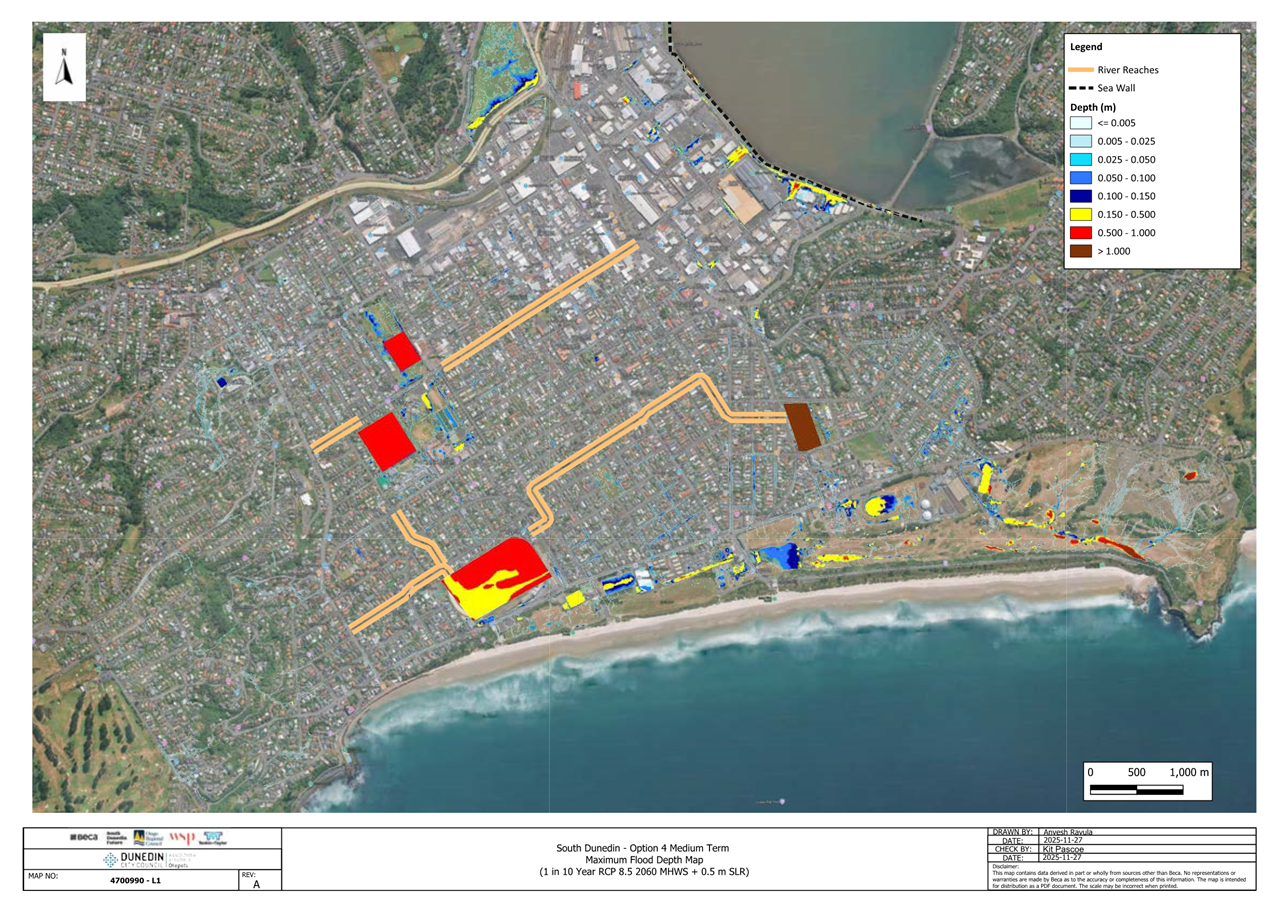
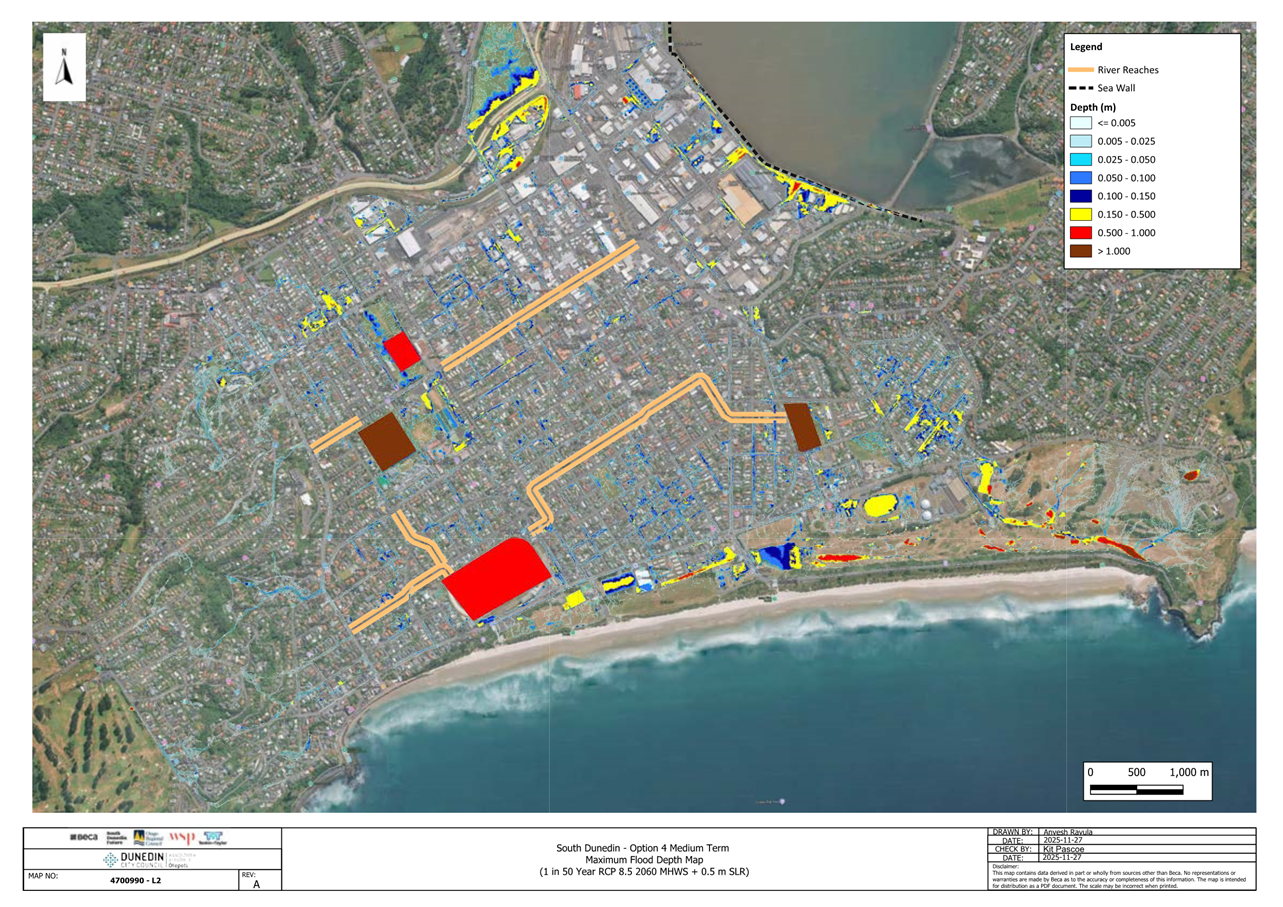
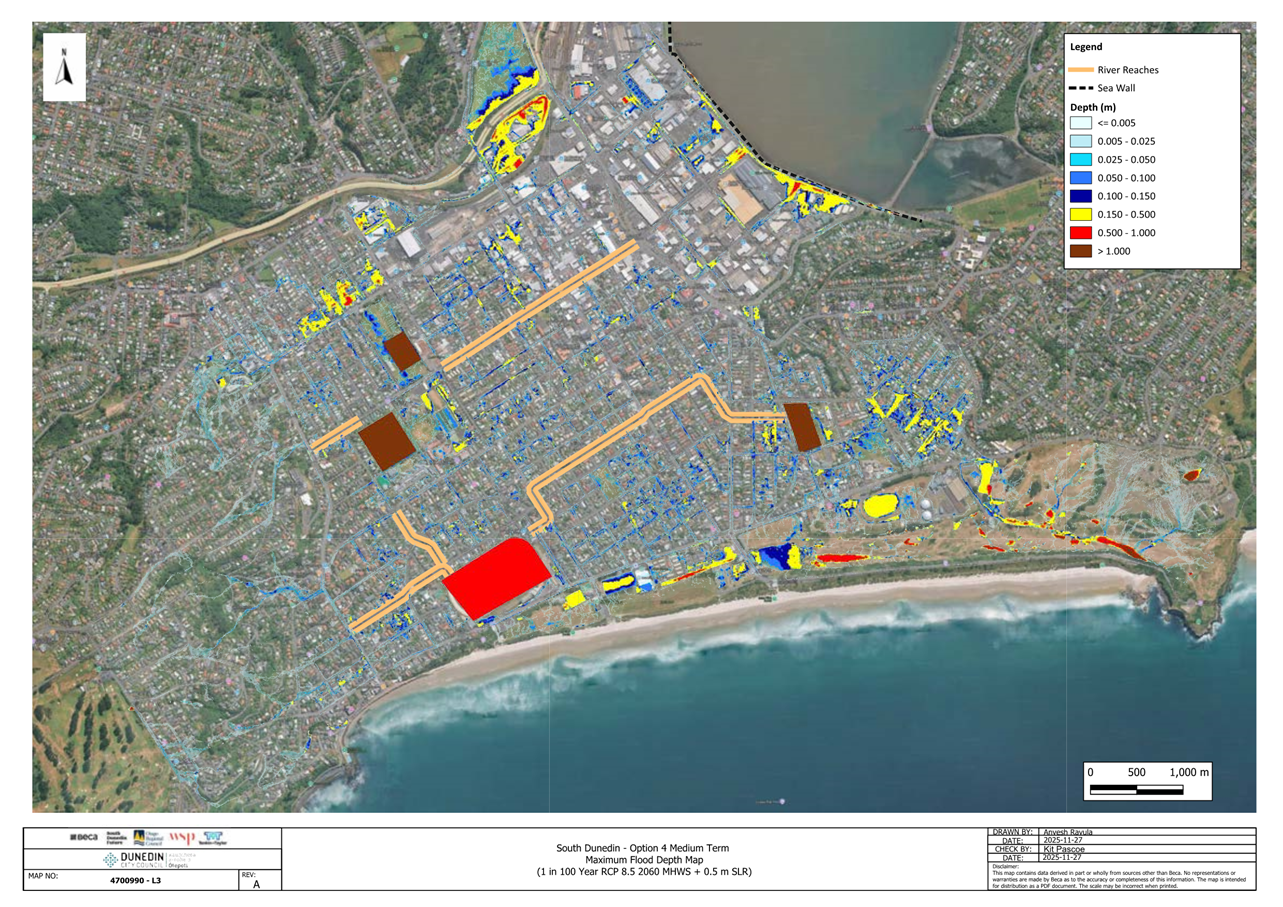
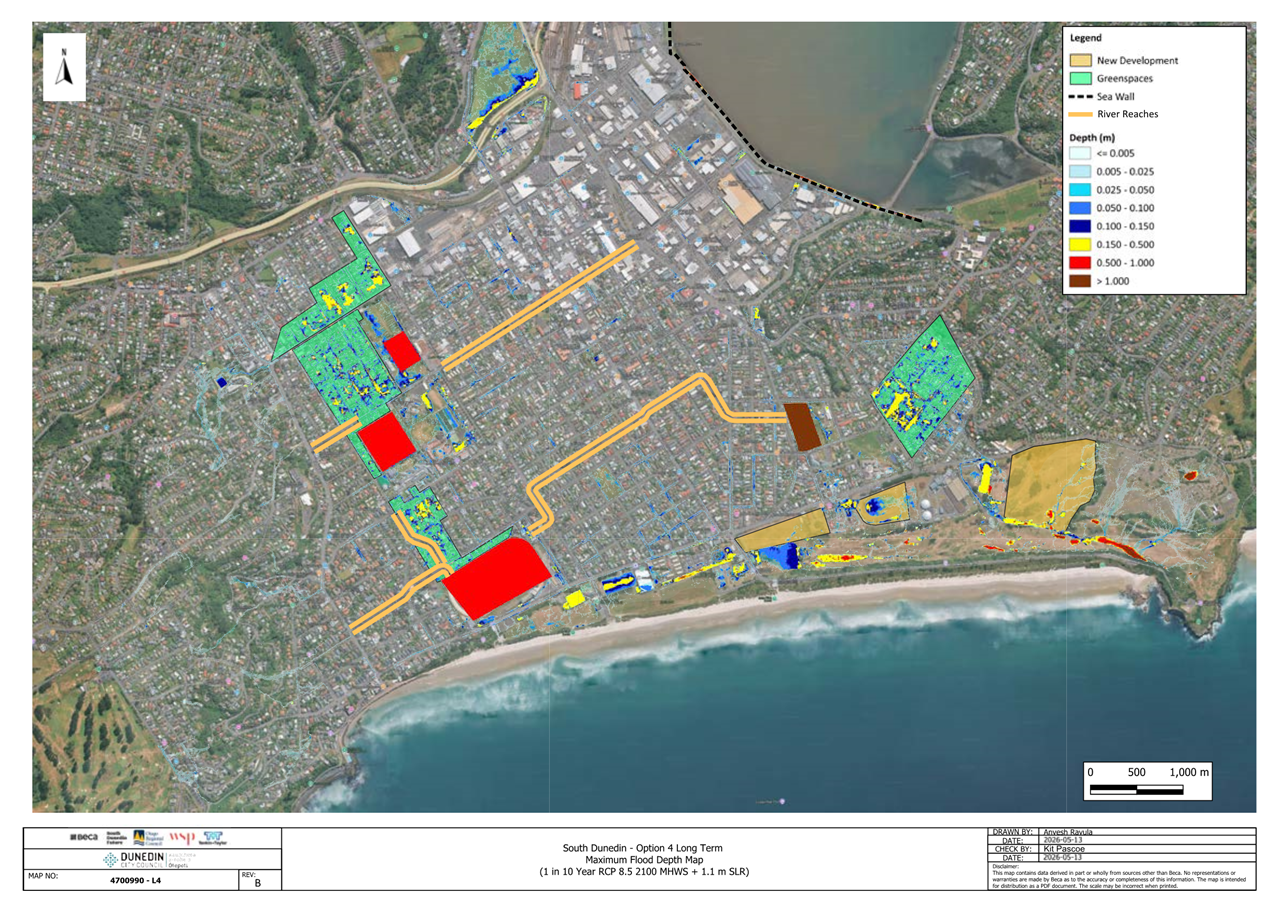
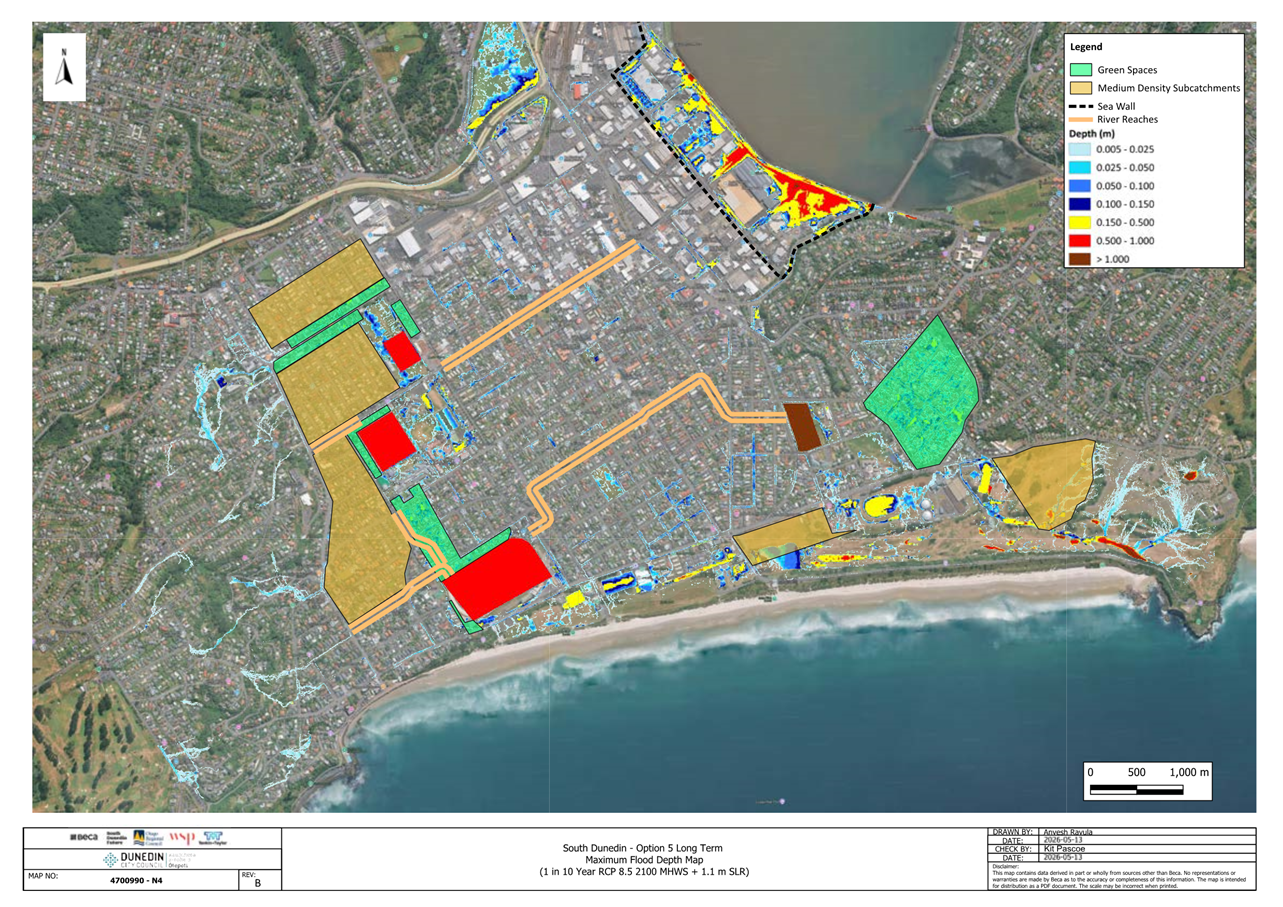
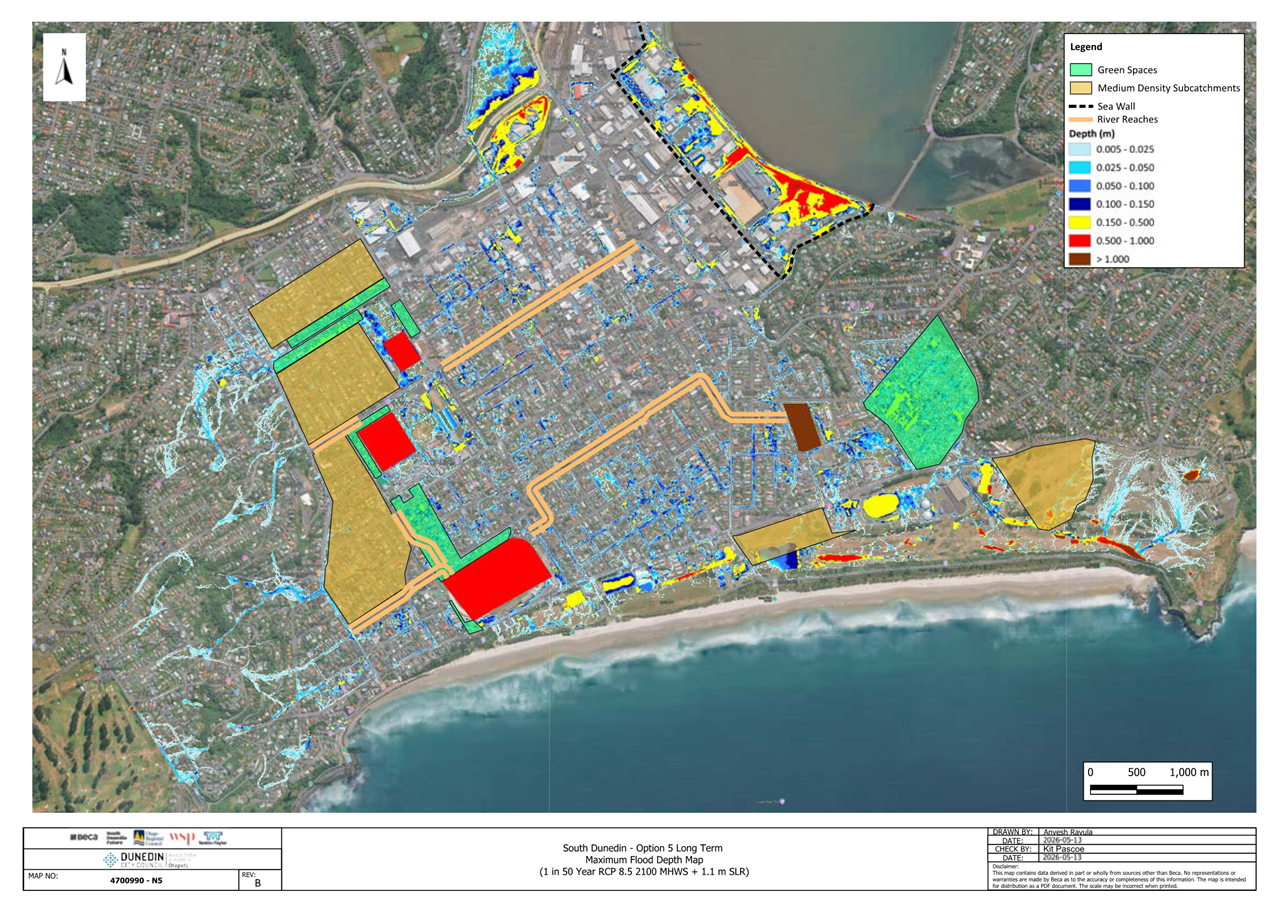
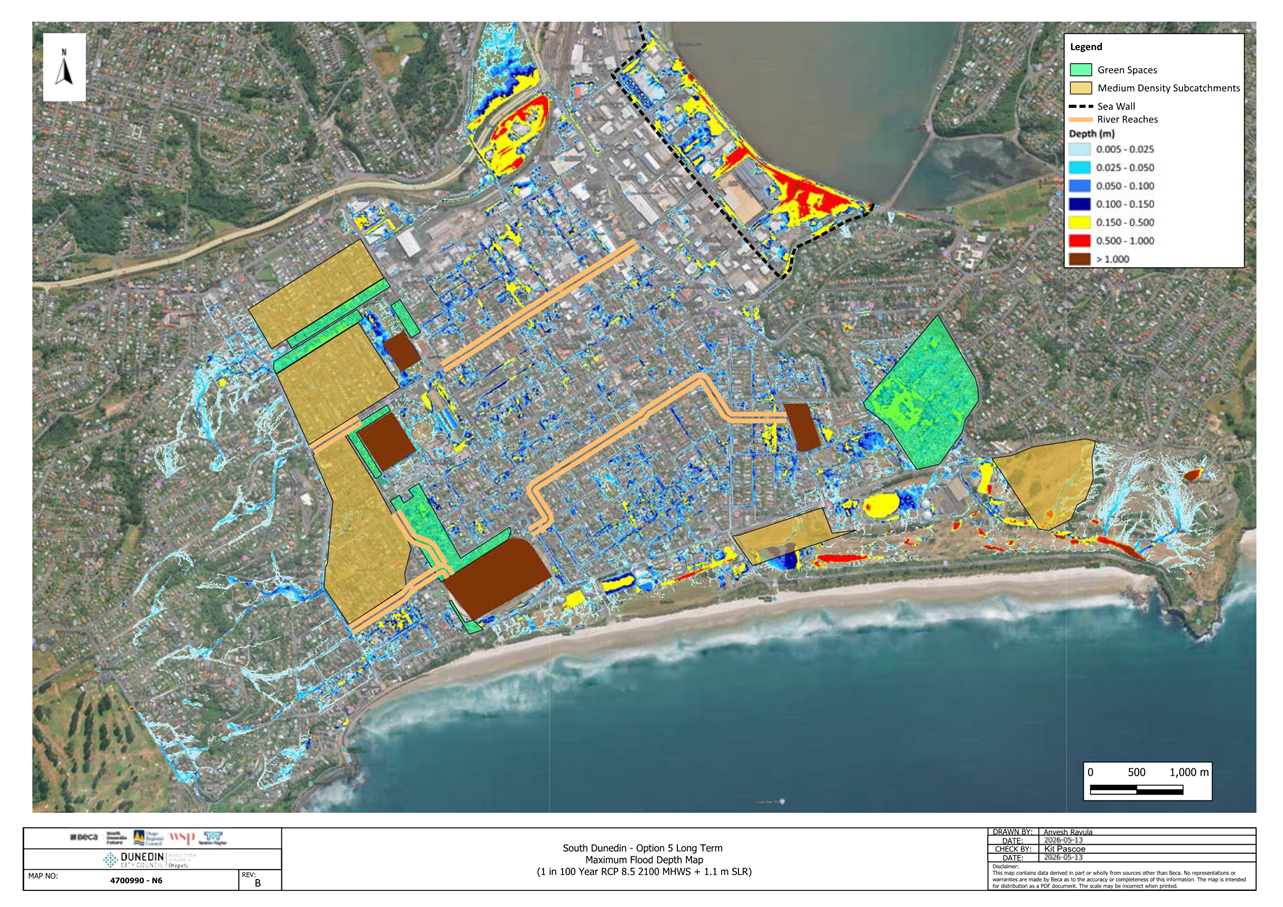
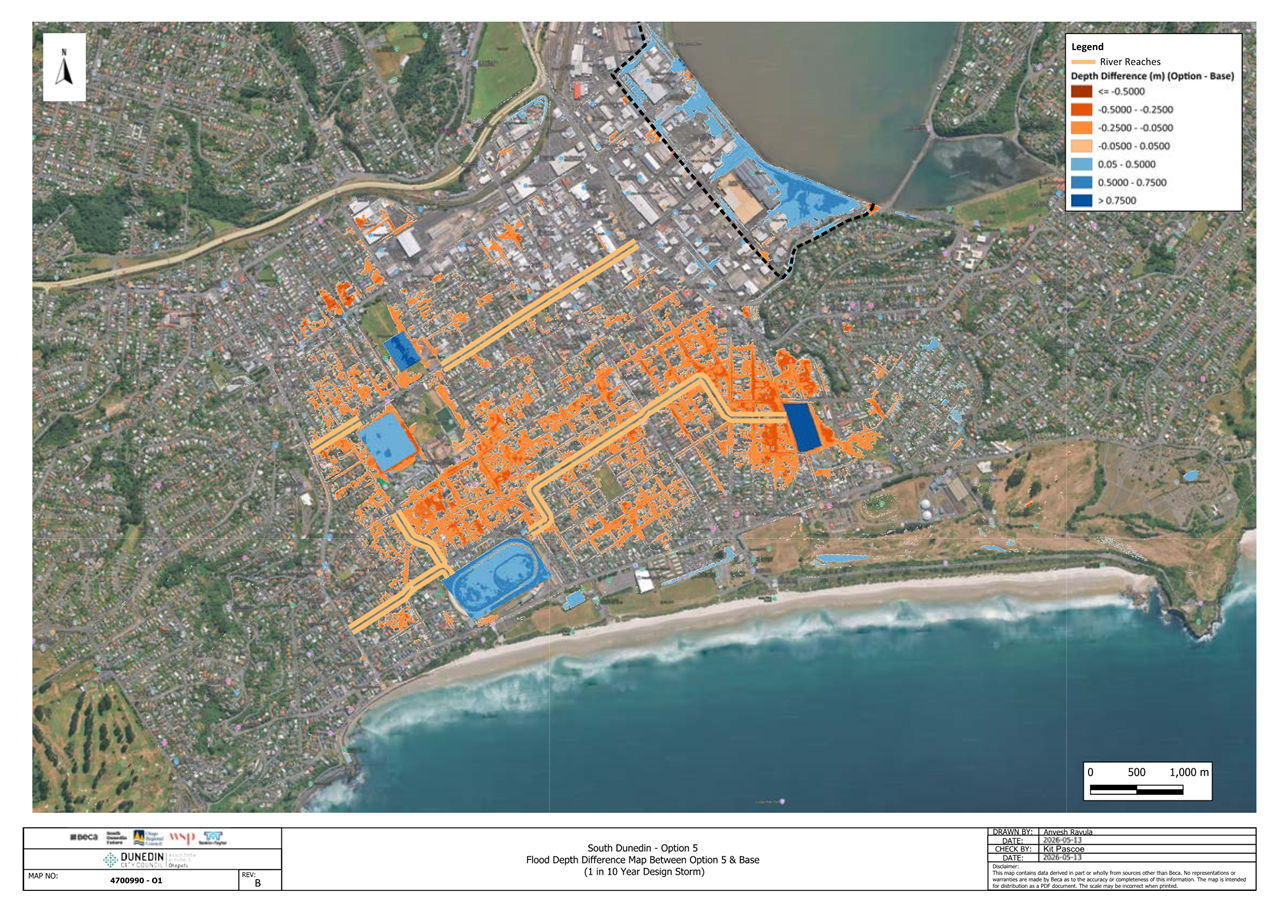
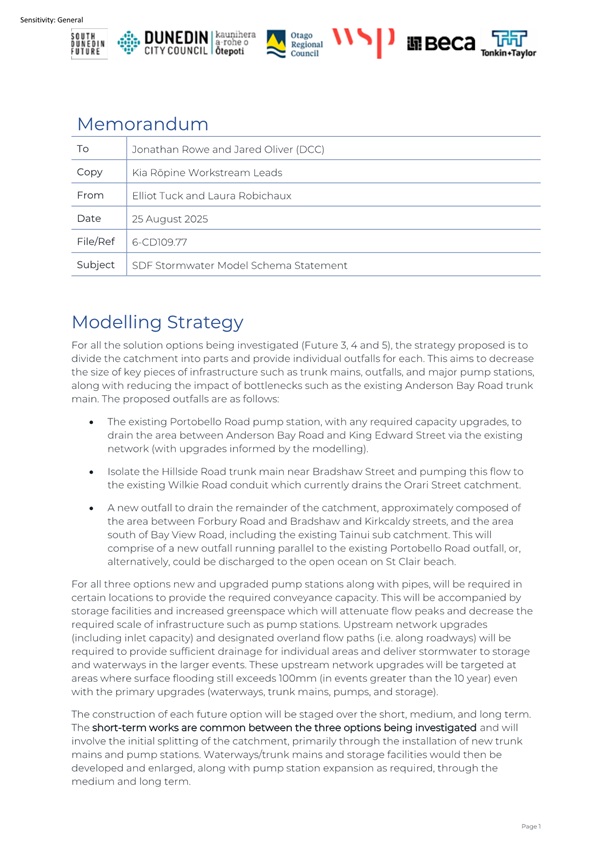
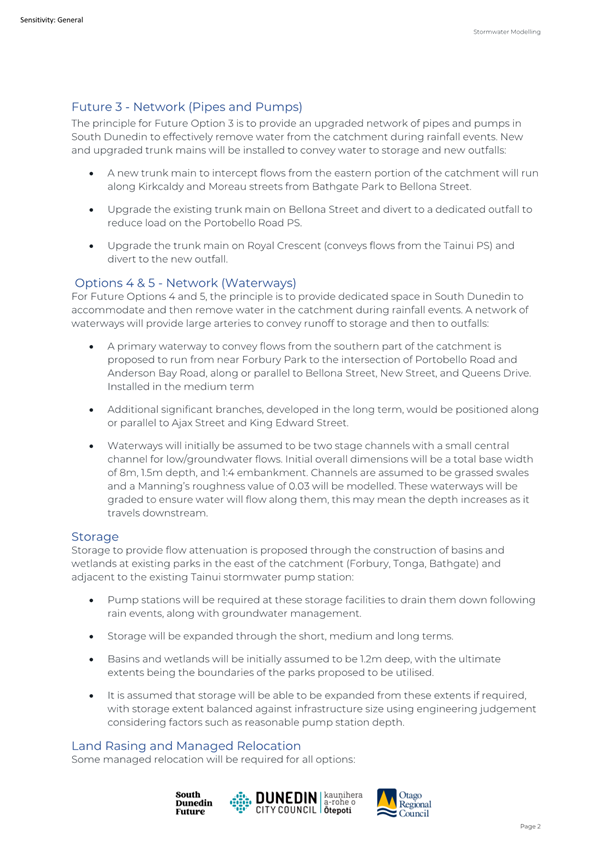
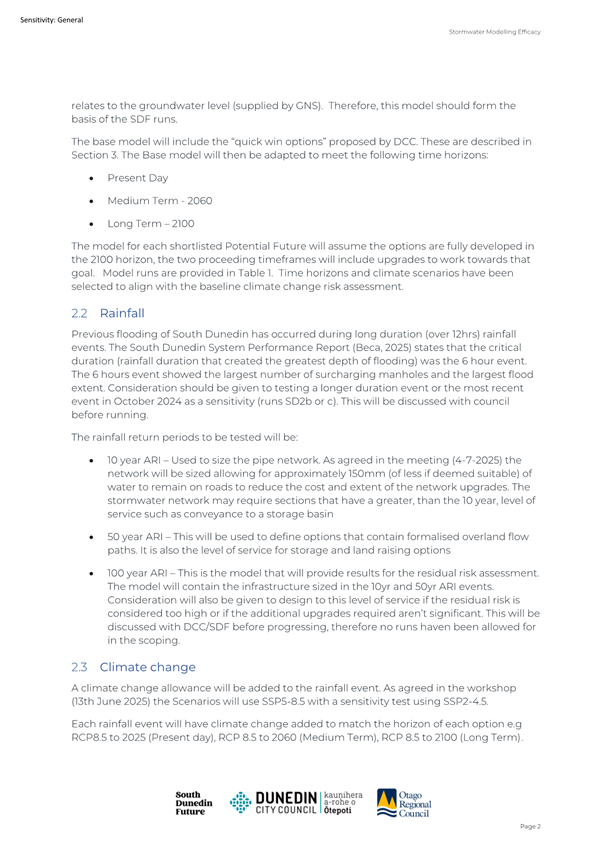
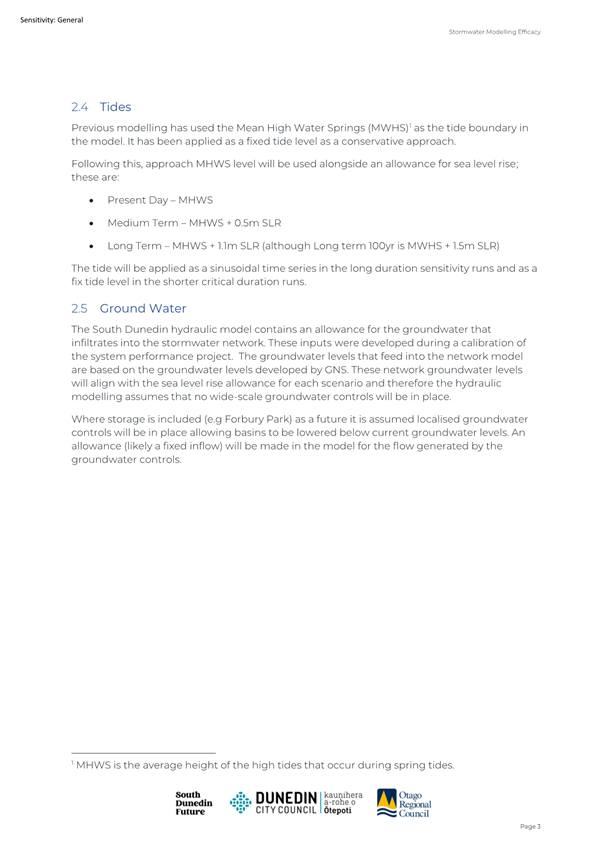
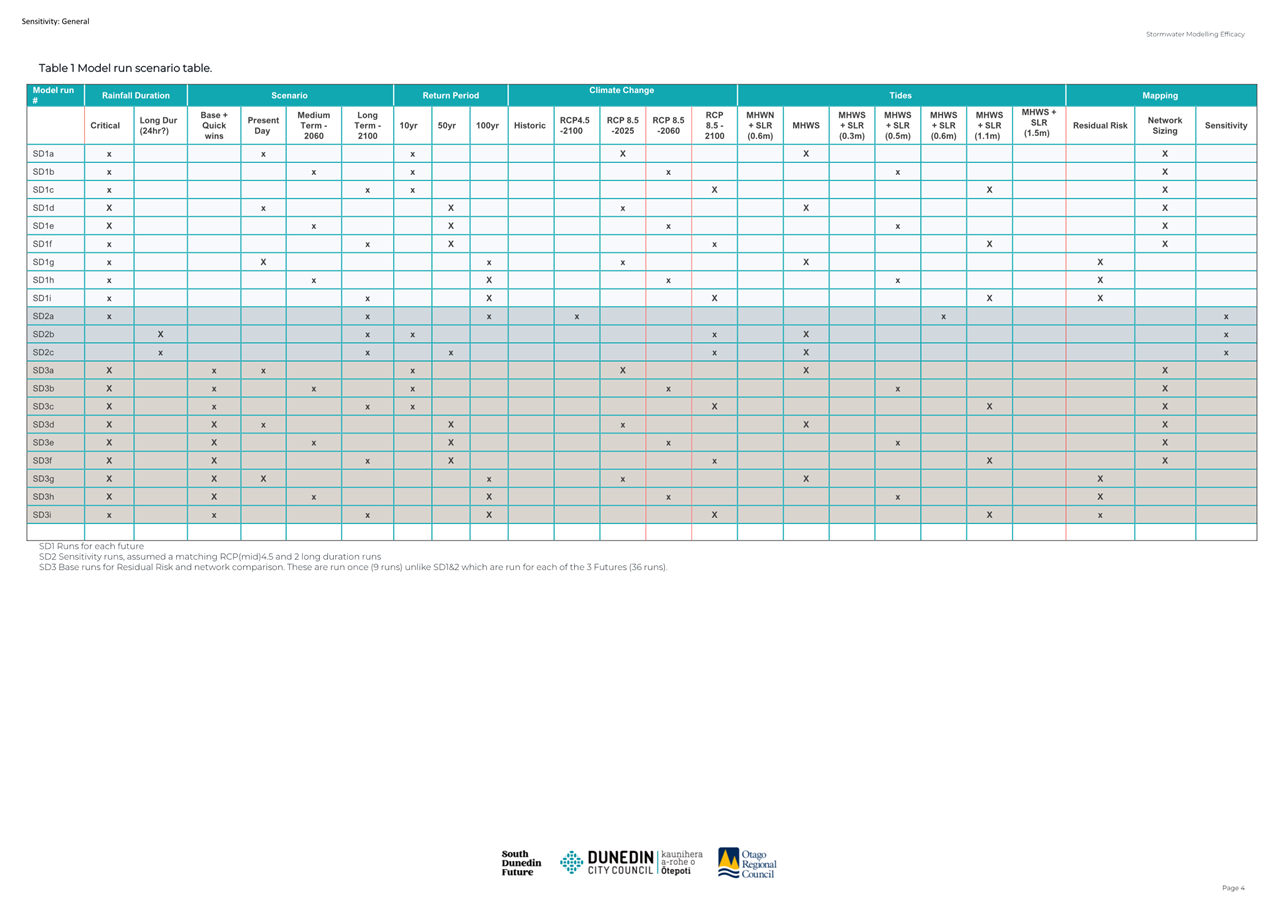
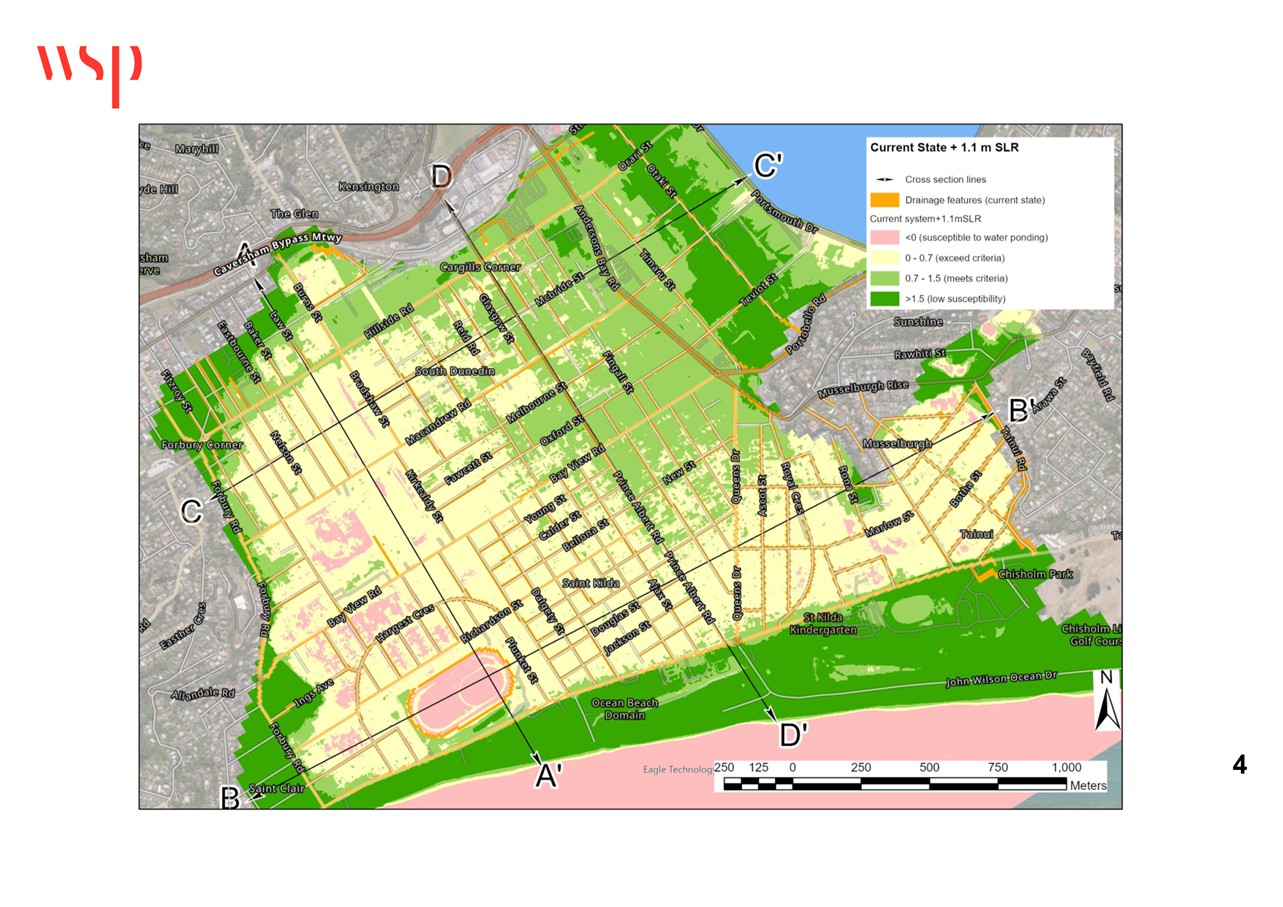
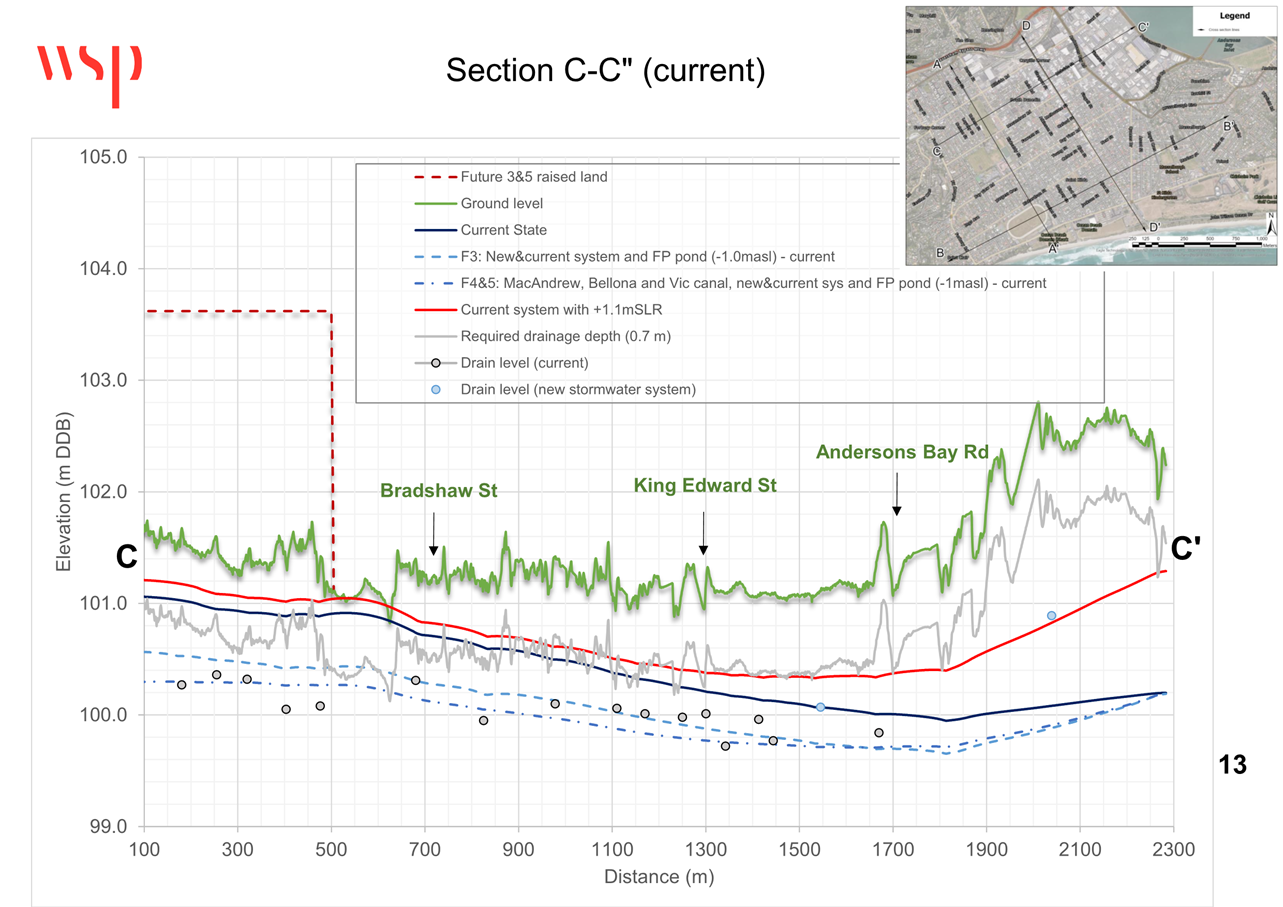
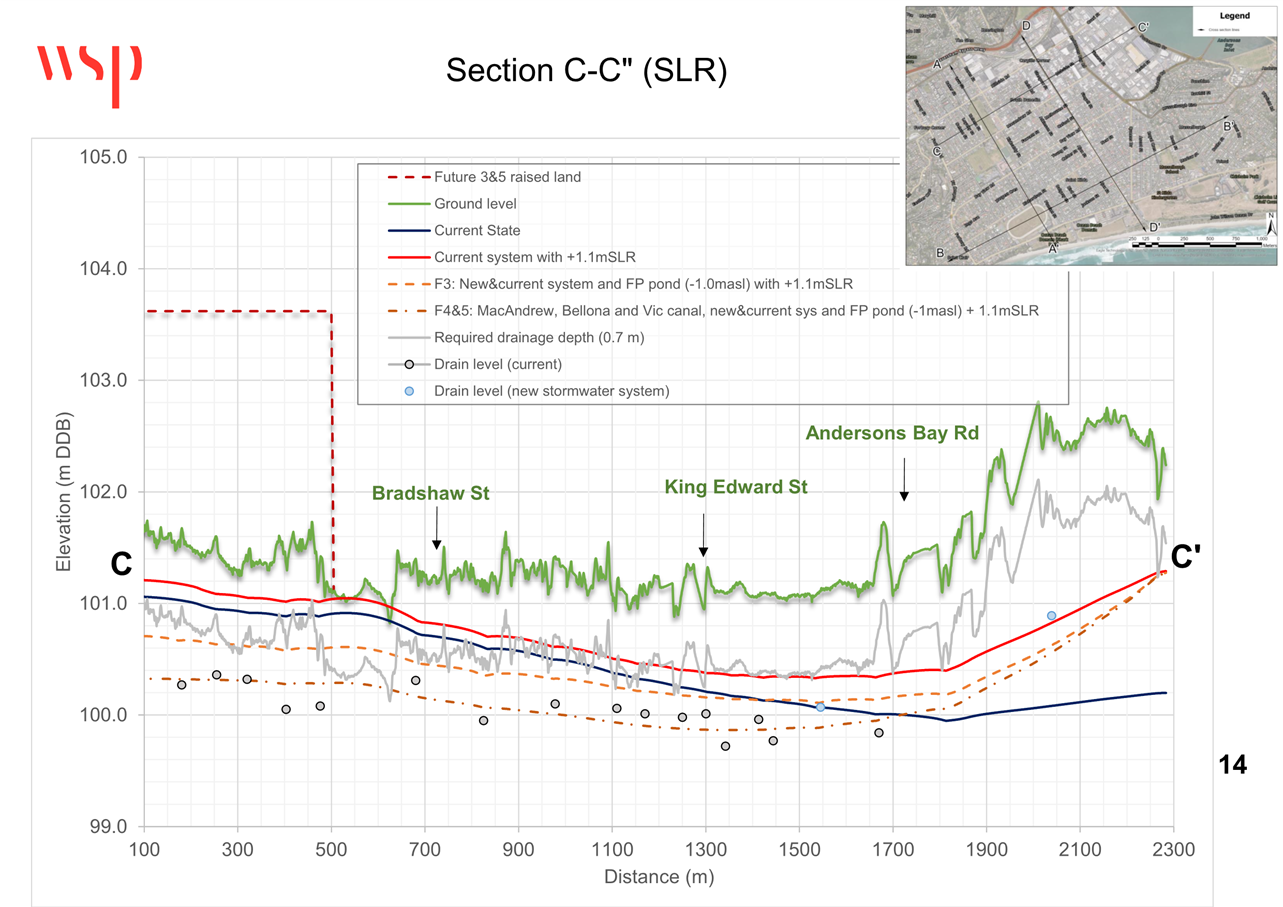
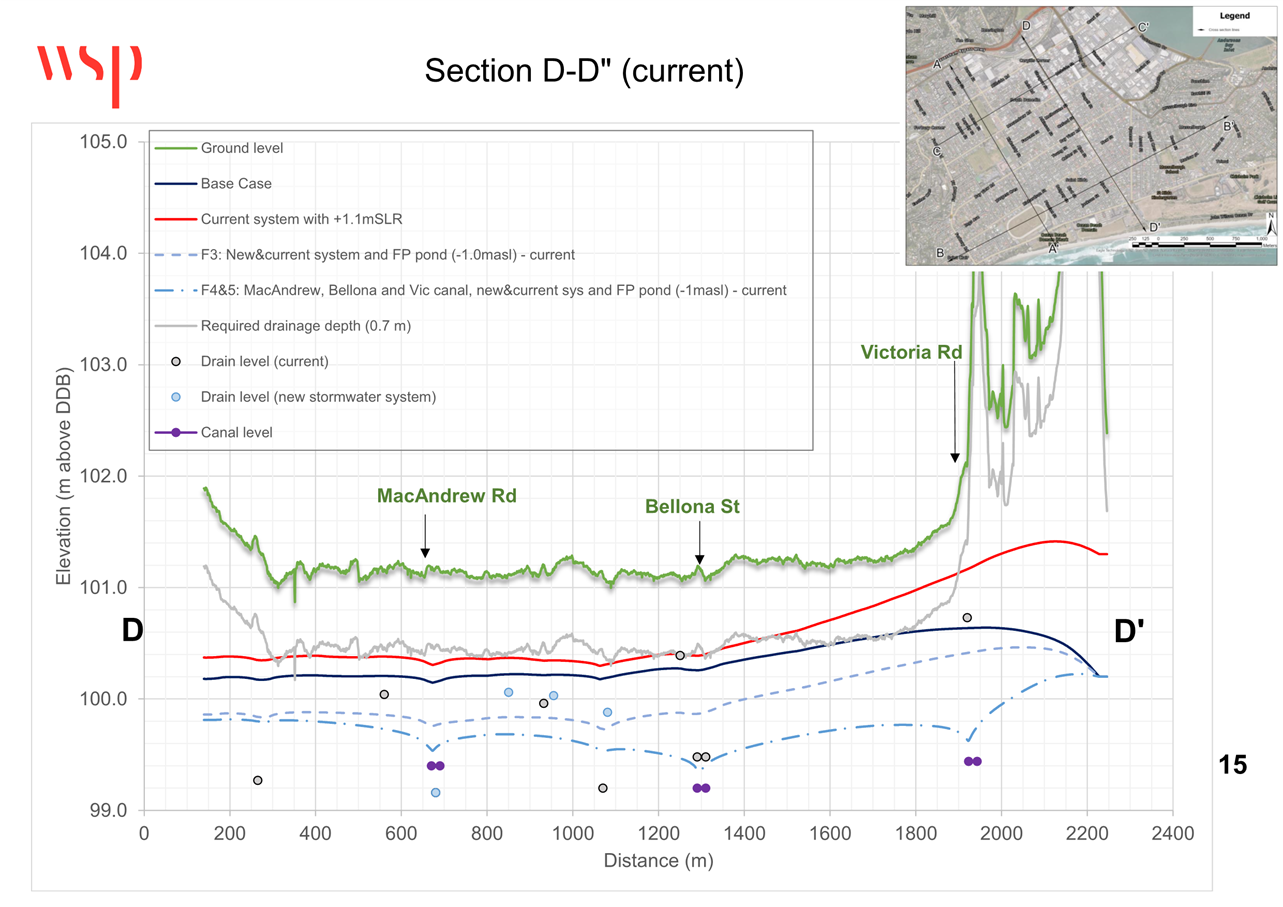
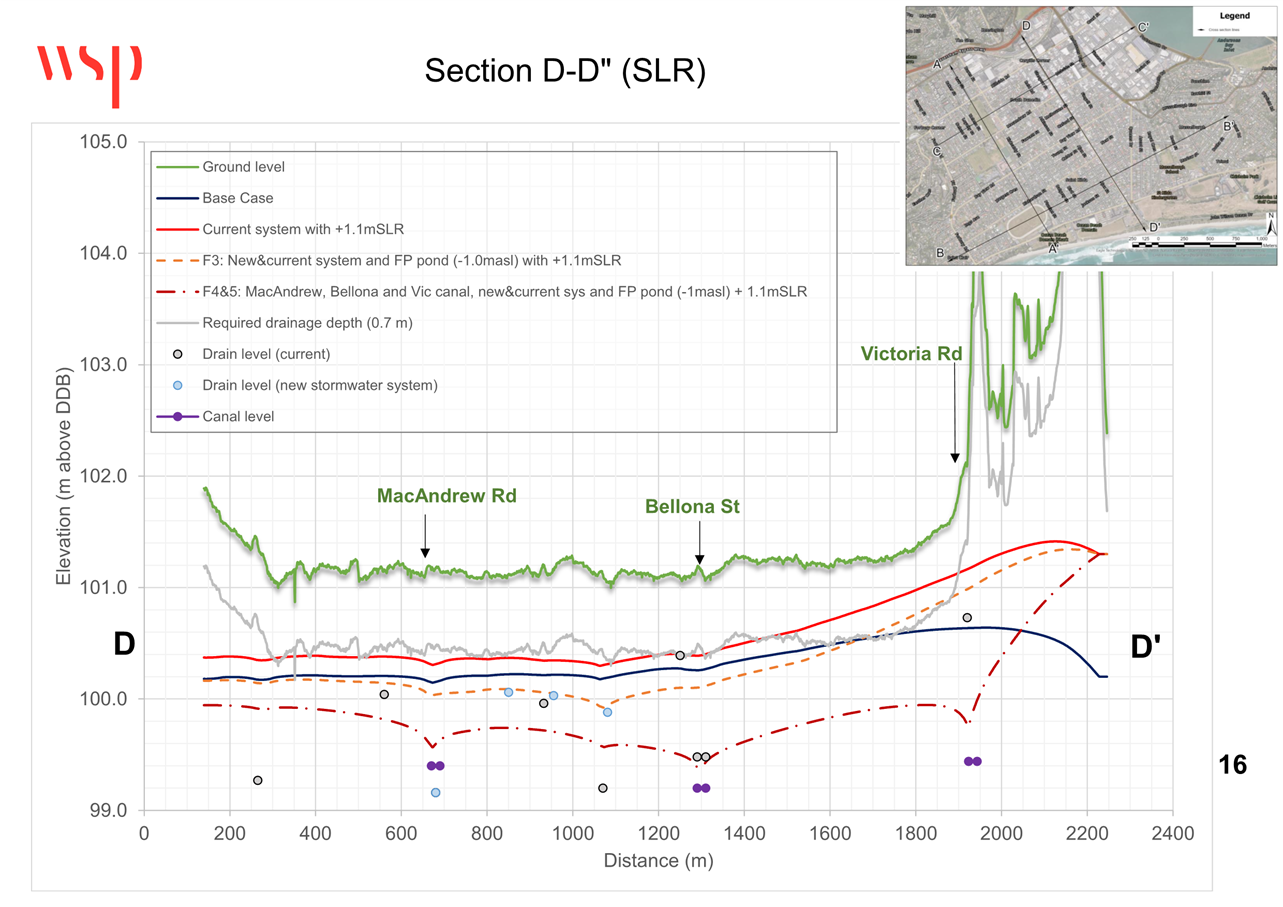
different options, and the level of ongoing risk that may be considered
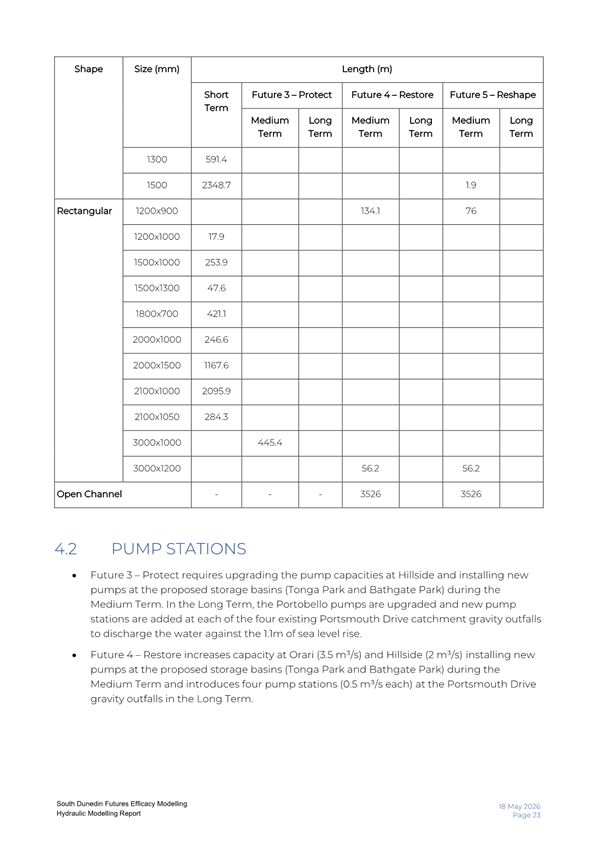
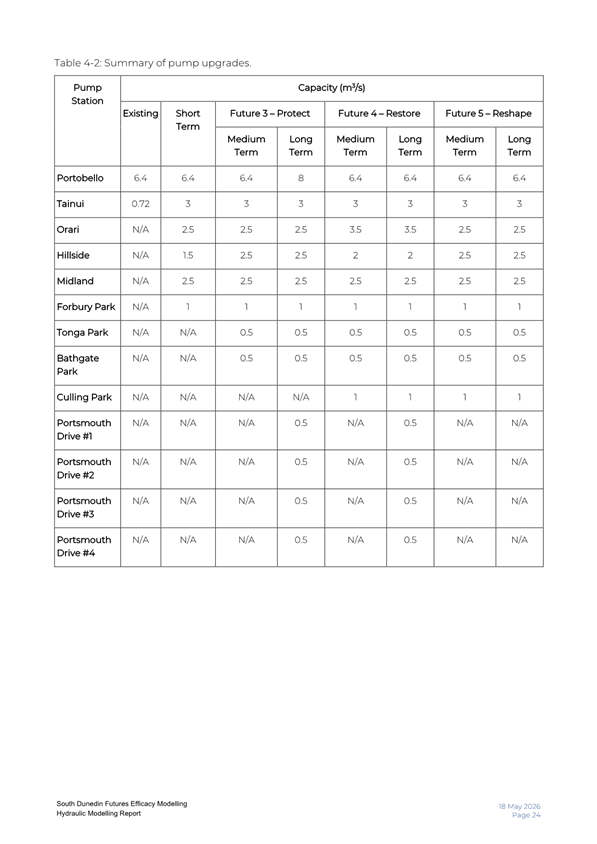
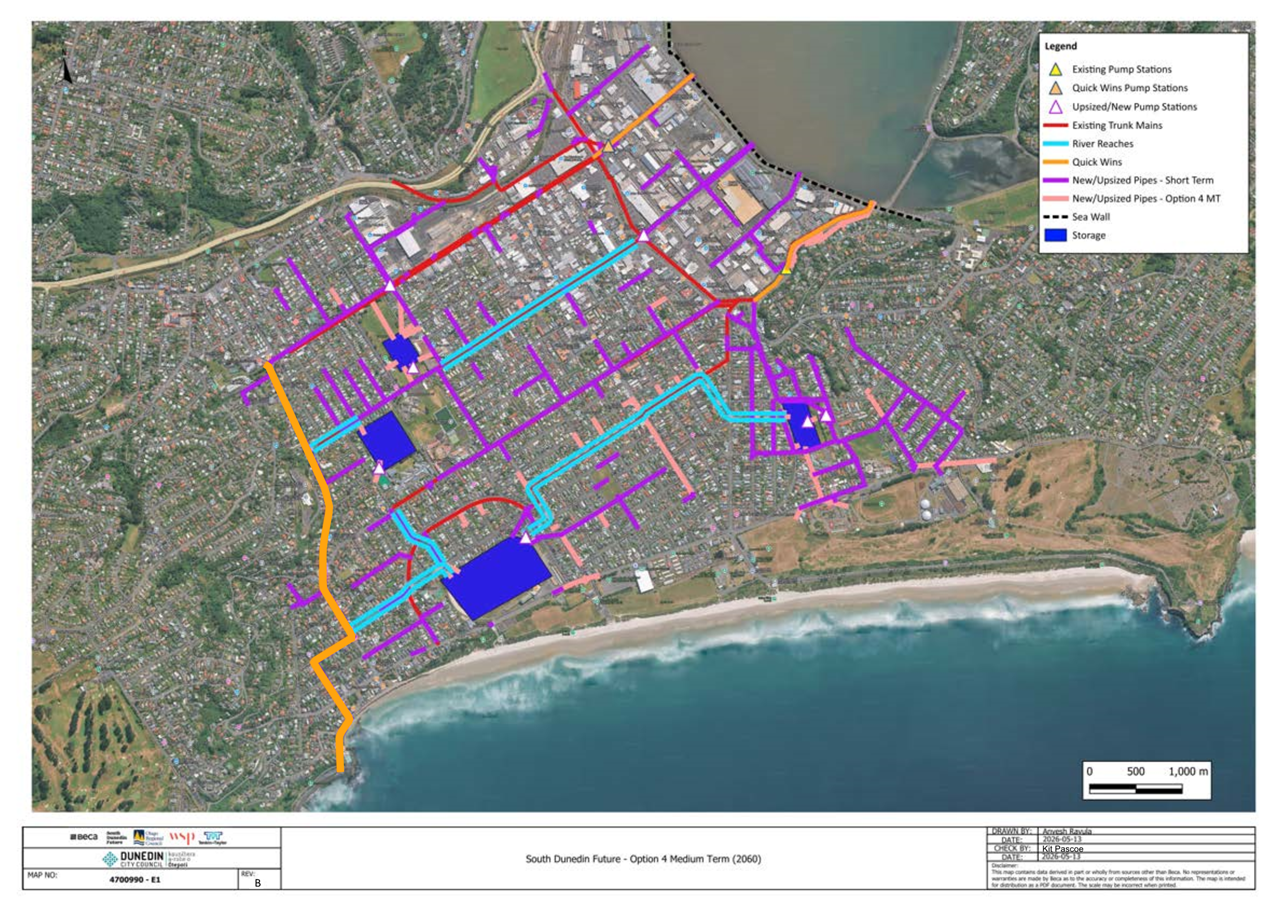
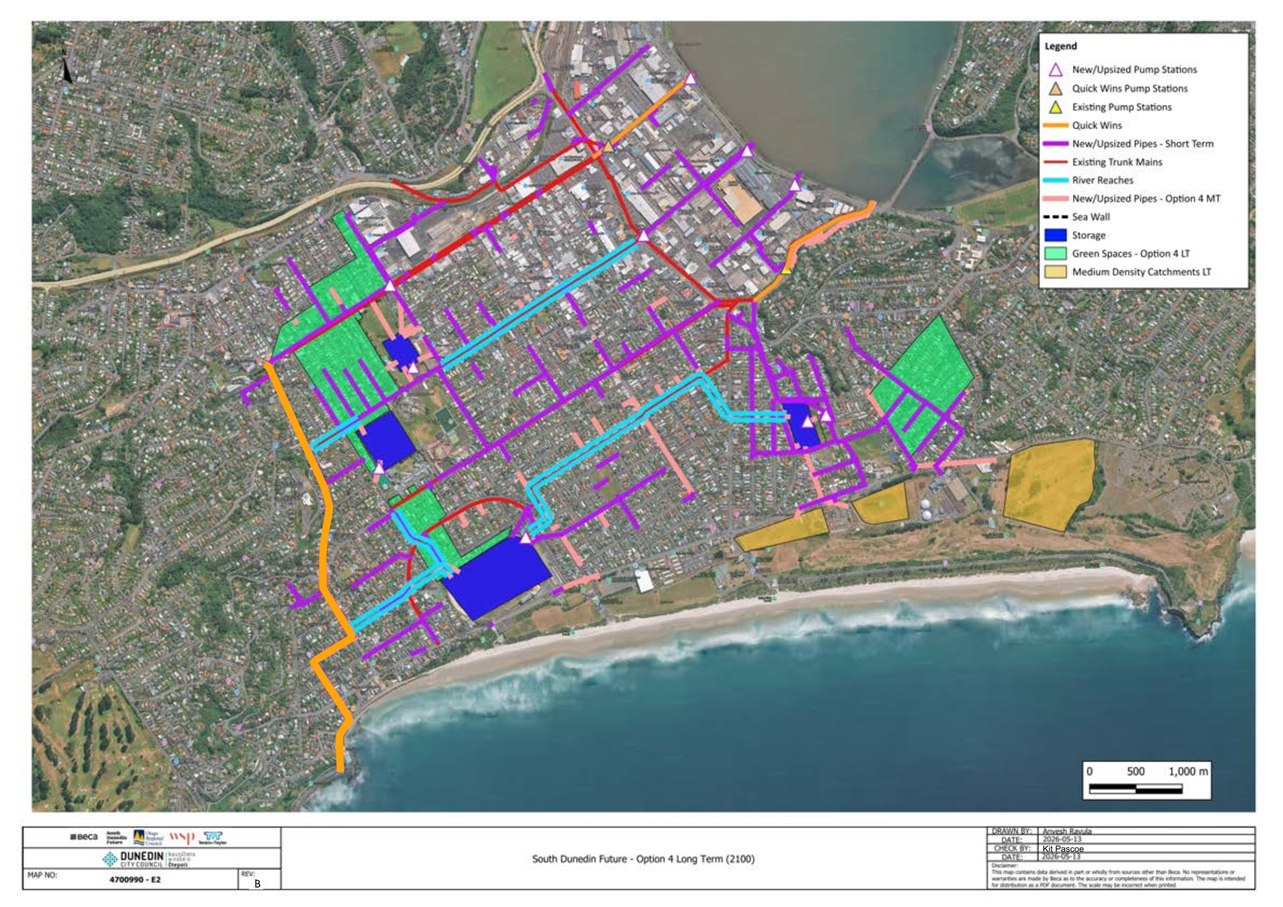
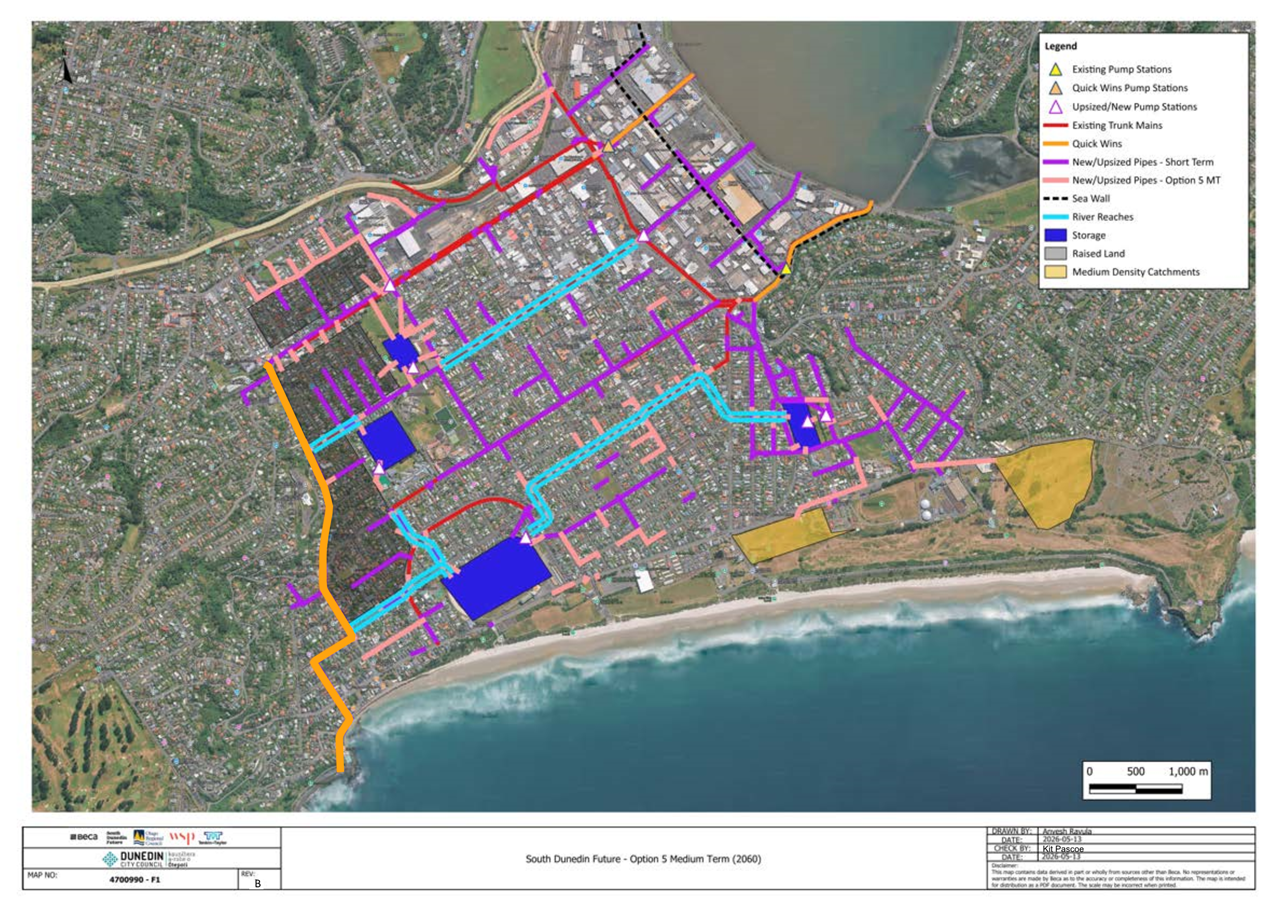
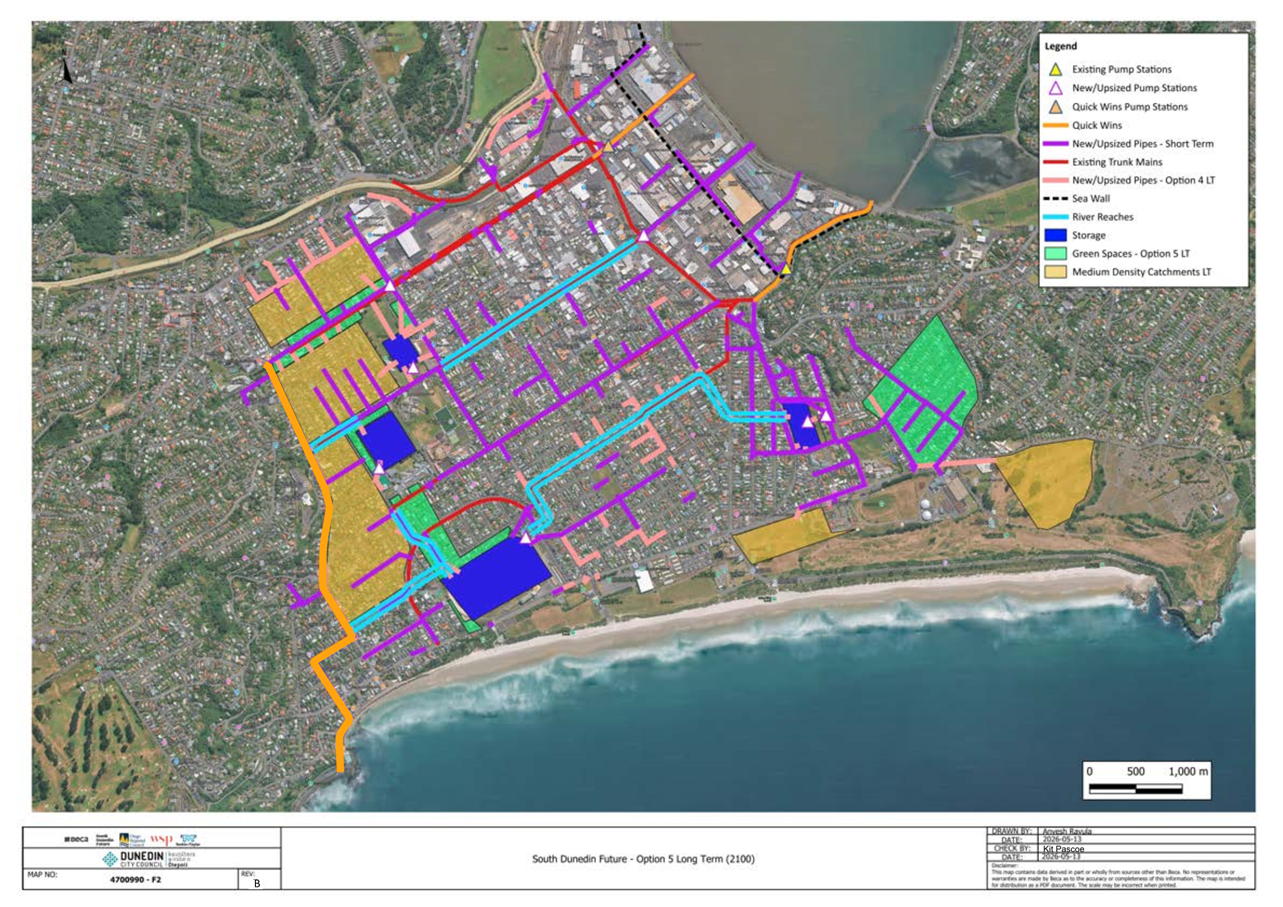
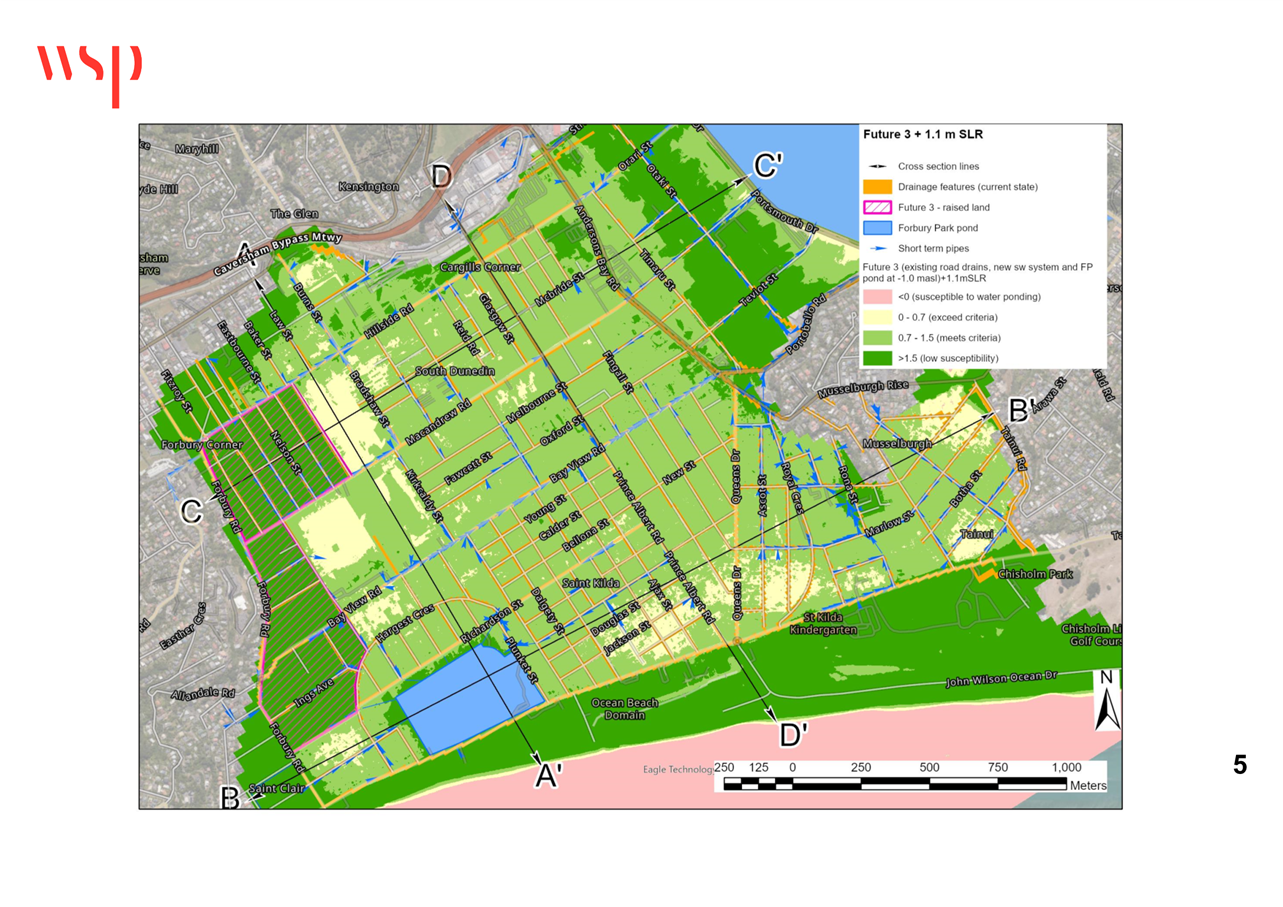
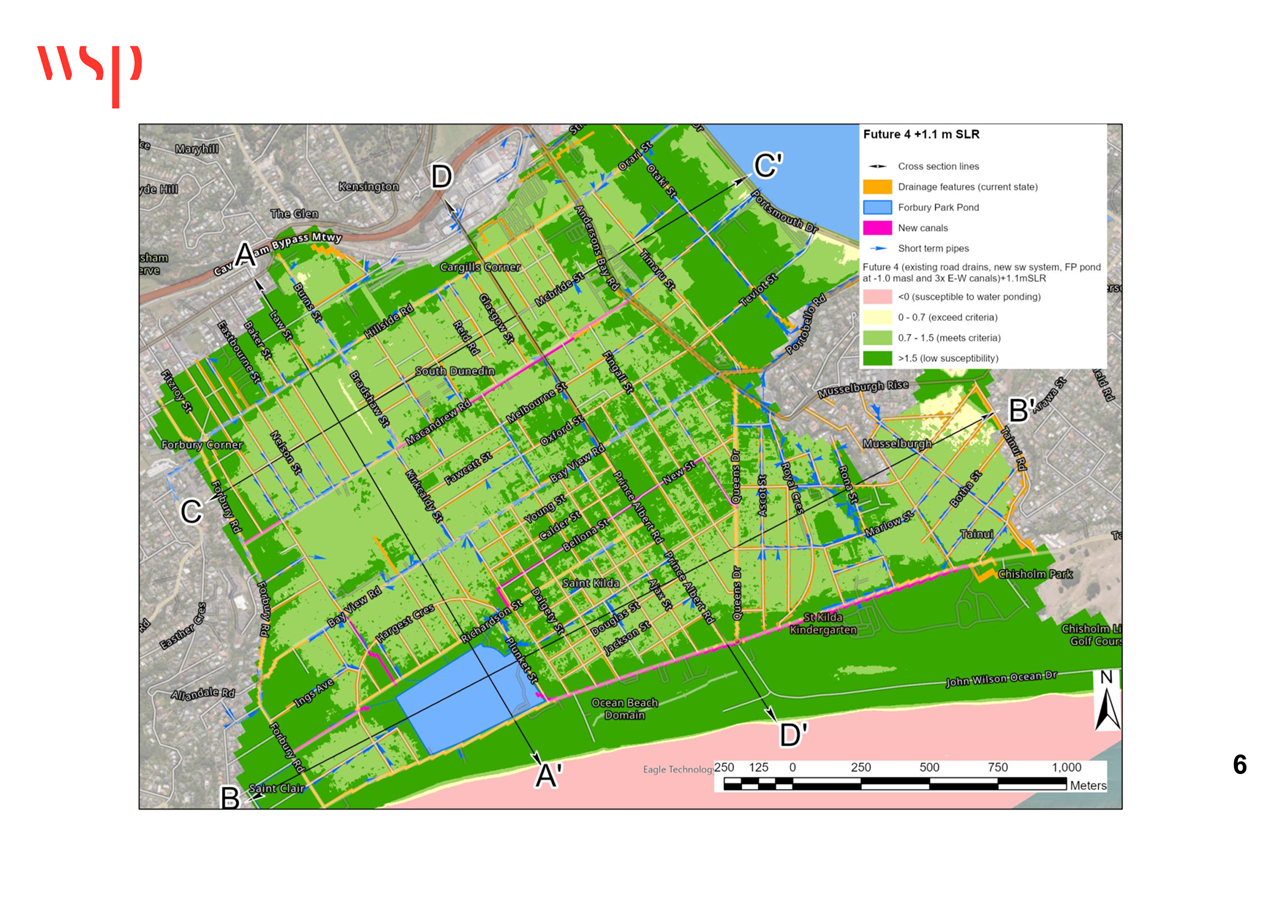
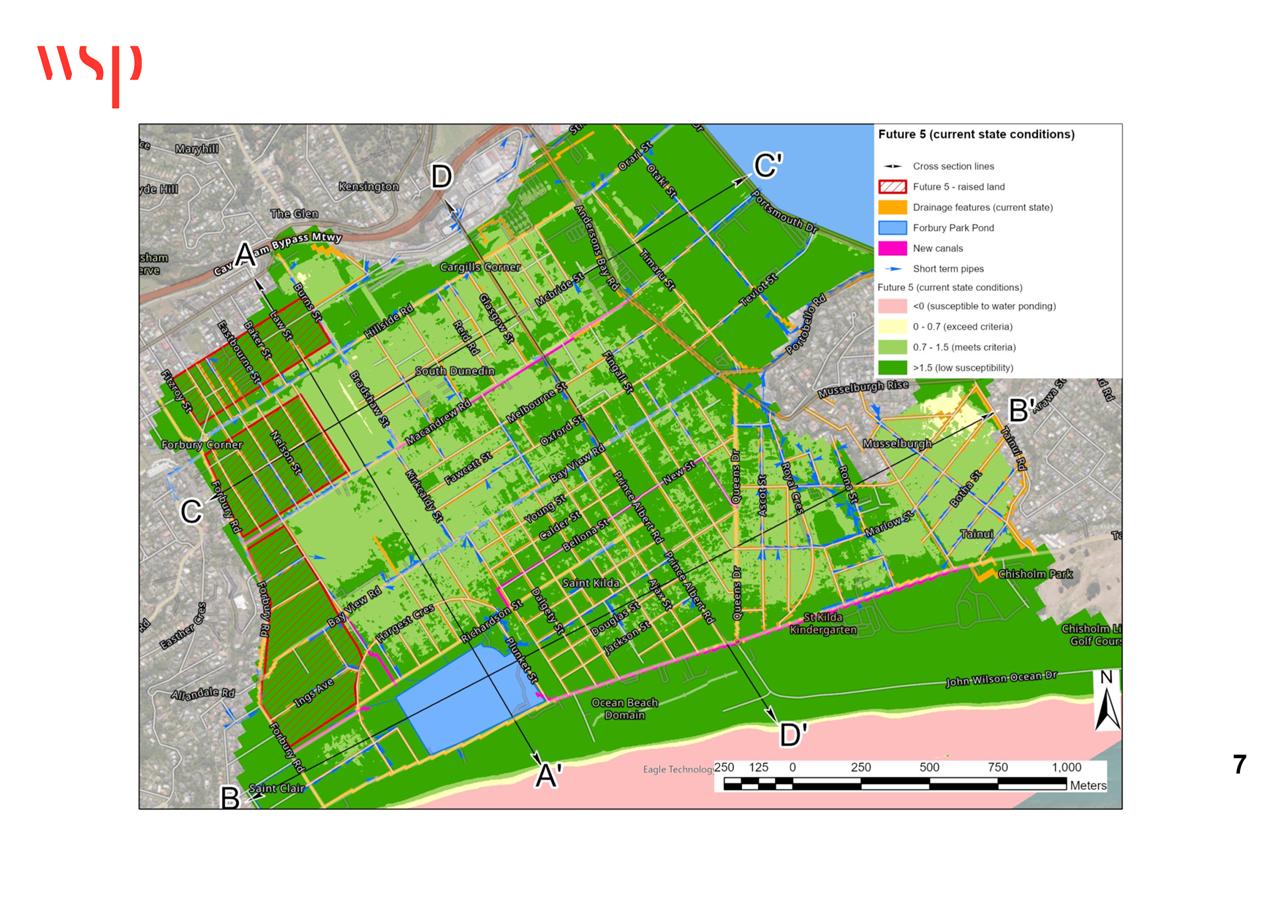
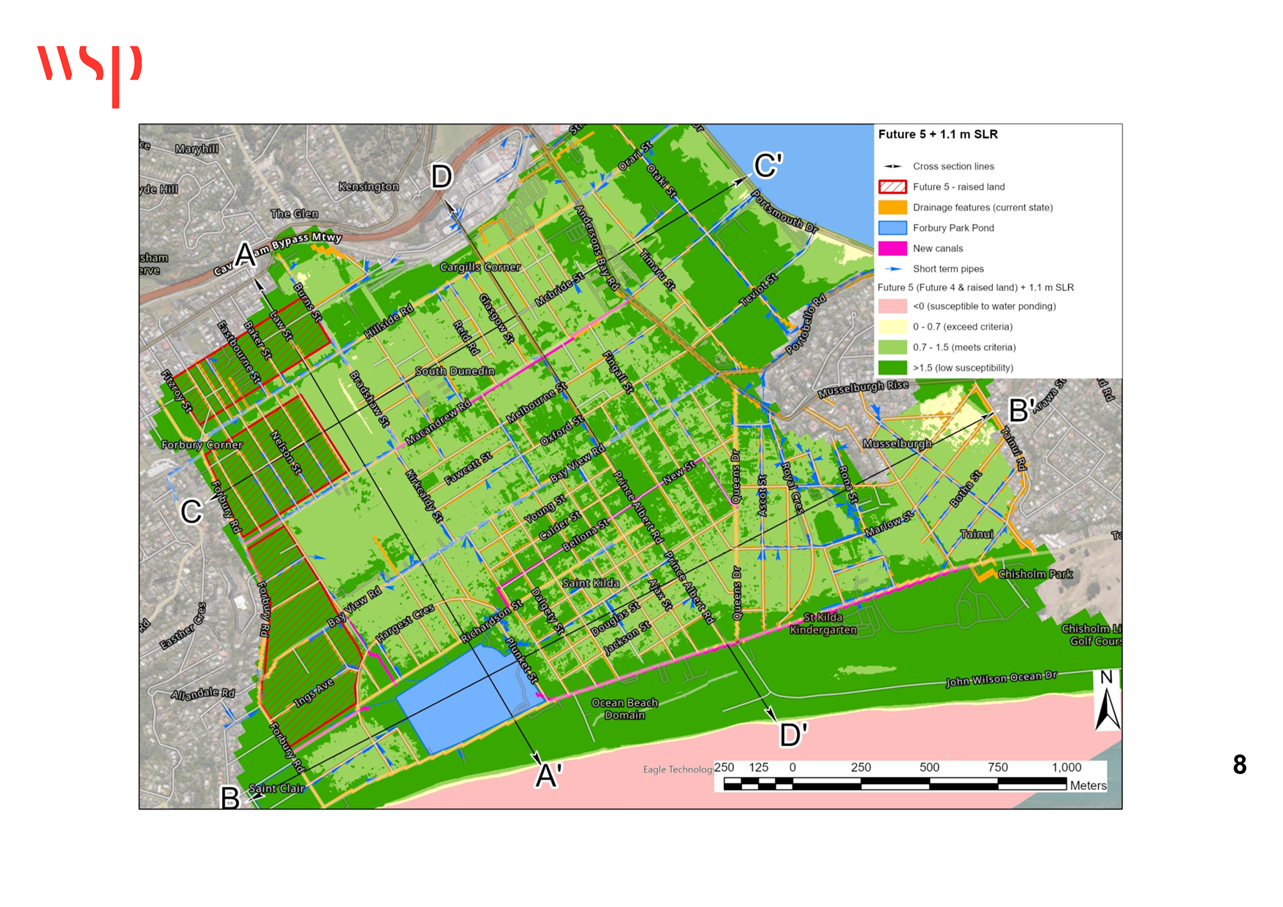
acceptable now and in the future. The SDF programme was designed as a vehicle
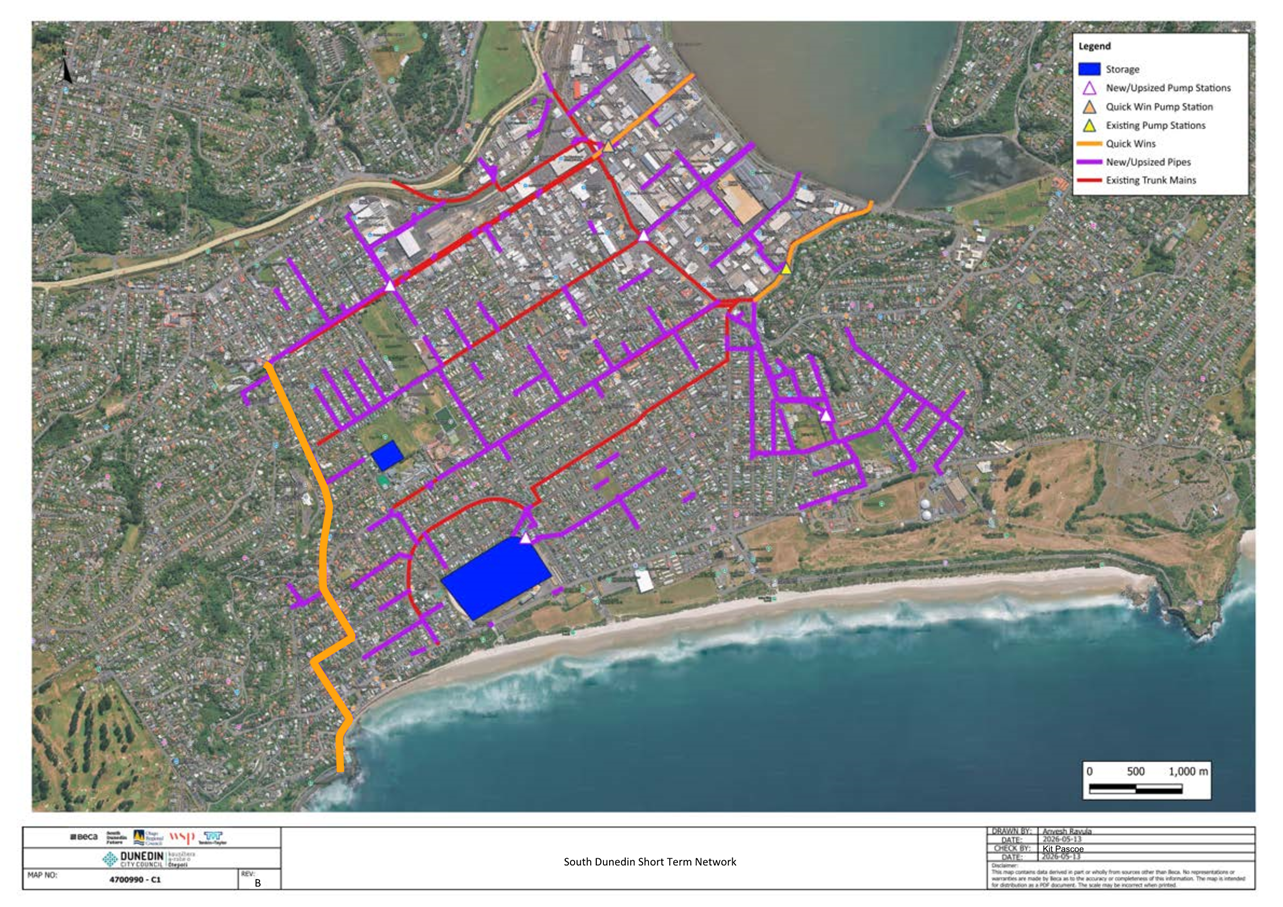
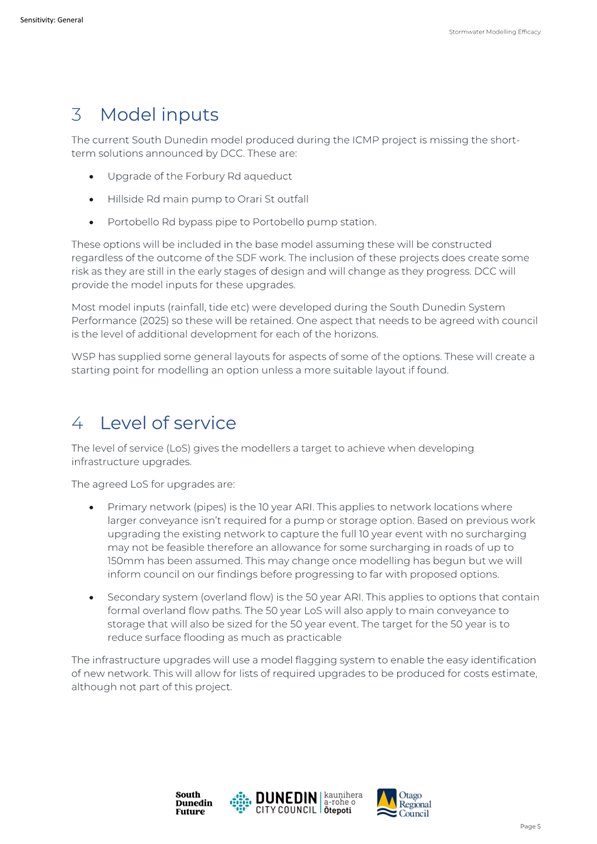
for facilitating related analysis, discussions, and decisions.
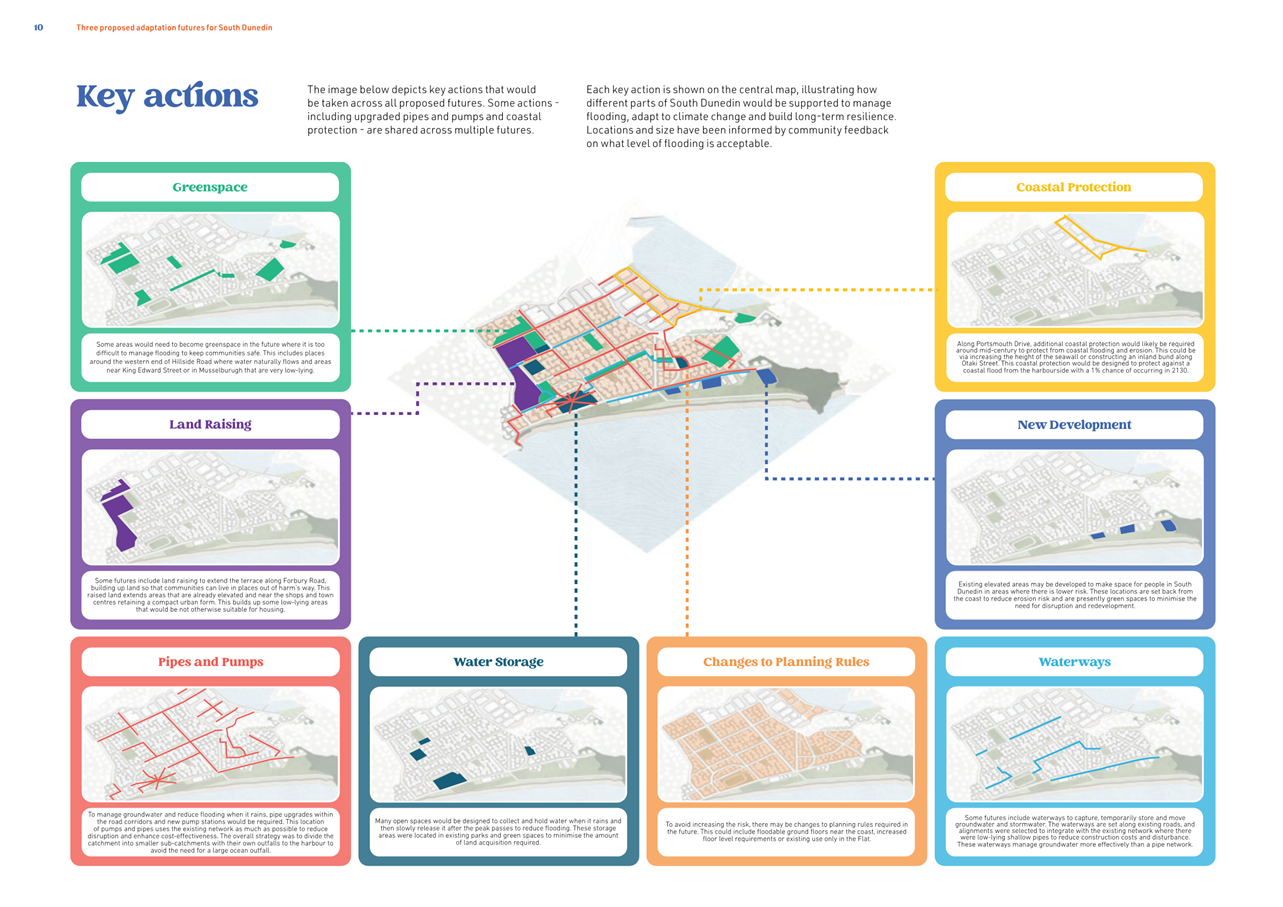
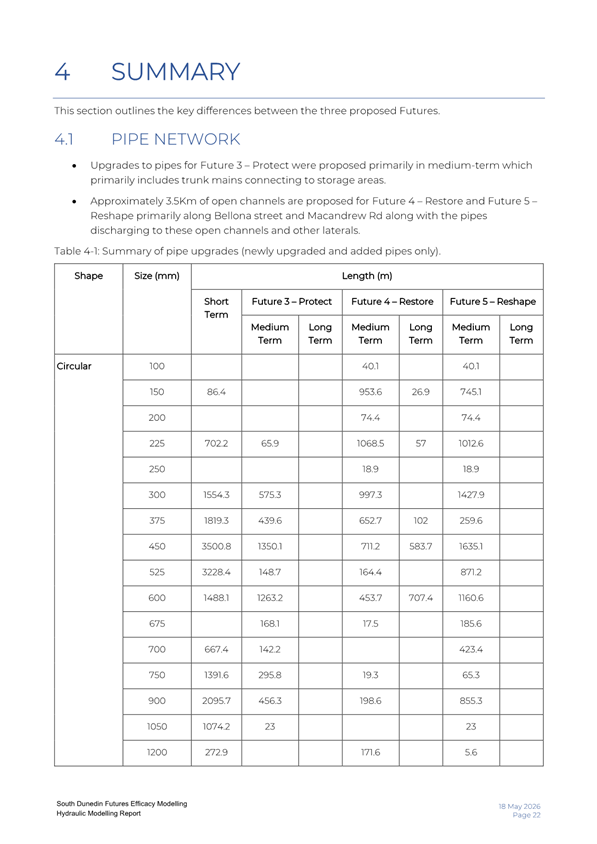
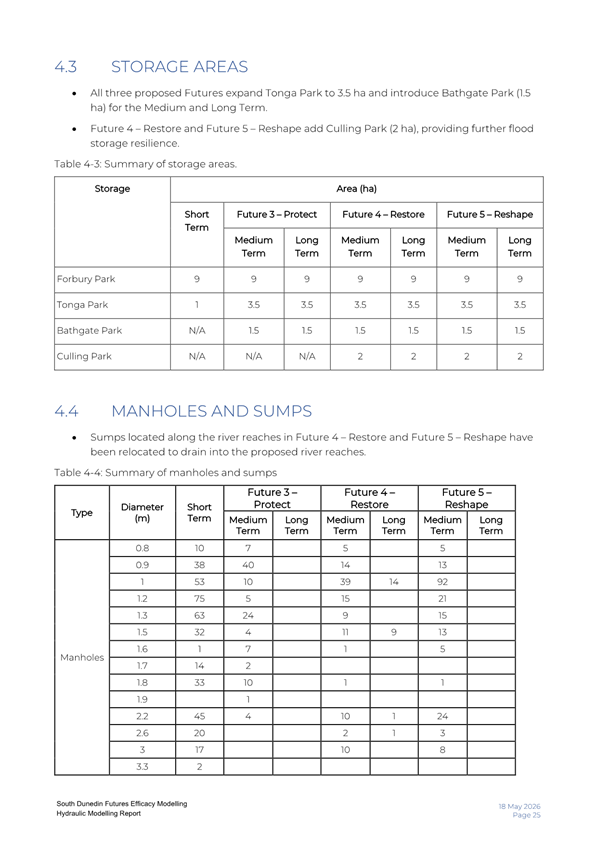
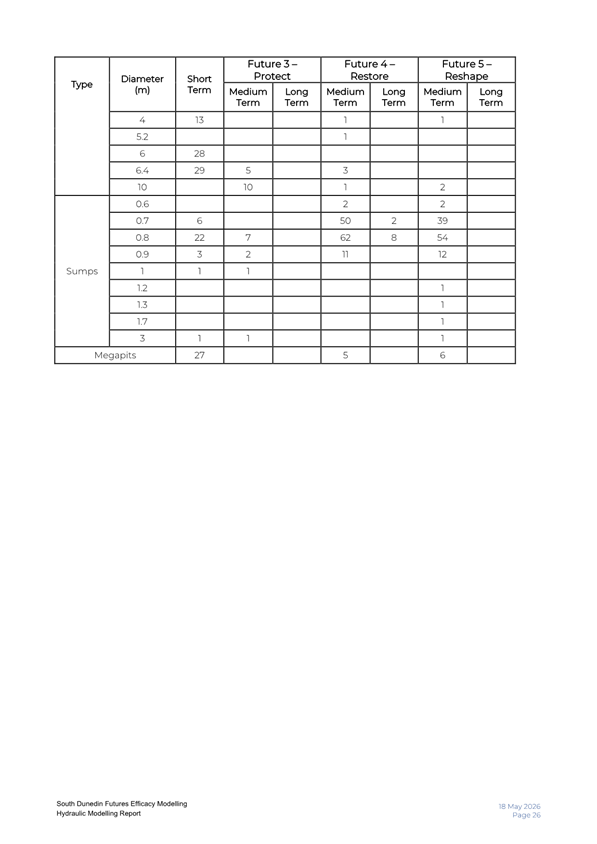
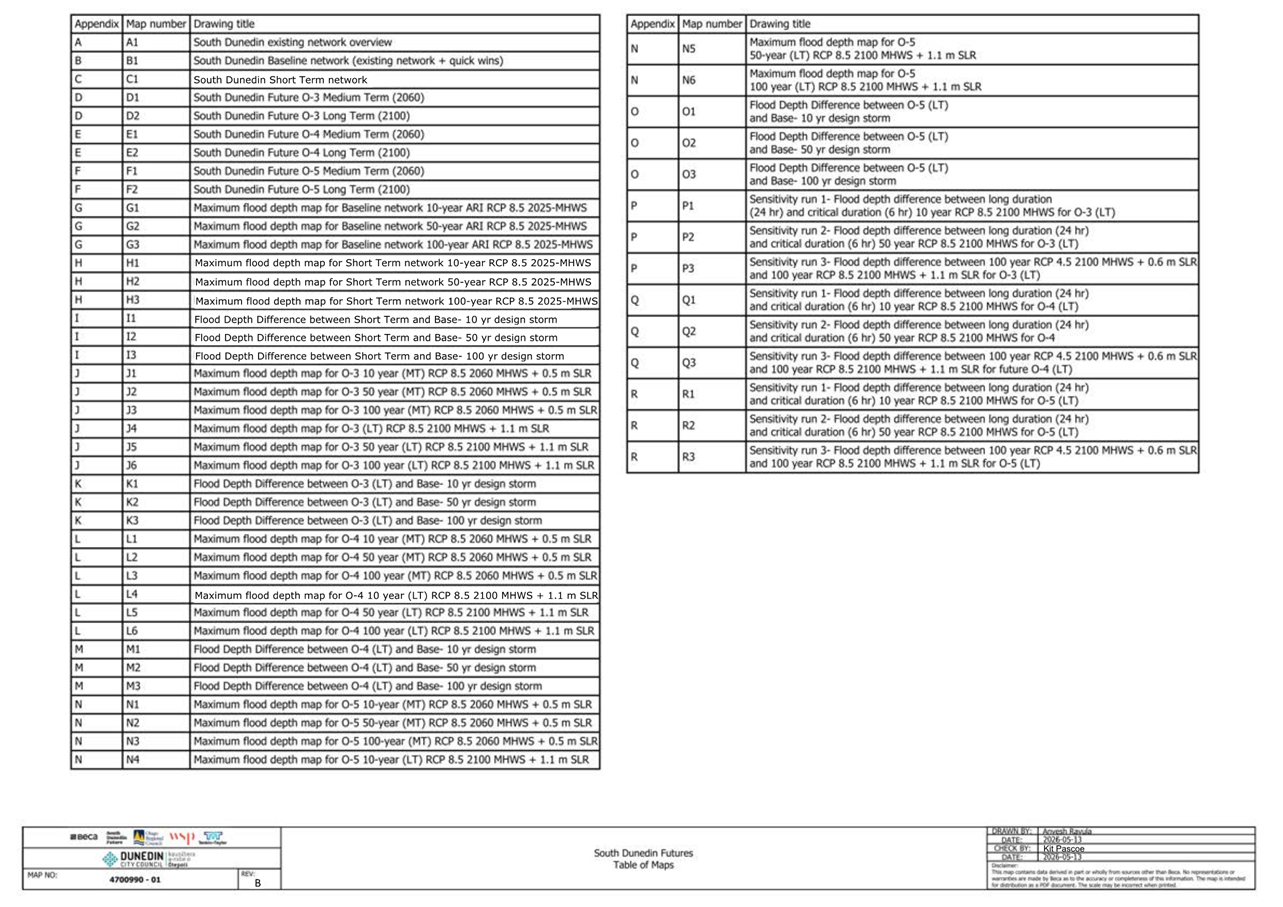
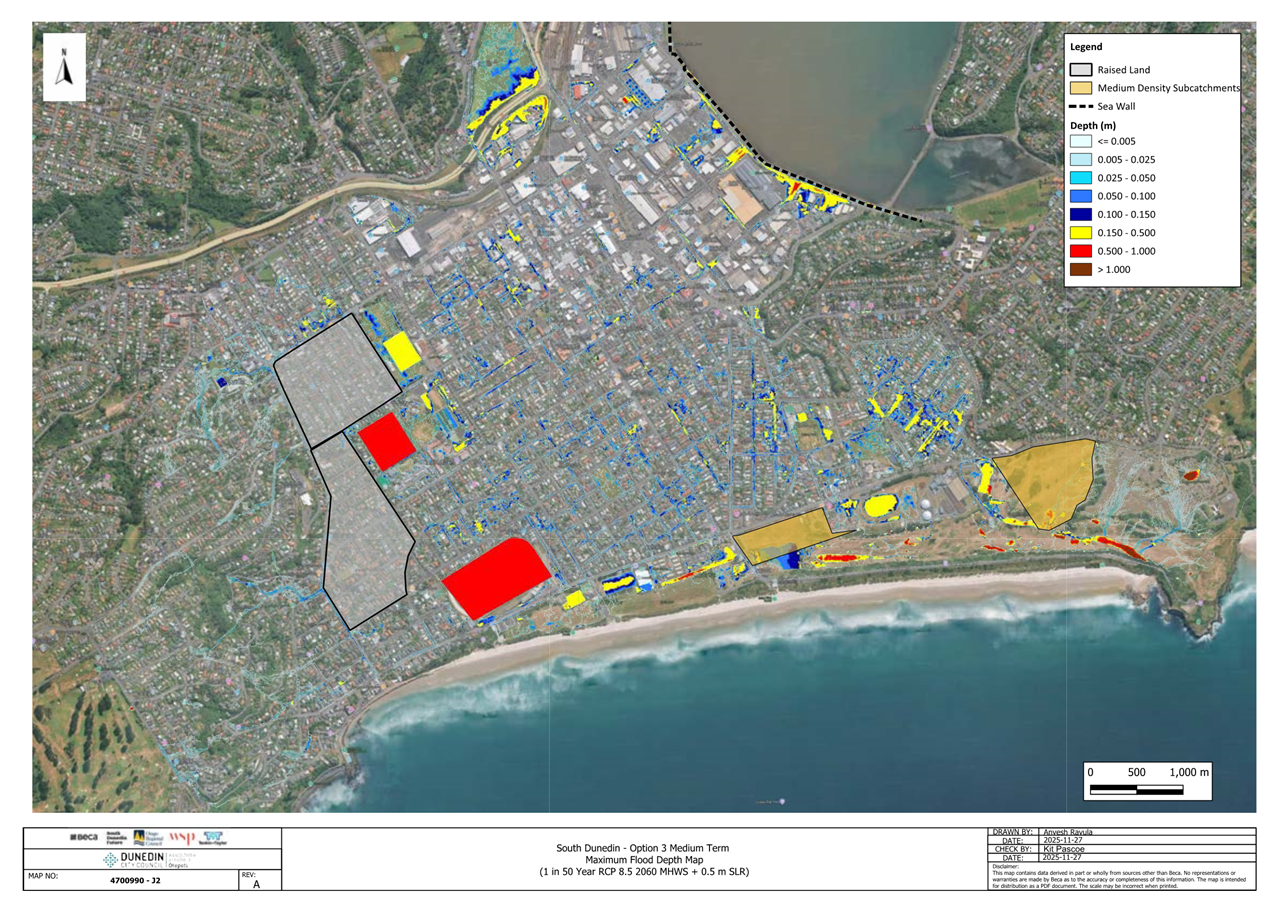
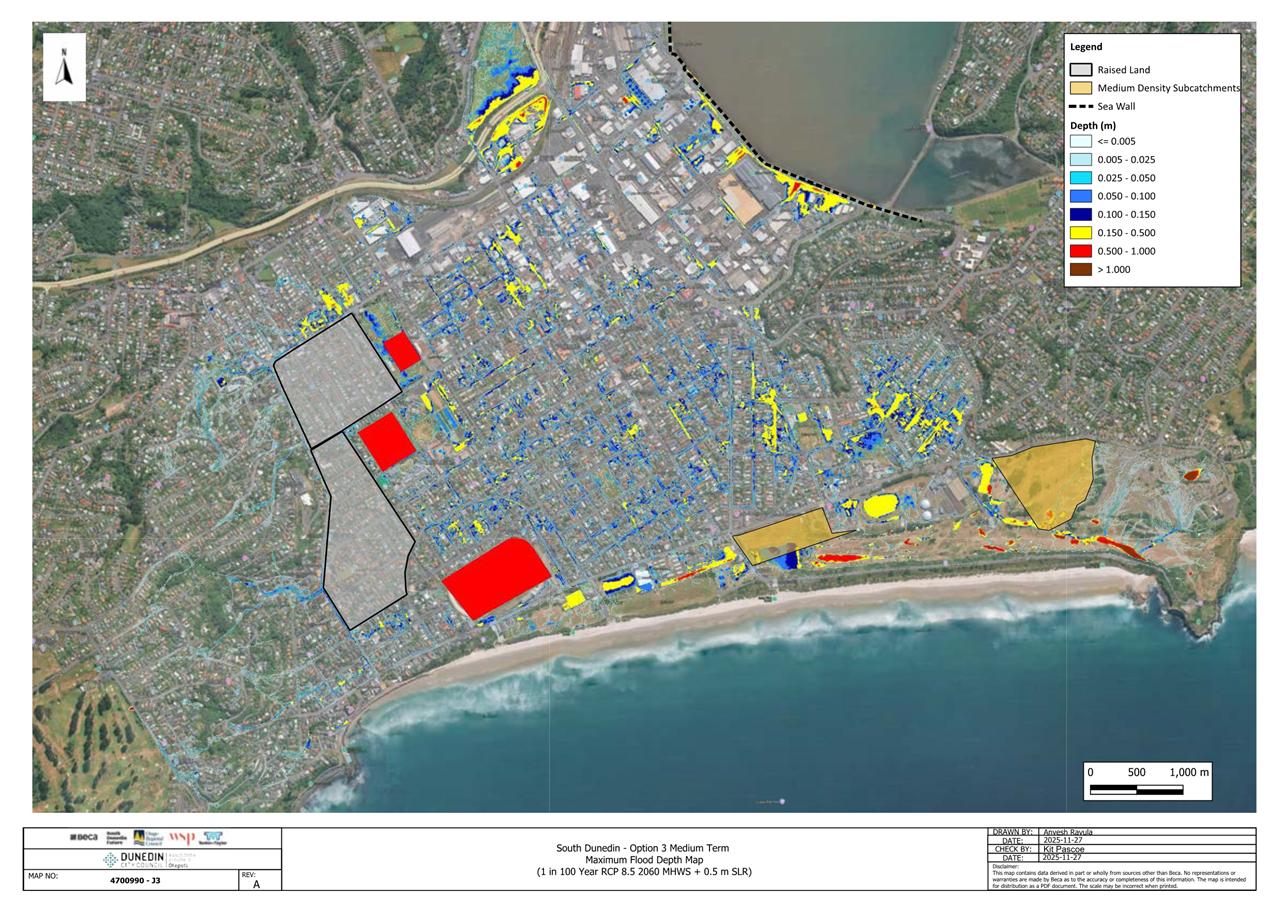
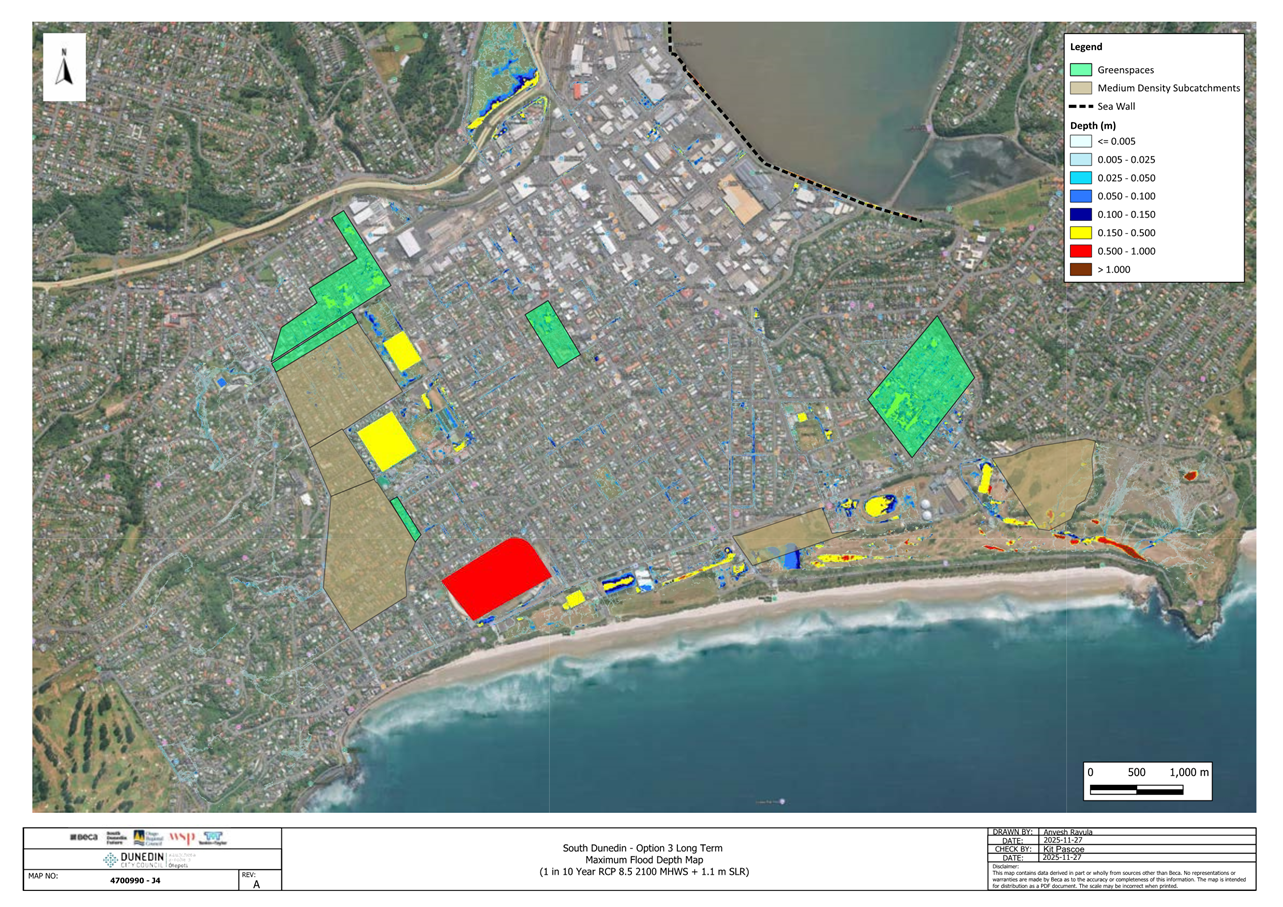
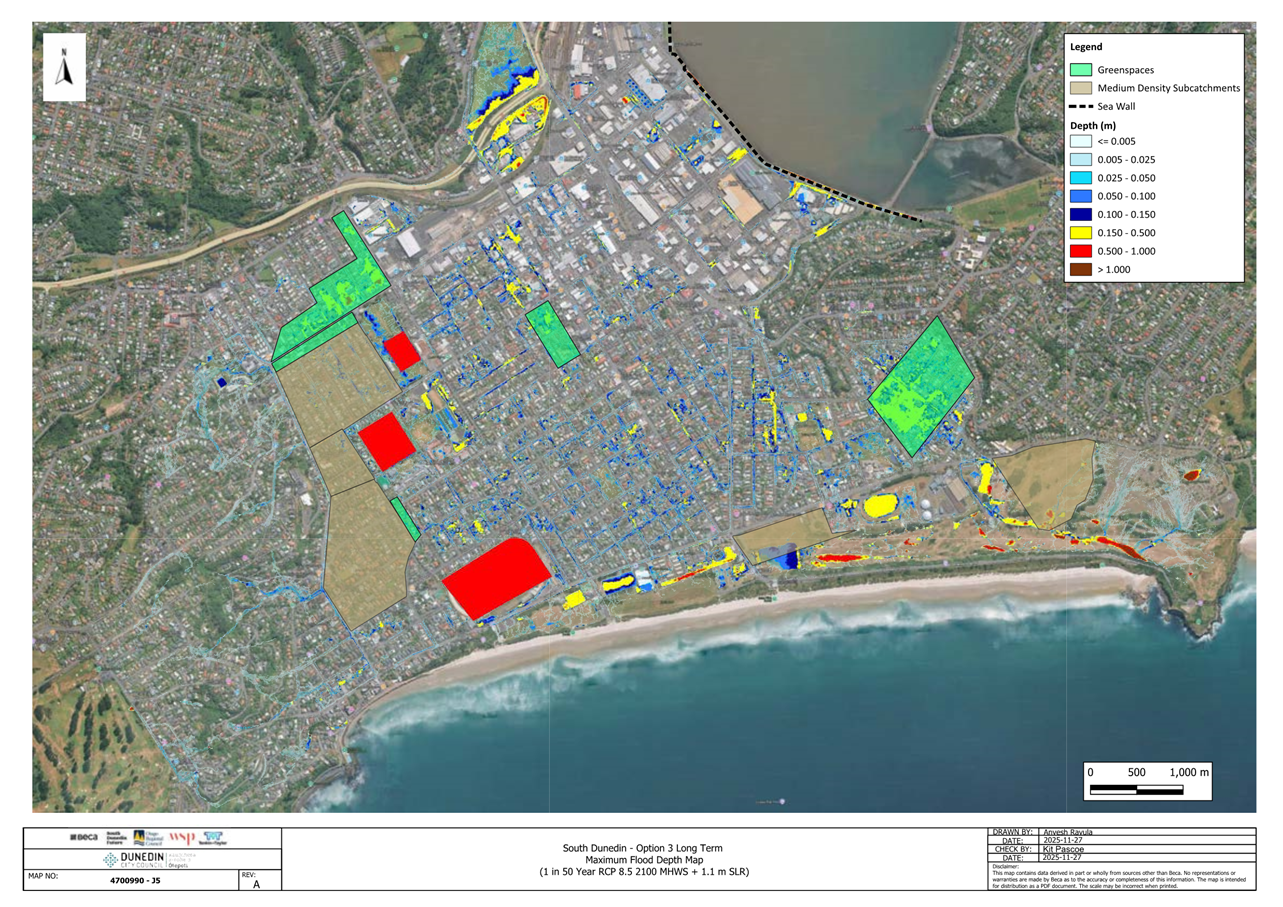
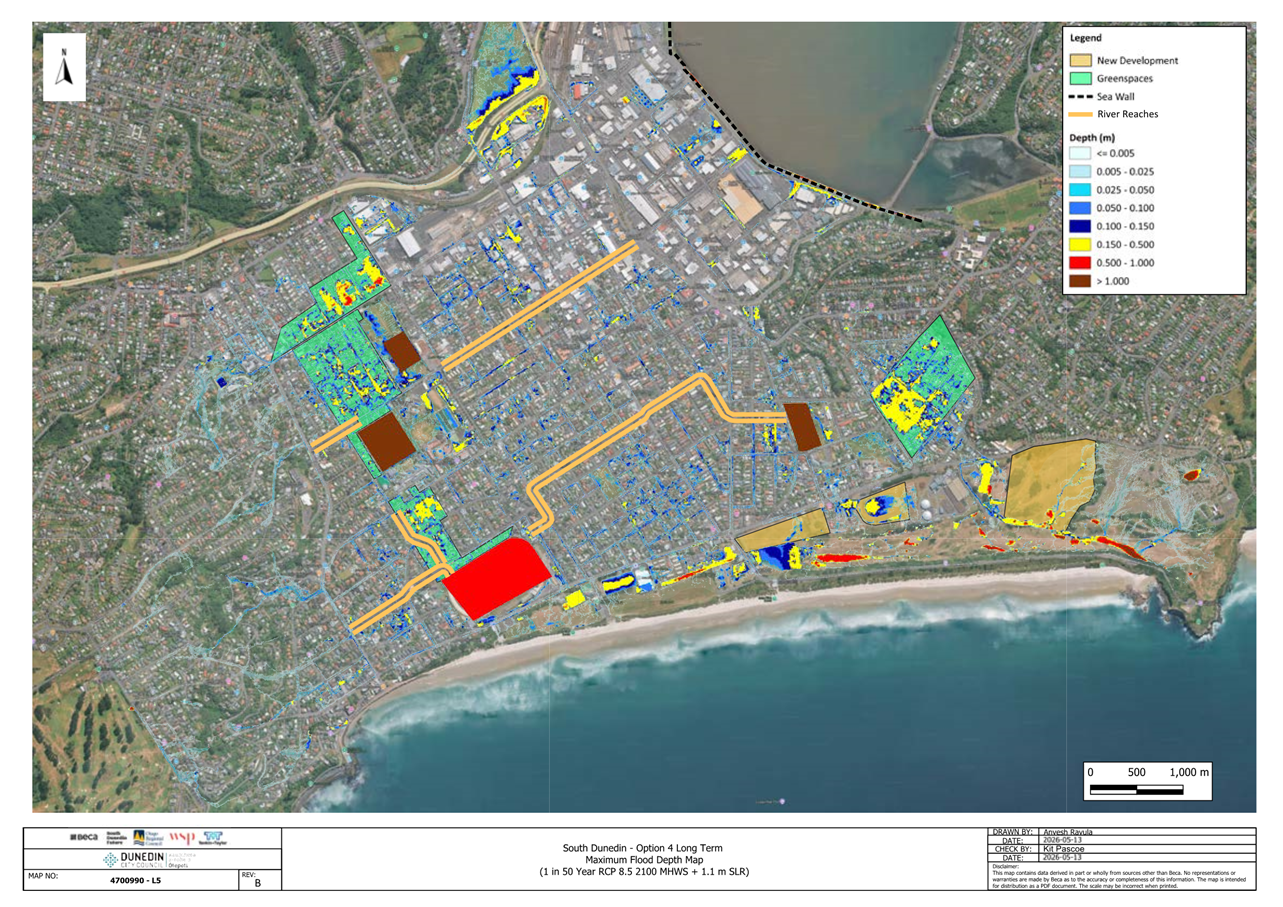
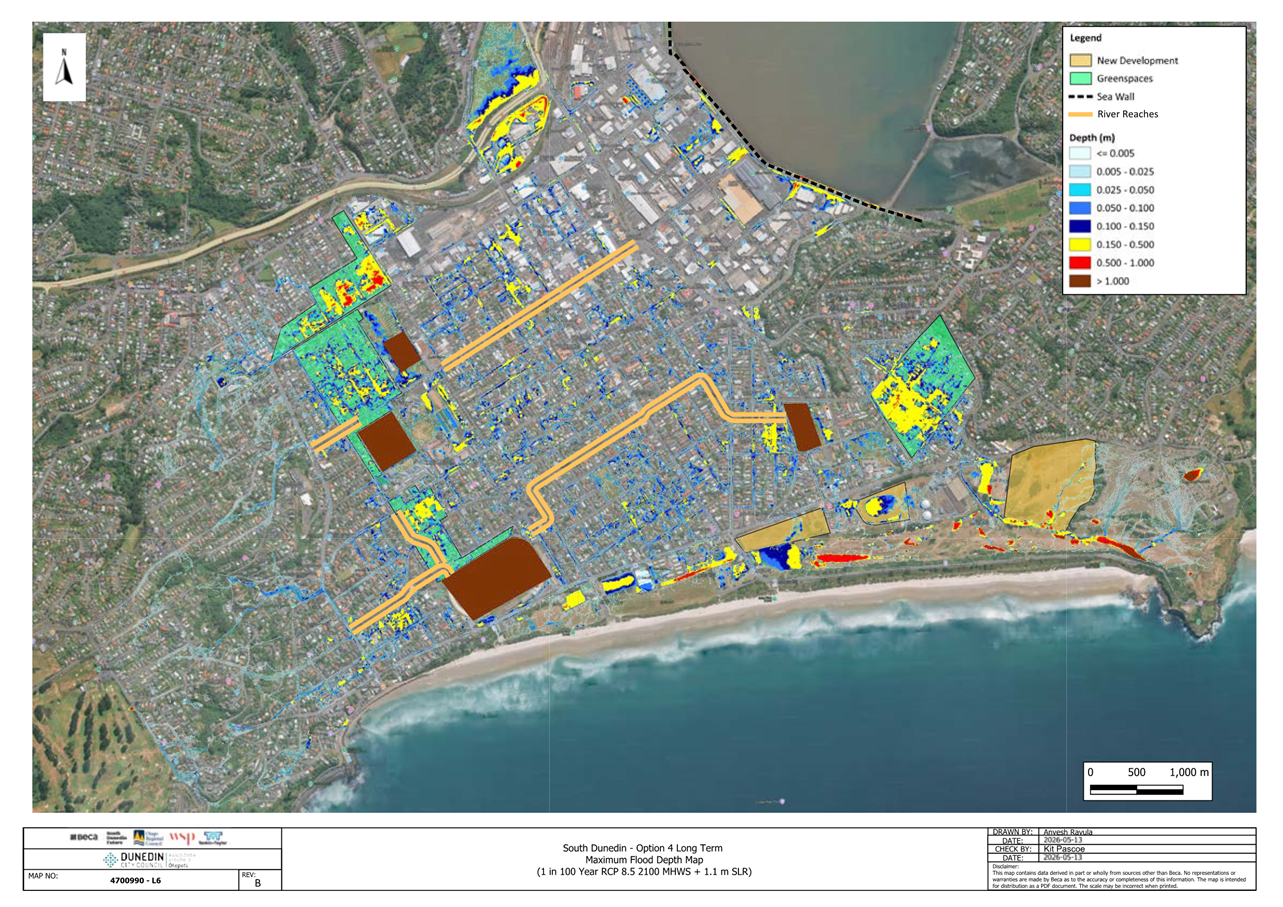
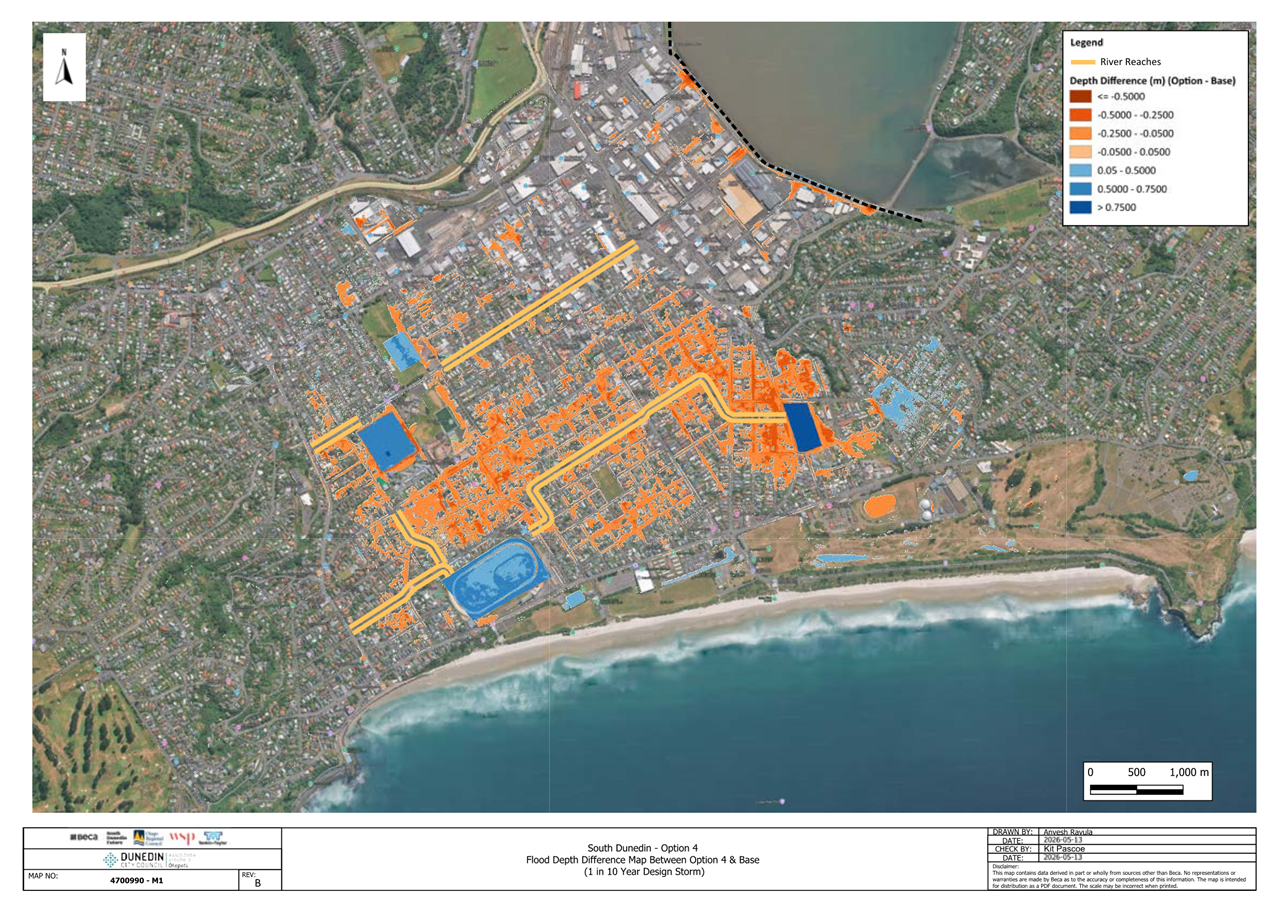
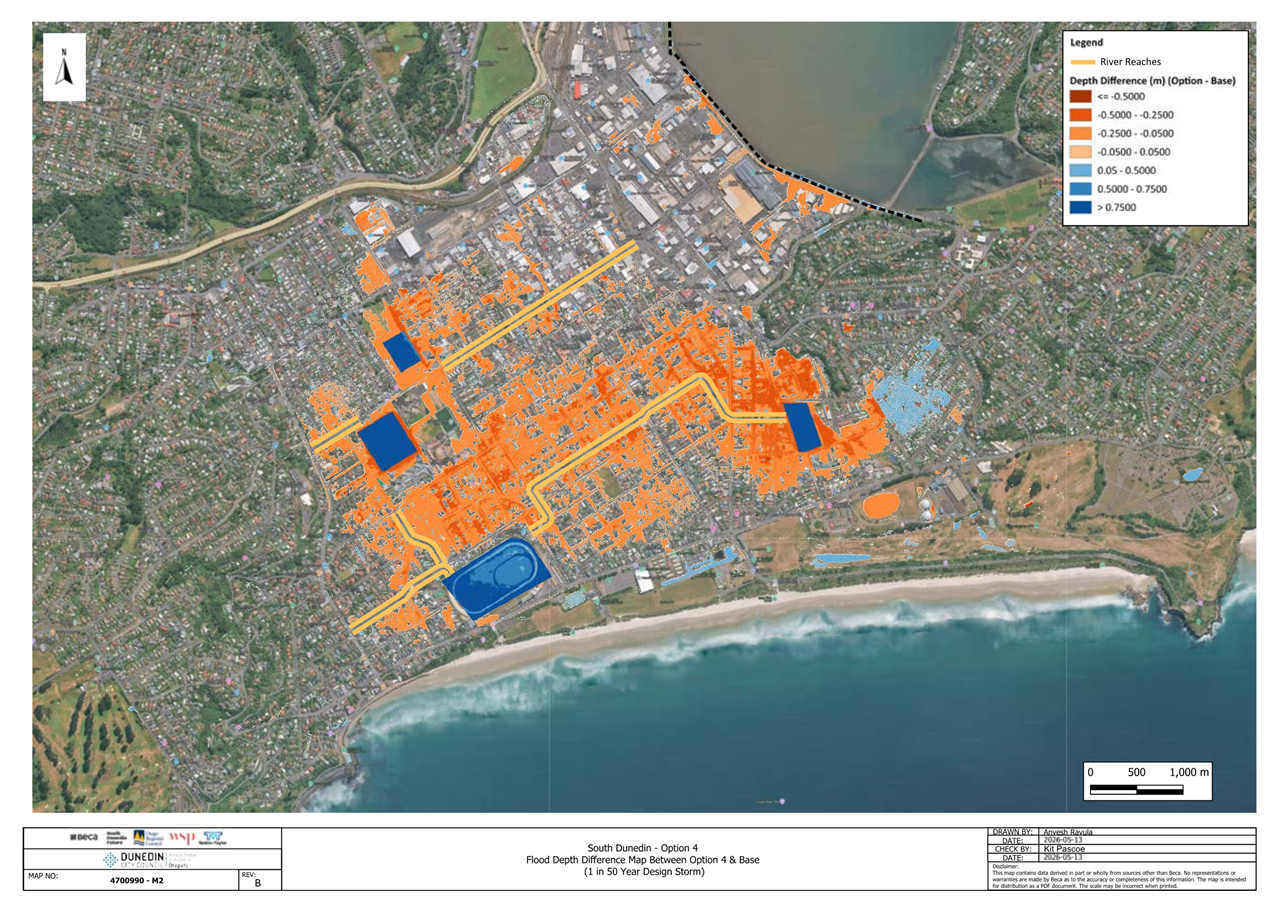
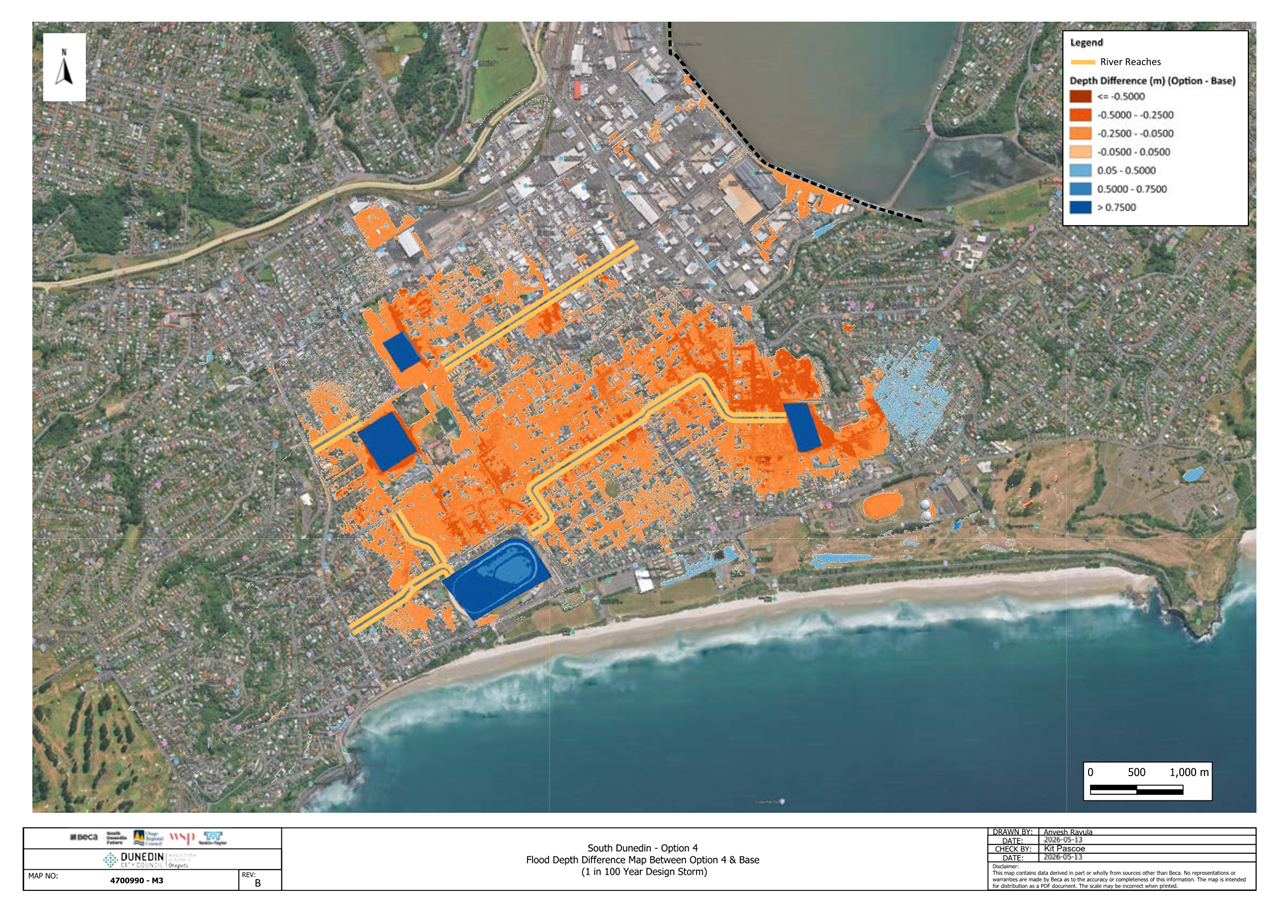
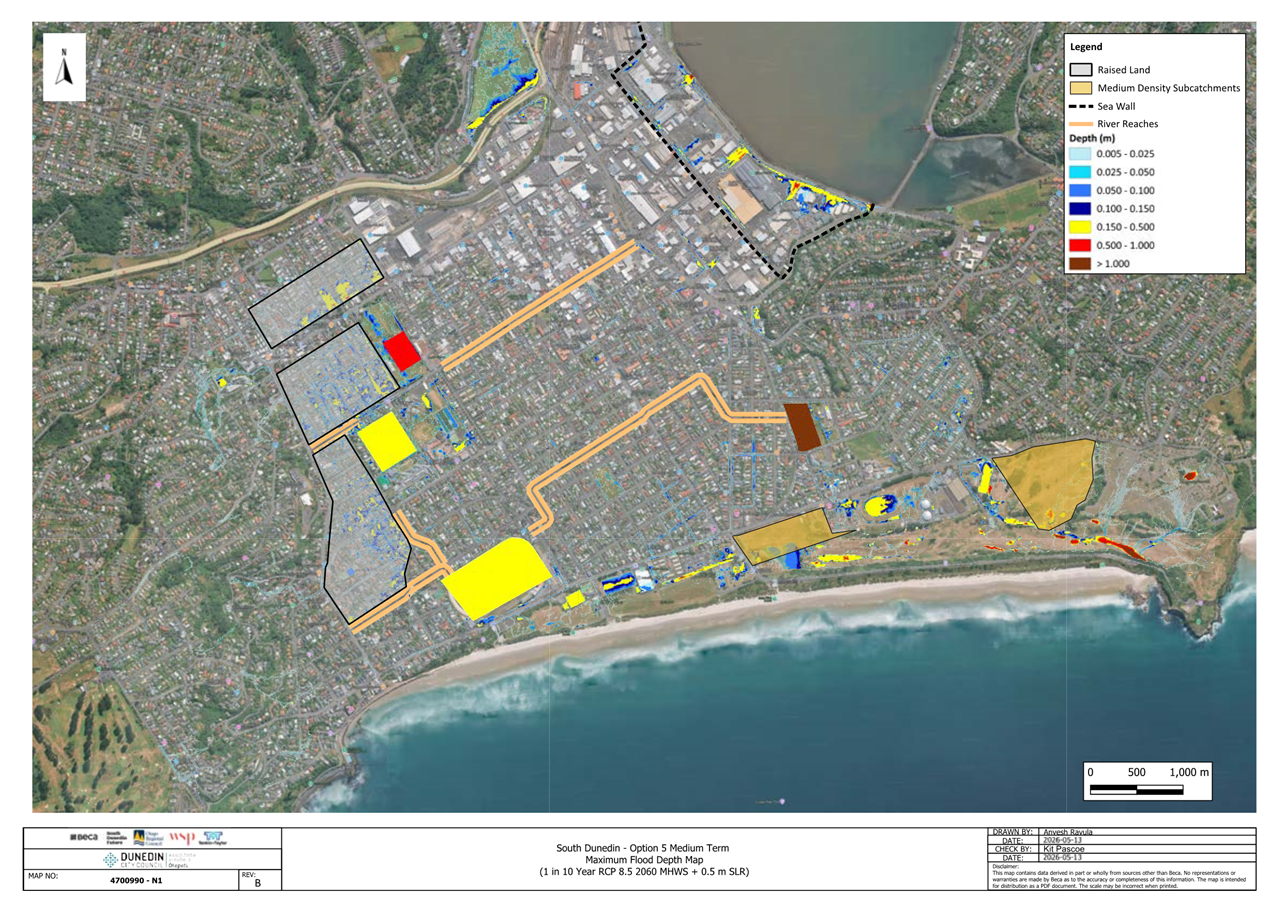
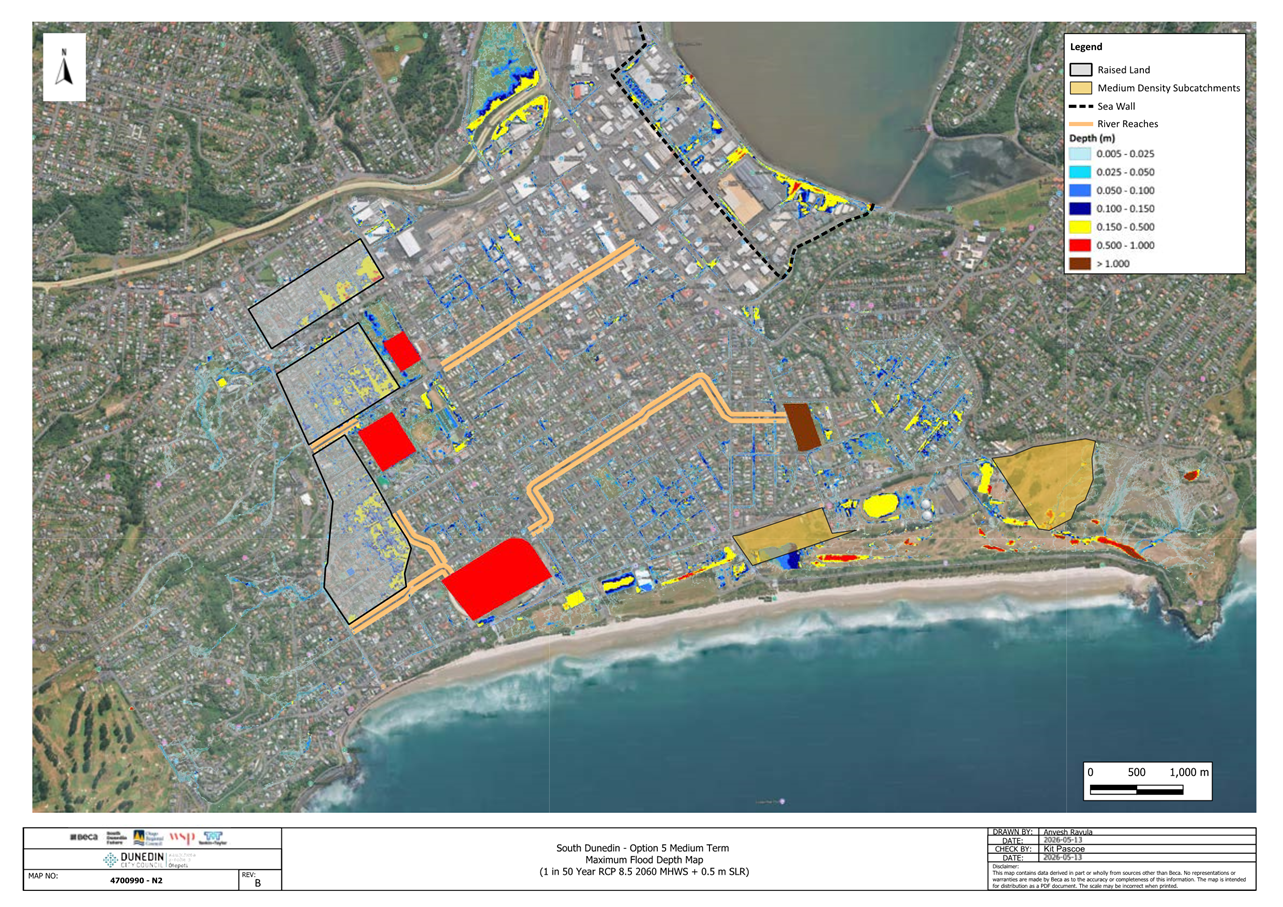
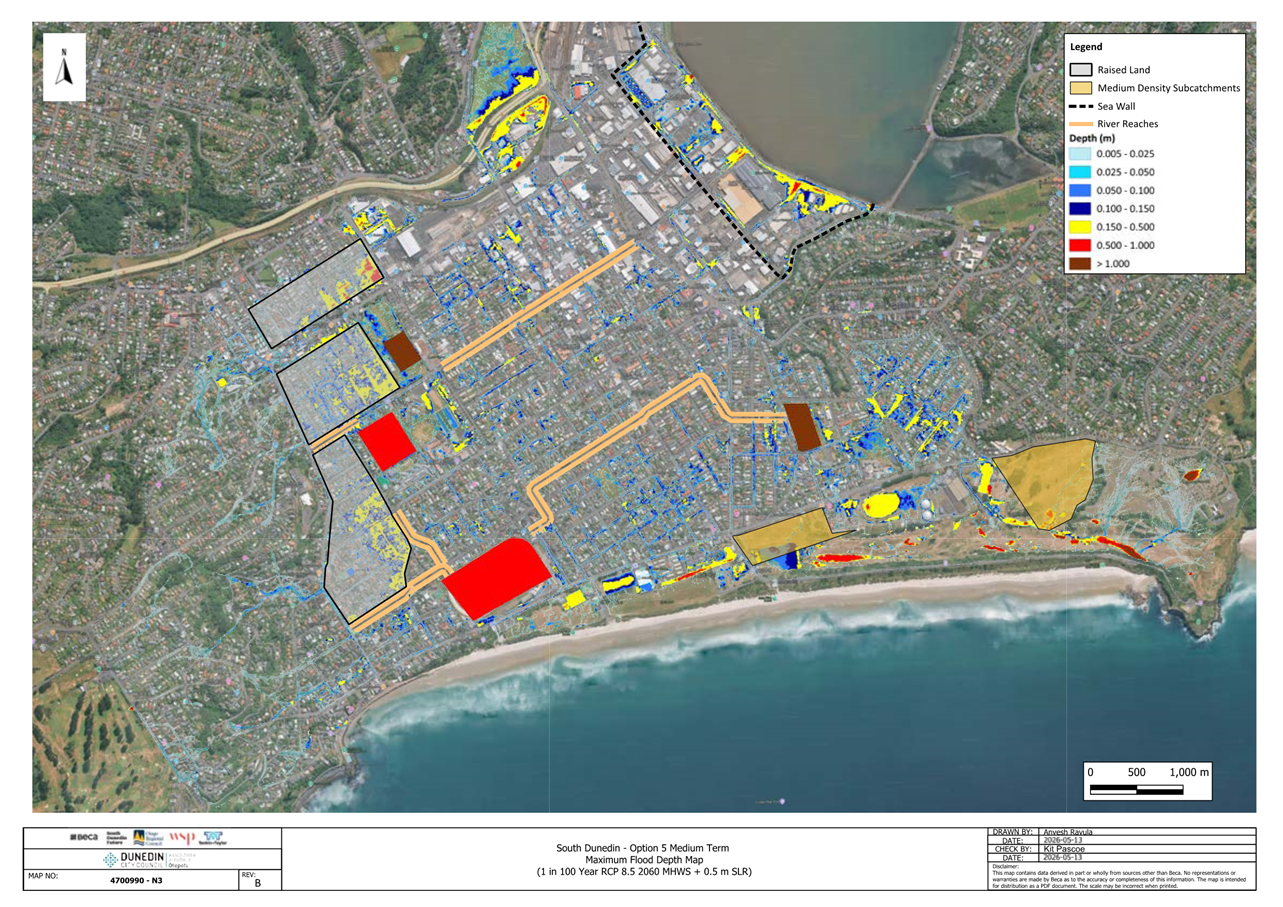
4 Building
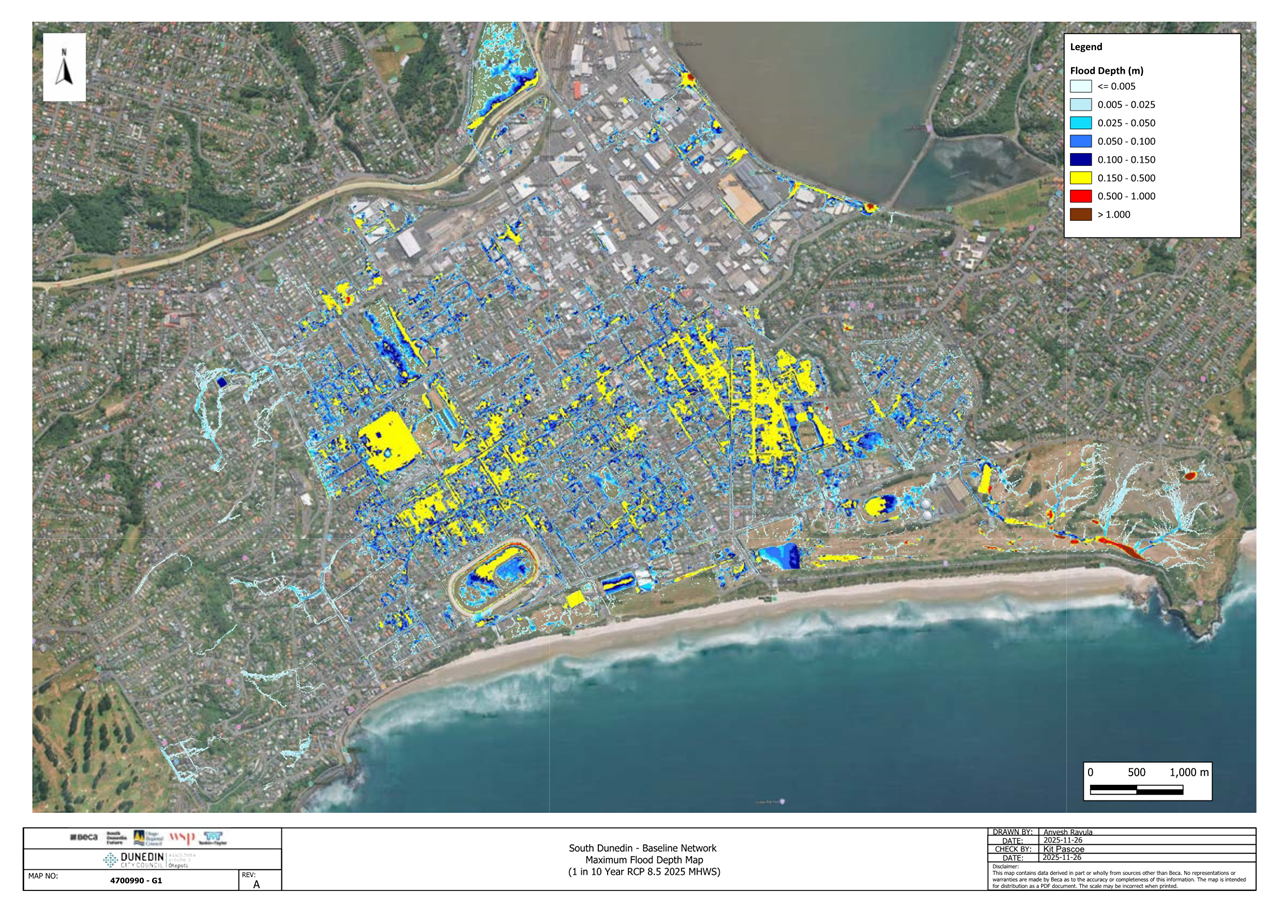
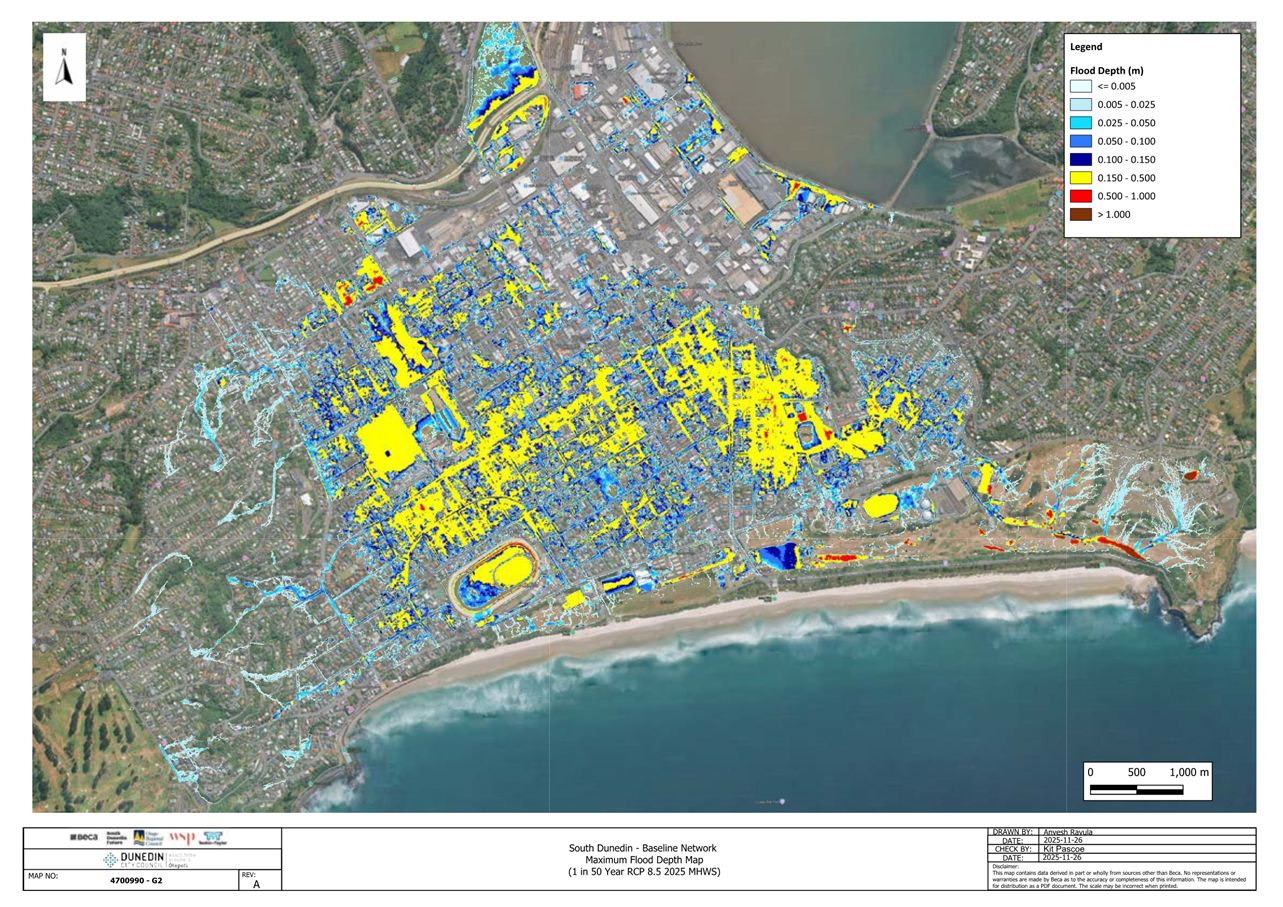
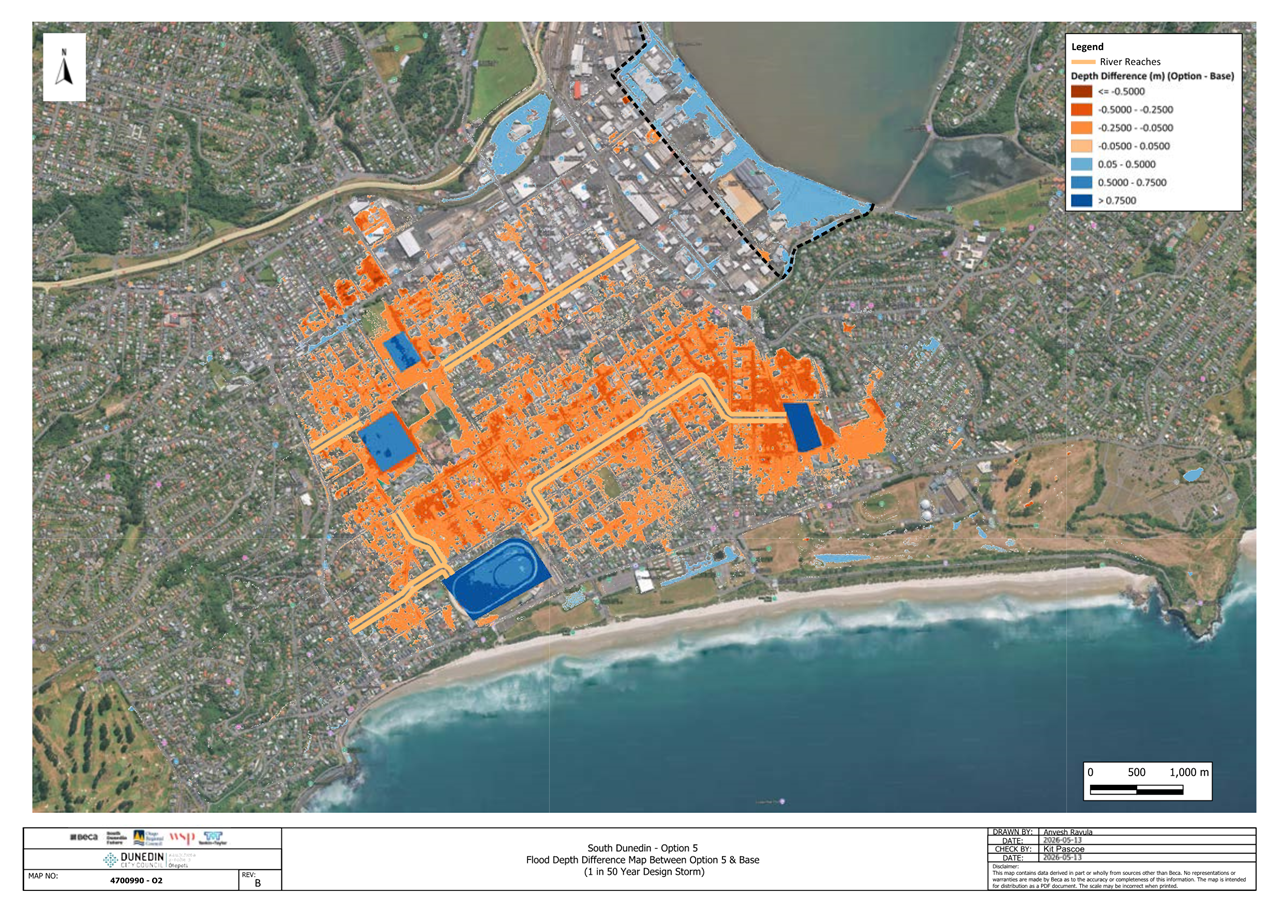
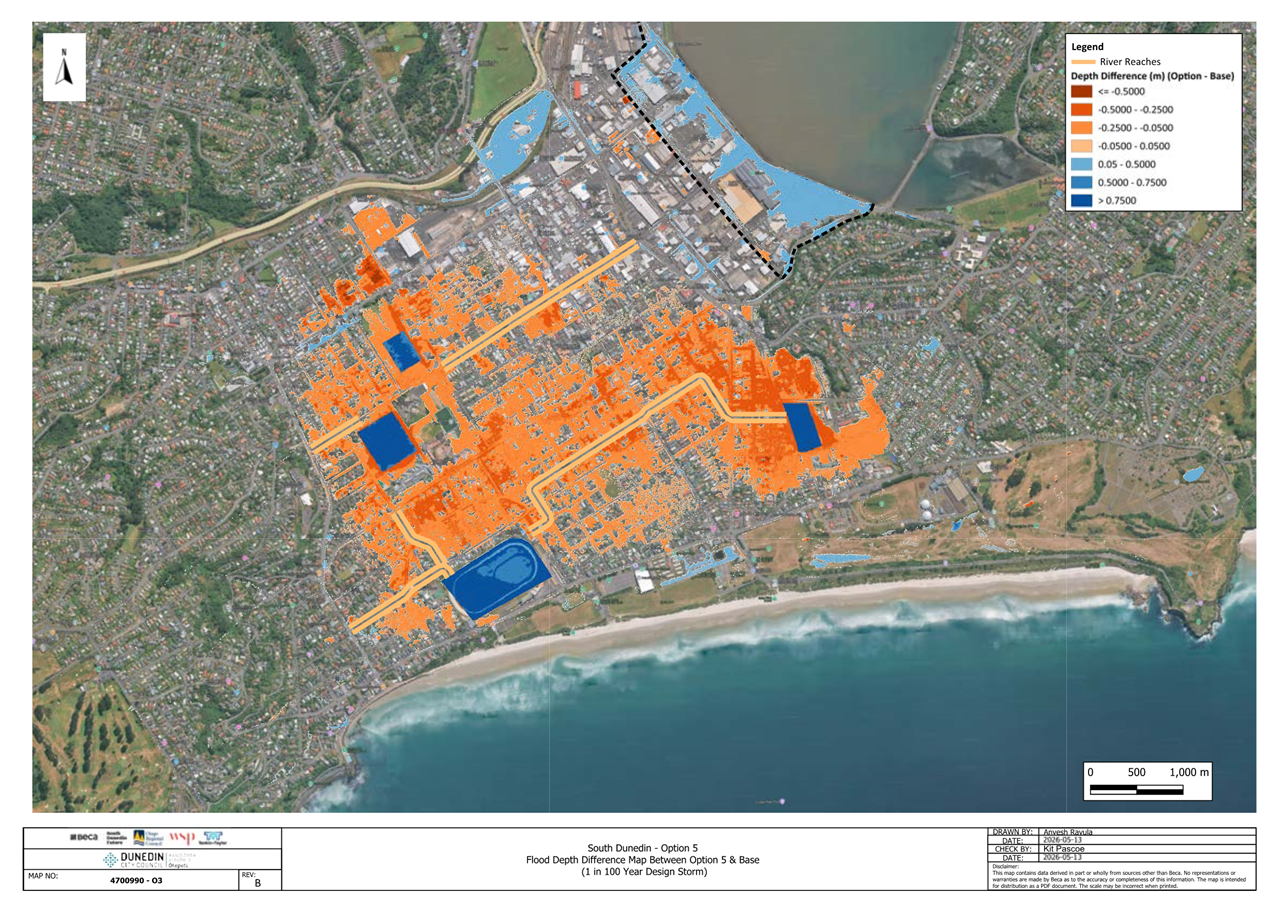
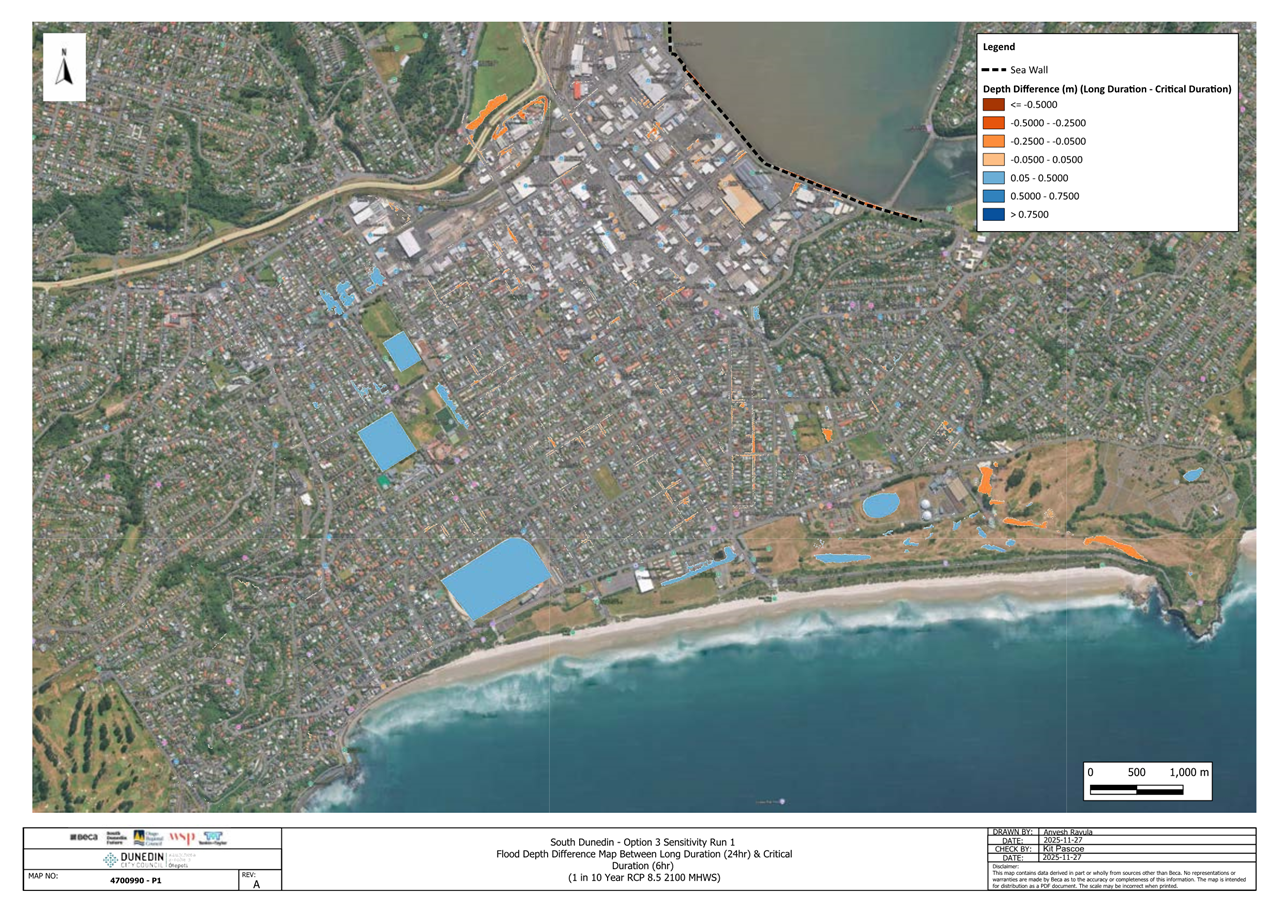
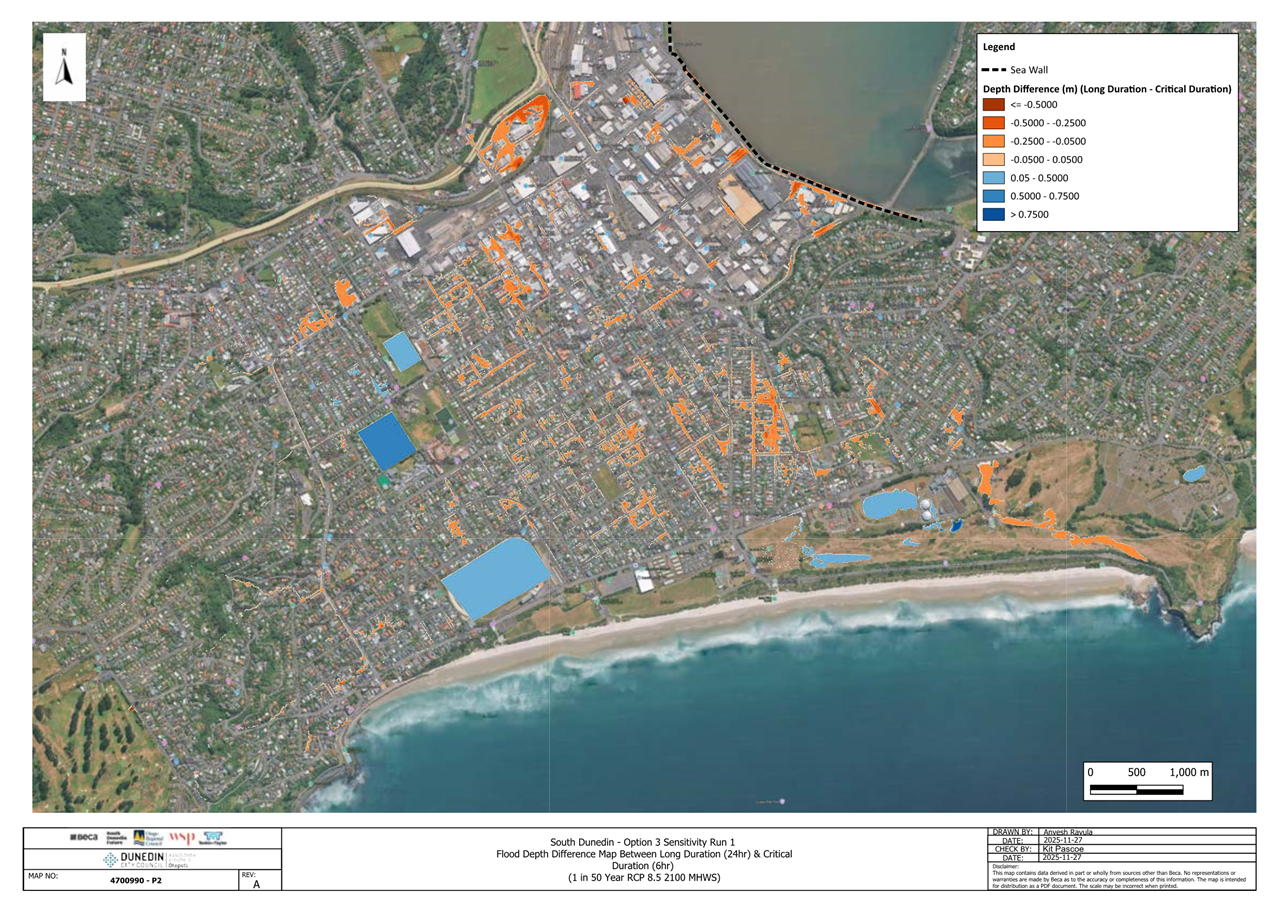
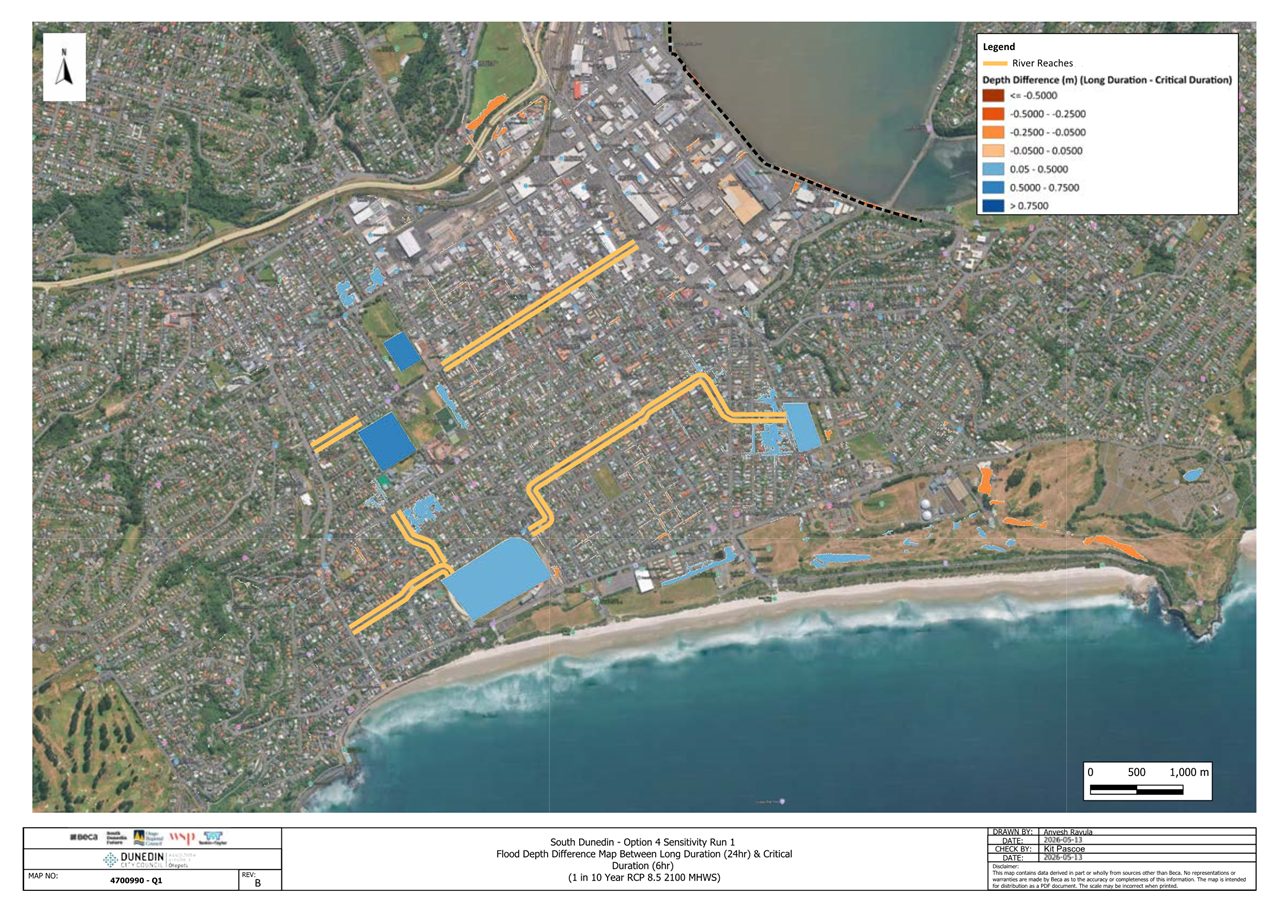
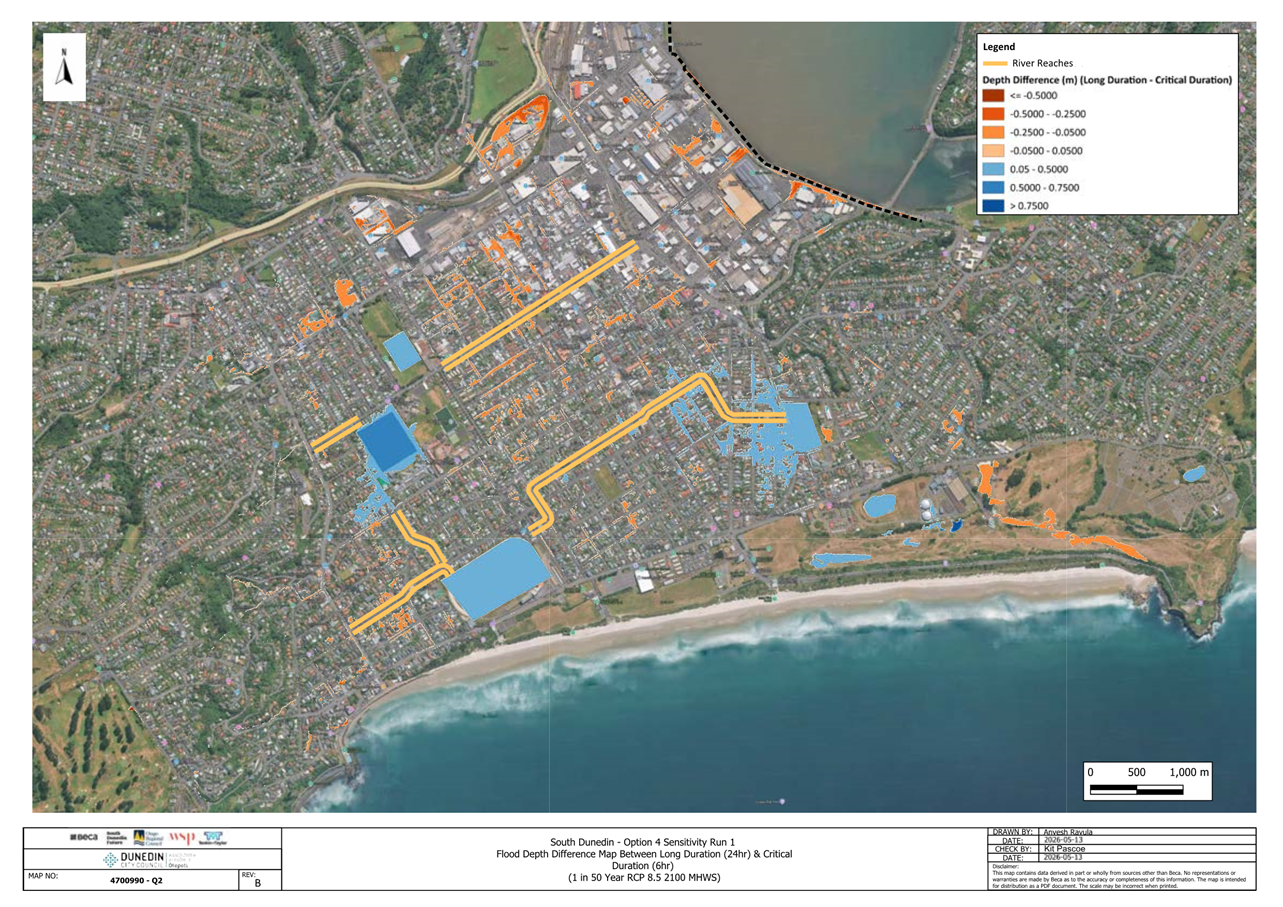
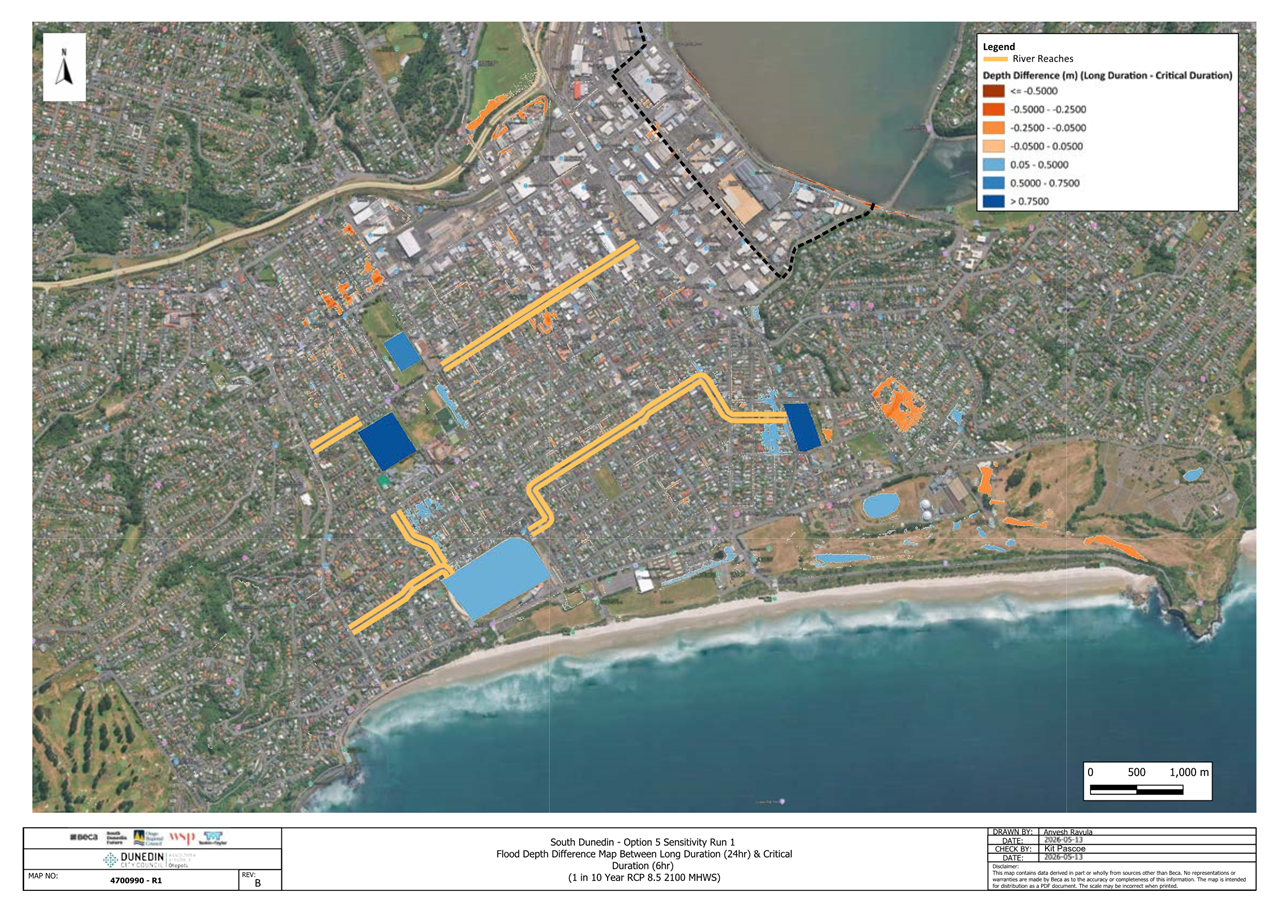
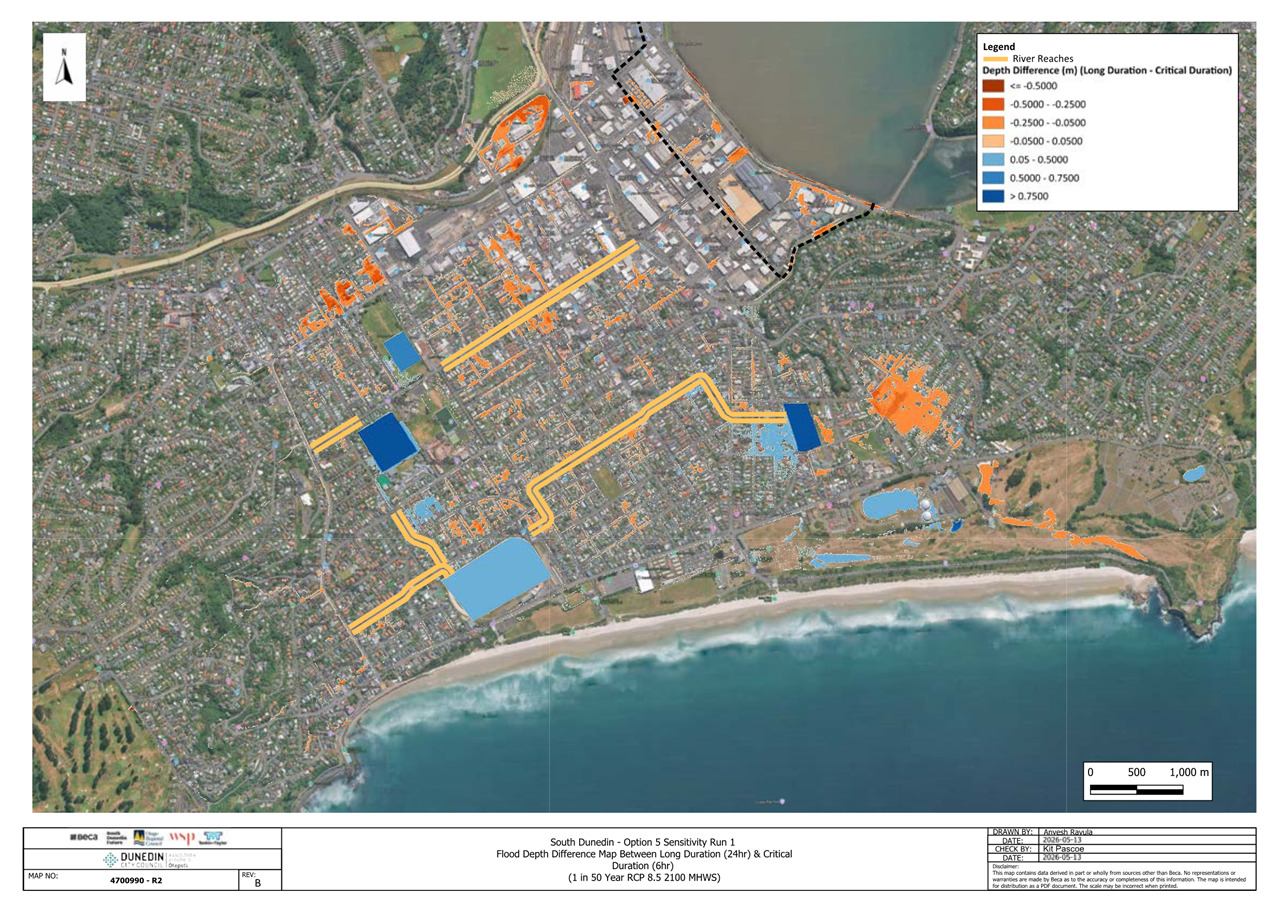
on previous work and community feedback, the current stage of the SDF programme
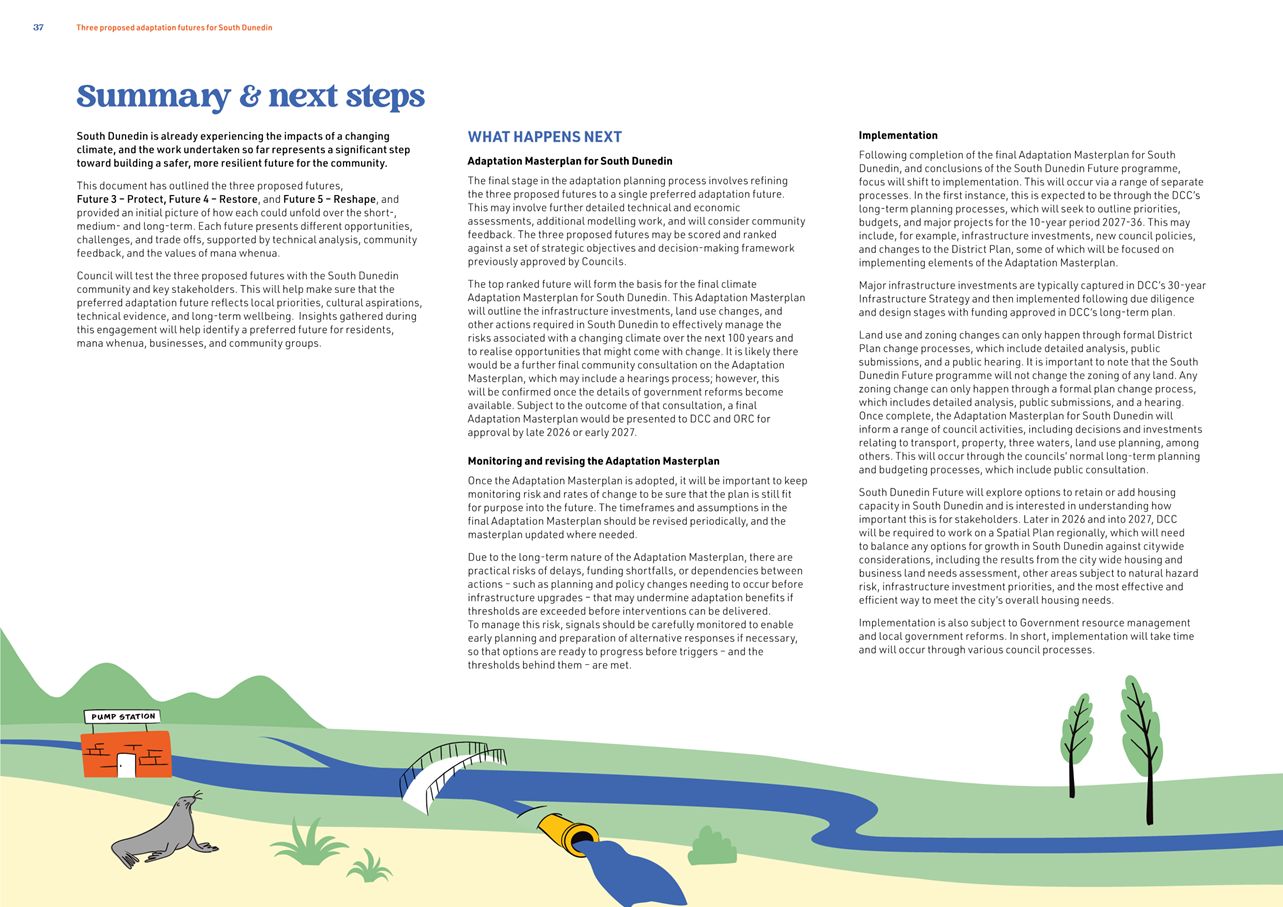
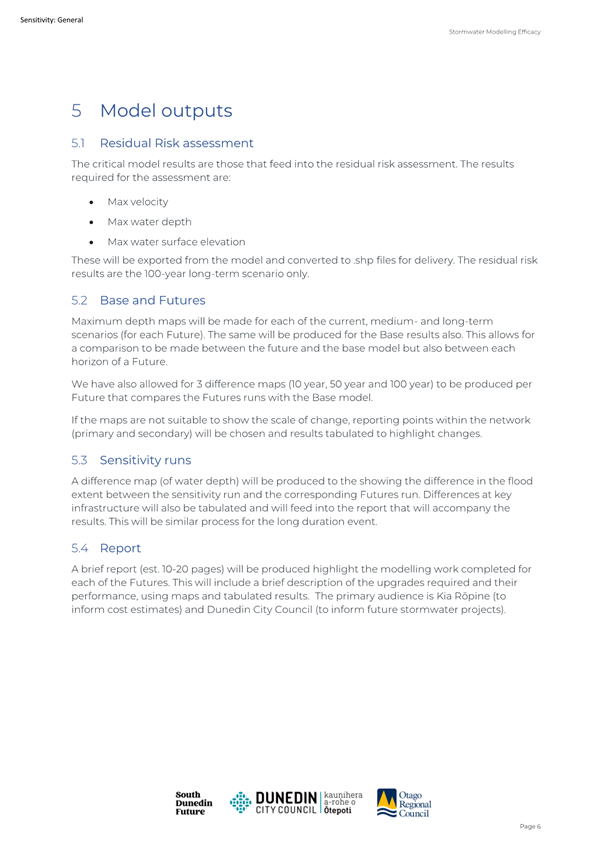
has undertaken further technical and economic analysis to develop a shortlist
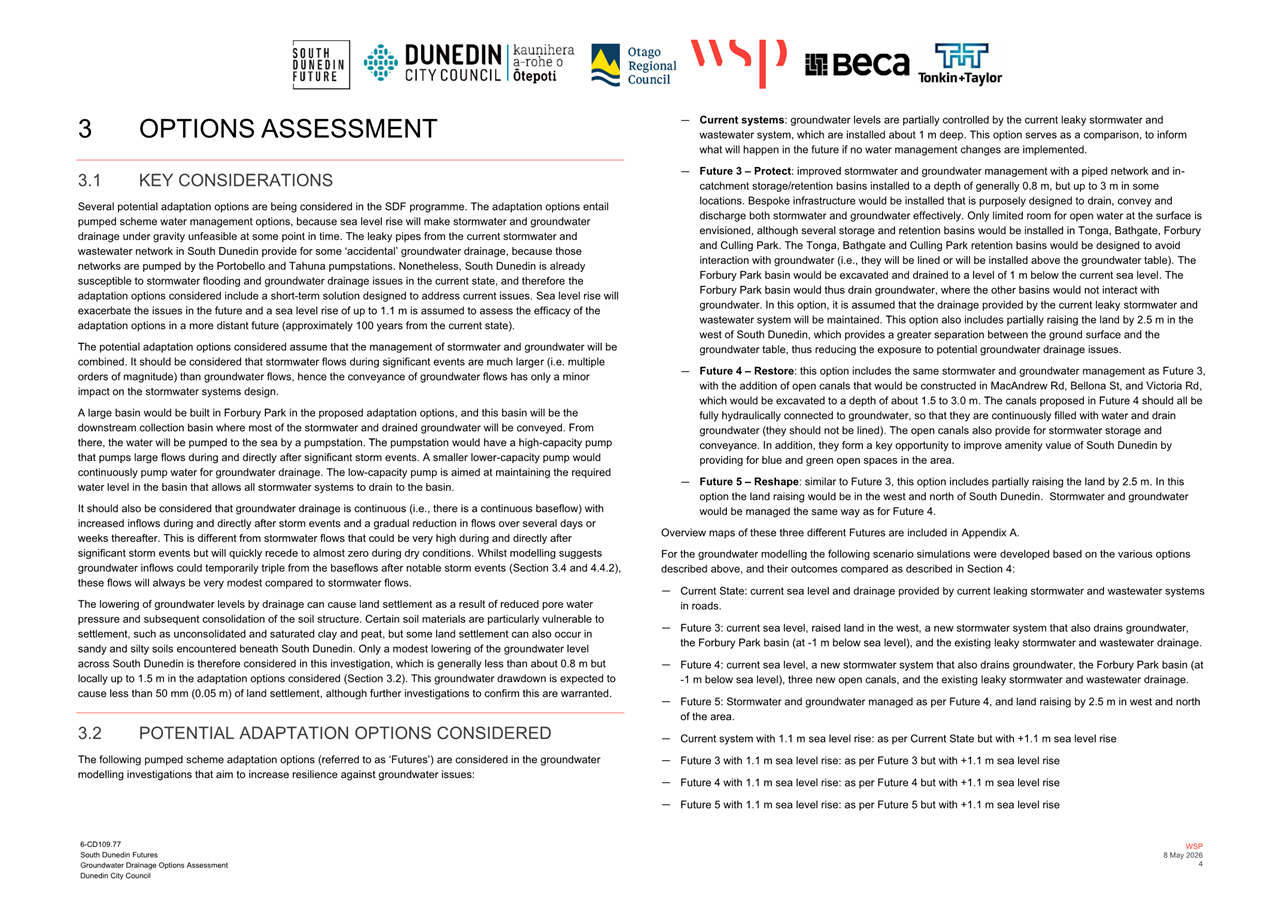
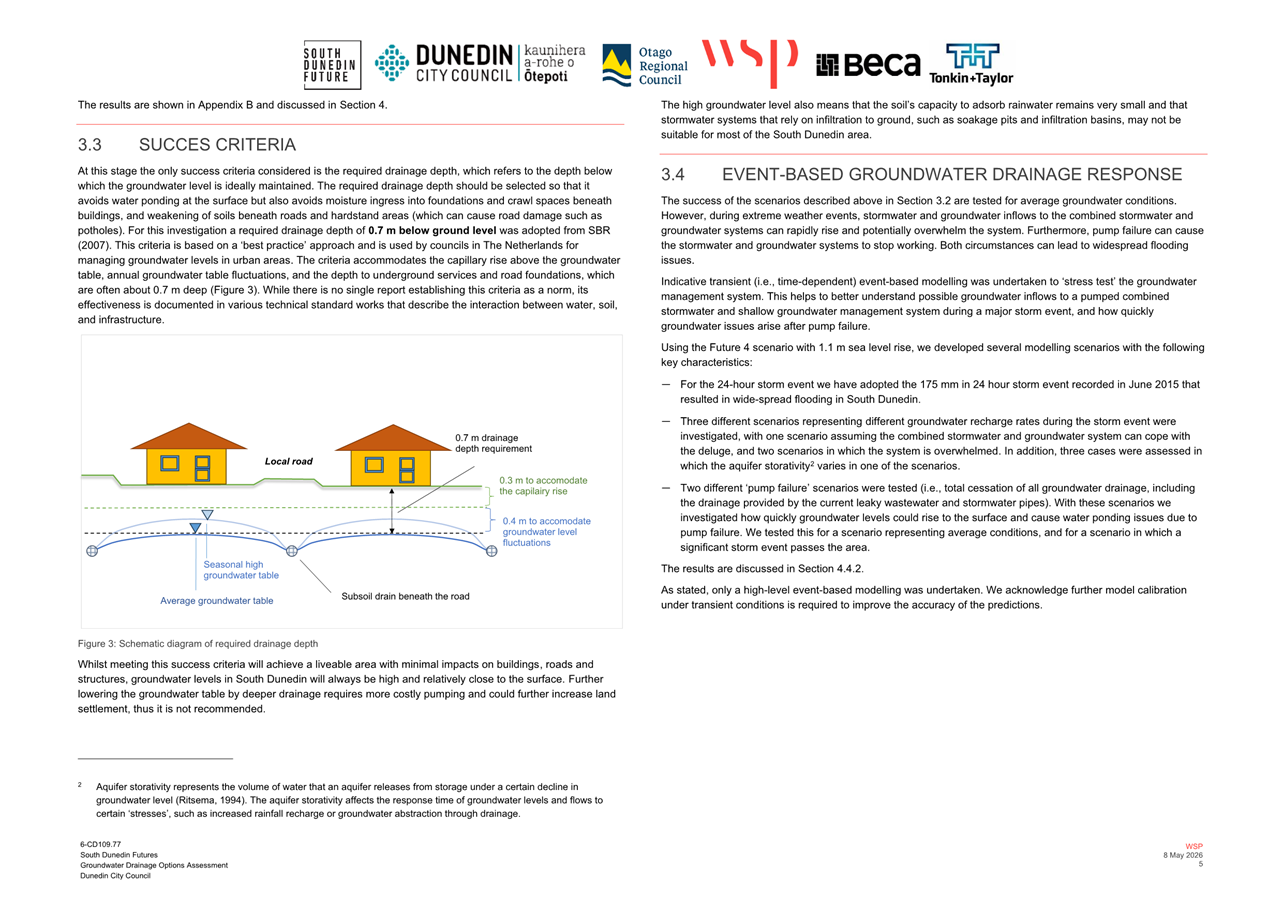
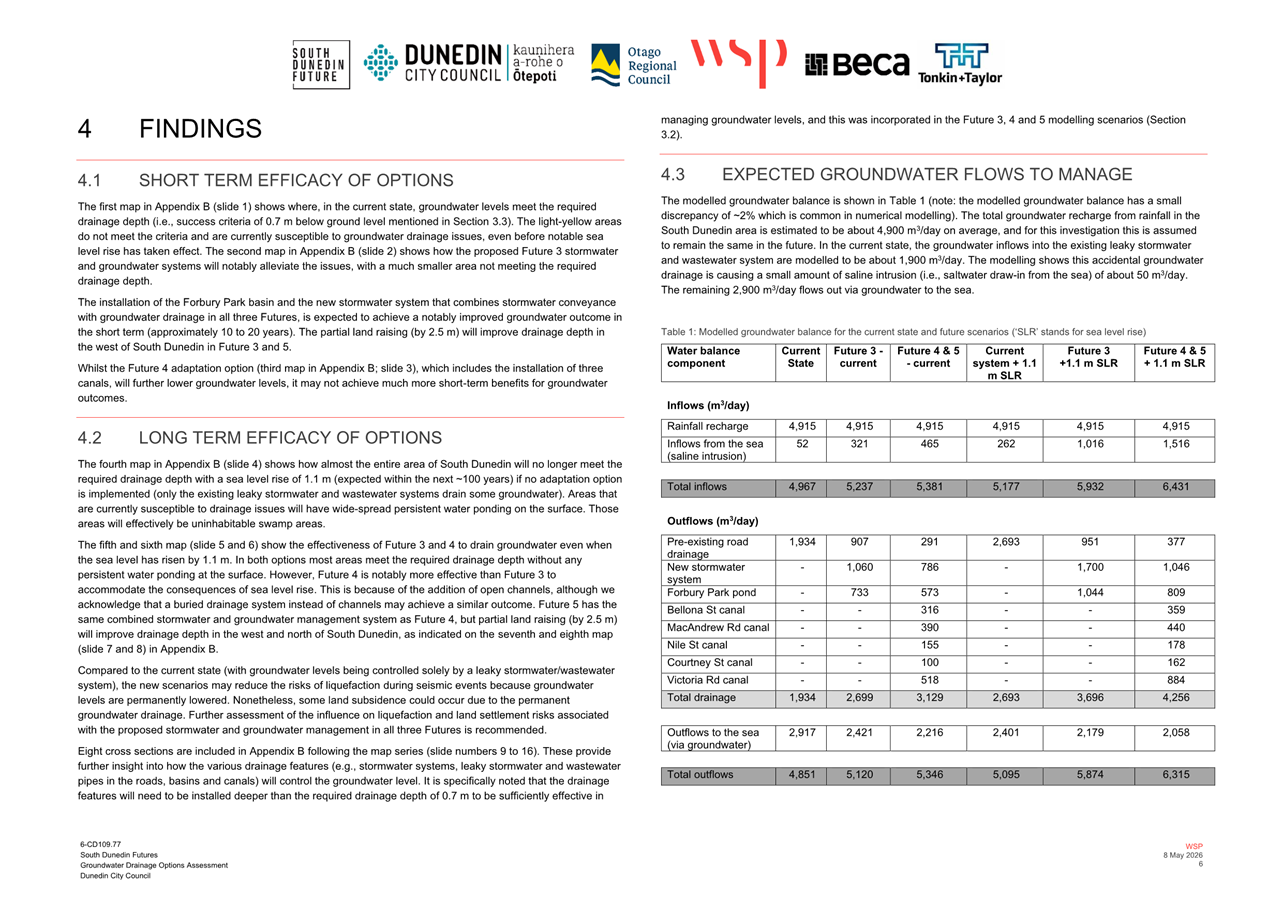
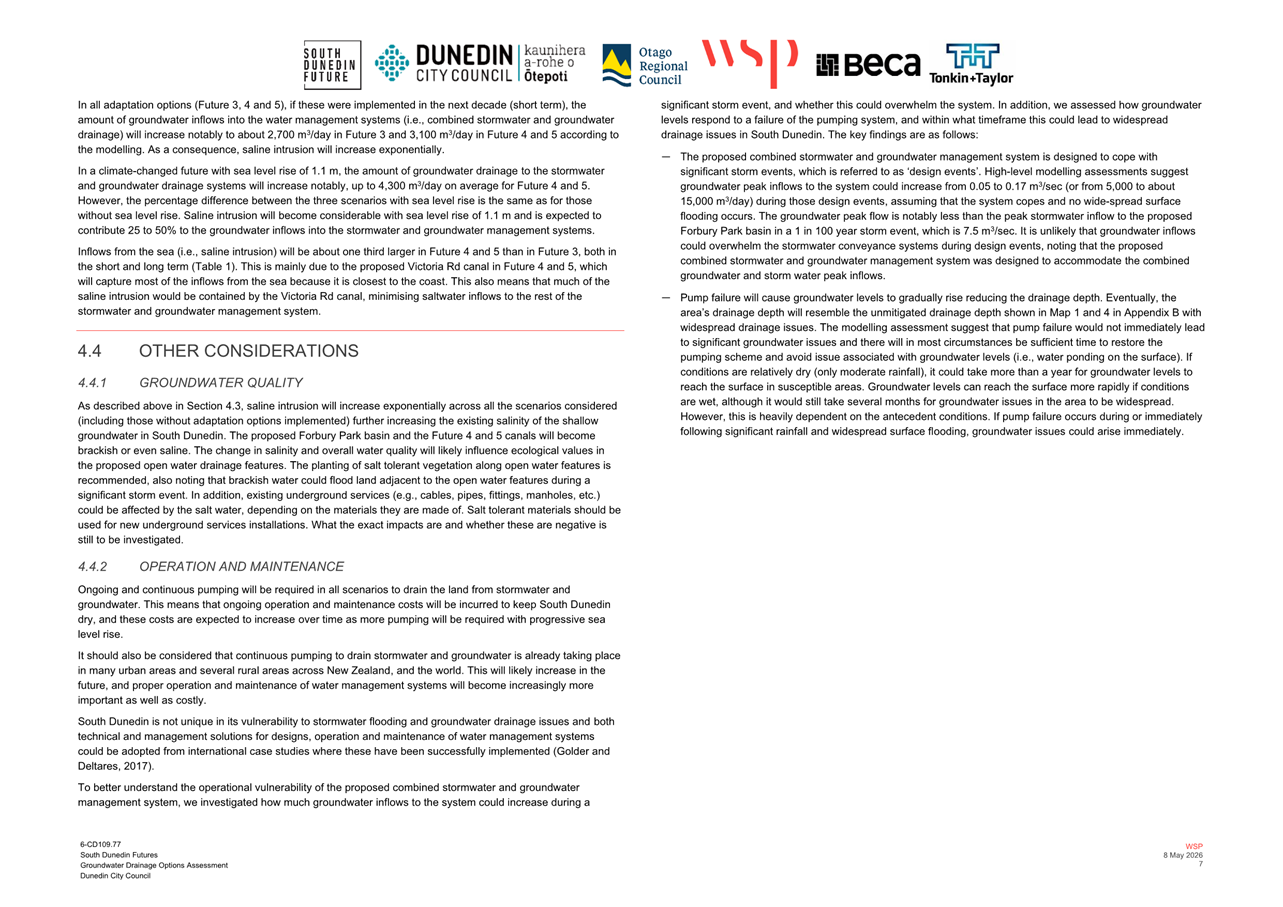
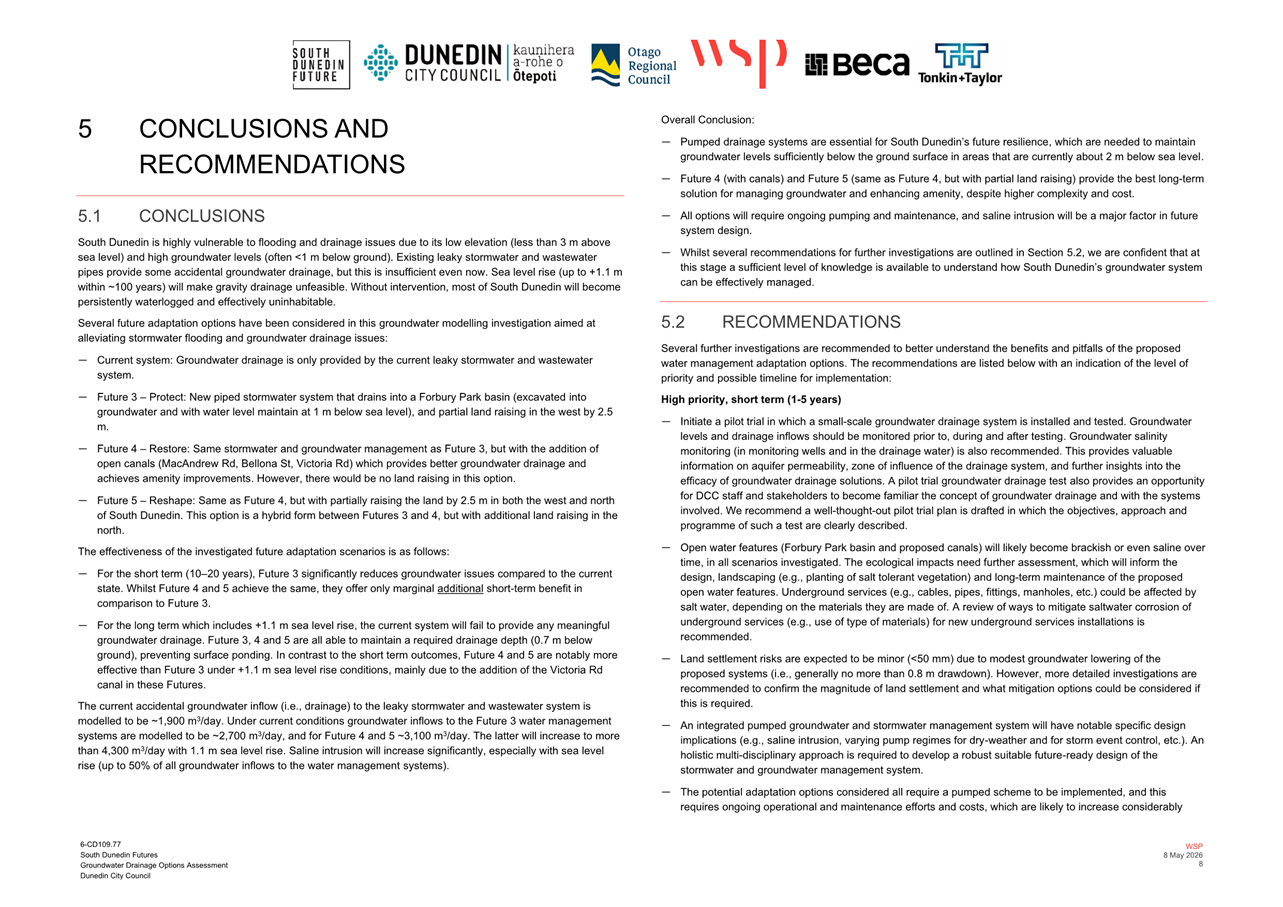
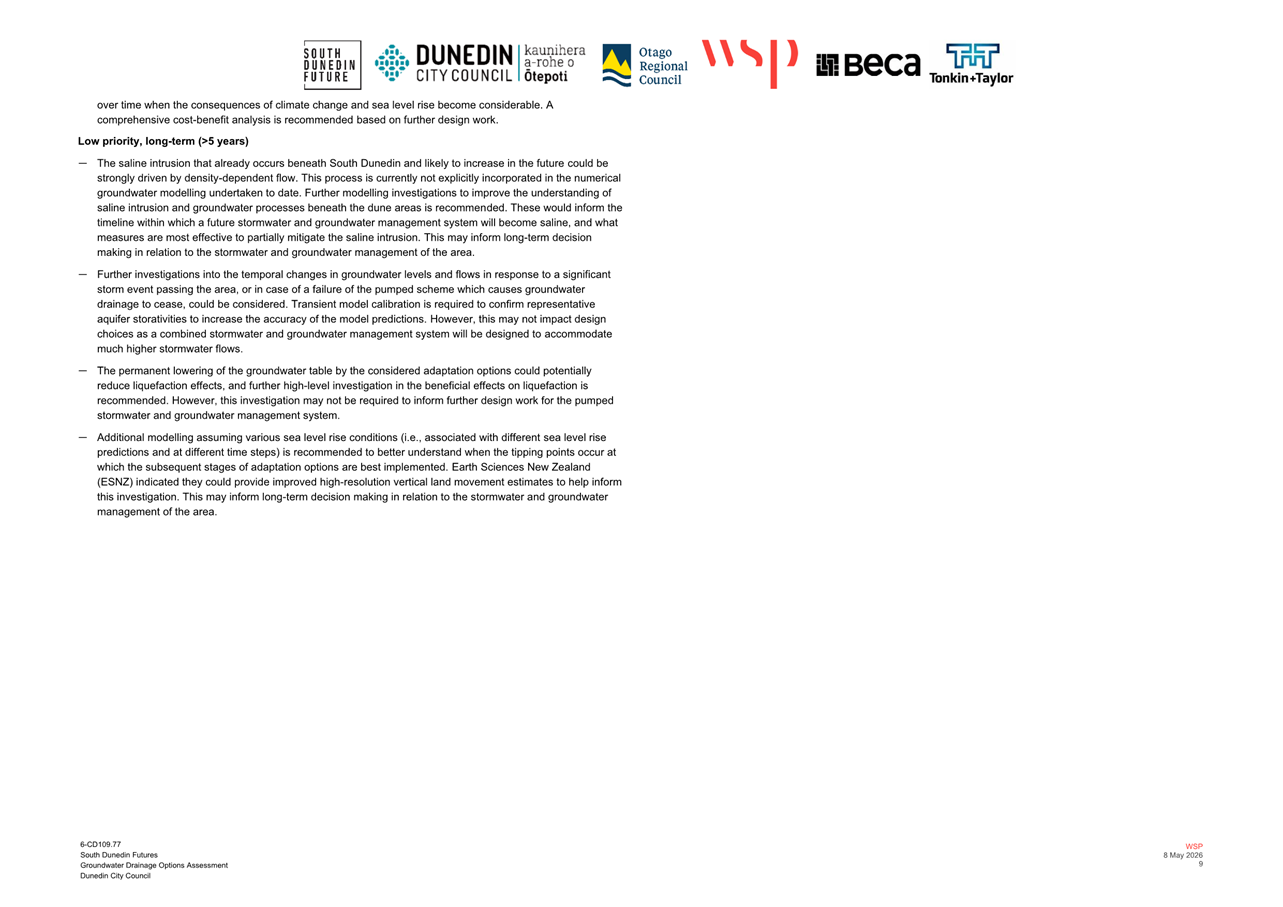
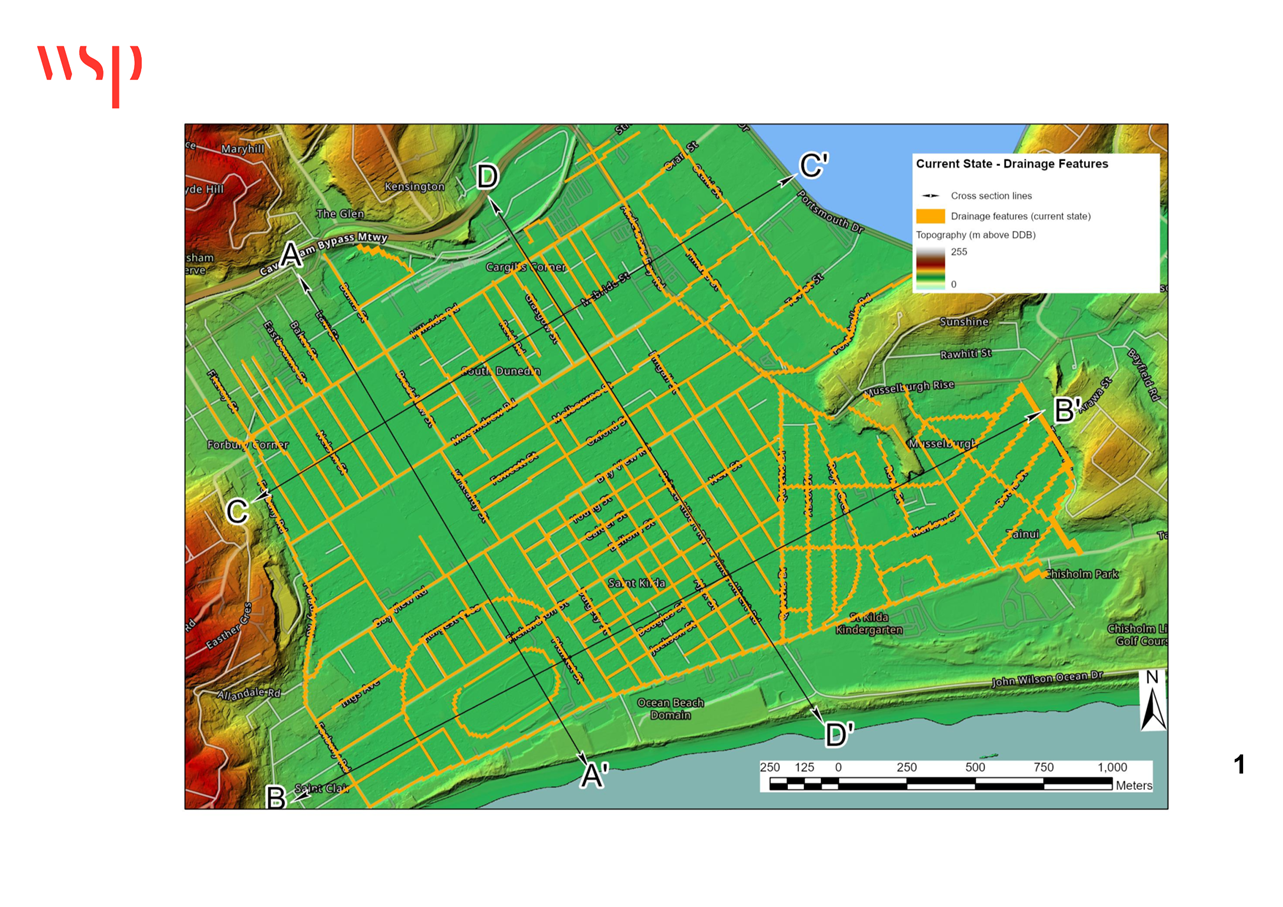
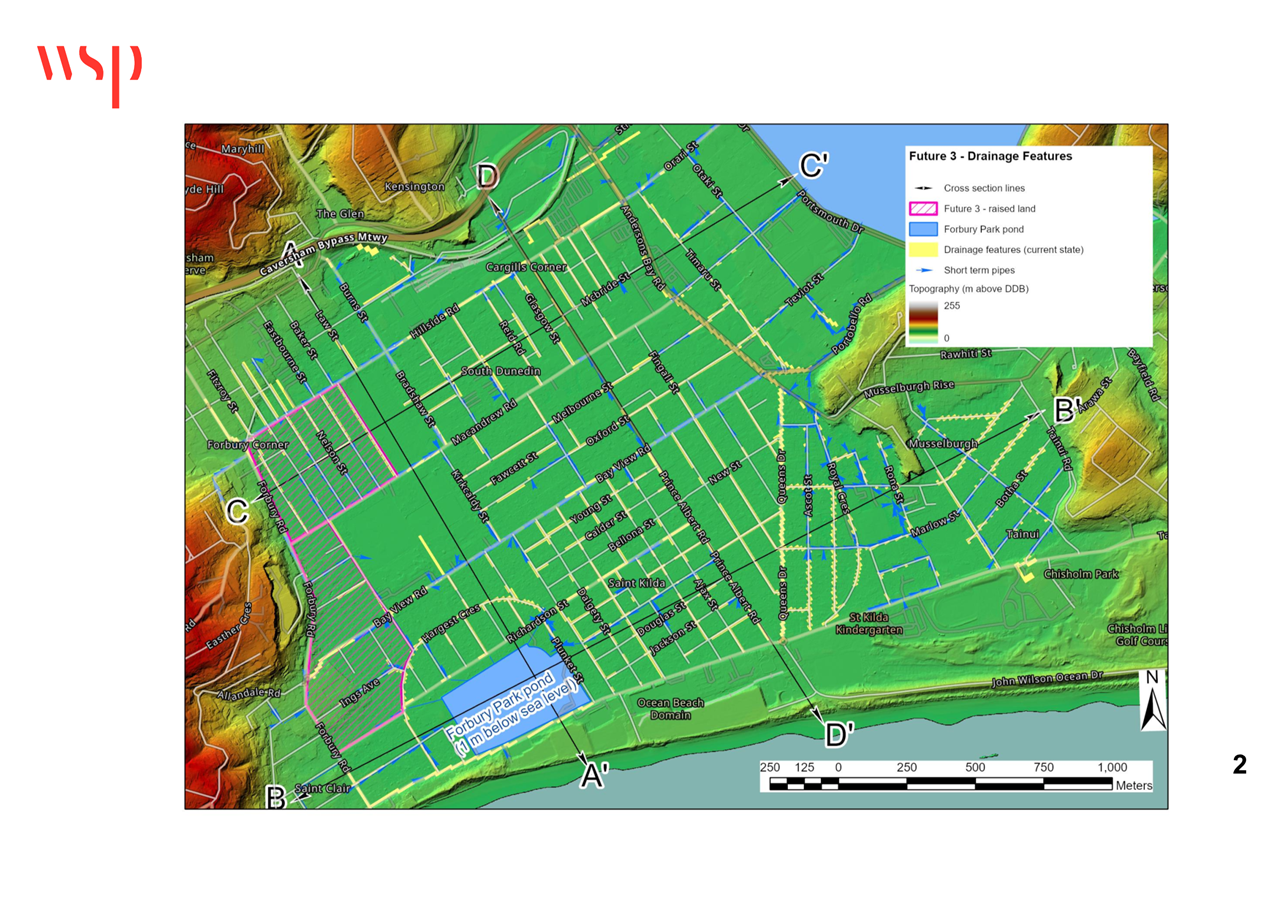
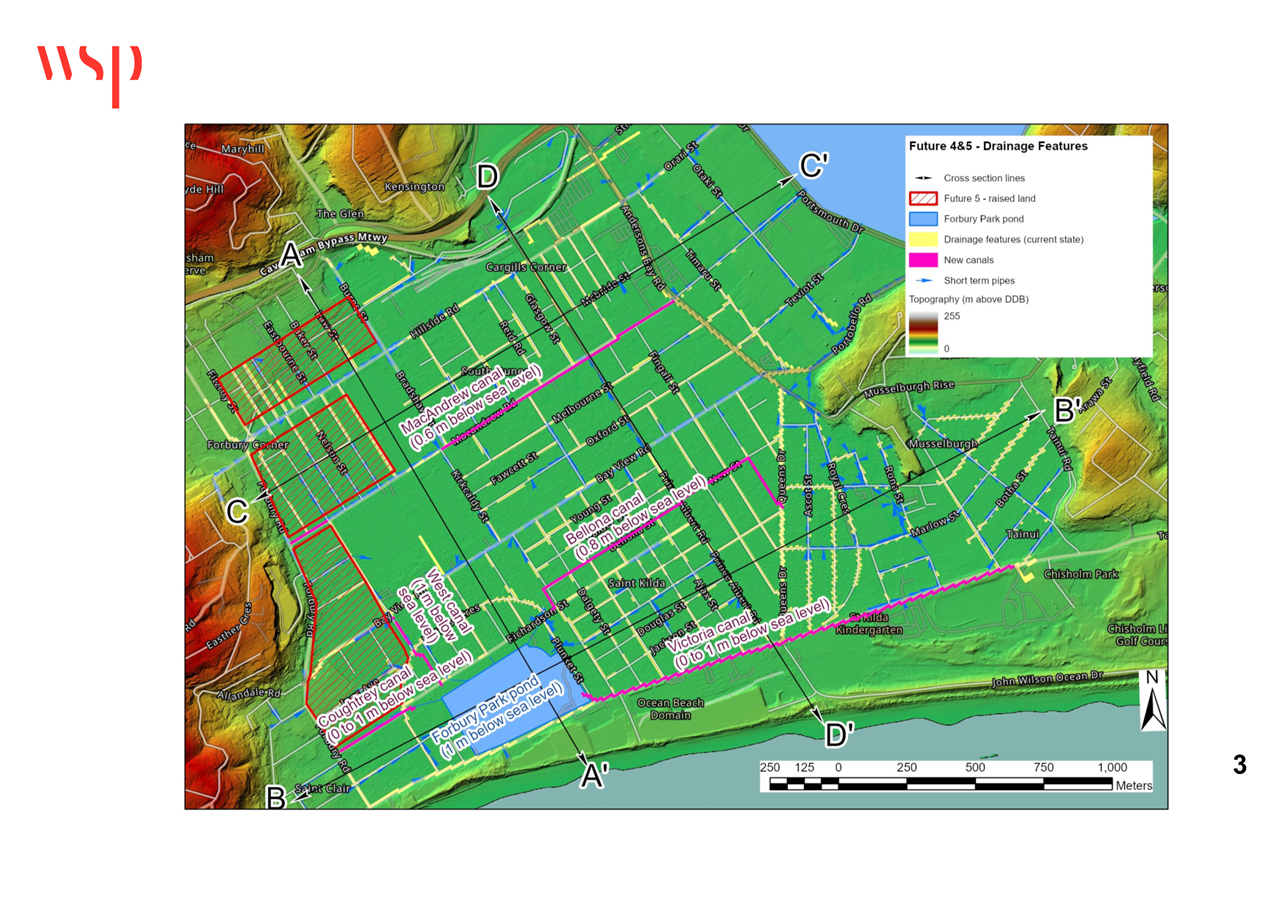
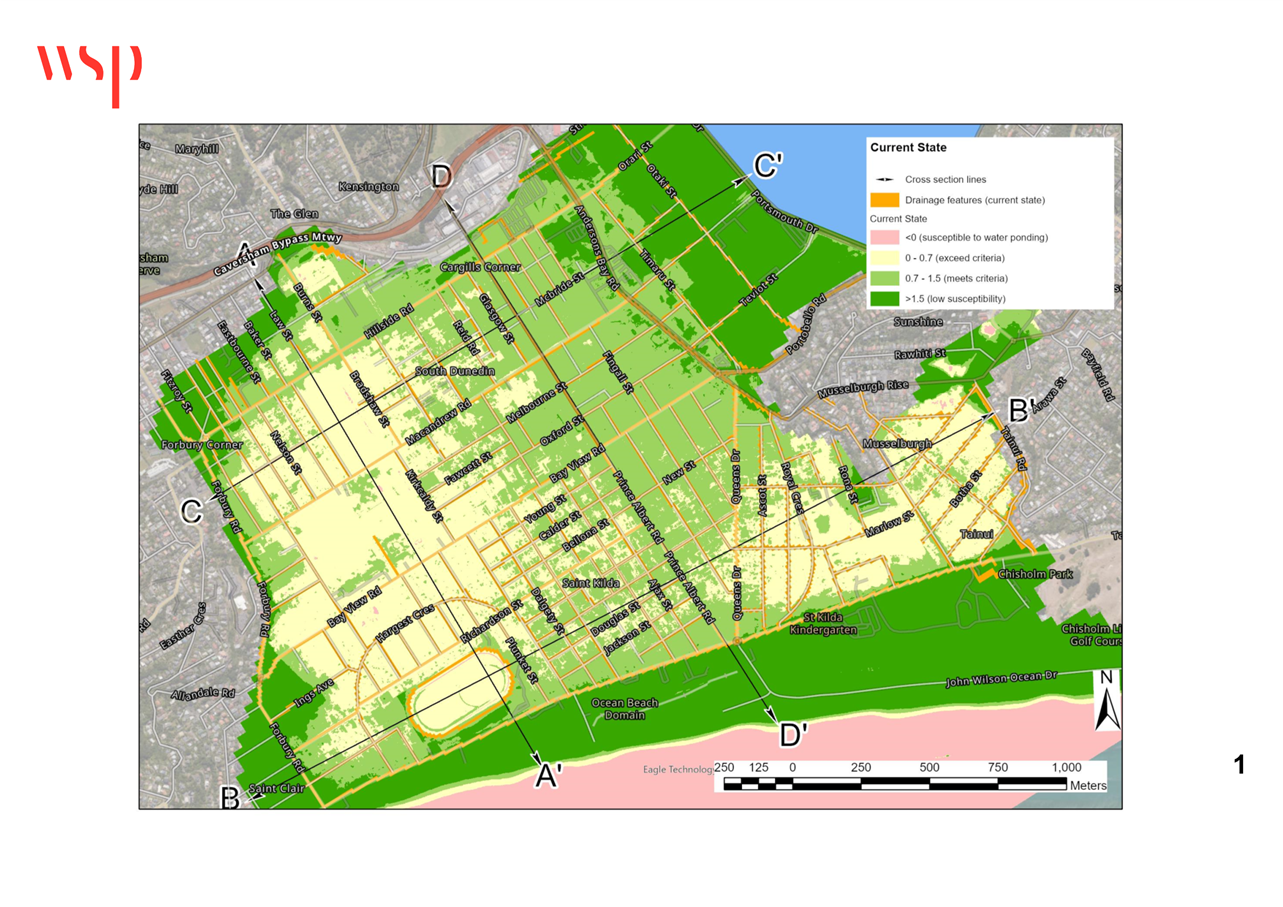
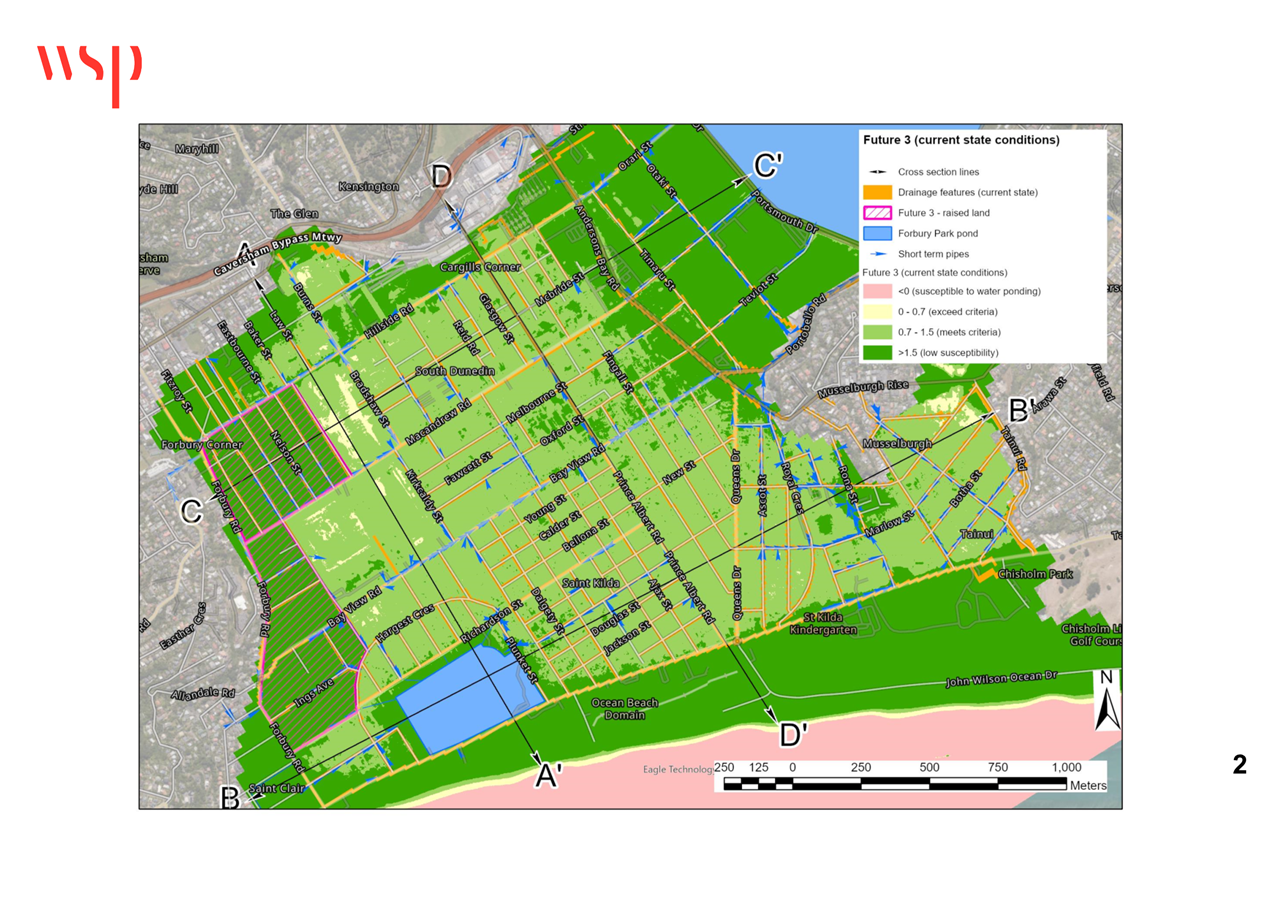
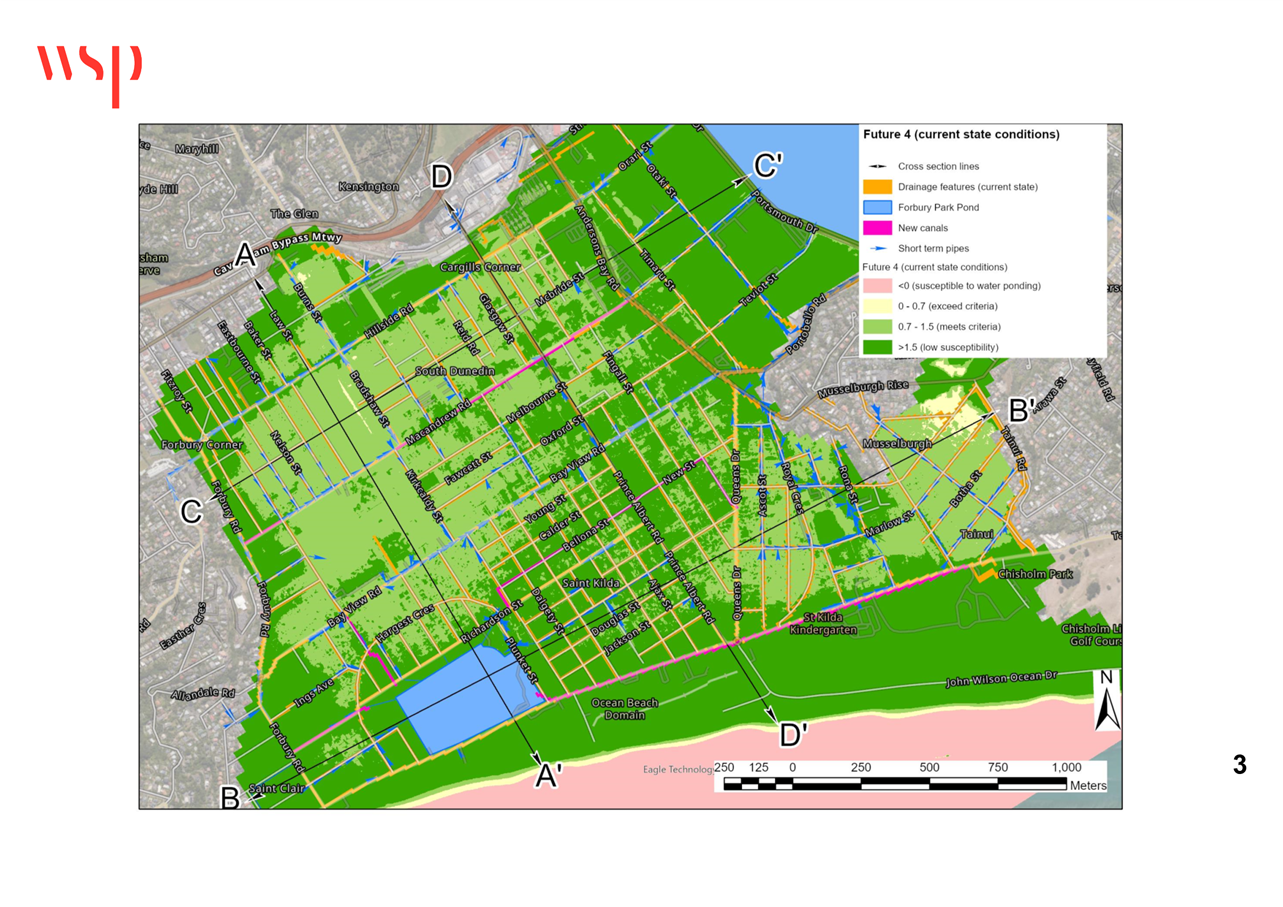
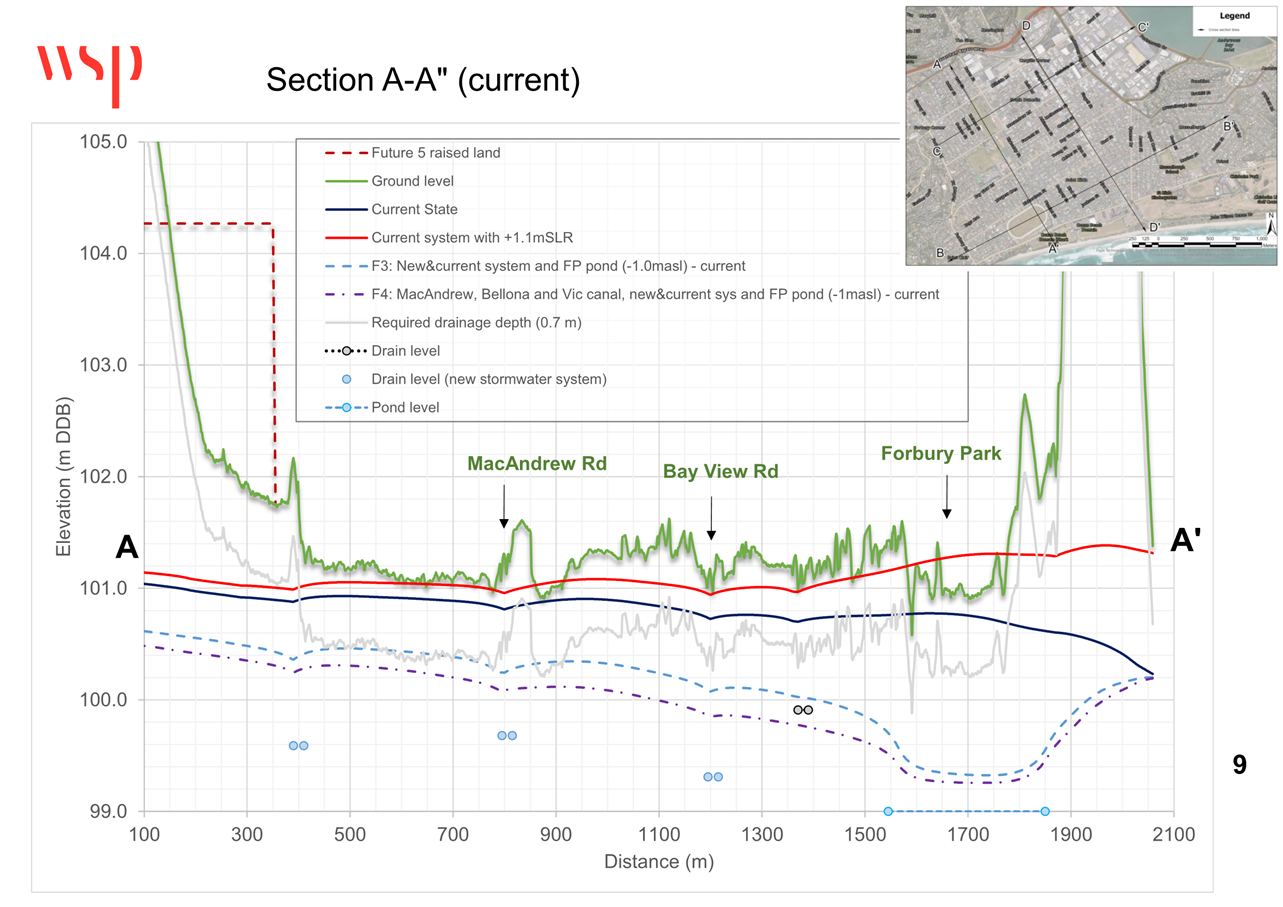
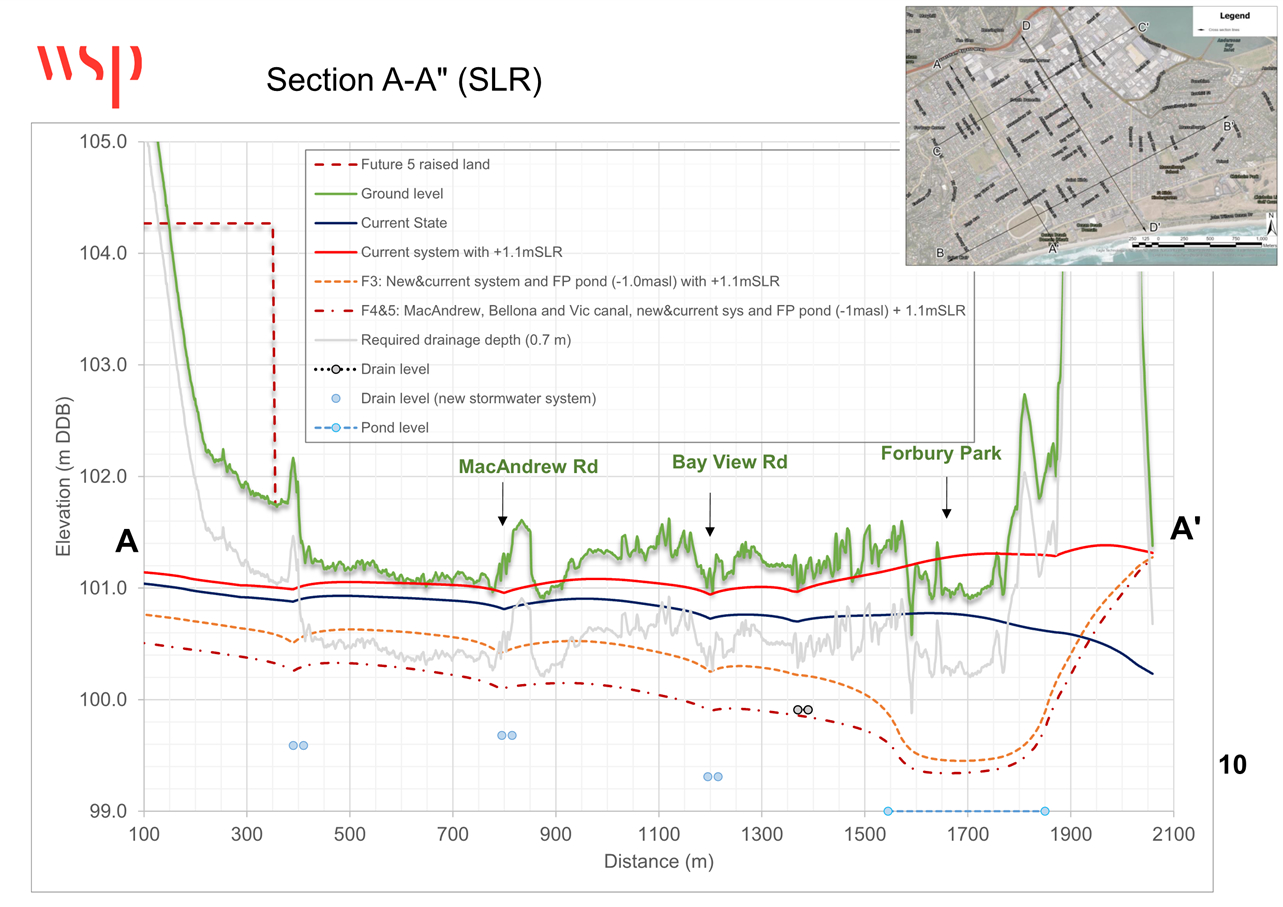
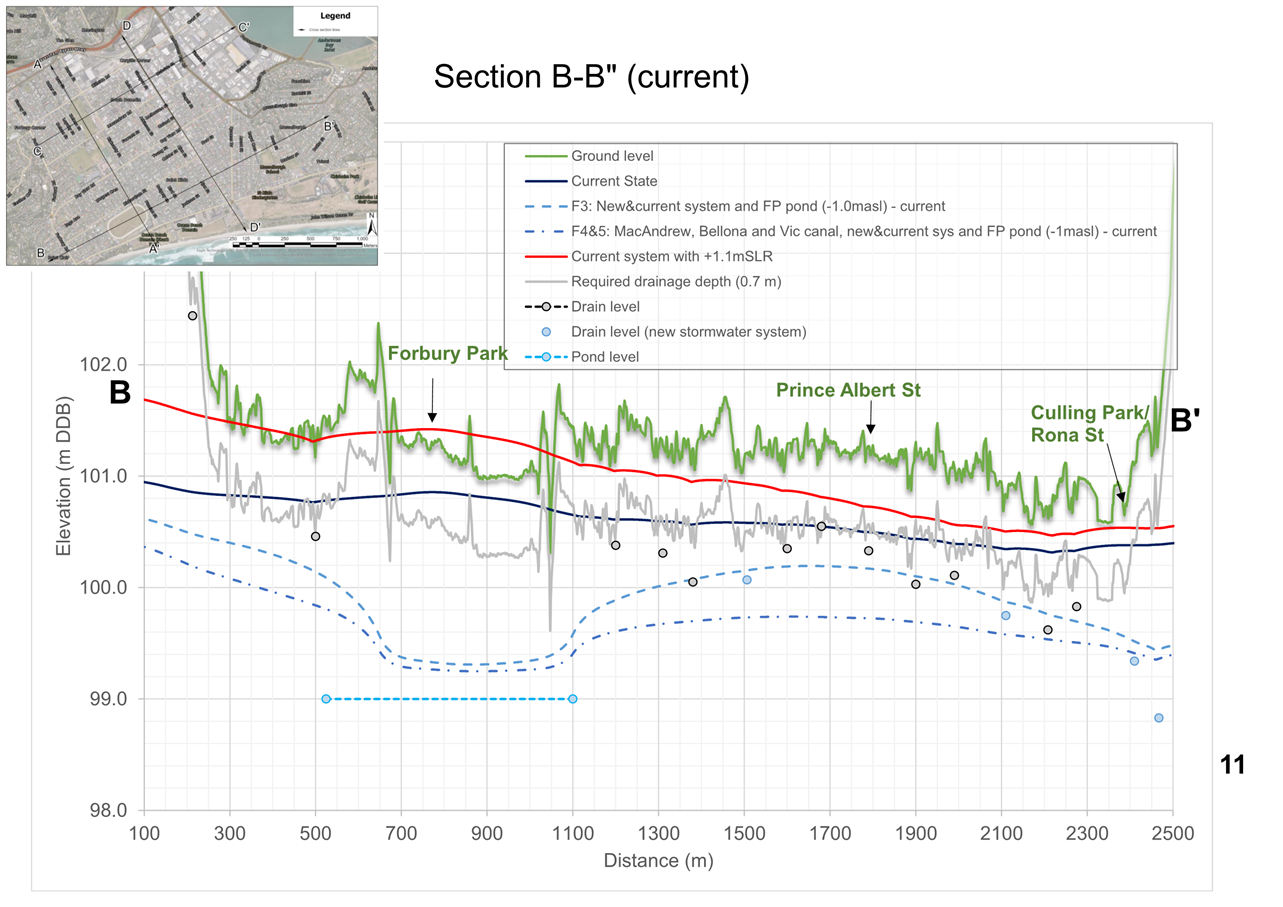
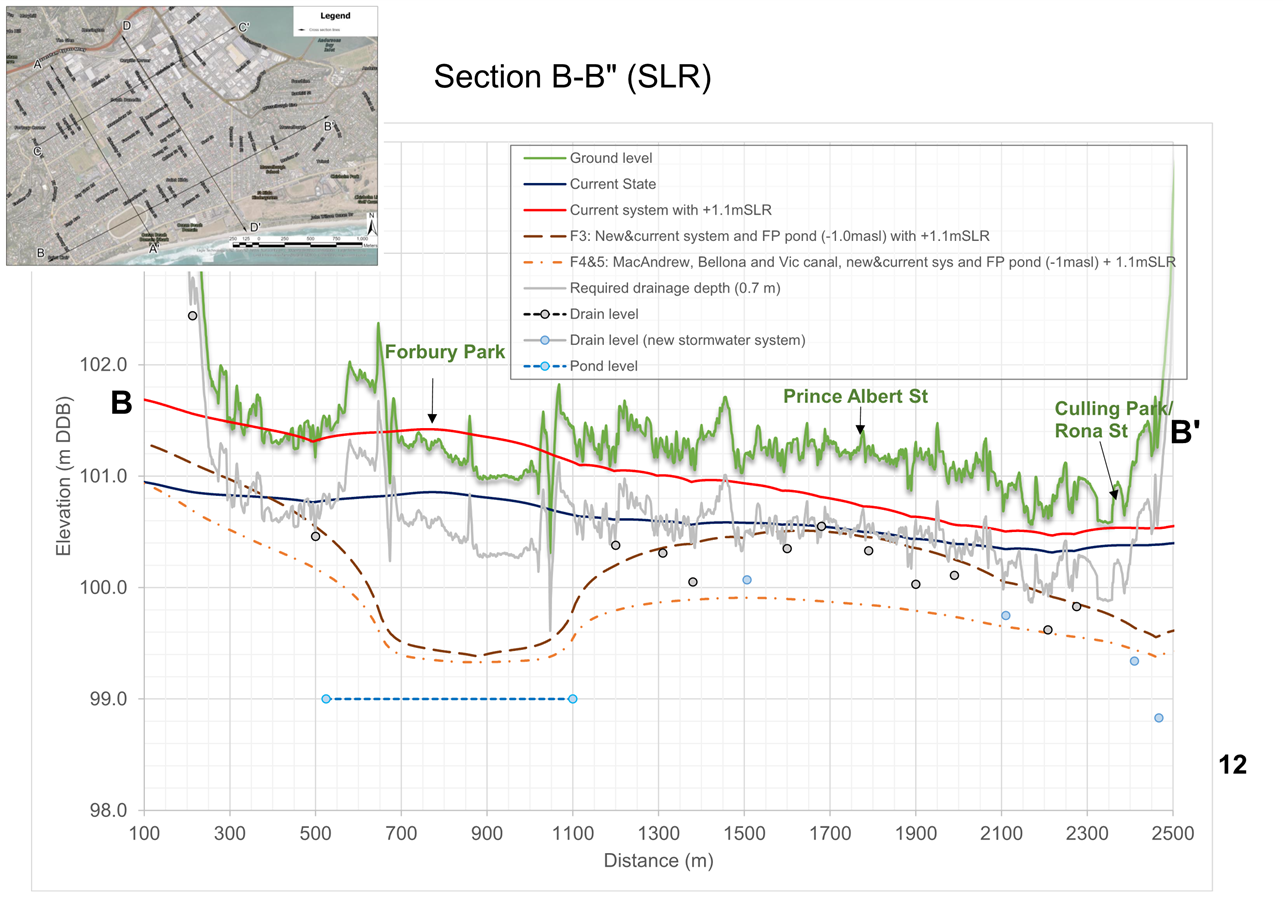
of three Proposed Adaptation Futures for South Dunedin. These include:
· Future
3 – Protect (Keep the land dry – raise land and pump water)
· Future
4 – Restore (Make space for water – waterways and wetlands)
· Future 5 –
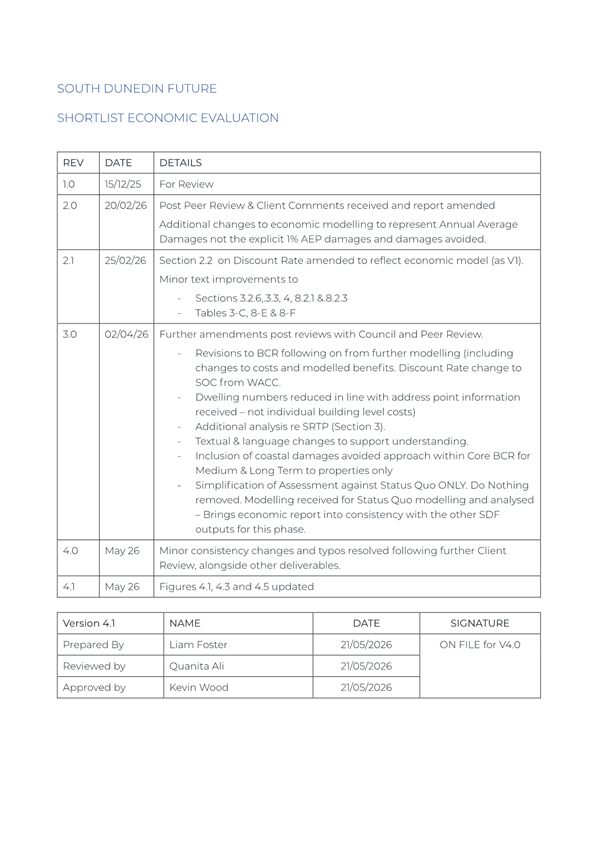
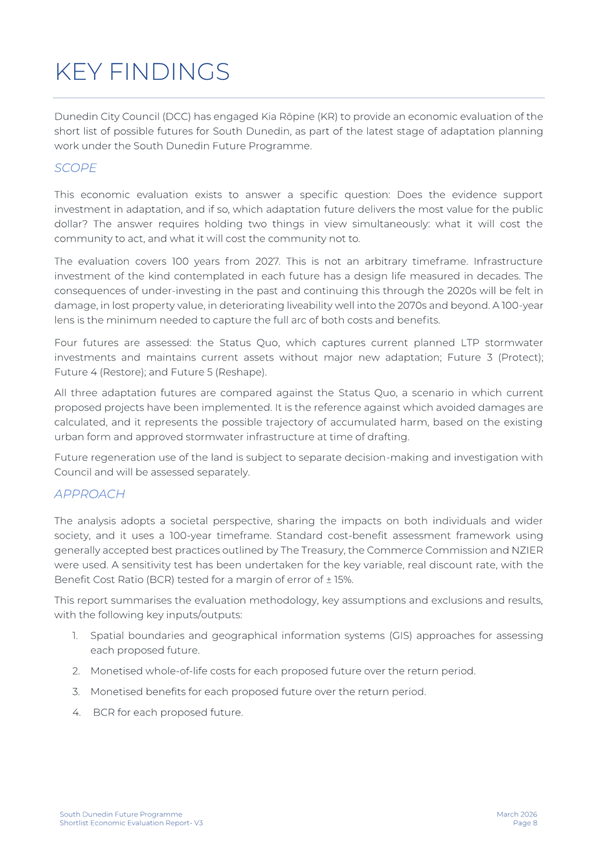
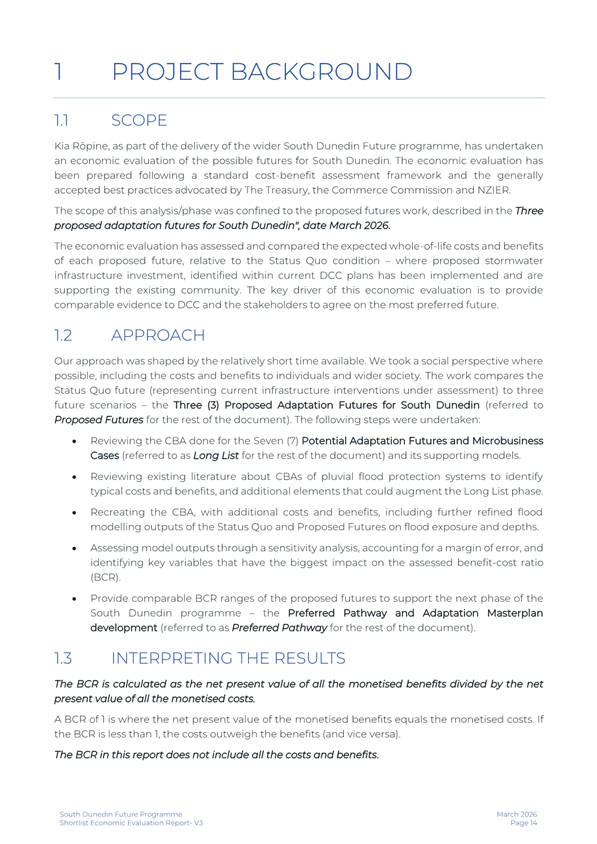
Reshape (Move out of harm’s way – raised land and green spaces)
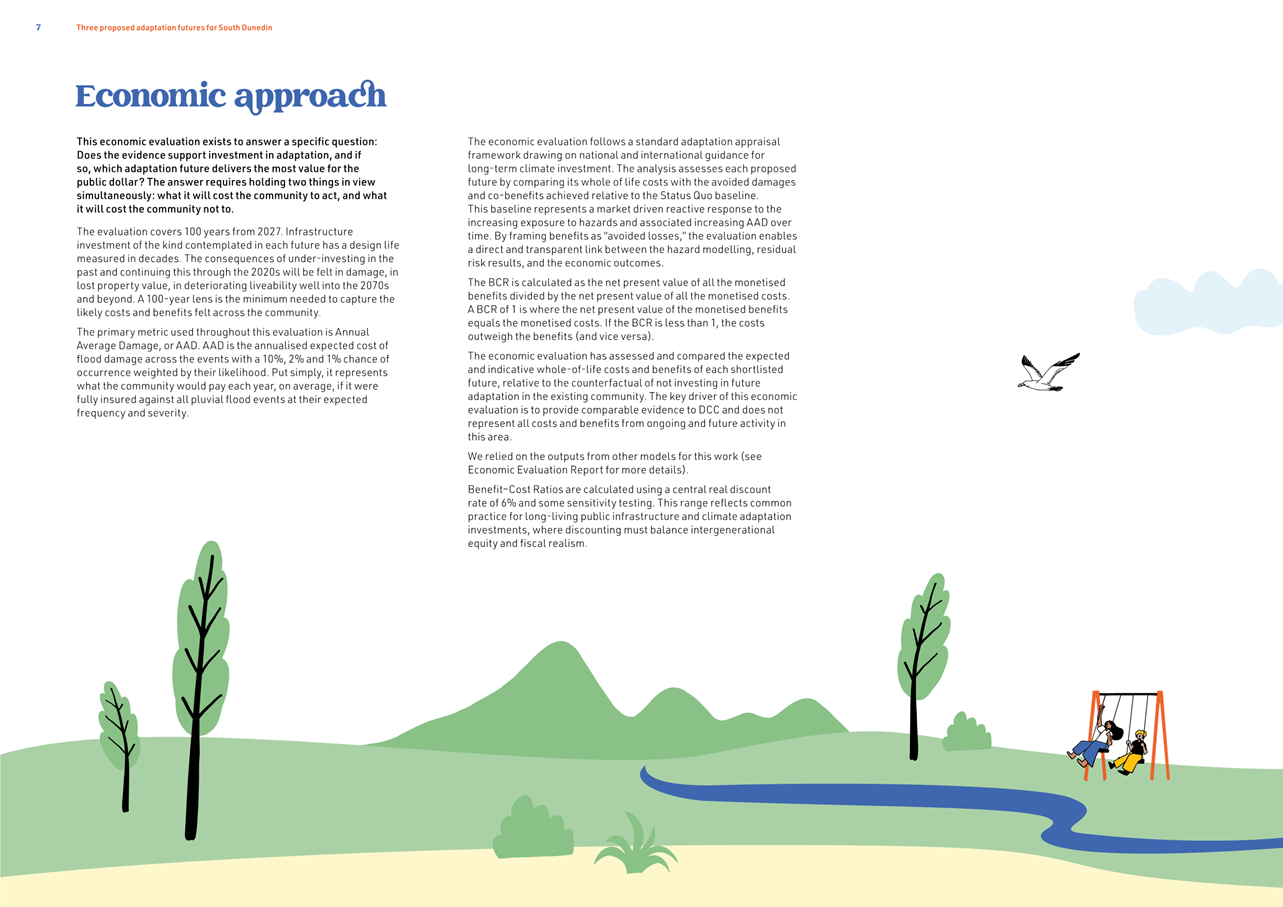
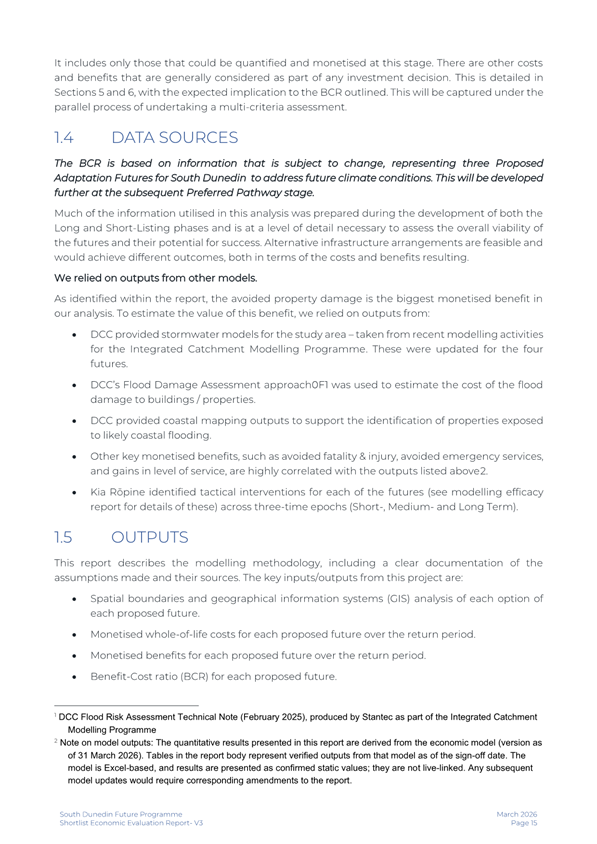
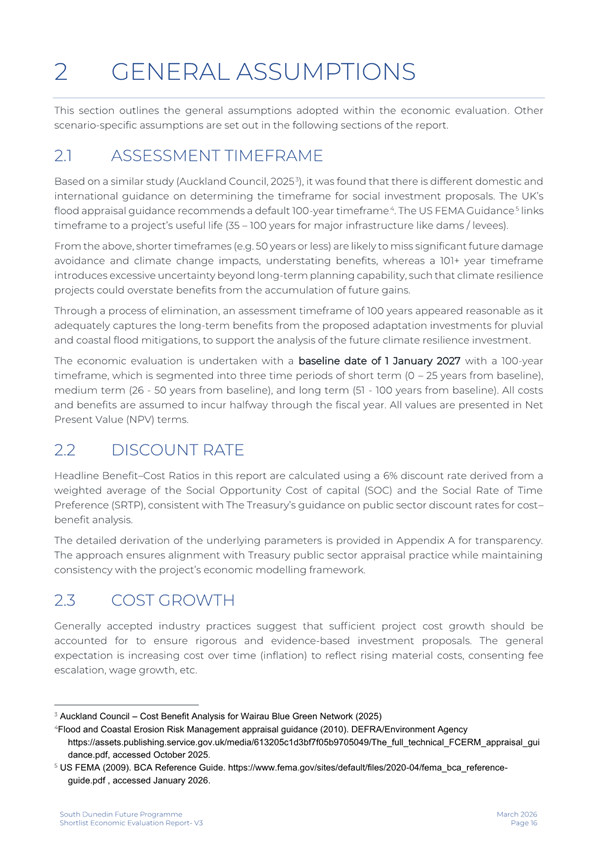
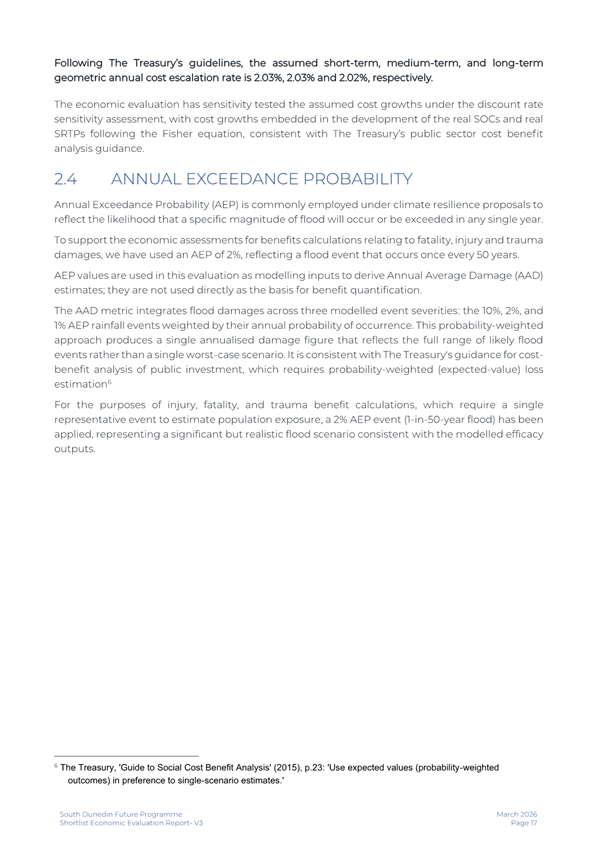
5 Each
future outlines a potential approach and proposed set of actions that could be
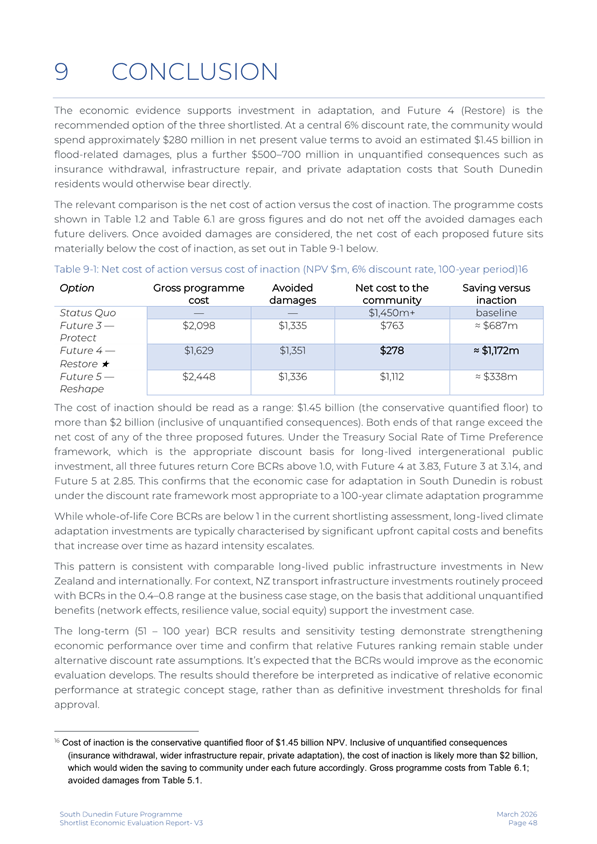
taken over time to reduce flood risk and adapt South Dunedin to the anticipated
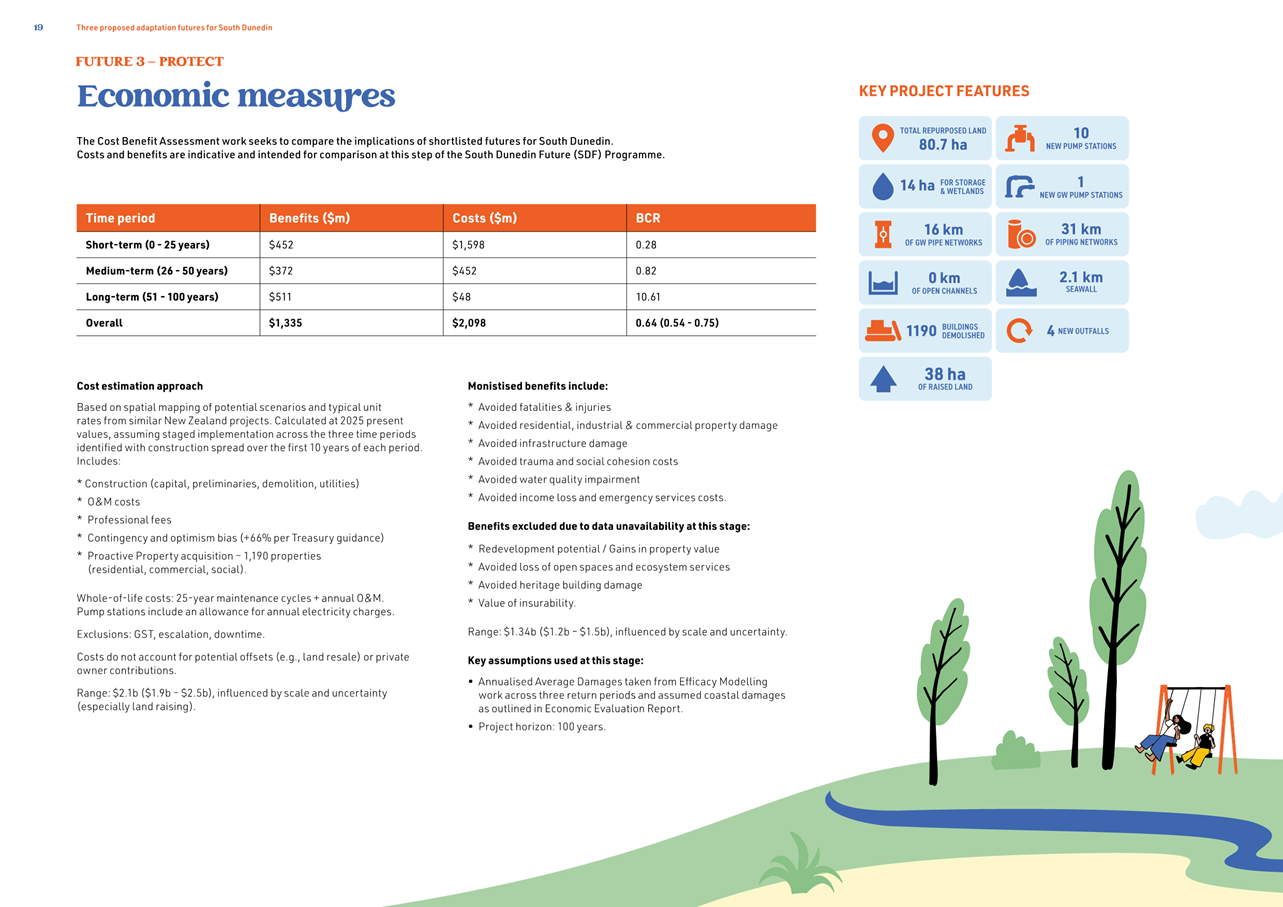
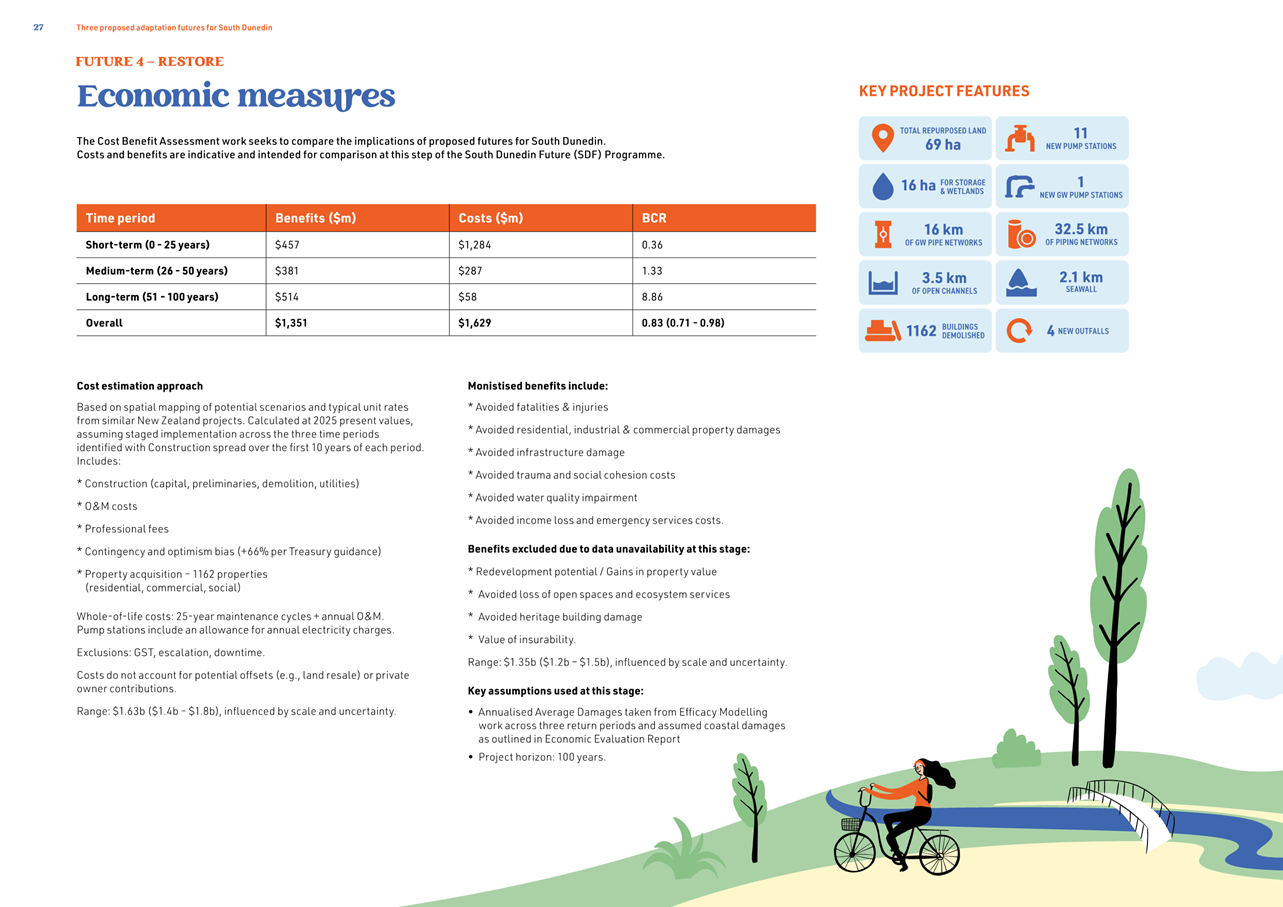
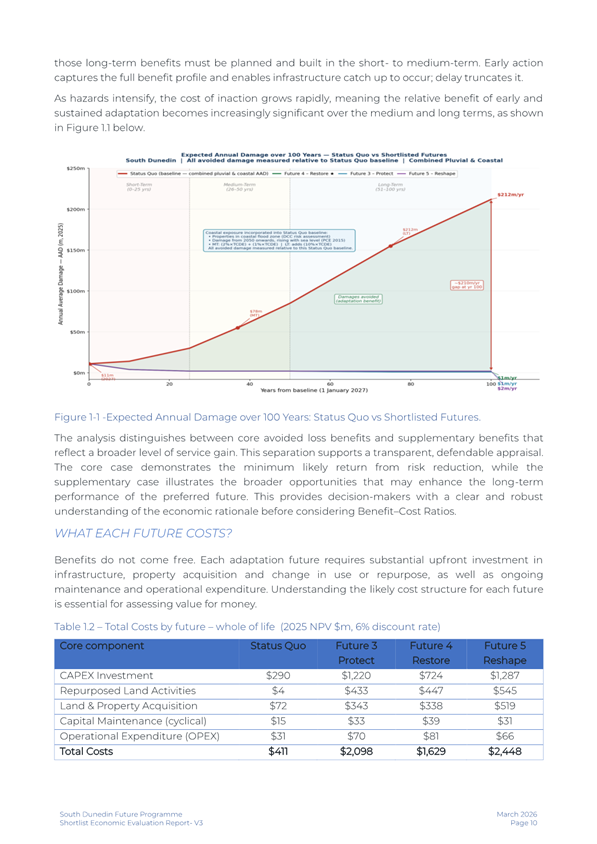
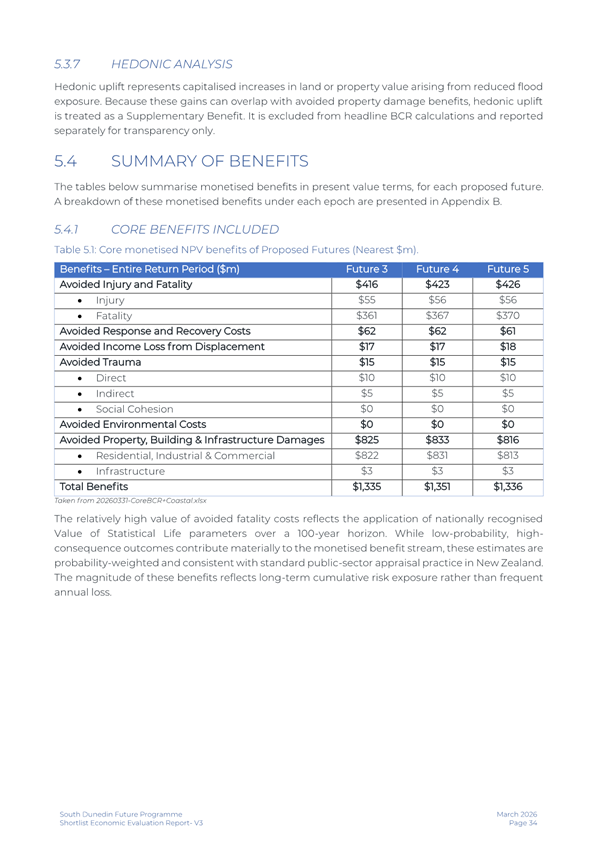
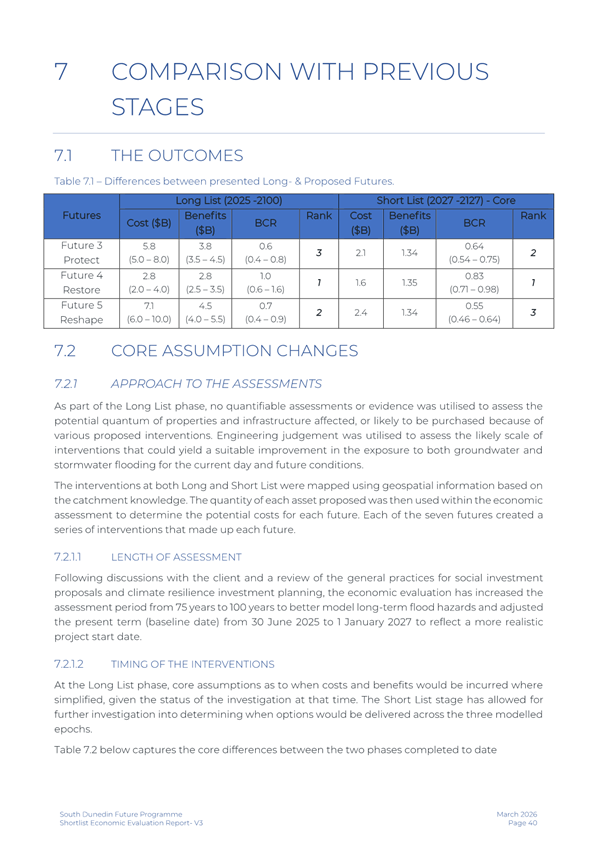
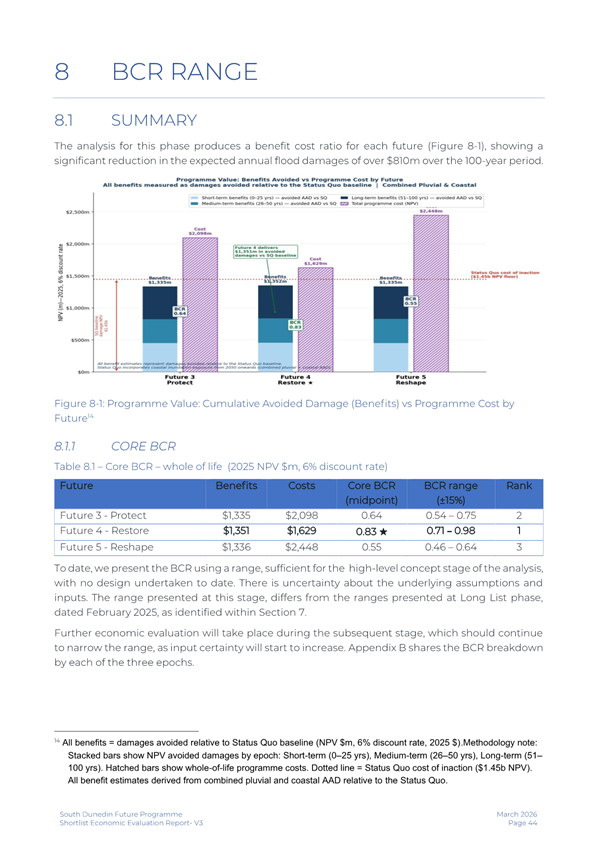
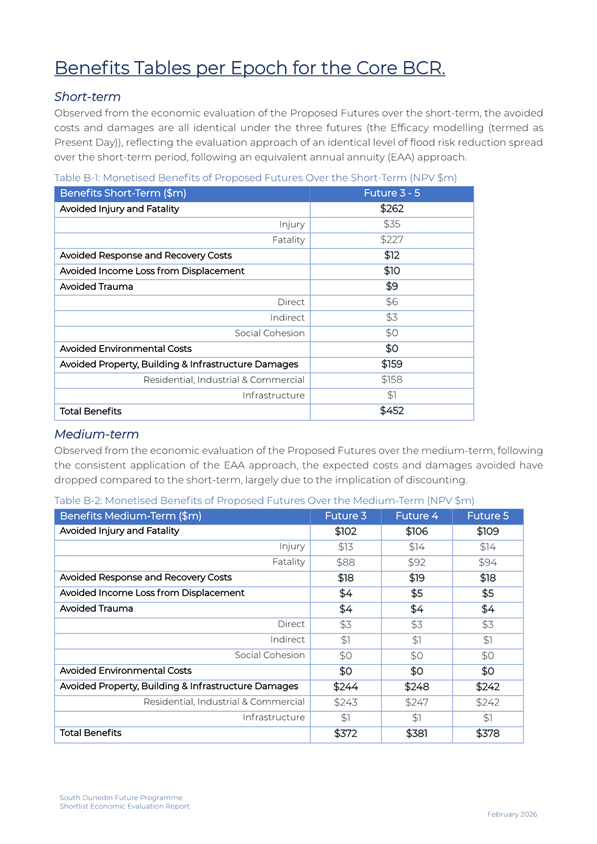
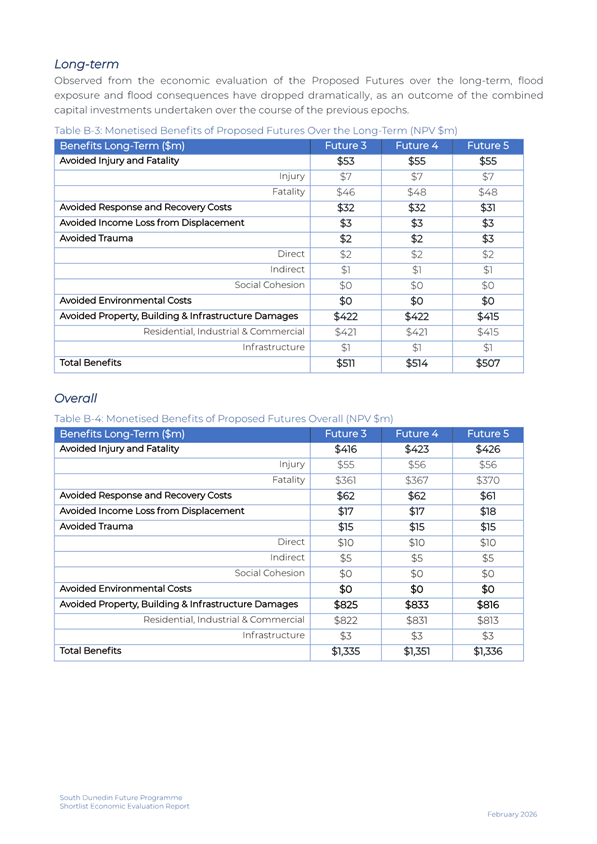
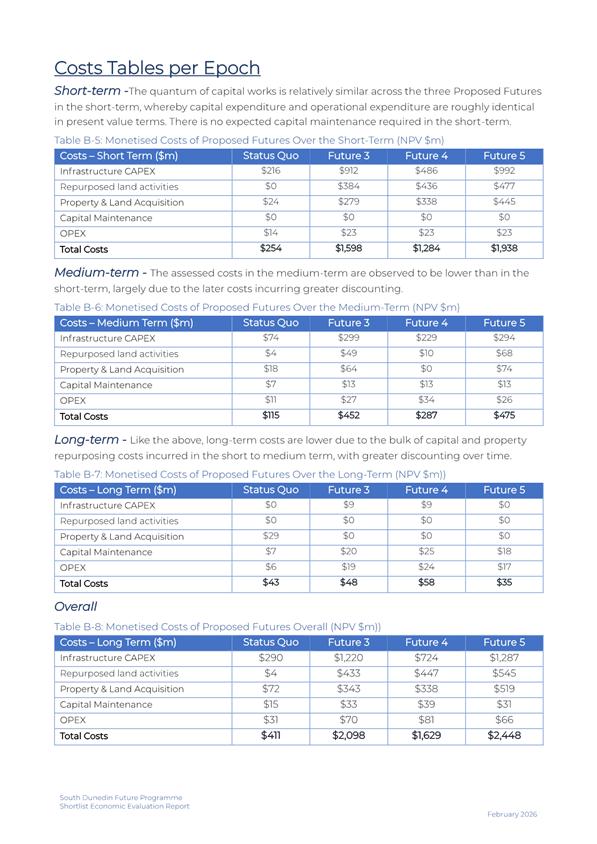
impacts of climate change. The futures also illustrate the likely consequences
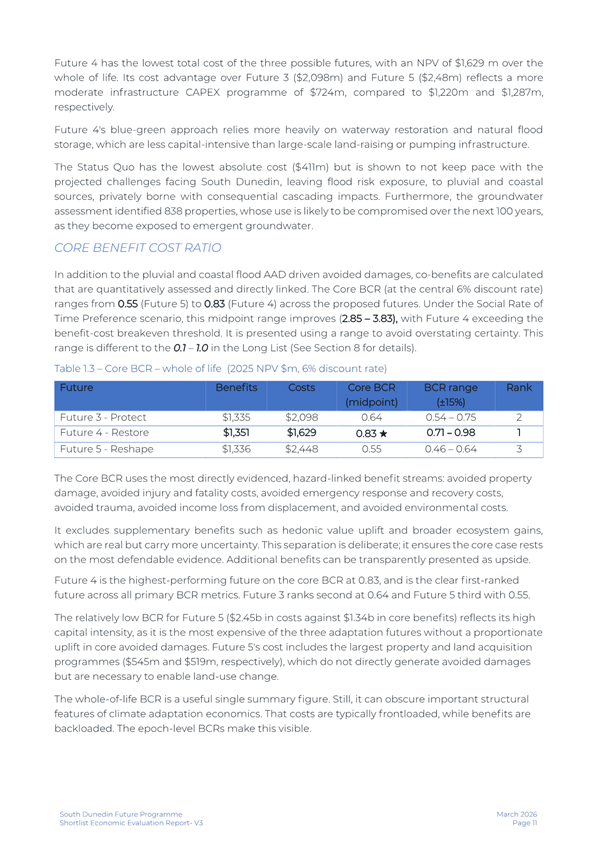
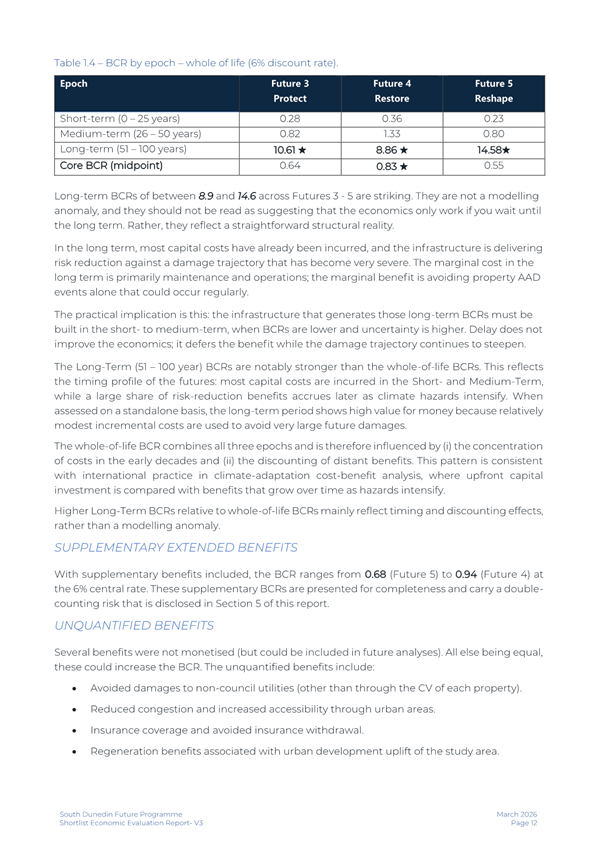
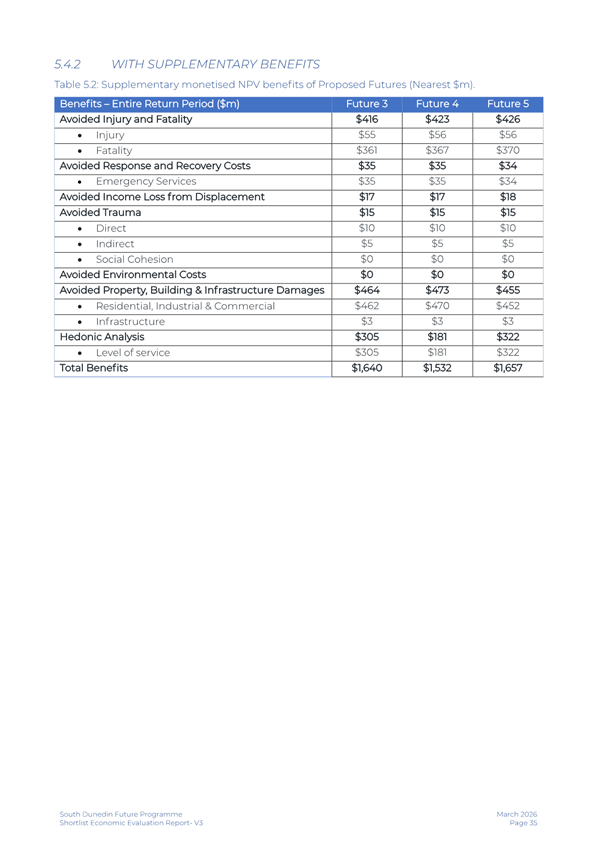
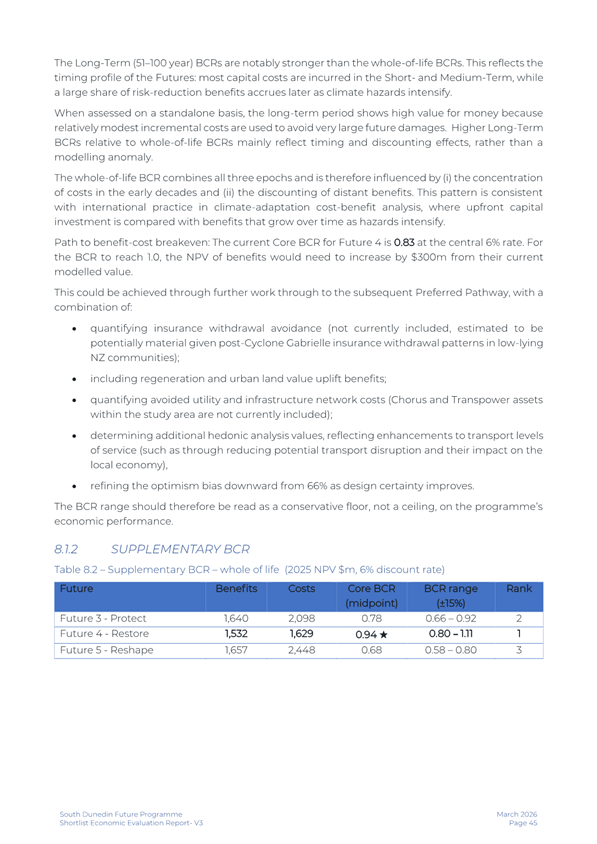
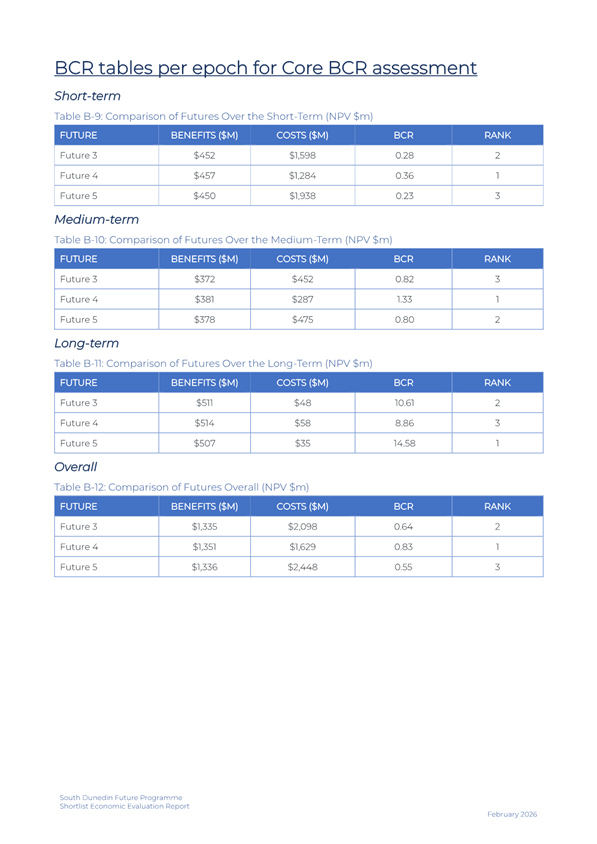
of inaction. Findings are presented across four technical reports: on
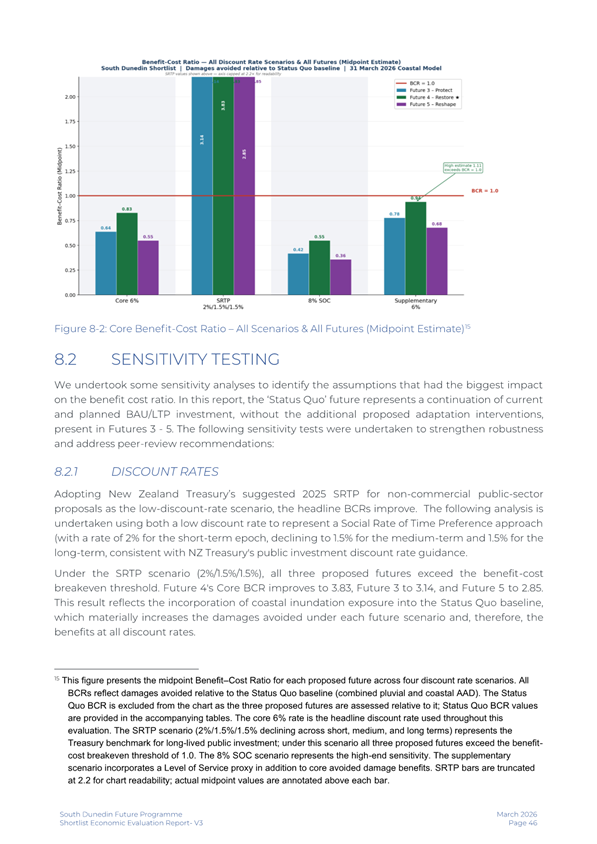
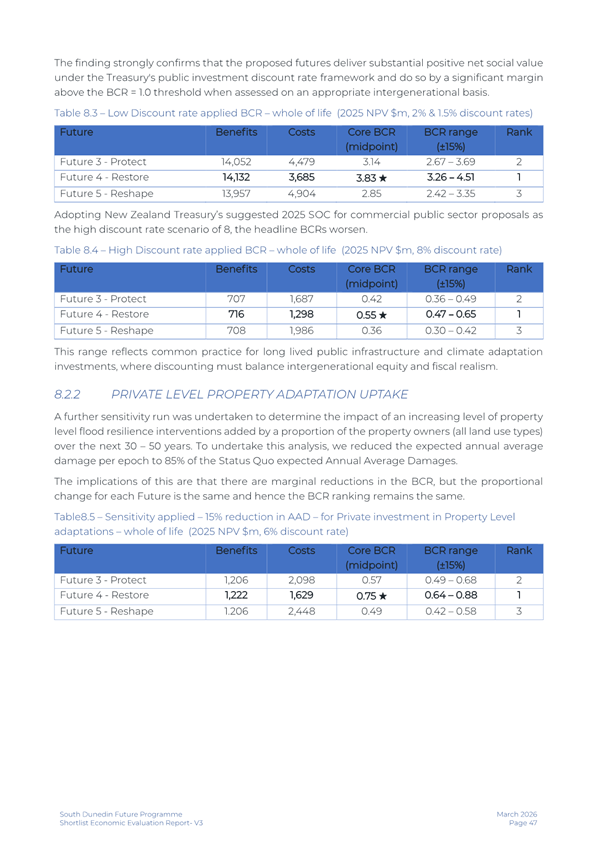
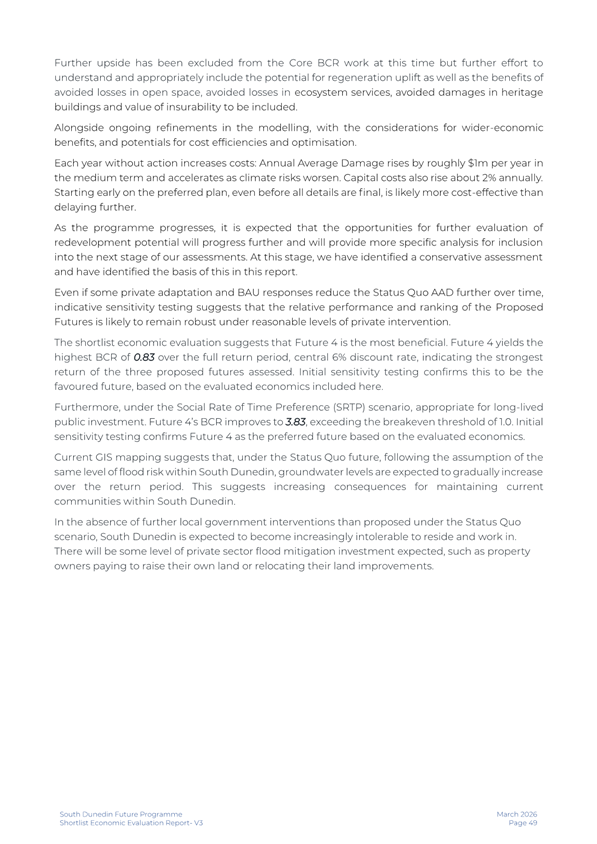
stormwater, groundwater, and economics, and an overview report describing the
three proposed adaptation futures.
6 Encouragingly,
this work indicates that it is technically feasible to significantly reduce
flood risk in South Dunedin over the next 50–100 years, despite the
anticipated increase in climate‑related
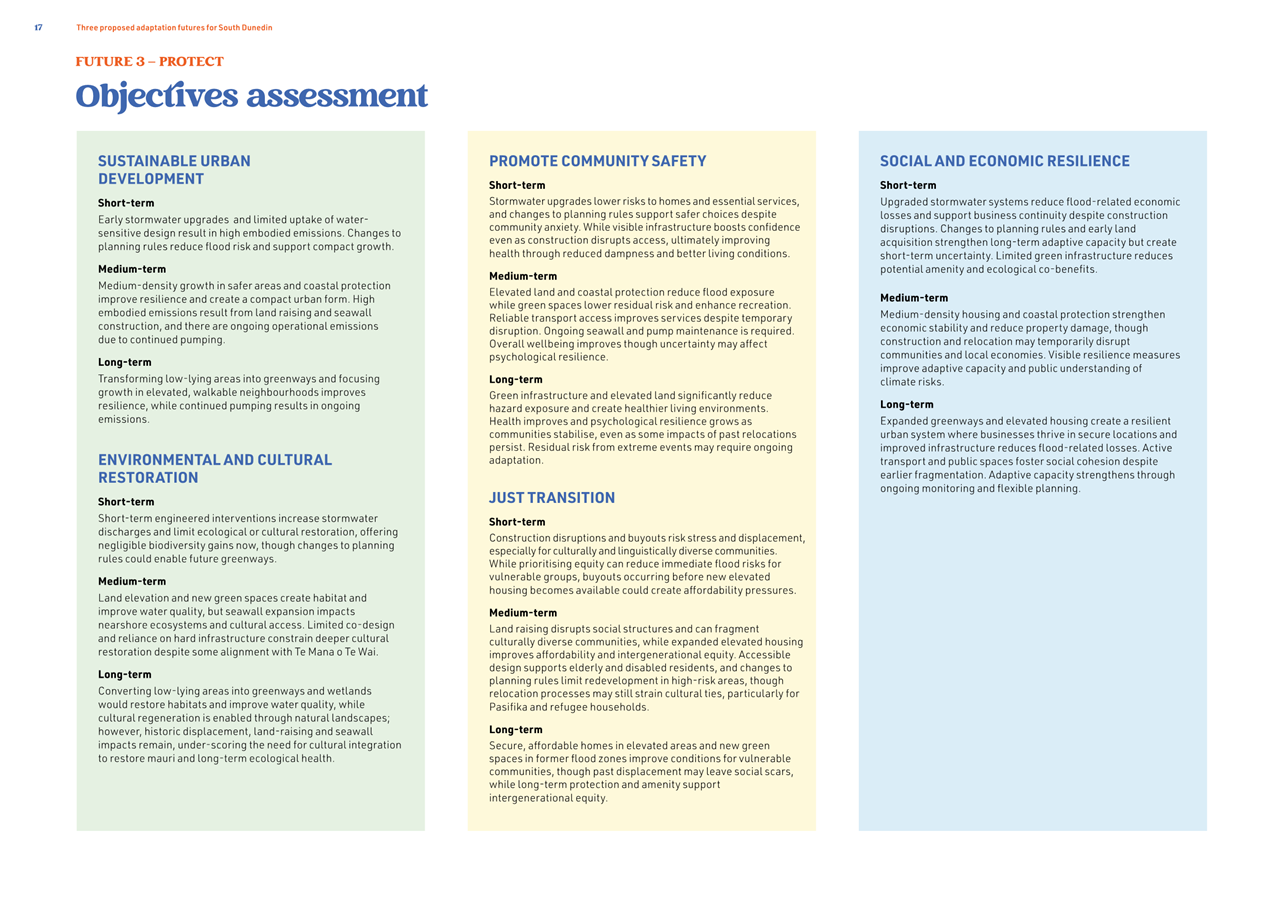
hazards. However, achieving this would require extensive and ongoing
investment, disruption, and change over that period (and likely beyond).
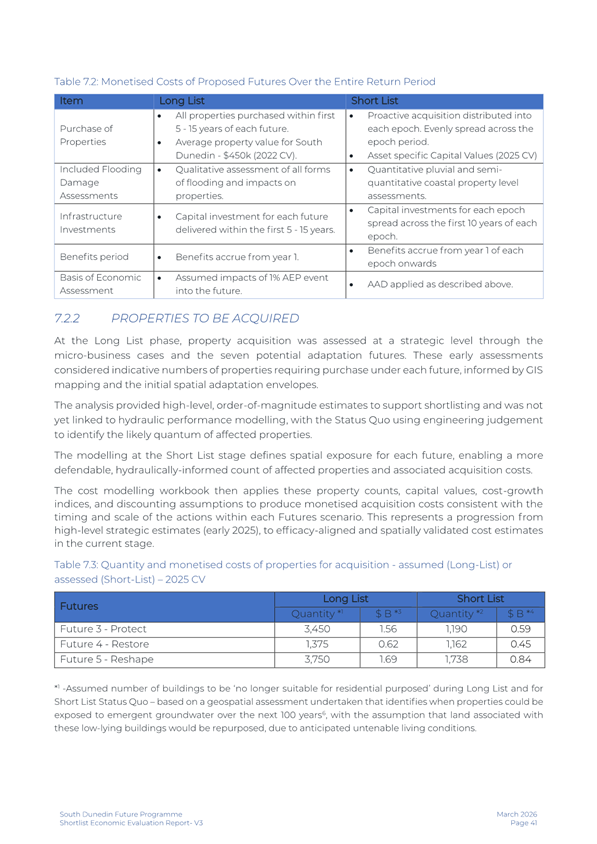
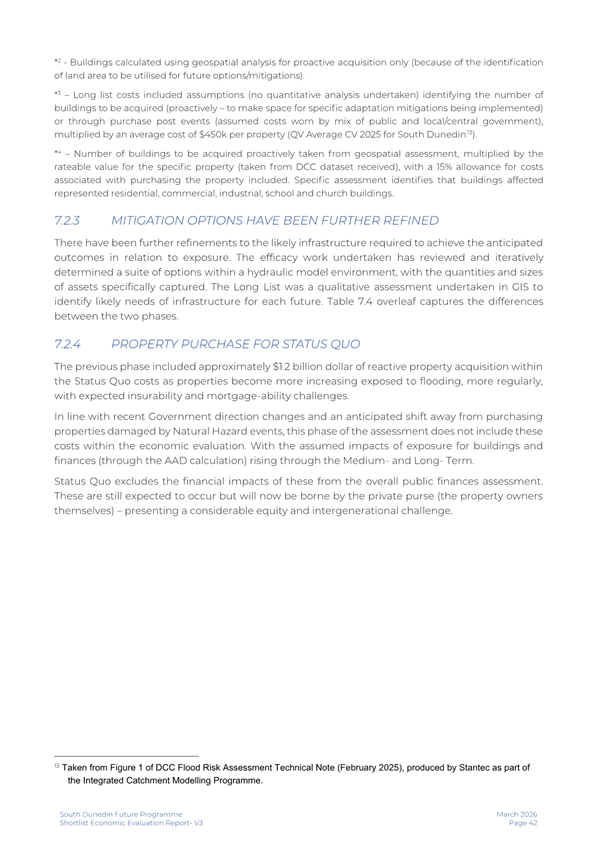
Reducing flood risk would involve a mix of new and upgraded infrastructure,
land raising and redevelopment, and the creation of parks, wetlands, and
waterways in some areas of South Dunedin. Implementing these public works would
require councils to change planning rules and acquire private property in some
areas.
7 The
futures combine different adaptation actions across the short term
(2025–2050), medium term (2050–2075), and long term
(2075–2125). The futures are broadly similar in the short term, focusing
on investment in stormwater and groundwater infrastructure and preparing for
potential land‑use
change through planning measures and property acquisition. In the medium term,
more substantive changes would be introduced, including land raising, new
development patterns, and the creation of parks, wetlands, and waterways,
alongside coastal protection and continued infrastructure upgrades. In the long
term, major capital works would taper off, while new housing in lower‑risk areas would provide
additional development capacity.
8 The
proposed actions and changes outlined in the three futures are significant,
reflecting the scale and nature of the challenges facing South Dunedin. It is
therefore important that councillors and the community consider these proposals
in their wider context, including the expected benefits of being proactive and
taking decisive action, as well as the likely consequences of delay and
inaction. While there is acknowledged community frustration regarding the
perceived lack of action on flooding since 2015, it has taken time to build a
comprehensive understanding of the underlying problems and to identify workable
long‑term
solutions. This analysis confirms there are no quick or simple fixes and that
system-scale responses are required.
9 The
economic assessment shows that maintaining the status quo in South Dunedin has
an estimated cost of $1.45 billion in net present value (NPV) over a 100-year
period and likely more than $2 billion once wider factors are considered. All
three proposed futures deliver significantly better outcomes, with costs
ranging from $1.63 billion to $2.45 billion NPV over a 100-year period. Net
costs range from approximately $280 million to $1.112 billion NPV, reflecting
the benefits of adaptation action, including avoiding anticipated flood damages
and associated disruption over time. While the futures all involve substantial
upfront costs, benefits grow over time, and the anticipated costs of inaction
are even higher. The cost of implementing the cheapest future (Future 4) is
roughly 8 per cent of DCC’s annual capital budget of around $200 million,
noting South Dunedin comprises around 10 per cent of the city’s
population.
10 Achieving
meaningful flood‑risk
reduction in South Dunedin over the next 50–100 years will require
system-wide interventions and consequential intergenerational decisions. The
scale and duration of investment needed may commit future generations to
specific adaptation pathways, long‑lived
infrastructure, and escalating operating costs. Even with decisive action,
residual risks associated with sea‑level
rise and climate change will persist. Decisions made today will therefore shape
not only near‑term
outcomes, but also the choices, obligations, and risks inherited by future
communities.
11 Subject to
approval by Councils, the next step in the SDF programme is to engage with
affected communities and other stakeholders on the proposed futures. Feedback
will inform further technical and economic analysis to identify a single
preferred future and finalise a climate adaptation masterplan for South
Dunedin. However, technical work is now sufficiently advanced for
implementation of ‘no and low regrets’ actions to proceed in
parallel to this final stage. This includes DCC continuing delivery of the
three stormwater projects already approved by Council, alongside consideration
of 10 new initiatives recommended over the next 25 years that are common across
all three futures, which could be implemented regardless of which future is
eventually selected as preferred. Work to scope, phase, and cost these
initiatives could begin immediately, with funding and approval considered
through the Long Term Plan (2027–37) process, potentially enabling
implementation to commence from 1 July 2027.
RECOMMENDATIONS
That the Council:
South Dunedin Future Technical Reports
a) Notes the background
of the South Dunedin Future programme, including the Council-approved programme
plan and strategy, and the work undertaken since the previous report to Council
in September 2025.
b) Notes the contents of
the attached South Dunedin Future technical reports, including:
i) Three proposed adaptation futures for South Dunedin, which provides an overview of the futures including the
key features, actions, and associated costs and benefits;
ii) South Dunedin Stormwater Modelling Report, which describes technical assessments of feasibility of a
range of potential stormwater-related interventions intended to mitigate flood
and other risks affecting South Dunedin;
iii) South Dunedin Groundwater Modelling Report, which describes early-stage technical assessments to
determine the feasibility of groundwater drainage systems aimed at managing
risks from shallow and rising groundwater across South Dunedin; and
iv) Economic Assessment of the three proposed adaptation
futures for South Dunedin, which evaluates
the economic performance of each of the futures against a status quo scenario.
c) Notes these four
reports have undergone external technical peer review, and where technical issues
remain outstanding, these are acknowledged in the reports or will be addressed
in subsequent stages of the SDF programme.
d) Notes that additional
reports have also been completed on the health and equity implications of the
three proposed adaptation futures, the potential property implications of
various adaptation actions, and on initial due diligence on potential future
development in Ocean Beach Domain. Summaries of these reports are included in
this paper and the full reports will be available on the South Dunedin Future
webpage.
e) Endorses the attached
South Dunedin Future technical reports for the purposes of community engagement,
noting any future decisions on land use, infrastructure, and project implementation
would be subject to further consideration by Councils through long-term
planning and financial processes.
Community Engagement
f) Approves progressing
to the next step of the SDF programme, which involves staff engaging with
partners, stakeholders and affected communities to seek feedback on the three
proposed adaptation futures for South Dunedin and a status quo option.
g) Notes the proposed
communications and engagement activities, including range of media and public
communications, and mix of public and targeted stakeholder engagements planned
for early-July to mid-August 2026.
Final stage of the SDF programme
h) Notes that following
completion of community engagement in August 2026, feedback will be analysed,
and key findings reported to Councils in September 2026.
i) Notes that community
feedback will also inform a multi-criteria assessment of the three proposed
adaptation futures against a decision-making framework previously approved by
Councils, and that results of this assessment will be reported to Councils in
September 2026.
j) Notes the final stage
of the SDF programme will involve identifying a preferred adaptation future as
the basis for finalising a climate adaptation masterplan for South Dunedin for
Councils’ consideration and approval by 30 June 2027.
k) Notes staff will seek
to align the final stage of the SDF programme with Council’s Long-Term
Plan (2027-36), Infrastructure Strategy, and Water Services Strategy processes,
to promote coherence and support efficient transition to implementation of the
masterplan and related activities from 1 July 2027.
Other Options
l) Notes other options
explored in this paper, which include:
i) One or both Councils requesting further technical,
economic, or other work on the climate and natural hazard-related risks
affecting South Dunedin and potential responses, including those outlined in
the proposed adaptation futures, before seeking approval of Councils to
undertake planned engagement with partners, stakeholders, and affected
communities; and
ii) One or both Councils directing an alternative course of
action from those described in previous options above.
BACKGROUND
12 The South
Dunedin Future (SDF) programme is a joint initiative between the Dunedin City
Council (DCC) and Otago Regional Council (ORC) to develop a climate change
adaptation masterplan for South Dunedin. A programme plan, which outlined the
high-level approach for delivering the SDF programme was approved by DCC and
ORC Council Committees in July 2022 (refer Part A Item 9, Planning &
Environment Committee, 6 July 2022).
13 The SDF
programme vision is “a safer and better South Dunedin, where
sustainable urban regeneration leads to improved community resilience and
wellbeing”. The purpose of the programme is to enable South Dunedin
to prepare for, and adapt to, the impacts of climate change, while also
realising the opportunities that come with change. A programme strategy was
approved by Councils in November 2023, which focusses on just transition,
community safety, environmental and cultural restoration, social and economic
resilience, and sustainable urban development (refer Item 10, DCC Council
Meeting, 28 November 2023).
14 The SDF
programme has been broken into five phases, five workstreams, and a number of
programme actions. The workstreams include: (i) natural hazards; (ii) strategy
and programme management; (iii) communications and community engagement; (iv)
risk assessment; and (v) adaptation planning. This breakdown has been explained
more fully in previous Council papers and workshops, but is also illustrated in
the A3 SDF Programme Overview (Attachment A).
External technical assistance
15 The multidisciplinary
nature of climate adaptation often requires specialised technical skills and
experience, which may need to be sourced externally, where the capability or
capacity is not available internally. External technical assistance has been used
to support delivery of the SDF programme. In July 2023, following an open
tender process, DCC contracted a consultant group comprising engineering,
planning, and environmental services firms WSP, BECA and Tonkin & Taylor
(collectively known as ‘Kia Rōpine’), to support delivery of
the SDF programme over the three years (2023/24 to 2025/26). The total value of
this contract is presently $2.622 million.
16 In August
2023, DCC also contracted a second consultant group comprising engineering,
planning and environmental services firms Jacobs New Zealand Ltd, Royal
HaskoningDHV and Bell Adapt Ltd, to undertake technical peer review of the risk
assessment and adaptation planning workstreams. The total value of this
contract is presently $222,114.
17 External
technical assistance has also been sourced to provide specialist advice on
specific topics such as natural hazard assessment (ESNZ, $29,050), property
analysis and market implications (PWC, $100,000), health and equity assessments
(University of Otago, $42,134), physical site assessments (Stantec, $28,972),
and mana whenua partnership (Aukaha, $69,560).
SDF programme timeline and key activities
18 The
following paras provide a summary of the SDF programme timeline and key
activities undertaken to get to the current stage:
a) Identifying
risks and possible responses (2023/24)
Using existing natural
hazard, asset, and place‑based
information, an initial risk‑screening
process was undertaken to identify areas of exposure, vulnerability, and
potential risk in South Dunedin requiring further analysis. In parallel, best‑practice approaches from
comparable international programmes, alongside ideas generated through
community and stakeholder engagement, were used to develop an initial list of
16 generic adaptation approaches. Reports on risk identification and these
generic approaches were presented to Councils in December 2023 and consulted on
in early 2024, with feedback informing subsequent stages of the programme.
b) Risk
assessment and development of Potential Adaptation Futures (2024/25)
A detailed risk assessment
was then undertaken to identify, classify, and prioritise risks across South
Dunedin by assessing hazard exposure, vulnerability, likelihood, and
consequences. Responding to this assessment, seven Potential Adaptation Futures
were developed, each representing a distinct way of managing and mitigating the
identified risks, and outlining the associated characteristics, costs,
benefits, and trade‑offs.
Reports on the risk assessment and seven Futures were presented to Councils in
March 2025, consulted on in April–May 2025, and feedback was reported
back to Councils in July 2025 and used to inform further analysis.
c) Shortlisting
from seven to three Futures (2025)
In mid‑2025, a multi‑criteria assessment
(MCA) was undertaken to shortlist the seven Futures to three, which would then
undergo further development. This process involved technical and economic
assessments by Council staff, Aukaha, and consultant specialists, drawing on
community feedback and applying the programme strategy and decision‑making framework
previously approved by Councils. The MCA findings, together with additional
contextual considerations, informed the shortlisting of Futures 3, 4 and 5,
which was reported to Councils in September 2025. Positive community feedback
about short-term infrastructure investment in Future 2 was also accommodated by
integrating this as design principle for the three shortlisted futures.
d) Developing
the three Proposed Adaptation Futures (2025/26)
The current phase of the SDF
programme has focused on further technical and economic analysis to develop
three Proposed Adaptation Futures. Detailed modelling and economic assessments
have been used to identify adaptation actions to manage flood and climate‑related risks in South
Dunedin, along with indicative locations and timeframes for implementation.
This work is documented in four reports: technical reports on stormwater,
groundwater, and economics, and an overview report describing the three
Proposed Futures. This work is described more fully below.
DISCUSSION
19 There are
four key outputs from this stage of the SDF programme, including: (i) an
overview of the three proposed adaptation futures for South Dunedin (Attachment
B); (ii) South Dunedin stormwater modelling report (Attachments C, D, E and F);
(iii) South Dunedin groundwater assessment report (Attachment G); and (iv) and
economic assessment of the proposed futures (Attachment H). The key components
and findings of these reports are summarised below.
Overview of
proposed adaptation futures for South Dunedin
20 This report
provides a technical but plain‑language
overview of three Proposed Adaptation Futures for South Dunedin. It outlines
the key features, staging, performance, costs, and benefits of each future,
supported by visualisations showing preliminary locations and how South Dunedin
could evolve in the short, medium, and long term. The futures draw together
findings from the stormwater, groundwater, and economic assessments. The three
futures are:
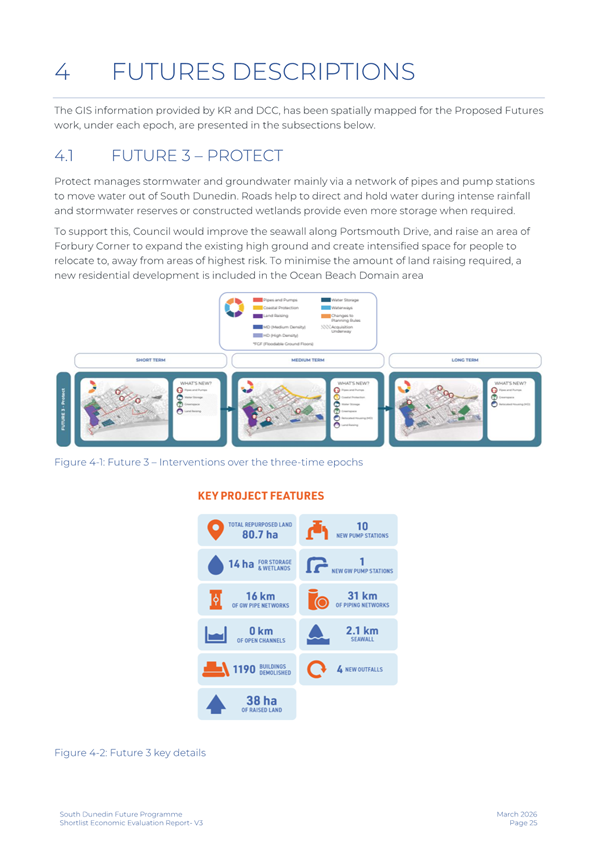
· Future
3 – Protect (Keep the land dry – raise land and pump water)
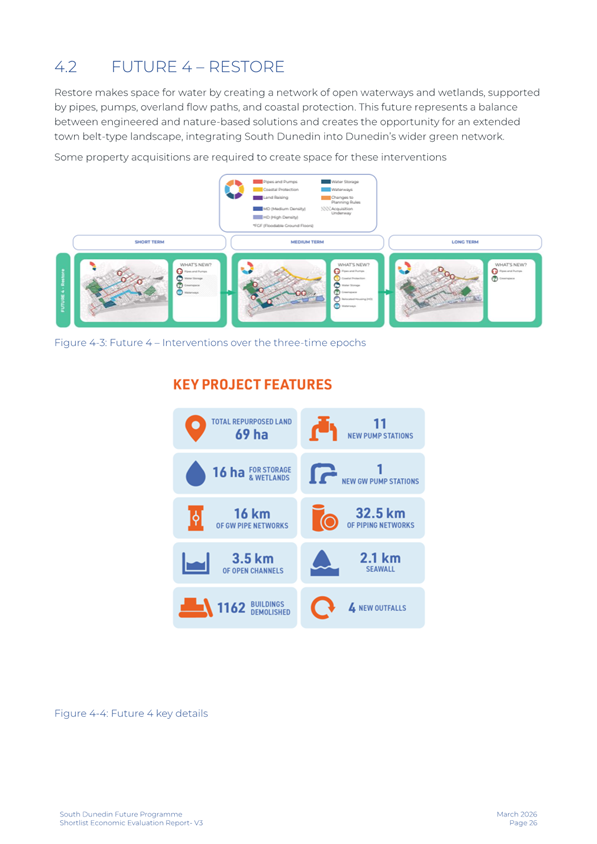
· Future
4 – Restore (Make space for water – waterways and wetlands)
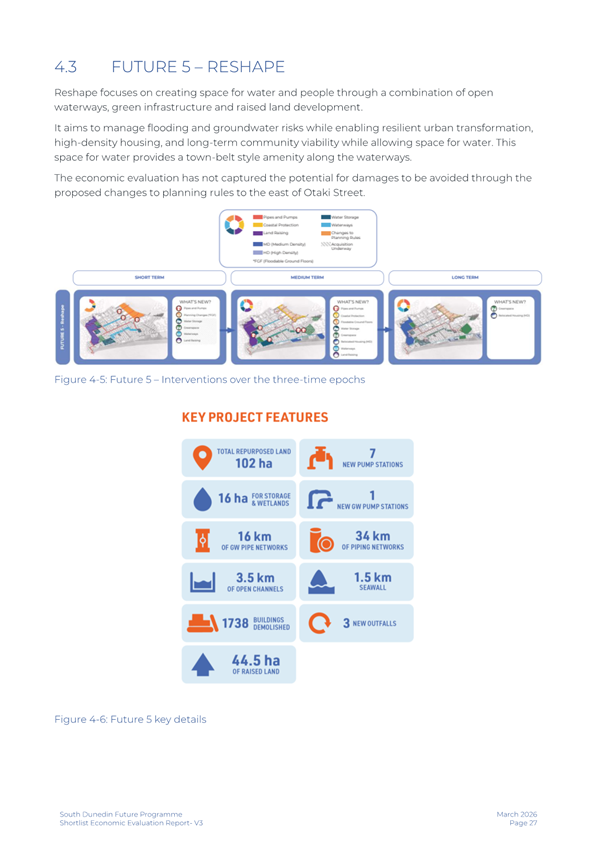
· Future
5 – Reshape (Move out of harm’s way – raised land and green
spaces)
21 The report
indicates that it is technically feasible to significantly reduce flood risk in
South Dunedin over the next 50–100 years, despite the anticipated
increase in climate‑related
hazards. However, achieving these risk reductions would require extensive and
sustained investment, as well as significant change over that period and likely
beyond. Flood risk is expected to increase over time due to rising sea levels,
rising groundwater, and more intense rainfall, compounded by ageing
infrastructure, increasing impermeable surfaces, and ongoing urban development.
These factors interact in complex ways. While infrastructure upgrades are
necessary to manage near‑term
risks, long‑term
resilience depends on system‑scale
interventions that change how land, water, and urban form work together.
22 Each future
sets out a coherent approach and suite of actions that could be implemented
over time to reduce flood risk and realise a range of opportunities that could
accompany adaptation. Guided by design principles developed through technical
analysis and community feedback in earlier stages, the futures combine
different adaptation actions across the short term (2025–2050), medium
term (2050–2075), and long term (2075–2125). The futures are
broadly similar in the short term, focusing on investment in stormwater and
groundwater infrastructure and preparing for potential land‑use change through
planning measures and property acquisition. In the medium term, more
substantive changes would be introduced, including land raising, new
development patterns, and the creation of parks, wetlands, and waterways,
alongside coastal protection and continued infrastructure upgrades. In the long
term, major capital works would taper off, while new housing in lower‑risk areas would provide
additional development capacity.
23 Across all
three futures, investment is front‑loaded
in the short term, while the benefits accrue mainly in the medium and long term
through avoided flood damage compared with a status quo future. As a result,
flood risk is substantially reduced under all three futures, falling below
present‑day levels
despite the impacts of climate change. For example, the proportion of buildings
exposed to flooding above floor level is currently estimated at 23 per cent and
is projected to rise to 47 per cent by 2100 under the status quo. Under the
three futures, this reduces to around 5–7 per cent by 2100. Average
annual damages from flooding and other climate impacts are also projected to
fall significantly, from an estimated $11m–$212m per annum under the
status quo to $0.6m–$3.3m per annum across the futures.
24 While the
futures are effective in reducing flood risk, they involve substantial costs
and trade‑offs.
Estimated implementation costs are approximately $2.1 billion for Future 3,
$1.63 billion for Future 4, and $2.45 billion for Future 5. Achieving flood
risk reduction outcomes would involve extensive construction activity, major
changes in land use, and significant adjustment for communities. Over time,
South Dunedin would look, feel, and function very differently than today.
Measures could include large‑scale
upgrades to underground infrastructure, land raising and redevelopment, and the
creation of parks, wetlands, and waterways in some locations. Delivery of these
interventions may require the acquisition of up to 1,750 private properties
across South Dunedin. While this is assessed as necessary to achieve material
reductions in risk, it would have a high level of impact on affected
communities. Areas that may be subject to acquisition are shown in the report
visualisations, noting that final locations would be confirmed later following
detailed project design.
25 The futures
are grounded in detailed technical analysis of stormwater, groundwater, and
economic impacts, while also incorporating mana whenua values, earlier risk
assessments, and community feedback. The commentary on each future includes a
preliminary assessment against Kāi Tahu Rūnaka values co-developed
with Aukaha Ltd and key themes from community feedback in previous stages of
the SDF programme. The futures are intended to be pragmatic and to strike a
balance between technical feasibility, affordability, and community
aspirations. Collectively, the futures are designed to support elected members
and the public to better understand the scale of the challenge facing South
Dunedin, explore different response pathways, and weigh the costs, benefits,
and trade‑offs
associated with each option, including the consequences of taking limited or no
action.
26 The actions
set out in the futures reflect the scale of the challenges facing South
Dunedin. The report situates these proposals within a wider context that
highlights the benefits of early and decisive action, as well as the risks of
delay. While there is acknowledged frustration within the community about the
time taken to respond to flooding since 2015, the complexity of the issues has
required sustained technical work to develop robust, system‑wide solutions. The
analysis confirms that there are no quick or simple fixes, whole-of-network
responses are required.
27 Overall,
the report shows that an effective response will require significant and
sustained intervention to address current hazards while proactively reducing
future risk. However, even under the proposed adaptation futures, residual
flood and groundwater risk remains, particularly under extreme or compound
events. Councils therefore retain discretion over the level of risk considered
acceptable, the degree of intervention required, and the balance between public
investment, private responsibility, and ongoing exposure.
28 Acting now
would allow decision‑makers
and stakeholders to actively shape a safer and more resilient future for South
Dunedin. By contrast, a delayed or insufficient response would see flooding
become more frequent and severe over time, leading to increasing damage to
infrastructure and property, compounding negative social and economic impacts,
and leading to long‑term
decline across the area. In this scenario, water ultimately determines South
Dunedin’s future, with poor outcomes for communities, the environment,
and the city as a whole. Other pathways are possible, such as lower levels of
investment or change, but these would likely result in higher ongoing flood
risk. The overview report presents a summary of the technical analysis to
support informed discussion and decision‑making
about risks, options, and trade‑offs.
South Dunedin
stormwater modelling report
29 This report
summarises the hydraulic modelling undertaken to design and test the
performance of the three Proposed Adaptation Futures, which aim to manage and
mitigate flood risk in South Dunedin. The modelling was used to identify
systemwide changes required to effectively reduce current and future flood
risk, including by determining preliminary infrastructure configurations,
sizing, and costing. This work also assessed how each future performs across
short‑ (2025),
medium‑ (2060), and
long‑term (2100)
time horizons, considering climate change, sea level rise, and different
approaches to infrastructure and land use change. The modelling used a
conservative climate change scenario Representative Concentration Pathway (RCP
8.5), which corresponds to very high greenhouse gas emissions, and is a common
standard for designing and stress-testing infrastructure design. Though best
practice recommends using a range of scenarios, to account for inherent
uncertainty, so the modelling also uses a moderate climate change scenario RCP
4.5 for sensitivity testing. The model builds on an updated Integrated
Catchment Model (ICM) completed in 2024 as part of the 3 Waters Integrated
System Plan (ISP), which forms the baseline “status quo” scenario
and includes the three ‘no regrets’ stormwater projects approved by
DCC Council in 2025.
30 The three
futures modelled represent distinct strategic approaches aligned to the three
futures shortlisted during previous stages of the SDF programme. Future 3
relies primarily on upgraded pipes, pump stations, and storage facilities;
Future 4 shifts toward open waterways and wetlands supported by storage areas,
pump and pipe upgrades; and Future 5 combines open waterways with land raising
and designated floodable areas, alongside new pipe and pump infrastructure.
Reflecting community feedback received in previous stages, all futures include
substantial infrastructure upgrades in the short term, sized to manage
increased rainfall intensities and duration. This is complemented by green
infrastructure (open channels, storage basins, infiltration, and run-off areas)
to help deal with higher sea levels, rising groundwater, and more frequent and
severe storm events that are expected over time.
31 In the
short term, the modelling applies a common package of infrastructure upgrades
across all three futures, which is designed to remain in place and complement each
of the three Futures over subsequent stages. Medium‑ and long‑term
upgrades then diverge as the futures progressively introduce additional
infrastructure and land use changes aligned with each design approach. The
modelling applied levels of service that reflect community feedback, including
allowance for limited road flooding during heavy rainfall events, and balanced
flood risk reduction objectives with technical feasibility, infrastructure
scale, implementation challenges, and anticipated costs.
32 The
modelling identifies several critical infrastructure measures that drive flood
risk reduction across the futures. In addition to short-term upgrades to pumps
and pipes, all options include new storage basins at Forbury Park, Tonga Park,
and Bathgate Park to temporarily hold stormwater during peak events, with
Culling Park added in Futures 4 (Restore) and 5 (Reshape). New and upgraded
pump stations are required to manage increased flows and rising sea levels,
particularly at key outfalls. Futures 4 and 5 also incorporate open channels
where the existing pipe network is shallow and more adaptable, while Future 3
relies more heavily on pipe upgrades.
33 Overall,
the modelling shows that all futures substantially reduce flood hazard compared
with the existing network, particularly for 10‑
and 50‑year
rainfall events, and sensitivity testing indicates the results are robust
across different storm durations and climate change scenarios. There are
significant reductions in property flooding for both moderate and severe storm
events, with fewer than 8 per cent of properties experiencing above‑floor flooding in events
with a 1% chance of occurring each year. The modelling outputs have been used
to inform cost estimates and residual risk assessments and provide confidence
that, while no option eliminates risk entirely, each future can materially
improve flood outcomes for South Dunedin over the long term.
34 Finally,
the stormwater modelling report notes 10 key initiatives recommended over the
next 25 years that are common across all three futures and therefore could be
implemented regardless of which future is eventually selected as the preferred.
This essentially means that technical work is now sufficiently well advanced to
consider implementation of ‘no and low regrets’ actions –
which could proceed as part and in parallel to the final stage of the SDF
programme. This includes DCC continuing delivery of the three stormwater
projects previously approved by Council (refer Item 14, DCC Council, 28 January
2025), alongside potentially scoping, phasing, and costing the 10 key
initiatives recommended in Attachment 3 with a view to presenting project and
funding options for Council consideration as part of the Long Term Plan
(2027–37) process. This could enable implementation to commence as early
as 1 July 2027.
South Dunedin
groundwater assessment report
35 This report
presents early‑stage
technical assessments of groundwater drainage options to manage risks
associated with shallow and rising groundwater across South Dunedin. Building
on earlier numerical groundwater models developed by Otago Regional Council and
subsequently updated by Earth Science New Zealand (formerly GNS), the report
assesses how proposed groundwater management options could control groundwater
levels compared with drainage currently provided by the existing, leaky
stormwater and wastewater networks. The modelling outputs are visualised
through maps and cross‑sections
and include estimates of groundwater inflows to stormwater and groundwater
management infrastructure to inform pumping requirements. The findings support
initial assessments of technical feasibility, indicative infrastructure
configurations, sizing, and order‑of‑magnitude costing to
inform further analysis.
36 The
modelling explores the feasibility of introducing a pumped groundwater
management system for South Dunedin. Rising sea levels will progressively
reduce the effectiveness of gravity‑based
drainage, necessitating a transition to pumped systems over time. Although the
current stormwater and wastewater networks provide some incidental groundwater
drainage through leakage and pumped outfalls, South Dunedin already experiences
high groundwater levels, which are expected to worsen as sea levels rise. The
modelling therefore considers both short‑term
measures to address existing issues and longer‑term
solutions assessed under up to 1.1 metres of sea level rise over approximately
the next 100 years. A key conclusion is that an active, pumped groundwater
drainage system is fundamental to the long‑term
habitability of South Dunedin; without intervention, widespread periodic and,
in some areas, permanent surface ponding is likely later this century.
37 The
modelling assumes an integrated approach to stormwater and groundwater management.
It tests whether an upgraded dual‑purpose
pipe network located within existing road and transport corridors would be
sufficient to lower groundwater levels to target levels. Extending a tighter
pipe network beneath private property was found to introduce significant
additional complexity and cost. Results indicate that a network contained
largely within transport corridors would be effective across most of South
Dunedin, although challenges remain in the lowest‑lying
areas of Musselburgh, where groundwater levels are already very shallow.
38 Stormwater
flows during major rainfall events are many orders of magnitude greater than
groundwater flows, meaning groundwater volumes have only a minor influence on
overall stormwater system sizing. The proposed approach centres on a large
storage basin at Forbury Park, which would act as the primary collection point
for both stormwater and drained groundwater. From there, water would be pumped
to sea using high‑capacity
pumps during storm events, supported by lower‑capacity
pumps operating continuously to manage groundwater baseflows and maintain
drainage capacity across the system.
39 Groundwater
drainage would be continuous, with higher inflows following major storm events
that gradually reduce over time. To minimise the risk of land settlement,
modest groundwater lowering is proposed, reflecting the presence of
compressible soils beneath South Dunedin. The assessed groundwater drawdown is
generally less than 0.8 metres, with limited areas up to 1.5 metres, and is
expected to result in less than 50 millimetres of land settlement. Further site‑specific investigations
would be required to confirm these effects as options progress to more detailed
design.
40 In the
short term, the report recommends undertaking a pilot groundwater drainage
trial to test a small‑scale
pumped system and improve understanding of groundwater behaviour, system
performance, and design requirements. Further work is also recommended to
assess the ecological and infrastructure implications of saline or brackish
water in basins and canals, confirm land‑settlement
assumptions, and address corrosion risks to underground services. Overall, the
findings confirm that future stormwater and groundwater management in South
Dunedin will rely on pumped systems with increasing operational and maintenance
demands over time, reinforcing the need for integrated design and a robust
cost–benefit analysis as climate change impacts intensify.
Economic
assessment of the three proposed adaptation futures
41 This report
evaluates the economic performance of each of the three proposed adaptation
futures for South Dunedin. It also considers overall value by comparing these
to a status quo scenario that continues existing practices such as reactive
maintenance, incremental upgrades and privately-led responses, without
coordinated system-scale intervention.
42 A standard
cost-benefit assessment framework is utilised following generally accepted best
practices outlined by The Treasury, the Commerce Commission, and New Zealand
Institute of Economic Research. The primary metric used throughout the economic
evaluation is Annual Average Damage (AAD). AAD is the annualised expected cost
of pluvial flood and coastal inundation damage across heavy rainfall or storm
events that have a 10%, 2%, and 1% probability of occurring each year, weighted
by their likelihood. Put simply, it represents what an insurer would pay each
year, on average, if the community was fully insured against all storm events
at their expected frequency and severity.
43 The primary
economic benefit of each future is avoided AAD – the reduction in
expected annual pluvial flood and coastal inundation losses relative to the
status quo. The calculation is straightforward in concept: avoided damage
equals the difference between what flood events would cost with adaptation
(three futures) and what they would cost without it (status quo).
44 Over the
full 100-year assessment period, the present value cost of the status quo
scenario is assessed as $1.45 billion. This includes anticipated property
damage, fatality and injury costs, emergency services, trauma, income loss from
displacement, and environmental costs. It excludes infrastructure repair, loss
of activity or productivity, event clean-up costs, private property
interventions (both proactive and reactive), and the economic consequences of
insurance withdrawal. Including these would likely raise the cost above $2
billion.
45 The
estimated total implementation costs of the three futures range from
$1.63 billion to $2.45 billion over the same period to 2125.
Future 4 (Restore) has the lowest total cost, reflecting a greater
reliance on green infrastructure, waterway restoration, and natural flood
storage, which are generally less capital‑intensive
than the large‑scale
land raising and pumping components that characterise Futures 3 and 5.
The cost of implementing the cheapest future (Future 4) equates to roughly 8
per cent of DCC’s annual capital budget of around $200 million, noting
South Dunedin comprises around 10 per cent of the city’s population. All
three futures generate substantial economic benefits through avoided flooding
and related losses, estimated at $1.34–$1.35 billion.
46 The report
also assesses the relationship between benefits and costs using a
benefit–cost ratio (BCR). The BCR is based on the most directly evidenced
impacts, including avoided property damage, avoided injuries and fatalities,
reduced emergency and recovery costs, avoided trauma, avoided income loss from
displacement, and avoided environmental damage. Broader benefits – such
as increased property values, regeneration and redevelopment uplift, ecosystem
service gains, reduced network disruption, and the value of maintaining
insurability – are not included at this stage. This approach is
deliberate and conservative, ensuring the core case is based on the most
defensible evidence, with additional benefits transparently identified as
potential upside. Benefits, costs, and BCRs are summarised in Table 1 below.
|
Scenario
|
Gross Costs ($B)
|
Benefits ($B)
|
Net Costs ($B)
|
BCR (mid)
|
BCR range (+/- 15%)
|
Rank
|
|
Status
quo
|
$1.45-$2.0
|
-
|
$1.45-$2.0
|
-
|
-
|
4
|
|
Future
3 - Protect
|
$2.098
|
$1.335
|
$0.763
|
0.64
|
0.54 - 0.75
|
2
|
|
Future
4 - Restore
|
$1.629
|
$1.351
|
$0.278
|
0.83
|
0.71 – 0.98
|
1
|
|
Future
5 - Reshape
|
$2.448
|
$1.336
|
$1.112
|
0.55
|
0.46 – 0.64
|
3
|
Table 1: Benefits, costs, and BCRs of Status quo and three
futures
47 While the
initial whole‑of‑life BCRs for the three
futures are below 1 at this early stage, this is typical of long‑lived climate adaptation
investments, which involve substantial upfront capital costs, while benefits
increase over time as climate risks intensify. This pattern is consistent with
other major public infrastructure investments in New Zealand, including
transport projects, which often proceed with lower early‑stage BCRs where wider resilience, equity,
and long‑term
benefits are recognised. The current results are also based on more
commercially weighted assumptions; applying more socially weighted approaches
that emphasise broader societal benefits would materially improve the BCRs.
Accordingly, these results should be interpreted as a conservative lower bound
on economic performance, rather than a definitive assessment of long‑term value.
48 The key
finding of the economic assessment is that investing in adaptation delivers
significantly better outcomes than maintaining the status quo, even under
conservative assumptions. The cost of inaction in South Dunedin under a status
quo scenario are estimated at $1.45 billion in net present value (NPV) and
likely more than $2 billion once non-quantified factors are accounted for, as
noted above. Future 4 (Restore) presents the strongest economic case, with an
estimated net cost to the community of $280 million NPV over the next 100
years, compared to $763 million NPV for Future 3 (Protect) and $1.112 billion
for Future 5 (Reshape). All these net costs are materially lower than the
estimated $1.45-$2.0 billion cost of the status quo, providing a strong,
clear-cut case for adaptation investment irrespective of the headline BCR.
49 While the
futures all involve substantial upfront costs, benefits grow over time, and are
comparable to other major public infrastructure investments at this early stage
of development. Long‑term
modelling and sensitivity testing show that economic performance strengthens
over time and that the relative ranking of the futures remains stable under
alternative assumptions. The analysis is intentionally conservative, excluding
several categories of potential upside benefits, including regeneration and
redevelopment uplift, ecosystem services, avoided heritage losses, and the
value of maintaining insurability. As the programme progresses toward
identifying a preferred pathway and the analysis is refined, the overall
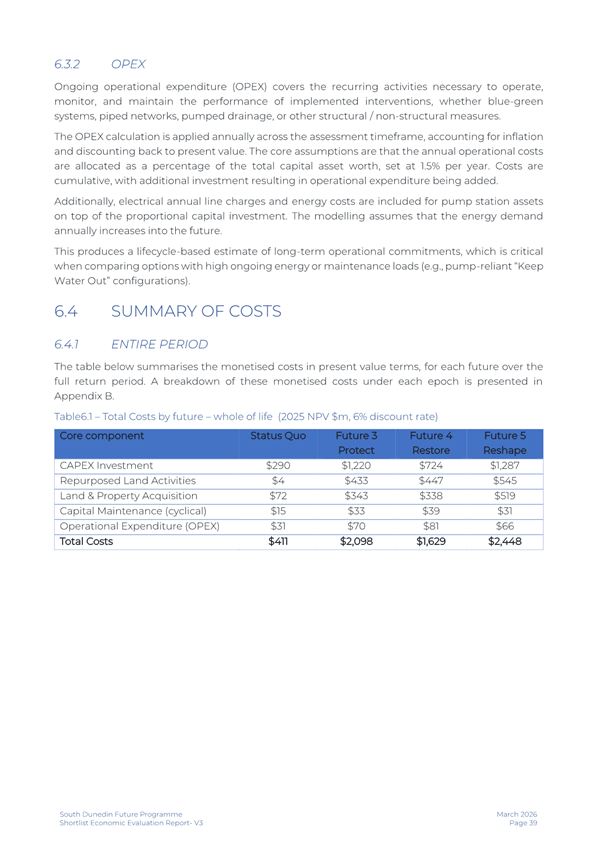
economic case for adaptation is expected to further strengthen. Table 2 below
illustrates a high-level cost breakdown for the status quo and three futures.
|
Cost items
|
Costs over 100-year timeframe in NPV
($m)
|
|
Status Quo
|
Future 3
|
Future 4
|
Future 5
|
|
Infrastructure CAPEX
(Stormwater and groundwater network; pump stations; outfalls; land
raising; open waterways; wetlands, storage, coastal protection)
|
290
|
1,220
|
724
|
1,287
|
|
Property and land acquisition
(Property purchase; ~25% uplift)
|
4
|
433
|
447
|
545
|
|
Repurpose land activities
(Building demolition; utility removal; site reinstatement)
|
72
|
343
|
338
|
519
|
|
Capital maintenance
(35% of CAPEX every 25yrs; once asset it built)
|
15
|
33
|
39
|
31
|
|
OPEX
(1.5% of CAPEX per year; builds cumulatively).
|
31
|
70
|
81
|
66
|
|
Total
|
411
|
2,098
|
1,629
|
2,448
|
Table 2 – High level cost breakdown for status quo and
three futures
Technical peer review
50 The four
primary technical reports developed by the Kia Rōpine consultant team have
undergone several rounds of review, including from staff across DCC and ORC,
and by an external independent technical peer review team led by Jacobs NZ Ltd (supported
by Royal HaskoningDHV, and Bell Adapt Ltd). The peer review process has been
robust, extensive, and has led to many refinements to the reports. However, not
all outstanding technical issues have been resolved, and remaining issues are:
(i) acknowledged as data gaps, assumptions, limitations, or with disclaimers;
(ii) matters that can be addressed in subsequent stages of the technical work;
or (iii) subject to difference of professional opinion (i.e. the experts have
agreed to disagree).
Additional technical reports
51 In addition
to the four primary technical reports developed by the Kia Rōpine
consultant team, additional reports have also been commissioned on specific
topics of relevance to climate adaptation in South Dunedin – including
health and equity, property implications, and potential development of Ocean
Beach Domain. The reports are not included as attachments, but are summarised
below, and will be available on the South Dunedin Future website.
Health and
equity assessment
52 A team of
researchers led by the University of Otago, and comprising staff from Te Whatu
Ora, Victoria University of Wellington, Urban Intelligence, Yasmine El Orfi,
and Te Pūnaha Matatini Centre for Research into Complex Systems, was
commissioned to undertake a review of the three futures through a health and
equity lens. This review followed feedback from earlier stages of the SDF
programme which identified an overemphasis on technical and economic factors,
and limitations in consideration of social factors.
53 The health
and equity assessment found that all three shortlisted futures would result in
better outcomes than a status quo approach, which would lead to significant and
widening harms. These harms are expected to arise primarily through declining
housing quality, mental health impacts, and reduced access to the social,
economic, and cultural foundations of wellbeing. Across all futures, improved
access to public mental health and social support services would be essential,
and health equity would need to be central to design and implementation to
minimise risks and maximise co‑benefits,
particularly for groups likely to be disproportionately affected, including
disabled communities.
54 As residual
flood risk remains under all futures, due to the potential for extreme events,
infrastructure failure, and accelerating climate change, some status‑quo health risks would
persist. Existing inequities by income, ethnicity and disability strongly shape
health outcomes, particularly through the housing system, making stronger
housing governance and protections for tenants critical. Pathways involving
land elevation or new development also carry equity risks unless land value
uplift is captured publicly and reinvested to reduce inequities. Tiriti‑based approaches and Kāi
Tahu values would need to be intentionally embedded in decision‑making, and while all
futures offer opportunities to reduce emissions, sustained climate mitigation
remains the strongest long‑term
protection for health and wellbeing.
Property
analysis and implications
55 PWC was engaged
to provide high‑level
commercial property insights across the three shortlisted futures, focusing on
feasibility, sequencing, market response, value creation, and the funding and
financing implications of early adaptation interventions, including land
raising and redevelopment opportunities. The scope also included provisional
analysis of land value uplift, advice on potential delivery and partnership
models, and a light‑touch
review of property and development assumptions used in the cost–benefit
analysis to ensure alignment with realistic market conditions.
56 In the
report, PWC concludes that all three futures require significant early public
investment in infrastructure and property acquisition before private‑sector redevelopment can
occur, and that most short‑term
actions (to around 2050) are common and largely “no‑regrets”. From a
commercial perspective, Future 4 (Restore) is assessed as the most
straightforward option due to its lower overall cost, reduced land repurposing,
higher benefit–cost ratio, and avoidance of large‑scale land raising, which PWC identifies as
the most commercially challenging intervention.
57 The report
highlights property acquisition as the single largest near‑term cost and a critical
enabler across all Futures, noting that delivery at scale is unlikely to be
achievable without central government co‑investment.
Victoria Road (Ocean Beach Domain) sites are identified as the most
strategically important early development opportunity, with potential to
support relocation, deliver housing supply, and offset programme costs through
value creation on council‑owned
land. Conversely, extensive land raising (particularly at Forbury Corner under
Futures 3 and 5) is considered high‑cost,
long‑lead‑time and unlikely to be
value‑positive.
Successful delivery would require a clear acquisition funding strategy, early
planning certainty, active engagement with development and finance markets, and
the establishment of a dedicated delivery entity (such as a CCO or
Council–Crown vehicle) with the mandate and capability to manage long‑term property
acquisition and redevelopment.
Ocean Beach
Domain due diligence
58 This stage
of the SDF programme technical work considered options for making the best use
of available land in South Dunedin, including exploring the possibility of
changing land uses, for example of council-owned land such as Ocean Beach
Domain. This area is already elevated and has a materially lower risk profile
compared to the ‘Flat’, presenting an opportunity to utilise land more
efficiently, potentially reducing or avoiding the more complex and costly
process of land raising. Any loss of green space at Ocean Beach Domain could be
balanced by proposed creation of new parks, waterways, and wetlands elsewhere
in South Dunedin, likely resulting in a net gain in public green space.
Developing Ocean Beach Domain would also respond to previous community feedback
expressing a desire to stay in the local area (in the event they are required
to move). As such, preliminary investigations were undertaken to test
development potential of Ocean Beach Domain, including a desktop analysis of
natural hazards, geotechnical conditions, and contaminated land. A preliminary
legal review of title was also undertaken.
59 The desktop
hazards and geotechnical assessment identified a range of physical constraints
relevant to any future consideration of medium‑
to high‑density
residential development. Much of the site is underlain by loose coastal sands
with very shallow groundwater, making some areas susceptible to liquefaction
and sensitive to sea‑level
rise and flooding. Parts of the site, particularly in the western area, sit
below the current minimum floor level requirement, meaning any development
would require elevated floor levels and specifically engineered foundations to
manage natural hazard risk. The assessment also identified contaminated land
risks linked to historical land uses, including uncontrolled landfill
activities associated with the former Chisholm Park Landfill and past
recreational uses. While these issues do not necessarily preclude future
development, they would require further detailed investigation, remediation or
long‑term land
management, and may have a material influence on development feasibility.
60 Most of the
Ocean Beach Domain land is held by Dunedin City Council under specific
statutory regimes, primarily as recreation and local purpose reserves under the
Reserves Act 1977. These reserves were originally transferred from the Crown,
meaning that revoking reserve status would result in the land reverting to
Crown ownership. At that point, the Crown would be required to comply with the
right of first refusal provisions for Ngāi Tahu under the Ngāi Tahu
Claims Settlement Act. The reserve land is also subject to numerous existing
leases with sporting and recreational organisations. Other parts of the domain
are subject to separate legal constraints. Tahuna Park, while not subject to
the Reserves Act, is considered a public park under the Local Government Act
2002, meaning any sale or long‑term
lease that restricts public access would trigger formal public consultation.
Overall, the title review highlights that land status, Treaty settlement
obligations, and existing leasehold interests are considerations that could
materially affect the feasibility, process, and timing of any future
redevelopment.
Communications
and community engagement
61 The
proposed actions and changes outlined in the three futures are significant,
reflecting the scale and nature of the challenges facing South Dunedin. It is
therefore important that stakeholders consider these proposals in their wider
context, including the expected benefits of being proactive and taking decisive
action, as well as the likely consequences of delay and inaction. While there
is acknowledged community frustration regarding the perceived lack of action on
flooding since 2015, considerable time has been required to build a
comprehensive understanding of the underlying problems and to identify workable
long‑term
solutions. This analysis confirms there are no quick or simple fixes, rather,
that system-wide interventions are required. This means the proposed solutions
are complex and are likely to be confronting, hard to process, and potentially unwelcome
for many stakeholders.
62 The health
and equity assessment highlights that how the proposed futures are communicated
and engaged on will directly influence community wellbeing. In particular,
clear, transparent, and participatory approaches can help avoid unintended
impacts on mental wellbeing in a community already experiencing heightened
stress and uncertainty. Building on engagement undertaken during earlier stages
of the SDF programme, a comprehensive communications and community engagement
approach has been developed for the current stage. The aim is to support
partners, stakeholders, and decision‑makers
to access the latest technical work, understand the potential consequences, and
provide informed feedback.
63 A range of
communications activities are planned to support the public release of the
proposed adaptation futures for South Dunedin. These include media releases and
briefings, web and social media content, short videos, a flyer summarising key
elements of the futures, and online access to all technical reports. Given the additional
detail included in this stage of technical work, it is also proposed that
councils provide specific information relating to the potential need for
property acquisition to enable a wide range of flood risk reduction actions.
Previous engagement has demonstrated high public interest in managed retreat
and any associated property acquisition processes. It is therefore critical
that councils are clear, transparent, and consistent in communications with
affected stakeholders. Specific details on the underlying rationale for
property acquisition, the potential implications, and intended process are
included in planned communications and collateral.
64 While
extensive efforts have been made, and continue to be made, to communicate the
key elements of the proposed futures, the complexity and sensitivity of the
issues mean they cannot be fully addressed through written communications
alone. Experience from earlier stages of the SDF programme indicates that many
stakeholders will want and need direct discussions with council staff to better
understand what is proposed, reflect on how they may be affected, and provide
feedback. Following the public release of the futures, a six‑week public engagement
process is planned for early-July to mid-August 2026. This would include
targeted stakeholder sessions, alongside public workshops and drop‑in sessions, supported
by online resources and surveys to gather feedback from as many affected
stakeholders as possible. To support these discussions, an analysis has been undertaken
of the potential impacts of each of the three futures on individual properties
across South Dunedin, enabling more tailored and informed engagement with
affected stakeholders.
OPTIONS
65 The SDF
Programme Plan provides for various decision points at the conclusion of each
stage of technical work, where the approval of Councils is sought to proceed to
community engagement. Three options are outlined below which involve proceeding
with the SDF programme as scheduled, deferring the programme to undertake
additional work as may be directed by Councils, or taking an alternative course
of action as directed by Councils. The respective advantages and disadvantages
of each option are described.
Option One – Recommended Option
66 This option
includes proceeding as outlined in the SDF programme plan and according to the
high-level schedule in Attachment A. It would involve Councils noting the four
technical reports included as attachments to this paper, endorsing the reports
for the purpose of community engagement, and providing approval to commence
planned communications and community engagement activities with partners,
stakeholders, and affected communities.
Advantages
· Enables
SDF programme to maintain current scope, schedule, and budget.
· Aligns
with operational objectives of SDF Programme, including making well-informed
decisions, being community-centred, and mainstreaming climate adaptation by
running a robust, transparent, and inclusive process.
· Enables
councils to actively facilitate a dialogue with partners, stakeholders, and
affected communities on the risks facing the area, potential responses, and to
collect feedback.
· Enables
staff and consultant teams to direct primary efforts to completing the final
stage of the SDF programme, which involves finalising a climate adaptation
masterplan for South Dunedin for Councils consideration and approval by 30 June
2027.
· Supports
alignment between the final stage of the SDF programme and council’s
Long-Term Plan (2027-36), Infrastructure Strategy, and Water Services Strategy
processes, promoting coherence and a more efficient transition to
implementation of the masterplan and related projects from 1 July 2027.
Disadvantages
· Although
grounded in extensive analysis and community engagement, the futures rely on
assumptions and simplified representations of complex social, economic, and
environmental systems over a 100-year period. Adaptation planning can help
manage this uncertainty, but not eliminate it. This option therefore requires
proceeding with imperfect information and despite a range of information gaps,
assumptions, and uncertainties, each of which carries a degree of risk.
Option Two – Defer and undertake additional technical
work
67 This option
would involve one or both Councils requesting further technical, economic, or
other work on the climate and natural hazard-related risks affecting South
Dunedin and potential responses, including those outlined in the proposed
adaptation futures, before seeking approval of Councils to undertake planned
engagement with partners, stakeholders, and affected communities.
Advantages
· Undertaking
additional technical work could enable some existing information gaps to be
filled and resolve some outstanding technical issues or remaining uncertainties,
thereby increasing confidence in key findings and enabling more informed
communications, engagement, and decision-making.
Disadvantages
· Undertaking
additional, unplanned technical work would likely disrupt the SDF Programme
schedule, may require additional budget, and could generate criticism from
partners, stakeholders, and affected communities who may prefer release of the
latest technical work.
· This
option could delay completion of the current and future stages of the SDF
programme, which may have negative implications for coherence with Long-Term
Plan (2027-36) processes and delay transition to implementation of the
masterplan from 1 July 2027.
· Undertaking
additional, unplanned technical work could be perceived by partners, stakeholders,
and affected communities as bypassing community engagement and moving straight
to the final stage of the SDF programme.
· Adaptation
planning will always rely on assumptions and simplified representations of
complex social, economic, and environmental systems over an extended period.
Additional analysis may help further reduce this uncertainty, but not eliminate
it. There will always be a need to make decisions with imperfect information
and despite a range of information gaps, assumptions, and uncertainties, each
of which carries a degree of risk.
Option Three –
Alternate course as determined by Councils
68 This option
would involve an alternative course of action from those described in Options A
and B above, as determined by one or both Councils. An analysis of potential
impacts could be undertaken once details are known.
NEXT STEPS
69 Subject to
the decisions of Councils, next steps include:
70 Commencing
communications and community engagement activities relating to the 3 Proposed Adaptation
Futures for South Dunedin, as described above. These activities are planned to
commence in early-July and extend through to late-August.
· Designing
and commencing the final stage of the SDF programme, including identifying a
preferred adaptation future and finalising a climate adaptation masterplan for
South Dunedin. This will include:
i) analysis
of community feedback on the 3 Proposed Futures and status quo option;
ii) undertaking
a multi-criteria assessment (MCA) of the 3 Proposed Futures and status quo
option, incorporating community feedback and technical assessments against
Council approved objectives and decision-making framework;
iii) reporting
the outcome of community engagement and the MCA process to Councils;
iv) undertaking more
detailed technical and economic work to refine the preferred adaptation future
and finalise the adaptation masterplan;
v) aligning
technical analysis with workplan and budget development being undertaken by
relevant council teams for the Long-Term Plan (2027-36);
vi) producing a
climate adaptation masterplan for South Dunedin for Councils approval by 30
June 2027.
71 At present,
Councils have committed to completing the SDF programme only, including
remaining technical work, economic analysis, and community engagement. Councils
have not, at this time, committed to supporting any particular course of action
that might be recommended by the SDF programme – including those relating
to strategic land use planning, property acquisition, or infrastructure
investment. Such decisions, and the roles and responsibilities of respective
Councils in implementing them, would be subject to further consideration by
respective Councils, including in the context of strategic and financial
decisions associated with long term plan processes.
Signatories
|
Author:
|
Jonathan Rowe - Programme Manager, South Dunedin Future
|
|
Authoriser:
|
David Ward - General Manager, 3 Waters, Property and Urban
Development
|
Attachments
|
|
Title
|
Page
|
|
⇩a
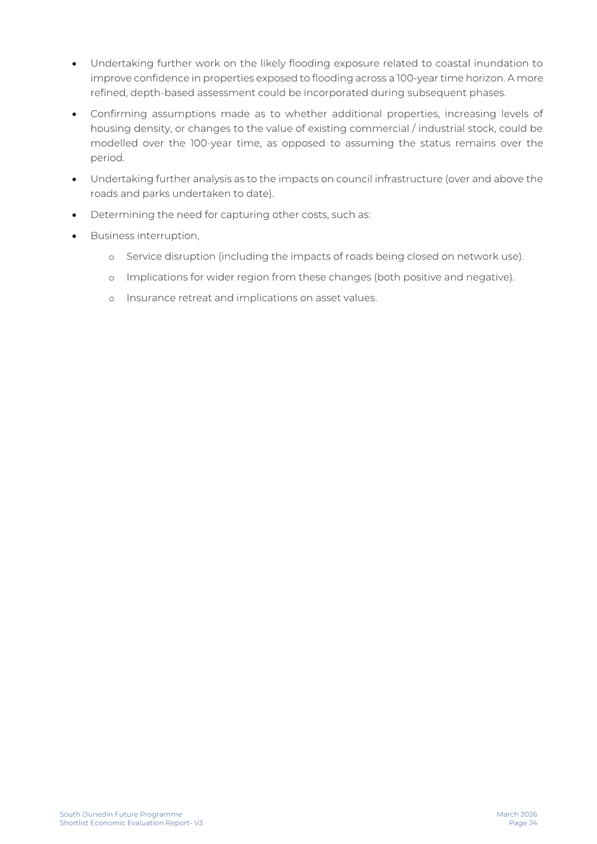
|
South Dunedin Future
Programme A3 Overview
|
24
|
|
⇩b
|
Proposed Adaptation
Futures for South Dunedin - Overview Report
|
25
|
|
⇩c
|
South Dunedin
Stormwater Modelling Report
|
63
|
|
⇩d
|
South Dunedin
Stormwater Modelling Report - Appendices A-R (Maps)
|
97
|
|
⇩e
|
South Dunedin
Stormwater Modelling Report - Appendix S (Schema Statement)
|
153
|
|
⇩f
|
South Dunedin
Stormwater Modelling Report - Scoping Memo
|
156
|
|
⇩g
|
SDF Groundwater
Drainage Options Assessment Report
|
165
|
|
⇩h
|
SDF Proposed Adaptation
Futures Economic Evaluation Report
|
201
|
|
SUMMARY OF CONSIDERATIONS
|
|
Fit with purpose of Local Government
This decision enables democratic local
decision making and action by, and on behalf of communities.
This decision promotes the social
well-being of communities in the present and for the future.
This decision promotes the economic
well-being of communities in the present and for the future.
This decision promotes the environmental
well-being of communities in the present and for the future.
This decision promotes the cultural
well-being of communities in the present and for the future.
|
|
Fit with strategic framework
|
|
Contributes
|
Detracts
|
Not applicable
|
|
Social Wellbeing Strategy
|
✔
|
☐
|
☐
|
|
Economic Development Strategy
|
✔
|
☐
|
☐
|
|
Environment Strategy
|
✔
|
☐
|
☐
|
|
Arts and Culture Strategy
|
✔
|
☐
|
☐
|
|
3 Waters Strategy
|
✔
|
☐
|
☐
|
|
Future Development Strategy
|
✔
|
☐
|
☐
|
|
Integrated Transport Strategy
|
✔
|
☐
|
☐
|
|
Parks and Recreation Strategy
|
✔
|
☐
|
☐
|
|
Other strategic projects/policies/plans
|
✔
|
☐
|
☐
|
The SDF programme is a multi-disciplinary initiative
working horizontally across a range of council strategies, groups and budgets
and therefore has links to various elements of the strategic framework.
|
|
Māori Impact Statement
Accurately reflecting and integrating the principles of
the Treaty of Waitangi, and Crown’s partnership with Māori, is a
central element of the SDF Programme. In relation to the content of this
report, this has included incorporating key intents and values from Te Taki
Haruru into the SDF programme strategy, reflecting these in the
decision-making framework and assessment criteria for shortlisting the three
proposed adaptation futures, and incorporating Aukaha-authored narratives
into the descriptions of each future.
|
|
Sustainability
Sustainability is a central component of the SDF programme
as it seeks to develop a climate adaptation master plan for South Dunedin
covering the next 100 years. The criteria for developing and assessing each
of the proposed adaptation futures includes a range of
sustainability-focussed criteria, including carbon emissions and waste.
|
|
LTP/Annual Plan / Financial Strategy /Infrastructure
Strategy
The SDF programme has dedicated resourcing in the current
9-year plan (2025-2034). Selected activities that result from the SDF
programme, including mid-scale and medium-term investments in 3 waters (for
example), are also included in the 9YP. It is anticipated that the climate
adaptation master plan for South Dunedin, scheduled for completion in June
2027, will inform a range of strategic land use-, finance-, and
infrastructure-related decisions for South Dunedin as part of the next Long
Term Plan process for 2027-37.
|
|
Financial considerations
The cost of the SDF programme is fully budgeted for within
the existing SDF programme budget. No decisions have been made about funding
for potential adaptation work that may arise from the SDF programme (outside
of those already in the current 9-year plan).
|
|
Significance
This topic is considered high in terms of councils Significance
and Engagement Policy. Community engagement is and will continue to be a
central component of the SDF Programme, and extensive engagement is planned
in future stages, in accordance with the approved programme plan.
|
|
Engagement – external
Extensive external engagement has been undertaken with a
range of partners, stakeholders, and affected communities on the topics
covered in this paper. Mana whenua have partnered with SDF throughout the
development of the programme, including by contributing to assessments
described in this paper. Engagement has included (but is not limited to):
central government departments, state owned enterprises, crown research
institutes; private sector organisations and industry groups; community
groups and affected communities.
|
|
Engagement - internal
A large number of internal subject matter experts, teams,
and departments across DCC and ORC have been engaged in development of SDF
programme work, including the assessments and design work described in this
paper.
|
|
Risks: Legal / Health and Safety etc.
There are no anticipated legal or health and safety risks
associated with this report. Risks relating to the SDF Programme are
described in this or previous Council reports.
|
|
Conflict of Interest
There are no conflicts of interest identified.
|
|
Community Boards
Community Boards have not been directly involved in
development of this report.
|