|

|
Council
3 August 2026
|
Reports
Simplifying Local Government Decision Making Report
Department: Community Services and Corporate Policy
EXECUTIVE SUMMARY
1 This
report seeks Council's direction on both its preferred strategic direction for
local government reform in Otago and how the Dunedin City Council (DCC) will
participate in the Government's Simplifying Local Government (SLG) reform programme.
It outlines the implementation pathways established by the Government,
summarises the regional work undertaken through the Otago Mayoral Forum (OMF),
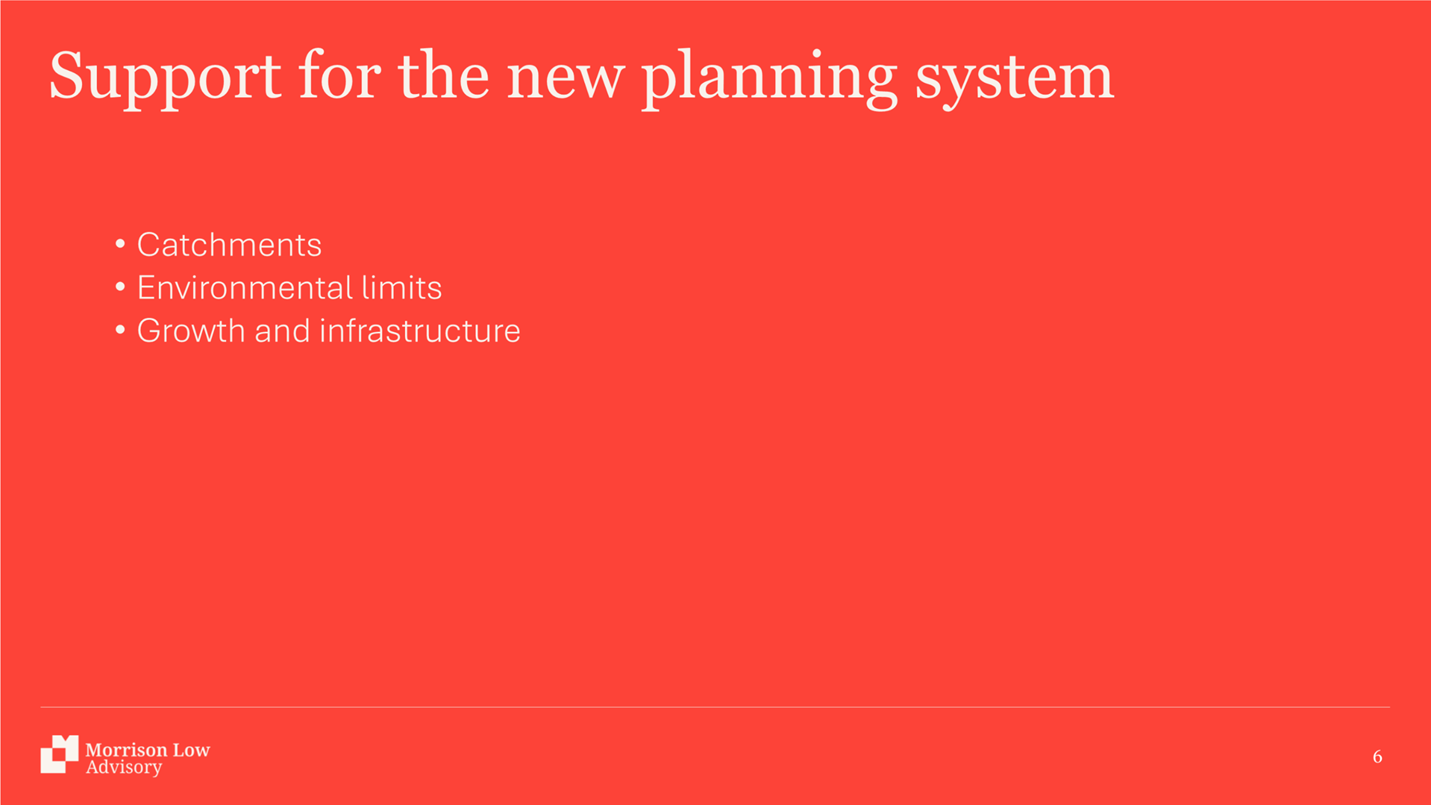
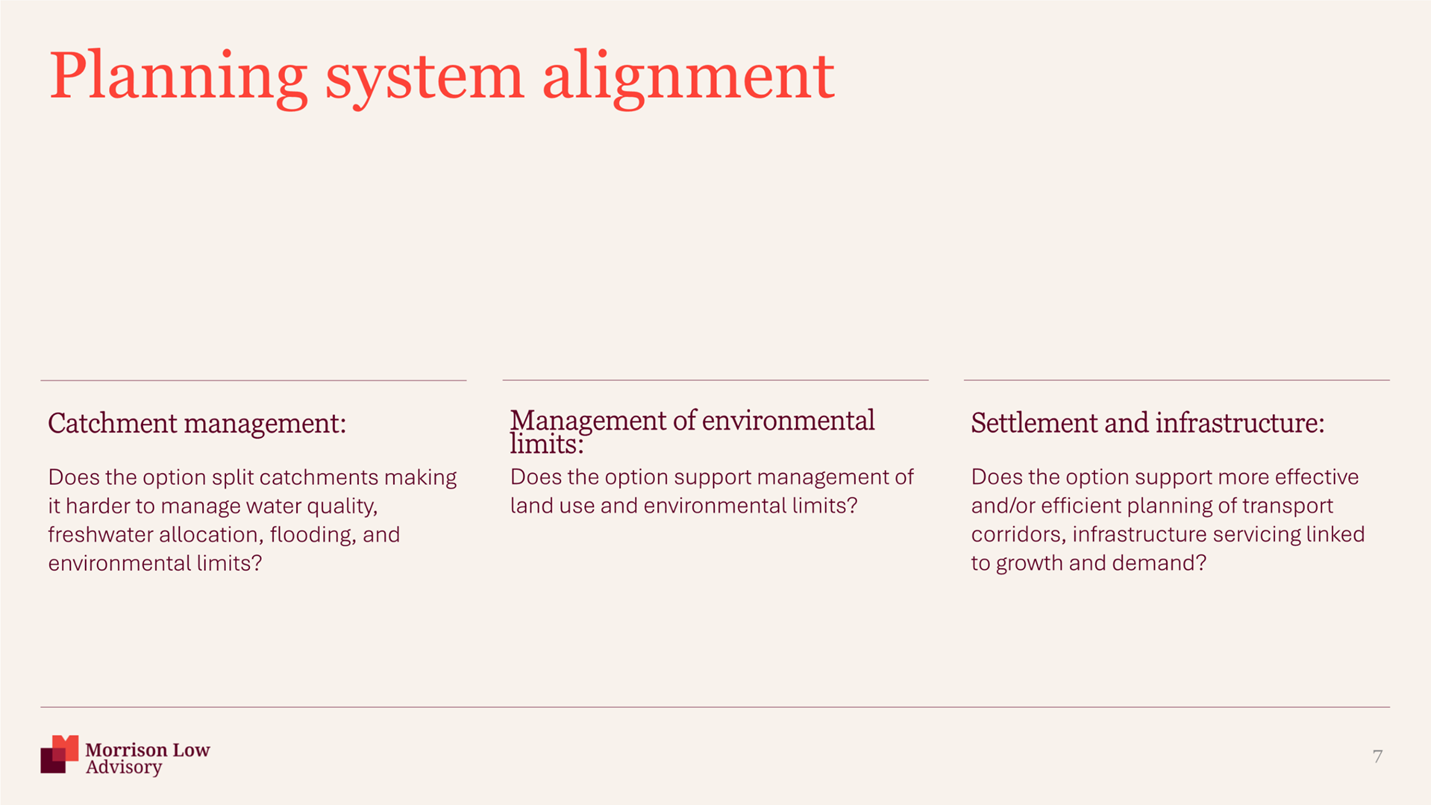
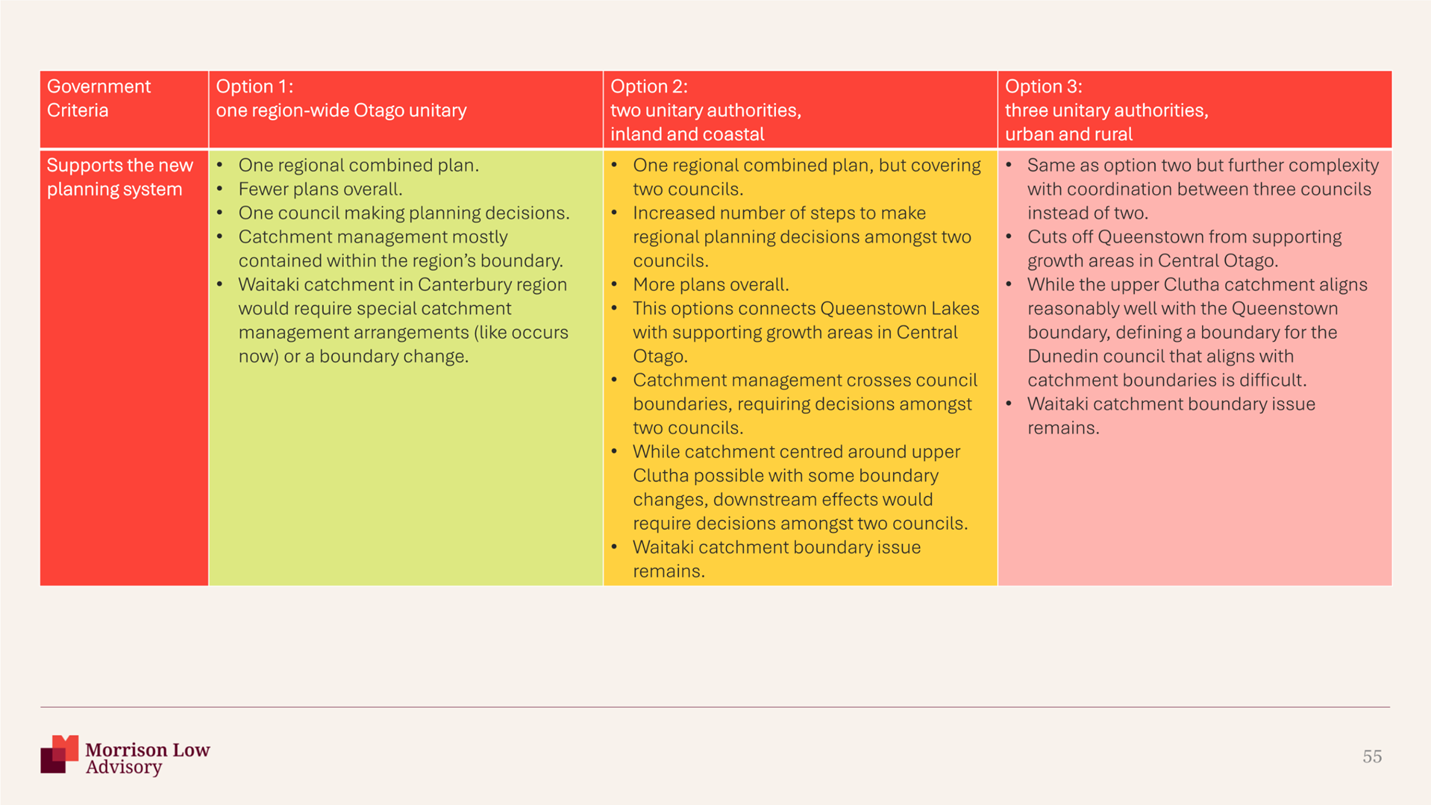
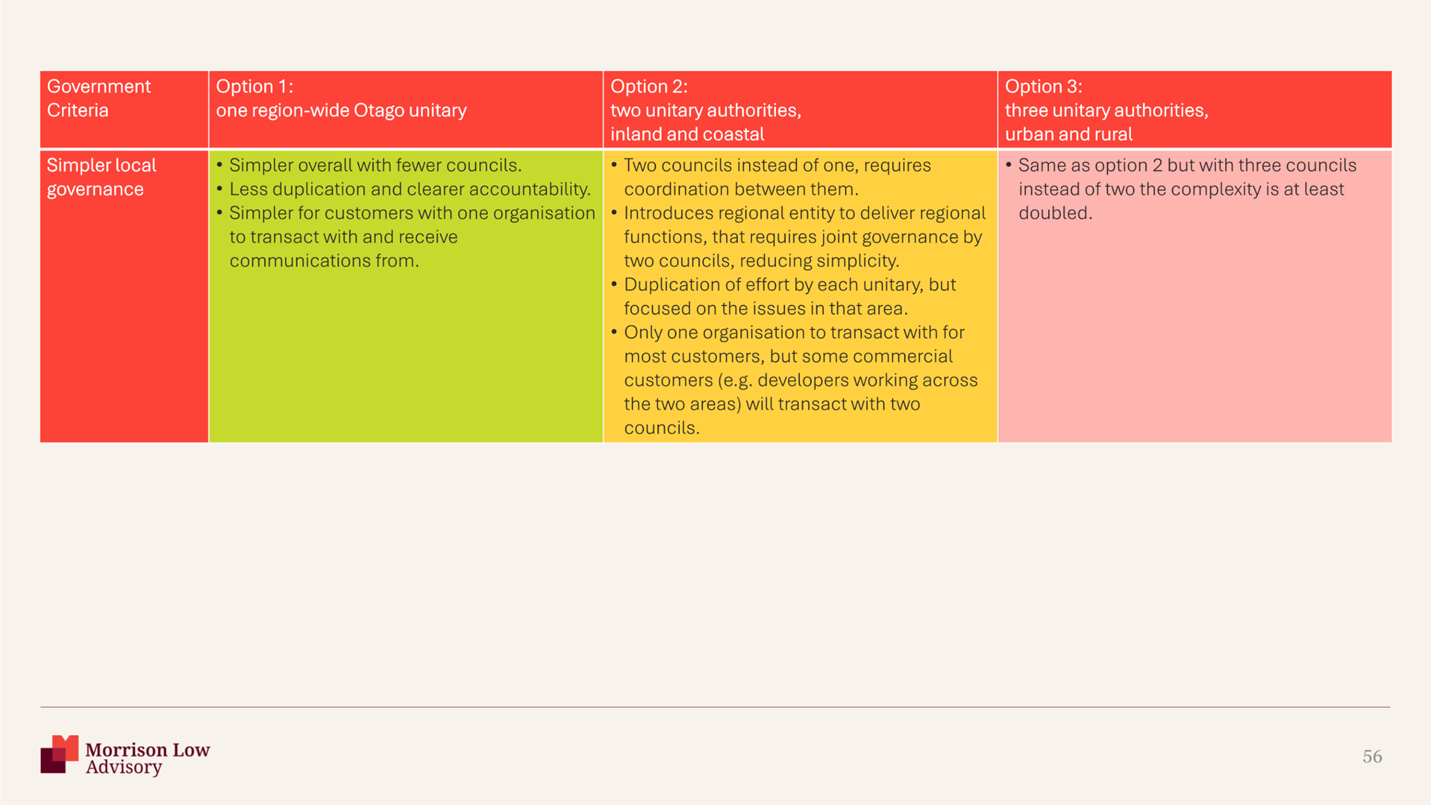
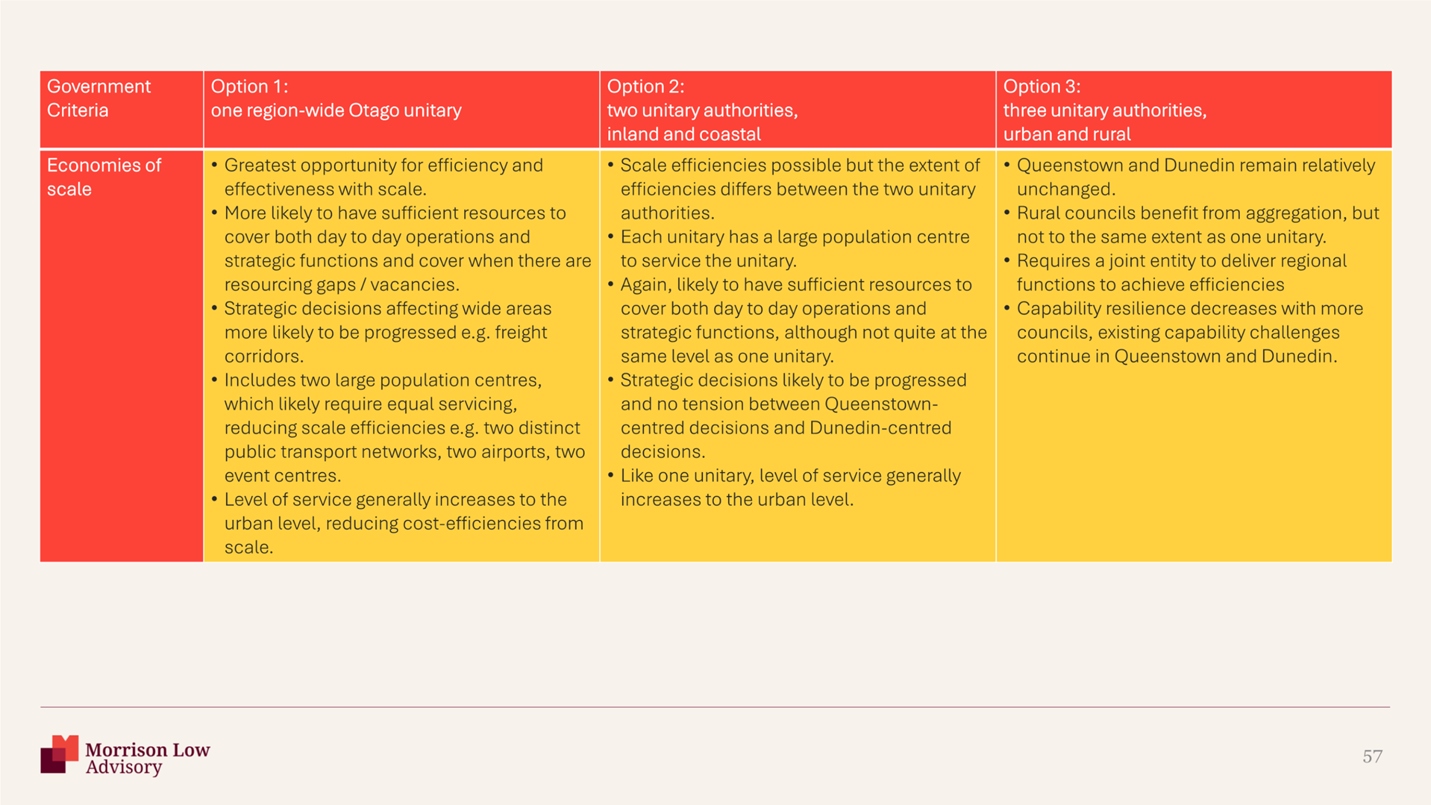
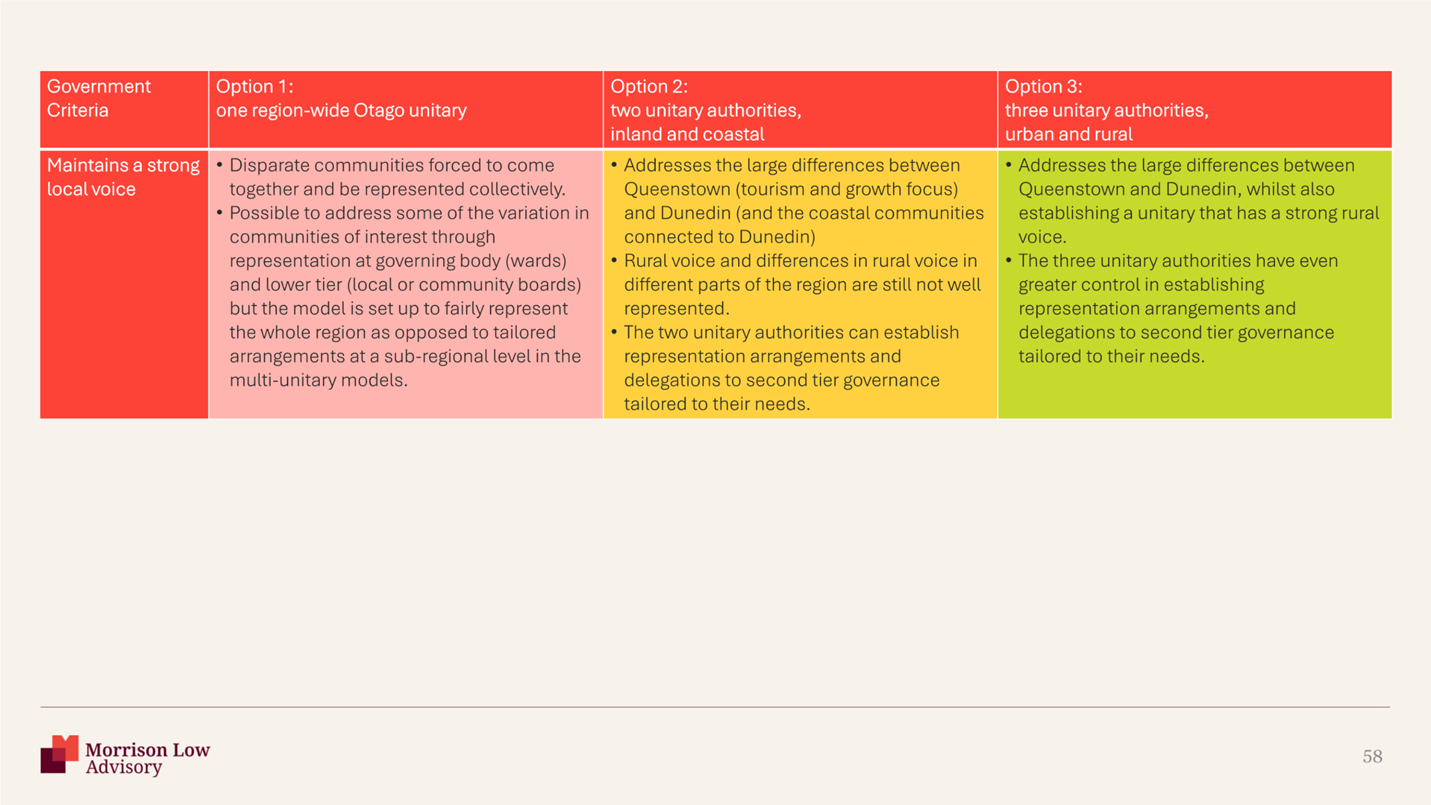
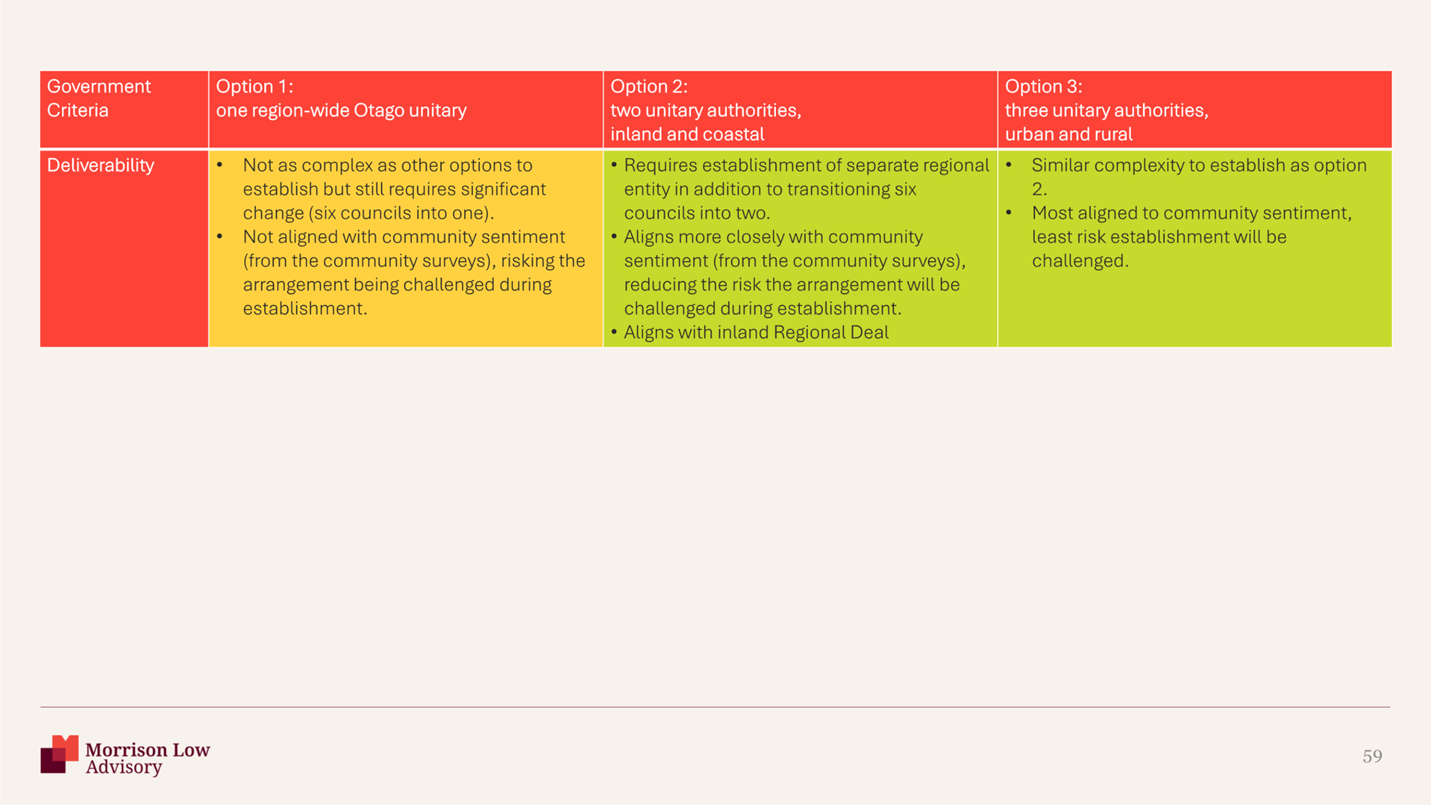
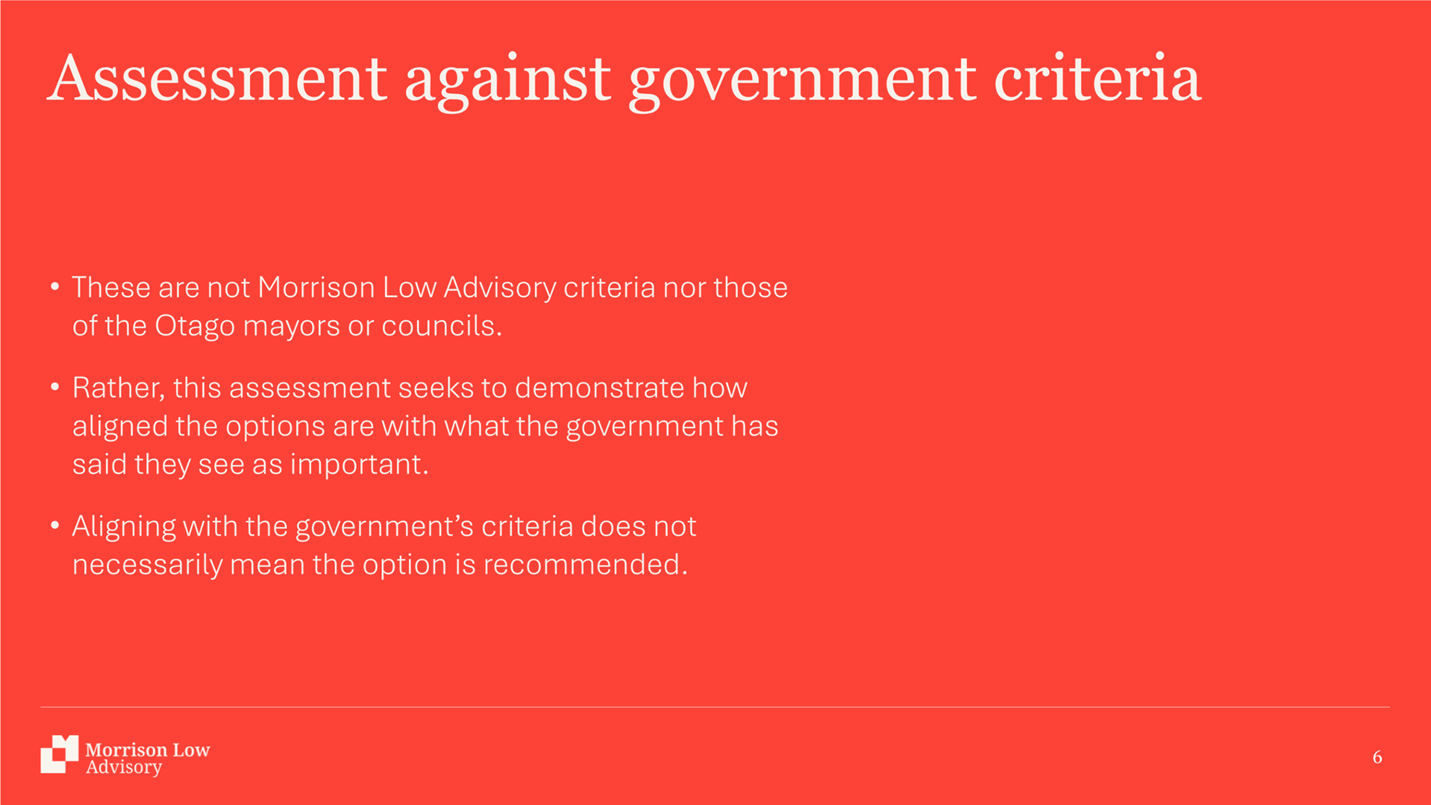
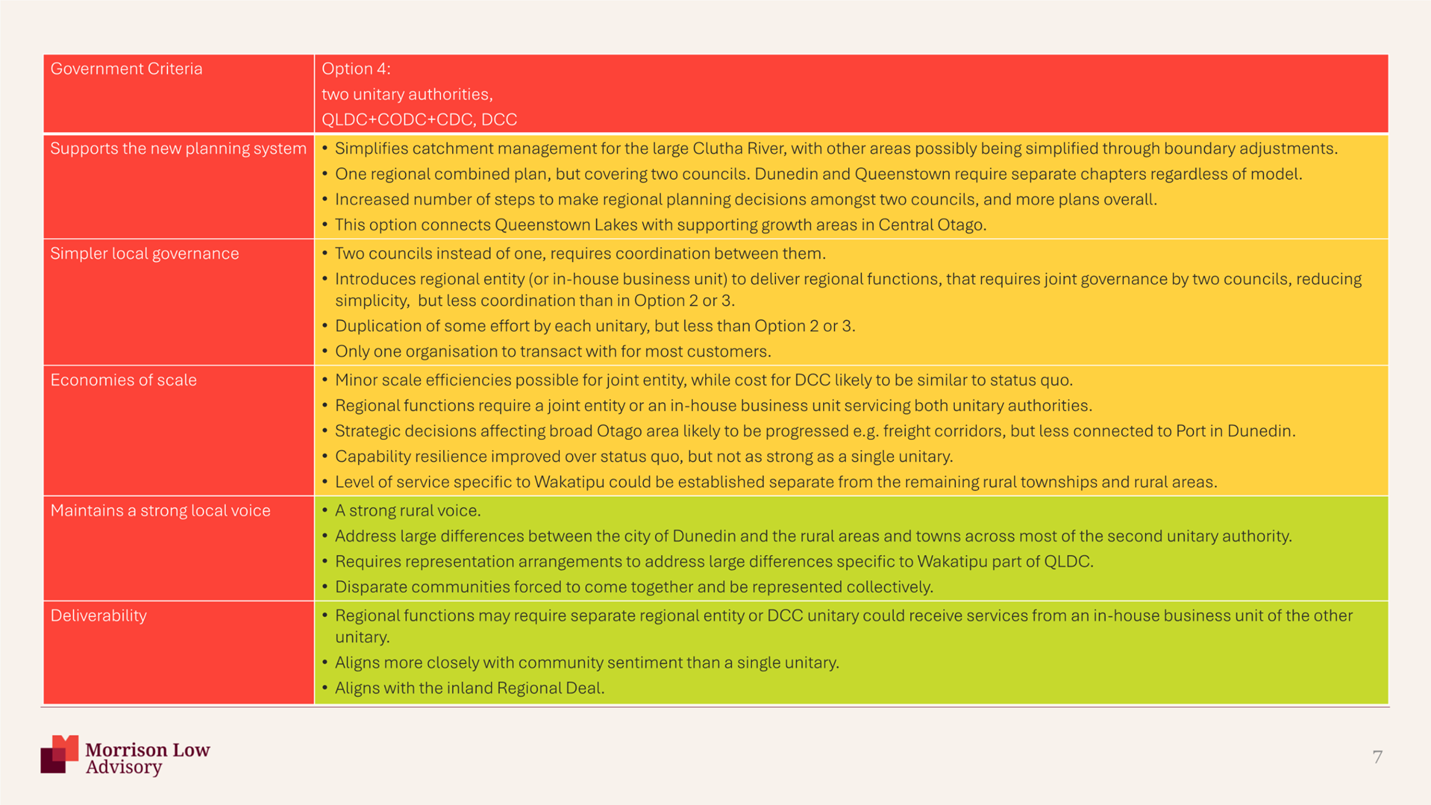
and considers the strategic implications for Dunedin.
2 The
Government has established two implementation pathways. The voluntary Head
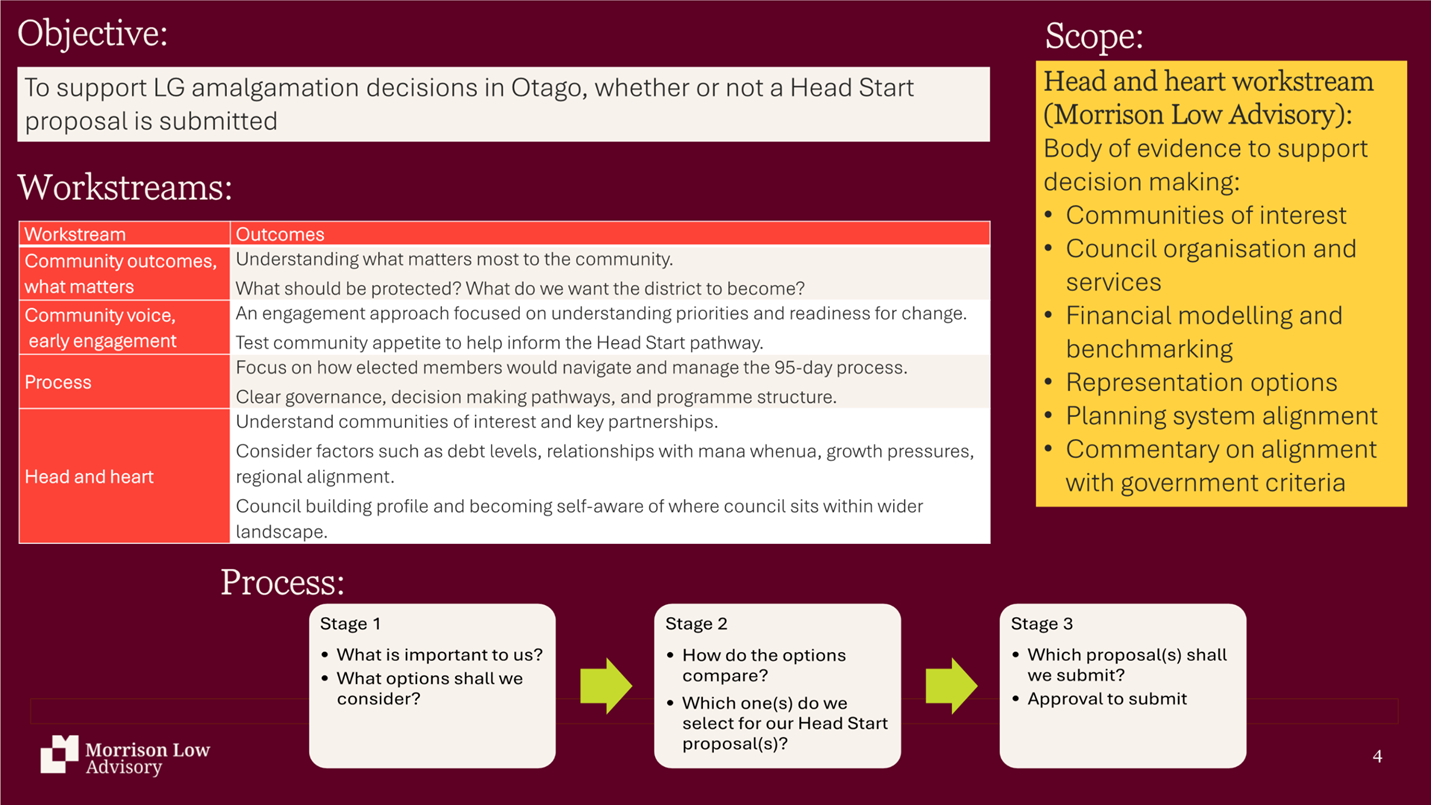
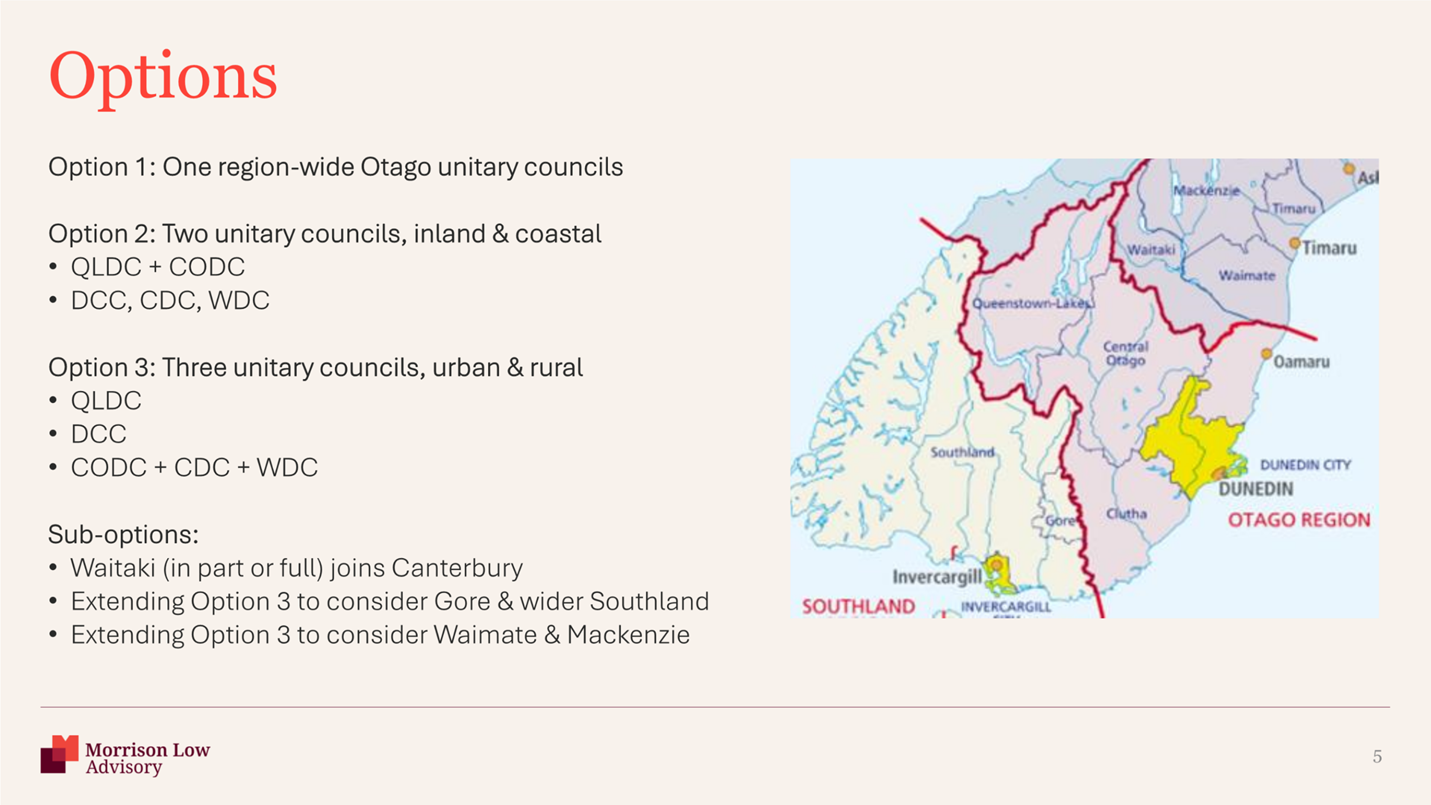
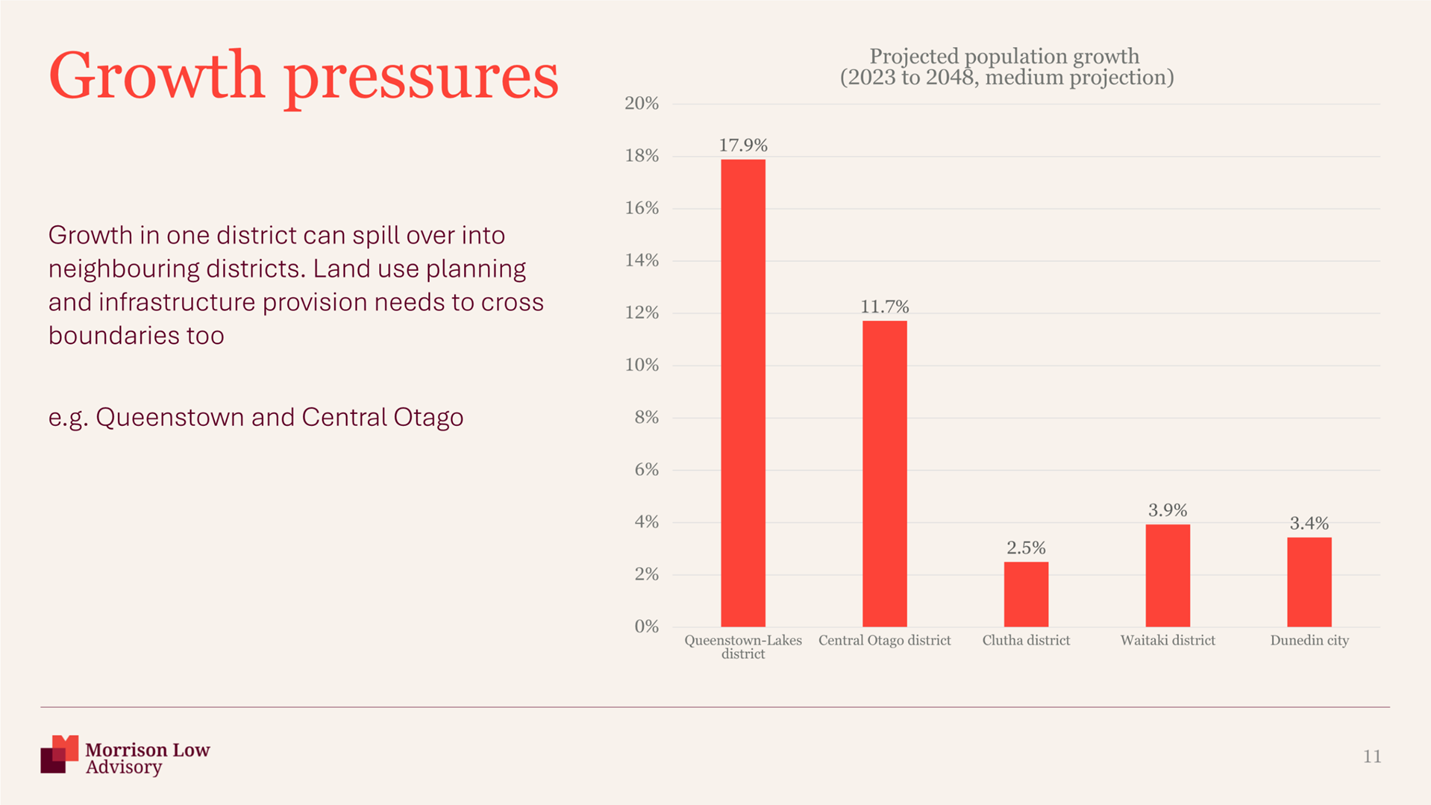
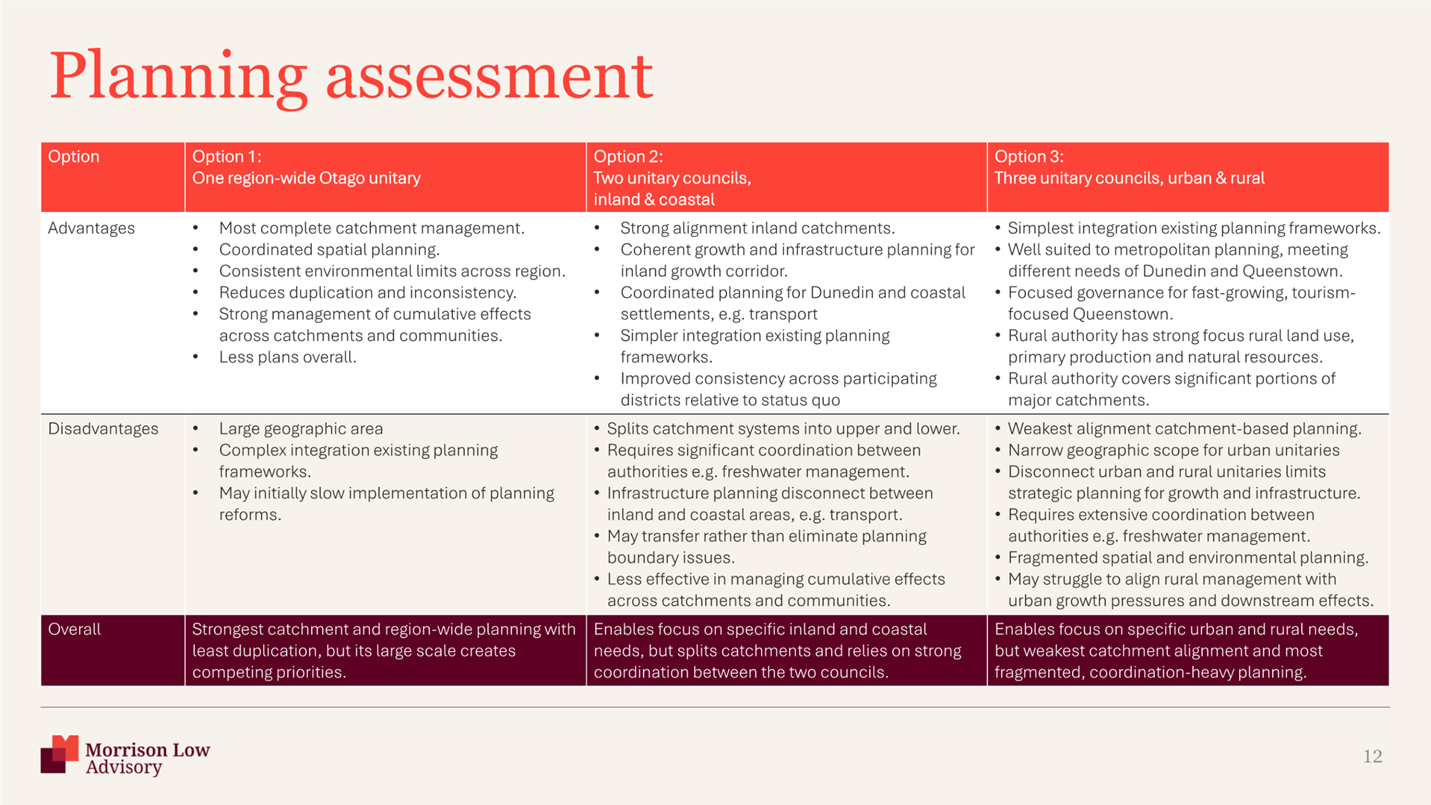
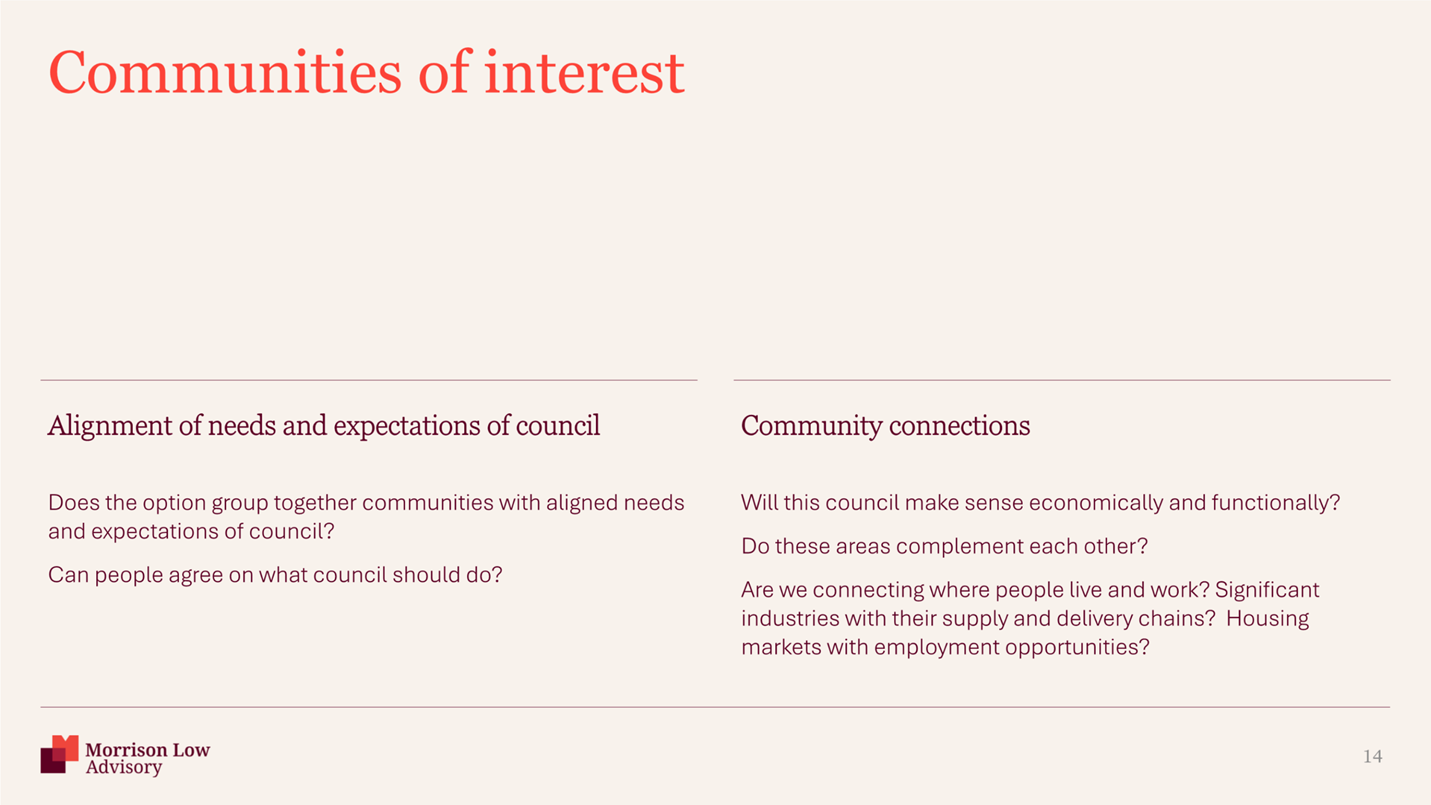
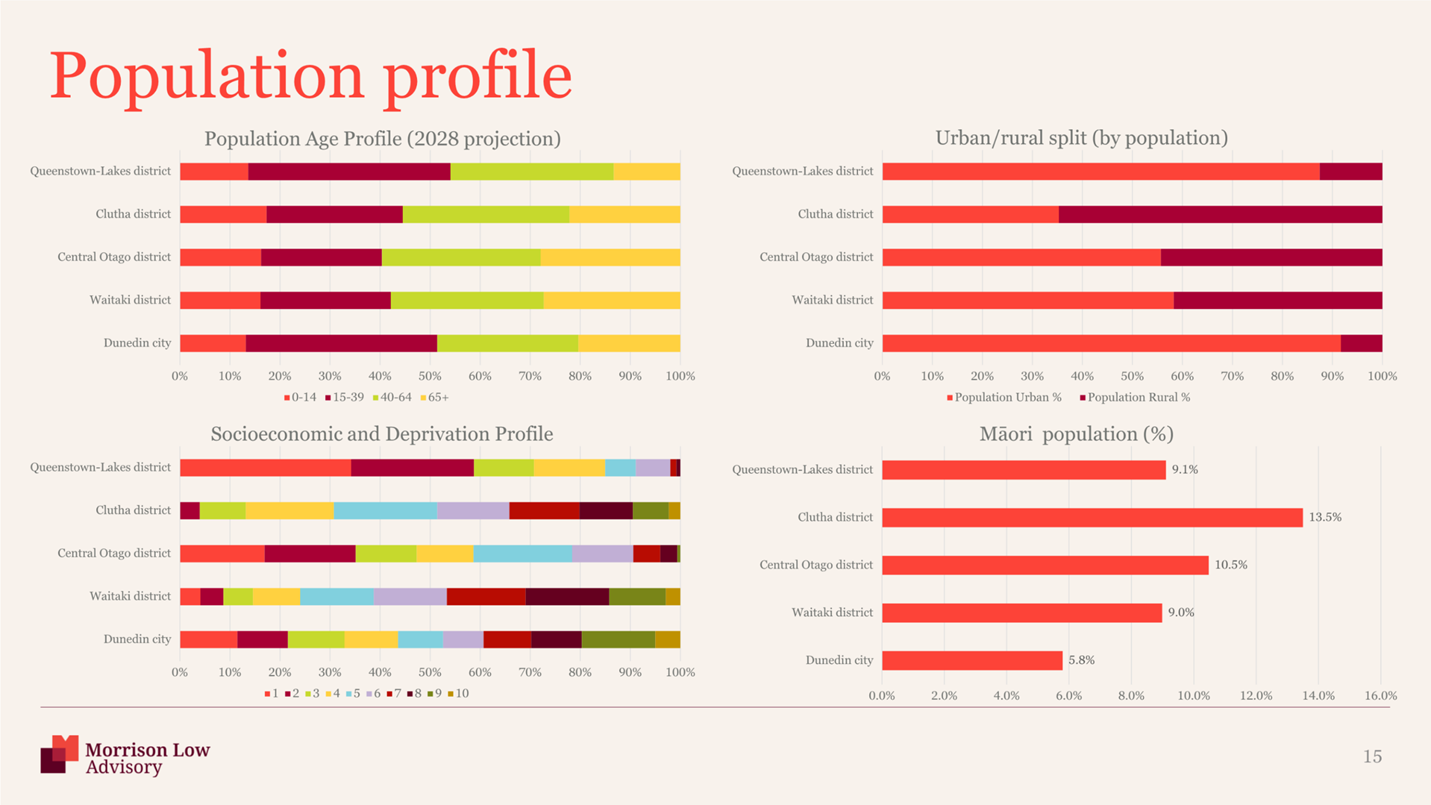
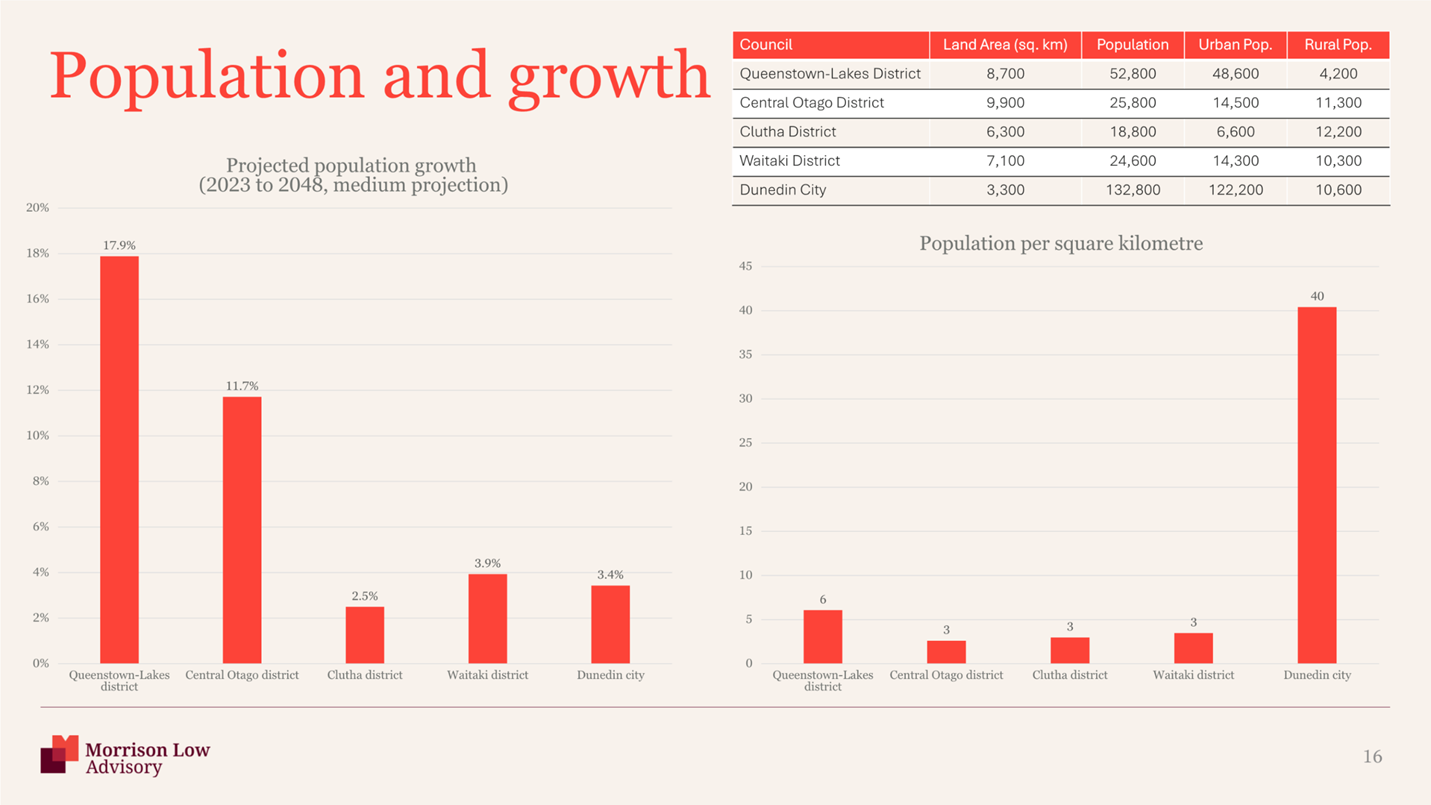
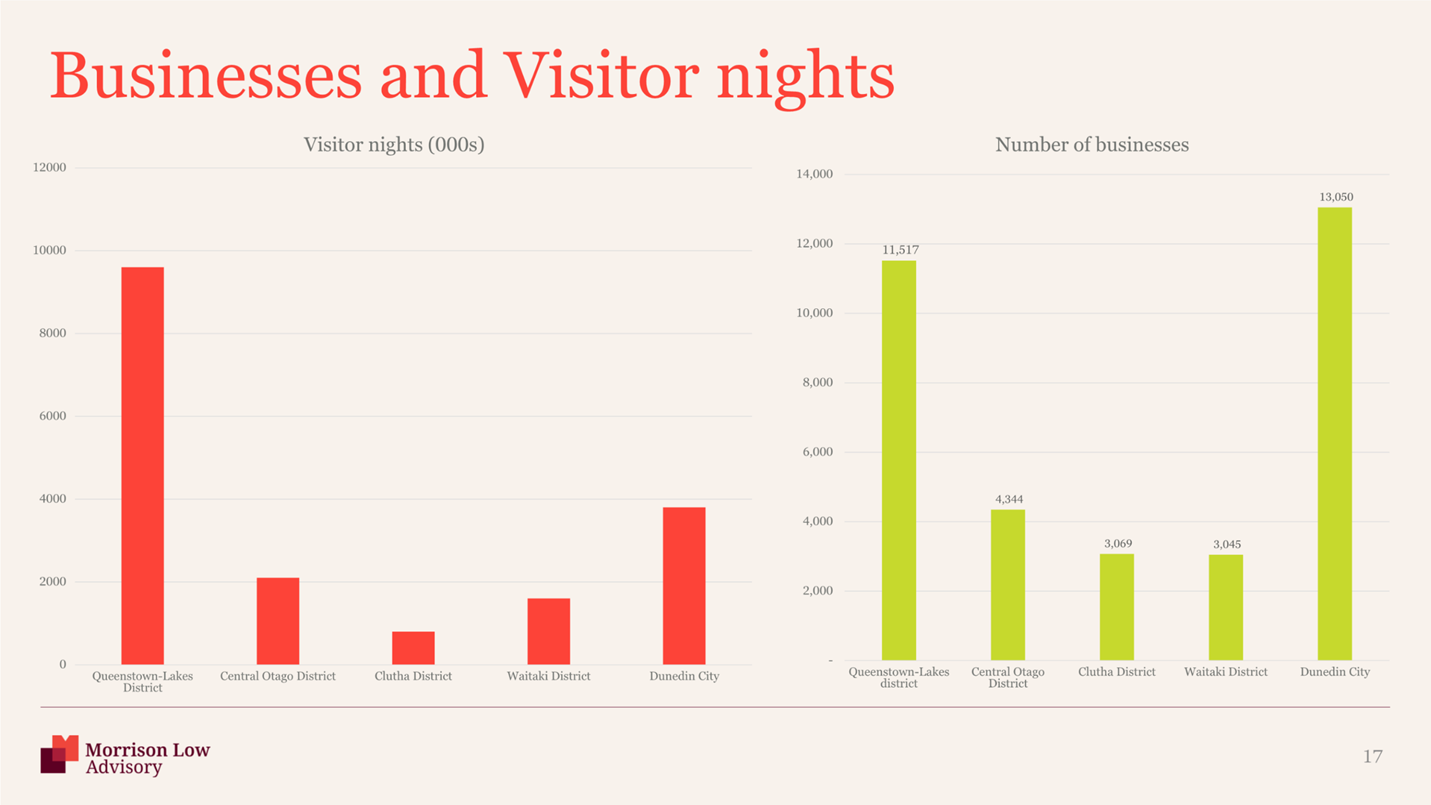
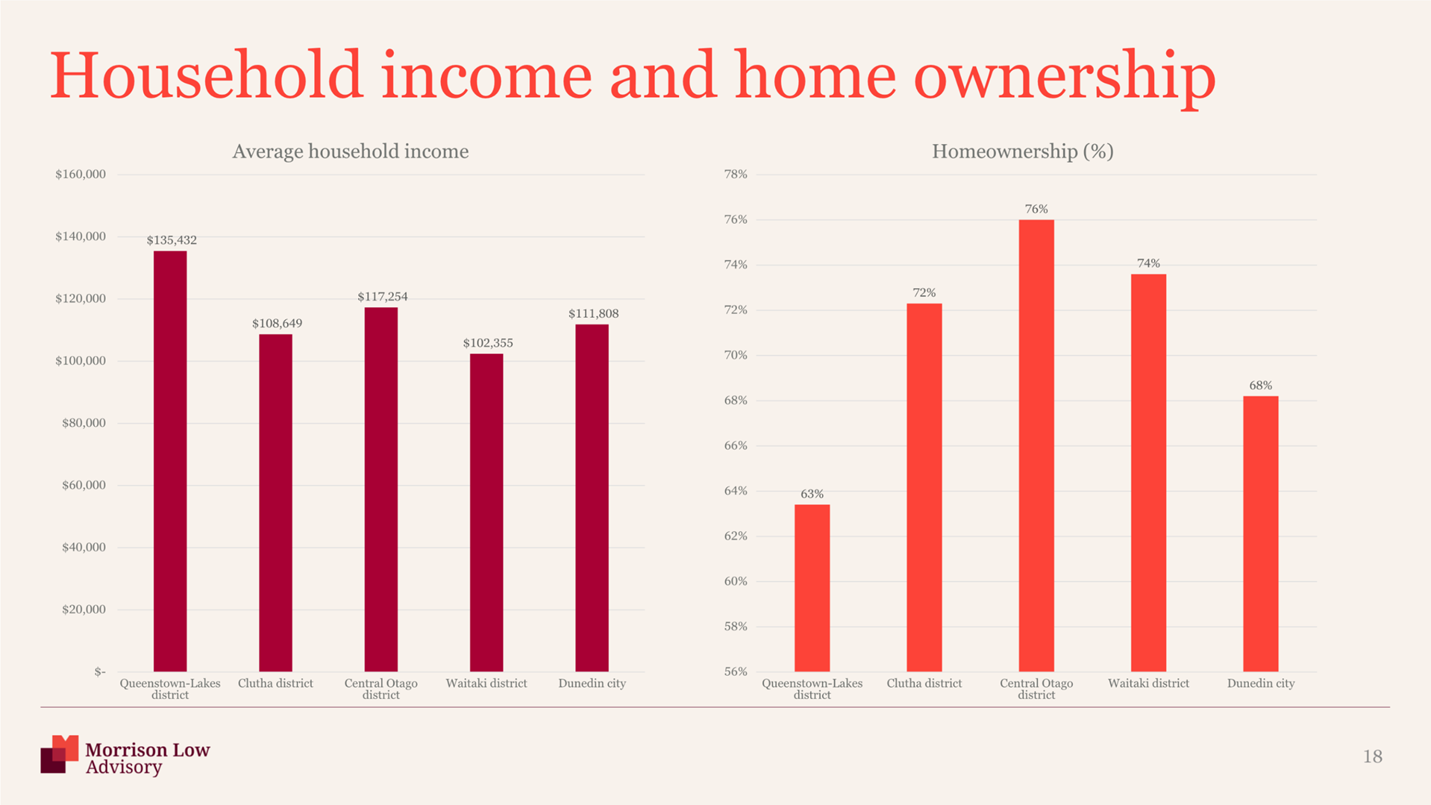
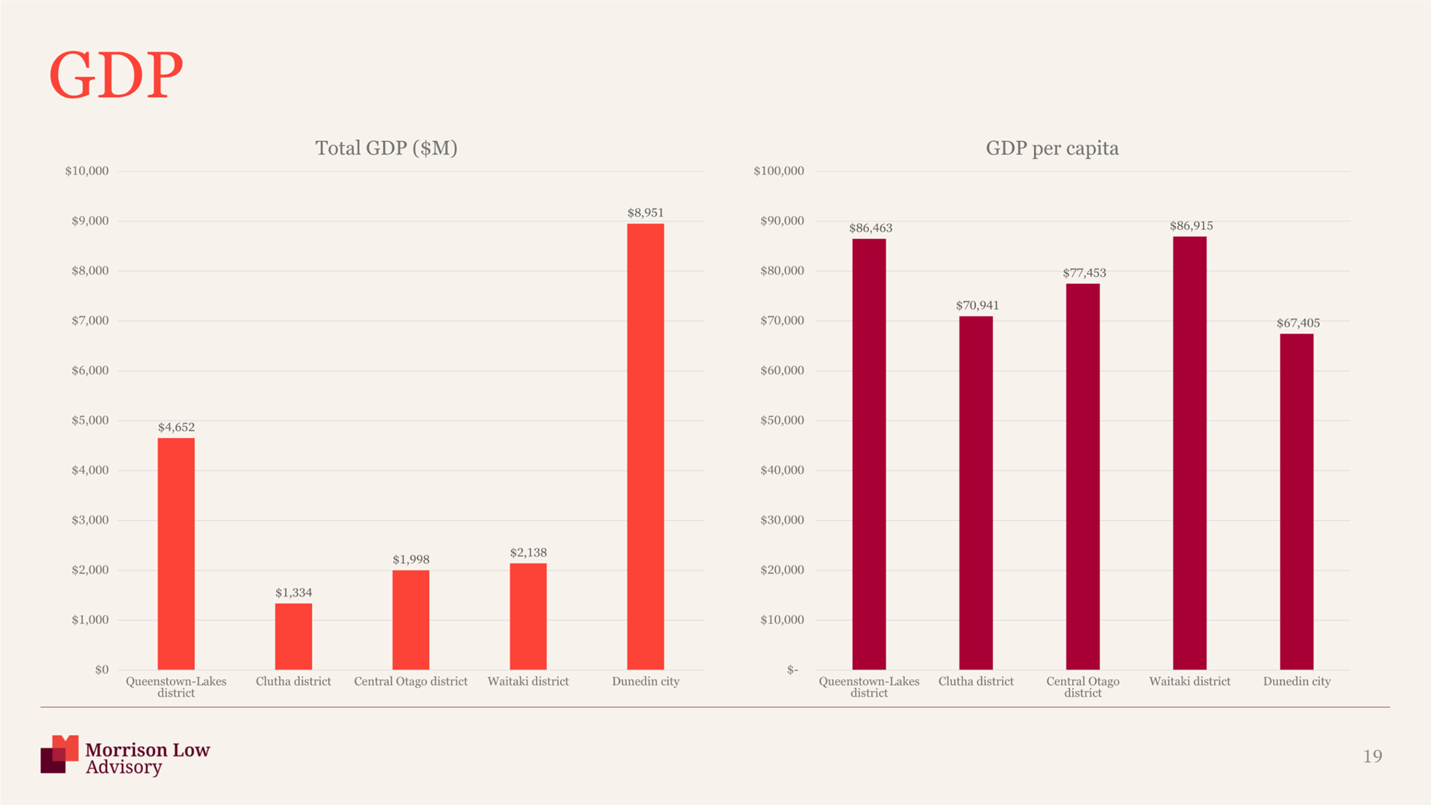
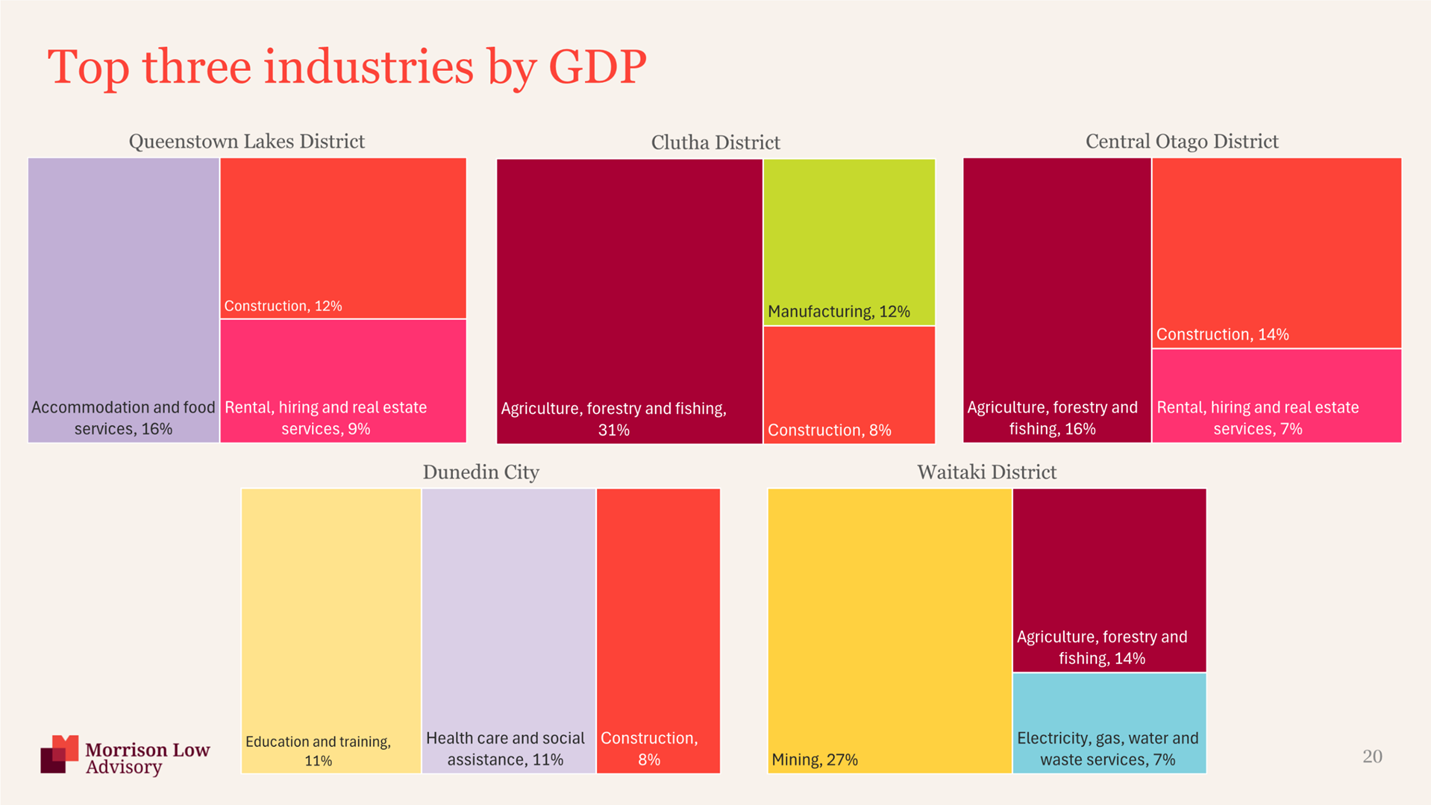
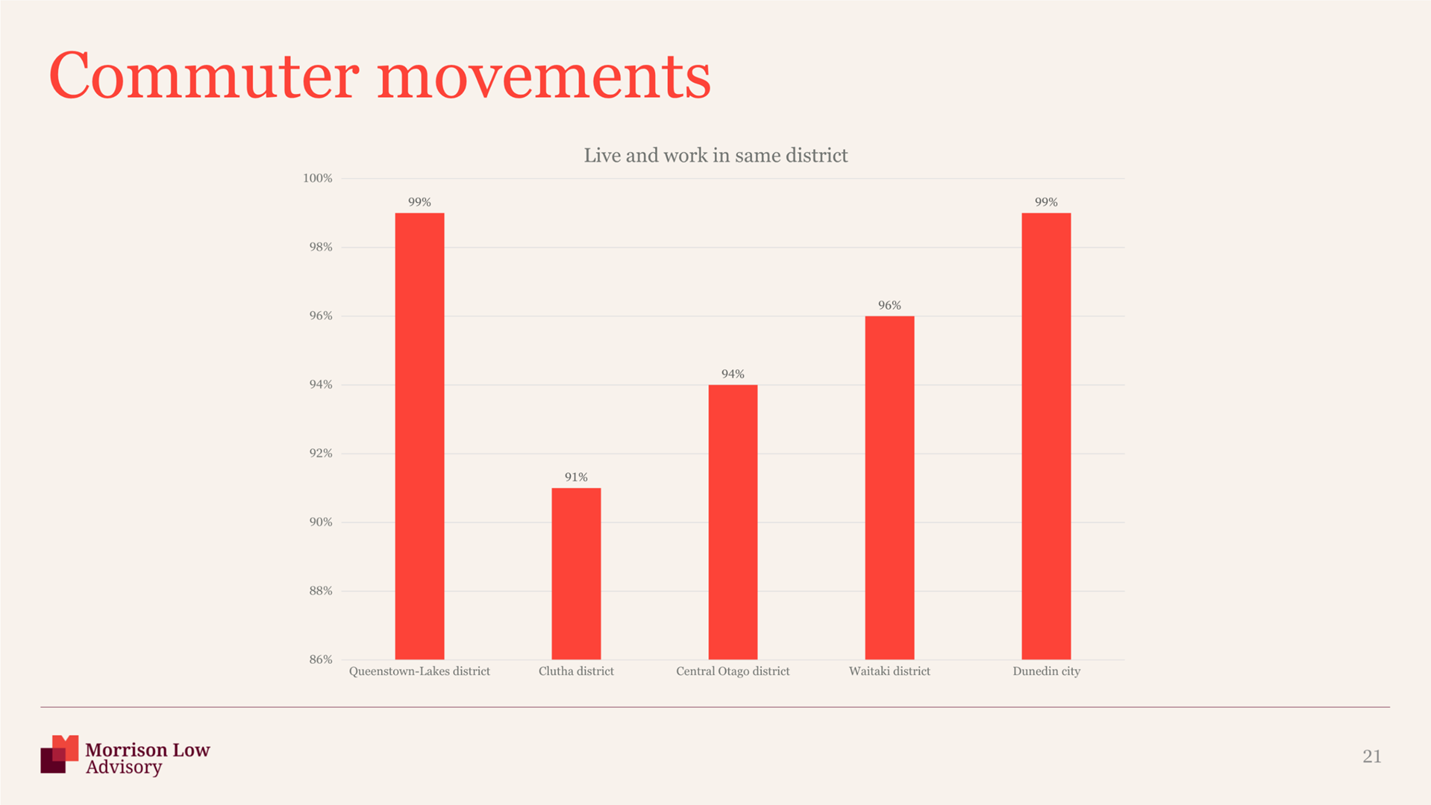
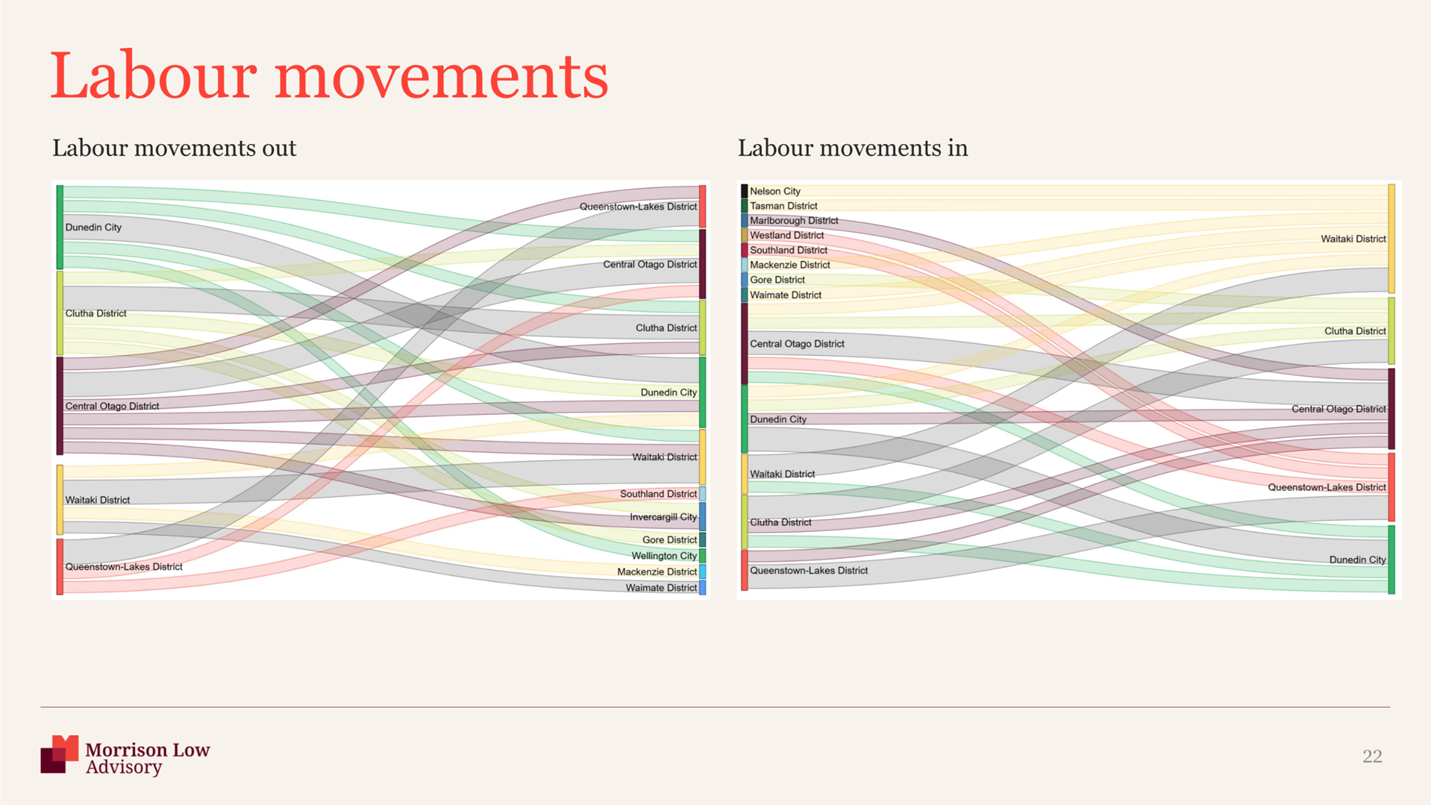
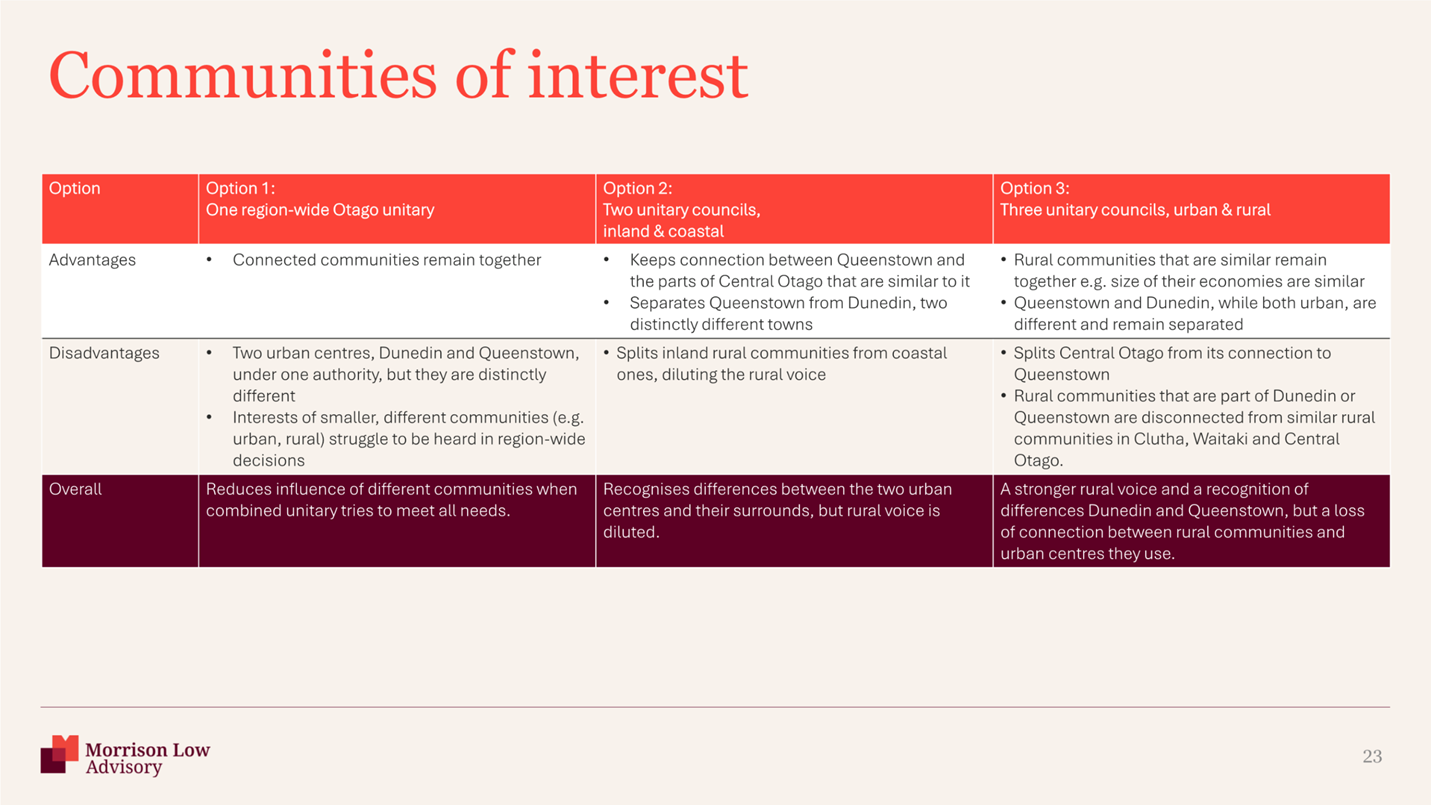
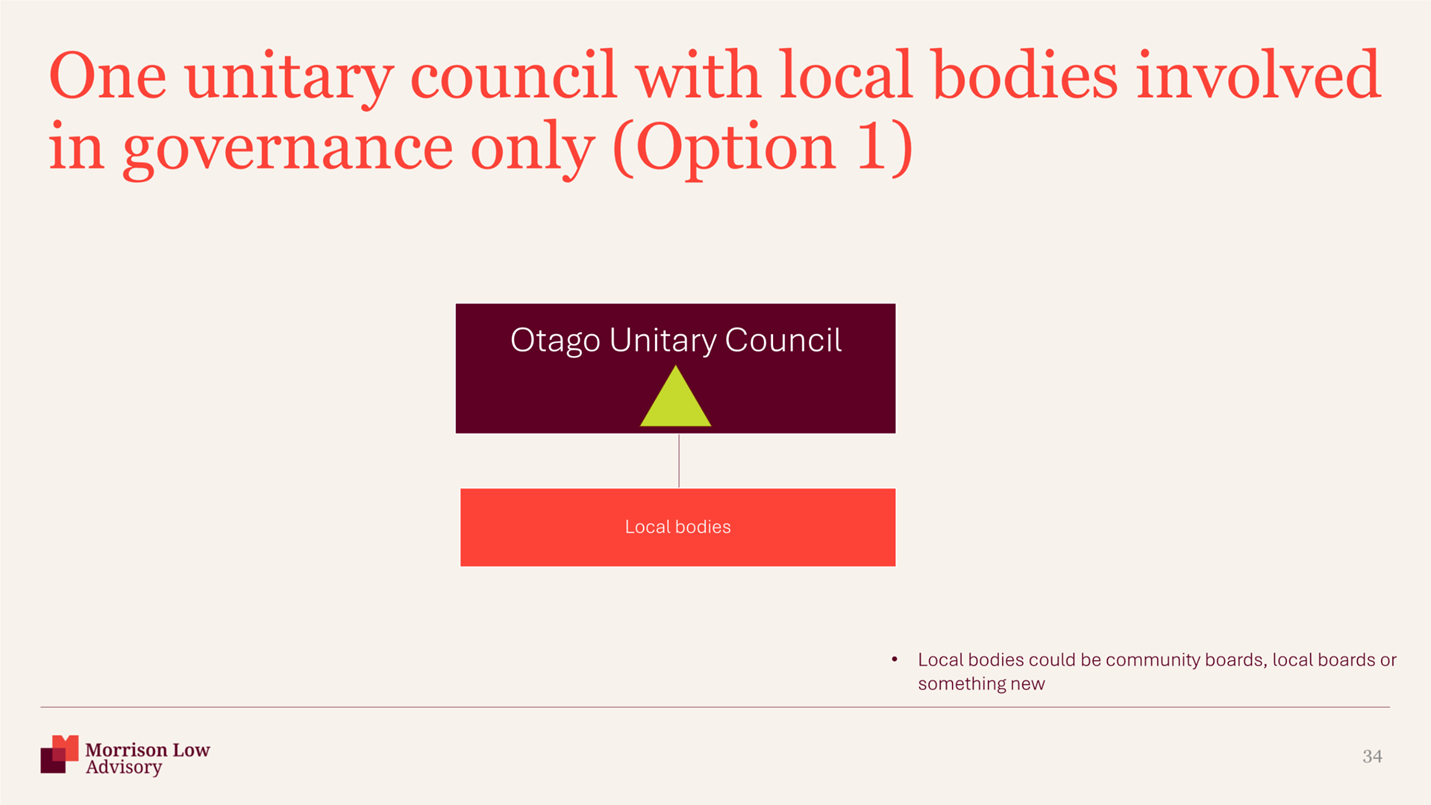
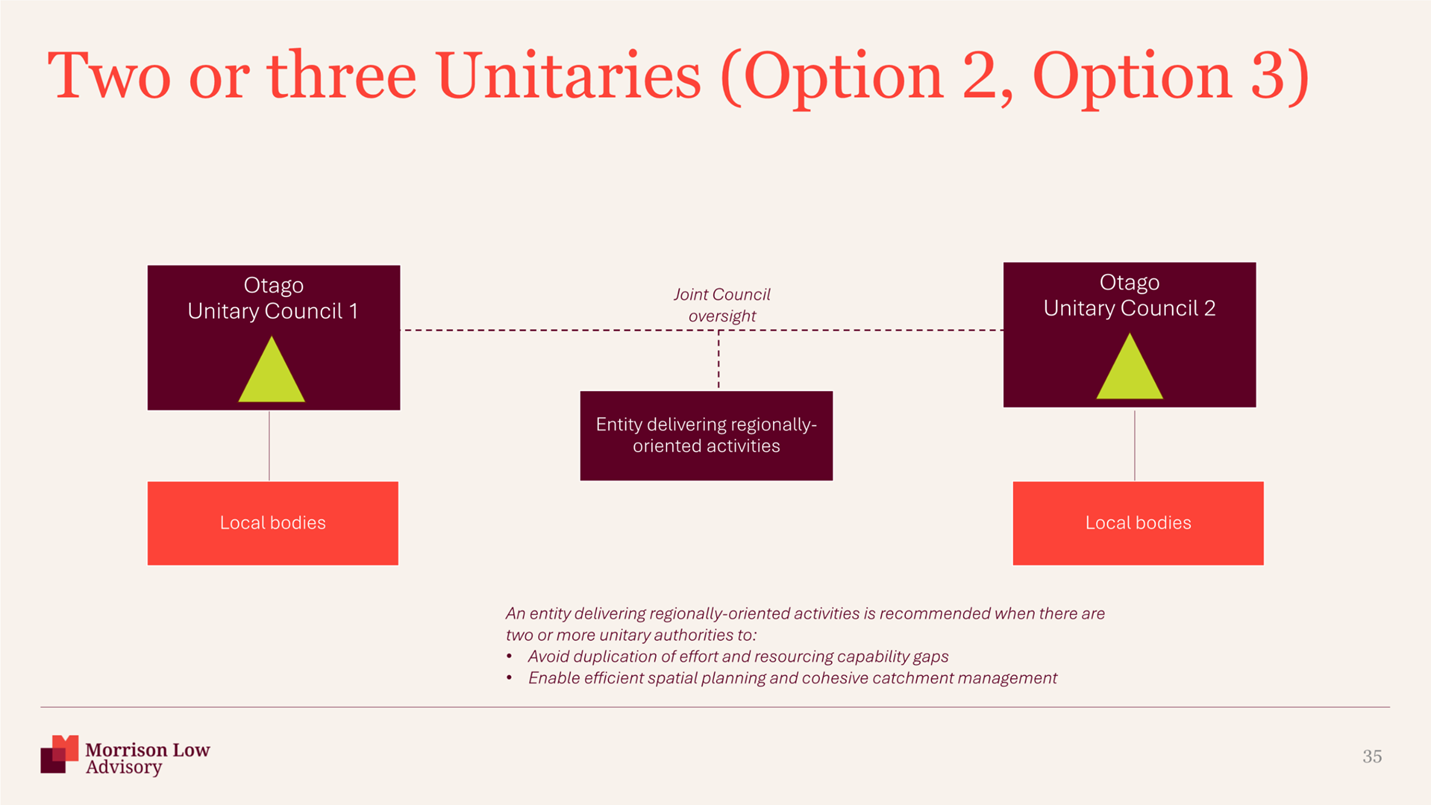
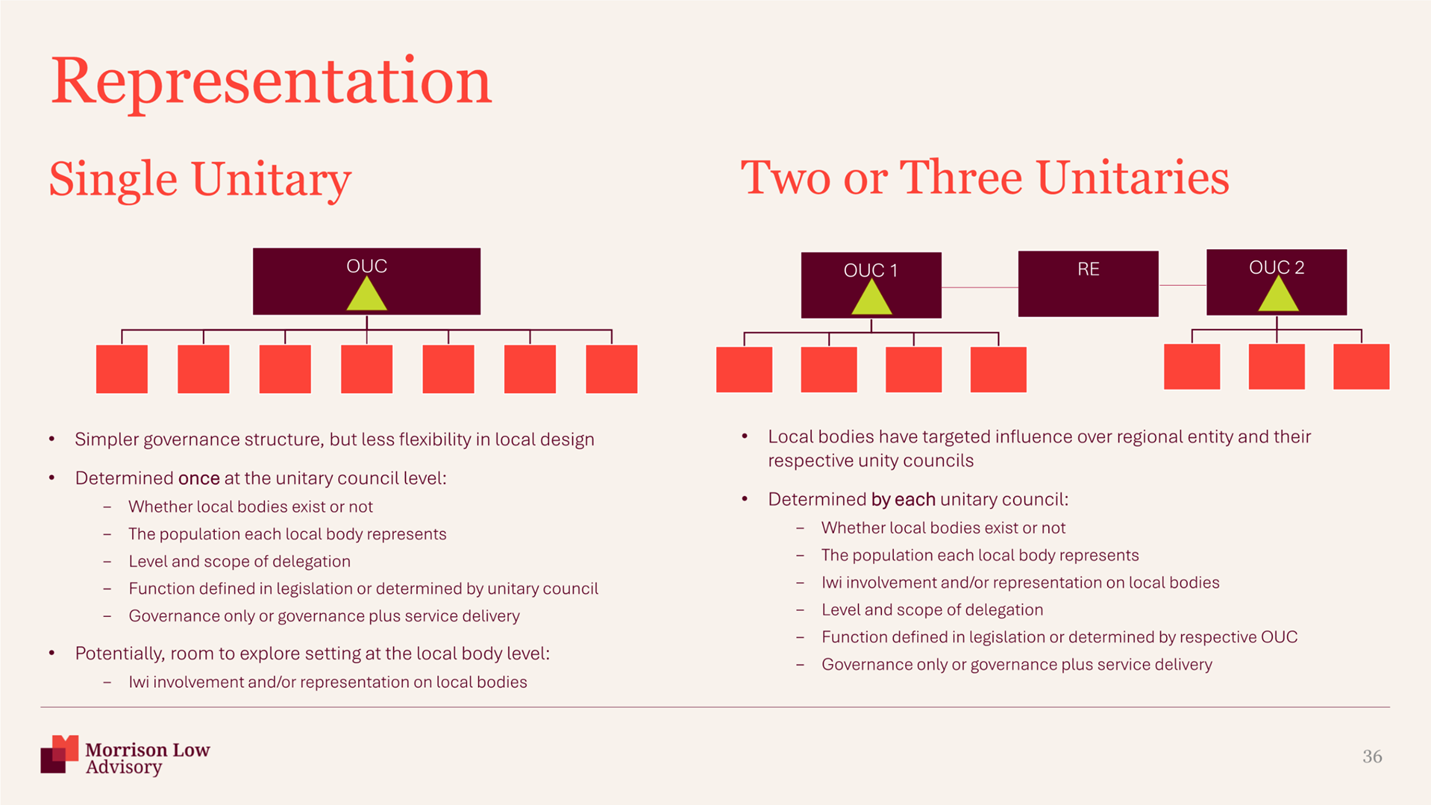
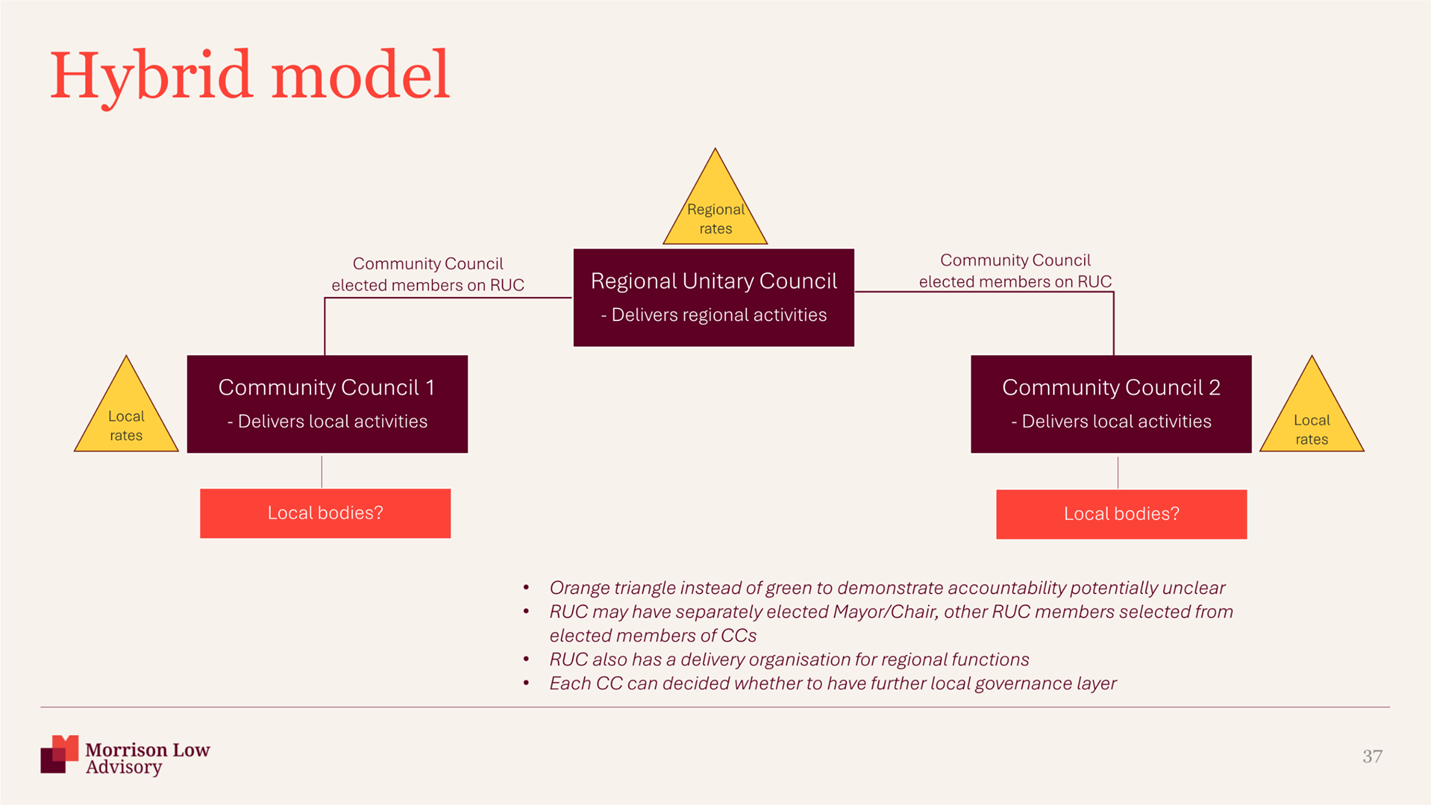
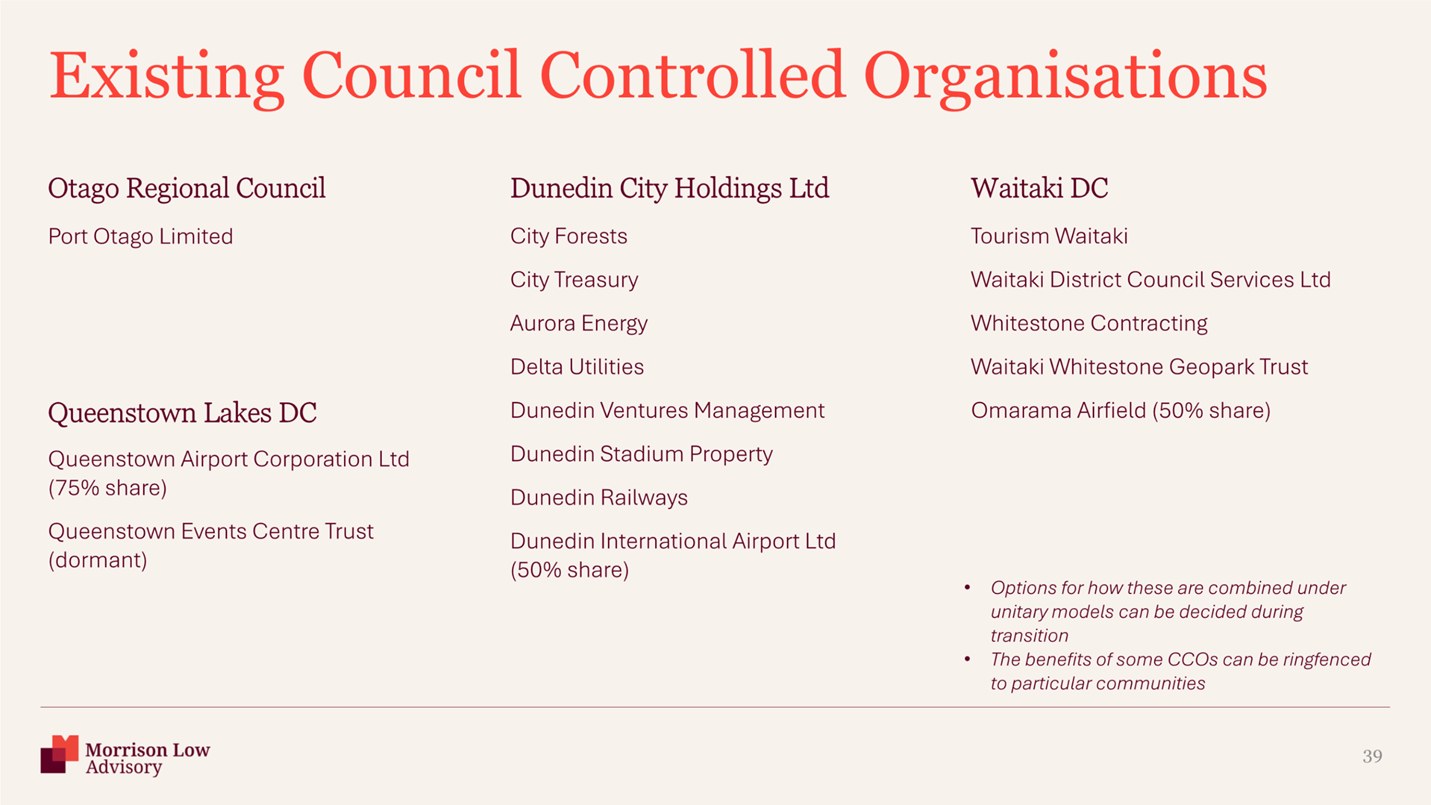
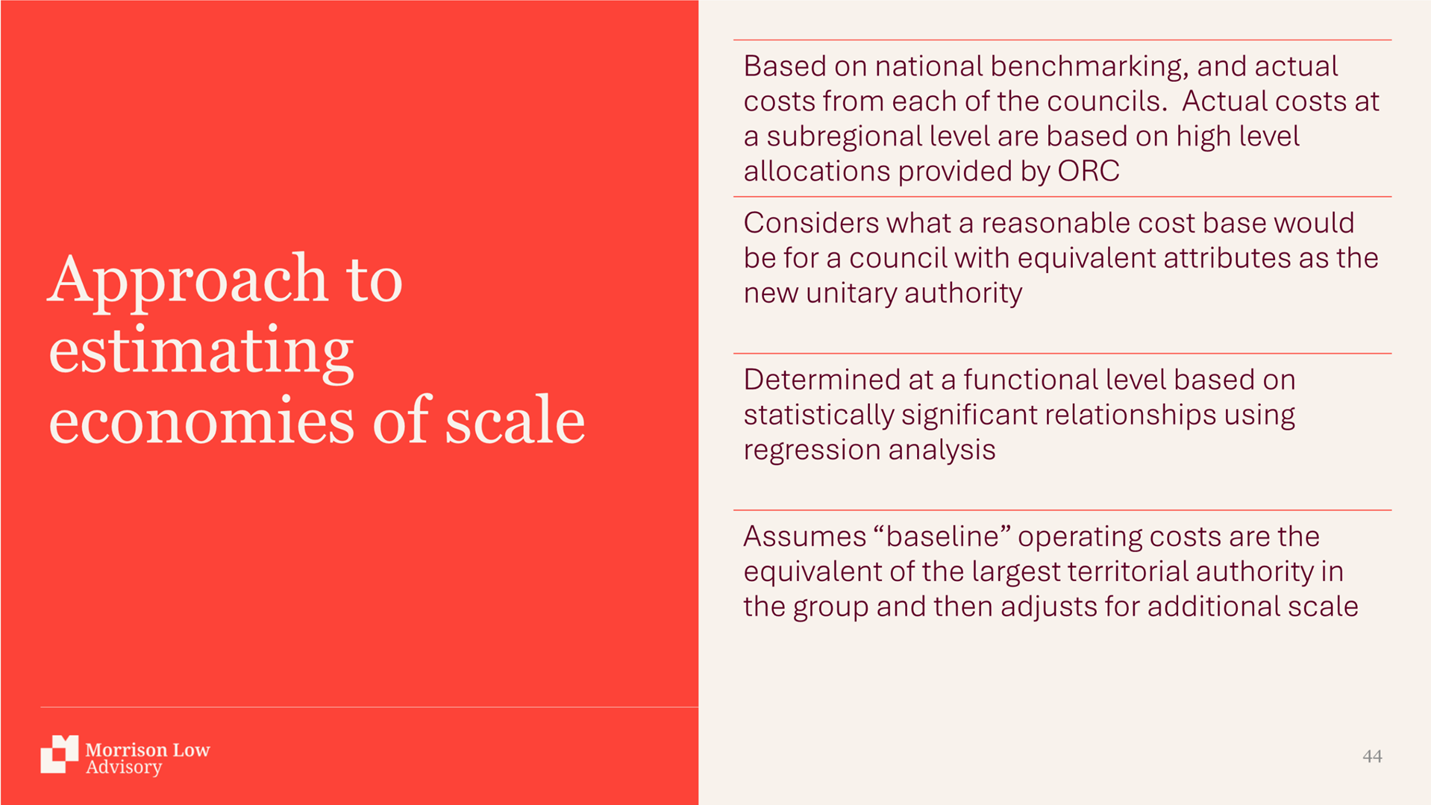
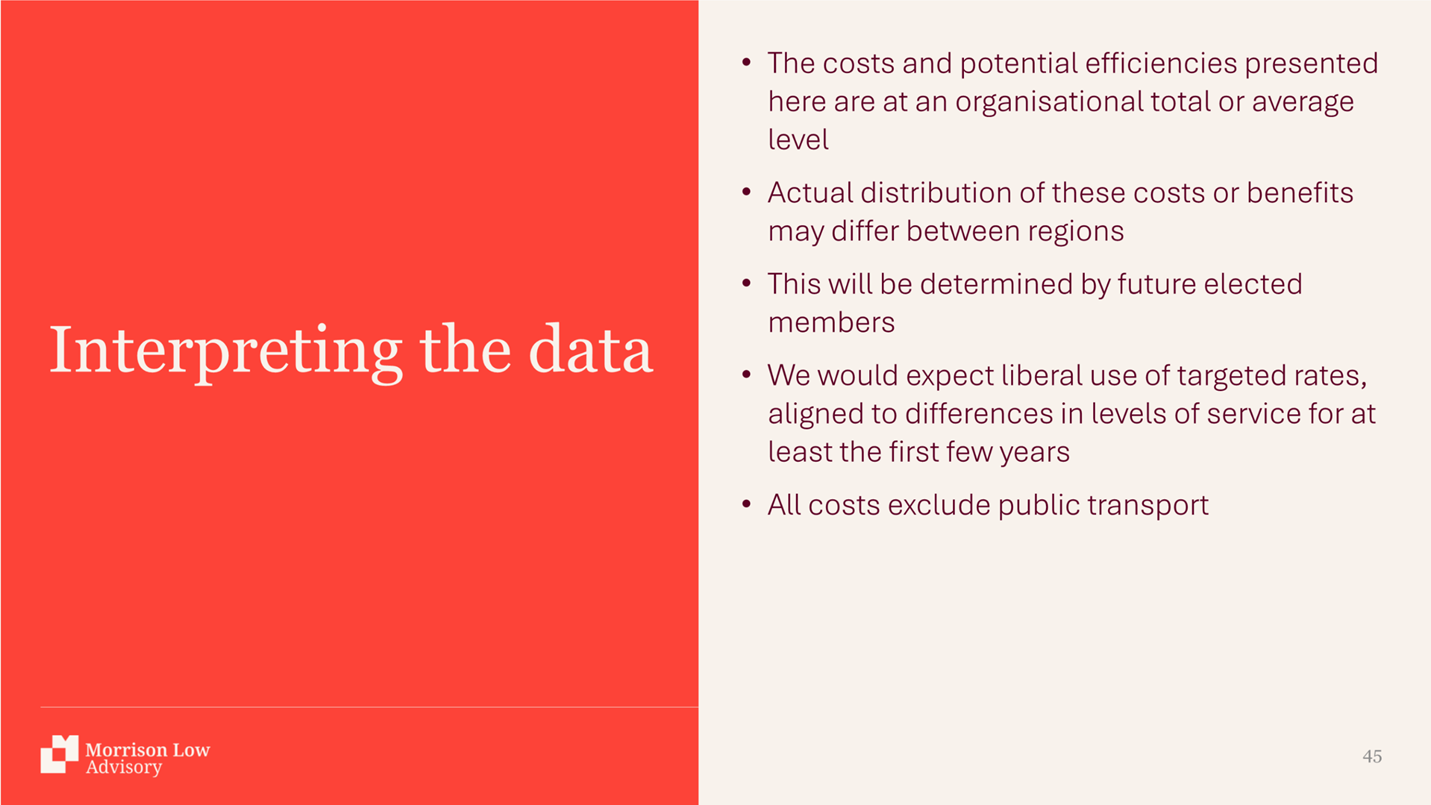
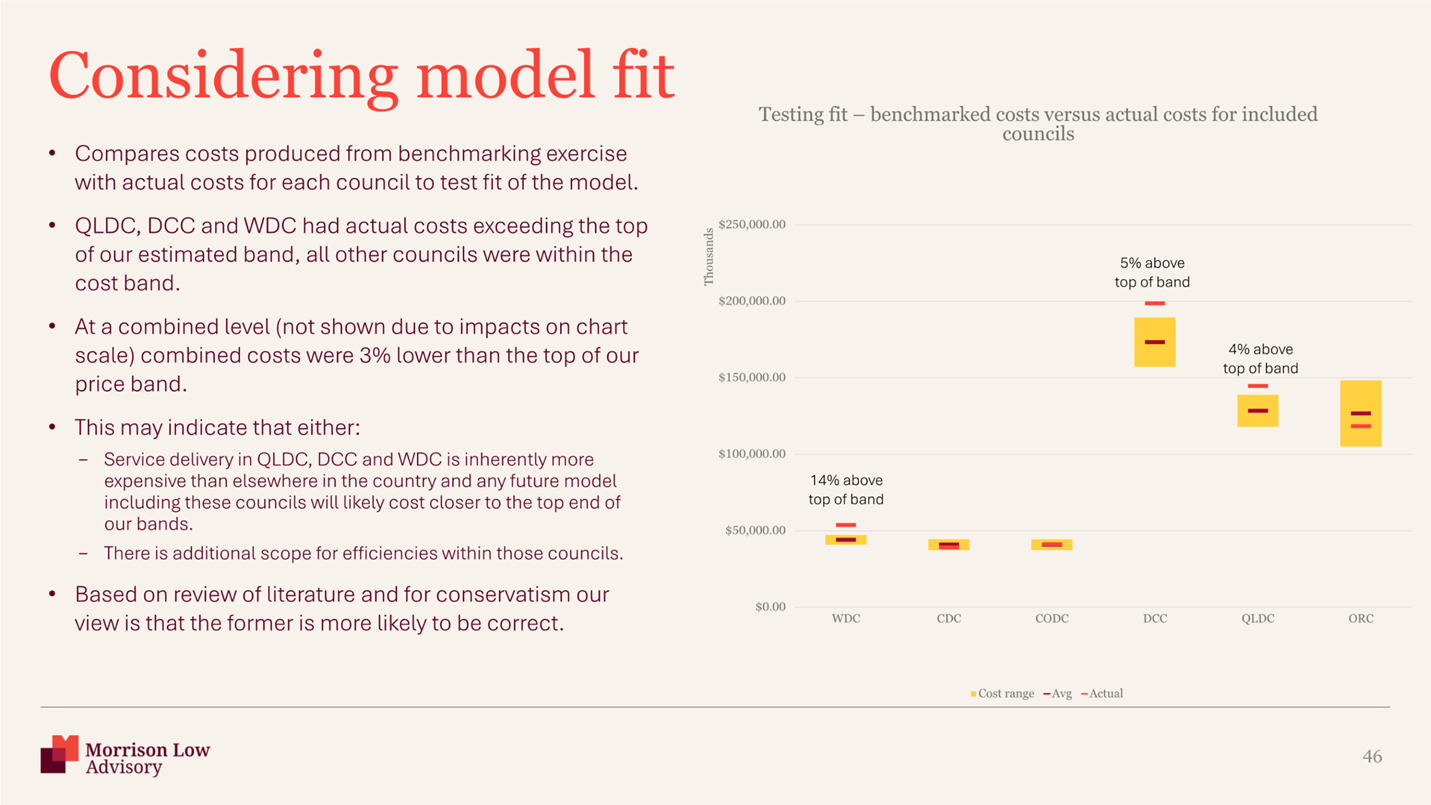
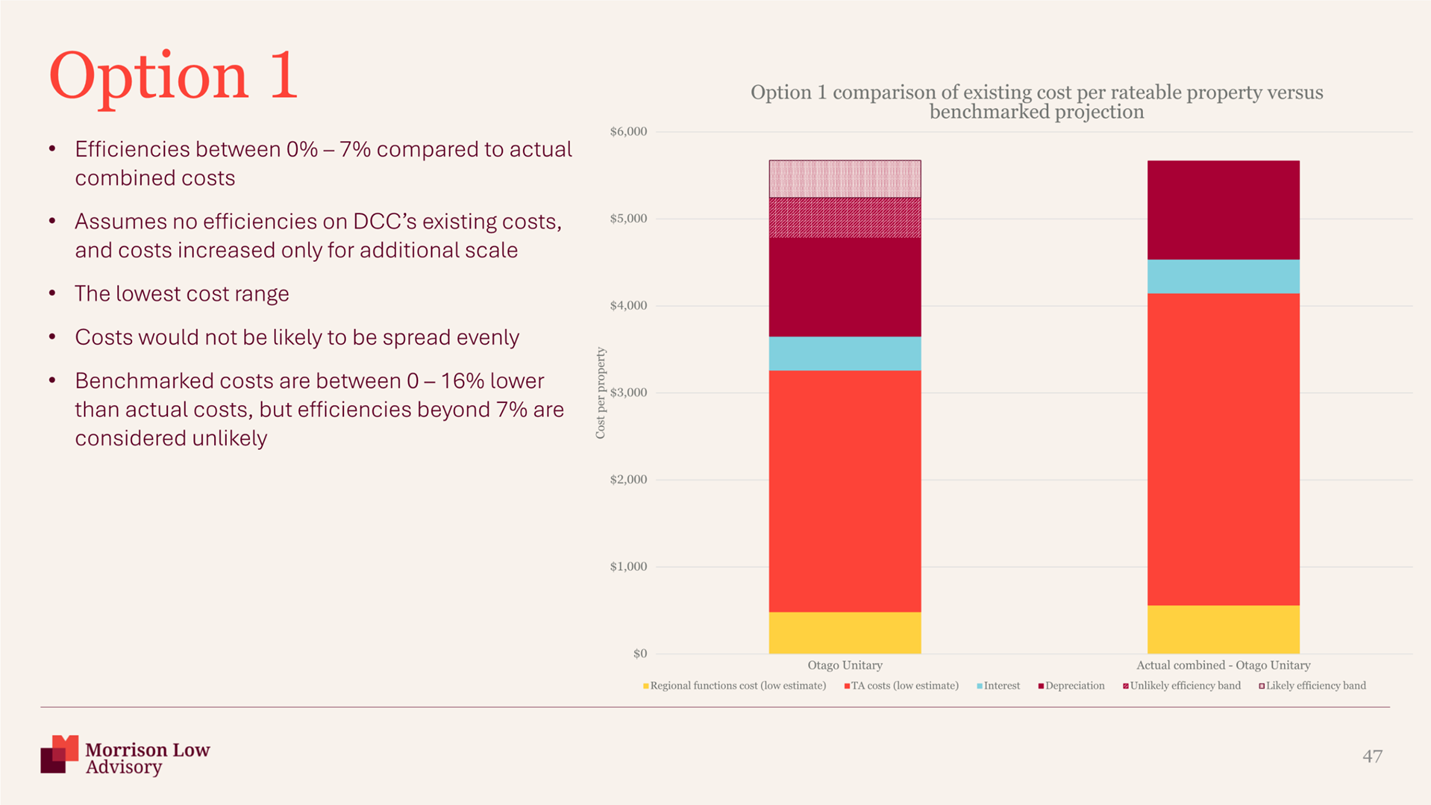
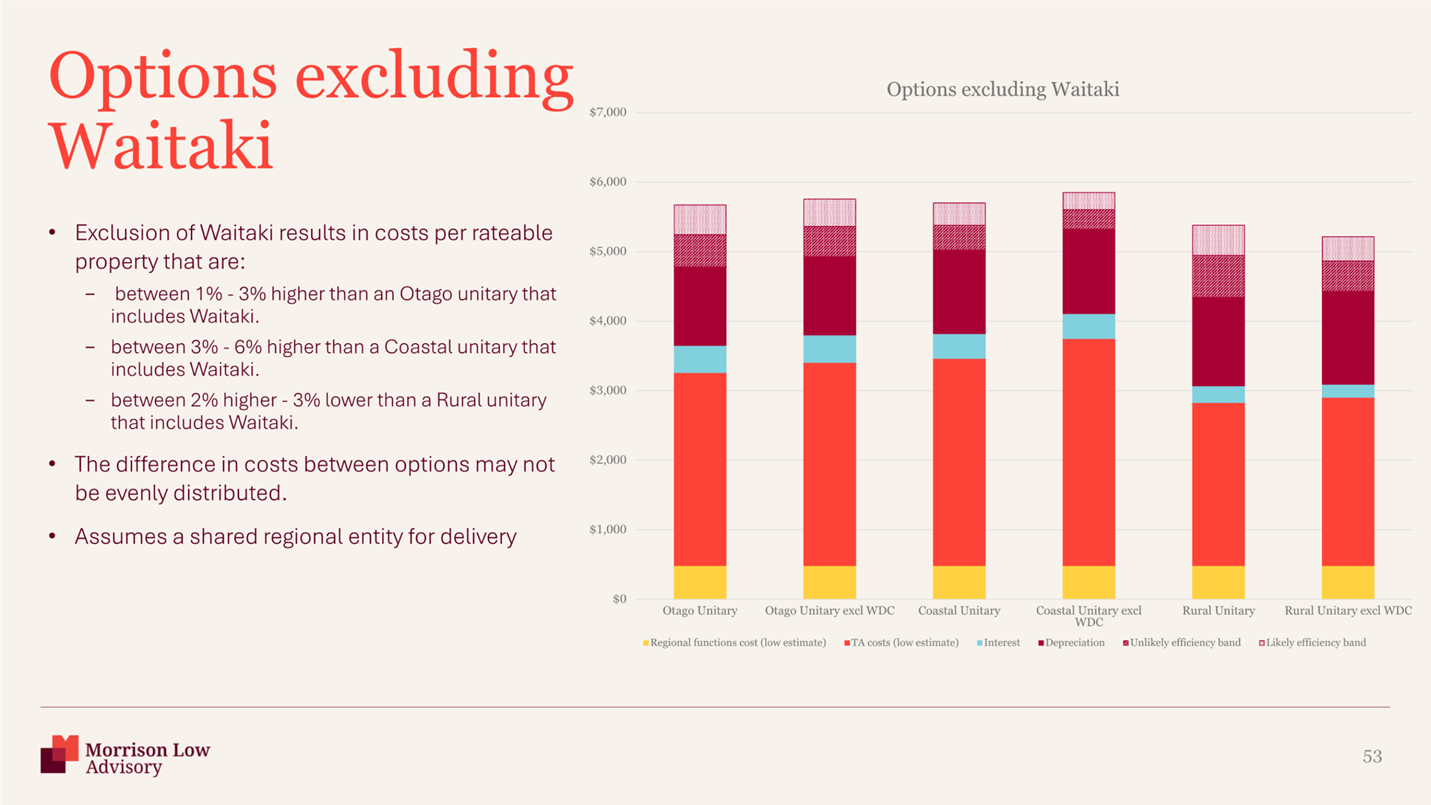
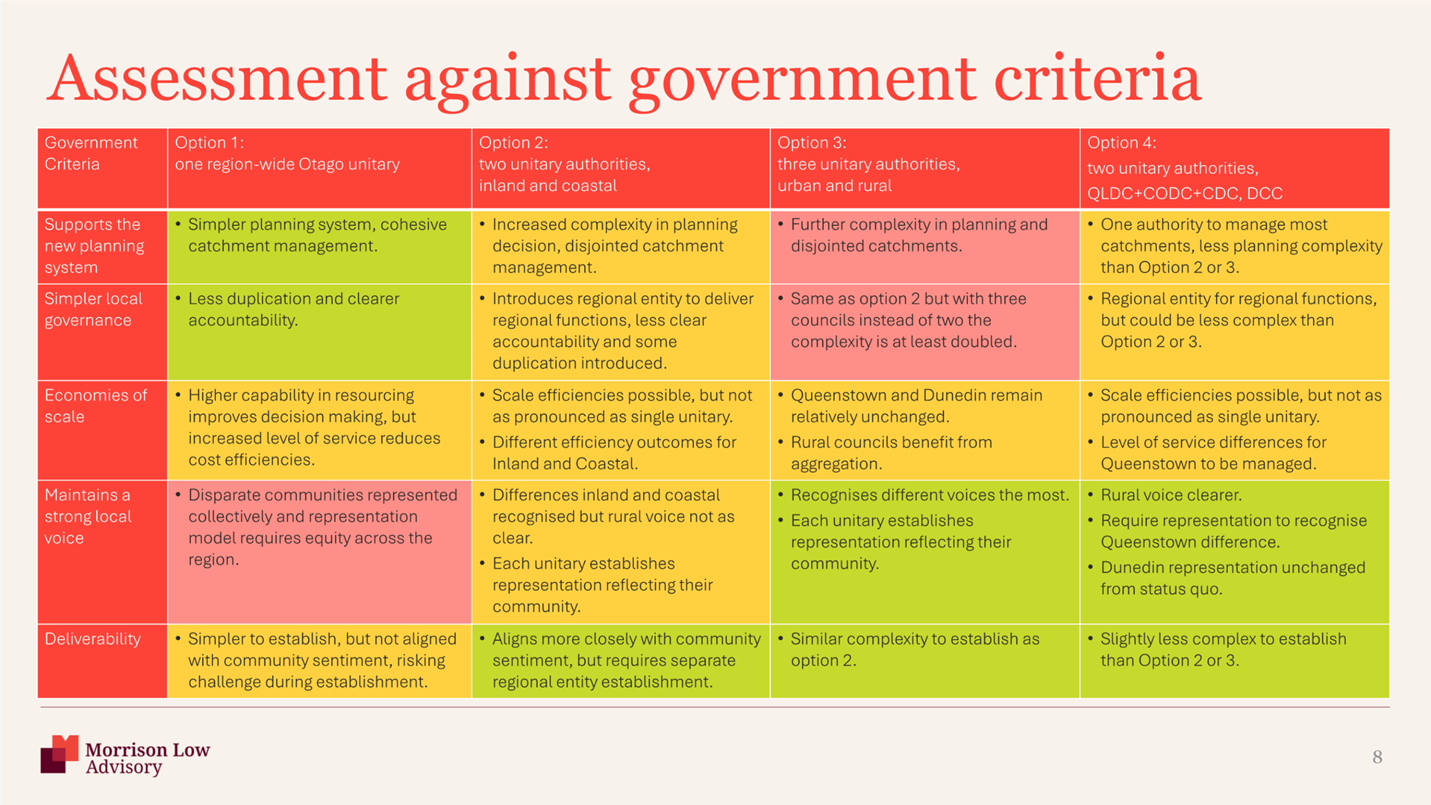
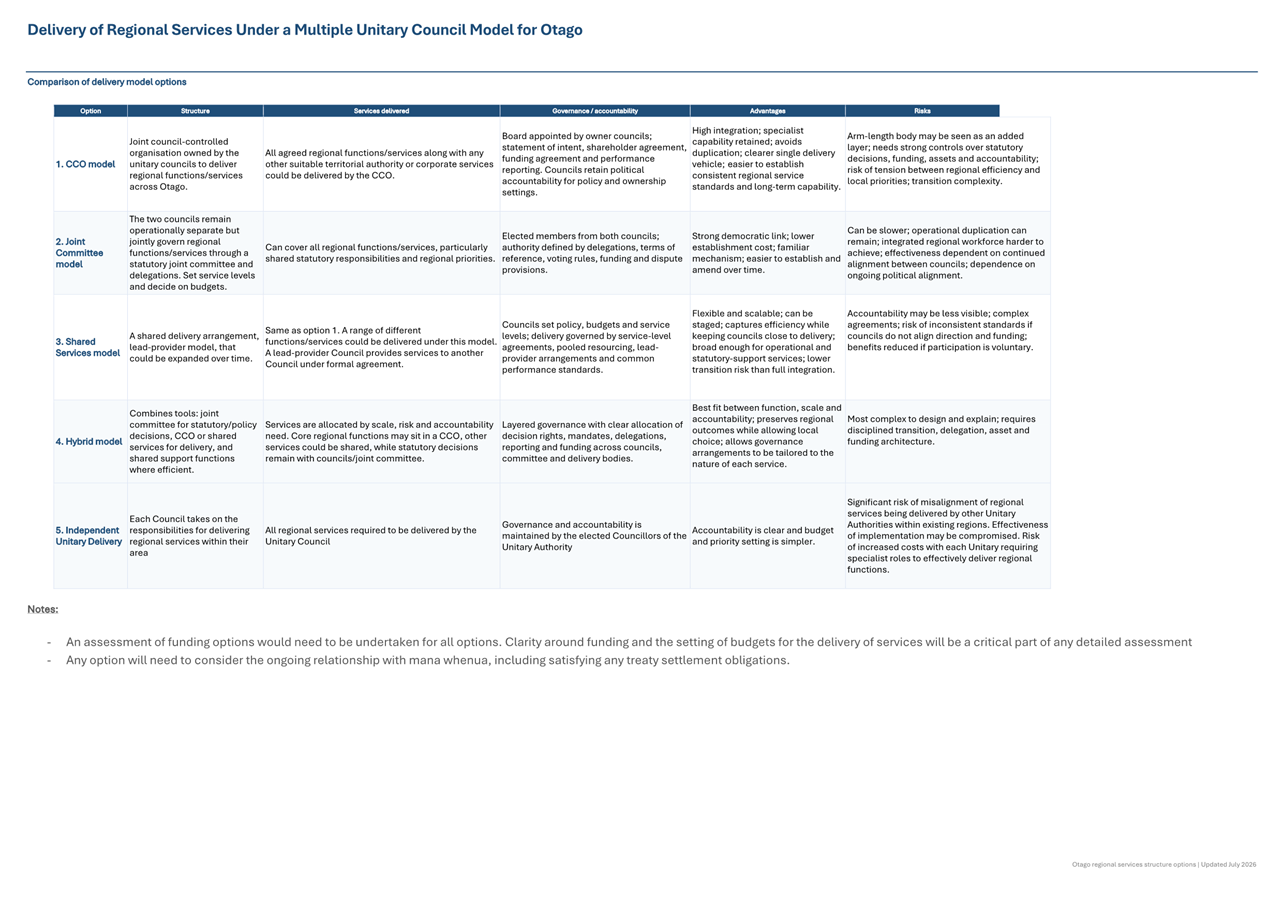
Start pathway enables groups of councils to develop locally led proposals for
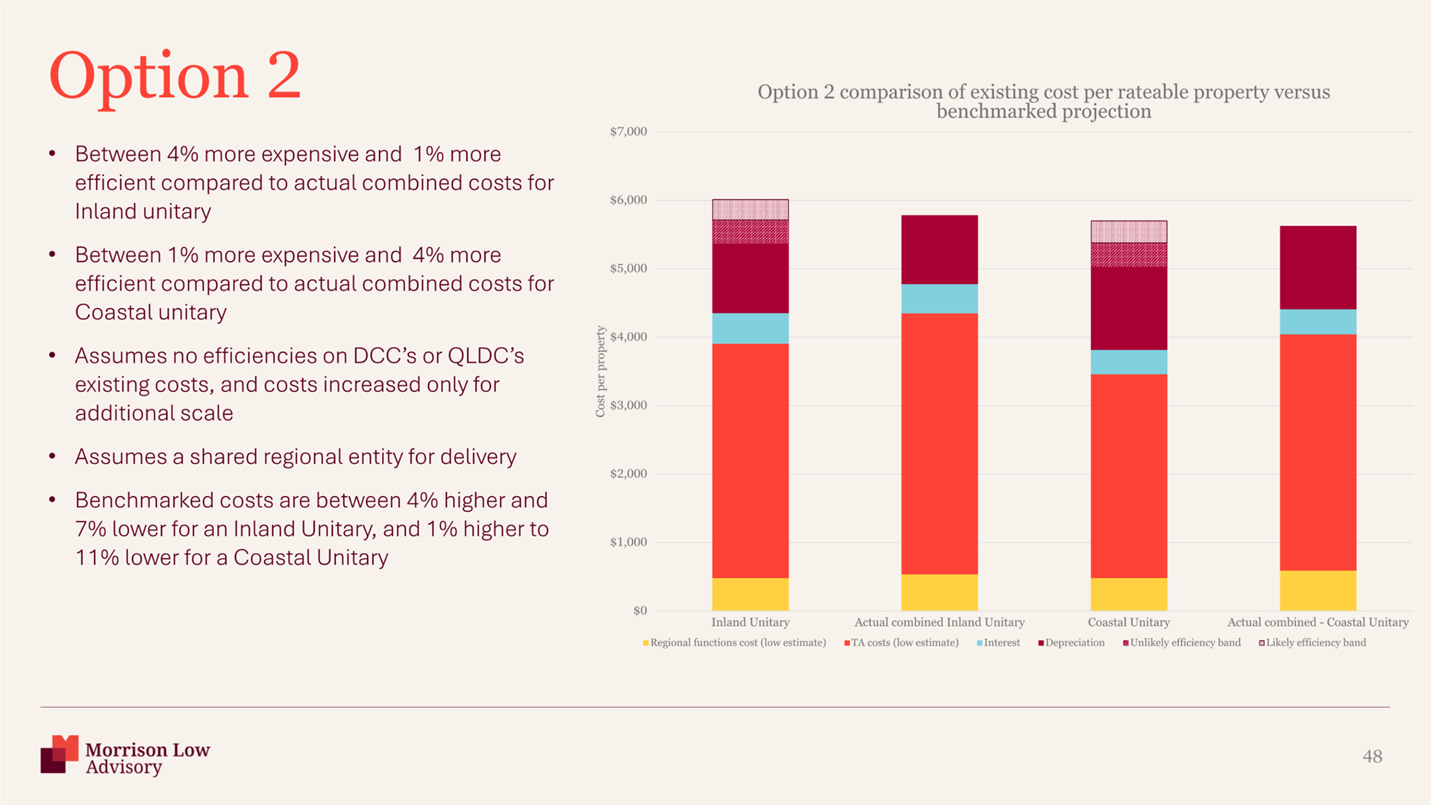
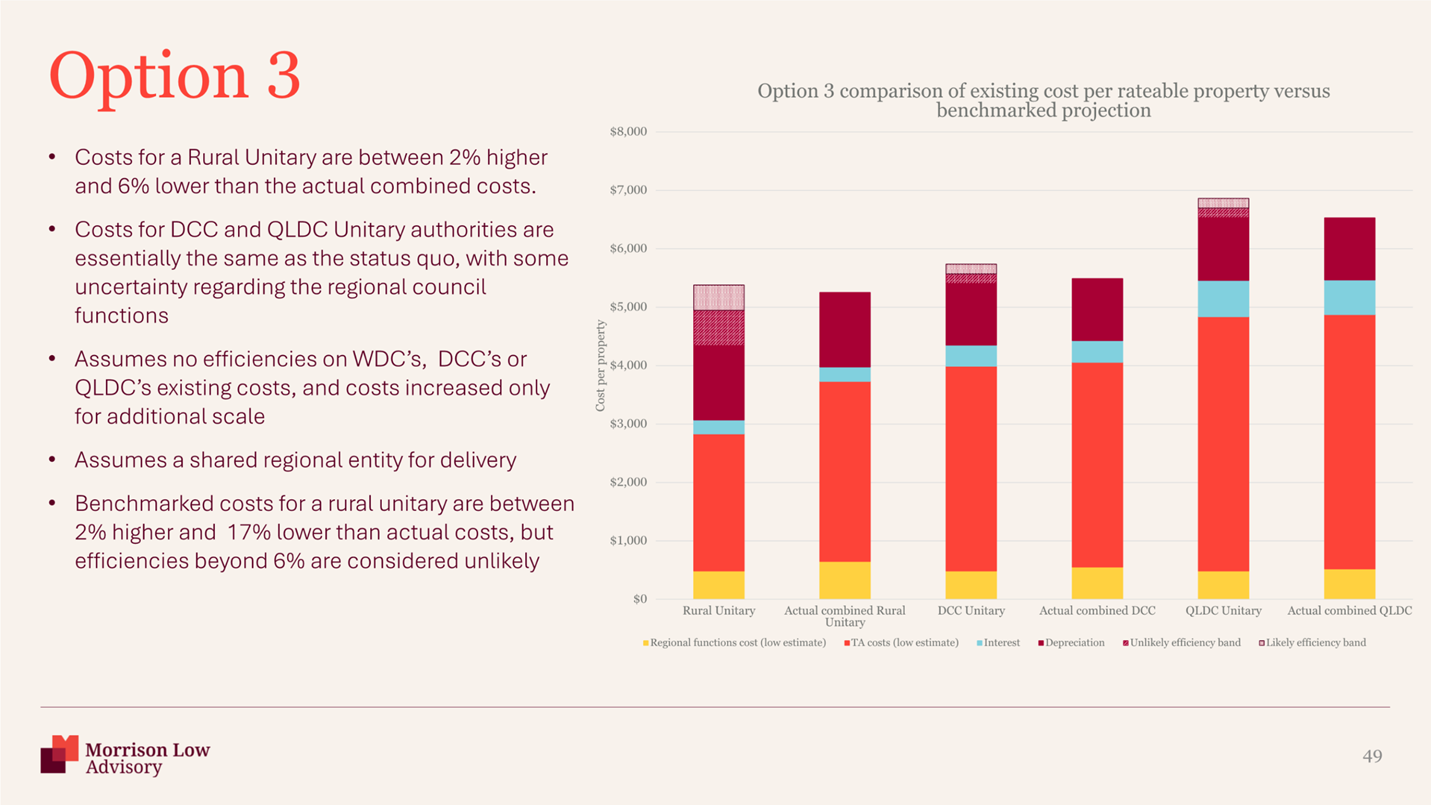
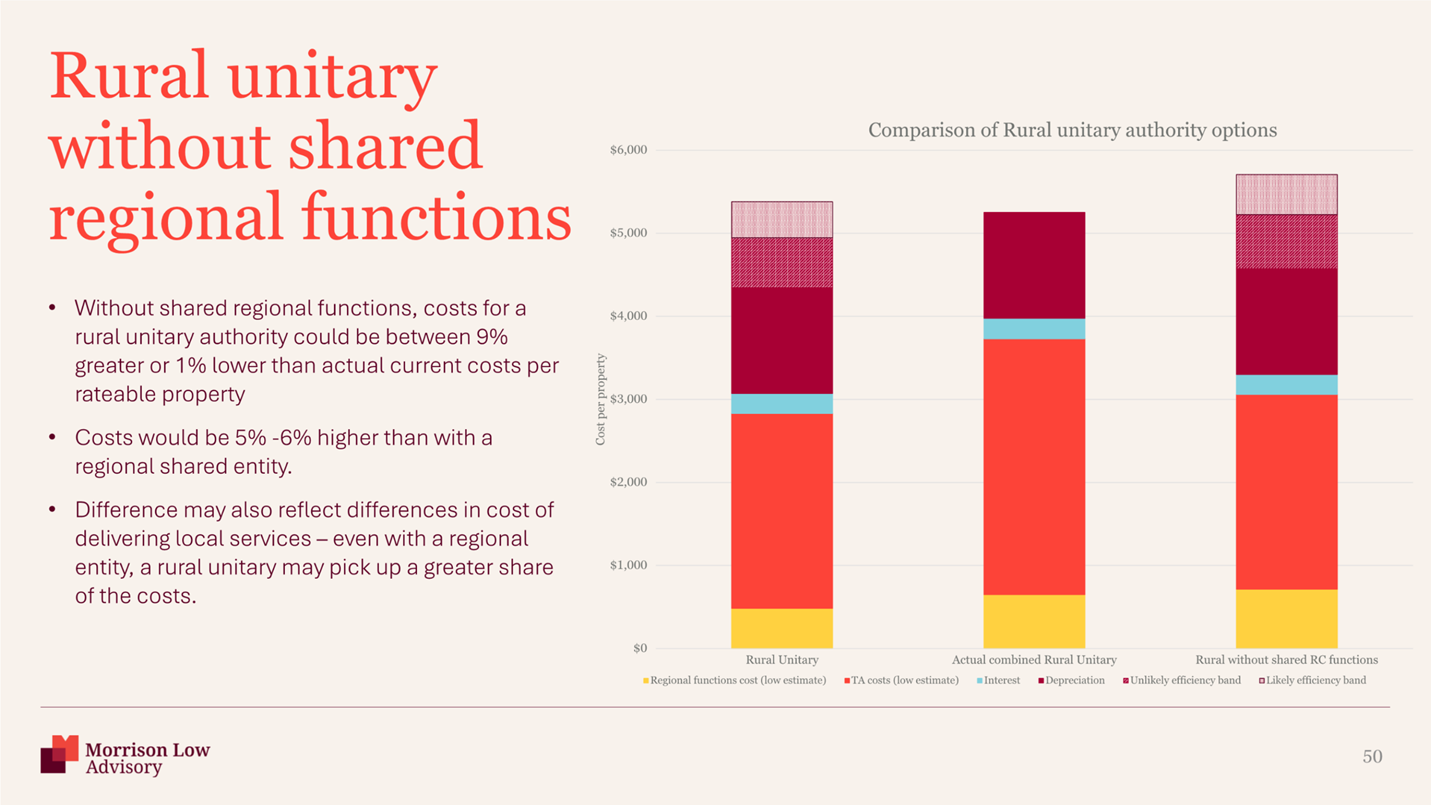
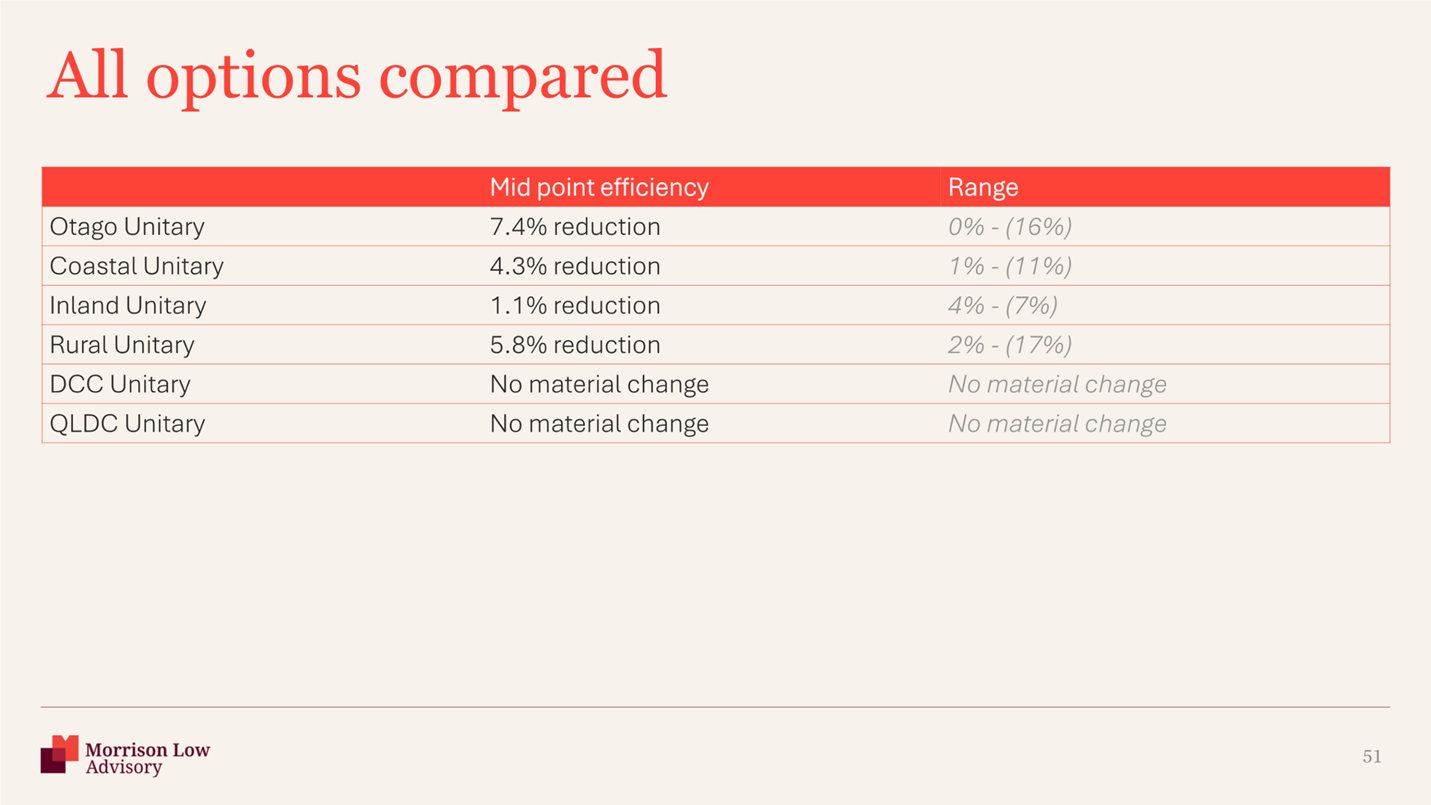
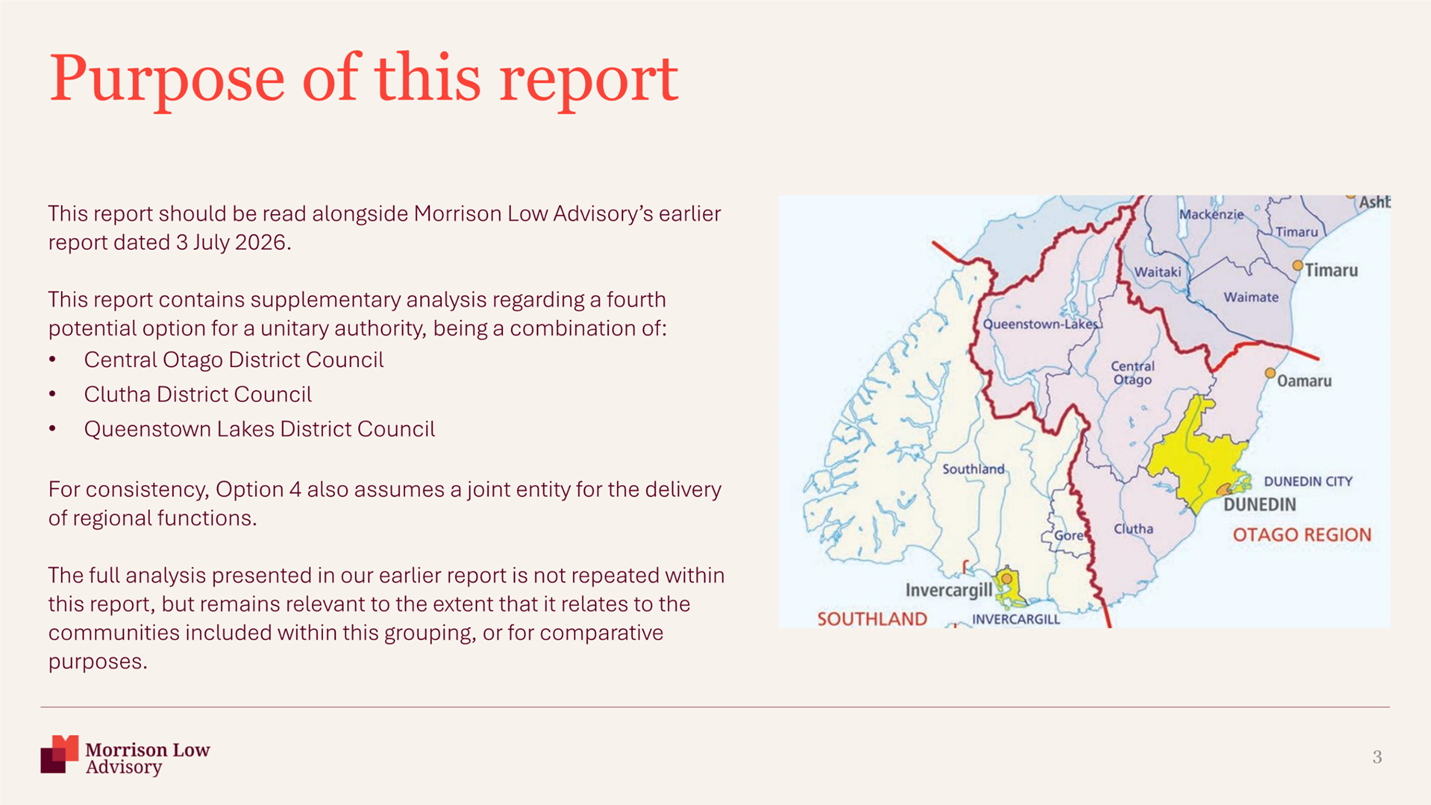
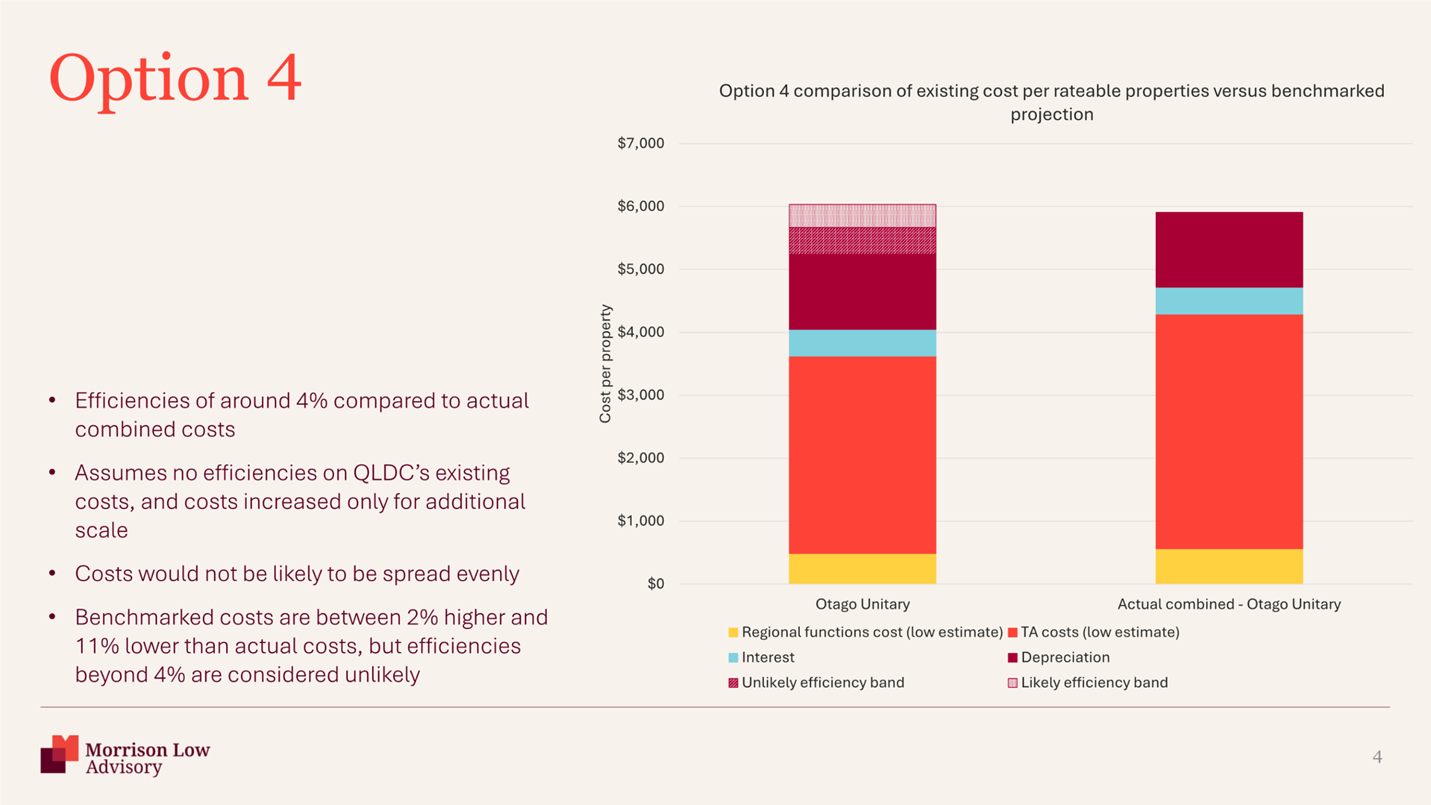
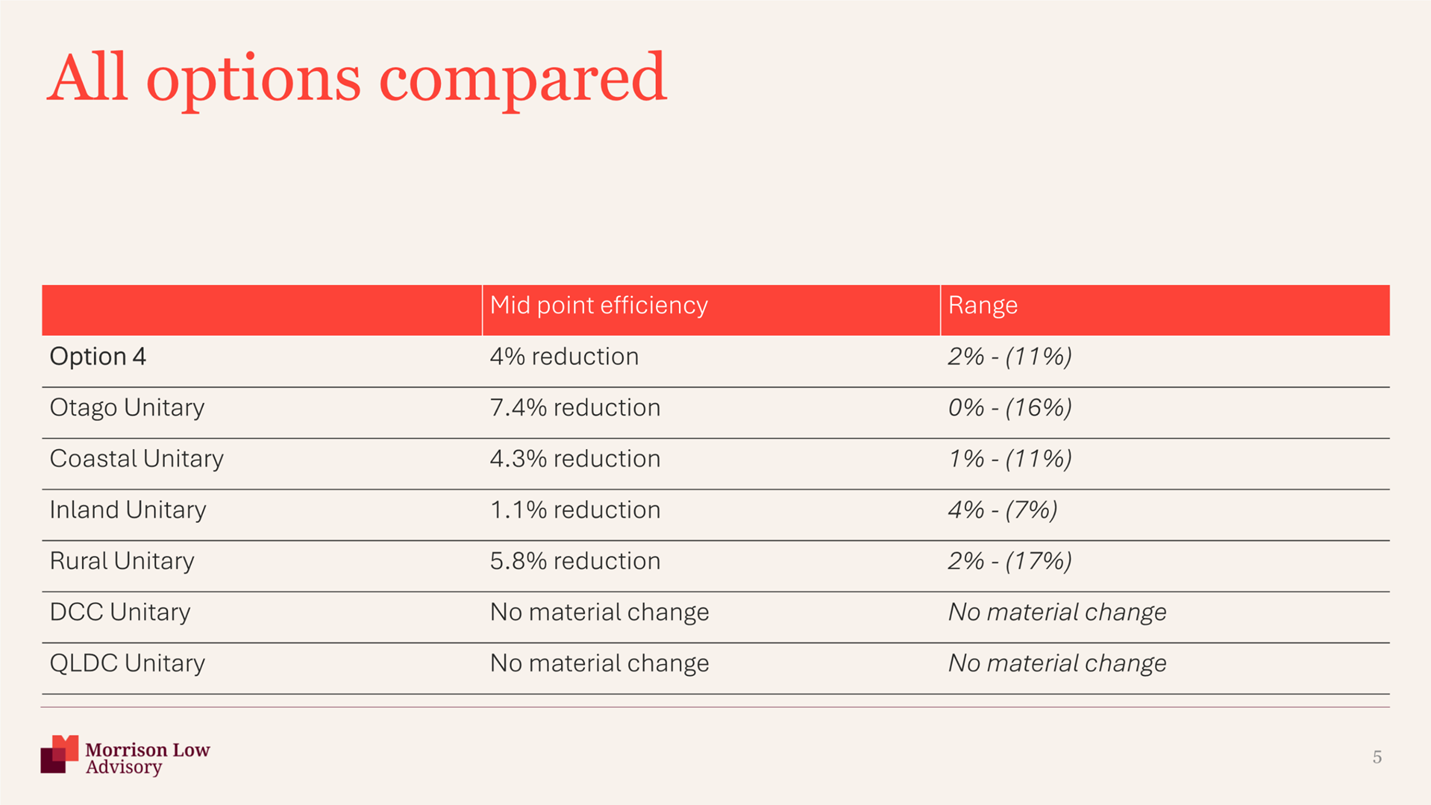
new governance arrangements, with outline proposals due by 9 August 2026.
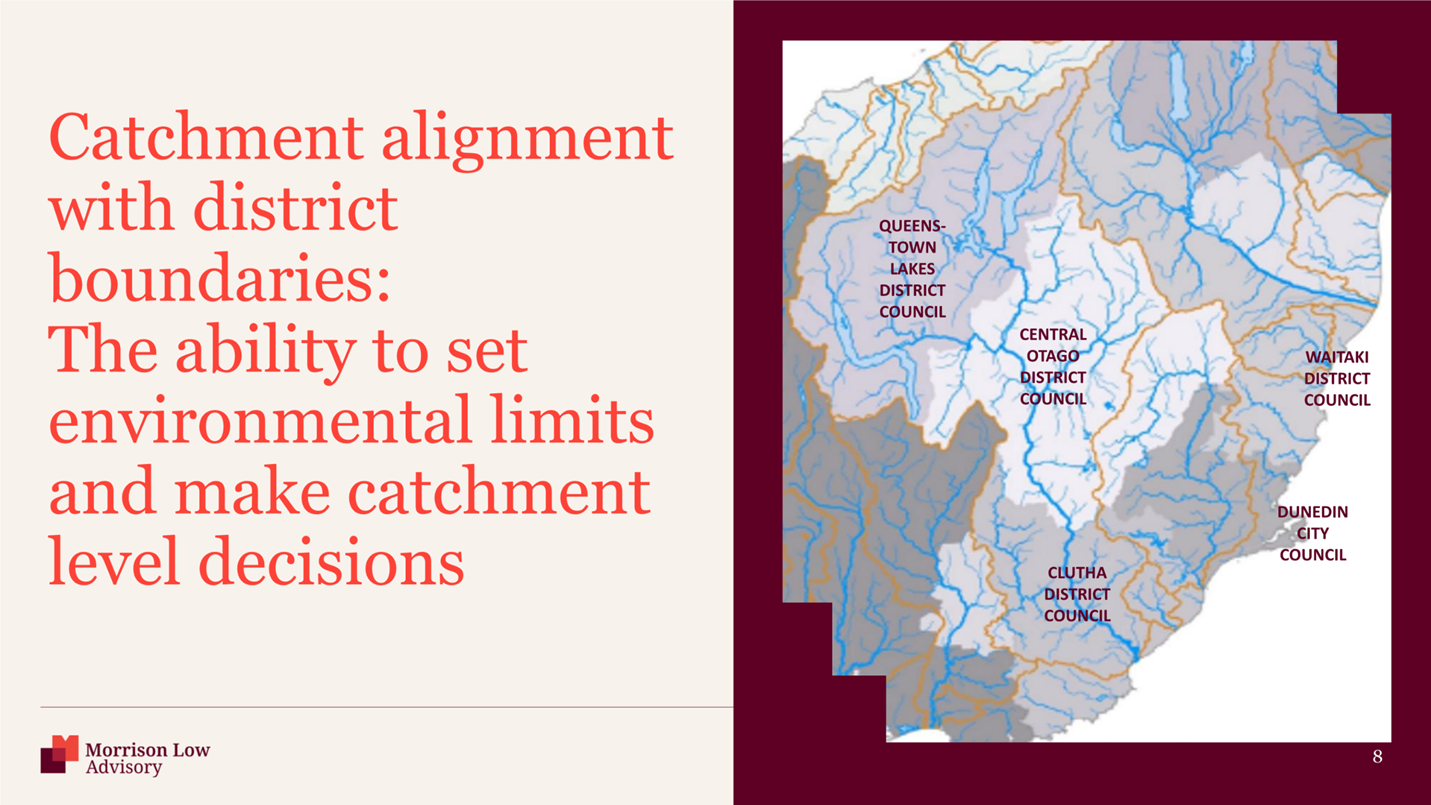
Councils that do not participate, or whose proposals are not approved, will
transition through the mandatory Government-led Backstop process following the
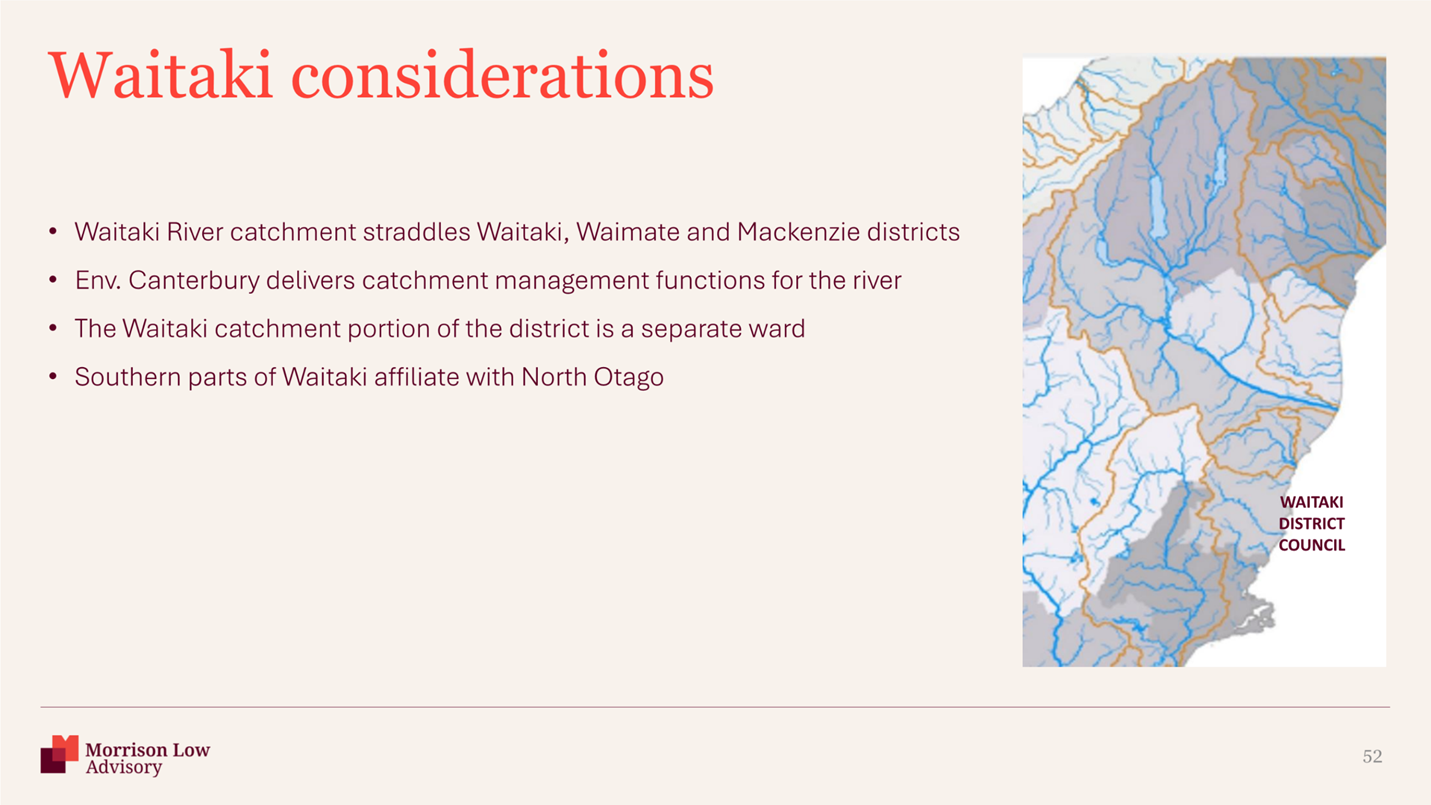
2028 local elections.
3 In
response, Otago councils agreed to work collaboratively through the OMF to
assess the implications of the reforms, examine potential governance models,
and determine whether a regional Head Start proposal was achievable. This work
included an independent assessment by advisory firm Morrison Low, regional
workshops for elected members, engagement with Ngāi Tahu and mana whenua,
and a region-wide community survey.
4 Since
completion of the regional assessment, further discussions have identified the
potential for DCC and Queenstown Lakes District Council (QLDC) to explore a
joint Outline Proposal through the Government's Head Start pathway based on a
regional governance model.
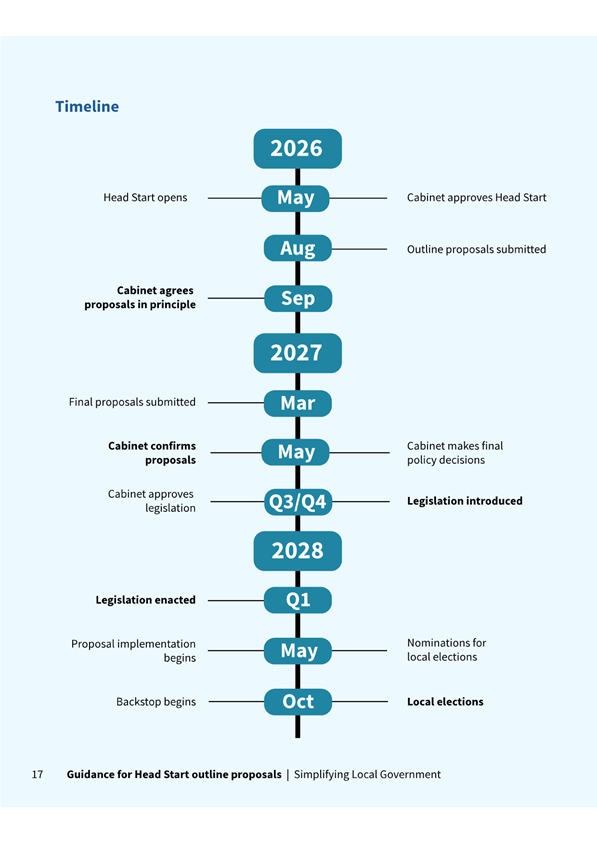
5 While
no formal agreement has been reached, this represents a significant strategic
development that Council may wish to take into account when determining both
its preferred strategic direction for local governance reform and its preferred
implementation pathway.
6 The
report therefore considers both the available implementation pathways and the
strategic implications of identifying a preferred strategic direction, recognising
that further discussions may create opportunities to progress a Head Start
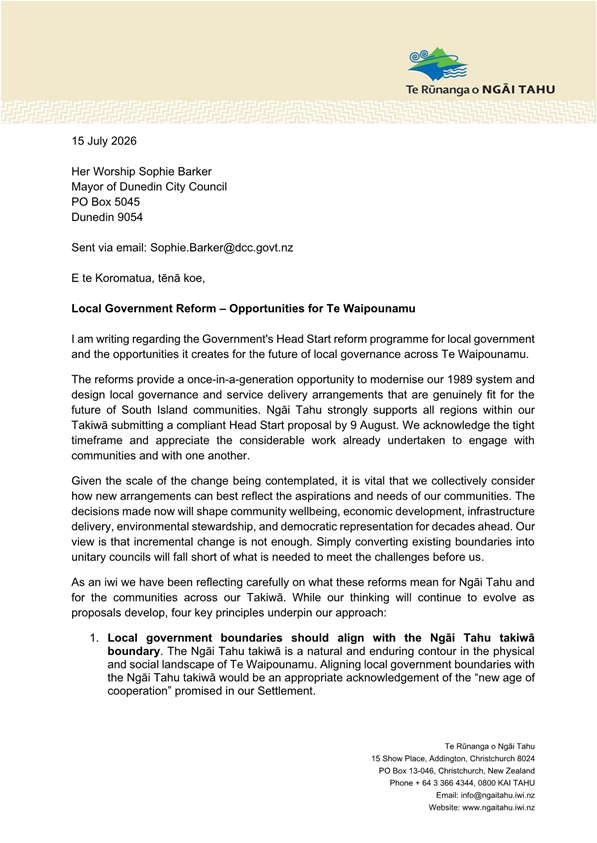
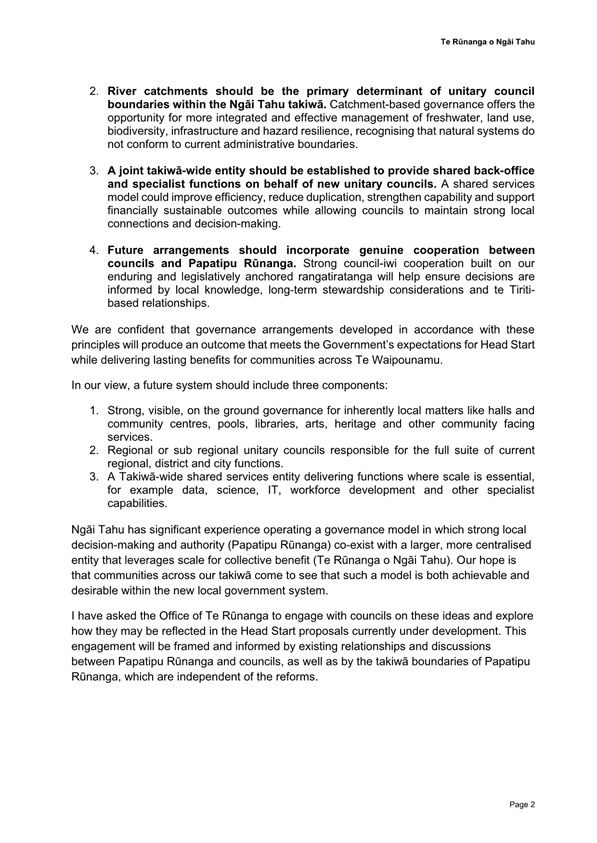
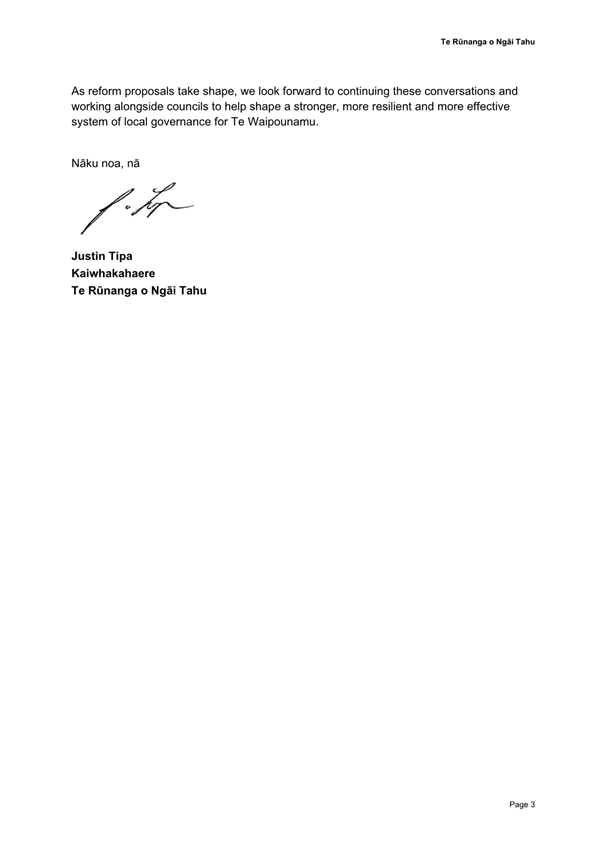
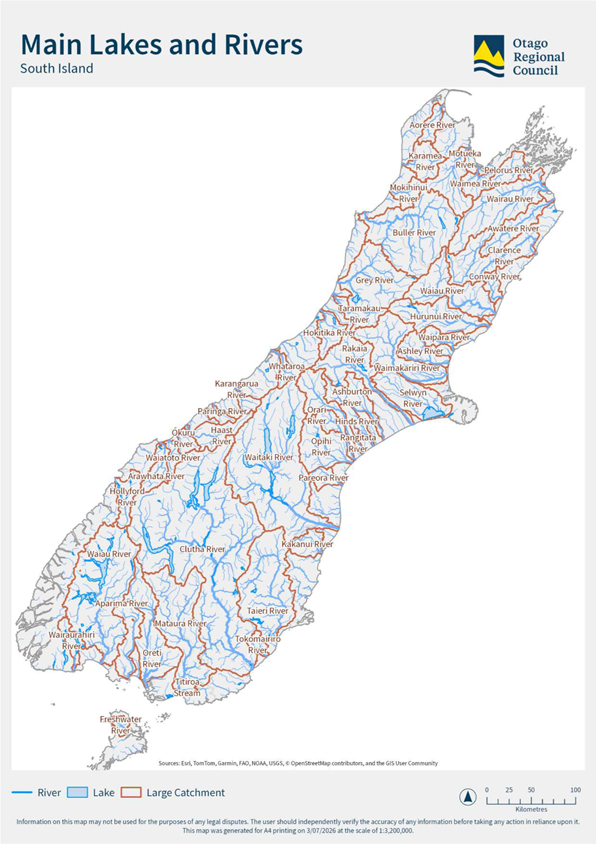
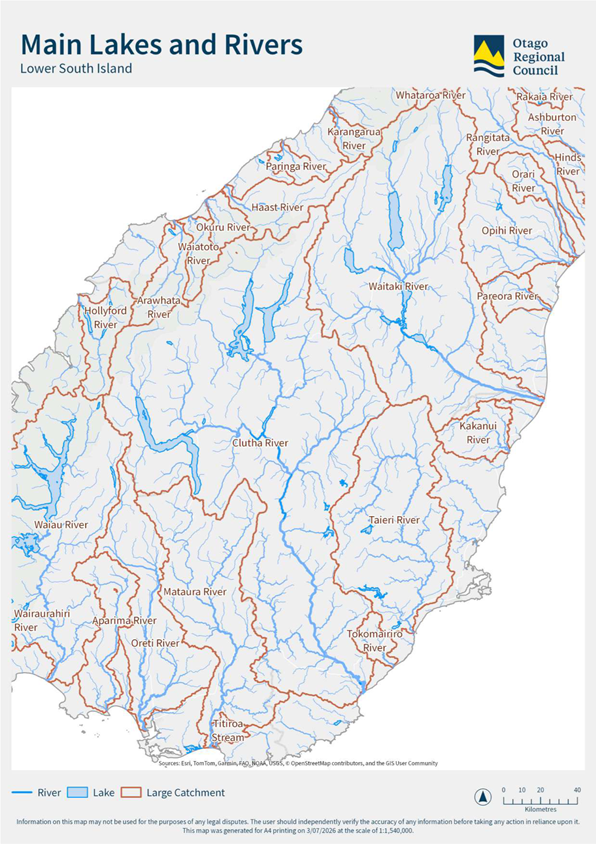
proposal within the Government's timeframe.
RECOMMENDATIONS
That the Council:
a) Notes the contents of
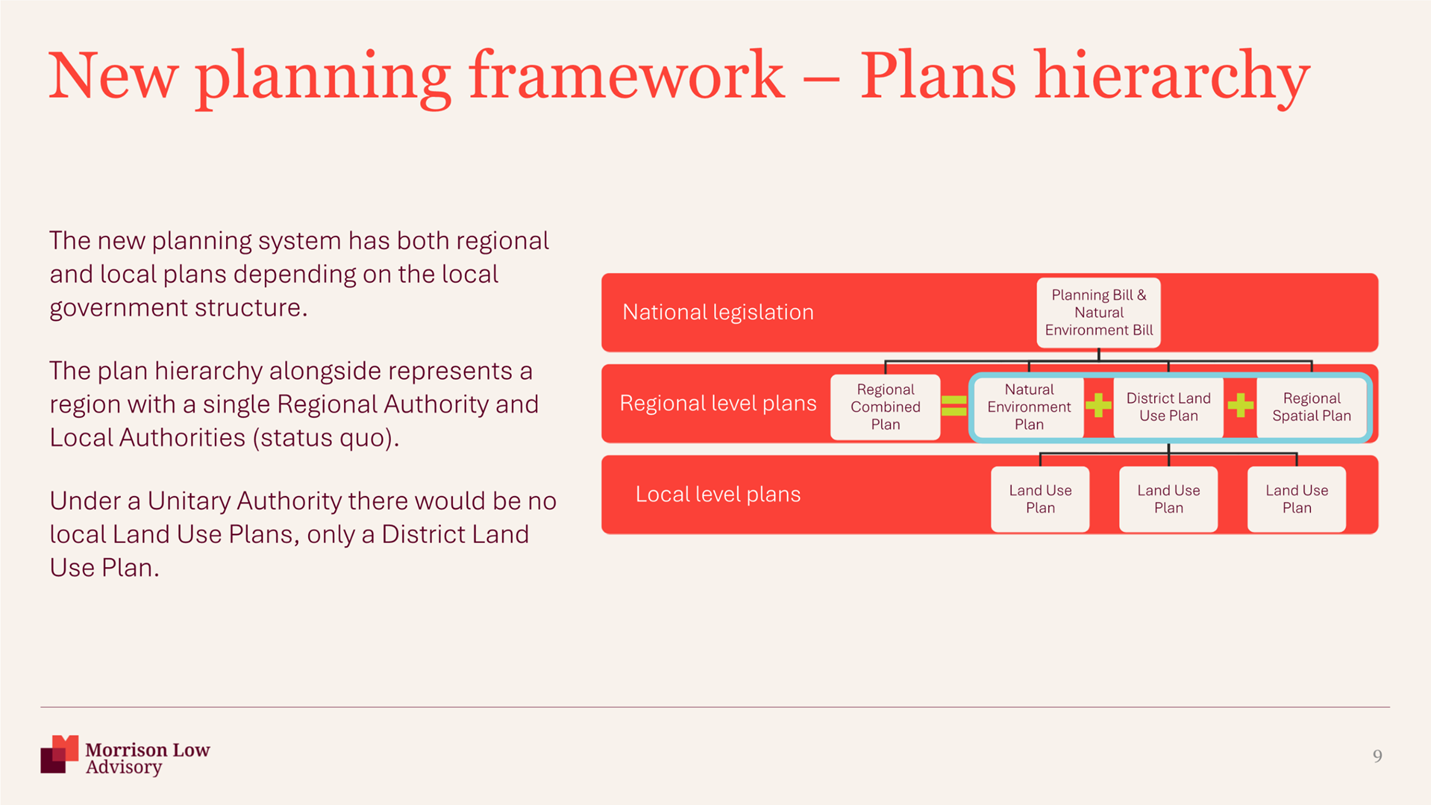
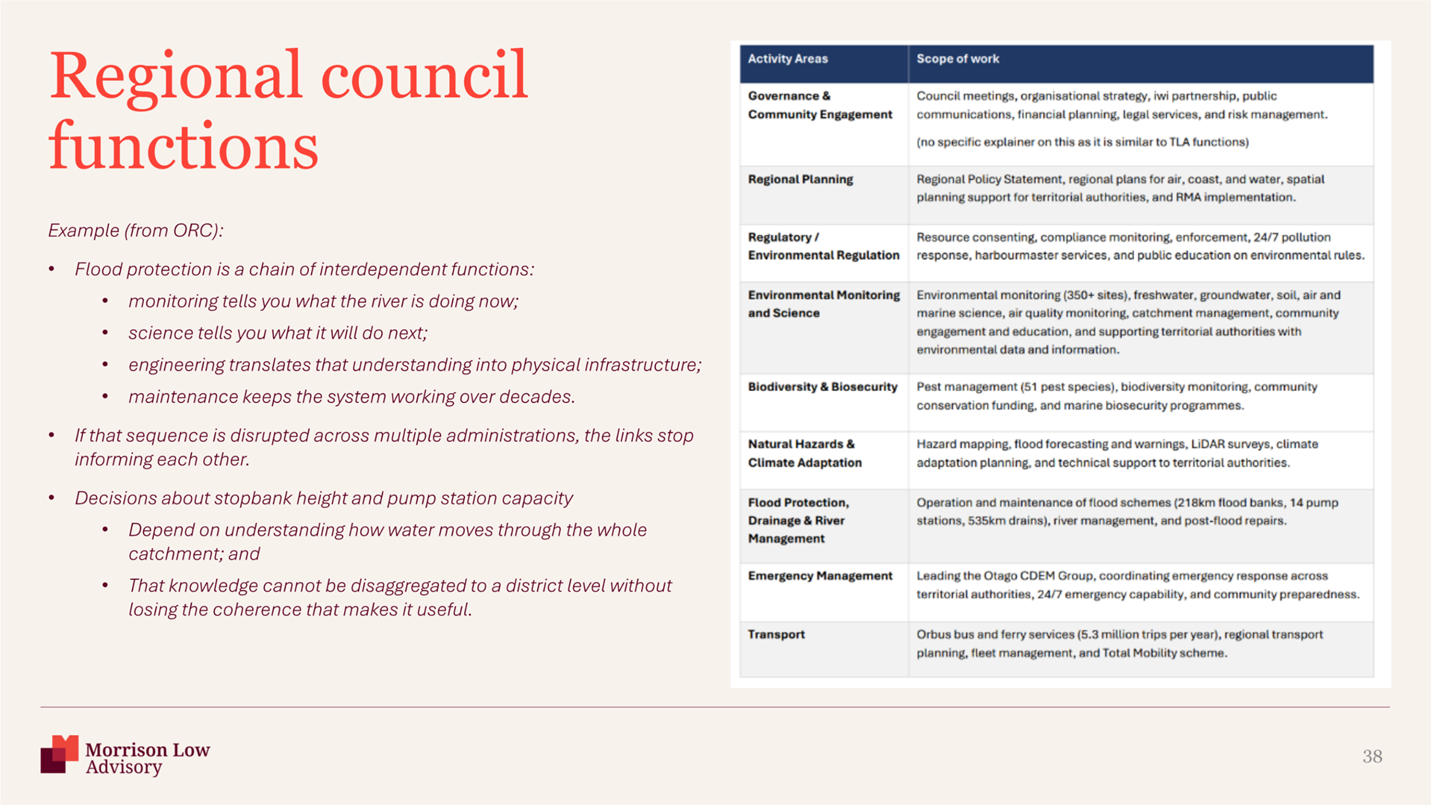
this report.
b) Determines the Dunedin
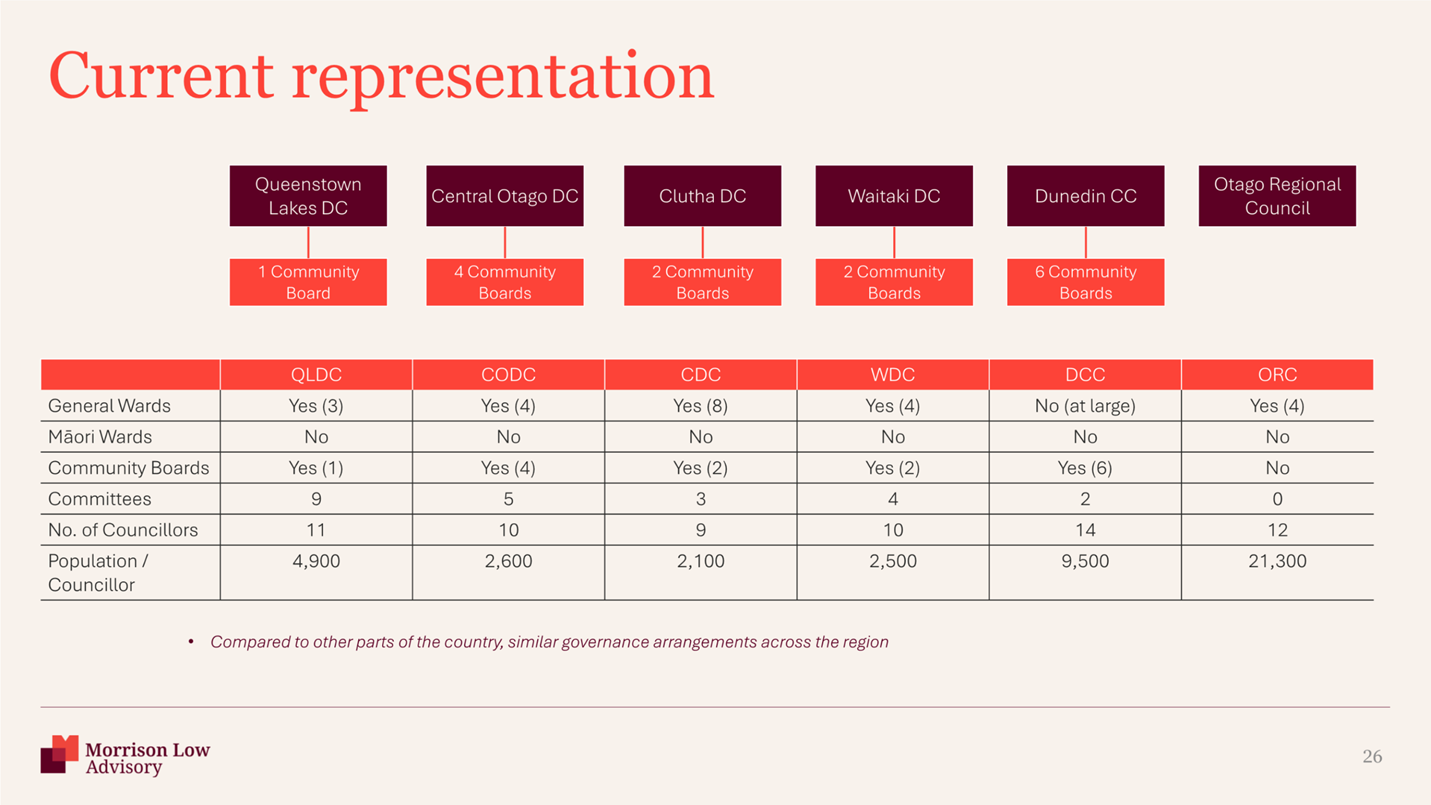
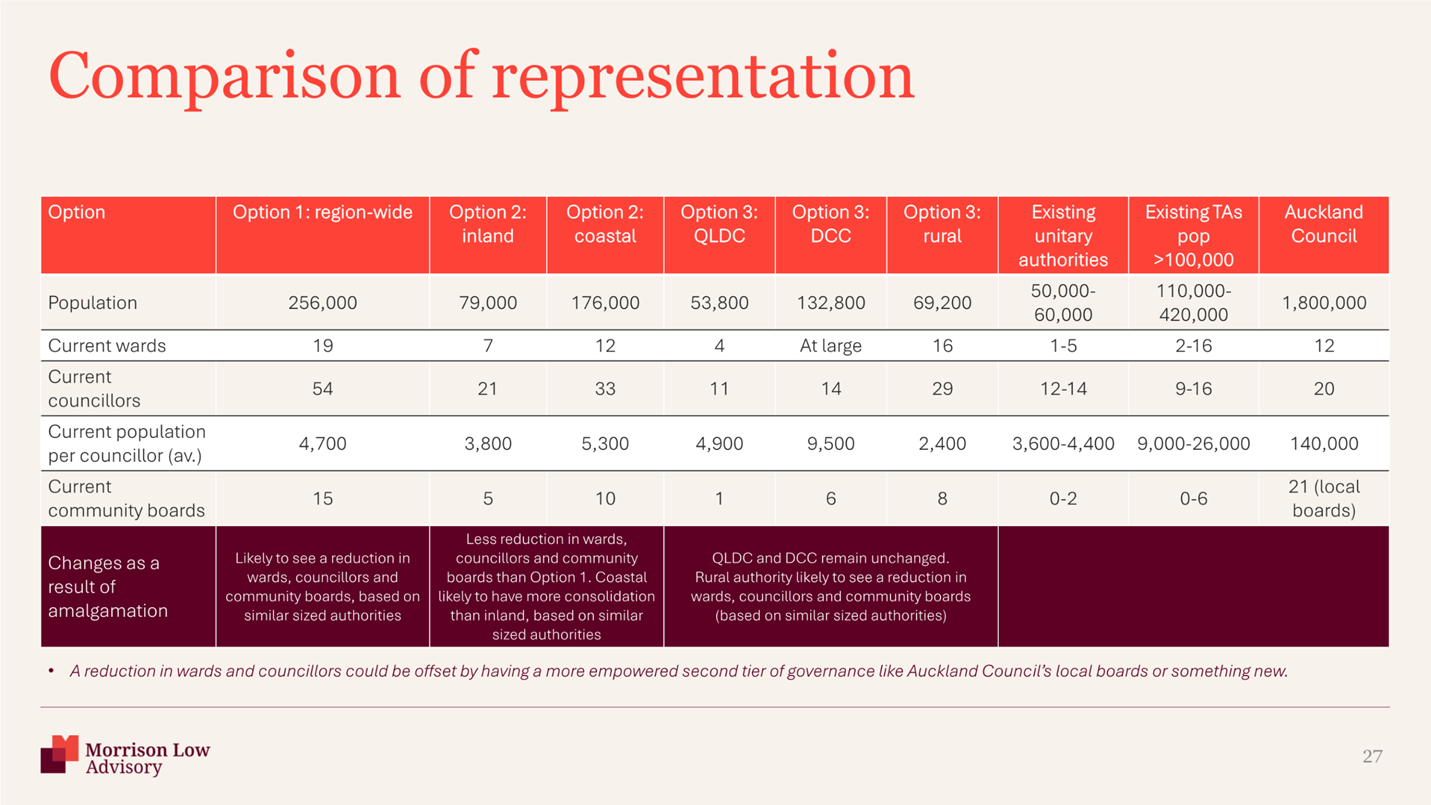
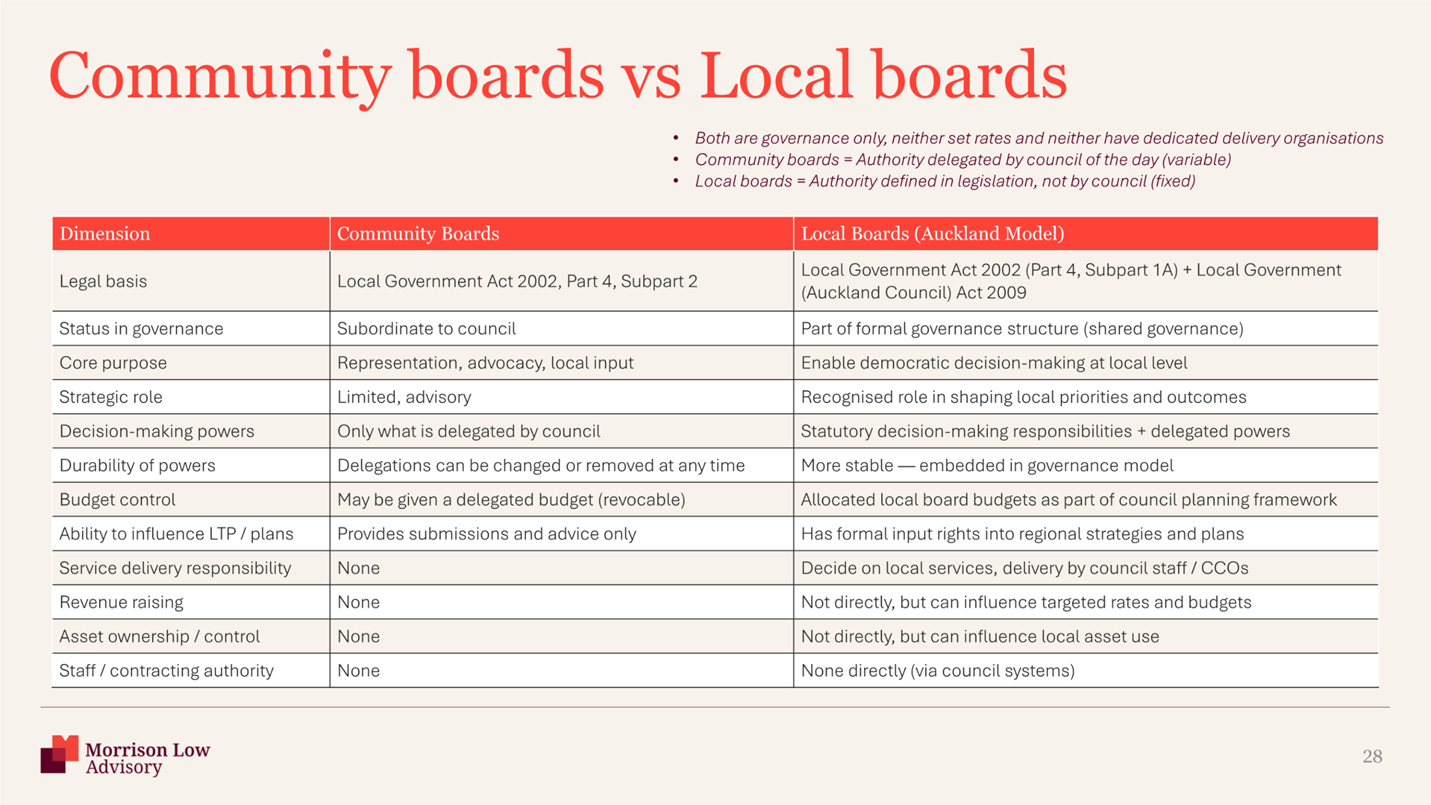
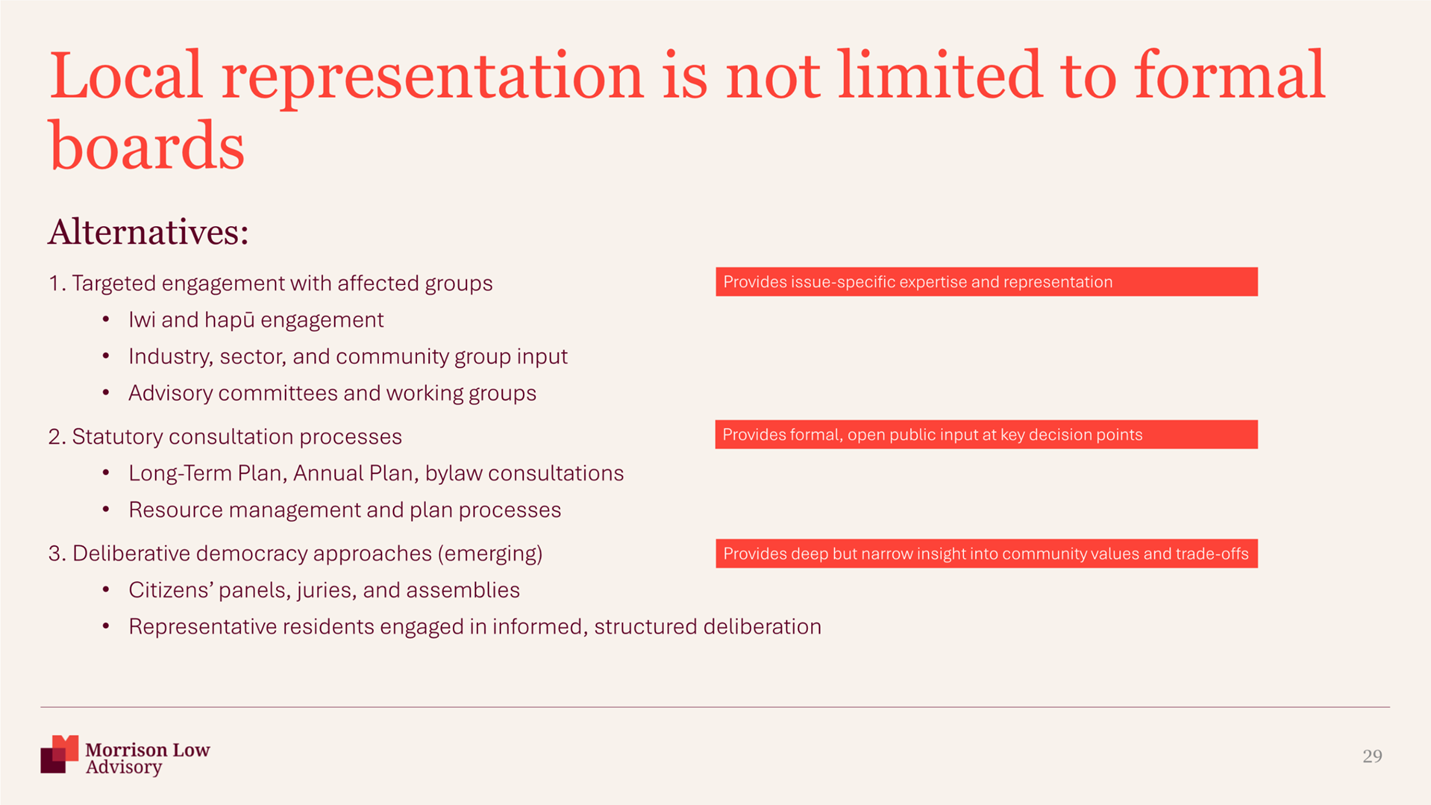
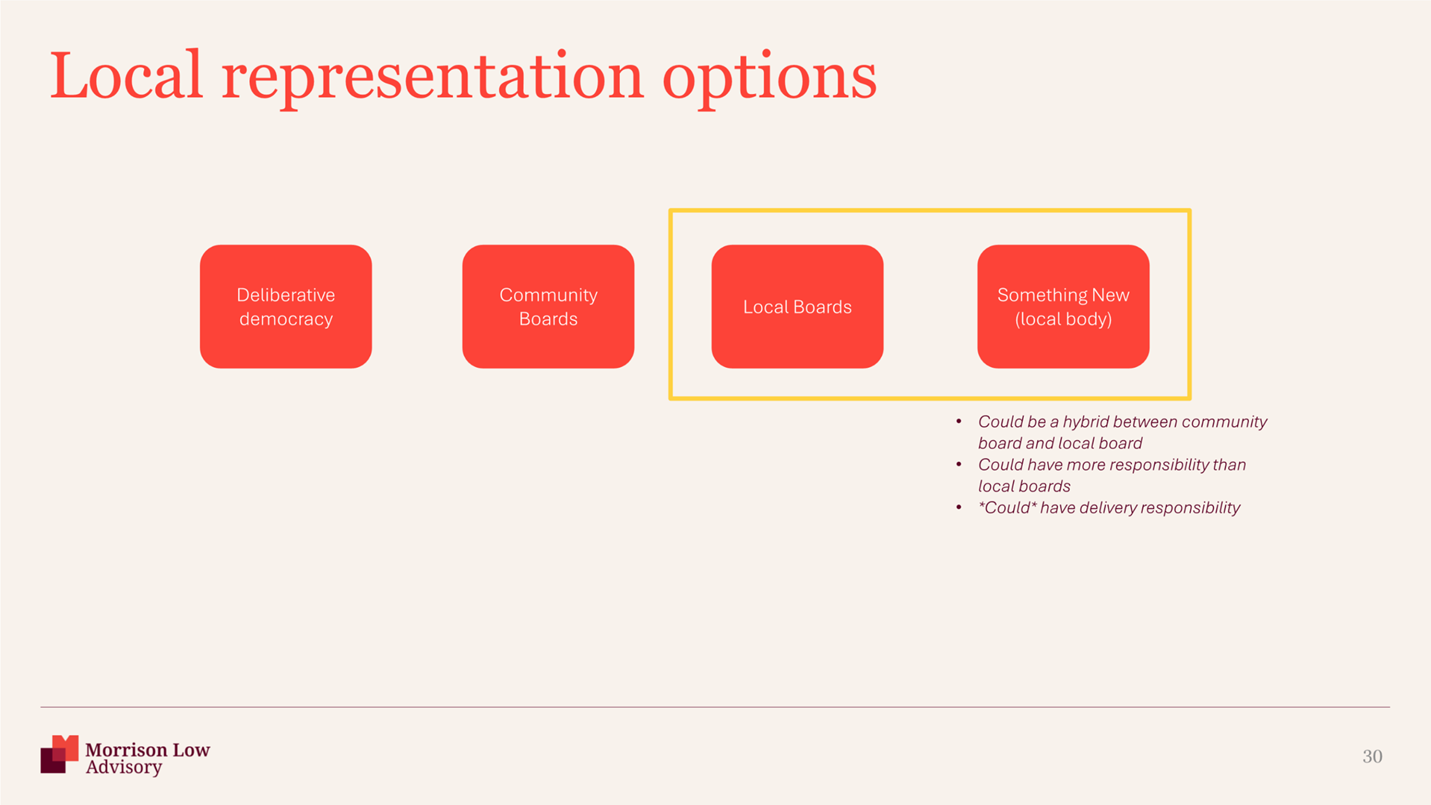
City Council’s preferred strategic direction for local government reform
in Otago.
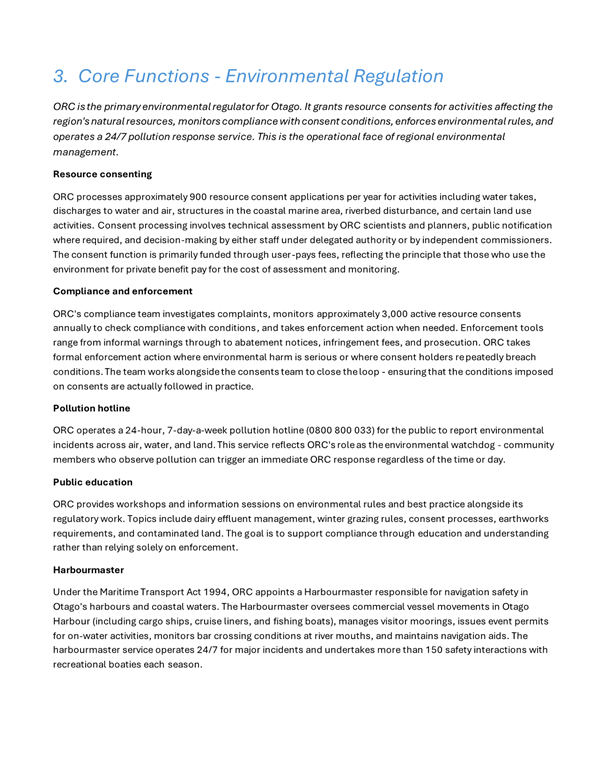
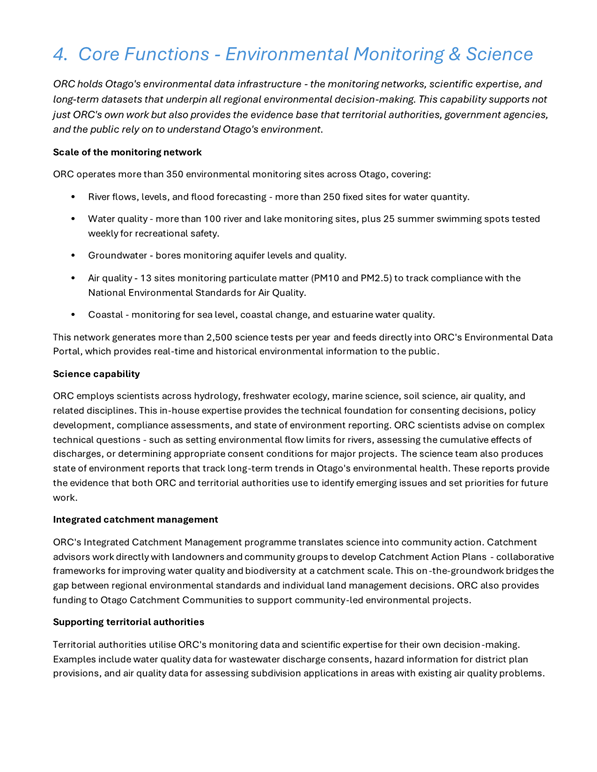
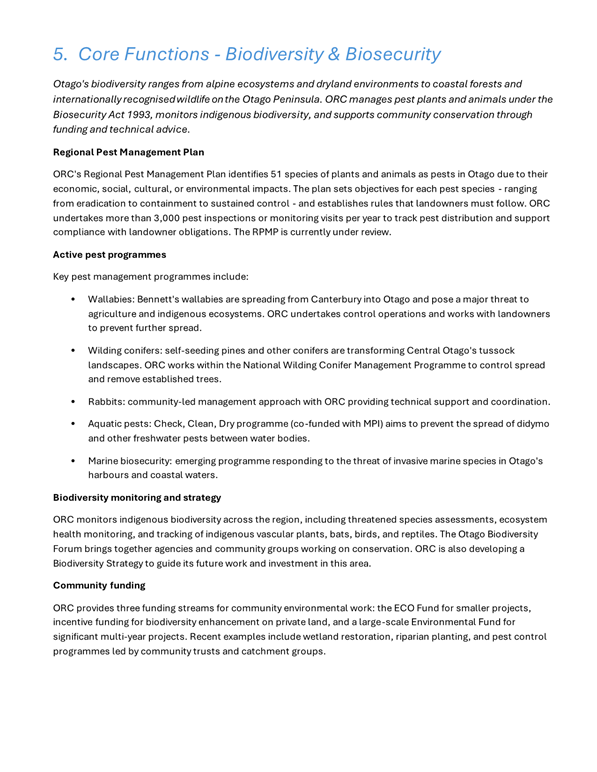
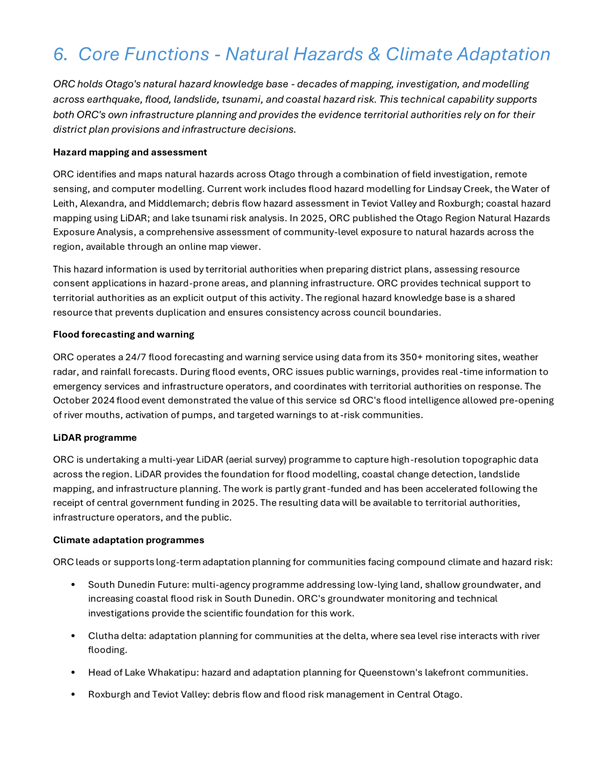
c) Determines
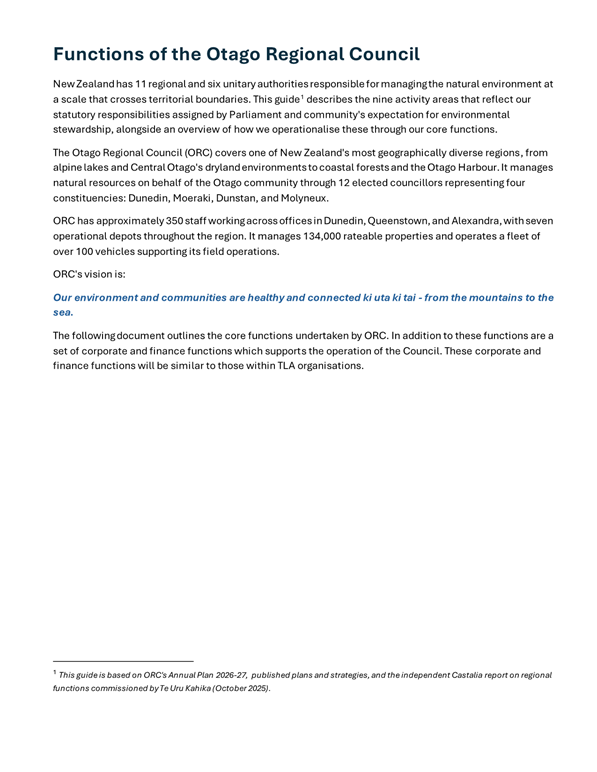
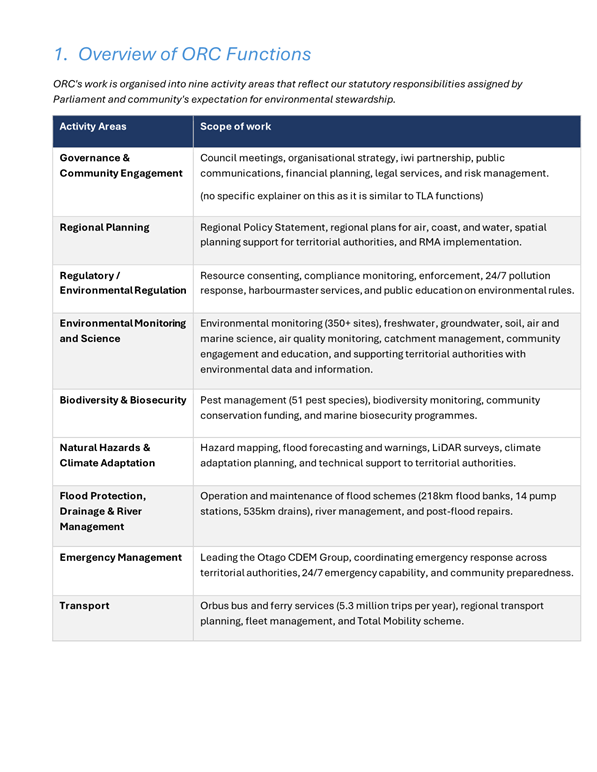
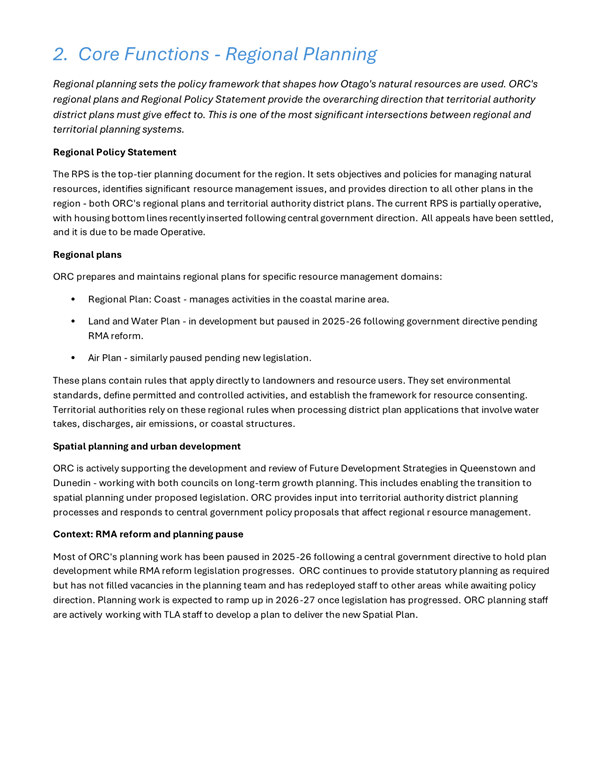
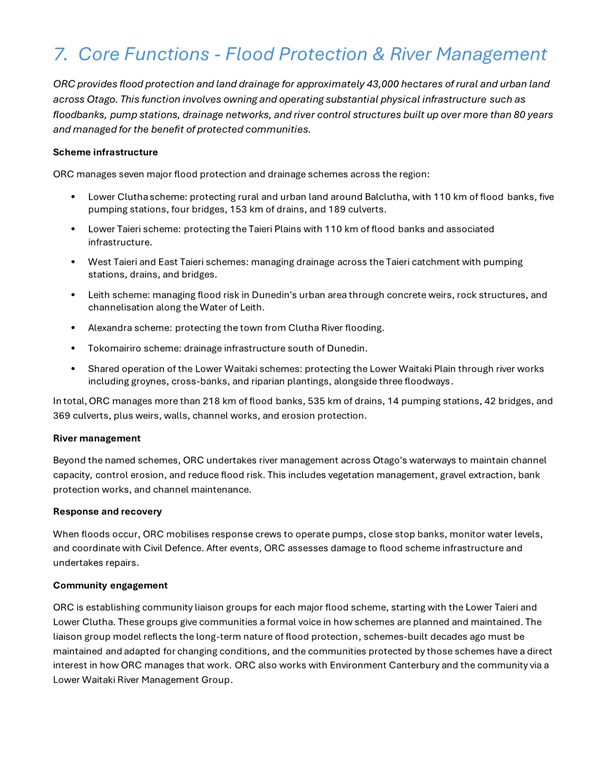
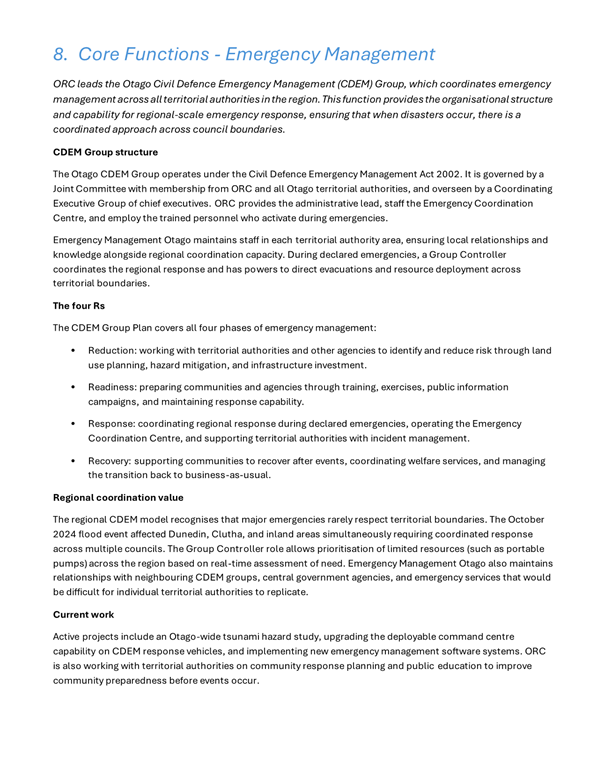
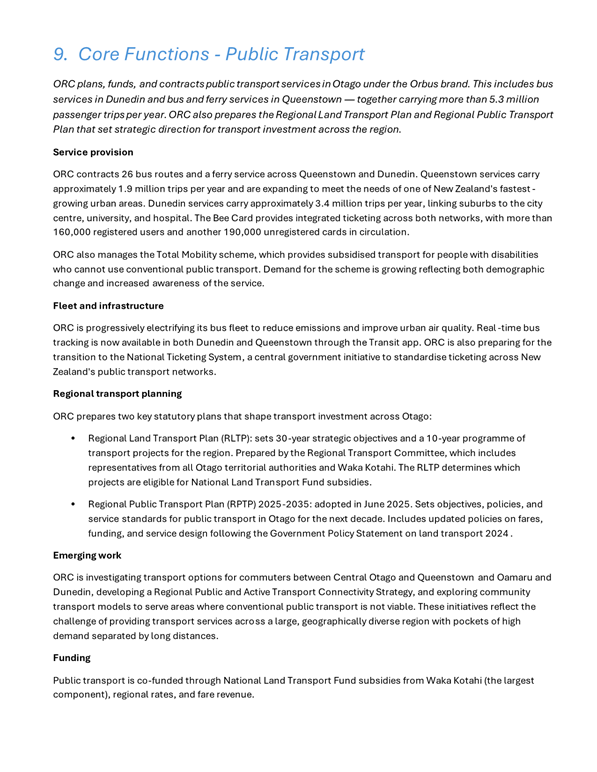
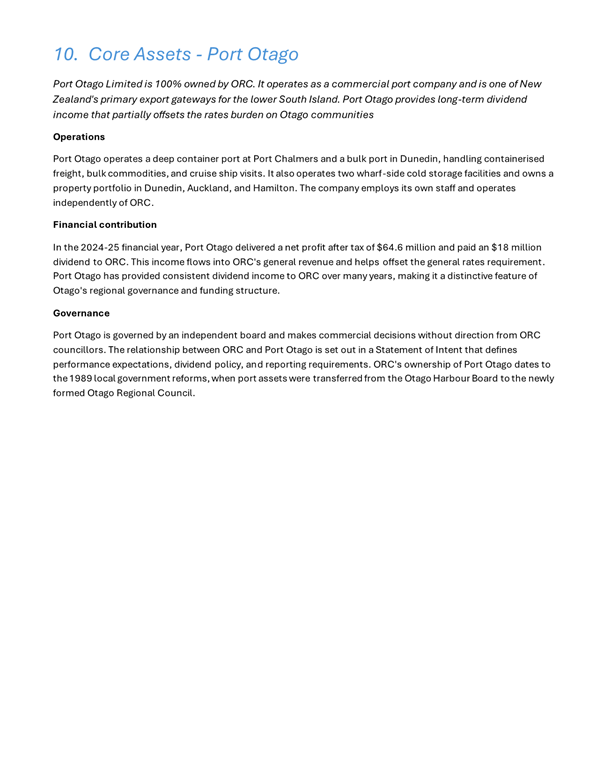
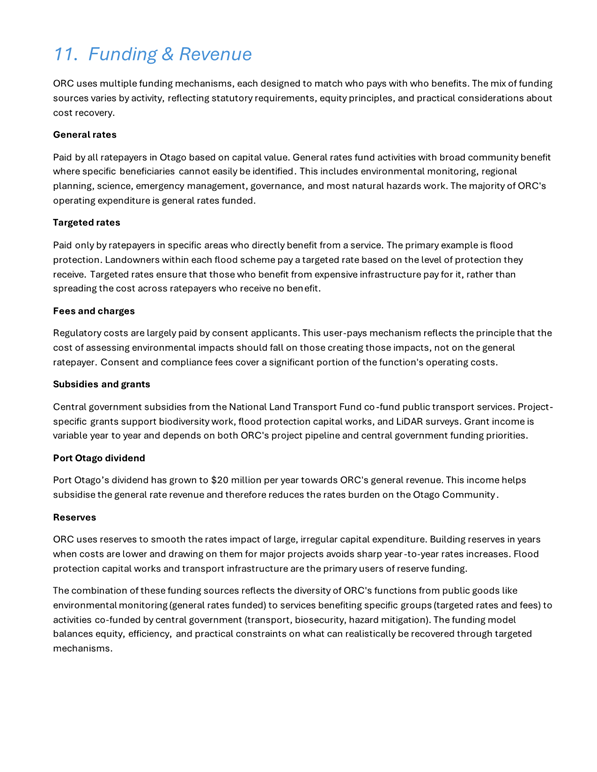
the Council's preferred implementation pathway for participating in the
Government's Simplifying Local Government reform programme.
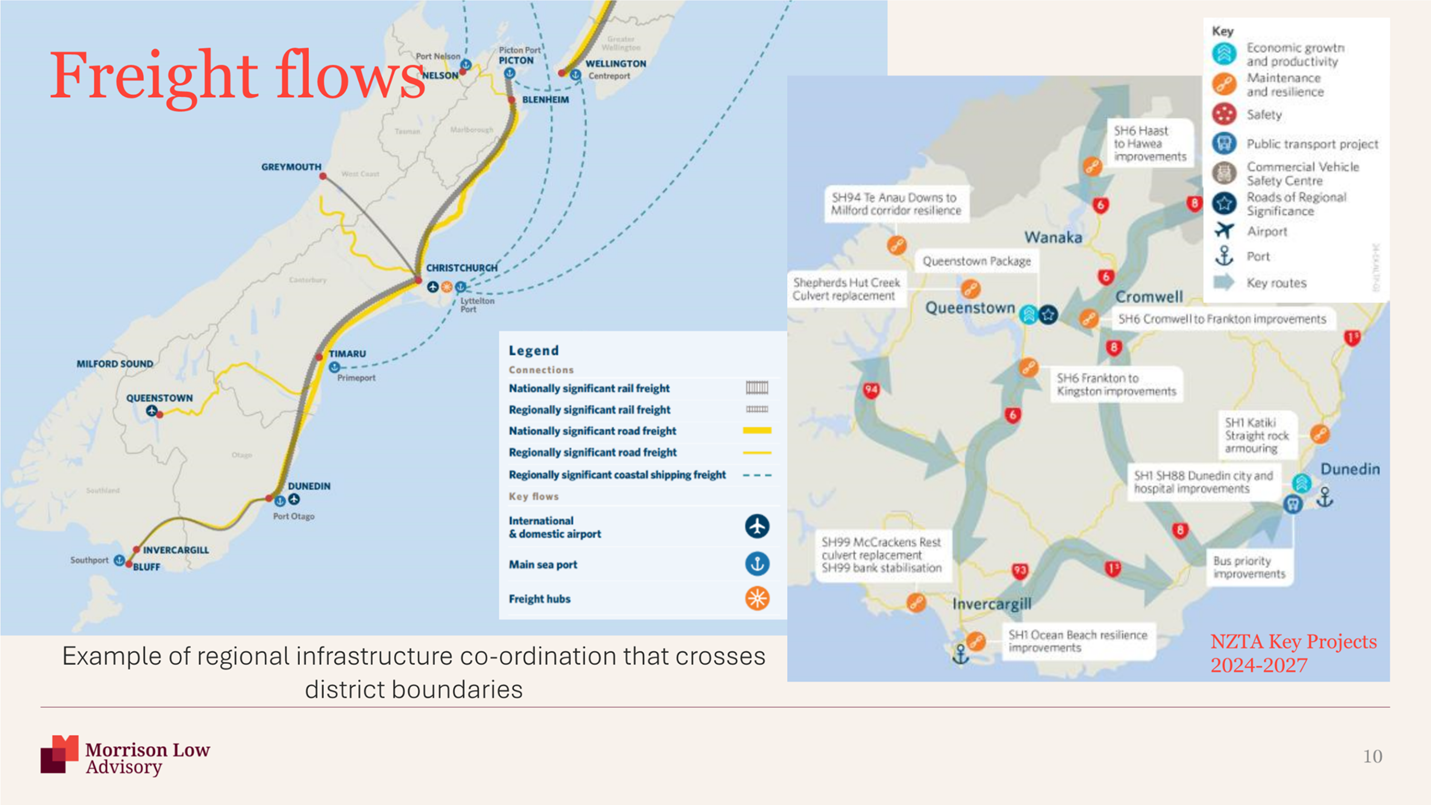
d) Authorises the Mayor
and Chief Executive to continue discussions with Queenstown Lakes District
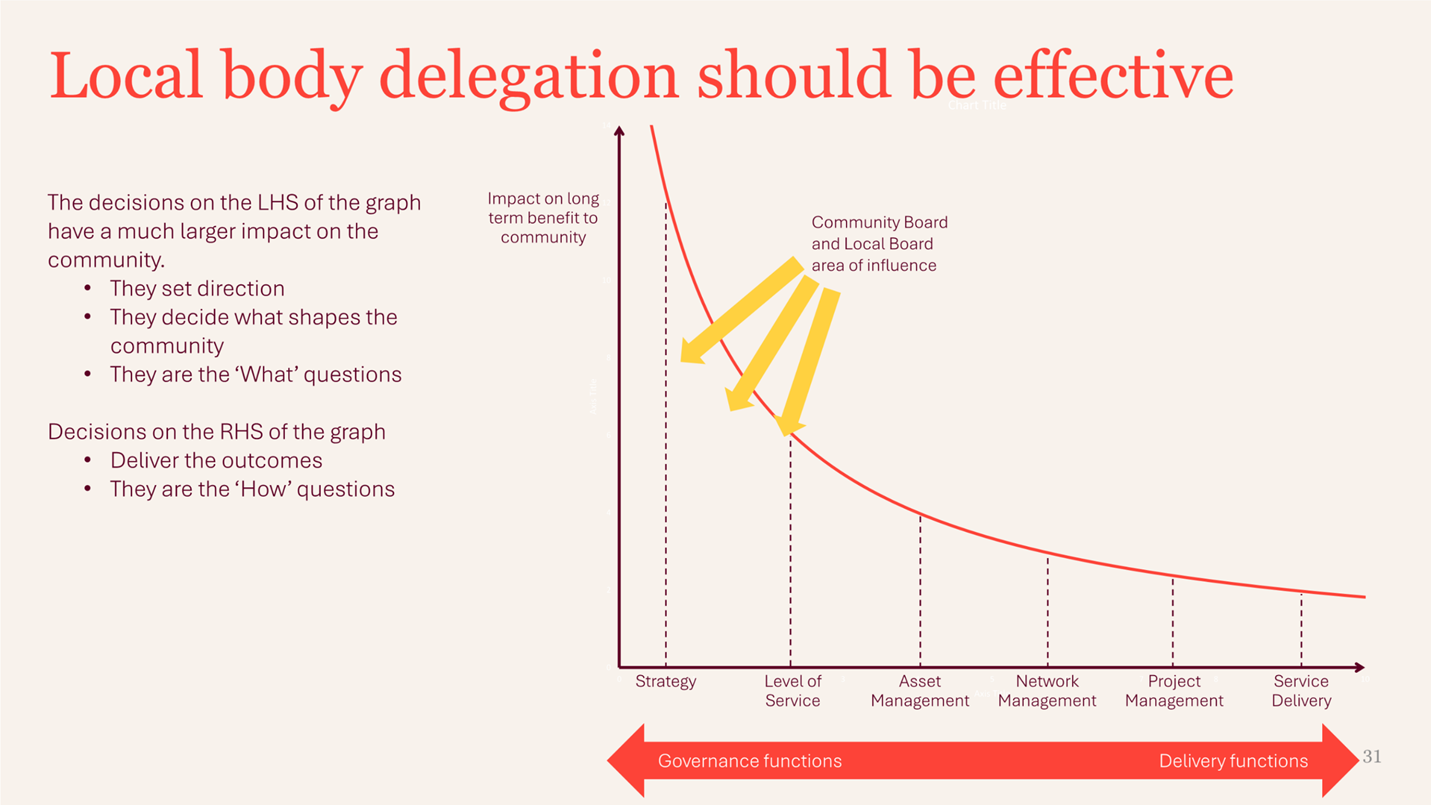
Council and other interested councils regarding the potential development of a
joint Outline Proposal through the Government's Head Start pathway, should
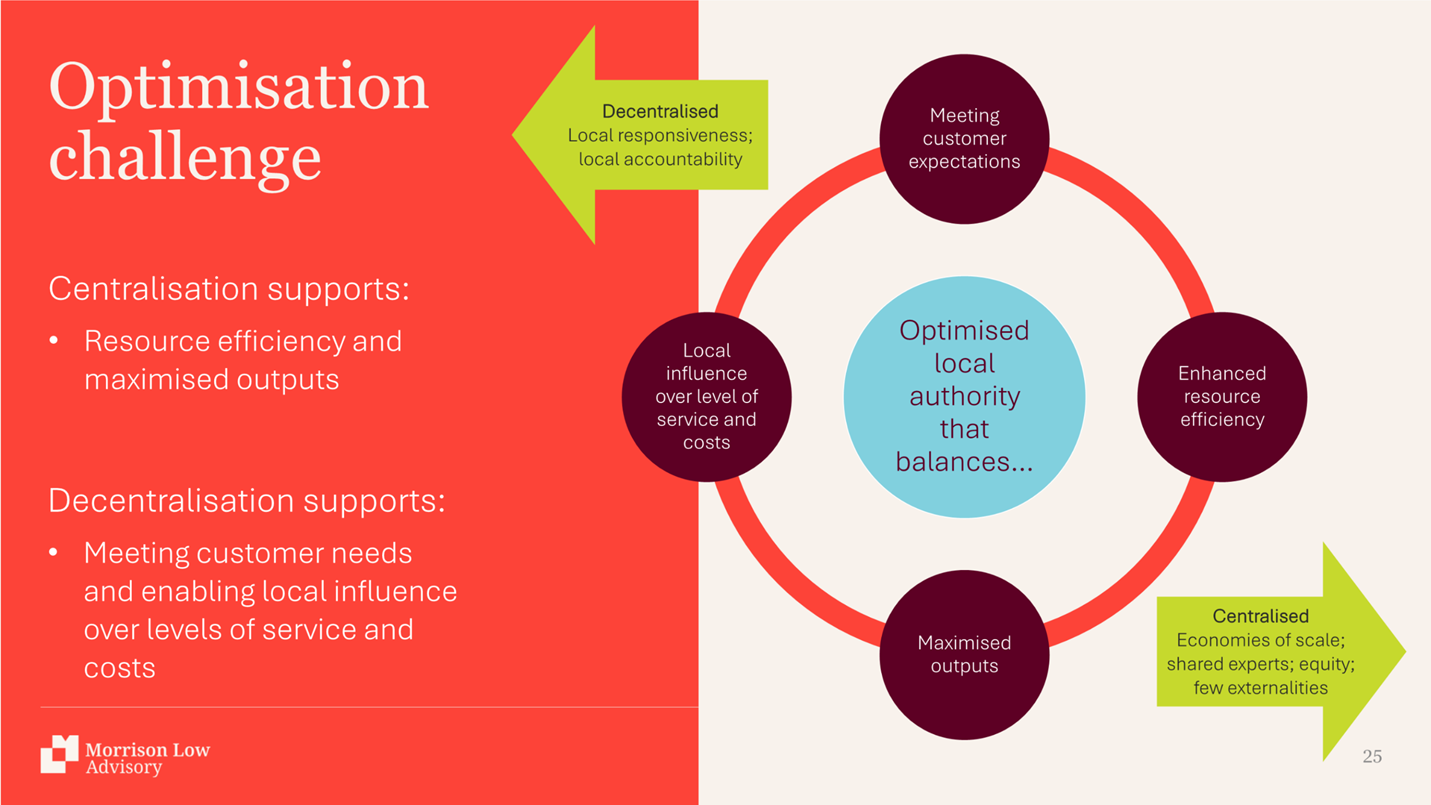
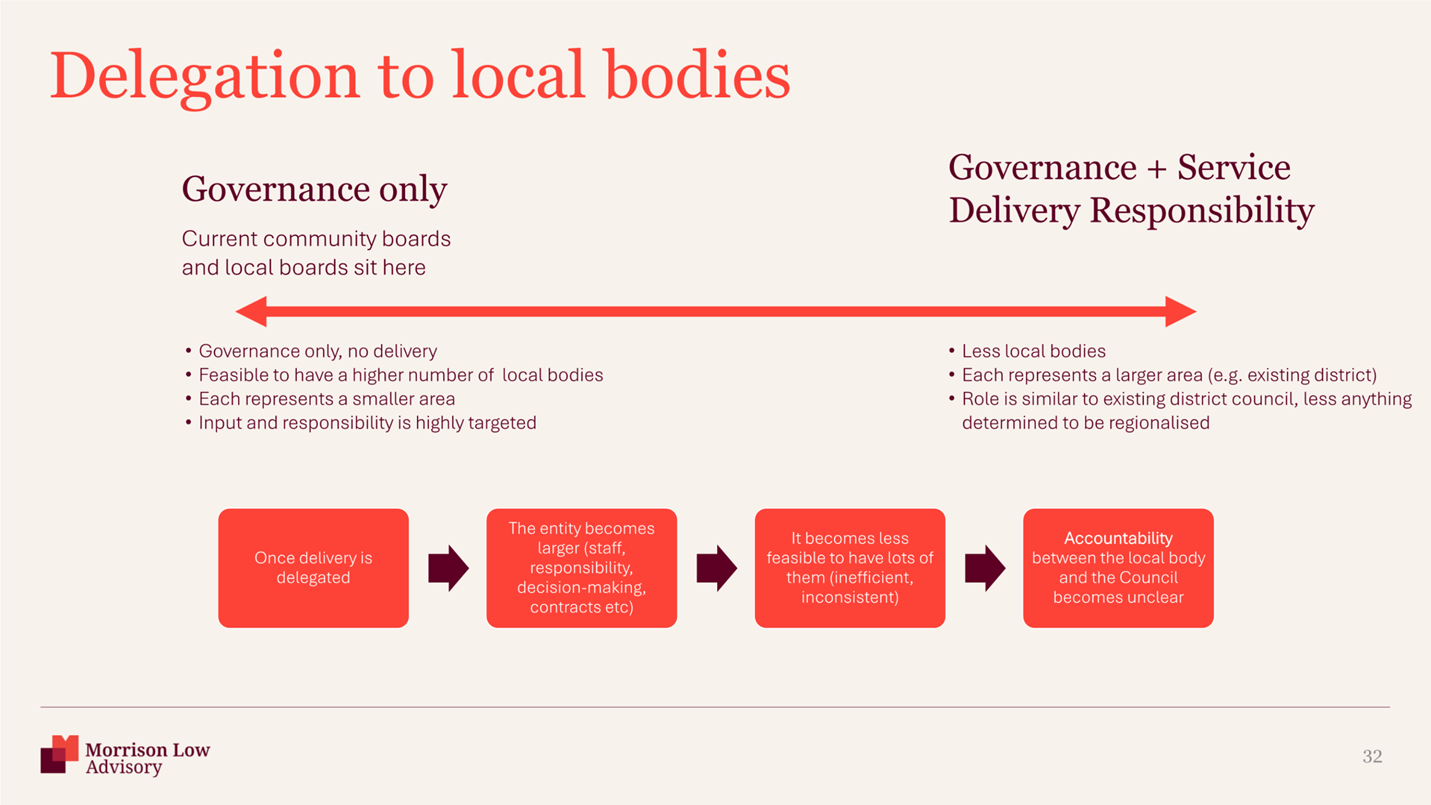
sufficient alignment be achieved.
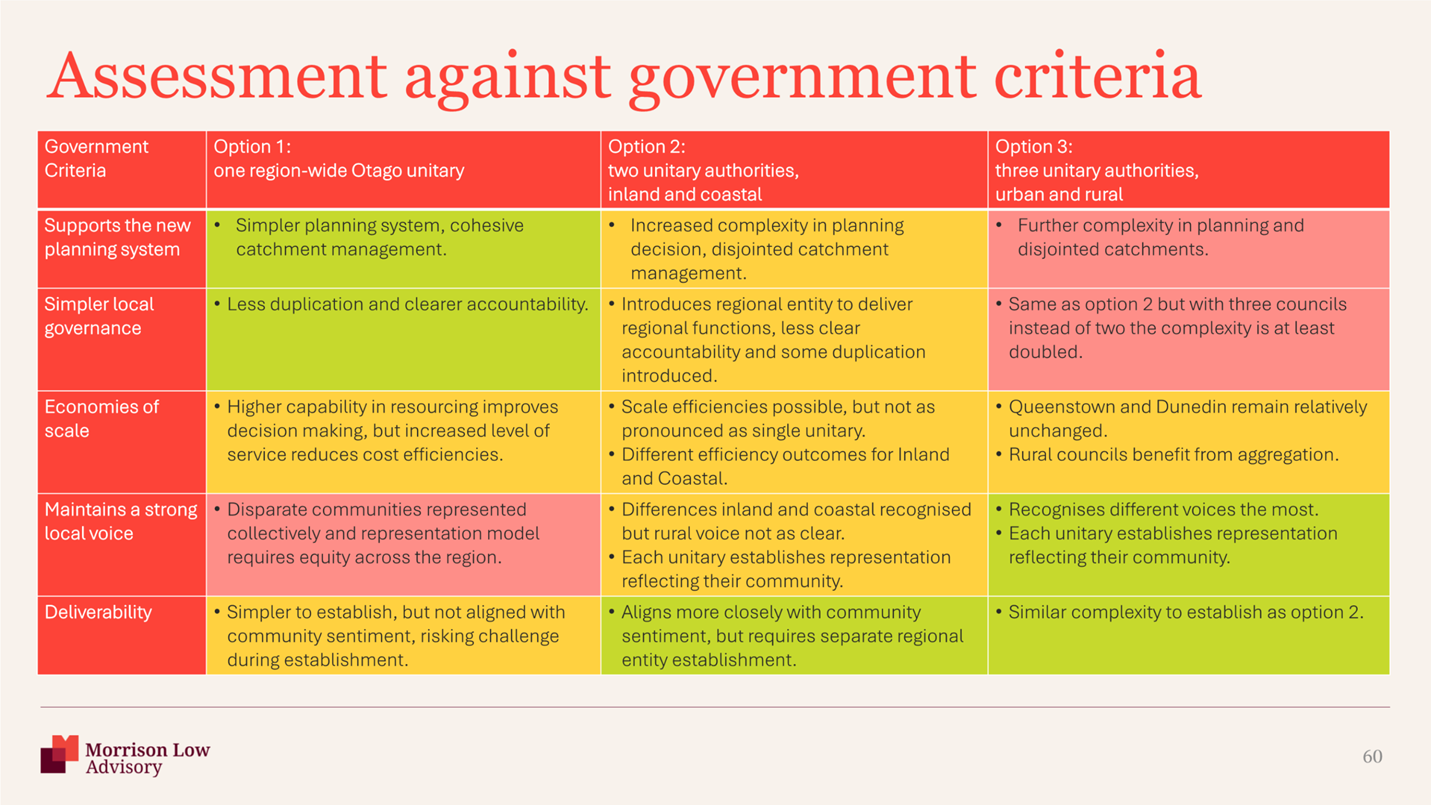
e) Notes that
participation in discussions regarding a potential Head Start proposal do not commit
Council to a final governance model, which would remain subject to further
design, engagement and approval processes.
f) Approves signing a
joint Otago Mayoral Forum letter and authorises Council's preferred strategic
direction for governance reform, if identified, to be communicated separately
to neighbouring councils and the Ministry for Cities, Environment, Regions and
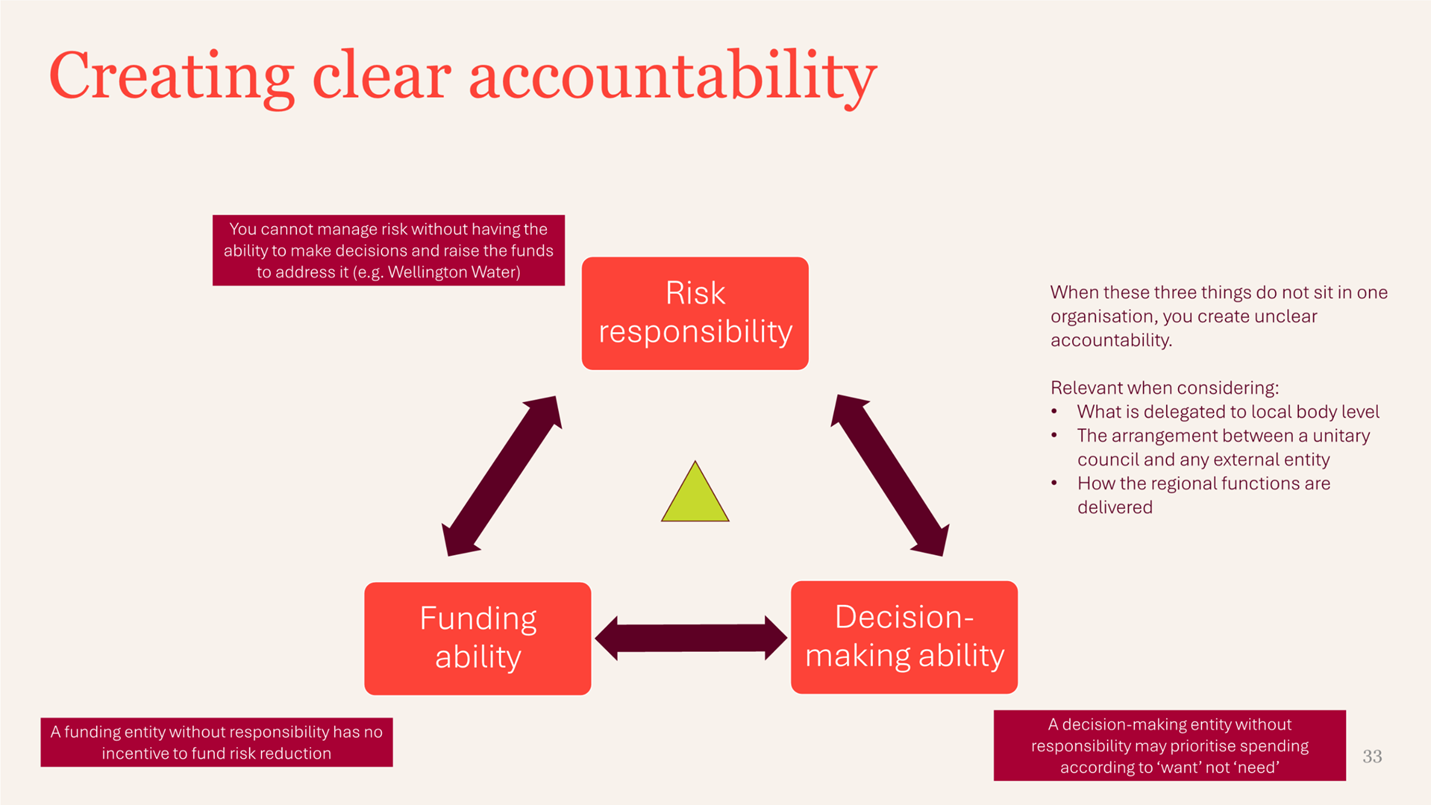
Transport.
BACKGROUND
Context of the Local Government Reform
7 The
Government's Simplifying Local Government programme represents the most
significant reform of New Zealand's local government system since 1989. The
reforms are intended to simplify governance, strengthen strategic planning,
improve the delivery of regional functions and establish governance
arrangements that are more efficient, financially sustainable and easier for
communities to understand.
8 Following
consultation on its initial proposals in late 2025 and early 2026, the
Government announced a revised implementation framework in May 2026. Rather
than prescribing a single national model, councils have been provided with two
pathways to transition to future governance arrangements.
The two implementation pathways
are:
9 Head
Start – a voluntary process enabling groups of territorial
authorities to develop locally-led proposals for unitary governance
arrangements. Outline proposals are due by 9 August 2026 and will be
assessed by Government against five criteria: support for the new planning
system, simplified governance, economies of scale, maintaining local voice, and
deliverability. Successful proposals will be implemented through bespoke
legislation in early 2028.
10 Backstop
– a mandatory Government-led process that will apply where councils do
not participate in Head Start or where proposals are not approved. While
details remain limited, implementation is expected to commence following the
2028 local elections. Existing regional councillors will remain in office
until 2028 to support an orderly transition. Following this, regional
governance functions will transfer to interim arrangements, such as
Crown-appointed commissioners or mayoral boards, while central government
oversees the design and implementation of the new governance structure.
11 The Head
Start pathway requires participating councils to identify a preferred
governance proposal suitable for Government consideration. Successful proposals
would then proceed to a detailed design phase before implementation.
Government
Priorities
12 The
Simplifying Local Government programme establishes a Head Start pathway that
allows groups of councils to submit voluntary outline proposals for local
government reorganisation. Outline proposals are expected to identify a
strategic case for change using existing evidence, identify key risks and
trade-offs, and indicate matters requiring further development during the
detailed design phase.
13 At the
outline stage, councils are not expected to produce detailed organisational
designs, financial modelling or implementation plans. Proposals are assessed by
officials from MCERT before recommendations are made to Cabinet, which
determines which proposals will proceed to the detailed design phase.
14 The
guidance document released for the Head Start pathway does not prescribe
minimum thresholds for individual assessment criteria, instead indicating that
proposals will be considered across the criteria as a whole and that trade-offs
between objectives may be considered.
15 The
Government's assessment framework is based on five criteria:
a) Supports
the new planning system – Assesses whether the proposed
governance arrangements align with implementation of the new planning system,
facilitate regional spatial planning and integrated regional functions, and
minimise disruption during the transition.
b) Simplifies
local governance – Examines whether the proposal reduces
institutional complexity, clarifies governance responsibilities, improves
accountability, and establishes governance arrangements that are easier for
communities to understand.
c) Economies
of scale – Evaluates whether the proposed structure strengthens
financial sustainability, improves asset management and infrastructure
planning, enhances service delivery, and supports more integrated delivery of
regional functions such as transport and catchment management.
d) Maintains
local voice – Considers how local representation, community
decision-making, and opportunities for iwi and Māori participation would
be maintained within larger governance arrangements, while balancing regional
and local interests.
e) Deliverability
– Assesses whether the proposed reorganisation can realistically be
implemented before the 2028 local elections, including consideration of
transition arrangements, implementation milestones, interactions with other
reform programmes, and any government support required.
16 If accepted
into the Head Start pathway, proposals proceed to a detailed design phase,
where councils are expected to develop more detailed governance arrangements,
financial analysis, implementation plans, representation models, transition
arrangements, community engagement processes, and approaches to Treaty
settlement obligations.
Regional
Response
17 Recognising
that any future governance arrangements are likely to have regional
implications, Otago councils agreed to coordinate their response through the
Otago Mayoral Forum (OMF). This provided a mechanism to assess governance
options collectively, develop a shared evidence base and explore whether a
regional Head Start proposal could be achieved.
18 To support
this work, the OMF commissioned Morrison Low to independently assess potential
governance arrangements for Otago (Attachment A). The assessment considered a
range of governance models against the Government's reform objectives,
including governance effectiveness, strategic planning, service delivery,
financial sustainability, implementation, and local representation. A
region-wide community survey and a series of elected member workshops also
informed the assessment.
19 Additional
to the governance models presented in its initial assessment, Morrison Low also
provided an analysis with a fourth governance option (Attachment B).
20 Ngāi
Tahu and mana whenua participated throughout the regional process and
identified the reforms as an opportunity to strengthen collaboration between
councils, iwi and communities. Their contribution emphasised governance
arrangements based on catchments and takiwā, supported by shared services
where these improve capability and efficiency while maintaining strong local
decision-making. This perspective provided an additional strategic lens for
considering future governance arrangements alongside the structural models
assessed through the regional process.
Council
Updates
21 Councils
across Otago continue to consider the Government's reform programme
independently.
22 Waitaki
District Council has resolved to pursue a Head Start proposal with South
Canterbury while continuing to explore options for southern Waitaki
communities.
23 Discussions
between DCC and QLDC remain ongoing, and no formal agreement has been reached.
24 Central
Otago District Council (CODC) resolved to develop a Headstart proposal for a
potential unitary authority covering CODC, Clutha District Council, and QLDC,
with scope to consider parts of Waitaki and rural Dunedin. They also requested
that their proposal considers bespoke legislative arrangements, enables
refinement of options before public consultation, and includes review and exit
mechanisms to respond to changing circumstances.
25 Clutha
District Council is continuing discussions regarding potential participation in
alternative Head Start arrangements.
26 These
developments demonstrate that councils are pursuing different strategic
directions in response to the Government's reform programme. While
opportunities are emerging for collaborative proposals, no single proposal
currently reflects the collective position of all Otago councils.
Recent Strategic Developments
27 Since
preparation of this report commenced, further discussions have occurred between
DCC and QLDC regarding the potential development of a joint Outline Proposal
through the Government's Head Start pathway.
28 While no
agreement has yet been reached, there appears to be sufficient strategic
alignment to continue exploring a proposal, subject to further discussions and
Council decisions.
29 Importantly,
submission of an Outline Proposal would not determine the final governance
model.
30 Rather, it
would enable participation in the Government's detailed design process, during
which governance arrangements, organisational design, local representation,
financial implications, implementation, planning and community engagement would
be further developed and tested.
31 Council is
therefore not being asked to approve a final governance model. Rather, it is
being asked to determine whether it wishes to continue exploring this
opportunity should sufficient regional alignment emerge.
Joint Letter
32 While Morrison
Low has identified several viable governance options, it has become clear that no
single option has secured sufficient regional support to form the basis of a
collective Head Start proposal. The assessment instead indicates that further
analysis, community engagement and collaboration will be required before a
preferred regional governance model could be established. While this remained
the position at the conclusion of the regional assessment, subsequent
discussions have created the potential for a smaller group of councils to
progress an Outline Proposal through the Head Start pathway.
33 OMF
discussions then shifted towards preparing a joint letter to the Government in
place of a regional Head Start proposal. The letter will confirm Otago councils'
commitment to the objectives of local government reform while recognising that
additional time is required to refine governance options and develop a proposal
that appropriately reflects the diverse interests and communities across the
region.
34 The joint
letter will also propose continued collaboration through the OMF, further
engagement with mana whenua and communities, and additional evidence gathering
to support future decision-making through the Government's ongoing reform
process.
35 The OMF's
proposed joint letter will provide a coordinated regional position while
recognising that each council retains responsibility for determining its own
response to the Government's reform programme. It will enable councils to
indicate their wish for additional time to consider governance options ahead of
the March 2027 deadline for final proposals to be submitted (see Attachment C
for the timeline).
36 Should
Council identify a preferred strategic governance direction, that position
could be communicated separately while continuing to support the collaborative
intent of the regional letter.
DISCUSSION
Strategic Assessment
37 The
regional work provides the evidence base for Council's decision. The question
is no longer whether reform is occurring, but how DCC wishes to participate in
that process.
38 The work
undertaken through the OMF has established a robust evidence base to inform
Council's consideration of the Government's reform programme. It has confirmed
that the objectives of the reform can be achieved through a range of governance
arrangements, but that no single model has emerged as the preferred regional
solution.
39 The
regional process has also clarified an important distinction. The immediate
decision before Council is not to determine the detailed design of any future
governance model. Rather, Council is being asked to determine its preferred
strategic direction for governance reform and how it wishes to participate in
the Government's reform process.
40 Council is
effectively being asked to make two related but separate decisions. The first
decision concerns Council's strategic aspirations for local government reform.
The second concerns the process through which those aspirations may be pursued.
41 This
distinction is significant. While the Government has established the Head Start
and Backstop pathways, the detailed governance arrangements that may ultimately
emerge remain uncertain. Further analysis, community engagement, collaboration
between councils and engagement with mana whenua will be required before any preferred
strategic direction for governance reform can be developed.
42 The
regional assessment also demonstrated that future governance arrangements can
be considered through different strategic lenses. In addition to evaluating
alternative organisational structures, the process highlighted governance
principles centred on catchments, takiwā and shared services as an
important perspective for future regional discussions. These principles
complement the structural analysis undertaken through the regional assessment
and reinforce that governance outcomes are influenced by both organisational
form and the way decision-making is designed.
Ngāi
Tahu and Mana Whenua
43 During the
regional process, Ngāi Tahu and mana whenua representatives have
participated in discussions to ensure iwi perspectives have informed
consideration of future governance arrangements. Ngāi Tahu representatives
described the reform programme as an opportunity to cooperate between local
government, iwi and communities.
44 On 15 July
2026, Te Rūnanga o Ngāi Tahu provided a letter to the councils
outlining its proposed approach to local government reform across Te Waipounamu
(Attachment D). The proposal describes the reforms as an opportunity to
establish a "new age of cooperation" between local government, iwi
and communities and is underpinned by four key principles:
a) Takiwā-based
governance - Local government boundaries should align with the Ngāi Tahu
takiwā (district, area, territory or space), recognising it as a natural
and enduring geographic, cultural and social boundary across Te Waipounamu.
b) Catchment-based
unitary authorities - River catchments should be the primary determinant of
unitary council boundaries to support integrated management of freshwater, land
use, biodiversity, infrastructure and natural hazards.
c) Takiwā-wide
shared services - Establish a shared entity to deliver back-office and
specialist functions on behalf of unitary councils, improving efficiency,
reducing duplication, strengthening capability and supporting financially
sustainable outcomes while retaining local decision-making.
d) Council–iwi
partnership - Future governance arrangements should incorporate genuine
cooperation between councils and Papatipu Rūnaka (a traditional tribal
council, assembly or marae-based community), recognising rangatiratanga and
ensuring decisions are informed by local knowledge, long-term stewardship and
Te Tiriti-based relationships.
45 The
proposal also outlines a governance framework comprising:
a) Local
governance responsible for inherently local services such as community
facilities, libraries, swimming pools, arts, heritage and other
community-facing services.
b) Regional
or sub-regional unitary councils responsible for the full range of current
regional, district and city council functions.
c) A
takiwā-wide shared services entity delivering specialist and back-office
functions where greater scale is beneficial, including data and science,
information technology, workforce development and other specialist
capabilities.
46 Ngāi
Tahu notes that the proposal draws on its own governance model, where strong
local decision-making by Papatipu Rūnanga is supported by a central
organisation that provides shared capability across the takiwā.
47 Ngāi
Tahu representatives also presented to the OMF during its 3 July meeting and
outlined their key principles as described above, focusing on using river
catchments as a basis for governance boundaries and exploring shared services
and back-office functions where appropriate. They emphasised partnership with
Papatipu Rūnaka within future governance arrangements, and an expectation
that governance decisions should recognise cultural, social and tribal outcomes
alongside financial and organisational considerations.
Strategic
Considerations
48 The
Government's reform programme contemplates future governance arrangements based
on unitary authorities, bringing together the statutory responsibilities
currently undertaken by territorial authorities and regional councils. Should
this approach proceed, future governance arrangements would need to integrate
responsibilities for regional planning, natural resource management, public
transport, civil defence and emergency management, environmental regulation and
other regional functions within a single governance framework. This has
important implications for governance capability, organisational design and
local representation, regardless of the governance model ultimately adopted.
49 Regional
Integration: Simplifying governance has the potential to improve
coordination between land use planning, infrastructure investment, transport,
environmental management and economic development. Bringing regional and
territorial authority functions within a single governance framework has the
potential to reduce duplication, strengthen strategic decision-making and
improve alignment across these interconnected responsibilities while
maintaining effective local representation.
50 Local
Representation: Any future governance arrangements will need to maintain
effective local representation and democratic accountability. While larger
organisations may deliver greater strategic capability and operational
efficiency, these benefits need to be balanced against community identity,
accessibility of decision-makers and confidence that local priorities continue
to influence regional decisions.
51 Deliverability:
The Government has set an ambitious implementation timeframe. Regardless of
the governance model ultimately adopted, successful implementation will require
legislative change, organisational transition, financial integration, workforce
planning and sustained collaboration between participating councils.
Deliverability therefore remains a significant consideration alongside the
merits of any individual governance model.
Otago
Regional Council
52 Under the
Simplifying Local Government reforms, regional councils would be
disestablished, with their core functions incorporated into the new amalgamated
councils.
53 In this
regard, Otago Regional Council’s (ORC) core functions will need to be
reviewed and incorporated into the new unitary authorities across the region.
This assessment will help identify how these functions could be allocated and
delivered under different unitary authority configurations.
54 A summary
of the ORC’s core functions, together with a detailed assessment of their
potential delivery under the proposed models, is provided in Attachment E.
Dunedin's
Strategic Role
55 Dunedin
performs a unique role within Otago as the region's metropolitan centre. It
provides higher-order services, tertiary education, specialist health services,
freight infrastructure, cultural institutions and administrative functions that
extend well beyond the city's boundaries. Future governance arrangements will
need to recognise these regional functions while ensuring Dunedin continues to
exercise appropriate influence over decisions affecting both the city and the
wider region.
56 Future
governance arrangements will therefore need to recognise Dunedin's metropolitan
role while ensuring governance structures are capable of effectively delivering
both territorial authority and regional council functions across Otago,
balancing the city's regional responsibilities with the interests and
aspirations of communities throughout the region.
Organisational Design Considerations
57 While much
of the reform discussion has focused on future governance structures, an
equally important consideration is the organisational model required to support
those structures. Governance, corporate capability and operational service
delivery do not necessarily need to operate at the same scale.
58 A future
unitary authority would be responsible for delivering both territorial
authority and regional council functions across a geographically large and
diverse region. While regional integration may strengthen strategic planning,
reduce duplication and improve organisational capability, the scale and
diversity of Otago means that consideration should also be given to how
services are organised and delivered to communities.
59 This
highlights the importance of distinguishing between governance arrangements,
shared organisational capability and local service delivery. A governance model
may be supported by regionally delivered corporate services while maintaining
locally based operational functions and decision-making. The balance between
regional integration and local responsiveness will therefore be an important
consideration in the design of any future governance arrangements.
Governance
Options
60 The
Government's assessment framework is based on future unitary governance
arrangements that would combine the responsibilities currently undertaken by
territorial authorities and regional councils. Morrison Low assessed a range of
governance models against that framework. While the models differ in structure,
they present a series of strategic trade-offs rather than a clear hierarchy of
preferred outcomes.
61 In
considering future governance models, it’s important to recognise that
organisational structure and governance structure are not synonymous. Different
governance models may be supported by different approaches to corporate
capability, shared services and local operational delivery, meaning that
similar governance arrangements may be implemented through different
organisational designs.
62 Morrison
Low concluded that no governance model consistently performs better across
every assessment criterion. Rather, each option reflects a different balance
between regional integration, local representation, organisational scale and
implementation complexity.
63 Consequently,
the regional work has not identified a preferred governance structure for
Otago. It instead provides the evidence base from which individual councils may
determine whether they wish to identify a preferred strategic direction for
local governance reform while regional discussions continue.
Regional
Position
64 The
regional discussions demonstrated broad agreement that reform presents an
opportunity to simplify governance and strengthen regional decision-making.
While a region-wide proposal involving all Otago councils has not emerged,
subsequent discussions indicate opportunities may now exist for smaller
groupings of councils to progress proposals through the Head Start pathway
while continuing broader regional collaboration.
65 The
proposed joint letter will reflect this position. Rather than seeking to
advance a governance model that has not secured regional agreement, it will confirm
the councils' commitment to continued collaboration, further engagement and
thorough consideration of governance options before future decisions are made.
66 The absence
of regional consensus at this stage does not prevent individual councils from
identifying a preferred strategic direction for local governance reform.
However, any future Head Start proposal affecting multiple territorial
authorities would ultimately require sufficient regional collaboration and
Government approval before it could proceed. Continued regional engagement
therefore remains an important prerequisite to any future proposal.
67 Should Council
identify a regional governance model as its preferred strategic direction, that
position would inform discussions with neighbouring councils regarding a
potential Head Start proposal. It would not predetermine the final governance
model or implementation arrangements, both of which would remain subject to the
Government's detailed design process and future Council decisions.
Strategic
Risks
68 While each
implementation pathway provides opportunities to influence future governance
arrangements, each also presents strategic risks that Council should consider.
|
Pathway
|
Strategic Risks
|
|
Regional Response
|
Delays decisions on
future governance arrangements, relies on continued regional collaboration to
achieve consensus, and extends uncertainty while governance options continue
to evolve.
|
|
Head Start
|
Limited time remains to
develop a proposal, regional agreement has not yet been achieved, and any
proposal remains subject to Government approval.
|
|
Backstop
|
Provides less
opportunity for local influence over governance design, the Government-led
process remains uncertain, and future arrangements may reflect less local
input than a locally developed proposal.
|
|
Preferred Strategic
Direction
|
Identifying a preferred
strategic direction before regional consensus is achieved may create
differing expectations between Otago councils. This risk can be mitigated by
continuing to participate constructively in regional collaboration while
recognising that any future proposal would require broader agreement.
|
Table 1: Strategic
risks for each pathway.
Matters for
Council
69 Council
is being asked to make two distinct decisions. The first is whether it wishes
to identify a preferred strategic direction for local government reform in
Otago. The second is how it wishes to participate in the Government's reform
process while continuing to influence the development of future governance
arrangements. These decisions are related but not dependent on one another. In
making that decision, Council may wish to consider:
· the
opportunity to influence future governance arrangements through continued
regional collaboration;
· whether
Council wishes to identify a preferred long-term governance outcome while
continuing to work collaboratively to build regional consensus;
· the
advantages and risks associated with the Government's Head Start and Backstop
pathways;
· the
strategic importance of maintaining Dunedin's role as Otago's metropolitan
centre;
· how
the statutory functions currently undertaken by the Otago Regional Council
could be integrated within any future unitary authority while maintaining
effective regional capability, local representation and service delivery;
· the
need to balance regional integration with effective local representation;
· the
organisational model required to deliver future unitary authority functions,
including the appropriate balance between regional governance, shared
organisational capability and locally delivered services; and
· the
extent to which identifying a preferred strategic direction for governance
reform should influence Council's future regional advocacy and engagement.
70 These
considerations are intended to assist Council's decision-making. Through the
regional process it has become apparent that identifying a preferred long-term
governance outcome and determining how Council wishes to participate in the
Government's reform programme are separate governance decisions. For this
reason, the options below distinguish between implementation pathways and
Council's preferred strategic direction. They do not recommend a preferred
strategic direction for governance reform, recognising that determining the
future structure of local government is ultimately a matter for elected members.
Emerging
strategic opportunity
71 The work
undertaken through the OMF has progressively shifted the discussion from
whether governance reform should occur to how governance can best be designed
to maximise long-term public value for Otago. This reflects an evolution in the
discussion, from assessing governance options to identifying opportunities to
advance governance reform through the Government's implementation pathways.
72 Recent
discussions suggest there may now be an opportunity to progress that work
through the Government's Head Start pathway.
73 While this
opportunity remains subject to further agreement, it reinforces the importance
of distinguishing between identifying a preferred strategic direction and
designing the detailed governance model.
74 The Head
Start pathway provides a mechanism to undertake that design work, including
governance structures, organisational arrangements, representation, engagement
with mana whenua, financial analysis and implementation planning.
75 Identifying
a preferred strategic direction does not commit Council to a final governance
model. Rather, it provides strategic clarity for future discussions with
neighbouring councils and the Government, enabling Council to participate
proactively in the ongoing reform process while retaining flexibility as governance
design continues to evolve.
OPTIONS
76 The options
presented below represent the principal implementation pathways available to
Council. They are not necessarily mutually exclusive. For example, Council may
choose to endorse the regional response while continuing to participate in
discussions that could support a future Head Start proposal should sufficient
regional consensus emerge.
Option One – Endorse the Regional Response and
Continue Collaboration
77 Endorse the
OMF's joint letter to the MCERT, confirming DCC's commitment to continued
regional collaboration while governance options are further developed.
78 This option
recognises that the regional assessment identified several viable governance
models. While no agreed regional Head Start proposal currently exists, recent
discussions indicate there may be an opportunity to develop a joint Outline
Proposal should sufficient alignment be achieved. This option preserves
Council's ability to participate in that work while continuing broader regional
collaboration.
Advantages
· Maintains
a coordinated regional approach to reform.
· Supports
continued collaboration with neighbouring councils, mana whenua and central
government.
· Allows
governance options to be refined through further analysis and engagement.
· Preserves
Dunedin's ability to influence future regional discussions.
· Does
not preclude participation in future reform proposals.
Disadvantages
· Defers
decisions on future governance arrangements.
· Relies
on continued regional collaboration to achieve future consensus.
· Creates
some ongoing uncertainty while reform options continue.
Option Two – Participate in the Head Start Pathway
79 Participation
in the Head Start pathway would enable Council to develop or join an Outline
Proposal should sufficient alignment be achieved with neighbouring councils.
80 Recent
discussions have identified the potential for a joint proposal involving DCC and
QLDC. While these discussions remain ongoing, no formal agreement has been
reached. Council's decision therefore relates to whether it wishes to continue
exploring that opportunity.
Advantages
· Provides
the greatest opportunity to influence future governance arrangements.
· Enables
governance proposals to reflect local and regional priorities.
· May
provide greater certainty regarding future governance arrangements.
Disadvantages
· There
is currently no agreed regional proposal.
· Time
available for further analysis and community engagement is limited.
· Successful
implementation depends on agreement between participating councils and
subsequent Government approval.
Option Three - Continues through
the Backstop Process
81 Do not
participate in the Head Start pathway and continue through the Government's
Backstop process.
82 The
Backstop process provides additional time before structural decisions are
required. However, governance arrangements will be developed through a
Government-led process and the level of local influence remains
uncertain. Should the Government proceed with the Backstop pathway, the
detailed approach to integrating regional council functions within future governance
arrangements is expected to be determined through the Government-led design
process.
Advantages
· Allows
additional time for regional discussions and community engagement.
· Avoids
committing resources to developing a Head Start proposal that may not achieve
regional support.
· Enables
governance options to continue evolving before decisions are required.
Disadvantages
· Provides
less opportunity to influence the design of future governance arrangements.
· The
operation of the Backstop process remains uncertain.
· Final
governance arrangements may be determined with less local input.
Option Four - Identify a Preferred Strategic Direction
83 Council
identifies its preferred strategic direction for local government reform while
continuing to participate in regional collaboration.
84 This option
enables Council to clearly articulate its preferred future governance direction
without requiring immediate submission of a Head Start proposal. Council may
identify a preferred strategic direction for governance reform, while
recognising that further collaboration with neighbouring councils, mana whenua
and the Government would be required before any regional proposal could be
developed.
85 Should
Council identify an Otago-wide
unitary authority as its preferred strategic direction,
this would provide a clear basis for DCC’s ongoing participation in
regional discussions while acknowledging that significant further work would be
required on governance design, organisational arrangements, financial analysis,
community engagement and implementation planning.
86 Identifying
a preferred strategic direction for governance reform would not predetermine
the outcome of future regional discussions nor commit other councils to that
position. Rather, it would clarify DCC's long-term aspirations while
maintaining its commitment to work collaboratively towards a regionally
supported outcome.
87 Should
Council identify a preferred strategic direction for governance reform, that
position would guide DCC's future participation in regional discussions but
would not limit Council's ability to modify that position should further
analysis, regional collaboration or community engagement identify a more
appropriate governance outcome.
88 A clearly
identified governance direction would provide greater certainty for future
advocacy, engagement with neighbouring councils and dialogue with central
government, while still allowing the detailed governance model to evolve
through further regional work.
Advantages
· Clearly
articulates Council's preferred long-term direction.
· Provides
strategic leadership while continuing regional collaboration.
· Enables
DCC to influence future discussions from a clearly stated position.
· Maintains
flexibility regarding implementation pathways.
Disadvantages
· Other
councils may not share Council's preferred direction.
· A
preferred governance outcome cannot be implemented without wider regional
collaboration and Government approval.
· Additional
work would still be required before any formal proposal could be developed.
NEXT STEPS
89 Following
Council's decision, staff will implement the actions necessary to give effect
to Council's direction. This may include:
· communicating
Council's preferred strategic direction for local governance reform (if
identified) to the Ministry for Cities, Environment, Regions and Transport and
neighbouring councils;
· advising
the Ministry for Cities, Environment, Regions and Transport of Council's
preferred implementation pathway under the Government's Simplifying Local
Government reform programme;
· progressing
the Otago Mayoral Forum's agreed regional response, where applicable;
· continuing
engagement with neighbouring councils, mana whenua, communities and central
government to further develop governance options and build regional consensus;
· undertaking
further analysis of governance models, organisational design, service delivery
arrangements, financial implications and implementation pathways as additional
information becomes available; and
· reporting
back to Council as the Government's reform programme progresses and further
decisions are required.
Signatories
|
Author:
|
Gina Hu'akau - Community Partnerships Manager
Berkay Kocak - Policy Analyst
Danielle Tolson - Policy Analyst
|
|
Authoriser:
|
Nicola Morand - Manahautū (General Manager Community
and Strategy)
|
Attachments
|
|
Title
|
Page
|
|
⇩a
|
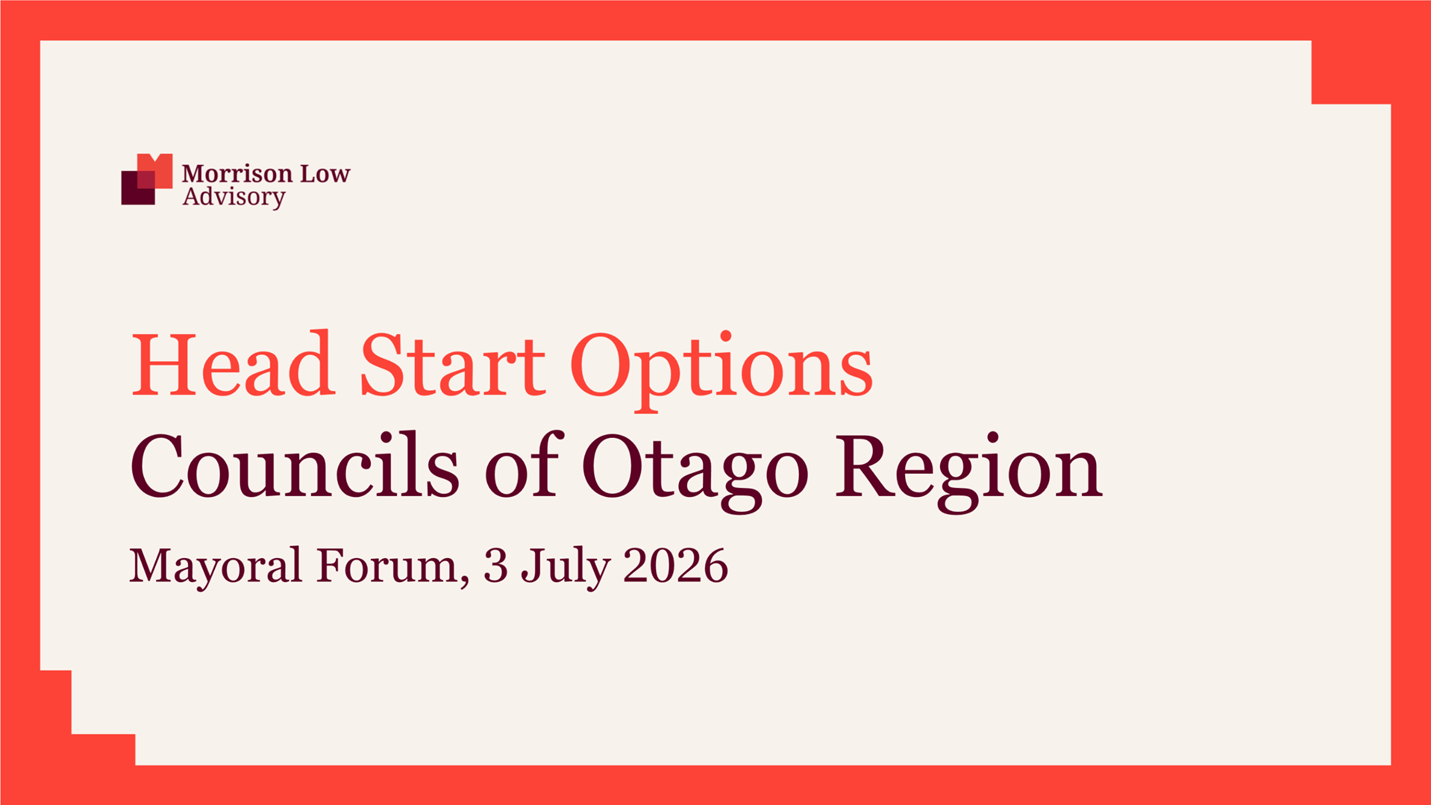
Attachment A - Morrison
Low Head Start Options for Councils of Otago Region Mayoral Forum, 3 July
2026
|
33
|
|
⇩b
|
Attachment B - Morrison
Low Head Start Option 4 Supplementary for Councils of Otago Region, 22 July
2026
|
94
|
|
⇩c
|
Attachment C -
Simplifying Local Government - Head Start Pathway Timeline
|
103
|
|
⇩d
|
Attachment D -
Headstart Correspondence with Te Rūnanga o Ngāi Tahu
|
104
|
|
⇩e
|
Attachment E - Summary
of ORC Core Functions and Analysis
|
107
|
|
SUMMARY OF CONSIDERATIONS
|
|
Fit with purpose of Local Government
This decision enables democratic local
decision making and action by, and on behalf of communities.
This decision promotes the social,
economic, cultural and environmental well-being of communities in the present
and for the future.
|
|
Fit with strategic framework
|
|
Contributes
|
Detracts
|
Not applicable
|
|
Social Wellbeing Strategy
|
✔
|
☐
|
☐
|
|
Economic Development Strategy
|
✔
|
☐
|
☐
|
|
Environment Strategy
|
✔
|
☐
|
☐
|
|
Arts and Culture Strategy
|
✔
|
☐
|
☐
|
|
3 Waters Strategy
|
✔
|
☐
|
☐
|
|
Future Development Strategy
|
✔
|
☐
|
☐
|
|
Integrated Transport Strategy
|
✔
|
☐
|
☐
|
|
Parks and Recreation Strategy
|
✔
|
☐
|
☐
|
|
Other strategic projects/policies/plans
|
✔
|
☐
|
☐
|
Te Taki Haruru, the DCC’s Māori Strategic
Framework, and the Zero Carbon Policy.
|
|
Māori Impact Statement
As discussed in this report, Ngāi Tahu and mana
whenua have participated in discussions to ensure iwi perspectives informed
consideration of future governance arrangements. Te Taki Haruru, the DCC’s
Māori Strategic Framework, includes the principle of Autūroa,
whereby Māori will participate and demonstrate leadership in the
community.
|
|
Sustainability
There are sustainability‑related
implications that will need to be assessed more fully once the preferred
option is identified.
|
|
LTP/Annual Plan / Financial Strategy /Infrastructure
Strategy
There are no known implications yet related to the
DCC’s long-term planning process, but this is dependent on the final timeframes
of the reform implementation.
|
|
Financial considerations
There are potential financial implications, dependent on
the terms of the new governance model.
|
|
Significance
Council’s Significance and Engagement Policy.
|
|
Engagement – external
There has been engagement with the Otago Mayoral Forum, Ngāi
Tahu representatives, and mana whenua representatives.
|
|
Engagement – internal
This report had been prepared by the Corporate Policy
team.
|
|
Risks: Legal / Health and Safety etc.
There may be potential future implications depending on
the direction of Council.
|
|
Conflict of Interest
There is no conflict of interest.
|
|
Community Boards
There are potential future implications for Community
Boards depending on the structure of the future governance model.
|